Friends of the Rouge

4.9K posts

Friends of the Rouge banner
Friends of the Rouge

Friends of the Rouge

@frwatershed

A charitable organization working with volunteers to protect and improve the health and ecological integrity of the Rouge Watershed and Park🌱

Toronto, Ontario Katılım Ağustos 2011
1.1K Takip Edilen2.7K Takipçiler
Friends of the Rouge
Friends of the Rouge@frwatershed·
Look and see what's been spotted by friends of the Rouge Watershed FRW recently observed a pair of Cooper's hawks in Markham's Milne Park. Cooper's hawks are becoming regular visitors to urban forests where they eat pigeons and squirrels.
Friends of the Rouge tweet media
English
0
0
0
22
Friends of the Rouge
Friends of the Rouge@frwatershed·
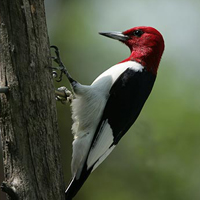
An endangered red-headed woodpecker, a Canadian species at risk, was recently observed by FRW in a mature woodland in Markham's Milne Park.
Friends of the Rouge tweet media
English
0
1
3
34
Friends of the Rouge
Friends of the Rouge@frwatershed·
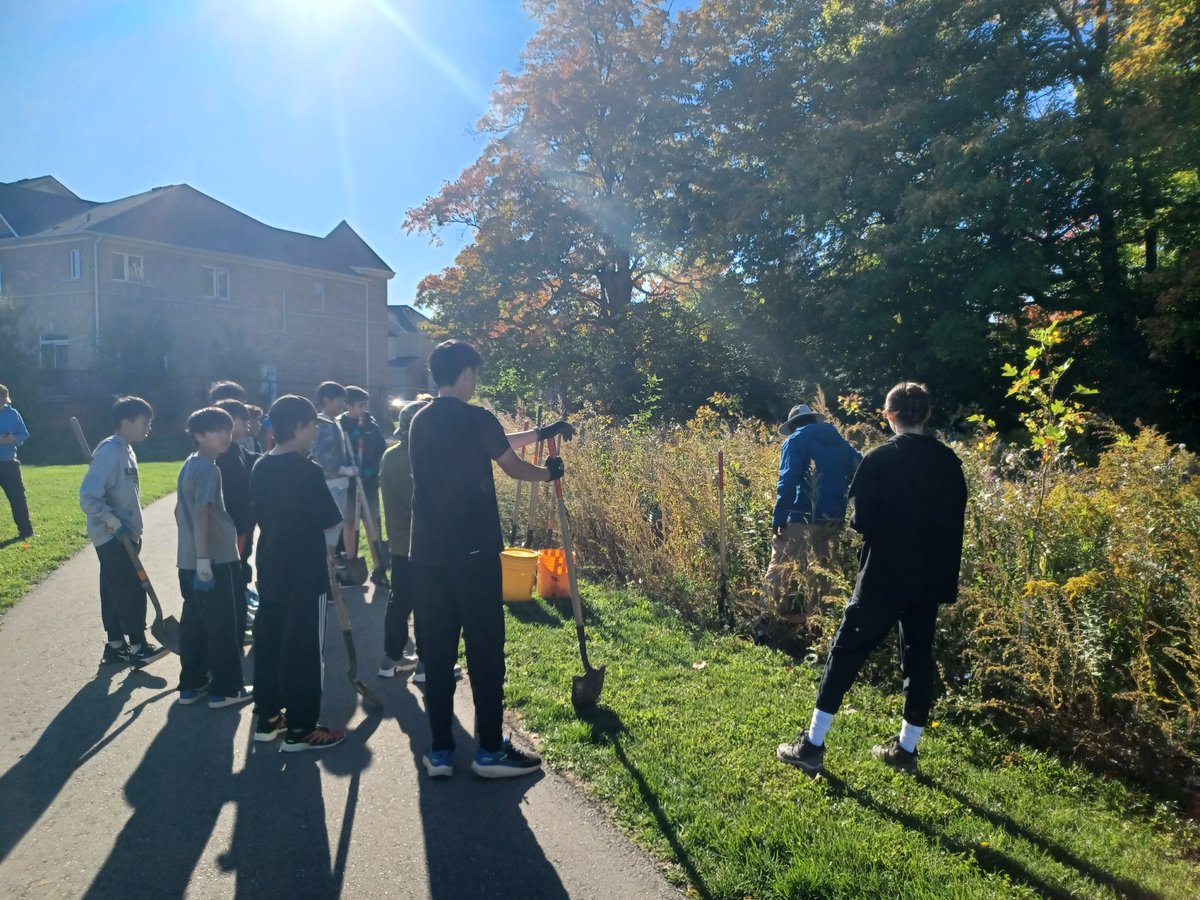
Shout out to Stonebridge Public School for being the first school to come out for our Fall 2025 education programs.
Friends of the Rouge tweet mediaFriends of the Rouge tweet mediaFriends of the Rouge tweet media
English
0
0
1
69
Friends of the Rouge
Friends of the Rouge@frwatershed·
Flooding costs can be reduced by protecting and restoring more forests and wetlands upstream from urban areas This is one of the most cost-effective ways to combat skyrocketing flooding losses, according to a 2018 research report sponsored by Canada's Insurance Bureau FRW
Friends of the Rouge tweet mediaFriends of the Rouge tweet media
English
0
0
6
162
Friends of the Rouge
Friends of the Rouge@frwatershed·
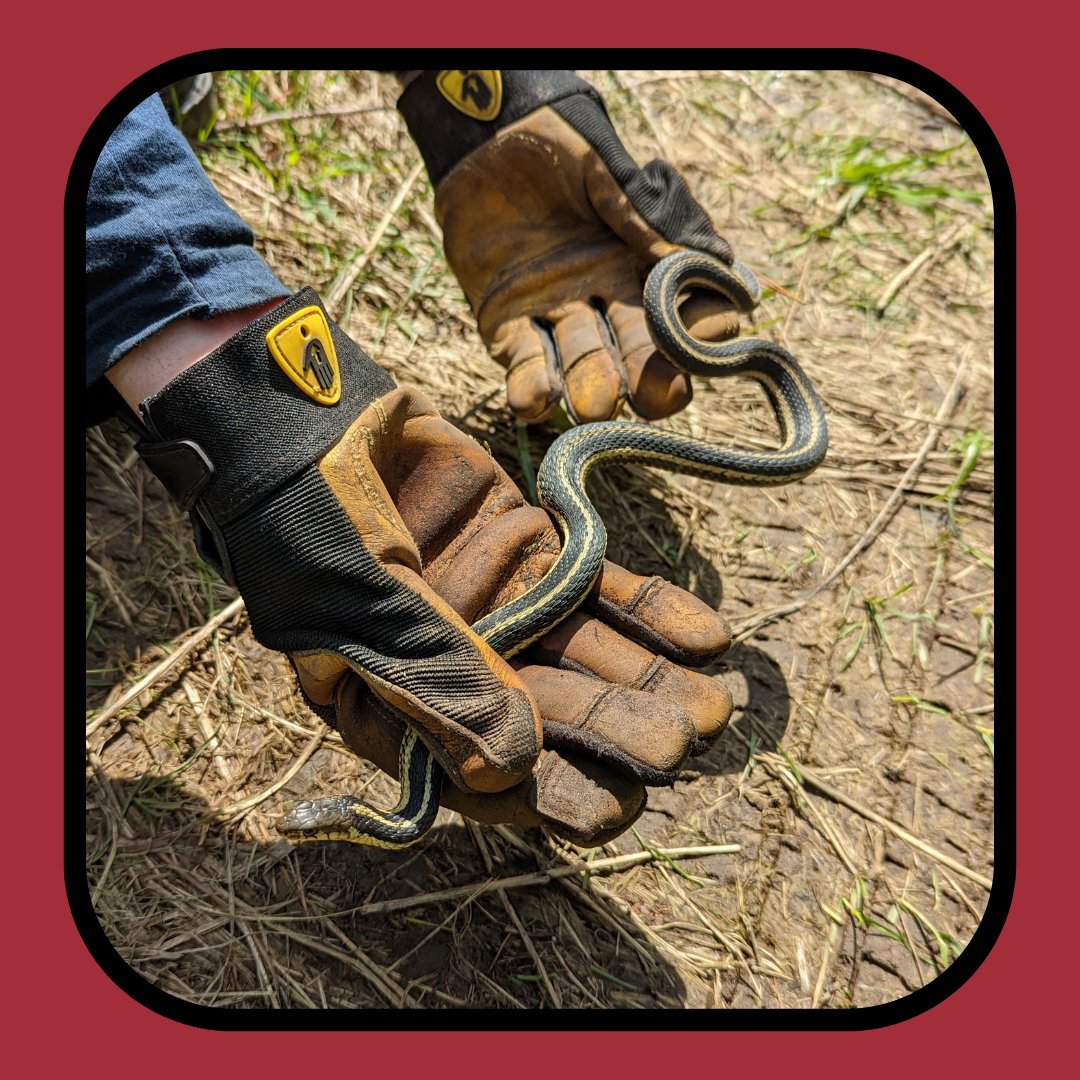
This Common Garter Snake was found at our Hillside site. Garter Snakes are one of the few snakes species that have live births. These carnivores eat snails, leeches, worms, insects, and sometimes small fish. Adult Garter Snakes range in size from twenty three to thirty inches.
Friends of the Rouge tweet media
English
0
0
2
0
Friends of the Rouge
Friends of the Rouge@frwatershed·
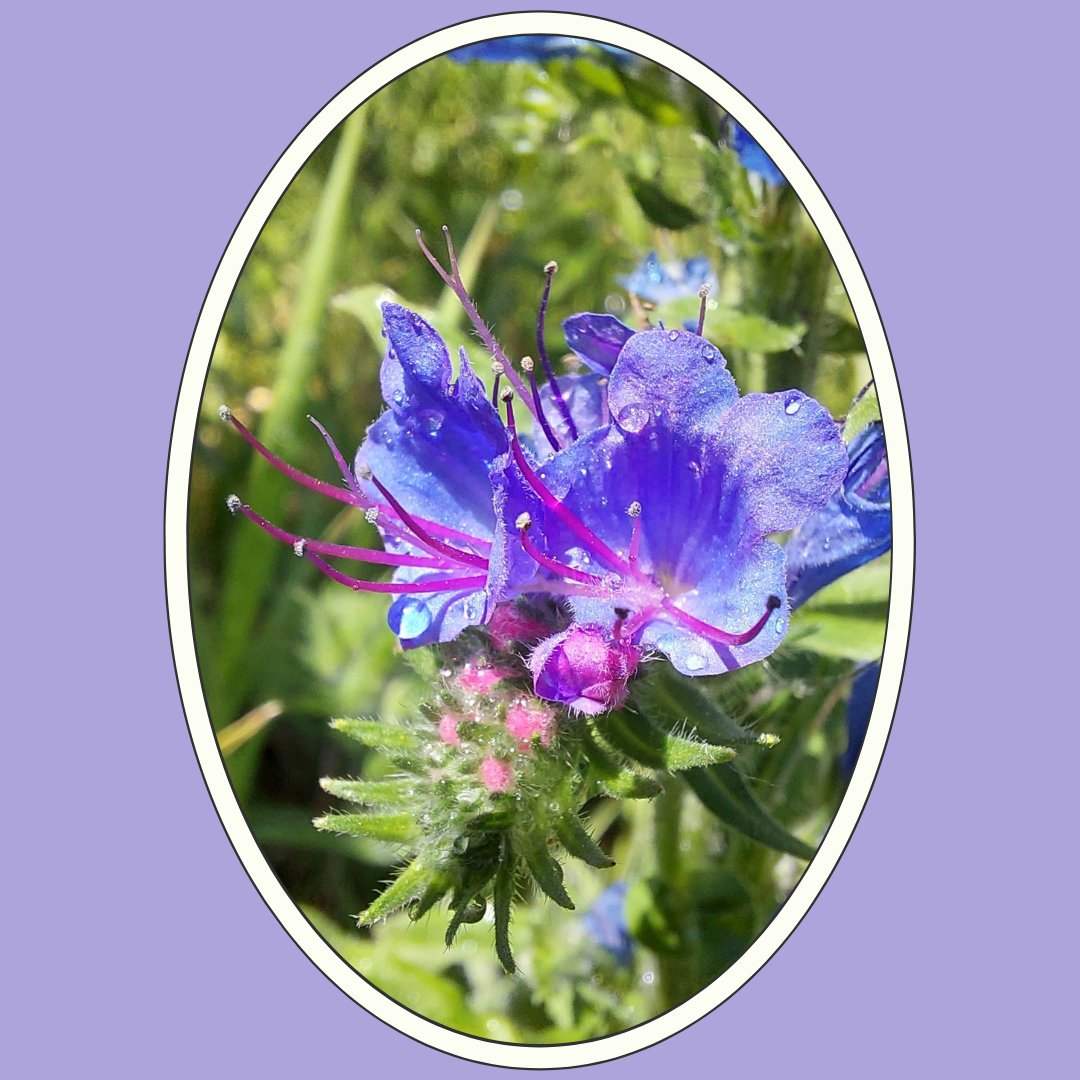
Mystery Monday! This biennial plant blooms from May to September. Painted Lady butterflies (Vanessa cardui) are one of the many pollinators attracted to its flowers. The spotted stem resembles a viper’s skin, giving the plant its common name. Can you guess this species?
Friends of the Rouge tweet media
English
0
1
1
0
Friends of the Rouge
Friends of the Rouge@frwatershed·
Fairmont Intermediate School came to plant wildflowers with us at our Campbell site in June. The students planted Spotted Joe Pye weed, Hoary Vervain, and Common St. John’s Wort. These plants create habit for native species & improve biodiversity. Thank you for planting with us!
Friends of the Rouge tweet media
English
0
0
2
0
Friends of the Rouge
Friends of the Rouge@frwatershed·
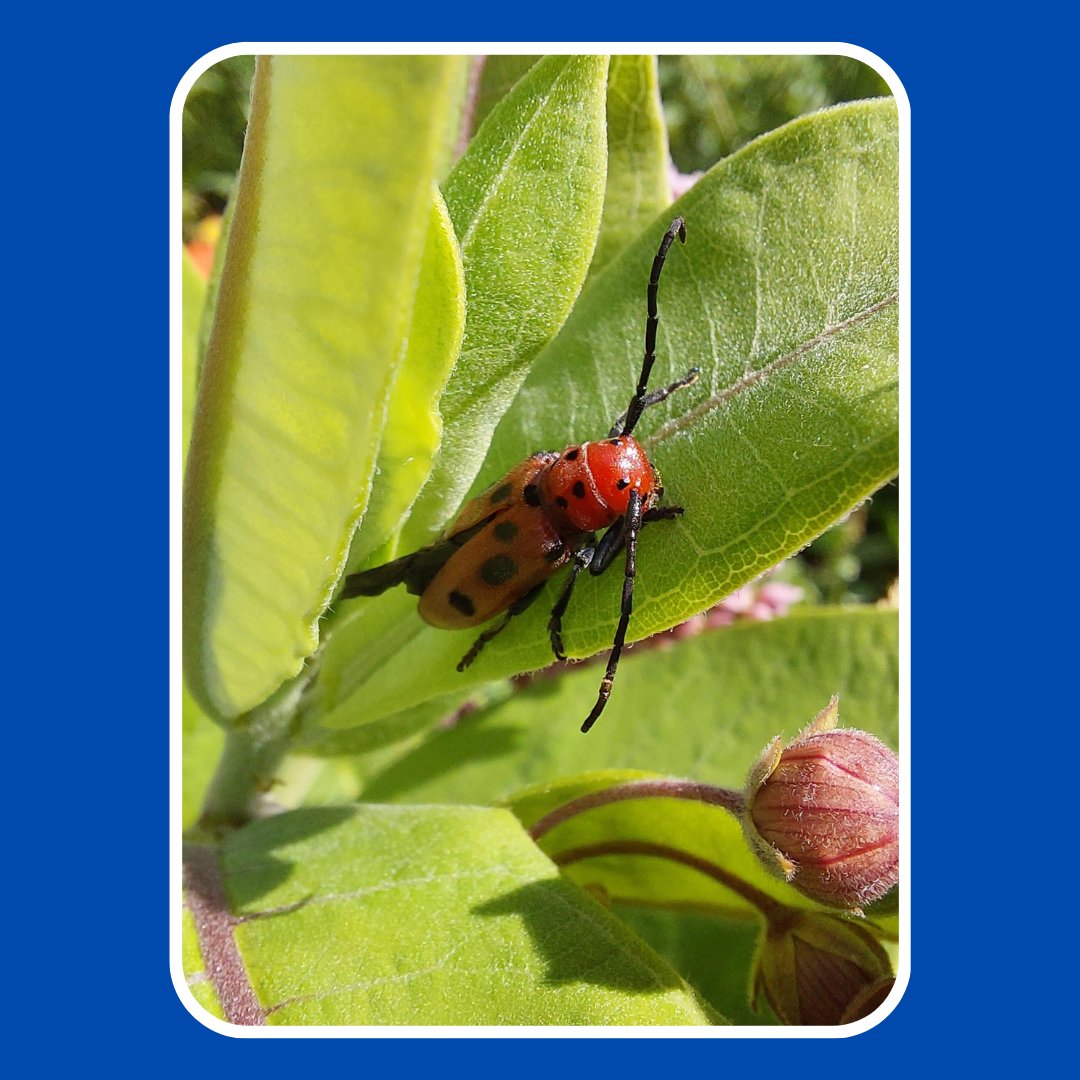
Mystery Monday! Each eye of this beetle is split into two eyes by its antennae. These beetles are one of the few creatures that can safely eat milkweed. When this species eats and crawls it produces, at times, a purring sound. Can you guess this beetle?
Friends of the Rouge tweet media
English
0
0
6
0
Friends of the Rouge
Friends of the Rouge@frwatershed·
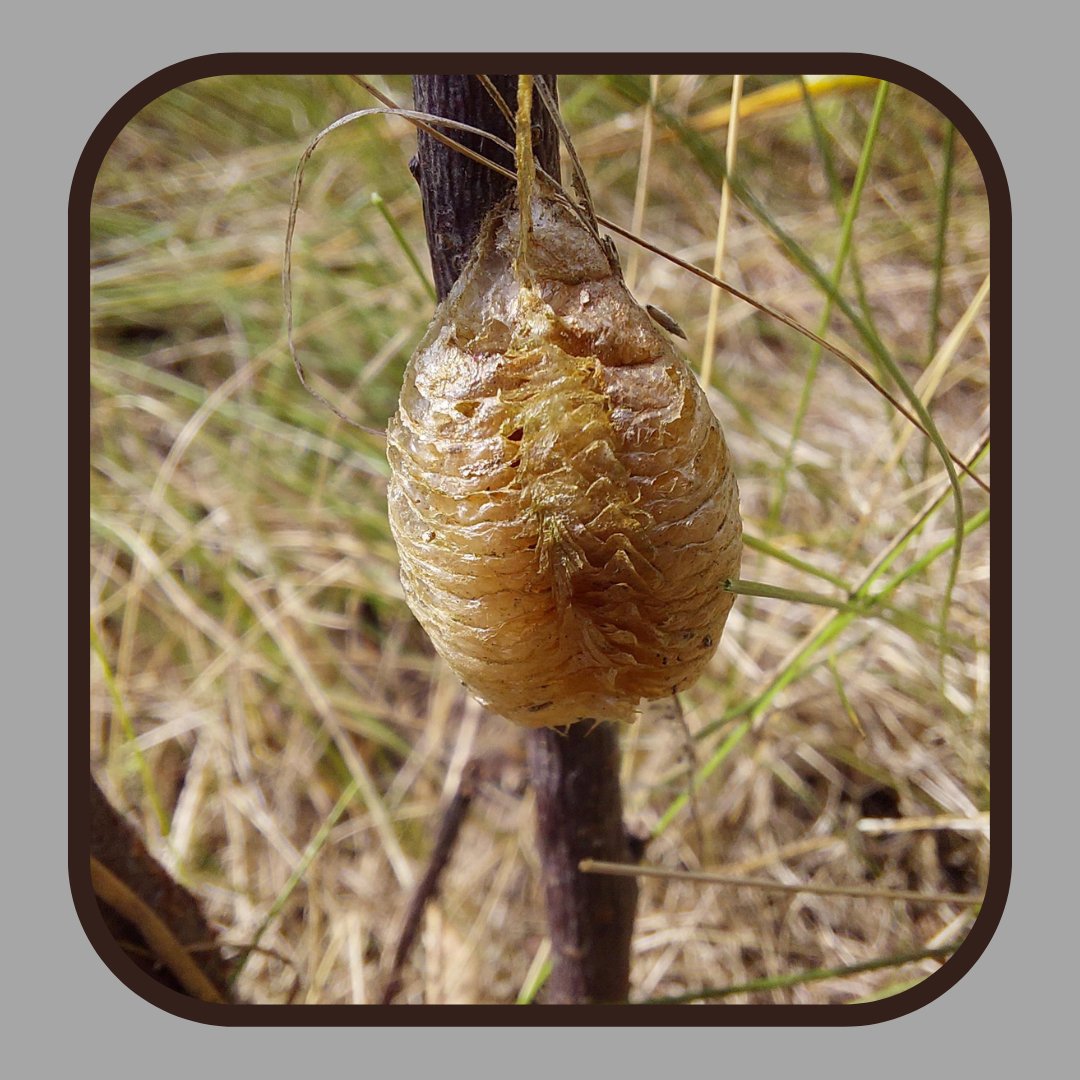
This European Praying Mantis egg sac was found on a tree at one of our restoration sites. The casing is made of hardened foam which surrounds the eggs. Up to 300 eggs can be found in one egg sac. One fifth of the Praying Mantis nymphs that emerge will survive into adulthood.
Friends of the Rouge tweet media
English
0
0
2
0
Friends of the Rouge
Friends of the Rouge@frwatershed·
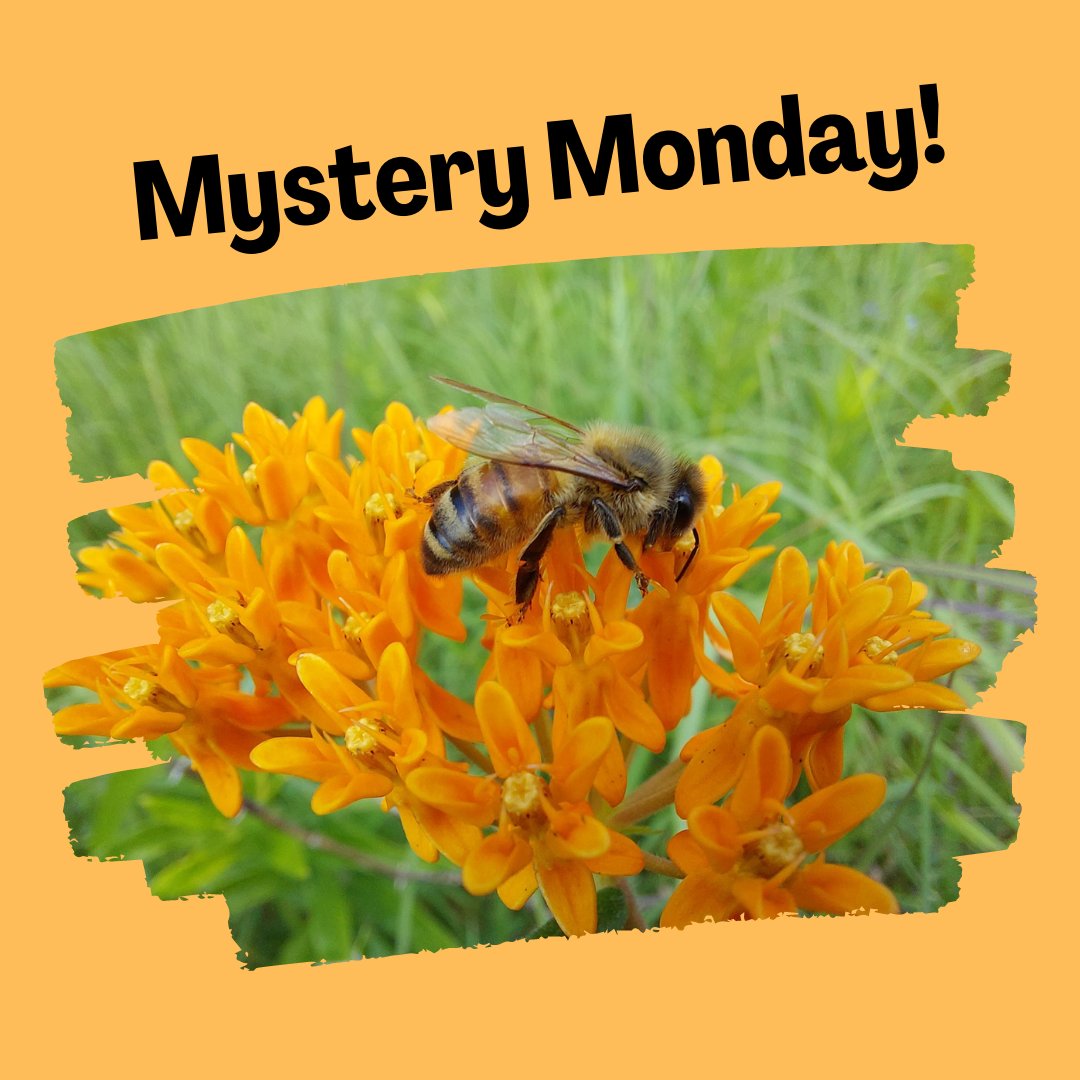
Mystery Monday! This perennial plant grows for two or three years before blooming. The large amount of nectar it produces attracts butterflies and bees. This plant has hairy stems. Can you guess this species? As a bonus, can you identify the visitor?
Friends of the Rouge tweet media
English
2
0
5
0
Friends of the Rouge
Friends of the Rouge@frwatershed·
A Primrose Moth (Schinia florida) was spotted on our Cedar Grove site! Adult Primrose Moths are nocturnal. During the day, they rest inside the flowers of their host plant, Evening Primrose (Oenothera biennis). The host plant provides habitat, shelter, and food for the moth.
Friends of the Rouge tweet media
English
1
1
8
0
Friends of the Rouge
Friends of the Rouge@frwatershed·
Mystery Monday! This native species is extremely tall - growing up to 8 feet. It is known for its leaves, which can hold water. The water held by the leaves attracts a number of species including frogs, butterflies, and birds. Can you guess this plant?
Friends of the Rouge tweet media
English
1
2
6
0
Friends of the Rouge
Friends of the Rouge@frwatershed·
The Beare Wetland was created by Friends of the Rouge Watershed in the early 2000s. This wetland was formed through the work of staff and volunteers. In 2022, the Beare wetland is a home for Snapping turtles, Gray treefrogs, Blanding’s turtles, and several bird and bat species.
Friends of the Rouge tweet media
English
0
3
13
0
Friends of the Rouge
Friends of the Rouge@frwatershed·
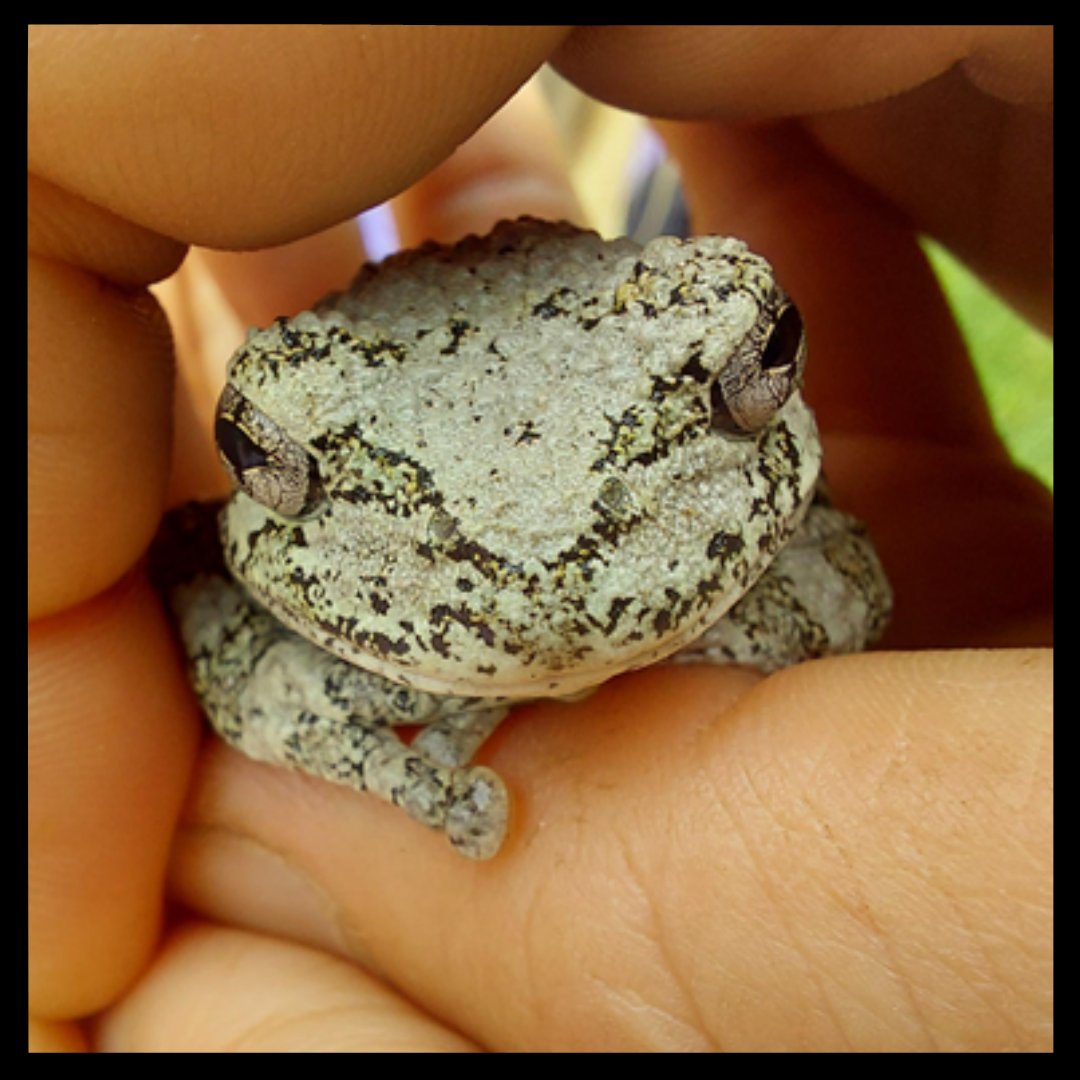
Mystery Monday! This frog is pictured on the Friends of the Rouge Watershed logo. They live in high tree canopies, close to a source of water. The process of metachrosis is used by these frogs to camouflage. Can you guess this frog?
Friends of the Rouge tweet media
English
3
1
10
0
Friends of the Rouge
Friends of the Rouge@frwatershed·
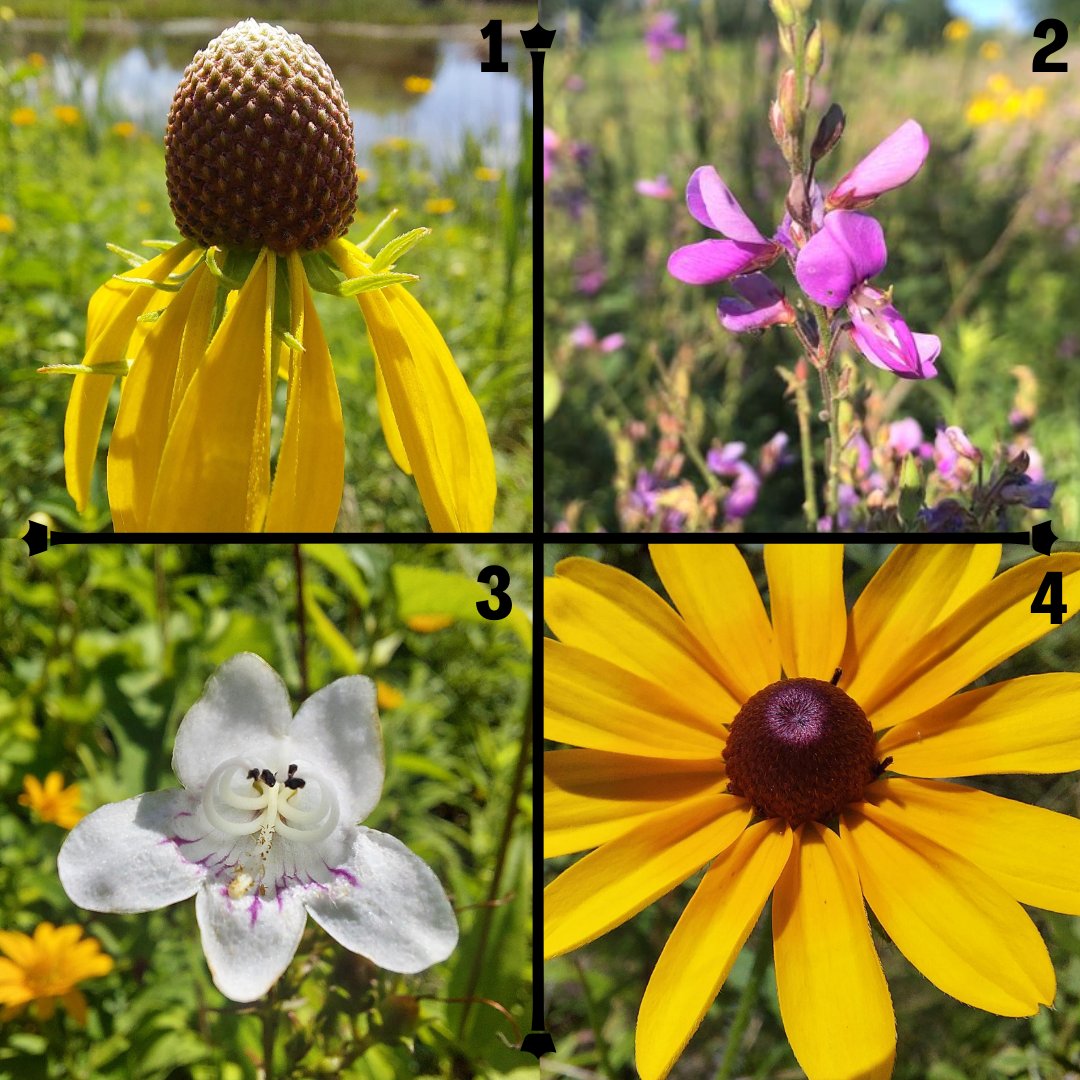
Planting native wildflowers helps pollinators! 1: Grey-headed Coneflower that draws in Viceroy Butterflies. 2: Showy Tick Trefoil. They attract Bumble Bees. 3: Foxglove Beardtongue, which invites Hobomok Skipper Butterflies. 4: Black Eyed Susan that draws in Metallic Green Bees.
Friends of the Rouge tweet media
English
0
4
11
0
Friends of the Rouge
Friends of the Rouge@frwatershed·
Guess who we found on our Campbell site?! In this picture, the moth is at rest and has its wings collapsed. When spread, its wings separate into five sections, and each section look like a bird’s feathers. This moth is nocturnal but it can be observed during the day.
Friends of the Rouge tweet media
English
0
0
2
0
Friends of the Rouge
Friends of the Rouge@frwatershed·
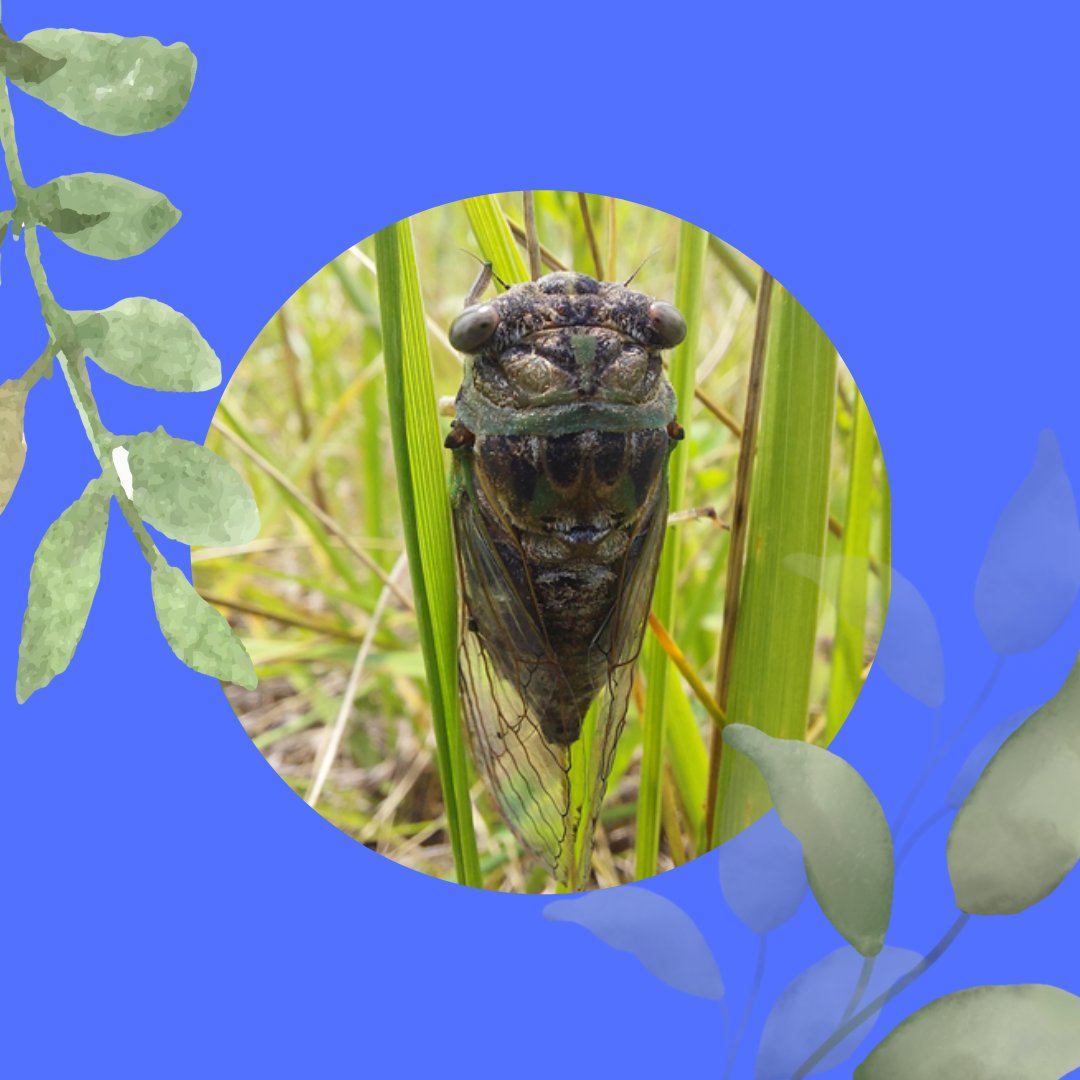
We found this Dog-day Cicada on our Cedar Grove site! Male Dog-day Cicadas produce a whining sound by vibrating membranes in the sides of their abdomen in order to attract a mate. These cicadas eat the juices from twigs. Their favourite tree species are willows, oaks, & maples.
Friends of the Rouge tweet media
English
0
0
8
0
Friends of the Rouge
Friends of the Rouge@frwatershed·
Maintenance is an important part of our restoration work! These photos show how invasive species such as Dog-strangling Vine are a threat to the young trees on our sites. It is crucial that we cut back this Dog-strangling Vine so that our trees have space and light.
Friends of the Rouge tweet media
English
0
3
4
0
Friends of the Rouge
Friends of the Rouge@frwatershed·
Guess who we found on our Hillside site!? This moth has the colouration of a bee, and the mannerisms of a hummingbird. Due to its aposematic colouration, it has protection from predators. This moth has a proboscis that it uses to reach nectar. Can you guess the name of this moth?
Friends of the Rouge tweet media
English
0
0
2
0
Friends of the Rouge
Friends of the Rouge@frwatershed·
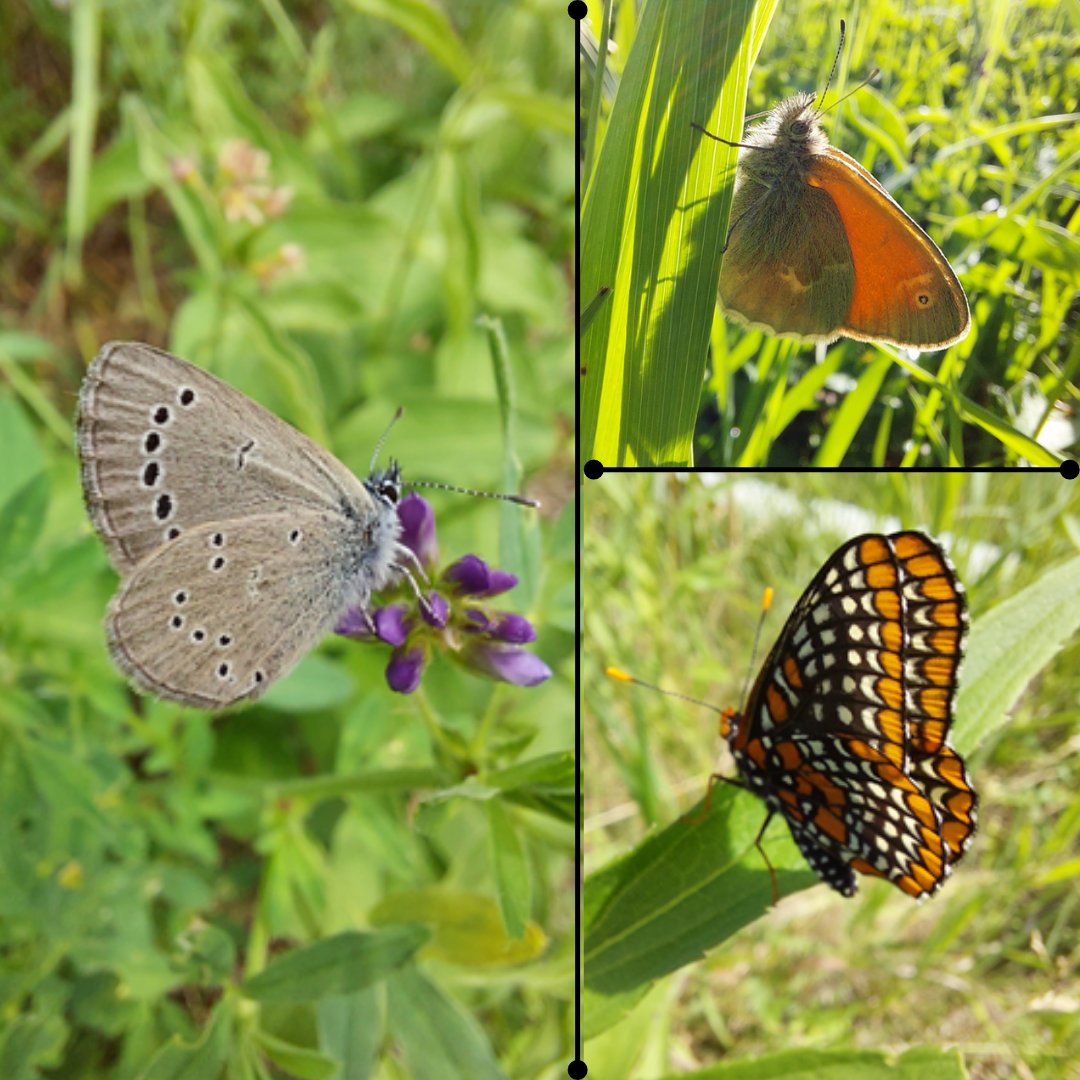
The top right butterfly is a Common Ringlet. They frequent North America, Europe, & Asia. The butterfly in the lower right is a Baltimore Checkerspot. They are poisonous. The last butterfly is a Silvery Blue, they match their flight with the budding of the Carolina Vetch.
Friends of the Rouge tweet media
English
1
1
4
0