Benoy Mathew

735 posts

Benoy Mathew banner
Benoy Mathew

Benoy Mathew

@function2fitnes

Advanced Practice Physio, MSK Sonographer, Shockwave Specialist, Works in NHS & Private. Specialist Interest in Hip & Groin and Running Injuries. Views my own

London Katılım Mayıs 2013
2.5K Takip Edilen17.3K Takipçiler
Benoy Mathew
Benoy Mathew@function2fitnes·
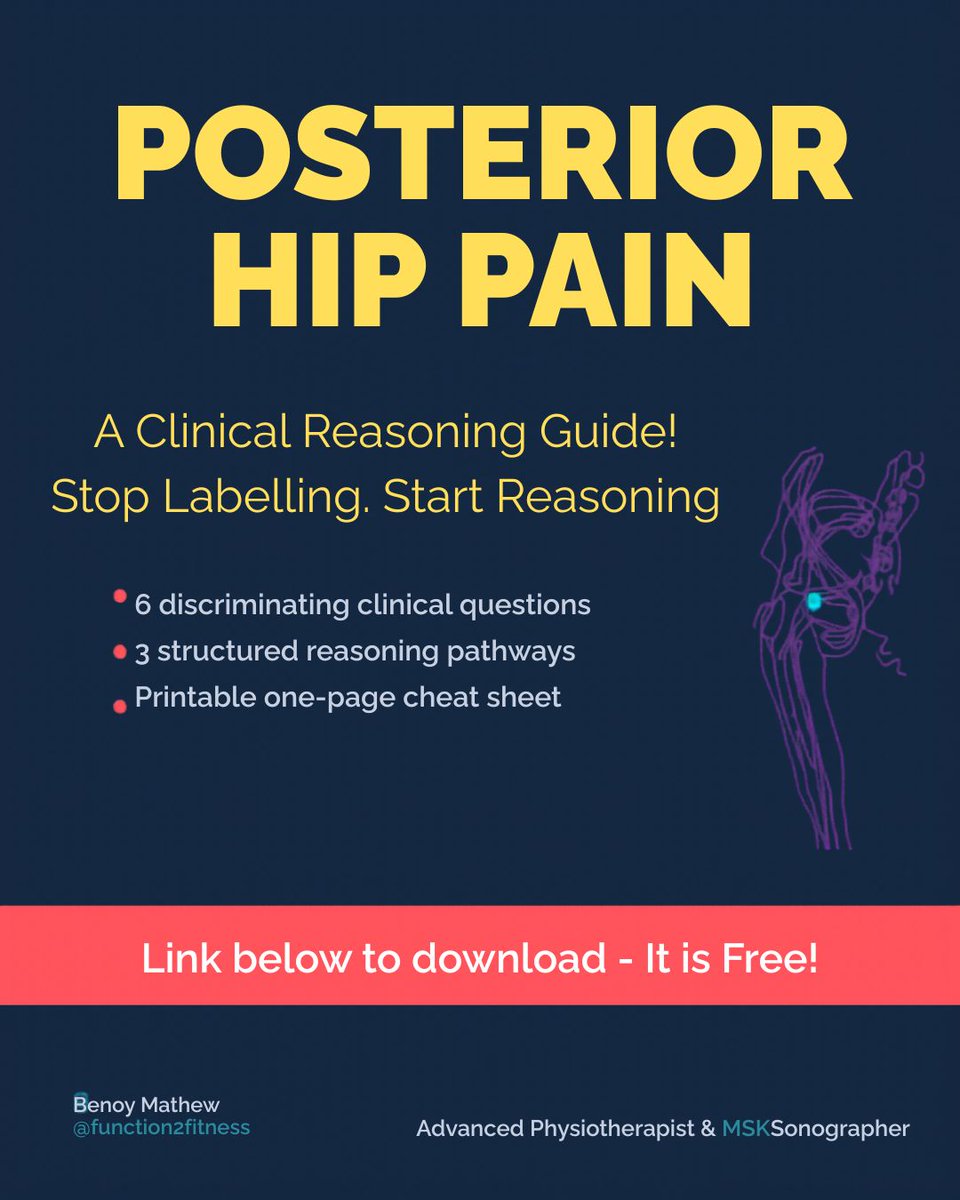
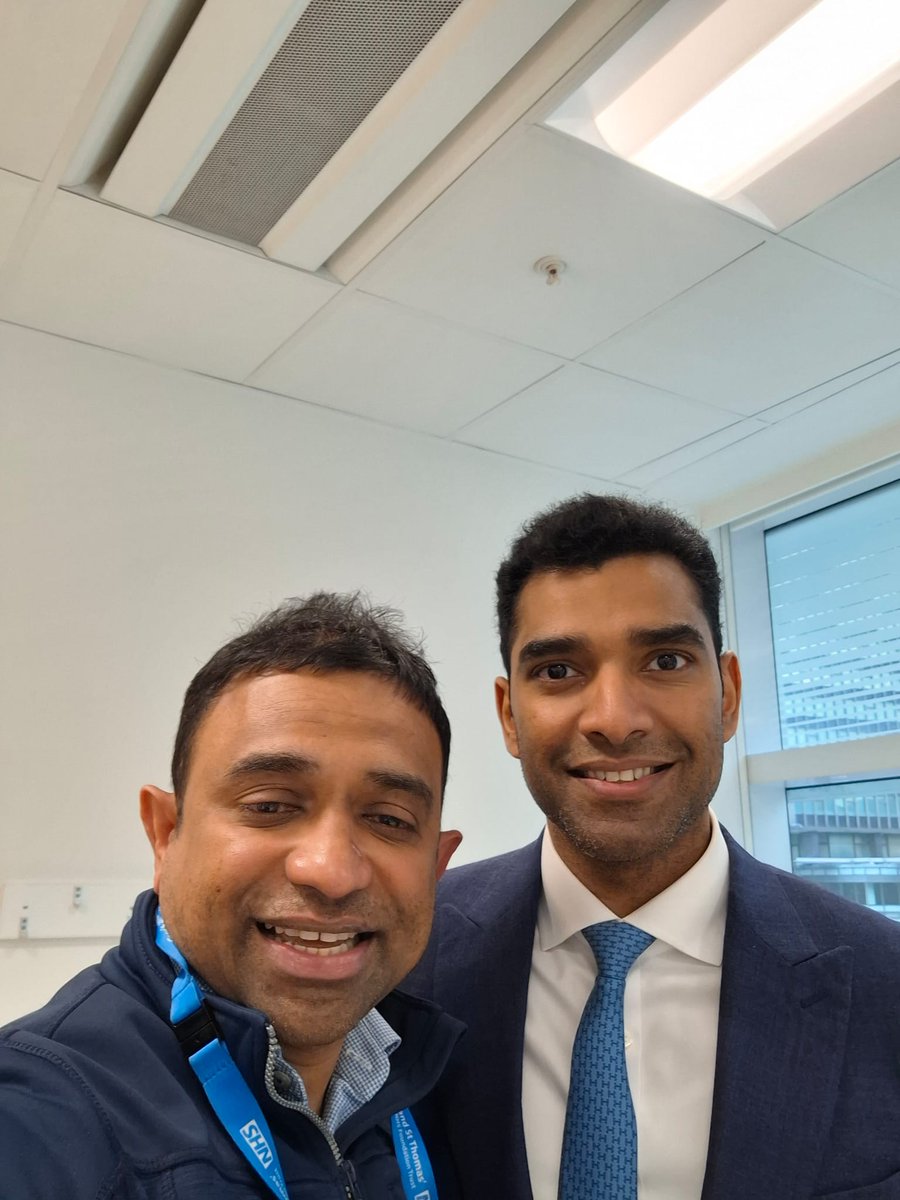
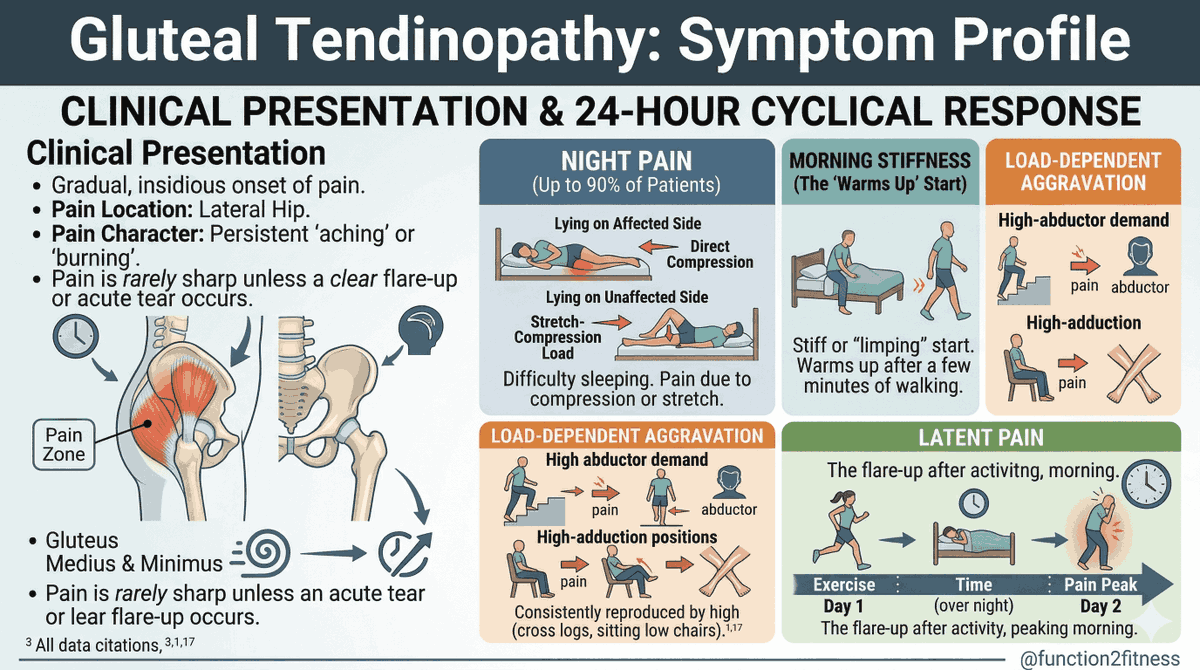
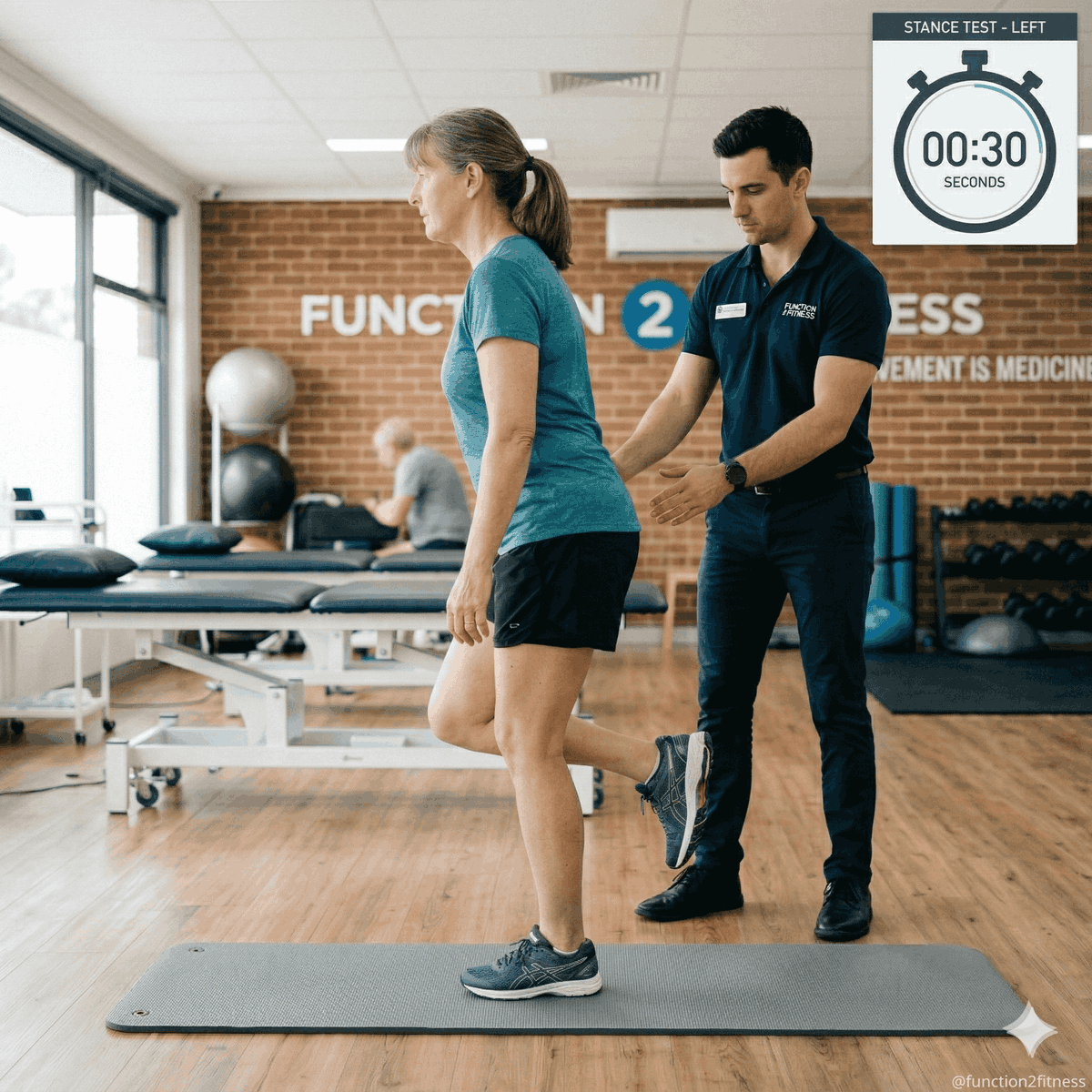
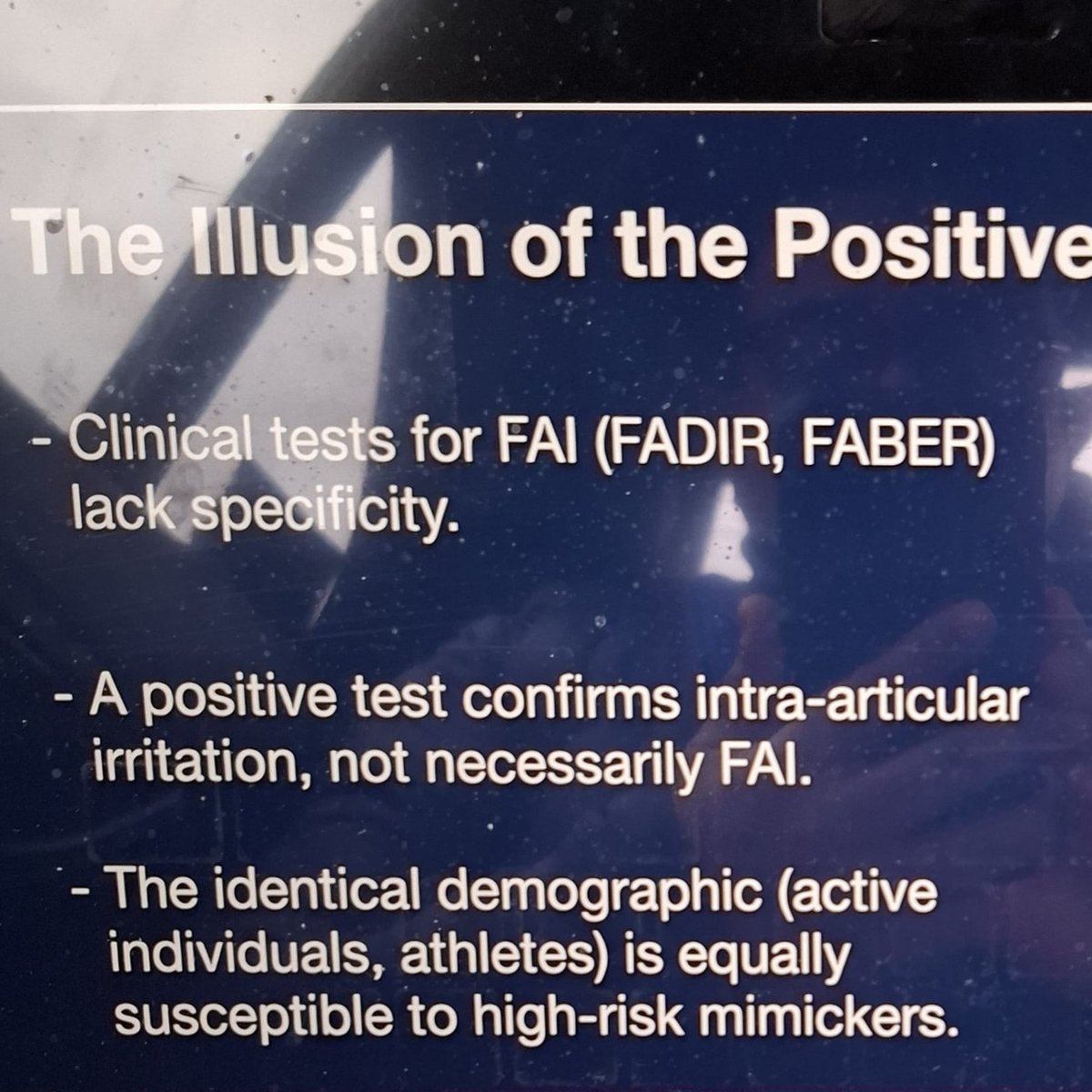
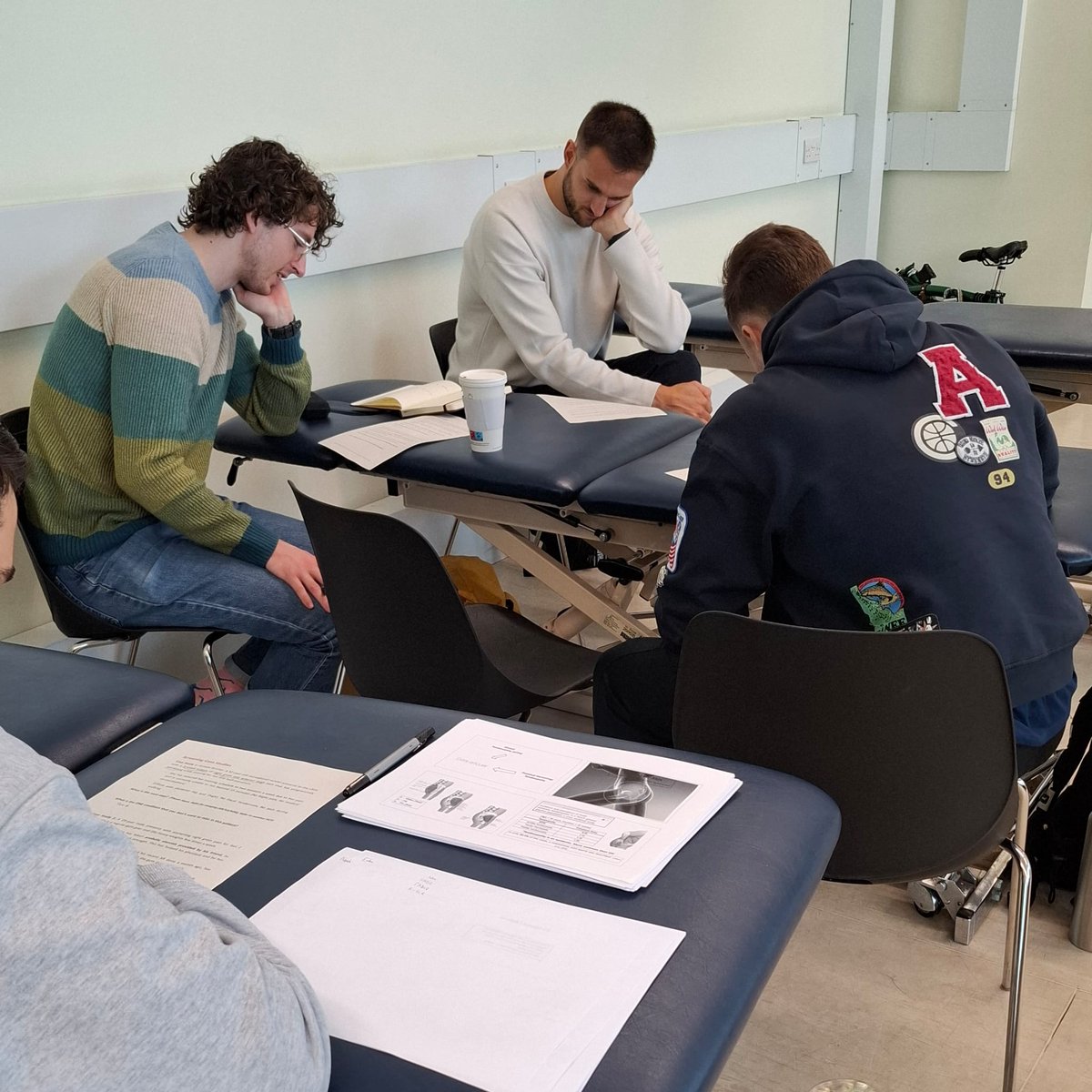
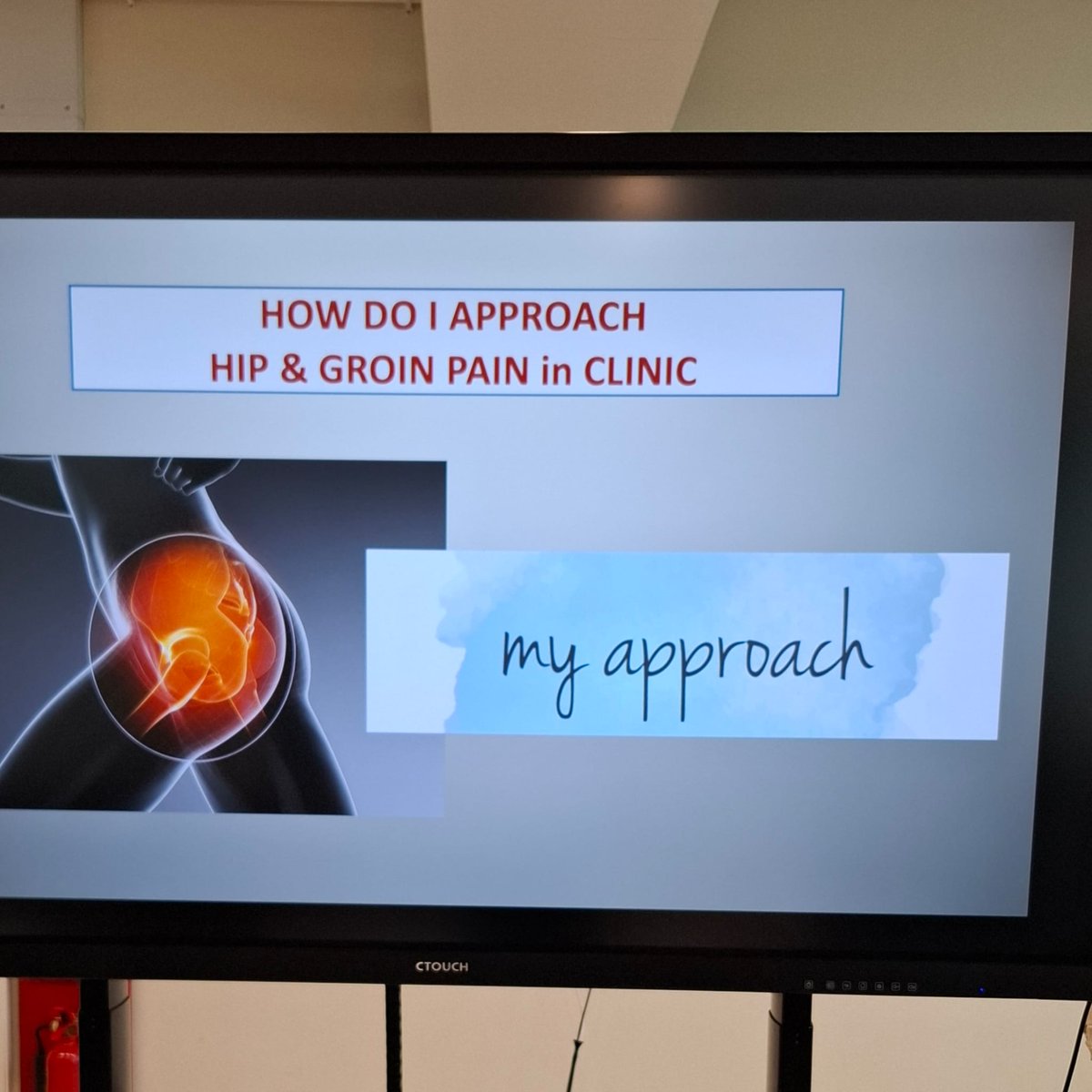
Teaching Postgraduate Physios is one of my Favourite Things to do. This week, I had the privilege of being back at 𝐁𝐫𝐮𝐧𝐞𝐥 𝐔𝐧𝐢𝐯𝐞𝐫𝐬𝐢𝐭𝐲, working with an incredible cohort of MSK clinicians — from First Contact Practitioners and Advanced Practice physios through to those in private practice settings. The focus? 𝐓𝐡𝐞 𝐘𝐨𝐮𝐧𝐠 𝐇𝐢𝐩 We unpacked: 1️⃣ Local imaging pathways and when they actually serve the patient (XR vs MRI vs US) 2️⃣ Recognising red flags that warrant urgent escalation 3️⃣ Differentiating instability from hip impingement — and why it matters clinically 4️⃣ Surgical considerations and how to communicate them meaningfully 5️⃣ When and how to escalate to secondary care with confidence What struck me most was the quality of the discussion. These weren't passive learners — they were clinicians bringing real cases, real dilemmas, and real curiosity to the room. That's exactly the kind of environment where learning sticks. It's also the perfect warm-up for this weekend, where I'll be welcoming participants from across the UK and Europe to the 𝐀𝐝𝐮𝐥𝐭 𝐇𝐢𝐩 𝐜𝐨𝐮𝐫𝐬𝐞 𝐚𝐭 𝐂𝐡𝐞𝐥𝐬𝐞𝐚 𝐚𝐧𝐝 𝐖𝐞𝐬𝐭𝐦𝐢𝐧𝐬𝐭𝐞𝐫 𝐇𝐨𝐬𝐩𝐢𝐭𝐚𝐥, 𝐋𝐨𝐧𝐝𝐨𝐧. If you're working with hip pain and want to build genuine clinical depth — the next stop is 𝐇𝐨𝐥𝐥𝐚𝐧𝐝 𝐢𝐧 𝐀𝐩𝐫𝐢𝐥, organised by Fysiolinks Full details and booking at 👉 lnk.bio/function2fitne… “𝐓𝐡𝐞 𝐦𝐨𝐫𝐞 𝐰𝐞 𝐮𝐧𝐝𝐞𝐫𝐬𝐭𝐚𝐧𝐝 𝐭𝐡𝐞 𝐡𝐢𝐩, 𝐭𝐡𝐞 𝐛𝐞𝐭𝐭𝐞𝐫 𝐰𝐞 𝐬𝐞𝐫𝐯𝐞 𝐭𝐡𝐞 𝐩𝐚𝐭𝐢𝐞𝐧𝐭𝐬, 𝐢𝐧 𝐟𝐫𝐨𝐧𝐭 𝐨𝐟 𝐮𝐬”
Benoy Mathew tweet mediaBenoy Mathew tweet mediaBenoy Mathew tweet mediaBenoy Mathew tweet media
English
0
0
4
924
Benoy Mathew
Benoy Mathew@function2fitnes·
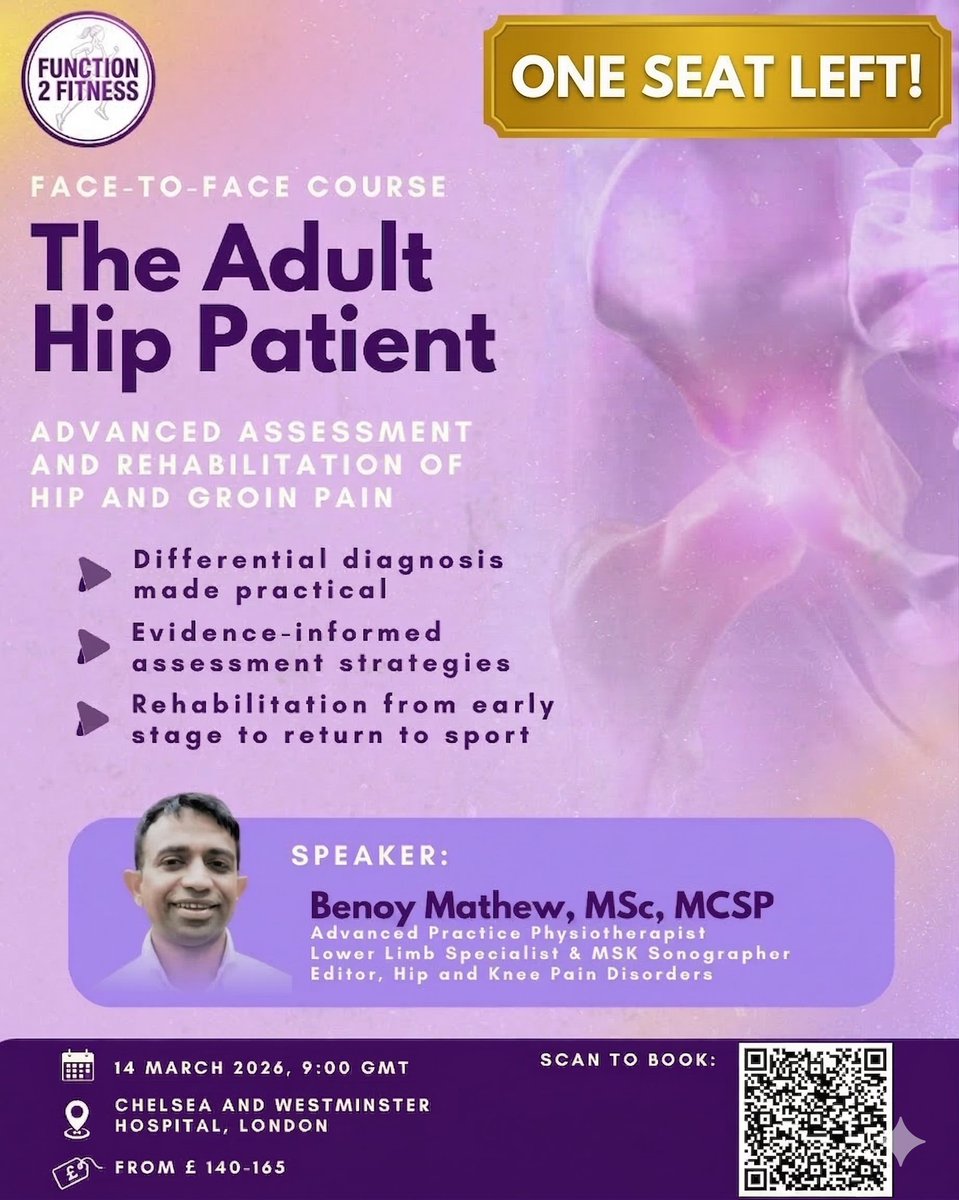
𝐎𝐧𝐞 𝐬𝐞𝐚𝐭 𝐥𝐞𝐟𝐭. 𝐓𝐡𝐢𝐬 𝐒𝐚𝐭𝐮𝐫𝐝𝐚𝐲. 𝐂𝐡𝐞𝐥𝐬𝐞𝐚 𝐚𝐧𝐝 𝐖𝐞𝐬𝐭𝐦𝐢𝐧𝐬𝐭𝐞𝐫 𝐇𝐨𝐬𝐩𝐢𝐭𝐚𝐥, 𝐋𝐎𝐍𝐃𝐎𝐍 We've had a late cancellation on our Adult Hip Course — and this could be your chance to grab the last remaining place. 𝐓𝐡𝐢𝐬 𝐢𝐬 𝐄𝐝𝐢𝐭𝐢𝐨𝐧 𝟏𝟐. Twelve years, we've refined this course. Over the years, we've listened to delegate feedback and sharpened the content. There's a reason it keeps selling out and has been delivered in 16 countries in the last 12 years. Here's what you'll get on Saturday 14th March: 1️⃣ A structured journey from early-stage to late-stage hip rehab — no gaps, no filler 2️⃣ Clinical reasoning frameworks you can apply with your first patient on Monday morning 3️⃣ Real-world management strategies from faculty who live this work daily 4️⃣ Practical, hands-on content — not a day of sitting through slides This isn't a course you watch. It's a course you use. If you've been eyeing this one up, waiting for the right time — this is it. One cancellation. One seat. Once it's gone, it's gone. 📍 Chelsea and Westminster Hospital, London 📅 Saturday 14th March 🔗 Book here: lnk.bio/function2fitne… Helping clinicians manage hip pathology with confidence — that's what we do
Benoy Mathew tweet media
English
0
1
1
518
Benoy Mathew
Benoy Mathew@function2fitnes·
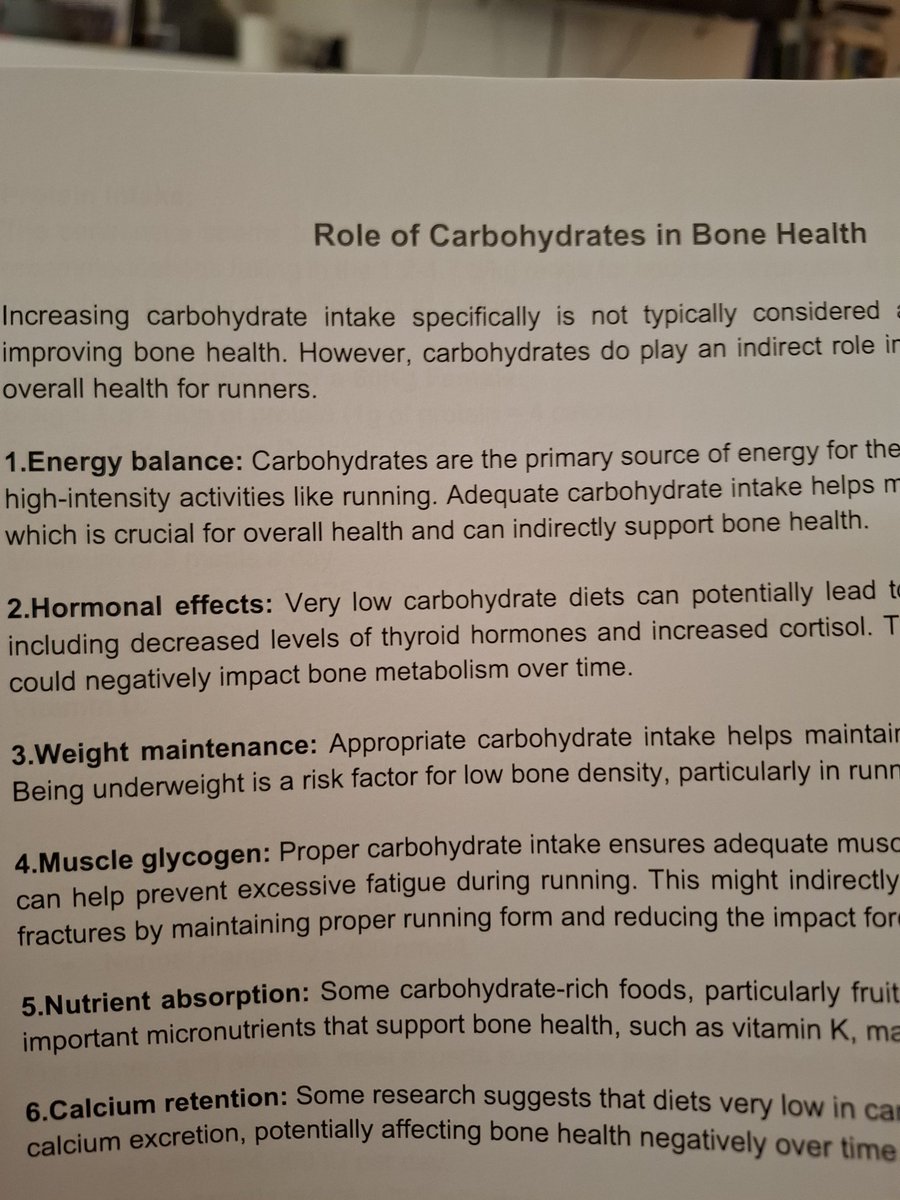
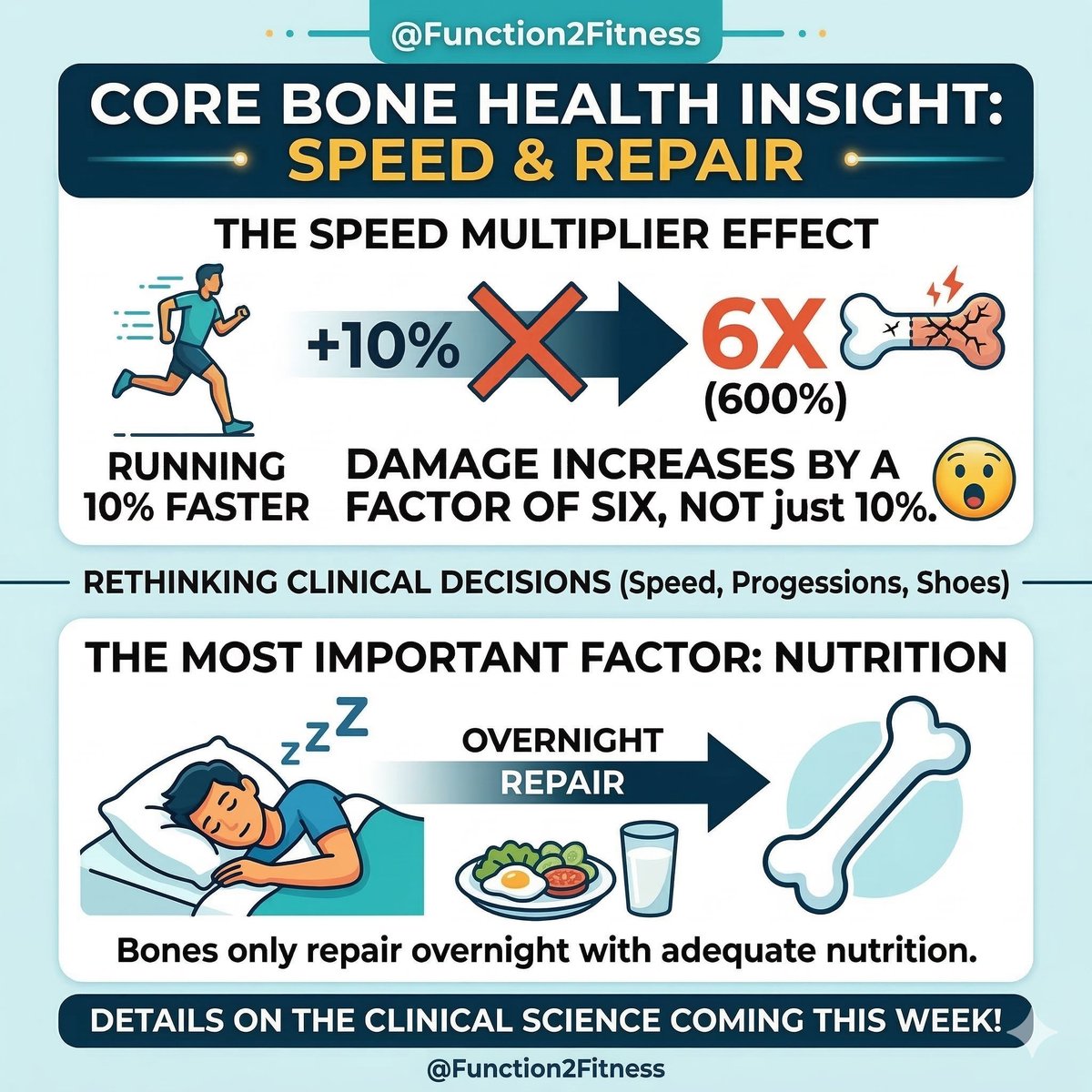
Running 10% faster doesn't increase bone damage by 10%. It increases it by a factor of six. That one statistic changed how I think about every speed session, every return-to-run programme, and every pair of racing flats I prescribe. And it's not even the most important part of the equation. The most important part? Whether the athlete is eating enough for their bones to repair overnight. More on this later this week — including an infographic that breaks down the science in a way you can actually use in clinic.
Benoy Mathew tweet media
English
0
4
15
1.1K
Benoy Mathew retweetledi
GSTT Events
GSTT Events@GSTTevents·
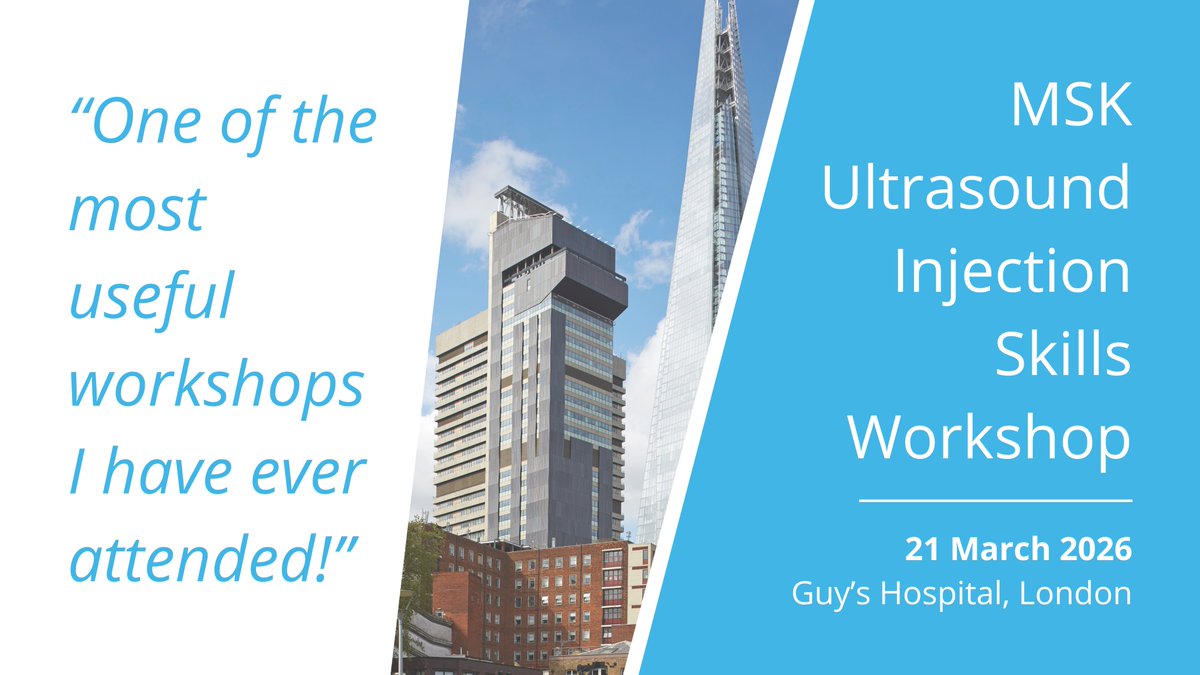
Last few places remaining! MSK Ultrasound Injection Skills Workshop: Upper Limb Essentials – a hands-on course to refine ultrasound-guided injection skills using live model scanning and advanced needle simulation 21 Mar 2026 | London More info: bit.ly/49CadLX
GSTT Events tweet media
English
0
2
2
463
Benoy Mathew
Benoy Mathew@function2fitnes·
Grateful for a brilliant evening at Cromwell Hospital Thank you to everyone who joined our evening lecture event, organised by Cromwell Hospital. We explored foot and ankle injuries with a strong focus on running-related issues. - I shared current updates and a multimodal approach to managing medial tibial stress syndrome in runners yasmin palfrey covered tibialis posterior tendinopathy with practical insights - Mr. Simon Moyes discussed surgical options for chronic ankle instability, osteochondral defects, and related pathologies It was a fantastic evening, and the face-to-face interaction made it all the more energising—especially in a busy week. Events like this really put a spark in the middle of the schedule and set me up well for what’s ahead. Looking forward to more teaching events this week.
English
0
0
0
471
Benoy Mathew
Benoy Mathew@function2fitnes·
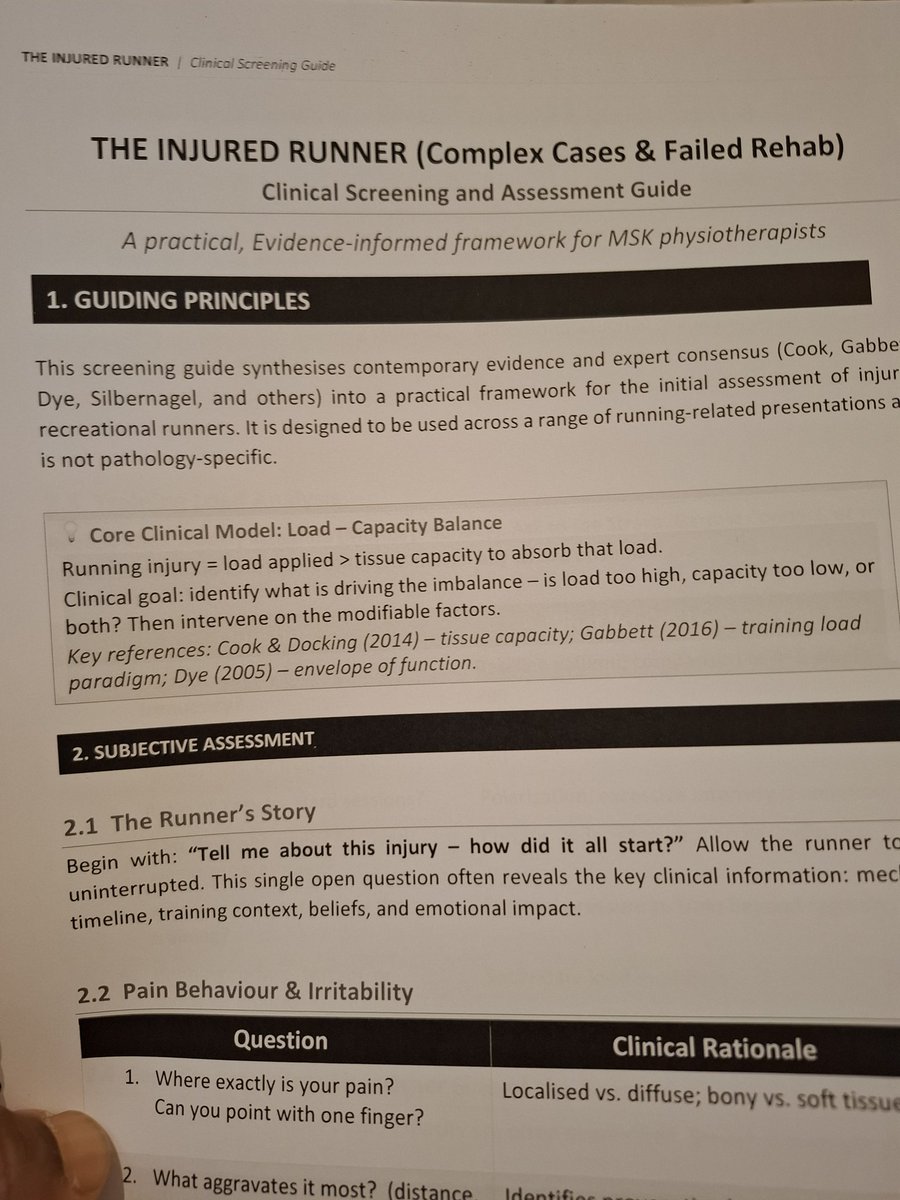
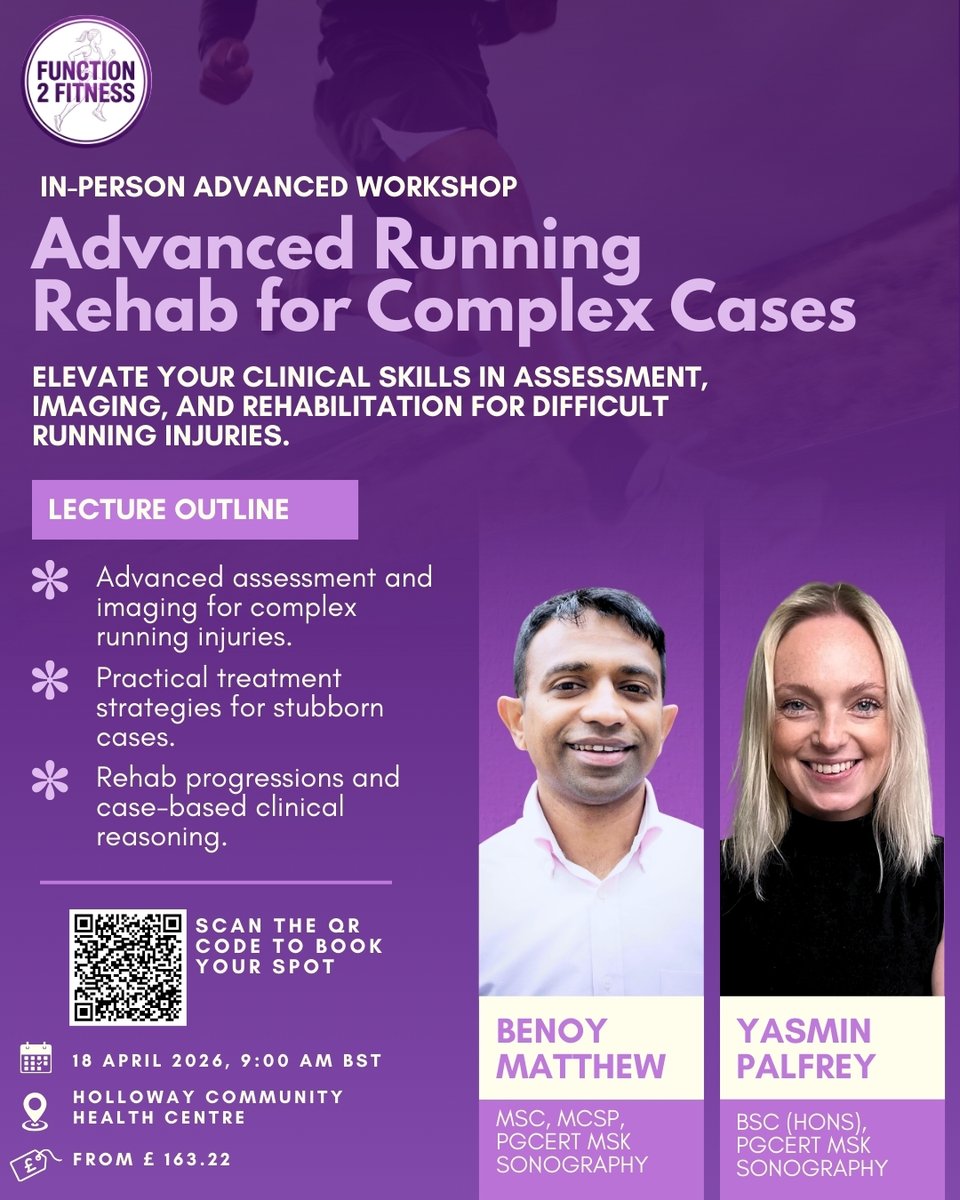
𝐑𝐮𝐧𝐧𝐢𝐧𝐠 𝐫𝐞𝐡𝐚𝐛 𝐢𝐬 𝐜𝐡𝐚𝐧𝐠𝐢𝐧𝐠, 𝐛𝐨𝐭𝐡 𝐢𝐧 𝐭𝐡𝐞 𝐔𝐊 𝐚𝐧𝐝 𝐛𝐞𝐲𝐨𝐧𝐝. And if you're still only managing PFP, ITB syndrome and Achilles tendinopathy, you're falling behind. The cases walking into our clinics now are different. We're seeing more: 1.    Femoral and tibial bone stress injuries 2.    Ischiofemoral impingement 3.    Chronic exertional compartment syndrome 4.    Complex presentations that don't fit neat diagnostic boxes The landscape has shifted too. Therapists now have access to point-of-care ultrasound, force plates, and advanced imaging pathways that didn't exist five years ago. The question is — are you using them or planning, in the future? That's exactly why Yasmin Palfrey and I built this course. Beyond the Basics: Advanced Running Rehab for Complex Cases 📍 Holloway Community Health Centre, London 📅 18th April 2026 👥 Two tutors — more hands-on time, more clinical reasoning, more value for you This isn't a beginner course. This is for therapists already comfortable managing common running injuries who want to elevate their practice. We'll cover: → Complex case recognition and differential diagnosis → Imaging pathways — what to request and when → Integrating technology into your clinical reasoning → Practical treatment strategies for stubborn cases → Rehab progression frameworks with case-based learning Two tutors means smaller group interaction, real-time feedback, and the space to challenge your thinking. If you want to take your running rehab to the next level, come join us. Link in bio to book your place 👇 lnk.bio/function2fitne…
Benoy Mathew tweet media
English
0
0
4
797
Benoy Mathew
Benoy Mathew@function2fitnes·
𝐁𝐫𝐨𝐚𝐝𝐞𝐧𝐢𝐧𝐠 𝐭𝐡𝐞 𝐌𝐒𝐊 𝐮𝐥𝐭𝐫𝐚𝐬𝐨𝐮𝐧𝐝 𝐥𝐞𝐧𝐬: 𝐛𝐞𝐲𝐨𝐧𝐝 𝐦𝐮𝐬𝐜𝐥𝐞𝐬 𝐚𝐧𝐝 𝐭𝐞𝐧𝐝𝐨𝐧𝐬 In MSK ultrasound, we often stay close to muscle, joints, tendon and occasionally nerve. But what about vascular structures? Are they not relevant? 𝐂𝐨-𝐞𝐱𝐢𝐬𝐭𝐢𝐧𝐠 𝐃𝐕𝐓 𝐜𝐚𝐧 𝐨𝐜𝐜𝐮𝐫 𝐢𝐧 𝟓 𝐭𝐨 𝟐𝟎% 𝐨𝐟 𝐩𝐚𝐭𝐢𝐞𝐧𝐭𝐬 𝐰𝐢𝐭𝐡 𝐌𝐞𝐝𝐢𝐚𝐥 𝐠𝐚𝐬𝐭𝐫𝐨𝐜𝐧𝐞𝐦𝐢𝐮𝐬 𝐭𝐞𝐚𝐫𝐬. 𝐃𝐢𝐬𝐭𝐢𝐧𝐠𝐮𝐢𝐬𝐡𝐢𝐧𝐠 𝐃𝐕𝐓 𝐯𝐬 𝐏𝐨𝐬𝐭-𝐢𝐧𝐣𝐮𝐫𝐲 𝐬𝐰𝐞𝐥𝐥𝐢𝐧𝐠 𝐜𝐚𝐧 𝐛𝐞 𝐜𝐡𝐚𝐥𝐥𝐞𝐧𝐠𝐢𝐧𝐠. After completing a vascular US module recently, (Canterbury Uni), I was struck by how central the vascular system can be in MSK presentations. That perspective has really informed my practice. This week I presented a session/workshop with fellow MSK sonographers (Physios, podiatrist) on the scanning protocol, using the 3‑point system, commonly used in A&E,  for suspected proximal lower limb DVT. A few highlights: - This is a point‑of‑care tool, not a replacement for conventional duplex ultrasound - We focused on key compression points from the common femoral vein to the popliteal vein - We covered how compression and Doppler can support timely identification of patients who may have a proximal DVT and need formal imaging The feedback was encouraging, and I hope the session proved practical and useful. It’s exciting to see more MSK clinicians, interested in integrating vascular assessment, into MSK workflows where appropriate.
Benoy Mathew tweet mediaBenoy Mathew tweet mediaBenoy Mathew tweet mediaBenoy Mathew tweet media
English
0
3
2
812
Benoy Mathew
Benoy Mathew@function2fitnes·
𝐓𝐡𝐚𝐭 "𝐍𝐨𝐫𝐦𝐚𝐥" 𝐗-𝐑𝐚𝐲 𝐂𝐨𝐮𝐥𝐝 𝐁𝐞 𝐂𝐨𝐬𝐭𝐢𝐧𝐠 𝐘𝐨𝐮𝐫 𝐑𝐮𝐧𝐧𝐞𝐫, 𝐖𝐞𝐞𝐤𝐬 𝐨𝐟 𝐑𝐞𝐜𝐨𝐯𝐞𝐫𝐲 85% of stress fractures in runners, are missed on the first X-ray. Let that sink in. Recent female runner in clinic last week. 7 weeks of worsening tibial pain. Already had "normal" X-rays. GP said "probably shin splints." Ultrasound in clinic told a different story. MRI confirmed it. 7 weeks wasted. Wright et al. (2015) reviewed 21 studies on imaging accuracy for lower extremity stress fractures. Here's what every therapist, who deals with running injuries, needs to know: 1.    MRI is the gold standard — sensitivity up to 99%, specificity up to 97% 2.    X-rays miss up to 85% of stress fractures on initial presentation 3.    Even follow-up X-rays miss up to 50% 4.    Bone scans are NOT recommended when MRI is available — low specificity and radiation equivalent to 200 chest X-rays 5.    Ultrasound shows promise as a screening tool but evidence is still mixed The bottom line? A negative X-ray does not rule out a stress fracture. A thorough clinical exam still matters. Point-of-care ultrasound can bridge the gap. And if you suspect a high-risk fracture — femoral neck, navicular, 5th met base — refer for MRI. Don't wait. Stop relying on imaging that was never designed to catch these injuries early. Your clinical reasoning is the first line of diagnosis. Imaging confirms it. But diagnosis is only half the battle! How do you actually manage a high-risk bone stress injury? How do you bridge the gap between protected healing and return to running without reinjury? This is exactly what we'll be covering on our Advanced Running Rehab Course this April in London (April) — from risk stratification and imaging interpretation to evidence-based return-to-run protocols for complex bone stress injuries. Spaces are limited. Full info and bookings at 𝐥𝐧𝐤.𝐛𝐢𝐨/𝐟𝐮𝐧𝐜𝐭𝐢𝐨𝐧𝟐𝐟𝐢𝐭𝐧𝐞𝐬𝐬
Benoy Mathew tweet media
English
2
2
15
1.3K
Benoy Mathew
Benoy Mathew@function2fitnes·
𝐎𝐧𝐥𝐲 𝟑 𝐬𝐩𝐨𝐭𝐬 𝐥𝐞𝐟𝐭 👇 Next Monday (9th March), I'll be joining an exceptional line-up at the Cromwell Hospital Evening Lecture — and if you work with runners or foot and ankle pathology, this one's for you. What makes this evening unique? You'll rarely get surgical and rehabilitation perspectives side by side in one room. That's exactly what this event delivers. Here's what's on the agenda: 1️⃣ Medial Tibial Stress Syndrome in Runners — I'll be breaking down the current thinking on MTSS, from diagnosis to management 2️⃣ Tibialis Posterior Tendinopathy in Runners — my colleague Yasmin Palfrey will cover assessment and rehab of this often-missed presentation 3️⃣ Surgical Management of Complex Foot & Ankle Injuries — Mr Simon Moyes will discuss instability and osteochondral defects of the talus Three speakers. Two disciplines. One evening that bridges the gap between the clinic and the operating theatre. Whether you're a physio, podiatrist, osteo, sports therapist— come along and connect with like-minded clinicians. Only 3 spots remain — don't miss out. 👇 📧 Email: gp.liaison@cromwellhospital.com for bookings and confirm your seat. Expert knowledge. Practical application. One unmissable evening
Benoy Mathew tweet mediaBenoy Mathew tweet media
English
0
0
0
324
Benoy Mathew
Benoy Mathew@function2fitnes·
𝐖𝐞 𝐚𝐬𝐬𝐮𝐦𝐞 𝐡𝐢𝐩 𝐨𝐬𝐭𝐞𝐨𝐚𝐫𝐭𝐡𝐫𝐢𝐭𝐢𝐬 𝐚𝐥𝐰𝐚𝐲𝐬 𝐦𝐞𝐚𝐧𝐬 𝐥𝐨𝐬𝐬 𝐨𝐟 𝐫𝐚𝐧𝐠𝐞 𝐨𝐟 𝐦𝐨𝐭𝐢𝐨𝐧. 𝐈𝐭 𝐝𝐨𝐞𝐬𝐧'𝐭. The classical presentation of hip OA is well known — pain, stiffness, loss of range, and difficulty with daily activities like walking and putting on shoes and socks. But here's the thing: not everyone follows the textbook. I recently saw a 42-year-old female with ongoing hip and groin pain but excellent hip mobility — over 50° of both internal and external rotation. She'd been treated for lateral hip pain. Yet her history told a different story: limping, difficulty with shoes and socks in the morning, and stiffness. All classical symptoms of hip OA. The key? She had a background of hip dysplasia. In dysplastic hips, the decreased femoral head covering can preserve — or even increase — range of motion, even in the presence of early degenerative change. You don't always lose range, particularly in the mild to moderate stages. 🔑 The clinical takeaway: Don't let good range of motion rule out hip OA. Go back to the subjective. The history will guide you when the objective findings don't fit the expected pattern. The examination confirms what the history suspects — not the other way around. 🎓 Want more clinical tips like this? I'll be sharing practical pearls on assessing and managing complex hip presentations at my upcoming Hip Course in London, Dubai and Holland. 👉 Book your spot: lnk.bio/function2fitne…
English
1
0
5
821
Benoy Mathew retweetledi
Dan Walker
Dan Walker@mrdanwalker·
I can’t believe it’s been 10 years since Gary Speed’s death. I hope this helps someone…
English
2.2K
14.5K
69.2K
0
Benoy Mathew
Benoy Mathew@function2fitnes·
𝐄𝐱𝐩𝐥𝐨𝐫𝐢𝐧𝐠 𝐜𝐨𝐦𝐩𝐥𝐞𝐱 𝐟𝐨𝐨𝐭 𝐚𝐧𝐝 𝐚𝐧𝐤𝐥𝐞 𝐜𝐚𝐬𝐞𝐬 𝐰𝐢𝐭𝐡 𝐌𝐫 𝐒𝐢𝐦𝐨𝐧 𝐌𝐨𝐲𝐞𝐬 Grateful to Mr Simon Moyce for taking the time this week with me, to dive into some complex cases we’re managing together. We covered: -Chronic ankle instability -Peroneal tendon pathology in runners -Osteochondral defects of the talus -Post-operative management considerations in these cases This is an area I’m keen to keep improving in, especially as I’m seeing more of these presentations in trail and ultra-distance runners at YOS Clinic. Mr Moyes will be sharing his approach to surgical management of these conditions at our upcoming Combined Evening Workshop, a free event hosted by Cromwell Hospital on 9 March. I will be discussing MTSS in runners and how to differentiate from CECS (Chronic Exertional Compartment Syndrome) and Tibial Bone Stress Injuries (BSI). My colleague Yasmine Palfrey will be discussing management principles of Tib Posterior tendinopathy in Runners. If you are treating runners and interested in complex foot and ankle pathology, then this event is not to be missed. If you’re interested, details are below. Looking forward to seeing you there. 𝐒𝐄𝐂𝐔𝐑𝐄 𝐘𝐎𝐔𝐑 𝐒𝐏𝐎𝐓 𝐍𝐎𝐖 Don't miss this rare opportunity to learn from surgeon and physiotherapy specialists in one evening (CROMWELL HOSPITAL EVENT) 📧 Email: gp.liaison@cromwellhospital.com for bookings and confirm your seat.
Benoy Mathew tweet mediaBenoy Mathew tweet media
English
0
0
1
533
Gavin Clancy
Gavin Clancy@GavC96·
@function2fitnes What courses would you recommend for a physiotherapist? Have been considering this for a while
English
1
0
0
32
Benoy Mathew
Benoy Mathew@function2fitnes·
Great shout, James! Unfortunately, Hip ultrasound remains criminally underutilised in MSK practice. MSK US is not only for Shoulder or tendons. In my clinic, I use it routinely to screen for both hip OA and CAM morphology. The dynamic assessment you get in real-time is something static imaging simply can't replicate. We need more clinicians doing this!
James Noake@DrJN_SportsMed

Consent✅ Hip osteoarthritis can be readily seen on POCUS Use internal and external rotation to view a surprisingly wide area of femoral head cartilage

English
1
5
33
5.2K
Benoy Mathew
Benoy Mathew@function2fitnes·
𝟓 𝐌𝐢𝐬𝐭𝐚𝐤𝐞𝐬 𝐈 𝐌𝐚𝐝𝐞 𝐖𝐢𝐭𝐡 𝐇𝐢𝐩 𝐚𝐧𝐝 𝐆𝐫𝐨𝐢𝐧 𝐏𝐚𝐭𝐢𝐞𝐧𝐭𝐬 -𝐀𝐧𝐝 𝐖𝐡𝐚𝐭 𝐈'𝐝 𝐓𝐞𝐥𝐥 𝐌𝐲 𝐘𝐨𝐮𝐧𝐠𝐞𝐫 𝐒𝐞𝐥𝐟 open.substack.com/pub/function2f…
Benoy Mathew tweet media
English
0
1
11
1K
Benoy Mathew
Benoy Mathew@function2fitnes·
𝐇𝐢𝐩 𝐃𝐲𝐬𝐩𝐥𝐚𝐬𝐢𝐚: 𝐄𝐟𝐟𝐢𝐜𝐢𝐞𝐧𝐭 𝐓𝐞𝐬𝐭𝐢𝐧𝐠 𝐢𝐧 𝐚 𝐁𝐮𝐬𝐲 𝐂𝐥𝐢𝐧𝐢𝐜 Hip dysplasia can be challenging to assess, especially in a busy clinic. The key is not doing every test, but choosing the right ones with clear clinical reasoning and an efficient sequence. In this video, I share how I approach assessing patients presenting with lateral hip and groin pain, hypermobility, and instability, and how to streamline testing without missing what matters. 🧠 If you want a structured, practical approach to assessing and rehabilitating the adult hip patient, join us for our upcoming live course. 📅 The Adult Hip Patient – Live Face-to-Face Course 📍 Chelsea and Westminster Hospital, London 🗓 14 March Further information and booking: eventbrite.co.uk/e/1837258402339
English
0
0
5
873
Benoy Mathew
Benoy Mathew@function2fitnes·
yes, radial is for tissues 3cm and deeper (so unlikely to reach tissues in PHT and most GTPS), chronic tendinopathy (> 3 months), non-irritable cases and not on bony enthesopathies and Bone stress injuries, etc. Whereas FOCUS can be used for deeper tissues, irritable conditions and BSI. Nice overview from Aspetar on role on Focus SWT in BSi in athletic population, if you are interested. journal.aspetar.com/en/journals/vo…
English
0
0
1
102
Running-Physio
Running-Physio@tomgoom·
Research is frustrating sometimes and difficult to interpret. Take these studies on shockwave for Achilles tendinopathy. Why does one show no benefit v sham and the other show clear superiority with a huge improvement in VISA-A?! 🤔
Running-Physio tweet mediaRunning-Physio tweet media
English
2
0
18
2.3K
Benoy Mathew
Benoy Mathew@function2fitnes·
𝐏𝐫𝐨𝐱𝐢𝐦𝐚𝐥 𝐈𝐓𝐁 𝐒𝐲𝐧𝐝𝐫𝐨𝐦𝐞: 𝐖𝐡𝐲 𝐈𝐭’𝐬 𝐎𝐟𝐭𝐞𝐧 𝐌𝐢𝐬𝐬𝐞𝐝 (𝐚𝐧𝐝 𝐇𝐨𝐰 𝐭𝐨 𝐌𝐚𝐧𝐚𝐠𝐞 𝐈𝐭) Proximal ITB syndrome can be deceptively tricky to diagnose. The pain isn’t always localised around the ITB, which means it’s easy to chase symptoms and miss the root cause. In many cases, it can present as FAI syndrome with a deep-aching pain. In our upcoming workshop on advanced running injuries, we will cover: -Key subjective cues that point to proximal ITB involvement -Objective tests to differentiate it from other lateral hip/knee presentations -Practical, evidence-informed management principles for runners Running injury rehab has moved on significantly in the last 5 years. If you want to stay ahead of the curve—treat advanced cases confidently and use technology to benefit your runners—join us for the Advanced Running Rehab course at Withington Hospital this April. If you work with runners and want to level up your practice, this is the course to attend. Hope to see you there. Full details and booking at lnkd.in/eH-N4qaS
English
0
4
30
1.8K
Benoy Mathew
Benoy Mathew@function2fitnes·
𝐍𝐨𝐭 𝐚𝐥𝐥 𝐡𝐢𝐩 𝐝𝐲𝐬𝐩𝐥𝐚𝐬𝐢𝐚 𝐢𝐬 𝐜𝐫𝐞𝐚𝐭𝐞𝐝 𝐞𝐪𝐮𝐚𝐥 — 𝐚𝐧𝐝 𝐚𝐠𝐞 𝐨𝐟 𝐨𝐧𝐬𝐞𝐭 𝐦𝐢𝐠𝐡𝐭 𝐛𝐞 𝐭𝐡𝐞 𝐦𝐨𝐬𝐭 𝐮𝐧𝐝𝐞𝐫𝐚𝐩𝐩𝐫𝐞𝐜𝐢𝐚𝐭𝐞𝐝 𝐯𝐚𝐫𝐢𝐚𝐛𝐥𝐞 𝐢𝐧 𝐲𝐨𝐮𝐫 𝐜𝐥𝐢𝐧𝐢𝐜𝐚𝐥 𝐫𝐞𝐚𝐬𝐨𝐧𝐢𝐧𝐠. Hip pain is nuanced. The labrum gets blamed when it's actually hip dysplasia. Impingement gets diagnosed when it's extra-articular pathology like Proximal ITB Syndrome or Bone Stress Injury. Patients get sent for imaging they don't need — or worse, don't get the imaging they do. The Adult Hip Course is a one-day intensive designed to sharpen your clinical reasoning and give you a clear, evidence-informed framework you can use from Monday morning. 📅 14th March 2026 | 9:00 GMT 📍 Chelsea and Westminster Hospital, London 💷 From £140–165 🔗 Book here: eventbrite.co.uk/e/1837258402339 🇳🇱 Can't make London? I'm bringing the same course to The Netherlands on 10th April 2026, organised by Fysiolinks Dutch and European physios — this one's for you. 🔗 Book the Holland date here: fysiolinks.nl/cursussen/the-… If you manage hip patients and want to elevate your practice, don't sit on this one. I'll see you there. Bring your tricky cases — we'll work through them together. 💬 #Physiotherapy #HipPain #MSK #ClinicalReasoning #CPD #Function2Fitness #TheAdultHip
English
0
1
3
723