Daniel Fürth

2.3K posts

Daniel Fürth banner
Daniel Fürth

Daniel Fürth

@furthlab

🧫 ↔️ 🧫 cell communication, 🧬 mol tools, 🧠 🪰computational anatomy. PhD @karolinskainst ➡️ postdoc @CSHL ➡️ PI @scilifelab/@UU_University

Katılım Temmuz 2014
1.5K Takip Edilen1K Takipçiler
Sabitlenmiş Tweet
Daniel Fürth
Daniel Fürth@furthlab·
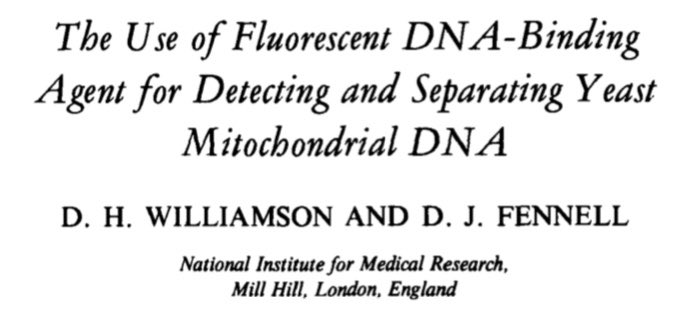
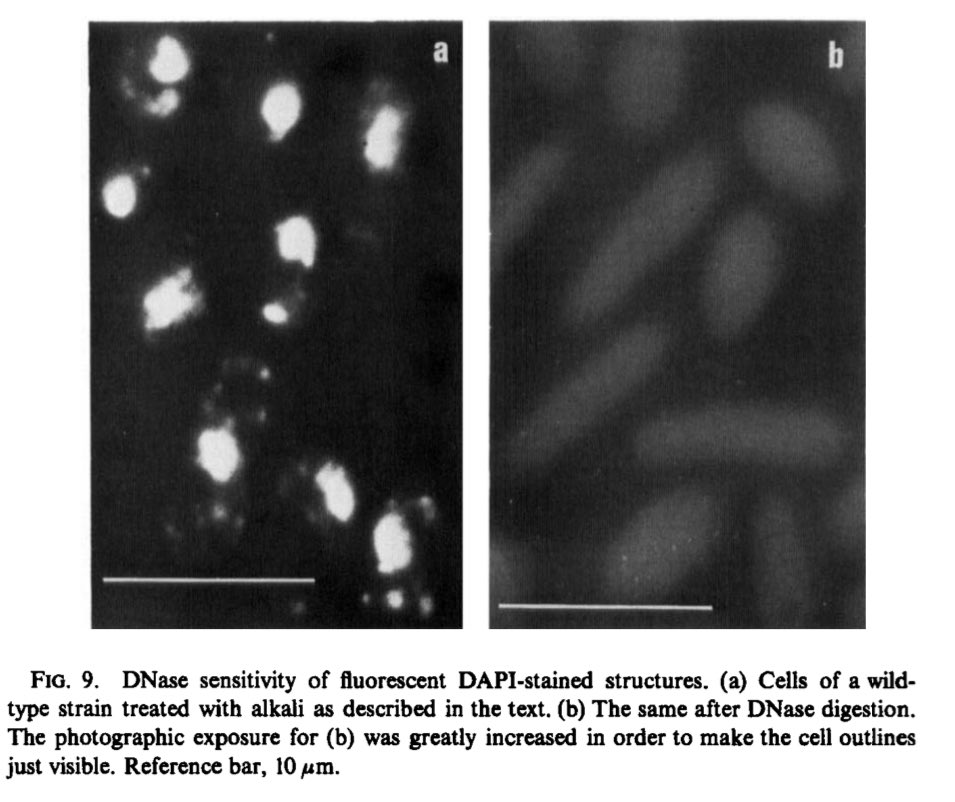
Williamson’s and Fennell’s paper that first demonstrated DAPI could be used for fluorescent staining of DNA was published 1974 it only has 460 citations to date. None of the authors on the paper is the person, Otto Dann, who first made DAPI. 1/2
Daniel Fürth tweet mediaDaniel Fürth tweet media
English
1
51
324
0
Daniel Fürth retweetledi
Fabian Theis
Fabian Theis@fabian_theis·
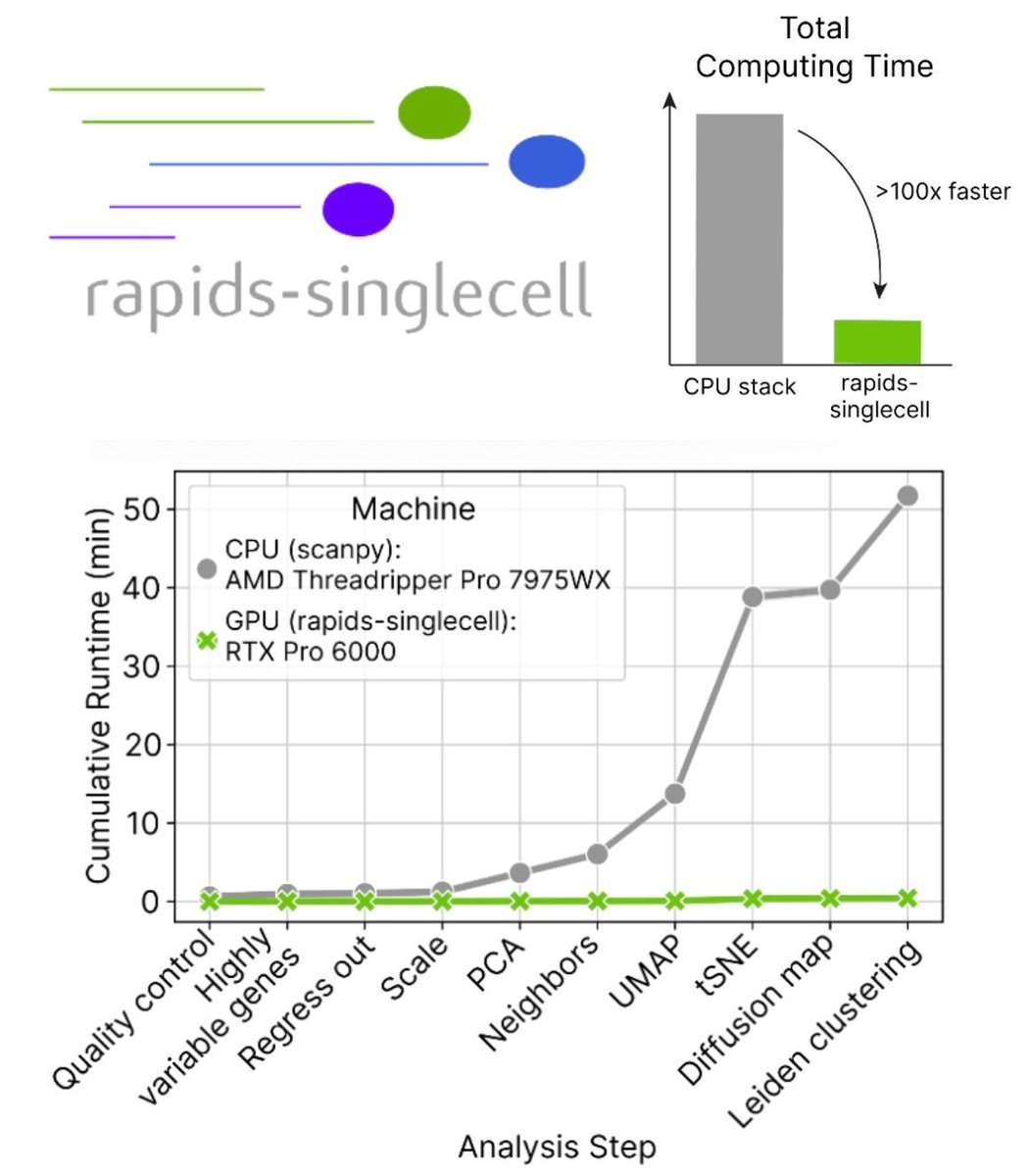
Excited to share new preprint with NVIDIA on GPU-accelerated single-cell analysis 🚀 rapids-singlecell brings native GPU support to scverse/AnnData: hours → seconds (1M cells: ~52m → ~25s), scaling to 100M cells. Huge thanks to Severin Dicks 🙌 📄 arxiv.org/abs/2603.02402
Fabian Theis tweet media
English
8
40
173
9.6K
Daniel Fürth retweetledi
European Research Council (ERC)
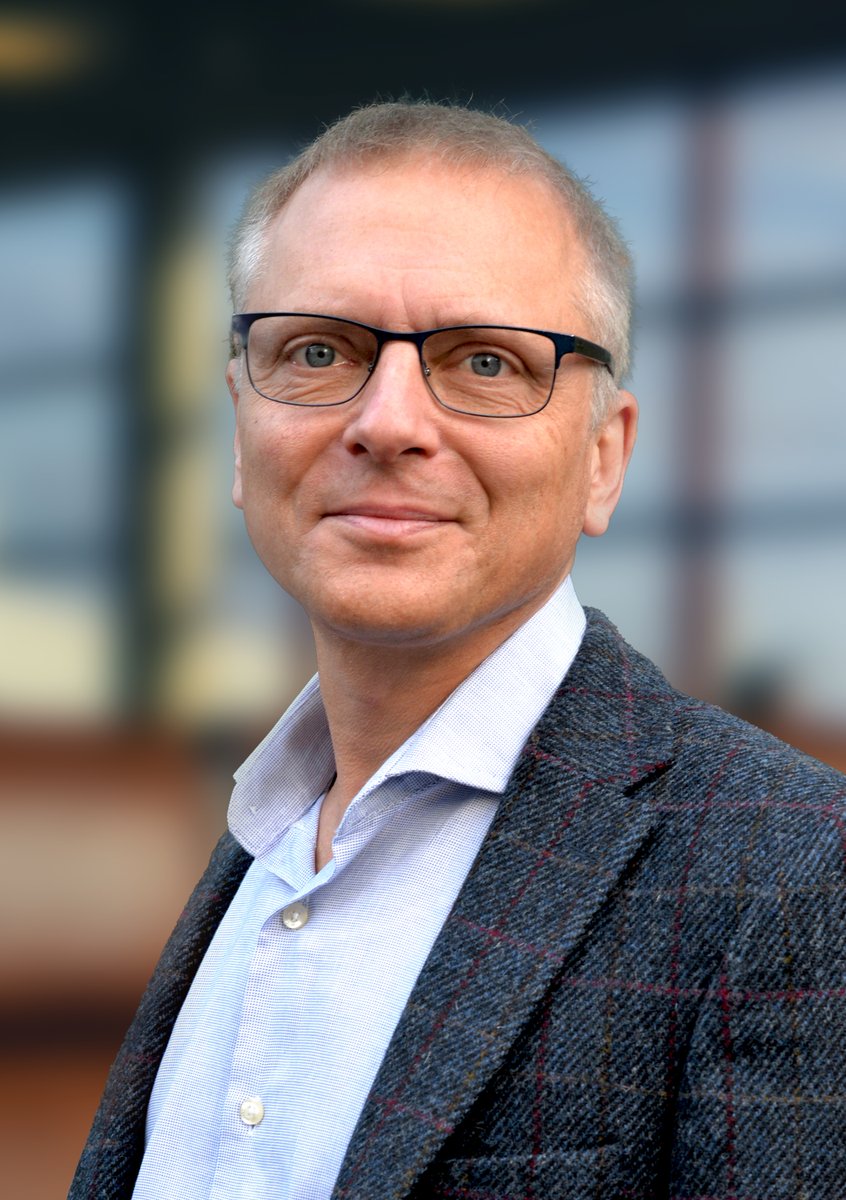
Congratulations to the 2026 laureates of the Brain Prize! ERC grantee Patrik Ernfors (Karolinska Institutet) shares the award with David Ginty (Harvard Medical School) for discoveries on how we sense touch and pain. Read more about the winners: brainprize.org/winners/touch-…
European Research Council (ERC) tweet mediaEuropean Research Council (ERC) tweet media
English
1
5
26
2.8K
Daniel Fürth
Daniel Fürth@furthlab·
@shelbynewsad There’s no technical barrier here - only an economic one. Recombinant proteins cost almost nothing to produce at scale, yet are sold at less than mg quantities. If one company sold key proteins in buckets, labs would use premixed master mixes and stop worrying about waste or loss
English
0
0
0
10
Dr. Shelby
Dr. Shelby@shelbynewsad·
What's underrated here is how protein design can be combined with regent optimization (AI or not) to provide better workflows for all experiments. What if scientists didn't have to combine 10 regents all on ice, if there was a premade mastermind for every experiment. This is how scientists switch. Optimize many parts of valuable systems at once.
Dr. Shelby@shelbynewsad

(New thesis) AI-ification of R&D proteins There’s been an emergence of new papers on computational antibody, peptide, nanobody, and and enzyme design. While these are all relevant for new therapeutics, there’s massive market opportunity in R&D reagents. (This thesis was started by a conversation with @an1lam.) Research and development in companies and academia stems from our exploitation and synthesis of new proteins (namely, antibodies and enzymes). From staining tumor samples, to copying DNA with polymerases, to cutting DNA for cloning, proteins are workhorses of biotech. Not only this, but proteins are the commodity most likely to spoil because of their propensity to denature at room temperatures and through freeze/thaw cycles. Not only this but the and cost to make and purify means proteins are likely the most expensive reagent in experiments. If you’ve ever worked in a research lab you know that you always need to keep the antibodies and enzymes chilled because they cost hundreds to thousands of dollars and are the first failure point of experiments. Given the proliferation of antibody and enzymes design papers, it’s logical to apply the gains in those methods to R&D proteins. Namely, thermostability, miniaturization of antibodies for cheaper manufacturing, higher fidelity signals or specificity, all of which can be improved with the right assay <> AI loop. Not only this but @plasmidsaurus teaches us that good user experience and better products can lead to massive customer pull and rapid uptake. This matters commercially because these companies garner therapeutics-value acquisitions and market caps. While these have historically taken decades to reach prominence, the decreased cost and speed of development of new proteins could change the incumbent dynamics. - $5.25 billion acquisition of antibody and reagent maker, Biolegend by PerkinElmer - $5.7 billion acquisition of research antibody company Abcam by Danaher Bio-Rad Lab market cap is $7.3 billion - Smaller acquisition of companies such as Novus Biologicals by Bio-techne for - $60 million show a skew of outcomes possible Other thoughts: - Team will have to thread the needle of highest margin and lowest technical difficulty - Team likely won’t have to build their own models initially but the wet lab <> ML feedback loop will be crucial in rapid optimizations - Companies here could expand margins by layering biomanufacturing unlocks to produce and make R&D proteins at lower cost, in less time Check out the thesis below on the @CompoundVC Thesis Database -

English
6
3
37
4.9K
Daniel Fürth
Daniel Fürth@furthlab·
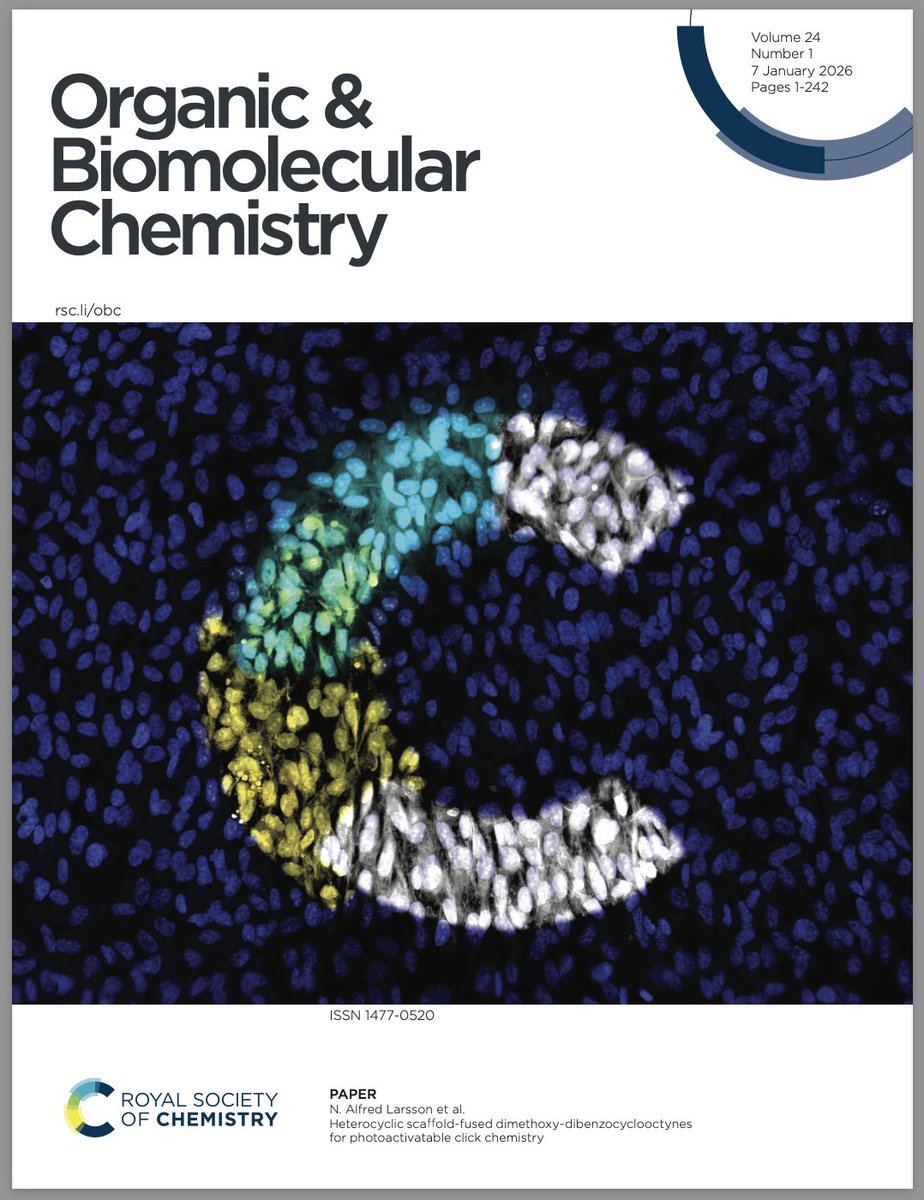
🎉 New year, new paper! Alfred, my first PhD student, just published his very first paper - and it’s featured on the cover of the first issue of @OrgBiomolChem this year! 🥳 pubs.rsc.org/en/content/art… A thread 🧵 about what Alfred did and what the paper is all about 👇 1/🧵
Daniel Fürth tweet mediaDaniel Fürth tweet media
English
1
3
8
480
Daniel Fürth
Daniel Fürth@furthlab·
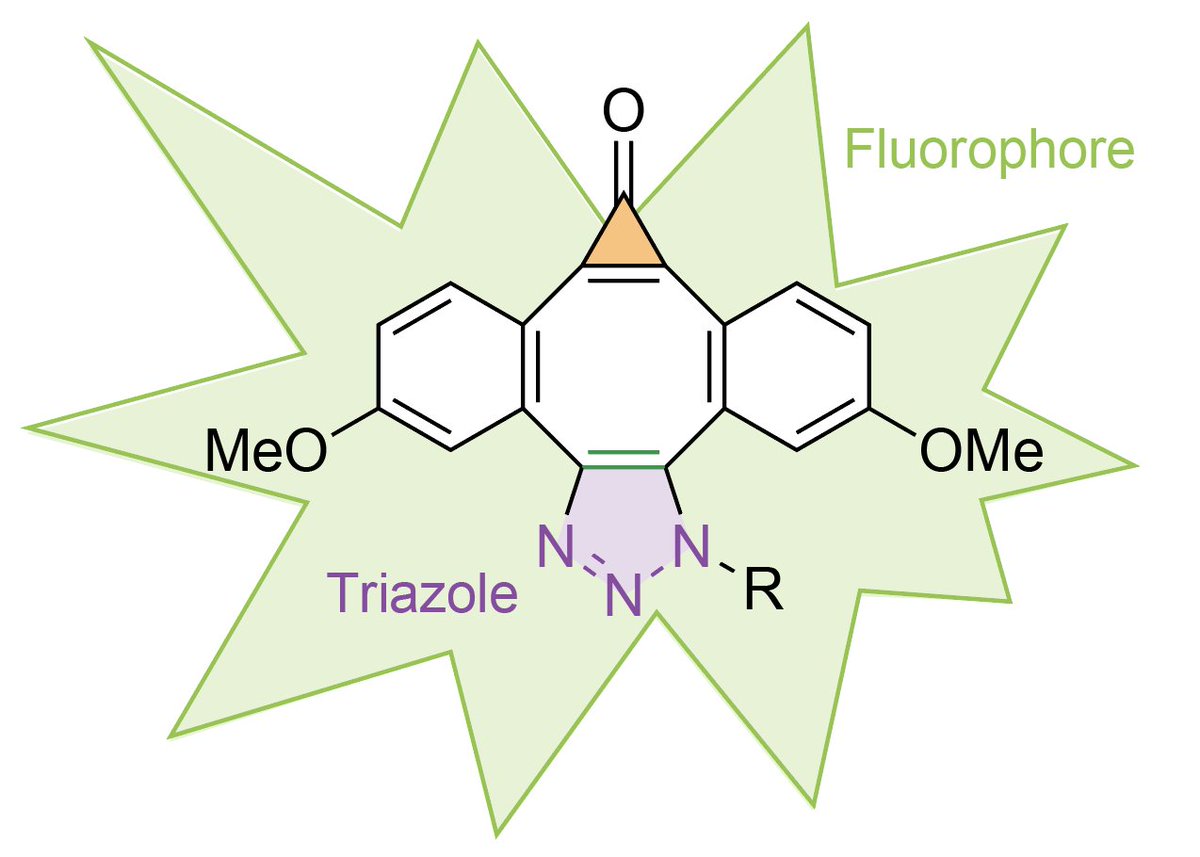
What if we swap pyrrolidine for a triazole? Boons et al. showed it makes a UV-excited, blue fluorophore ✨ But we find the photocage is essential: rmv it generates radicals💥 This makes pyrrolidine fusions the first functional photoclick moiety on dimethoxy-DBCO scaffold 12/🧵
Daniel Fürth tweet mediaDaniel Fürth tweet mediaDaniel Fürth tweet media
English
0
0
0
87
Daniel Fürth
Daniel Fürth@furthlab·
The NMR spectra match the 3 peaks expected for the cis isomer, not trans - confirming that our DBCO adopts the crucial tub-like geometry needed for tetrazine reactivity. 🎯 11/🧵
Daniel Fürth tweet media
English
1
0
1
112