Sabitlenmiş Tweet

Gall Anonim
1K posts

@Gall4nonim
hipocrite dance. Extropianism. Ceteris Paribus.





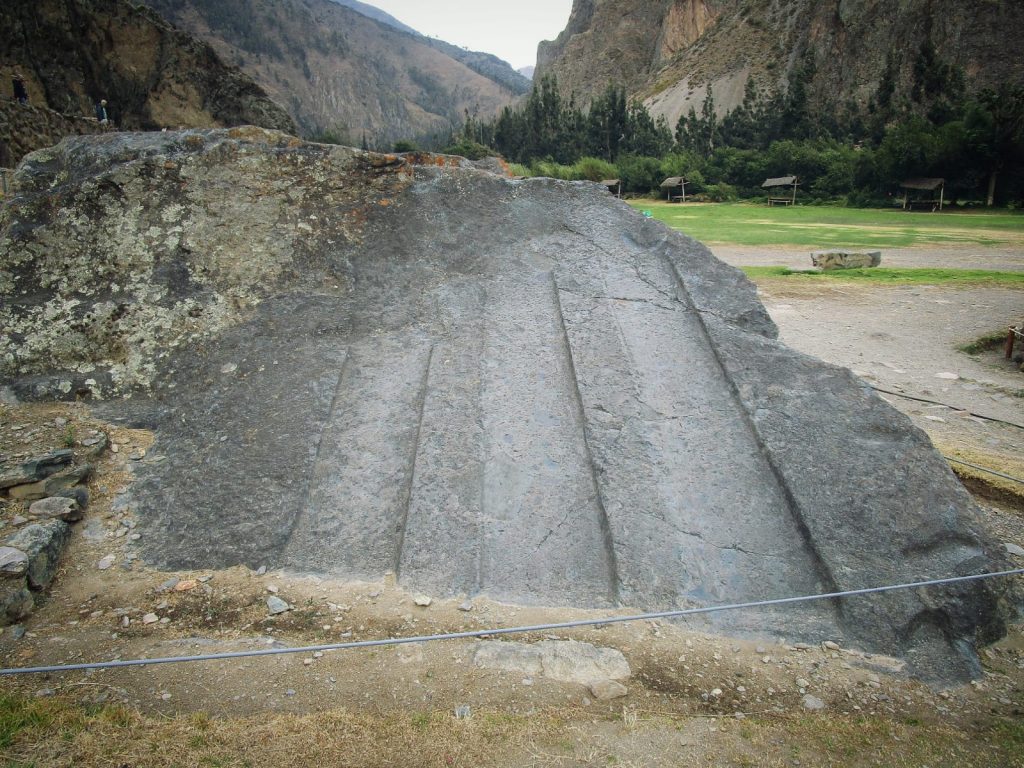


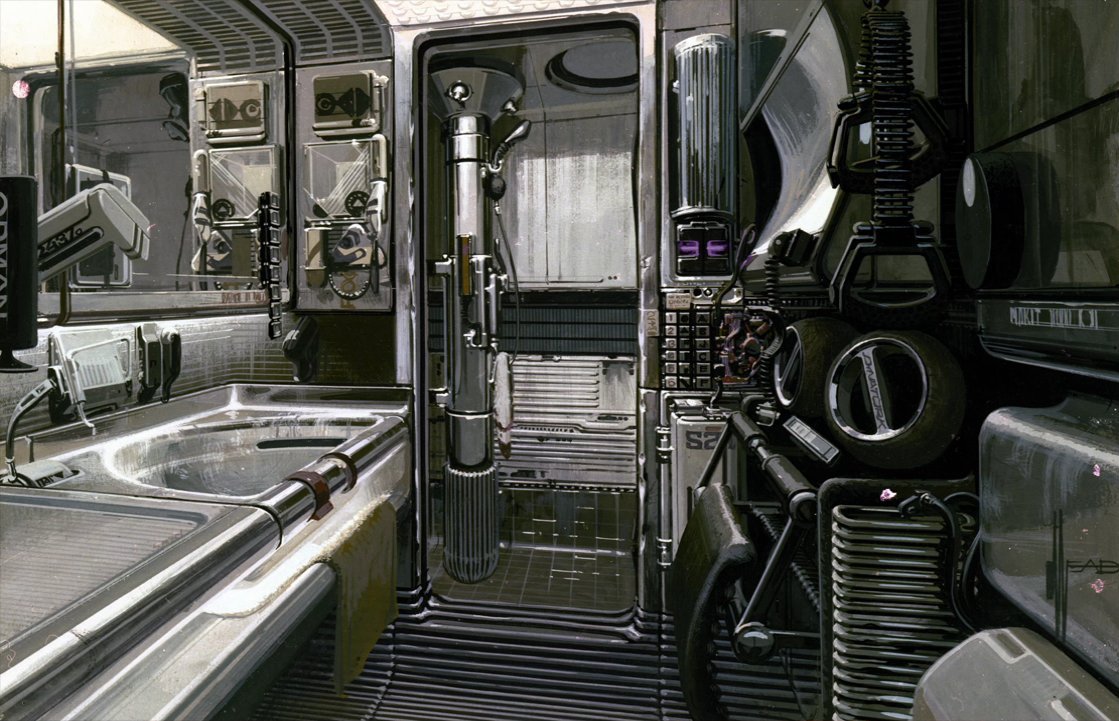
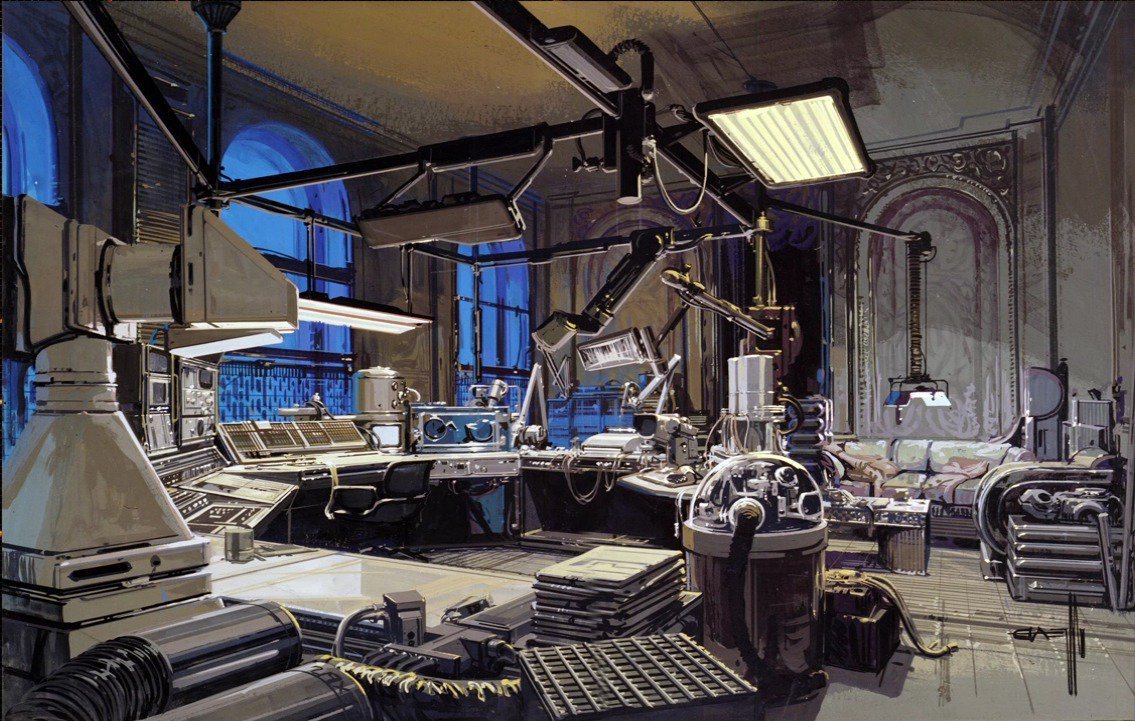





Lo prometido es deuda; he escalado lo que me parece claro. Mission: #OSIRIS-REx Target Object: #BENNU Mission Phase: Sample Collection sbnarchive.psi.edu/pds4/orex/orex… NASA/Goddard/UoA/j. Roger




In 1529 the concept of modern multistage rocketry was presented and it was more advanced than the V2 rocket in many ways. Rediscovered in the modern era in 1961, it is absolutely astonishing. — "Romanian Rocketry in the 16th Century" (NASA Technical Reports Server, ID: 19770026087 ntrs.nasa.gov/citations/1977…) focuses on a 16th-century manuscript discovered in Sibiu, Romania. Written by Conrad Haas, Chief of the Artillery Arsenal in Sibiu from 1529 to 1569, the manuscript provides some of the earliest recorded advancements in rocketry. Profoundly ahead of its time, here are some points: 1. Multistage rocket technology: Haas conceptualized rockets with multiple stages, where each stage would ignite sequentially to extend flight distance and altitude. This innovation laid the foundation for modern spaceflight. 2. Delta-shaped stabilizing fins: Haas introduced fins for aerodynamic stability, allowing rockets to maintain controlled and accurate trajectories. 3. Early rocket propellant recipes: The manuscript details propellant mixtures using saltpeter, sulfur, and charcoal in various proportions, demonstrating an early understanding of combustion optimization. 4. Peaceful applications of rocketry: Haas advocated for rockets to be used for scientific and exploratory purposes rather than solely for warfare, a progressive view for the time. 5. Clustered rocket systems: He proposed combining multiple smaller rockets to generate greater thrust and stability, an idea mirrored in modern launch systems. 6. Combustion chamber design: Haas described a contained chamber to direct and stabilize combustion, which is essential in modern rocket engines. 7. Launch platforms: The manuscript includes designs for platforms to guide rockets during ignition and initial ascent, addressing practical launch challenges. 8. Influence on later technology: Although not widely known until its rediscovery, the manuscript bridges medieval and modern rocketry, influencing future developments. The work of Conrad Haas in the 16th century stands as a breathtaking testament to human ingenuity and vision, centuries ahead of its time. At an era when the very idea of controlled flight was unimaginable, Haas conceptualized multistage rockets, stabilizing fins, and even peaceful applications for rocketry—concepts that would not be practically realized until the 20th century. His manuscript is not merely a historical curiosity but a profound reminder that the seeds of space exploration were sown long before the modern era. Haas's brilliance reveals that humankind's dream of reaching for the stars has deep roots, proving that even in the age of swords and alchemy, the imagination of engineers and scientists knew no bounds.