
Gary Short
55.8K posts

Gary Short
@garyshort
I build internet scale, cloud based, data analytics platforms and teams then I use them to predict the future #AI #ML #Azure #AWS #GCP
Houston, Texas Katılım Mart 2007
3K Takip Edilen5.3K Takipçiler

@rfc1972_54 @livingston_bob @JohnSwinney Ah yes, because Scotland, Canada, Norway, and Sweden are all famously identical: same population density, same grid design, same market rules, same taxes, same subsidies, same climate, same settlement patterns. So obviously bills should match exactly.
English

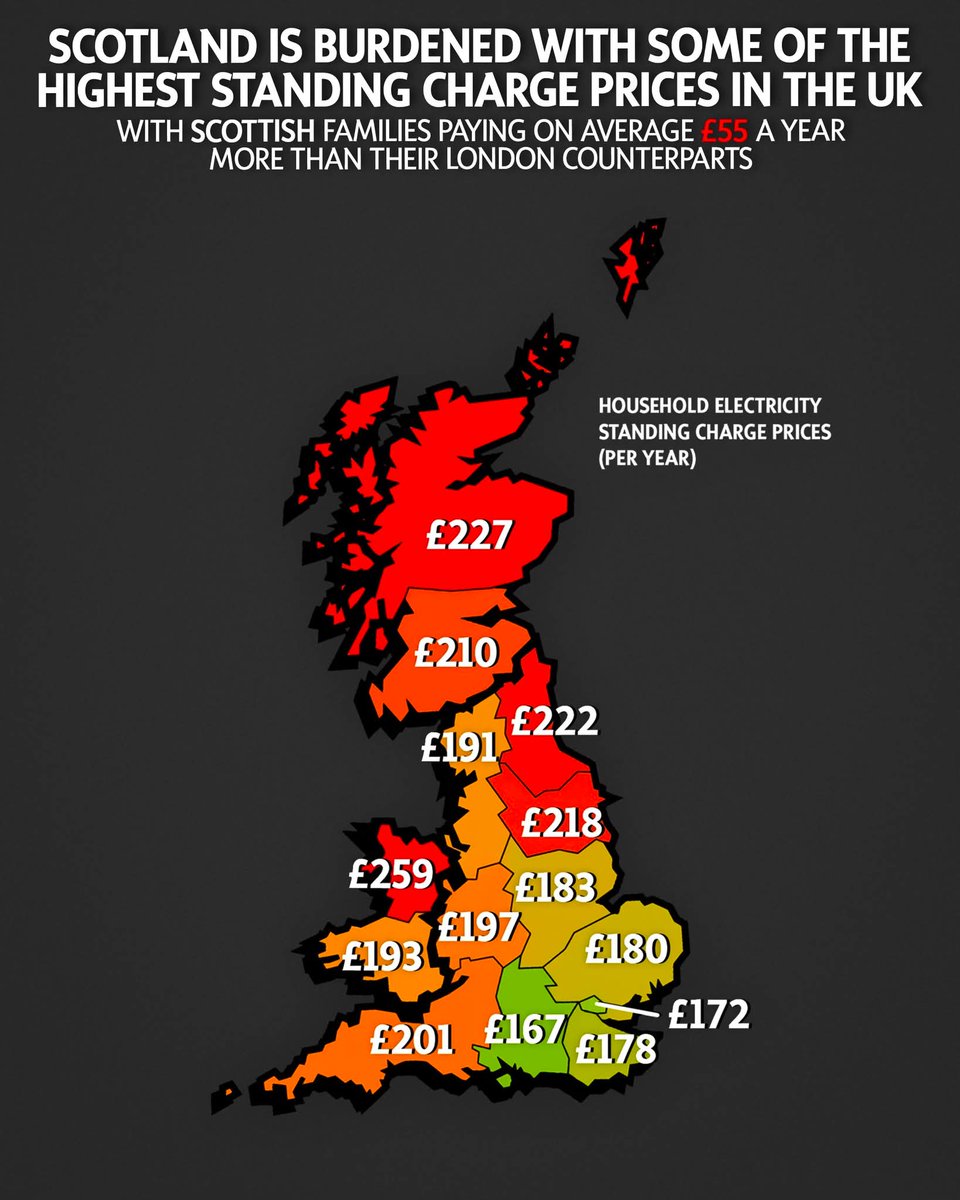
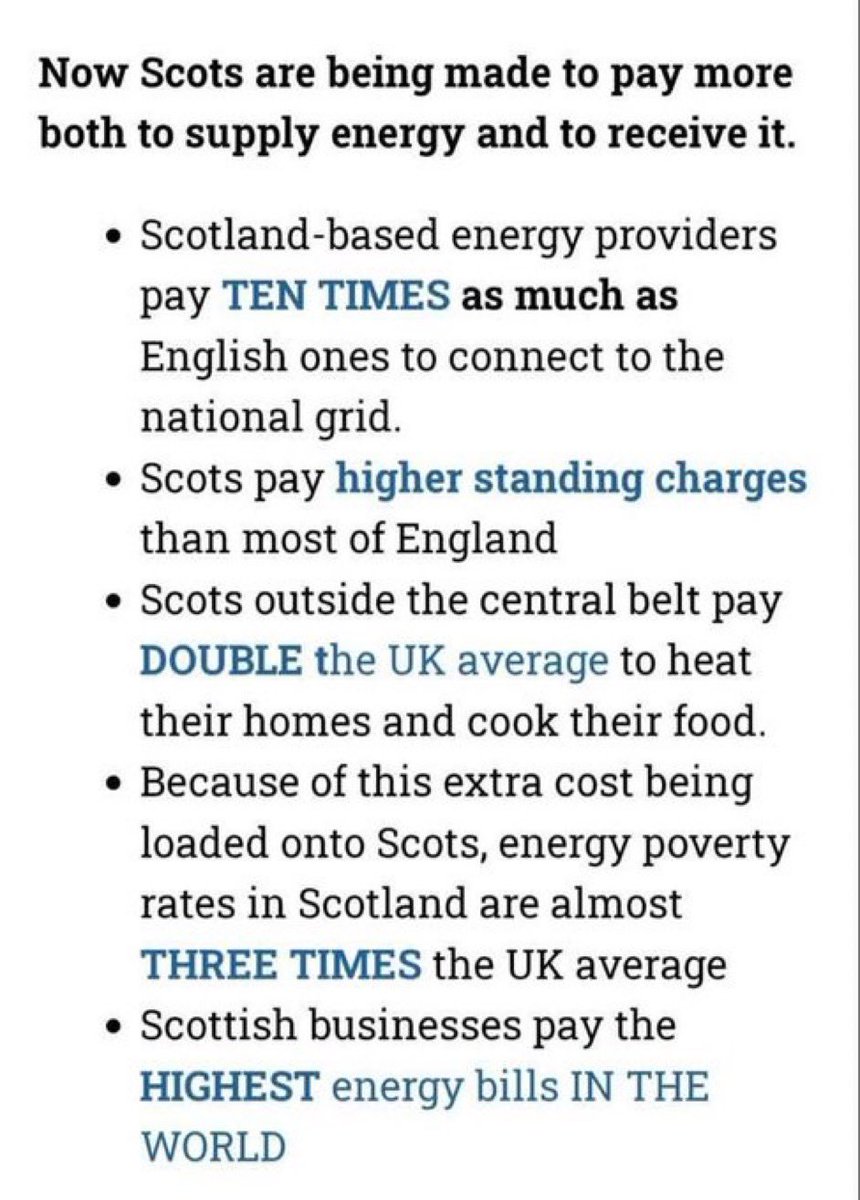
@livingston_bob @JohnSwinney Scotland’s higher electricity standing charges are mostly down to network costs: it’s more expensive to maintain grids across large, rural, sparsely populated areas, with fewer households to spread the fixed costs across. London’s dense network is cheaper per home. You’re welcome
English

@80_mcswan Money raised by ordinary people during a cost of living crisis to fuel the independence gravy train, the SNP should be ashamed. I hope there’s checks a balances in place to stop the money being embezzled… again.
English

@GMacdonaldSNP The Scottish Government is funded by the UK Government, so it’s just a money go-round.
English

Yet again a #bbcqt debate on tuition fees and student loans and doesn't mention the situation in Scotland where tuition is free.
English

@GMacdonaldSNP @grok is energy production a devolved matter for the Scottish Government?
English

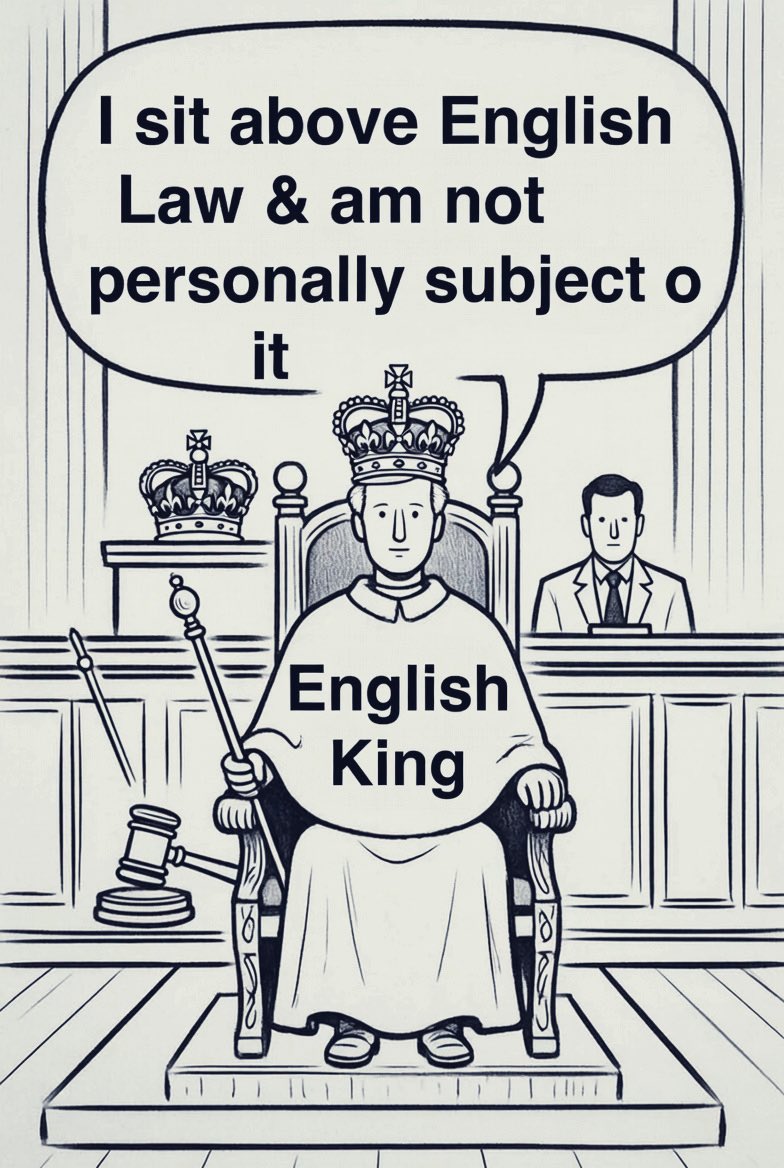
1. Did you know that the English Monarch (King) sits above all law in English law, but not in Scot’s Law?
2. Did you also know that no one who is close to the Monarch’s (King’s) person - ie on an official Royal Residence & is therefore considered to be close to the Monarch’s person, can be arrested for any crime?
This is why Andy cannae live in Scotland & also why in England, for as long as he lives in a Royal Residence, he is considered to be above the law - ALL ENGLISH LAW
The Position of the King/Monarch in Relation to the Law in English Law & Scots Law draws on historical, constitutional, & modern legal principles & the fundamental differences between English & Scots legal traditions, which have implications for constitutional debates in Scotland, including self-determination & the nature of sovereignty.
While England (trading as the United Kingdom) pretends that it operates as a single state with a shared monarch, the legal systems of England (& Wales) & Scotland remain distinct, as preserved by the so called - Treaty of Union 1707 (Articles XVIII and XIX). This distinction is particularly relevant to the monarch’s relationship with the law, rooted in divergent historical developments.
The Position in English Law:
In English law, the monarch is traditionally regarded as being “above the law” in a personal capacity, under the doctrine of sovereign immunity (or Crown immunity). This doctrine, derived from common law, holds that “the King can do no wrong” (Rex non potest peccare), meaning the sovereign cannot be personally sued or prosecuted for any civil or criminal act. This principle has ancient origins, traceable to medieval English jurisprudence, where the king was seen as the fount of justice and thus immune from its processes.
•Historical Foundation: The English Bill of Rights 1689, enacted following the Glorious Revolution, imposed limitations on royal power but did not subordinate the monarch to the law. It declares certain royal actions illegal, such as suspending laws without parliamentary consent: “That the pretended Power of Suspending of Laws or the Execution of Laws by Regall Authority without Consent of Parlyament is illegall.” However, it does not affirm that the monarch is personally bound by the law in the same way as subjects. Instead, it reinforces parliamentary supremacy while preserving personal royal immunity.
•Modern Application: The Crown Proceedings Act 1947 reformed Crown liability, allowing civil suits against the Crown as an entity (e.g., government departments) but AGAIN explicitly preserving the monarch’s personal immunity from civil and criminal proceedings. Section 40(1) states that nothing in the Act “shall apply to proceedings by or against His Majesty in his private capacity.” Criminal proceedings against the sovereign remain prohibited under common law. 1 23 As confirmed by the Ministry of Justice, “the King, as head of state, has sovereign immunity from both civil & criminal proceedings. That is a long-established customary rule of law.”
•Scope & Exemptions: The monarch enjoys exemptions from over 160 laws, including those on taxation, animal welfare, & environmental regulations, often through “Crown application” clauses that exclude the sovereign unless expressly included
This immunity extends to private estates like Sandringham, where police entry for investigations requires permission under more than 30 laws
SO, In summary, yes, in English law, the monarch is effectively “above the law” personally, immune from prosecution or suit, though the Crown as an institution is subject to parliamentary statutes & judicial review in governmental actions.
In contrast, Scots Law has a longstanding constitutional tradition that no one, including the monarch, is above the law. This principle is embedded in Scotland’s distinct legal heritage, influenced by Roman law & feudal concepts, where the sovereign is viewed as primus inter pares (first among equals) not divinely absolute

English

Trump has ~20% of his fortune in crypto… just saying…
Documenting Saylor@saylordocs
🇺🇸 President Trump: The current financial system is outdated and will soon be replaced with a state-of-the-art cryptocurrency framework under the New Structure Bill. The entire financial system could go on-chain, powered by crypto!
English

The bureaucracy corrupted democracy
Mario Nawfal@MarioNawfal
🚨🇺🇸🇪🇺 BREAKING: U.S. House Judiciary Committee confirm that the EU interfered in 8 European elections. 🇸🇰 Slovakia (2023) 🇳🇱 The Netherlands (2023&2025) 🇫🇷 France (2024) 🇷🇴 Romania (2024) 🇲🇩 Moldova (2024 🇮🇪 Ireland (2024&2025) This people talk about democracy 24/7... Source: House Gov.
English

@patch8652 Pretending the deficit doesn’t exist saves you having to explain how you’ll deal with it after independence, I suppose.
English

@StephenFlynnSNP Another thing you’ll have to explain how’ll well afford if we went for independence.
English

@TheIndyPoet @BBC @grok are @BBCNews correct when they report that Reform are leading recent polls for the next UK general election?
English

@80_mcswan @grok on a scale of 1 to 10 how like is this to come to fruition?
English

@patch8652 The vast majority of the deficit is welfare, when you say ‘implied’ are you saying an independent Scotland would cut welfare?
English

@Toepostsandals @Denis85457546 @MikeyTheBuddie @Paul06559591 In 2024–25, Scotland raised about £91 bn in tax revenue but had around £118 bn spent on its behalf, implying a deficit and a net fiscal transfer from the rest of the UK.
•This pattern (higher spending per person than the UK average) has been typical for recent decades
English

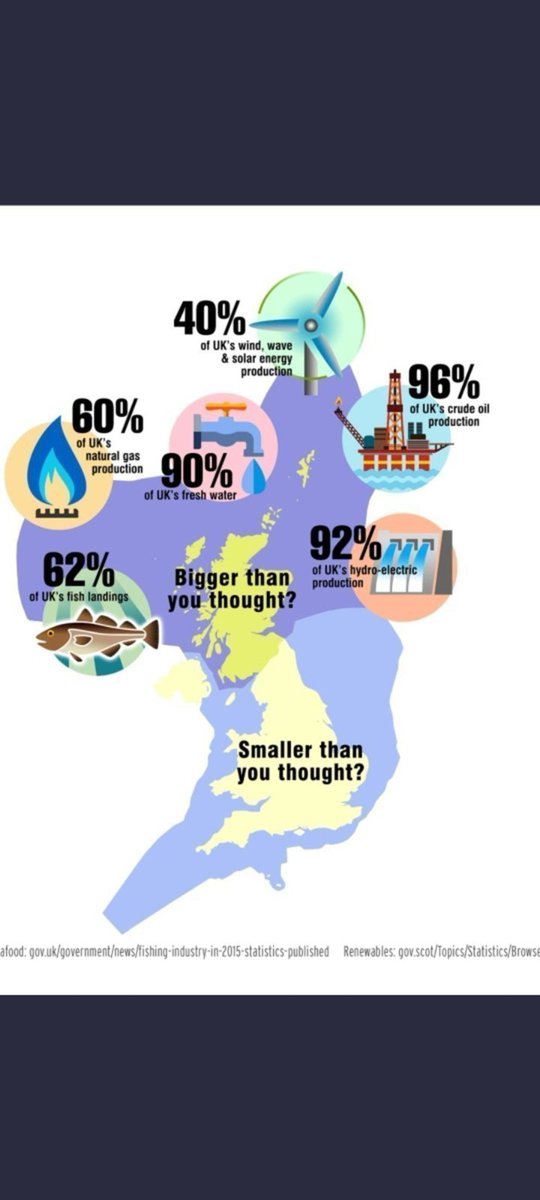
@garyshort @Denis85457546 @MikeyTheBuddie @Paul06559591 Do you live in Scotland or US? Scotland is the most resource rich country in UK. We do not live off 'The Union' we are major contributors and will manage our affairs Post Ind just as Denmark, Finland, Norway, Slovak Republic and 100 other countries with pop of less than 6m do.


English

Happy birthday, @garyshort!
IMG_9479 - Northwest Ohio .Net User Group 2010 - Giard
English


@Denis85457546 @MikeyTheBuddie @Paul06559591 We believe it because you can’t explain how we’ll continue to afford the increased social programs we enjoy under the Union. Couldn’t explain it during indyref, more than a decade later, you still can’t tell us.
English

@MikeyTheBuddie @Paul06559591 Because they believe Scotland is too poor to exist without the broad shoulders of England as well as many others.
English