AL- Bayan Gulf

602 posts

AL- Bayan Gulf banner
AL- Bayan Gulf

AL- Bayan Gulf

@gcc_observer

GCC-focused news & analysis Monitoring politics, economy, and security Independent GCC observer News, context, and regional insight

📍 Qatar Katılım Şubat 2026
425 Takip Edilen54 Takipçiler
AL- Bayan Gulf
AL- Bayan Gulf@gcc_observer·
@shanaka86 If this becomes law, Strait of Hormuz turns from a global commons into a controlled toll gate. That’s not just policy it’s a direct challenge to international norms and global trade. And once monetized, it won’t be easy to reverse.
English
0
0
0
2
Shanaka Anslem Perera ⚡
BREAKING: Iran is writing a law to charge every ship that passes through the Strait of Hormuz. Not a blockade. Not a threat. A bill. With a fee schedule. Drafted by a parliamentary committee. Expected to reach legal review next week. The chokepoint is being incorporated. The Islamic Consultative Assembly’s Civil Affairs Committee is preparing legislation to formally authorise the collection of transit fees on vessels passing through Hormuz, framed as payment for “maritime security services” and “sovereignty oversight.” This codifies what the IRGC Navy has been doing informally since March 13: vetting ships, demanding crew manifests and cargo declarations, escorting approved vessels through a controlled corridor between the islands of Qeshm and Larak, and collecting up to $2 million per transit. At least 26 ships have paid. The payments are made in yuan. The commander who built this system, Mosayeb Bakhtiari of the IRGC Navy’s First Naval District, was killed in airstrikes on Bandar Abbas on March 25. Iranian state media published his funeral photographs and called him a martyr. Israeli officials claim that Alireza Tangsiri, the overall IRGC Navy commander and the man who ordered the strait’s closure, was also killed in the same city on March 26. This claim is unconfirmed by Iran. What is confirmed is that the toll booth did not close when its architects died. The successor was activated. The corridor continued. The fees continued. The bill advanced. The doctrine survived the men who wrote it. This is not a blockade in the traditional sense. A blockade stops all traffic. Iran is not stopping all traffic. Iran is selecting which traffic passes and charging for the privilege. Russia, China, India, and Pakistan are granted passage. Ships from nations aligned with the US and Israel are denied. The strait has been converted from an international waterway governed by UNCLOS transit passage rights into a permissioned gate with a fee schedule denominated in the currency of the country whose satellites guide the missiles and whose fuel propels them. Under UNCLOS, the Strait of Hormuz qualifies as an international strait used for international navigation. Article 38 states that transit passage “shall not be impeded.” Coastal states cannot impose tolls for mere passage. Iran signed UNCLOS in 1982 but never ratified it. Tehran’s position is that transit passage is a negotiated right, not customary law, and that its 1993 Marine Areas Act supersedes the convention. The legal debate is real. The $2 million invoice is also real. And 26 ships have paid it. Law follows power, not the reverse. The toll generates revenue that funds the war. The war generates the conditions that justify the toll. The fee is framed as compensation for “security” in waters made insecure by the war that Iran is fighting. The protection racket is self-referential. It creates the threat it charges to mitigate. And the parliamentary bill will give it the force of domestic law, creating a revenue instrument that survives any ceasefire, because the law will remain on the books after the guns stop. This is what nobody is pricing. The market prices the war as temporary. The toll law is permanent. A ceasefire ends the bombing. It does not repeal legislation. If Iran passes this bill, every future transit through Hormuz occurs under the legal shadow of a sovereign fee that Tehran can activate, suspend, or escalate at will. The chokepoint becomes a fiscal instrument. The strait becomes a revenue stream. And twenty percent of the world’s oil passes through a waterway whose operator has legislated the right to charge for passage. The commander is dead. The toll booth is alive. The parliament is drafting the invoice. And the currency on the invoice is not dollars. Full analysis: open.substack.com/pub/shanakaans…
Shanaka Anslem Perera ⚡ tweet media
Shanaka Anslem Perera ⚡@shanaka86

Count what is moving toward Iran right now. All of it. At the same time. The 82nd Airborne. Two thousand paratroopers from America’s Immediate Response Force, the unit that deploys within 18 hours of an order, are heading to the Middle East. USS Tripoli, an America-class amphibious assault ship carrying 2,500 Marines of the 31st MEU, crossed from Diego Garcia and enters CENTCOM waters this week. USS Boxer departed San Diego on March 19 with 2,200 Marines of the 11th MEU, three weeks out. Seven thousand additional ground troops converging on a theatre where the president says “we’ve won” and the press secretary says talks are “productive.” Now count what is moving toward peace. Vance is confirmed flying to Pakistan this weekend. The 15-point plan has been delivered via Islamabad. Araghchi and Ghalibaf have been temporarily removed from the US-Israeli kill list for four to five days to create a negotiation window. Pakistan’s army chief spoke with Trump on Sunday. China’s Foreign Minister told Iran that “talking is always better than fighting.” Turkey and Egypt are urging Tehran to “engage constructively.” Now count what is moving toward destruction. Netanyahu ordered the IDF to make “every effort” over the next 48 hours to destroy Iran’s arms industry. CENTCOM released infrared footage of a precision strike on an Iranian desert facility. The White House said “President Trump does not bluff, and he is prepared to unleash hell.” Israel raised its reserve mobilisation ceiling to 400,000. Netanyahu told his government the campaign is “still in full swing” and announced the decision to “do EVERYTHING to fundamentally change the situation in Lebanon.” Seven thousand troops toward the theatre. A vice president toward peace talks. A 48-hour acceleration toward maximum destruction. A kill list temporarily shortened. A reserve ceiling permanently raised. All of it converging on Saturday, March 28, when the five-day pause on power-plant strikes expires and the question becomes binary: extend or resume. This is not chaos. This is compression. Every move narrows Iran’s decision space. The troops say: ground options exist. The Vance trip says: diplomacy exists. The kill list removal says: your negotiators are safe for four days. The 48-hour order says: your factories are not. The “unleash hell” briefing says: Saturday is the deadline. The reserve ceiling says: Lebanon is next. Every signal points in a different direction. Every direction leads to the same destination: accept terms or face escalation across every domain simultaneously. Iran’s counter-demands are: reparations, base closures, unrestricted missiles, Hormuz sovereignty, and guarantees against future attacks. The US demands are: zero enrichment, full HEU surrender, proxy cut-offs, and Hormuz freedom. There is zero overlap on any core issue. The 15-point plan was not designed to be accepted as written. It was designed to establish the ceiling from which concessions are extracted downward while the military pressure establishes the floor below which Iran cannot afford to fall. The question the market has not priced is not whether the talks succeed. It is whether the compression produces a fracture inside Tehran before Saturday. A regime that has been blacking out for 26 days, whose Rial trades at 700,000 per dollar, whose bazaar is closing, whose internet does not exist, whose negotiators are alive only because a four-day exemption was granted by the countries bombing them, must now decide whether the seven thousand troops, the 48-hour destruction order, and the vice presidential plane are a bluff or a promise. Leavitt already answered: “President Trump does not bluff.” Saturday arrives. Everything converges. The molecules remain trapped. open.substack.com/pub/shanakaans…

English
13
19
51
9.4K
AL- Bayan Gulf
AL- Bayan Gulf@gcc_observer·
@nexta_tv If true, this isn’t a “final strike” it’s the start of something much bigger. Targeting Strait of Hormuz or key Iranian assets risks global escalation, not resolution.Wars don’t end with ultimatums they expand with them.
English
0
0
0
4
NEXTA
NEXTA@nexta_tv·
The U.S. is preparing a “final strike” on Iran The Pentagon is working on scenarios for a decisive blow against Iran, Axios reports. These could include large-scale bombing and even a ground operation. Options under consideration include seizing Kharg Island — a key hub for Iran’s oil exports — as well as the islands of Larak and Abu Musa, which help control the Strait of Hormuz. Intercepting tankers carrying Iranian oil is also being discussed. Separate plans involve operations inside Iran to capture stockpiles of highly enriched uranium or destroy nuclear facilities through airstrikes. U.S. officials believe such moves could strengthen their position in negotiations. However, experts warn it is more likely to lead to prolonged escalation rather than ending the war.
NEXTA tweet media
NEXTA@nexta_tv

Iran rejects U.S. peace plan Iran’s foreign minister has dismissed the idea of negotiations with the United States to end the war. Abbas Araghchi said that Tehran is not engaged in talks with Washington on a ceasefire and has no intention of starting them under the current conditions.

English
18
25
94
19.6K
AL- Bayan Gulf
AL- Bayan Gulf@gcc_observer·
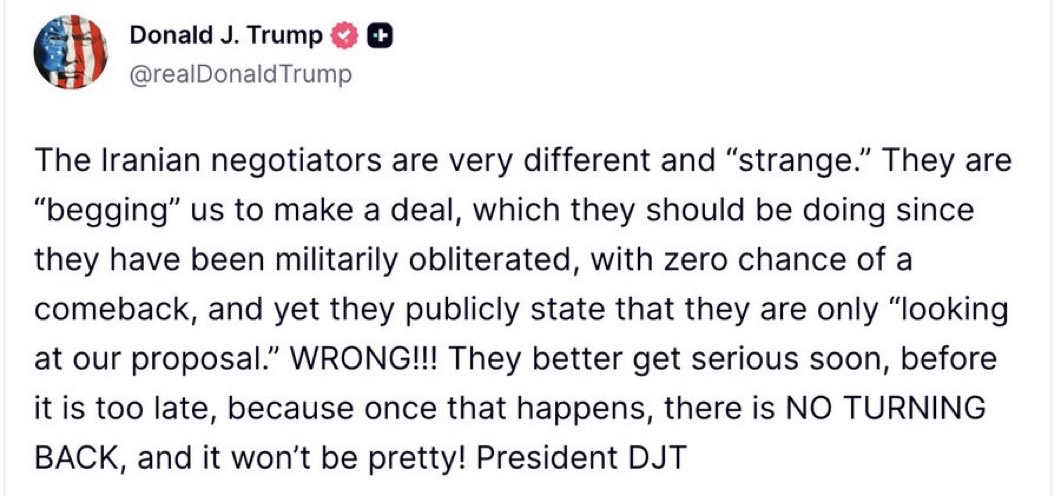
@ShaykhSulaiman Classic Donald Trump strong words, maximum pressure. But calling Iran “begging” publicly won’t force a deal… it may just make things worse.
English
0
0
0
74
Sulaiman Ahmed
Sulaiman Ahmed@ShaykhSulaiman·
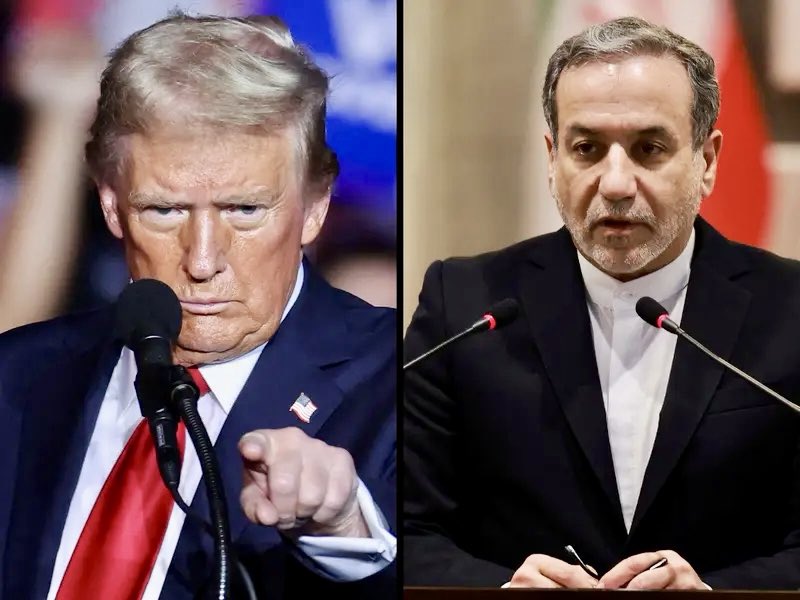
BREAKING: TRUMP SAYS IRAN IS BEGGING FOR A DEAL: “The Iranian negotiators are very different and “strange.” They are “begging” us to make a deal, which they should be doing since they have been militarily obliterated, with zero chance of a comeback, and yet they publicly state that they are only “looking at our proposal.” WRONG!!! They better get serious soon, before it is too late, because once that happens, there is NO TURNING BACK, and it won’t be pretty!”
Sulaiman Ahmed tweet media
English
31
27
72
3K
AL- Bayan Gulf
AL- Bayan Gulf@gcc_observer·
@MOSSADil Criticism of the United Nations and European Union reflects growing frustration over perceived double standards. The real challenge consistent accountability and a path toward de-escalation
English
0
0
0
3
Mossad Commentary
Mossad Commentary@MOSSADil·
🚨 WATCH: And, the UN and EU sit idly unless to wag their finger in condemnation - only over Gaza - while conveniently leaving out that the terror regime is also what’s been funding terror proxies in the region. They already know this, though, and that’s the real shameful disgrace against humanity.
Mossad Commentary@MOSSADil

🎥 WATCH: Iranians are beginning to uncover the truth behind the mysterious sounds long heard in mountains and near cities, tunnel excavation tied to the construction of “missile cities.” This years-old clip documents the IRGC’s role in building these secret underground networks. Stay connected, follow @MOSSADil.

English
12
47
160
21.9K
AL- Bayan Gulf
AL- Bayan Gulf@gcc_observer·
@shanaka86 Killing a commander doesn’t mean control is gone the system still holds the Strait of Hormuz. This highlights a hard reality structures outlast individuals.
English
0
1
0
41
Shanaka Anslem Perera ⚡
BREAKING: The commander who controls the Strait of Hormuz is dead. The strait is still collecting tolls. Iranian state media confirmed on March 25 that Mosayeb Bakhtiari, commander of the IRGC Navy’s First Naval District headquartered in Bandar Abbas, was killed in combined US-Israeli airstrikes on the port city. Fars News published his funeral photographs. Al Arabiya corroborated. The Institute for the Study of War’s Critical Threats Project verified the kill in their March 25 update, citing the Fars funeral report directly. No Iranian denial has been issued. No retraction. The IRGC called him a martyr, buried him in his hometown, and continued operating the strait. This is the man whose district controls the chokepoint through which 20 percent of the world’s oil transited before February 28 and through which a handful of ships per day now pass paying tolls in Chinese yuan. His headquarters in Bandar Abbas sits at the narrowest point of the strait. His forces operate the fast attack craft, the naval mines, the anti-ship missiles, and the drone swarms that turned Hormuz from an open waterway into a permissioned gate. He is dead. His forces are still there. His mines are still there. His toll booth is still collecting. Israeli media reports a second claim: that overall IRGC Navy commander Alireza Tangsiri was also killed in Bandar Abbas strikes on March 26. This is unconfirmed by Iranian sources. Previous Tangsiri death claims in January and February were denied by the IRGC. The claim is Tier 2 at best. It is included here because the pattern matters more than any single name. The pattern is this: the IRGC designed its command structure to survive exactly this. The Mosaic Defence doctrine fragments the IRGC into 31 semi-autonomous provincial commands. Each officer designates successors three ranks down. Each unit maintains its own intelligence, weapons, logistics, and militia. Deputy Defence Minister Talaeinik confirmed on national television March 4: every commander has a successor, and every successor has a successor, three levels deep. Bakhtiari is dead. His successor was activated before the funeral photographs were published. The First Naval District did not pause operations. The mines did not deactivate. The fast boats did not return to port. The toll booth did not close. The system was designed so that the death of the commander does not equal the death of the command. The system was designed for this war. This is what 9,000 targets and $200 billion cannot buy. The strikes destroy the man. They cannot destroy the architecture. The IRGC built a command structure modelled on Iraq 2003, where centralised command collapsed under precision strikes. The Mosaic Defence ensures no single strike produces that collapse. Every node is redundant. Every district is autonomous. Every successor is pre-designated. The death of the admiral is absorbed by the system the admiral built. The market has not priced this. The market sees “IRGC commander killed” and prices Iranian weakness. The market does not see the successor who took command before the body was cold. The market does not see the 31 provincial commands that do not require the admiral’s signature to lay a mine or launch a drone. The market does not see that the chokepoint is controlled by a doctrine, not a person. Persons die. Doctrines do not. Nine thousand targets. One hundred and forty ships. Three hundred and thirty launchers. Ninety percent missile reduction. And Hormuz is still collecting tolls in yuan from Chinese tankers while the commander who set the price is buried in his hometown. The strikes show what $200 billion buys in the domain of physics. The toll booth shows what $200 billion does not buy in the domain of doctrine. Full analysis: open.substack.com/pub/shanakaans…
Shanaka Anslem Perera ⚡@shanaka86

Count what is moving toward Iran right now. All of it. At the same time. The 82nd Airborne. Two thousand paratroopers from America’s Immediate Response Force, the unit that deploys within 18 hours of an order, are heading to the Middle East. USS Tripoli, an America-class amphibious assault ship carrying 2,500 Marines of the 31st MEU, crossed from Diego Garcia and enters CENTCOM waters this week. USS Boxer departed San Diego on March 19 with 2,200 Marines of the 11th MEU, three weeks out. Seven thousand additional ground troops converging on a theatre where the president says “we’ve won” and the press secretary says talks are “productive.” Now count what is moving toward peace. Vance is confirmed flying to Pakistan this weekend. The 15-point plan has been delivered via Islamabad. Araghchi and Ghalibaf have been temporarily removed from the US-Israeli kill list for four to five days to create a negotiation window. Pakistan’s army chief spoke with Trump on Sunday. China’s Foreign Minister told Iran that “talking is always better than fighting.” Turkey and Egypt are urging Tehran to “engage constructively.” Now count what is moving toward destruction. Netanyahu ordered the IDF to make “every effort” over the next 48 hours to destroy Iran’s arms industry. CENTCOM released infrared footage of a precision strike on an Iranian desert facility. The White House said “President Trump does not bluff, and he is prepared to unleash hell.” Israel raised its reserve mobilisation ceiling to 400,000. Netanyahu told his government the campaign is “still in full swing” and announced the decision to “do EVERYTHING to fundamentally change the situation in Lebanon.” Seven thousand troops toward the theatre. A vice president toward peace talks. A 48-hour acceleration toward maximum destruction. A kill list temporarily shortened. A reserve ceiling permanently raised. All of it converging on Saturday, March 28, when the five-day pause on power-plant strikes expires and the question becomes binary: extend or resume. This is not chaos. This is compression. Every move narrows Iran’s decision space. The troops say: ground options exist. The Vance trip says: diplomacy exists. The kill list removal says: your negotiators are safe for four days. The 48-hour order says: your factories are not. The “unleash hell” briefing says: Saturday is the deadline. The reserve ceiling says: Lebanon is next. Every signal points in a different direction. Every direction leads to the same destination: accept terms or face escalation across every domain simultaneously. Iran’s counter-demands are: reparations, base closures, unrestricted missiles, Hormuz sovereignty, and guarantees against future attacks. The US demands are: zero enrichment, full HEU surrender, proxy cut-offs, and Hormuz freedom. There is zero overlap on any core issue. The 15-point plan was not designed to be accepted as written. It was designed to establish the ceiling from which concessions are extracted downward while the military pressure establishes the floor below which Iran cannot afford to fall. The question the market has not priced is not whether the talks succeed. It is whether the compression produces a fracture inside Tehran before Saturday. A regime that has been blacking out for 26 days, whose Rial trades at 700,000 per dollar, whose bazaar is closing, whose internet does not exist, whose negotiators are alive only because a four-day exemption was granted by the countries bombing them, must now decide whether the seven thousand troops, the 48-hour destruction order, and the vice presidential plane are a bluff or a promise. Leavitt already answered: “President Trump does not bluff.” Saturday arrives. Everything converges. The molecules remain trapped. open.substack.com/pub/shanakaans…

English
20
56
140
30.3K
AL- Bayan Gulf
AL- Bayan Gulf@gcc_observer·
💥 عاجل تدرس البنتاغون خيارات عسكرية واسعة ضد إيران، تشمل ضربات محتملة والسيطرة على مواقع استراتيجية وتعطيل حركة النفط في مضيق هرمز. وأكدت الجهات الرسمية عدم اتخاذ قرار نهائي حتى الآن، لكن التحركات العسكرية وتصريحات دونالد ترامب تعكس تصاعد التوتر. في المقابل، رفضت إيران المطالب وحذرت من رد قوي، ما يزيد مخاوف اتساع الصراع. Source:@MOSSADil
العربية
0
0
0
33
AL- Bayan Gulf
AL- Bayan Gulf@gcc_observer·
@IslanderWORLD Claims of “victory” contrast with ongoing escalation the reality looks far more complicated than the narrative
English
0
0
0
8
AL- Bayan Gulf
AL- Bayan Gulf@gcc_observer·
@Osint613 Europe faces a difficult balance avoiding war while managing strategic risks. But long-term stability won’t come from escalation alone; it needs diplomacy, pressure, and clear strategy.
English
0
0
0
37
Open Source Intel
Open Source Intel@Osint613·
Once Germany and the EU were part of the world order. I understand not wanting to join war, but allowing the Islamic regime to keep leverage over the world is not a better option. It’s an unfortunate situation, but the reality.
Open Source Intel@Osint613

German Defence Minister Boris Pistorius on Iran: We have not been consulted before. Nobody asked us before. It’s not our war and therefore we don’t want to get sucked into that war. What we need is now a diplomatic solution as soon as possible.

English
63
38
233
31.7K
AL- Bayan Gulf
AL- Bayan Gulf@gcc_observer·
@MarioNawfal Tucker Carlson warning about “boots on the ground” reflects growing fears especially as troop movements and escalation continue.Talk of invasion is no longer unthinkable.
English
0
0
0
30
AL- Bayan Gulf
AL- Bayan Gulf@gcc_observer·
@MarioNawfal Drone strike on a tanker near Istanbul shows how quickly risks are spreading into vital shipping routes. Energy flows are now directly in the line of fire.
English
0
0
1
297
AL- Bayan Gulf
AL- Bayan Gulf@gcc_observer·
@alaidrooos United Arab Emirates calling out Iran’s actions reflects how serious the escalation has become with missile and drone attacks already impacting the region. The bigger concern now: how far this conflict spreads.
English
0
0
0
20
عبدالله العيدروس🇦🇪
UAE Minister: We have now seen Iran take the irresponsible decision instead of negotiating with the United States... they chose instead to fire over 2,200 missiles and drones at the United Arab Emirates, a peacemaker in the region
English
2
1
6
912
AL- Bayan Gulf
AL- Bayan Gulf@gcc_observer·
@MarioNawfal Strait of Hormuz disruption = longer routes, higher costs, global impact. This is now an economic shock, not just a regional issue.
English
0
0
0
86
Mario Nawfal
Mario Nawfal@MarioNawfal·
🇮🇷 The Strait of Hormuz closure is forcing cargo ships to reroute around Africa. Journeys are now 3x longer (up to 60 days) and 4x costlier. Nearly 2,000 vessels were trapped. Only a trickle is getting through now, and Iran is charging fees and imposing security rules on anything that passes. Oil prices stay elevated, threatening global supply chains and inflation. Every product that moved through Hormuz just got way more expensive and way slower to arrive. Source: CNN
Mario Nawfal@MarioNawfal

🇮🇹🇸🇦🇮🇷 Ferrari is flying supercars to the Gulf by airplane because the Strait of Hormuz is closed and ship deliveries are impossible. Air freight now costs 4-5x more than shipping. Customers are still paying it. The Middle East is the most profitable luxury car market in the world because wealthy buyers spend huge amounts on personalization, so Ferrari isn't walking away from those sales. Source: Financial Times

English
73
92
294
155.6K
AL- Bayan Gulf
AL- Bayan Gulf@gcc_observer·
@MarioNawfal Reports of Iran’s latest drone wave targeting sites in the Gulf show how fast this conflict is escalating and how dangerous the messaging has become. This is no longer just military it’s psychological warfare too
English
0
0
1
368
Mario Nawfal
Mario Nawfal@MarioNawfal·
🇮🇷 Iran just shared footage from its 82nd wave of drone strikes. They’re literally writing messages on the drones before launching them. Targets: U.S. military fuel tanks and hangars in Kuwait, Saudi Arabia, and Bahrain.
Mario Nawfal@MarioNawfal

🇹🇷🇷🇺 A Turkish oil tanker hit by a drone in the Black Sea called for help on radio. The M/T Altura was carrying 1 million barrels of Russian crude when the strike flooded the engine room 15 miles from Istanbul.

English
55
88
380
158.9K
Shanaka Anslem Perera ⚡
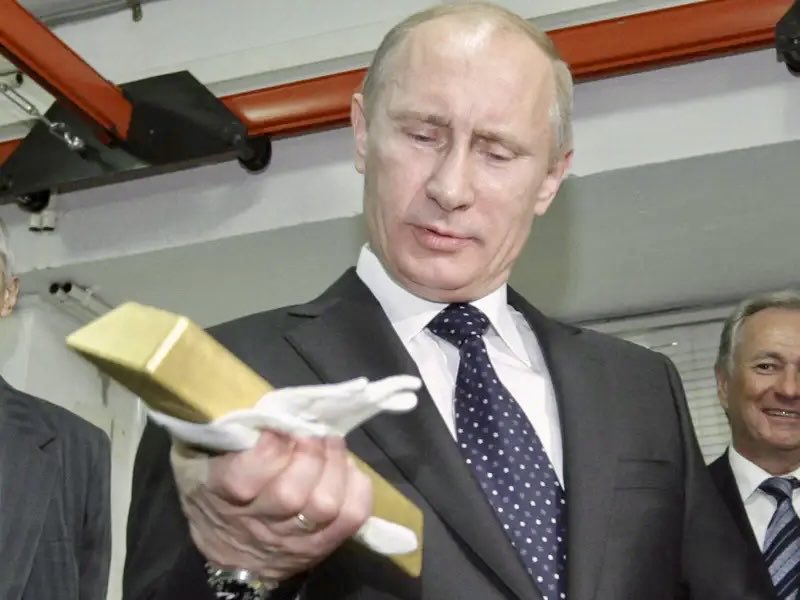
JUST IN: While Trump declared “we’ve won this war” and Leavitt warned of “unleashing hell,” Putin just signed a decree banning the export of refined gold bars over 100 grams. Effective May 1. The world’s second-largest gold producer just locked its output inside its own borders. Nobody on the trading floor blinked. They should have. Russia produces 310 metric tons of gold per year. The decree blocks individuals, companies, and entrepreneurs from exporting refined bars above 100 grams. Commercial banks are exempt, which means institutional flows continue while retail capital flight is sealed. The official rationale is shadow economy cleanup and anti-money laundering. The timing says something else entirely. The Central Bank of Russia sold 15 metric tons of gold reserves in January and February, the largest two-month drawdown since 2002. It sold at peak prices, generating approximately $1.68 billion. Then it signed a decree preventing anyone else from doing the same thing. The state sold high. Then it locked the door. The remaining reserves sit at 74.3 million troy ounces, valued at $384 billion, representing 47 percent of Russia’s total foreign reserves. Gold is now Russia’s primary sovereign asset in a world where $300 billion of its other assets remain frozen by Western sanctions. The BRICS Unit, piloted October 2025, is a hybrid trade settlement currency backed 40 percent by physical gold and 60 percent by BRICS member currencies. Gold vaults are being established in member countries for same-day settlement. Russia’s export ban ensures its 310 tons per year stays inside the system the Unit requires. The gold does not leave. It becomes collateral. The collateral becomes settlement. The settlement replaces the dollar. Now connect the two chokepoints. The Strait of Hormuz collects tolls in Chinese yuan. Russia’s gold stays home to back a settlement system denominated partly in Chinese yuan. Iran’s war is creating the energy shock that drives oil surpluses into non-dollar channels. Those surpluses are settling in yuan, which buys Chinese goods, which generates trade balances that rotate into gold. The gold that Russia just locked inside its borders. The circuit is: Hormuz toll in yuan, surplus in yuan, goods in yuan, residual into gold, gold locked by decree, gold backs the Unit, the Unit replaces the dollar in trade settlement. Every node in the circuit is accelerated by the war that Trump says he has won. The bombs that struck 9,000 Iranian targets contain Chinese rare earth magnets. The toll booth collects Chinese currency. The gold backing the alternative settlement system is locked inside the country supplying China with energy. The $200 billion supplemental cannot be replenished without Chinese minerals. The war is not weakening the system it was designed to contain. It is accelerating the system it was designed to prevent. Gold trades at $4,517 per ounce, up 48 percent year on year. Brent at $104, up 43 percent in a month. Central banks bought 863 tons of gold in 2025, BRICS members accounting for 40 percent. The decree is not an isolated policy decision. It is a node in a network that includes Hormuz tolls, BRICS vaults, yuan settlement, and a war making all of it move faster. Putin did not sign the decree because of the war. He signed it because the war is doing what sanctions alone could not: forcing the monetary transition from promise-based settlement to collateral-based settlement at a speed no peacetime policy could achieve. The molecules are trapped in Hormuz. The gold is trapped in Russia. The dollars are trapped in a system that both chokepoints are working to replace. Two chokepoints. Two lockdowns. One transition. Saturday arrives. open.substack.com/pub/shanakaans…
Shanaka Anslem Perera ⚡ tweet media
English
18
160
495
52.5K
AL- Bayan Gulf
AL- Bayan Gulf@gcc_observer·
@RyanRozbiani Abbas Araghchi calls it “security” but rising tensions suggest the risk isn’t over.
English
0
0
0
19
Ryan Rozbiani
Ryan Rozbiani@RyanRozbiani·
JUST IN 🇮🇷🇺🇸: Iran's Foreign Minister Says this War Created a Strong Layer of Secutiry for Iran Dr. Abbas Araghchi: I believe that inherent guarantee we've now created for ourselves is a clear demonstration of our power in the region, and I don't think anyone will dare to start a conflict with the Iranian people again.
Ryan Rozbiani@RyanRozbiani

JUST IN 🇮🇷🇺🇸: Iranian Fars Media Releases New Images of Iran's Supreme Leader Ayatollah Mojtaba Khamenei So Israeli media lied that he was dead, and now we can see even they back tracked and he is alive.

English
5
59
192
12.5K
AL- Bayan Gulf
AL- Bayan Gulf@gcc_observer·
@MOSSADil @JJJuraid Remarks at the United Nations defending Israel have sparked strong reactions. A reminder of how divided global views remain on the conflict.
English
0
1
0
171
Mossad Commentary
Mossad Commentary@MOSSADil·
🇰🇼 🇮🇱 Rare moment of truth at the UN from brave Kuwaiti dissident @JJJuraid, invited by UN Watch: “Mr. Chair, I heard the term “colonizers.” But who are the real colonizers? A Jewish Kingdom ruled in Judea for a thousand years. We, the Arabs, took this land. Who Arabized Egyptians, Phoenicians, Persians and Amazighs? It was us, the Arabs. So why does the council enshrine a lie by keeping a permanent agenda item on Palestine, while ignoring the indigenous heart of Israel returning home? Let us be clear about who is actually defending our sovereignty. Today, Israel is a fighter for peaceful nations, freeing Gaza from Hamas terrorists and saving Iranians from the Islamic Republic. What Israel is doing to the IRGC — stopping a genocidal regime from acquiring nuclear weapons — is a gift to humanity. There are 57 Islamic countries and only one Jewish state, Israel. Despite the ongoing hateful desire to eliminate it, Israel has not only survived, it has thrived. I don’t believe in miracles, but this is one. So I ask the UN: when will you end the ritual of condemning Israel? Is it not time, instead, to learn from Israel? How to defeat terror, defend free societies, and pursue peace. Thank you.” What a refreshing act of integrity and truth. Stay connected, follow @MOSSADil.
English
416
5.9K
18.9K
512.8K
AL- Bayan Gulf
AL- Bayan Gulf@gcc_observer·
@MarioNawfal Ferrari is flying cars to the Gulf as disruption in the Strait of Hormuz blocks shipping. Costs up 5× — demand still strong.
English
0
0
1
239
Mario Nawfal
Mario Nawfal@MarioNawfal·
🇮🇹🇸🇦🇮🇷 Ferrari is flying supercars to the Gulf by airplane because the Strait of Hormuz is closed and ship deliveries are impossible. Air freight now costs 4-5x more than shipping. Customers are still paying it. The Middle East is the most profitable luxury car market in the world because wealthy buyers spend huge amounts on personalization, so Ferrari isn't walking away from those sales. Source: Financial Times
Mario Nawfal tweet media
Mario Nawfal@MarioNawfal

🇮🇷 Iran just shared footage from its 82nd wave of drone strikes. They’re literally writing messages on the drones before launching them. Targets: U.S. military fuel tanks and hangars in Kuwait, Saudi Arabia, and Bahrain.

English
61
64
455
183.5K
AL- Bayan Gulf
AL- Bayan Gulf@gcc_observer·
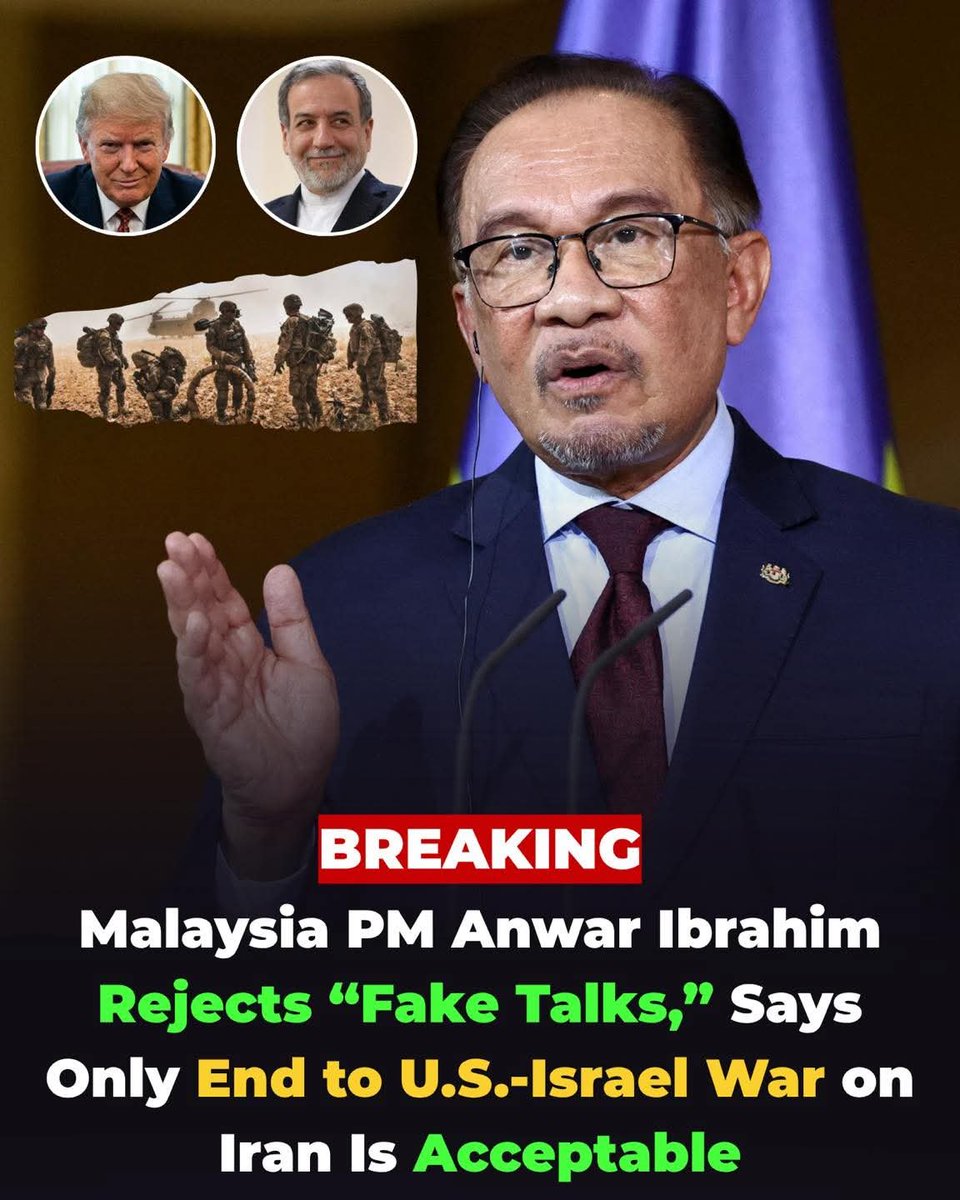
أكد أنور إبراهيم أن أي مفاوضات مع إيران يجب أن تنهي الحرب، لا أن تخدم مصالح الولايات المتحدة أو إسرائيل. وحذر من أن الدبلوماسية الشكلية قد تطيل الصراع، مع التأكيد على السيادة والدعوة لضبط النفس. #عاجل #أنور_إبراهيم #إيران #إسرائيل #ماليزيا #سياسة #أخبار
AL- Bayan Gulf tweet media
العربية
0
0
0
42
AL- Bayan Gulf
AL- Bayan Gulf@gcc_observer·
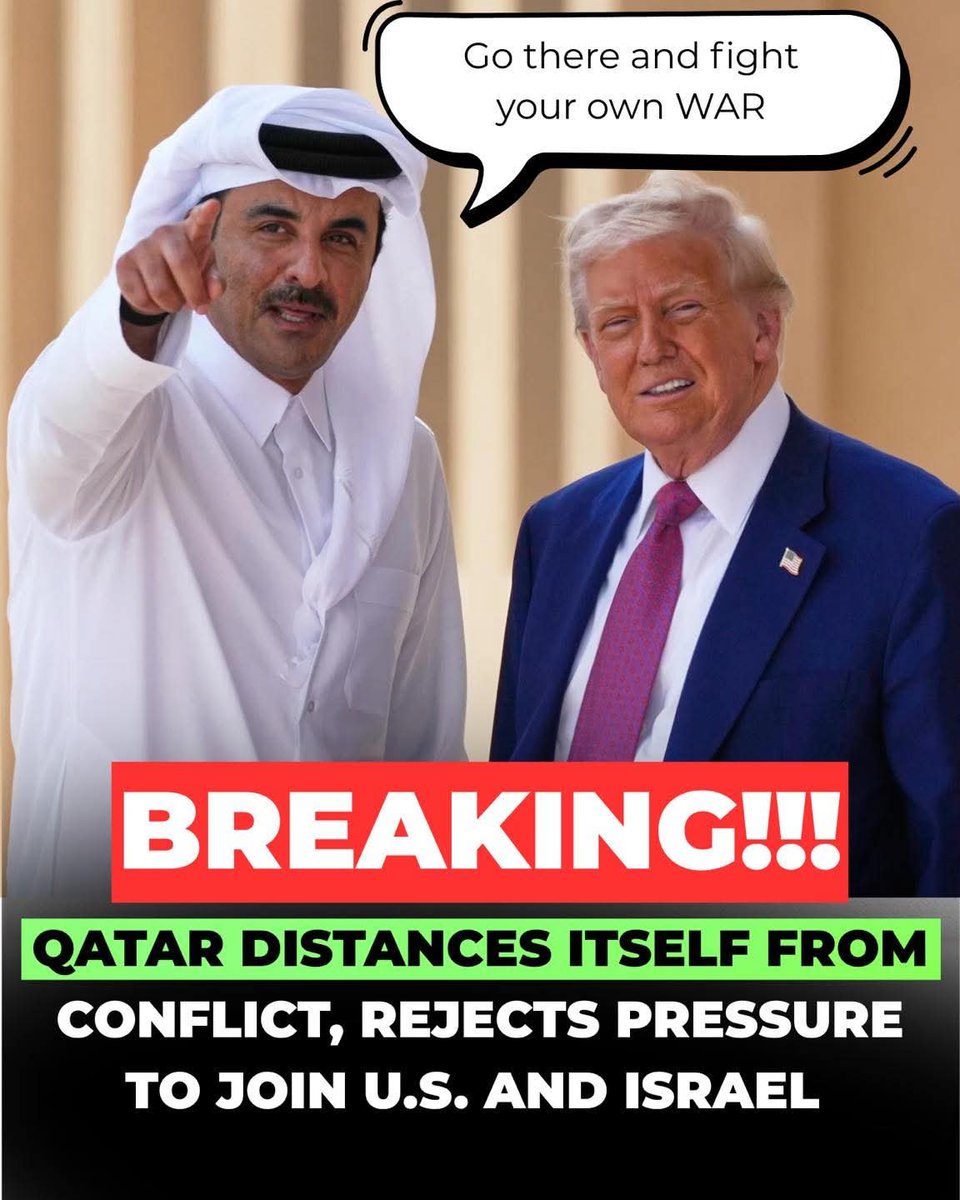
🚨 عاجل تؤكد قطر في الأمم المتحدة أنها لن تنخرط في التصعيد. رسالة واضحة: الاستقرار والأمن الاقتصادي أولاً. #قطر #الأمم_المتحدة #عاجل #الشرق_الأوسط #سياسة #الطاقة
AL- Bayan Gulf tweet media
العربية
0
0
1
41
AL- Bayan Gulf
AL- Bayan Gulf@gcc_observer·
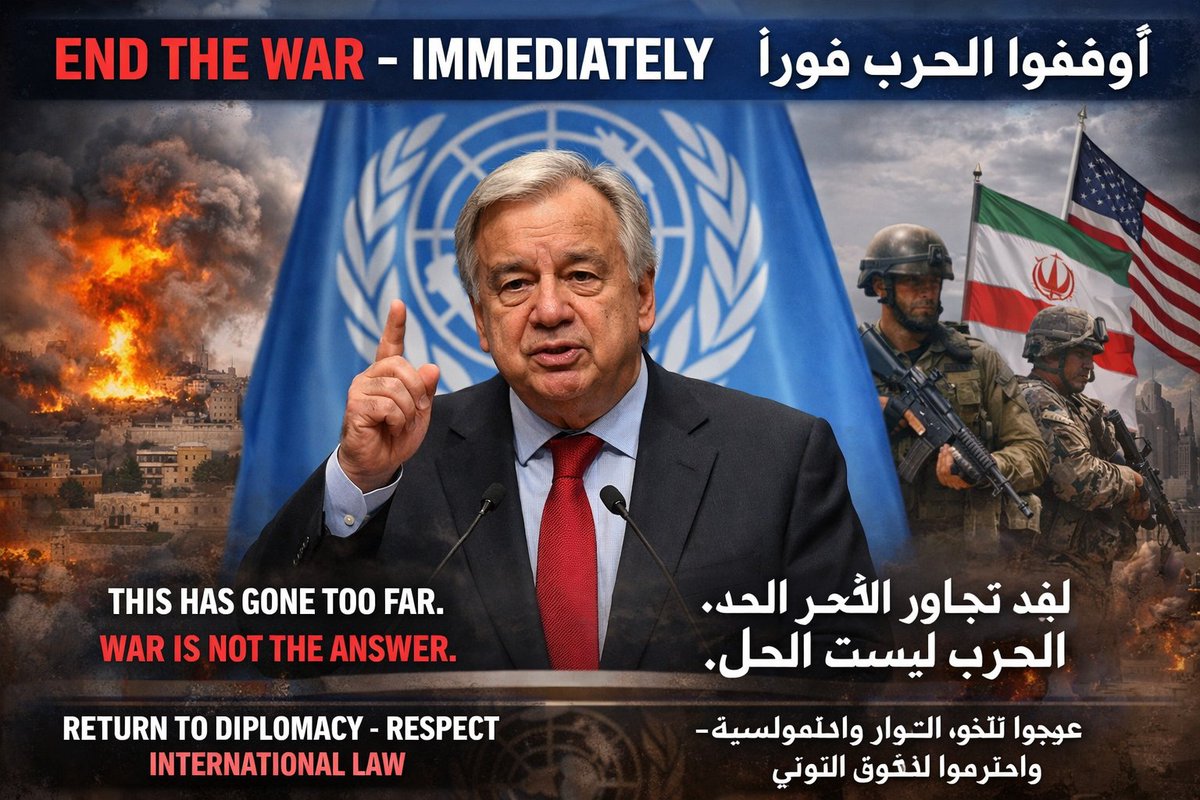
دعوة دولية لوقف التصعيد، حيث طالب أنطونيو غوتيريش جميع الأطراف — الولايات المتحدة وإسرائيل وإيران — بإنهاء الحرب فوراً. وأكد أن الأوضاع تتجه نحو مزيد من الفوضى، وأن استمرار القتال لن يؤدي إلا إلى المزيد من الدمار والمعاناة. الحل يكمن في الدبلوماسية وليس في الحرب. #عاجل #الشرق_الأوسط #السلام #أوقفوا_الحرب #الدبلوماسية #غزة #إيران #إسرائيل #أمريكا #الأمم_المتحدة @antonioguterres
AL- Bayan Gulf tweet media
العربية
0
0
0
39