Ginny Crisp, PharmD

61 posts

Ginny Crisp, PharmD banner
Ginny Crisp, PharmD

Ginny Crisp, PharmD

@ginny_crisp

Clinical pharmacist. CEO of Prescription Benefit Solutions. I review hundreds of PBM contracts a year and decode what they actually say.

Charleston, SC Katılım Mart 2013
72 Takip Edilen59 Takipçiler
Sabitlenmiş Tweet
Ginny Crisp, PharmD
Ginny Crisp, PharmD@ginny_crisp·
I read PBM contracts for a living. Hundreds a year, for self-funded employers. Being a clinical pharmacist taught me the PBM industry runs on language plan sponsors never decode: the same drug at three different prices, rebates routed through offshore middlemen, audit rights that conveniently stop at the PBM's own books. I decode it here. Follow for the parts your PBM hopes you skip.
English
1
0
0
265
Ginny Crisp, PharmD
Ginny Crisp, PharmD@ginny_crisp·
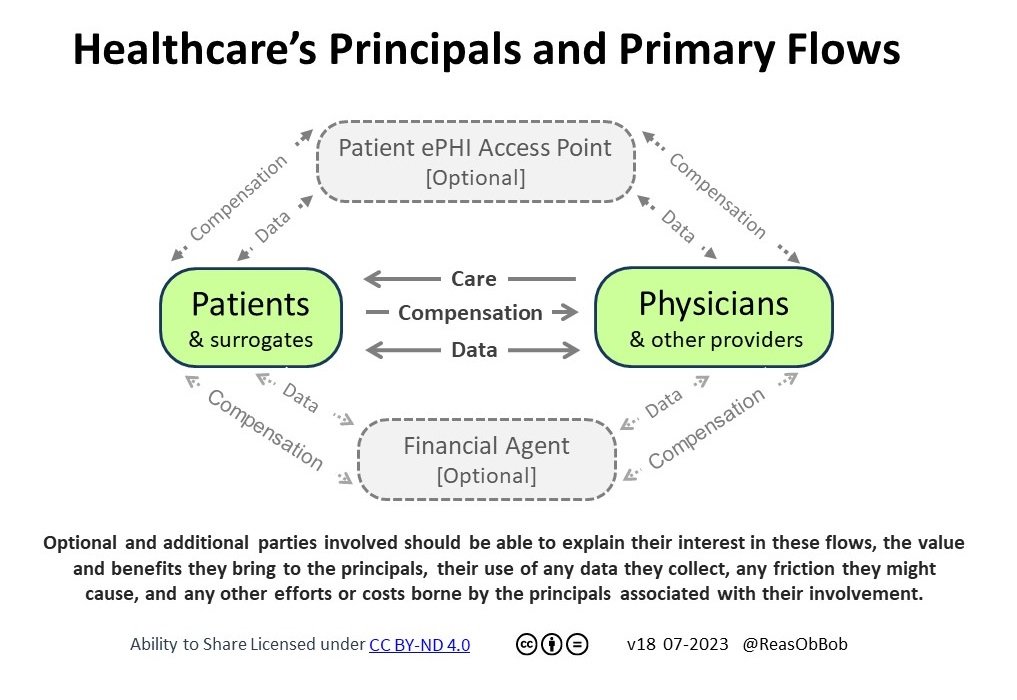
@ReasObBob @redlgb1969 Your diagram nails it: the middleman is structurally optional. The reason it feels mandatory in practice is that the contract makes it so. Plan sponsors sign the PBM in as the sole channel, then wonder why the middleman takes a cut. Optional in design. Mandatory in the contract.
English
0
0
1
10
Bob Brown
Bob Brown@ReasObBob·
@ginny_crisp @redlgb1969 Healthcare delivery is nothing but middlemen, along with rent seekers, unscrupulous operators, bad actors, and outright grifters.
Bob Brown tweet media
English
1
0
1
26
Ginny Crisp, PharmD
Ginny Crisp, PharmD@ginny_crisp·
When a PBM says "we pass through 100% of rebates," ask: 100% of what the PBM received, or 100% of what the manufacturer paid? Those are different numbers. A middleman sits between them.
English
2
2
5
105
Ginny Crisp, PharmD
Ginny Crisp, PharmD@ginny_crisp·
@EmHealthStrat Exactly. The markup never disappears, it just moves through the plan to the employer to the paycheck. The bill always lands on someone, and it’s never the PBM.
English
0
0
0
11
Ginny Crisp, PharmD
Ginny Crisp, PharmD@ginny_crisp·
I became a pharmacist to help people afford their medications. I read contracts now because that's where affordability actually gets decided. Same mission. Different room.
English
0
0
0
20
Ginny Crisp, PharmD
Ginny Crisp, PharmD@ginny_crisp·
Three PBM stories in 48 hours this week: a $250M lawsuit, a state study, and a countersuit. Different angles, one theme. The middleman is fighting to stay in the middle.
English
1
2
12
276
Ginny Crisp, PharmD
Ginny Crisp, PharmD@ginny_crisp·
Copay accumulators: a program that takes the manufacturer's copay assistance, keeps it off your member's deductible, and routes the value back to the PBM. It's probably in your contract. It's probably not labeled that clearly.
English
3
8
41
56.2K
Ginny Crisp, PharmD
Ginny Crisp, PharmD@ginny_crisp·
That whole category is its own ethics problem. The plan deliberately denies coverage so the member gets routed to manufacturer PAPs or foundation grants designed for the uninsured. The plan books savings. The AFP vendor takes a cut of them. The member sits in the middle with delays and re-applications every cycle. Worth flagging for self-funded employers: this is a live ERISA fiduciary question, not a settled best practice.
English
2
0
0
64
Ginny Crisp, PharmD
Ginny Crisp, PharmD@ginny_crisp·
Transparency is the word every PBM uses and the thing every PBM contract is built to prevent.
English
0
5
13
293
Ginny Crisp, PharmD
Ginny Crisp, PharmD@ginny_crisp·
Years to figure out, then years to believe it. That’s the path. It’s literally my job to compress that timeline for self-funded employers. I read the contracts they signed, point to the exact clauses your analogy describes, and help them act on it before it costs them another renewal cycle. The “too bad to be true” part is what makes the work necessary.
English
0
0
1
31
Matthew Zirwas, MD
Matthew Zirwas, MD@MattZirwas·
@ginny_crisp Thanks. It too me literally years to figure it out. And then even longer to believe it. It seems 'too bad to be true'.
English
1
0
2
161
Ginny Crisp, PharmD
Ginny Crisp, PharmD@ginny_crisp·
This is the cleanest analogy I’ve read for what PBMs actually do. And it isn’t theory. Every piece of what @MattZirwas describes is written into the contract: the rebate-to-list ratio in the rebate-guarantee clause, the fail-first step therapy in the formulary section, the slumlord-owns-the-building part in the affiliated-pharmacy carve-out. Plan sponsors signed it. Most never read it. If you want to understand PBMs in 90 seconds, read his thread.
Matthew Zirwas, MD@MattZirwas

Last week I posted about how health insurance companies kill people and the government protects them from liability. I thought I understood how bad they are. I was wrong. Turns out PBMs own and sell some of the drugs they get to decide whether or not to cover. They claim it saves money. In theory yes. In practice, highly unlikely. But the system is intentionally too opaque to understand. So I'll explain what's happening by rebuilding it in a market everyone understands. Housing. Imagine you weren't allowed to own a house or rent an apartment directly. You go to your real estate agent and tell them where you work, how many kids you have, what you need. They find the right place. But neither you nor they can approve it. Only your housing insurer can. And you can't pick an insurer. Your employer does, and it pays them about $2,500 a month out of your check. If this market were normal, they'd hand you the $2,500 and you'd find your own place for far less. They'd hand you the $2,500 - except the government only leaves it untaxed if it runs through the insurer. Take it as cash, lose a third to taxes. And you can't ask your employer to just give it to you to buy your own place. The law won't let them. Now the part that matters. Nobody can rent or sell to you directly, only through middlemen called housing benefit managers. And HBMs only make money on rebates. So the monthly payment is $10,000 and landlord kicks $7,500 back to the HBM as a rebate and keeps $2,500. The cost was always $2,500. They have to charge $10,000 so they can pay the rebate. So landlords can't compete by building a better building - the HBM doesn't care about that, just the rebate. So landlords can only get on the HBM's list by inflating the rent so they can give bigger rebates. It gets worse. The HBM puts them on the list, but they'll only let you live there after you live somewhere else first. Somewhere with cheap wiring, thin walls and in the worst part of town with terrible schools. Somewhere you and your real estate agent would NEVER consider. But the safe one is off the table until you can prove something bad enough happened: Kids getting bullied at school? No way, get a therapist. Break in? Only if the police report says the door was locked. Fire? Only if the fire department is sure it was the wiring. Still not bad enough, though. Now the HBM is a slumlord. Builds the cheapest buildings, charges just below top rent, pays the rebate to itself. Fine, you think, at least it's a little cheaper than $10,000. But that was never the goal. Now that the HBM owns its own buildings, it turns to every other landlord and says: my building is the default for everyone and unless your rent hits $15,000 and your rebate hits $13,000 you're off the list. When the slumlord, HBM, and housing insurer are the same company real landlords can't compete, they can only comply. This isn't an abstract thought experiment. Last week I told you about two of my patients who didn't survive the bad building. That's this system. Swapping healthcare and drugs for housing and places makes it understandable. You and your doctor want you on the right drug at the best price. Nobody else cares.

English
1
0
2
606
Ginny Crisp, PharmD
Ginny Crisp, PharmD@ginny_crisp·
Fair point. The $5 dispensing fee isn’t sustainable for an independent retail pharmacy and you’re right to call that out. Cost Plus mail-order economics aren’t the same as keeping a retail counter open all day. My broader argument is the gap between manufacturer cost and claim, which mostly isn’t pharmacist labor. It’s PBM spread. Pharmacist labor is undervalued, and prescriptive authority should be part of the answer. Same fight, different rung.
English
0
0
1
22
DATROOF
DATROOF@DATROOF2000·
A pharmacist’s education and professional liability are worth more than $5. Margin on a Starbucks coffee is greater. Be better Ginny. While bringing cost transparency to the forefront is important don’t partake in undermining the profession of pharmacy. Every other sector of healthcare is paid a much more significant figure that gives them the ability to take time to care for their patients Removing PBMs is step 1. Step 2 is eliminating these mega chains who have turned pharmacy into fast food. Pharmacists should also have independent ** prescriptive authority for 90% of the medications dispensed in out patient pharmacies. The chain pharmacy model must die for this to occur. You touting the guy who promotes $5 professional fees while an NP charges $139 for a 10 minute visit to write for a zpak and prednisone is just as bad as promoting “cost savings” from PBMs. ( you do Great work on spreading the word about PBMs.. please focus on completing the circle now .. pharmacist prescriptive authority)
DATROOF tweet media
English
1
0
0
29
Ginny Crisp, PharmD
Ginny Crisp, PharmD@ginny_crisp·
Generic drugs cost pennies to make. Plans pay dollars. The gap isn't the pharmacy's margin. It's everything that happens between the manufacturer and the claim. This is where @mcuban has done the front end work, your employees rely on you to close the contract loop.
English
1
0
1
57
Ginny Crisp, PharmD
Ginny Crisp, PharmD@ginny_crisp·
And copay accumulators aren't the only program doing this. Rebate aggregators: a company your PBM owns that skims every manufacturer rebate before the "pass-through" even starts. Your contract still says 100%. 100% of whatever's left after the PBM paid itself first. Same move, different line item.
English
0
0
4
225
Ginny Crisp, PharmD
Ginny Crisp, PharmD@ginny_crisp·
It’s the same playbook on the pharmacy side. The same parent companies that vertically integrated hospitals and insurance also own the PBMs, the specialty pharmacies, and the mail order. They wrote the rebate game, then designed the plans to enforce it. Hospital prices are real, but they’re not the only line on the EOB that exploded. Pharmacy spend ran the same race. The difference: a self-funded employer can fix the pharmacy half in its own contract today. The hospital half needs the policy fight.
English
0
0
1
291
Mark Cuban
Mark Cuban@mcuban·
Everything in the hospital could cost $1, and the insurance companies conglomerates would buy them, raise prices, and make sure their top and bottom lines grew I'm not saying hospital systems are innocent, far from it. But the big vertically integrated insurance companies create the annual plans that crush people's financial situation
Anthony DiGiorgio, DO, MHA@DrDiGiorgio

High hospital prices are the reason your insurance is expensive. They’re the reason you haven’t gotten a raise. They’re almost entirely driven by government policy. We can fix this.

English
249
127
1.1K
264.3K
Ginny Crisp, PharmD
Ginny Crisp, PharmD@ginny_crisp·
Your PBM's audit clause is either a flashlight or a blindfold. Most plan sponsors never check which one they signed.
English
0
0
0
57
Ginny Crisp, PharmD
Ginny Crisp, PharmD@ginny_crisp·
The hospitals suing CVS could sue because their contracts let them audit affiliated entities. In the hundreds of PBM contracts we review a year, fewer than half of plan sponsors have that right. Most audits stop at the PBM's own books.
English
0
0
0
46
Ginny Crisp, PharmD
Ginny Crisp, PharmD@ginny_crisp·
Pull a quarter of your plan's specialty claims. Sort by which pharmacy filled them. In most plans we audit, 60 to 80% ran through the PBM's own specialty pharmacy. That's not a network. It's a funnel.
English
1
12
18
1.2K