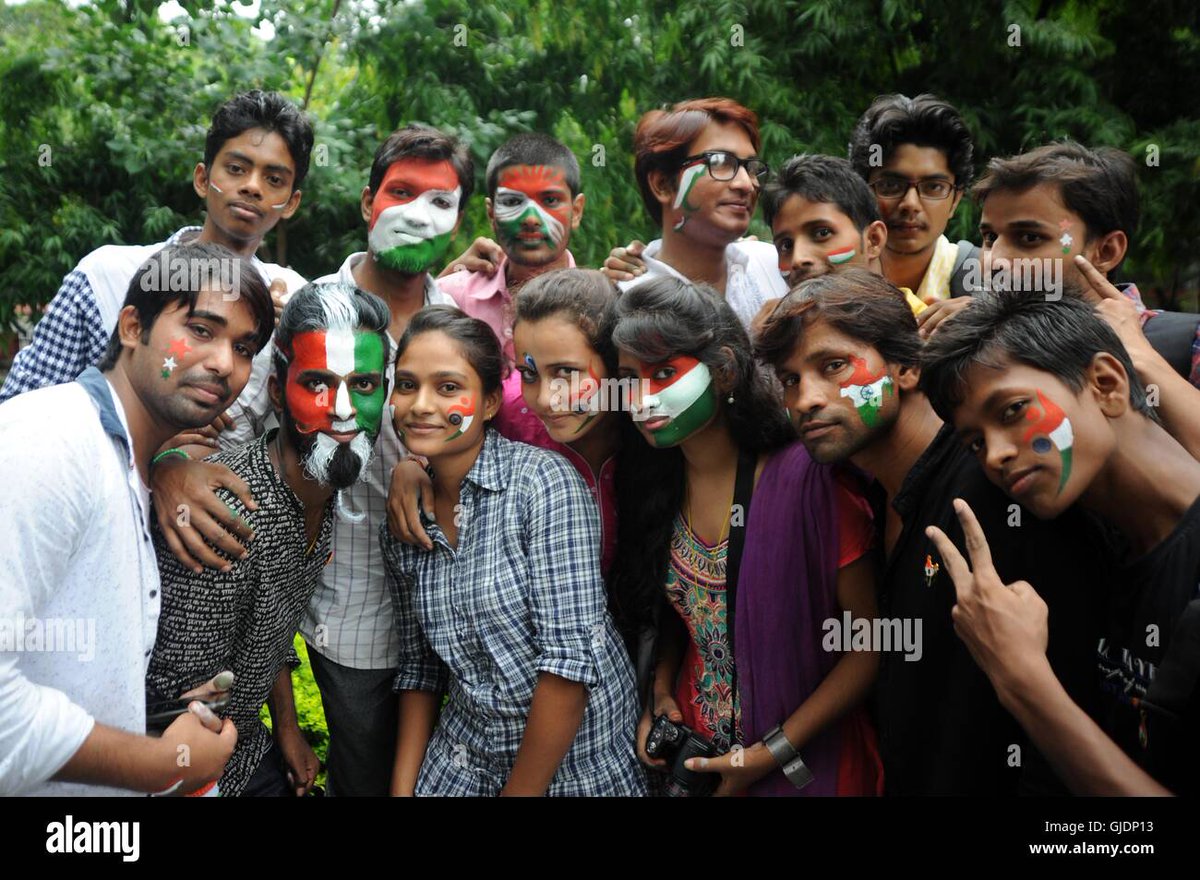
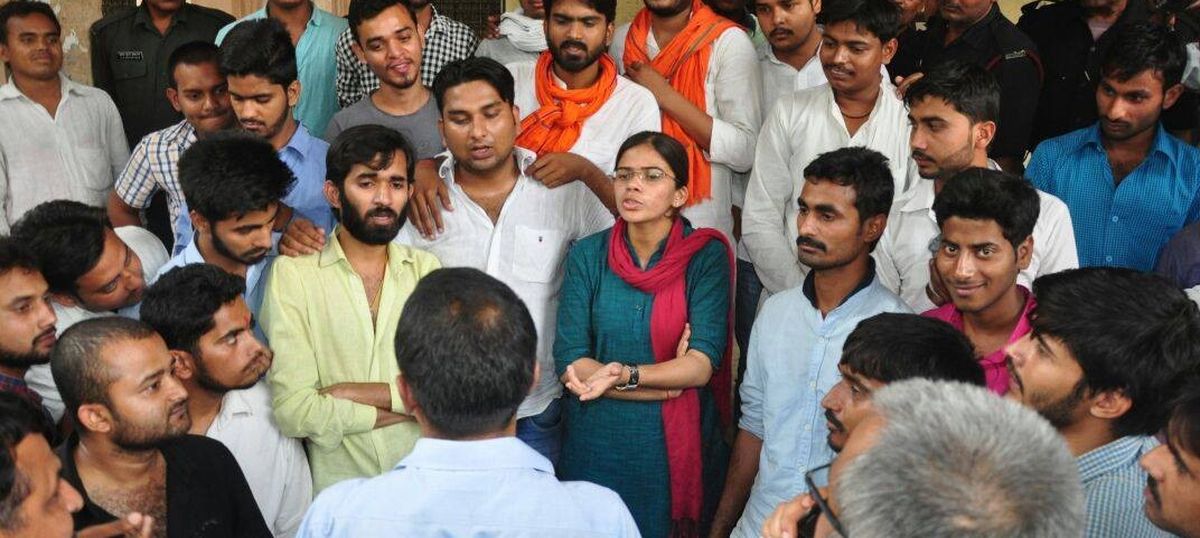
@daryasysl these are all recent immigrants from Afghanistan though
Just clarifying for the ones who dont know here
English
goldenratio
34.5K posts


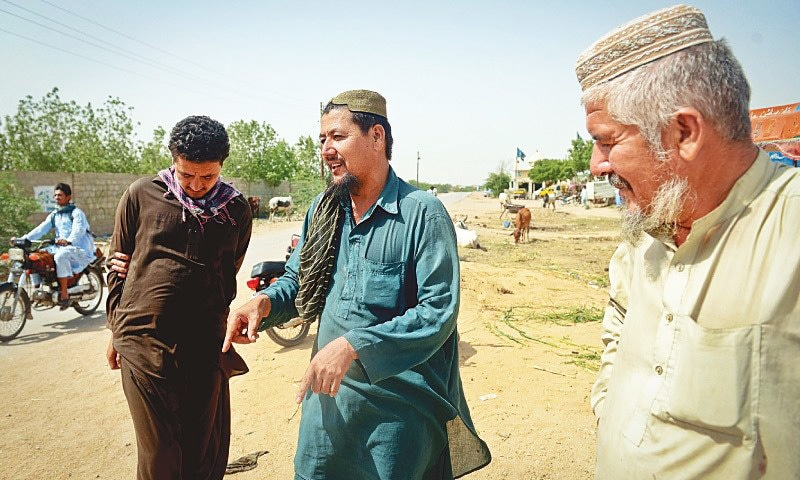


Many Afghans in #Pakistan who work in bakeries, after earning money, go to Heera Mandi and have sex with Pakistani women, which I strongly condemn. I also respectfully request Pakistanis to take steps to prevent Pakistanis women from selling their bodies.

During a press conference in London, Ahmad al-Sharaa was unable to open a bottle of water and asked the moderator for help.


Spiritual Conor McGregor New mythical fighter unlocked ☑️


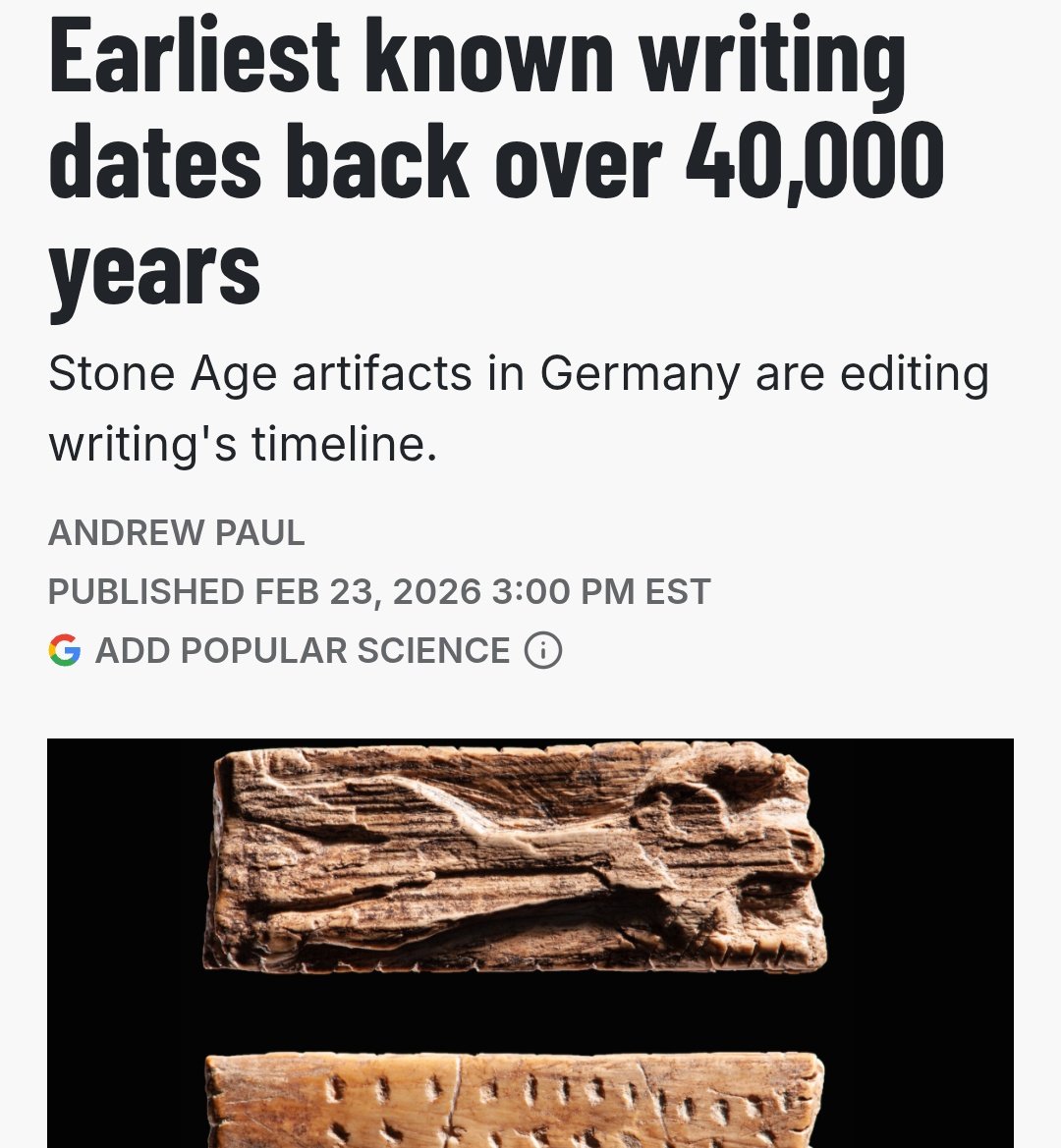
>writing is 35,000 years older than previously believed >it’s European






The Colossal Statue of Shapur is the name given to a carved figure of the 3rd Century AD Sassanian ruler, Shapur I. This giant statue is located in a limestone cave known as the ‘Shapur Cave’, which is situated in the Zagros Mountains in southern Iran 🇮🇷. This cave lies about 6km from the ancient city of Bishapur, which is said to have been founded by Shapur himself. This statue of Shapur is often regarded as one of the most outstanding sculptures produced by the Sassanians that is still in existence today. Shapur I (‘Shapur the Great’) was the second shahanshah (meaning ‘king of kings’) of the Sassanian Empire, who reigned from around 239-270 AD. Shapur is perhaps best known for his military campaigns against the Roman Empire, during which a Roman emperor, Gordian III, was killed on the battlefield. Another, Philip the Arab, sued for peace, and paid a huge indemnity to the Sassanians, and yet another, Valerian, was captured, and later died in captivity. The commemoration of these military victories may be seen in several rocks reliefs, such as those at Naqsh-e-Rustam and Bishapur. The statue of Shapur is quite a different type of sculpture from the rock reliefs. For example, the latter are found in areas where they could easily be seen by the population, thus giving them a propagandic function. The former, on the other hand, is located in a secluded cave, where it is less visible to the public. Additionally, it has been claimed that there are no known references to the cave in the many inscriptions dating to Shapur’s reign. Whilst the purpose of the statue is unclear, it has been speculated, amongst other things, that it marked the site of Shapur’s burial, i.e. somewhere in the cave, or that it was the site of a ruler cult. The statue of the Sassanian ruler can be found about 35m from the entrance of the cave. It has been measured to be 6.7m in height, with a width across the shoulders of more than 2m. The statue is said to have been carved out of a huge stalagmite that was formed in situ. The sculptor(s) paid great attention whilst producing this piece of artwork, as is evident by the amount of detail found on the statue. For example, the features of the king’s head and the hair are said to have been carved symmetrically. In addition, three pieces of jewelry – a necklace, a pair of pearl earrings and a bracelet on the right wrist, are also visible. On top of that, the details of the king’s garments – his undershirt, upper garment, and wide trousers, were also carved with great detail. The statue of Shapur portrays the king as an athletic individual, as seen by his muscular biceps, broad chest, and flat stomach. The king’s hair is depicted as flowing and resting on his shoulders, and he is shown as having a moustache and a beard. The statue’s right arm is resting on its waist, whilst its left is resting on the hilt of its sword. Unfortunately, little of the statue’s legs have survived, though it may be observed that the king was depicted as wearing wide trousers. Other pieces of clothing include an upper shirt that fits tightly to the body of the king, thus emphasizing his physique, a belt that held together this upper garment, and another belt on the waist that held the sword scabbard. The statue of Shapur had fallen onto the ground when it was re-discovered in modern times. It has been speculated that a strong earthquake that happened between 15th-19th Centuries was responsible for its collapse. In the 1950s, the statue was raised again, with two concrete pillars taking the place of its original legs. 📷 : Iranian Army soldiers armed with G3 battle rifles posing in front of the colossal statue of Shapur I. (1980s) #archaeohistories