Sabitlenmiş Tweet
Mr. Urs
49.3K posts


Mr. Urs
@gomadch
Pluviophile. All posts are made of 100% recycled bits.
Confoederatio Helvetica Katılım Aralık 2008
240 Takip Edilen193 Takipçiler


Mr. Urs retweetledi

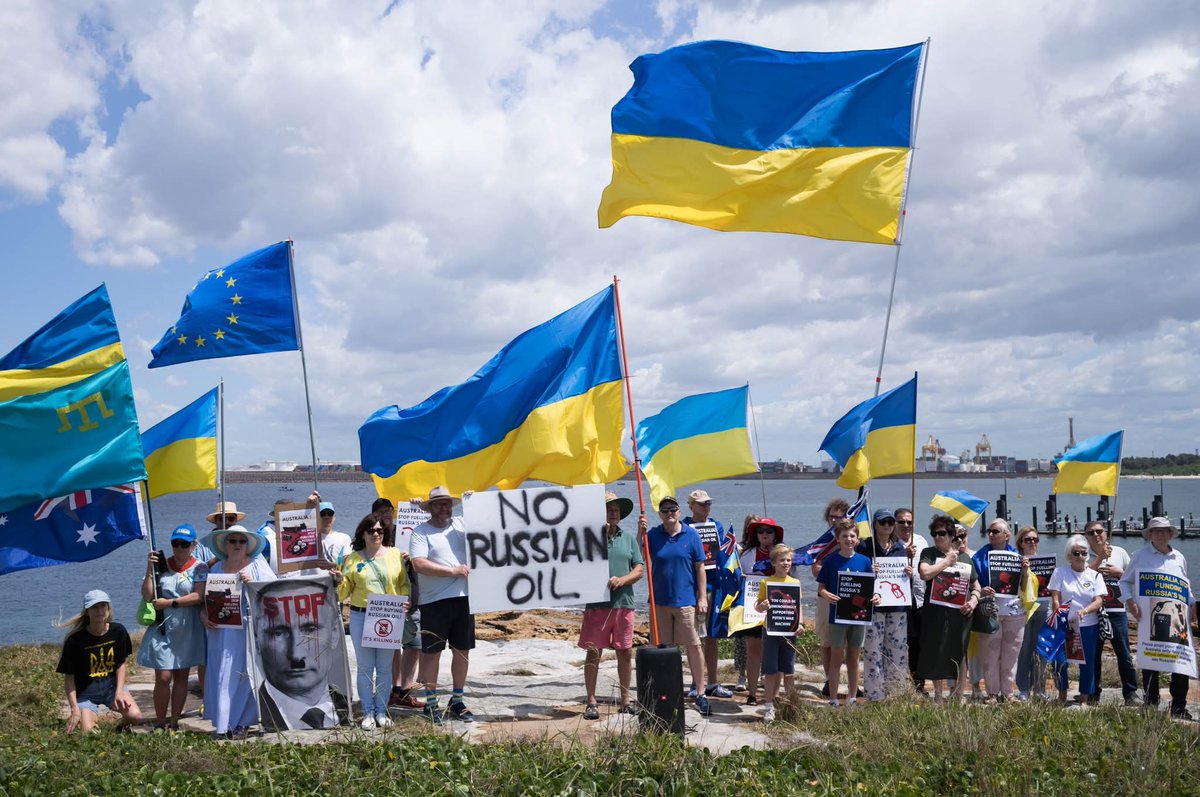
Russian oil exports adapt to sanctions.
At the beginning of 2026, a narrative has been circulating in the public space that Russian oil exports are supposedly "suffocating" under the pressure of sanctions, compliance requirements, and a surplus market.
However, data from Ukrainian analysts at BlackSeaNews paint a less optimistic picture: ‼️ exports have not only continued, but in some directions they are showing record physical volumes.
By the end of January 2026, maritime exports of Russian crude oil from Baltic Sea ports reached 12.7 million tonnes, setting a new all-time record. For comparison, the previous peak was recorded in October 2025 at about 11.8 million tonnes.
The number of tanker voyages also hit a historic high - 106 voyages in a single month, surpassing even previous "peak" periods.
The key structural shift is not a reduction in volumes, but in the way they are carried out. Nearly half of shipments (about 48%) in January 2026 were made using tankers under sanctions by the EU, the US, the UK, and Canada.
This indicates that the so-called "shadow fleet" is not marginalized, but has become a systemic backbone of Russian export logistics.
Sanctions pressure does create short-term disruptions. Following the introduction of US sanctions against Rosneft and Lukoil in October 2025, a temporary drop in exports was recorded in November. However, by December, buyers had adapted to the new conditions, and in January 2026 exports not only recovered, but exceeded previous maximums.
This is a classic example of how sanctions, without physically blocking logistics, produce only a short-term "shock effect" and do not alter market behavior in the medium term.
Claims about a "price collapse" or a "catastrophic drop in Russia’s oil revenues," which are widely circulated in the media, also require careful interpretation. First, a significant portion of such estimates comes from agencies historically integrated into Russia’s economic reporting system or relying on data from the Russian Ministry of Finance itself. Second, a decline in profit margins does not equate to a loss of export revenue when volumes are increasing.
‼️ Moreover, foreign currency earnings from Russian oil exports largely do not pass through transparent budget channels.
Some of the funds accumulate in foreign accounts and are used to purchase sanctioned equipment and military components; another portion is converted into cryptocurrencies or opaque financial instruments that are not reflected in official statistics. This means that appeals to "falling budget revenues" as an indicator of weakened Russian military capacity are, at best, misleading.
The political aspect also deserves attention. Contrary to common perception, the European Union has still not imposed full-scale sanctions on Russian crude oil exports. Restrictions cover the price cap, insurance, financial services, and certain vessels, but do not include systemic measures to physically block flows.
‼️ Likewise, practical measures to stop sanctioned tankers in the Baltic Straits or to ban participation in shipments of vessels, a significant portion of which are owned by EU companies, have not been implemented. The reason is well-known - fear of "escalation," despite legally justified and repeatedly proposed action plans by Ukraine.
In summary, the real picture for 2026 is as follows: Russian oil exports are becoming more costly, less profitable, and logistically more complex, yet remain massive and functional. Adaptation through the "shadow fleet" and growing volumes allow the Kremlin to offset price losses and maintain a key source of war financing.
This is why any sanctions optimism is dangerous.
Without moving from "complicating trade" to real physical restrictions on exports - including logistics, fleet, and service infrastructure - Russian oil will continue to fuel the war.
English
Mr. Urs retweetledi

Panicked EU bureaucrats right now.
Kirill Dmitriev@kadmitriev
Panicked EU bureaucrats continue to attack X.
English