Chandru Wadhwani
59.8K posts

Chandru Wadhwani
@gotbottle
At the coal face of environmental change. Calling it as I see it. Views are my own 🙏🏽
Johannesburg Katılım Mart 2011
2.9K Takip Edilen1.3K Takipçiler
Chandru Wadhwani retweetledi
432.09 parts per million (ppm) CO2 in air 25-May-2026
keelingcurve.ucsd.edu
English
Chandru Wadhwani retweetledi

Your 'moment of doom' for May 26, 2026 ~ Half life.
"A surge in malnutrition-related mortality has cut the eastern North Pacific population of gray whales in half, to about 13,000 last year from about 27,000 in 2016, while reducing calf births by 95%."
insideclimatenews.org/news/24052026/…
English
Chandru Wadhwani retweetledi

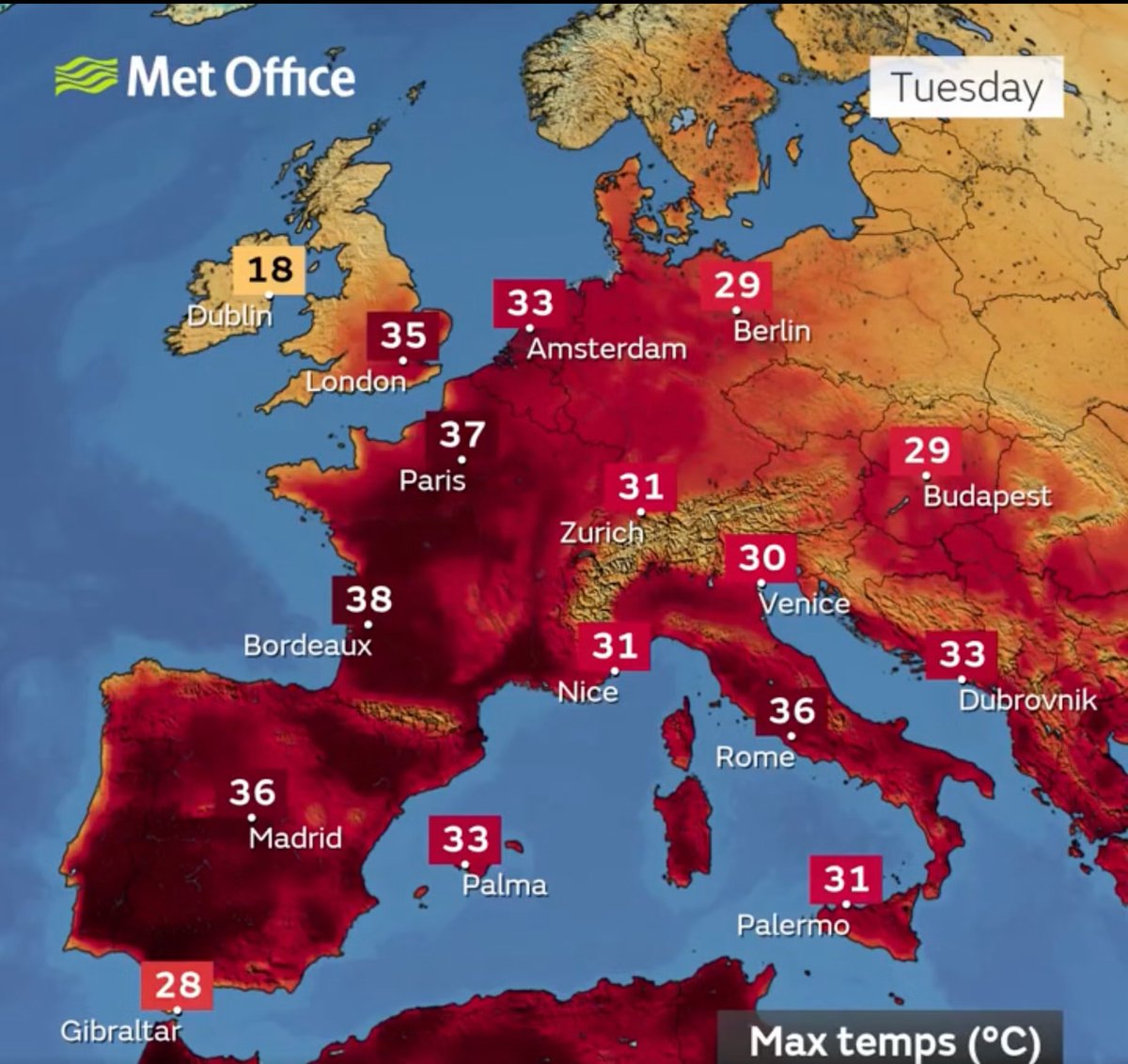
The infamous Summer of 1976 beaten by a May heatwave? It's the new reality of our climate changed world!
"That (36C) would be higher than any temperature recorded during the summer of 1976"
Met4Cast - UK Weather@Met4CastUK
The fact we could see 36°C tomorrow is insane. That would be higher than any temperature recorded during the summer of 1976. It would beat today’s highest UK spring record. It would be completely and utterly unprecedented even by modern warming standards.
English
Chandru Wadhwani retweetledi

Satellite measurements show that in the early 2010s sea level rise suddenly accelerated to a rate of 4.1 millimetres per year, possibly in response to an increase in the rate of global warming #Echobox=1779763709" target="_blank" rel="nofollow noopener">newscientist.com/article/252577…
English
Chandru Wadhwani retweetledi

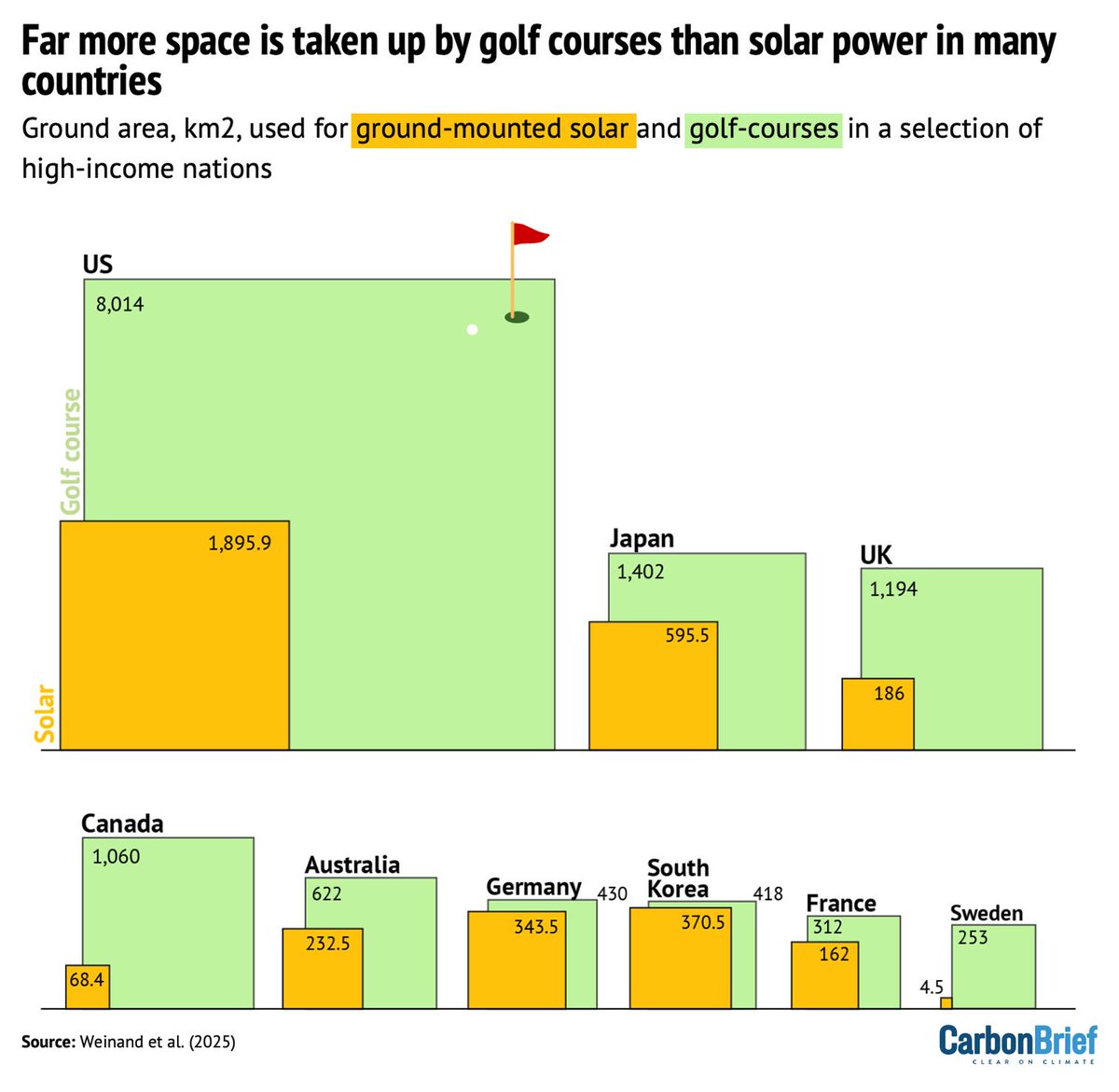
Factcheck: 16 misleading myths about solar power | @Josh_Gabbatiss @tomoprater @joejgoodman Tom Pearson #CBarchive
Read here: buff.ly/NdBxXaw

English
Chandru Wadhwani retweetledi

“The city is almost entirely surrounded by wetlands, which act as a buffer against hurricanes and storm surges. These are fast disappearing, however, as humans drain them for development, dredge canals in them for the oil and gas industry and construct river levees, depriving them of the sediments that stop them being submerged. Since the 1930s, Louisiana has lost around 2,000 square miles of wetlands.”
CTV News@CTVNews
Rising seas will swallow New Orleans. People need to start relocating now, scientists say ctvnews.ca/climate-and-en…
English
Chandru Wadhwani retweetledi

Chandru Wadhwani retweetledi

“'We can halt warming – and we must': IPCC scientist on why Europe keeps choosing fossil fuels” by Beatrix Asboth, Angela Symons and Vizi Attila for @euronews:
euronews.com/2026/05/26/we-…
English
Chandru Wadhwani retweetledi

Chandru Wadhwani retweetledi

theguardian.com/australia-news…
Power bills to fall by up to 10% from July as renewables and batteries soar across Australia
English
Chandru Wadhwani retweetledi

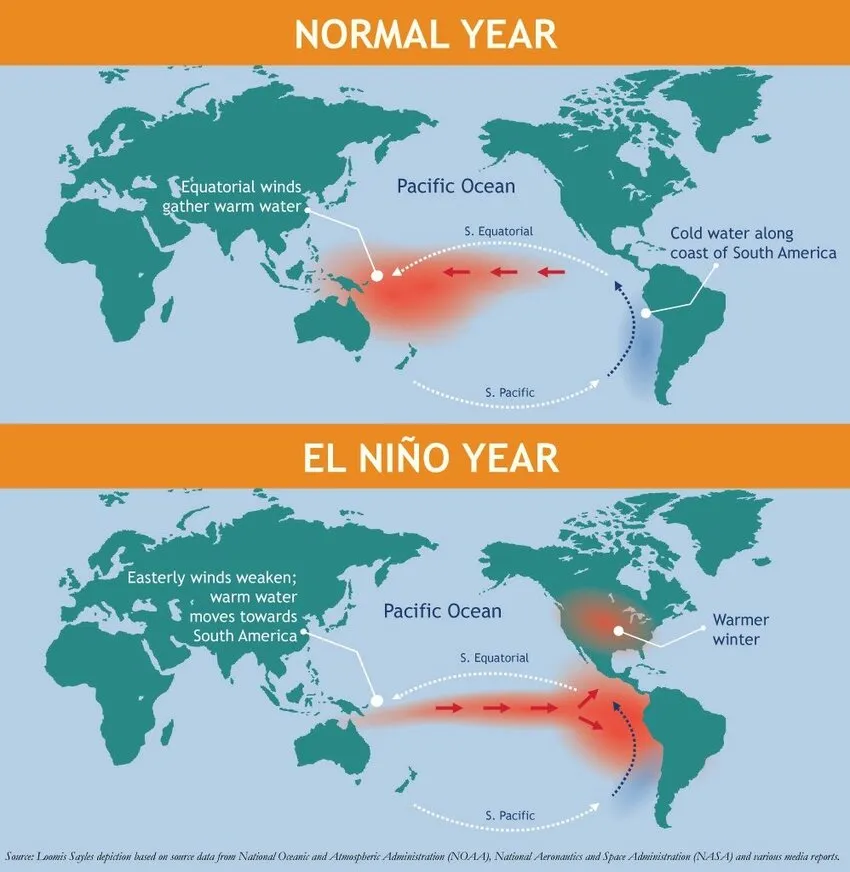
2026 is turning out to be a case of when it rains, it pours.
Every few years, the Pacific Ocean warms up abnormally, and that phenomenon is called El Niño. When it happens, India's monsoon weakens. This year, it looks like a super El Niño is developing, and the IMD is already forecasting rainfall 6% below normal for 2026.
It may not sound like much, but remember, 70% of India's annual rainfall comes from the monsoon, and 60% of farmers depend entirely on it. If history is any guide, we may have a terrible year ahead. In 60% of El Niño years since 1951, India has seen below-average rain. In 2009, rainfall fell to just 78% of normal, the worst in 37 years.
A weak monsoon means weaker harvests, and weaker harvests mean higher food prices and higher inflation. Food is one of the biggest expenses in a household budget. This is now layering on top of the unholy mess created by the closure of the Strait of Hormuz.
Trump's war with Iran has effectively shut a channel that carries 20% of the world's oil and 20% of its LNG. India imports 80 to 90% of its oil and 40 to 50% of its gas, and we are already seeing steady price hikes and WFH advisories going out around the world. The Indian crude basket averaged $114 in April and is at $106 in May — still far above comfortable levels, and this crisis may drag on for longer.
When food and energy prices rise together, the RBI cannot stay quiet. Beyond a point, it will have to start hiking rates, and that is when a bad situation starts to feel like a crisis.
It's still May😬

English
Chandru Wadhwani retweetledi

A landfill in Chile. An oil well in Turkmenistan. A coal mine in China.
These are among the world’s largest sources of planet-warming methane, as identified in a new analysis by @MethaneData
But how quickly are countries taking action? This article explains: unep.org/technical-high…

English
Chandru Wadhwani retweetledi