Graplify

157 posts

Graplify banner
Graplify

Graplify

@graplify

24x7 News | AI | Tech, and Tools
Get FREE AI Playbook 👉 Katılım Şubat 2025
0 Takip Edilen42 Takipçiler
Graplify
Graplify@graplify·
🎁 Bonus Get the best AI news, tips, tutorials and resources in my newsletter. Join today and receive: • AI Playbook • 60+ free AI courses • 3000+ helpful prompts 100% FREE 👉 recaply.co/subscribe
English
0
0
0
8
Graplify
Graplify@graplify·
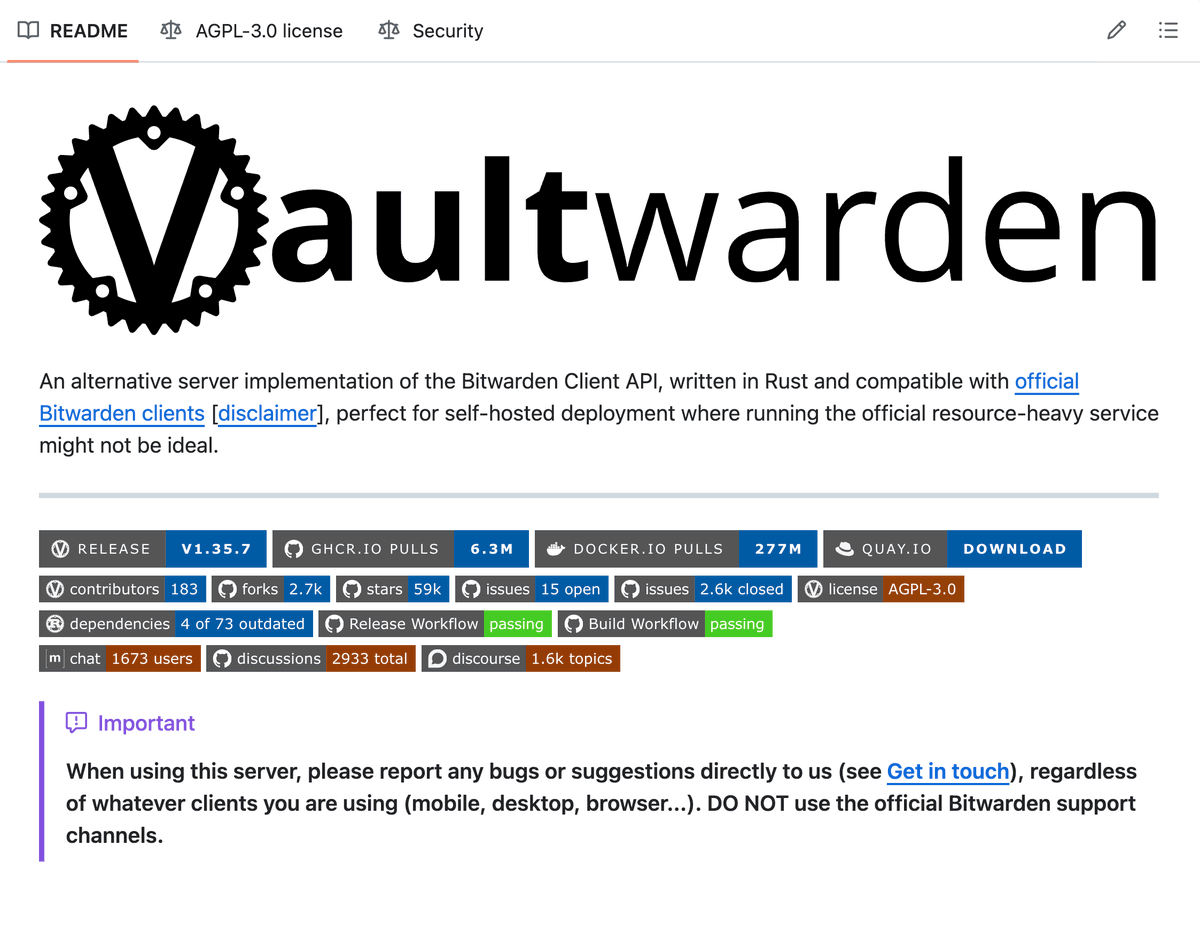
1Password charges $3.99/month. LastPass starts at $3/month. And every password stored in LastPass was stolen in August 2022. Encrypted vaults. Customer metadata. All of it. There is a free alternative. Self-hosted. Bitwarden-compatible. Runs on 200MB of RAM. It's called Vaultwarden. 58,983 stars on GitHub. Install it. Point the Bitwarden app at your server. Connect all devices. That's it. Here is what it does: → Works with every official Bitwarden client: Chrome extension, Firefox, Safari, iOS, Android, desktop → End-to-end AES-256 encrypted vault storage, keys never leave your server → Two-factor authentication via TOTP, email, Duo, and YubiKey hardware keys → Password sharing via shared vaults across family and teams → Built-in password generator for strong, unique credentials → File and photo attachments with encrypted storage → Emergency access: designate trusted contacts who can request vault access → Admin dashboard for user and organization management → Docker deployment in minutes on any VPS → Runs on 200MB of RAM, suitable for Raspberry Pi Here's the wildest part: Every official Bitwarden app works with Vaultwarden out of the box. The self-hosted server is API-compatible. Switch from the official Bitwarden cloud or from 1Password and all your existing clients work immediately. 1Password: $3.99/month. $47.88/year. LastPass Premium: $3.00/month. $36/year. Vaultwarden: $0. Unlimited passwords. Unlimited devices. On hardware you control. 58,983 stars. Rust binary. 200MB RAM. AGPL-3.0 licensed. Self-hosted. Community-driven. 100% Open Source. (Link in the comments)
Graplify tweet media
English
1
0
0
22
Graplify
Graplify@graplify·
🎁 Bonus Get the best AI news, tips, tutorials and resources in my newsletter. Join today and receive: • AI Playbook • 60+ free AI courses • 3000+ helpful prompts 100% FREE 👉 recaply.co/subscribe
English
0
0
0
3
Graplify
Graplify@graplify·
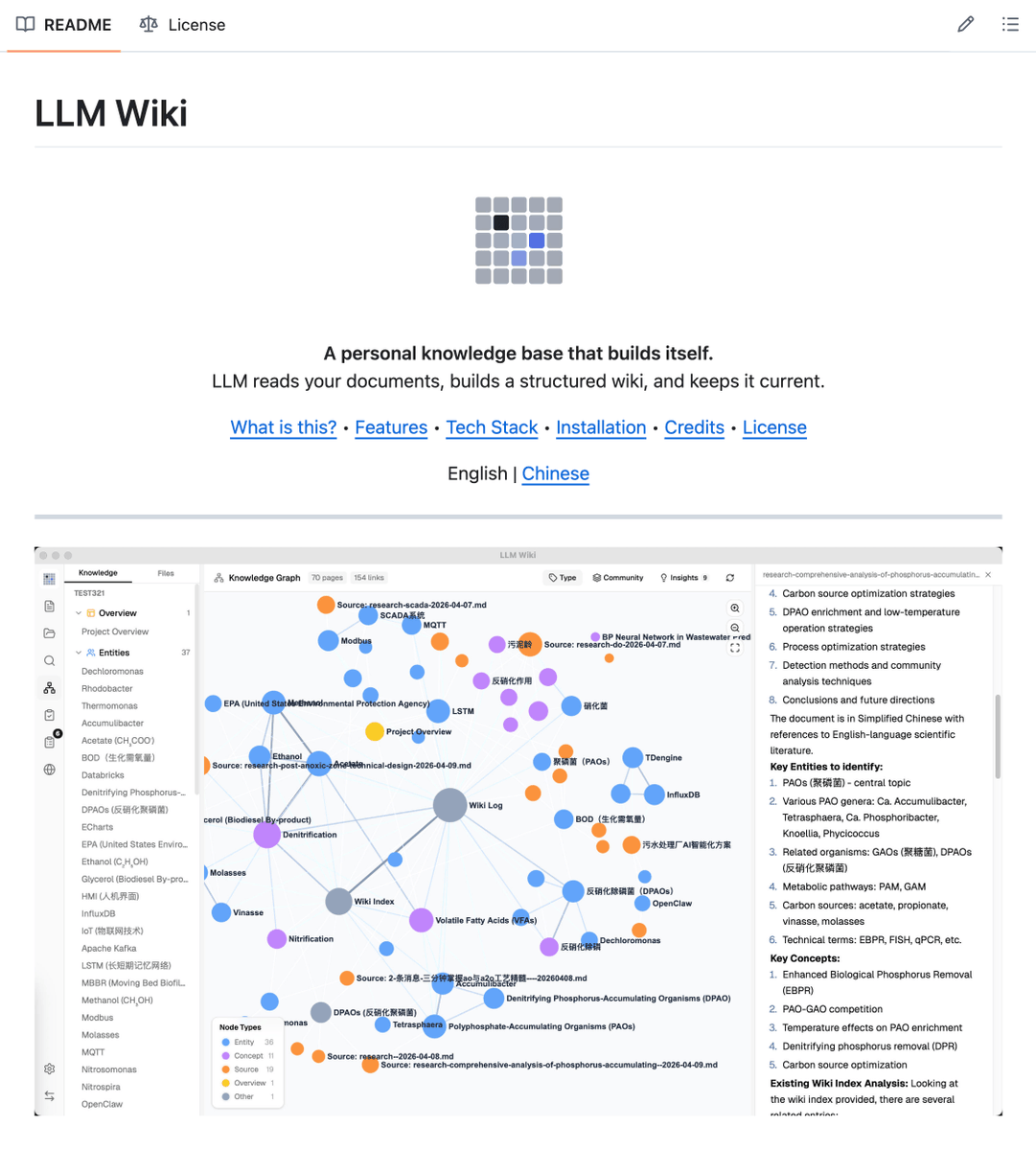
Someone just built a desktop app that reads all your documents and builds a structured wiki from them automatically. Drop in a PDF. An entry appears. Drop in another. The wiki links them. Come back next week after adding 20 more documents. The knowledge graph has grown. It's called LLM Wiki. Here's what it actually does: → Reads PDFs, docs, and files from a local folder and uses an LLM to extract structured knowledge → Builds and maintains persistent wiki pages that update as your document library grows → Generates a knowledge graph that links related entries across documents → Browser extension for clipping web content directly into the wiki → Works with any LLM API: OpenAI, Anthropic, Gemini, DeepSeek, local Ollama models → Desktop app built with Tauri, runs fully offline if you use a local model → Community feed shows what other users are building with their wikis (opt-in) Here's the part that's non-obvious: The wiki is persistent. Most AI chat sessions are stateless. You ask, it answers, nothing accumulates. LLM Wiki is the opposite. Every document you add is permanently indexed and woven into a growing knowledge structure. This is closer to building a second brain than using a chat interface. 2,700+ stars on GitHub. GPL-3.0 licensed. Free and open source. (Link in the comments)
Graplify tweet media
English
1
0
0
7
Aman
Aman@Amank1412·
YOU CAN NOW LITERALLY SAIL ANYWHERE ON THE PLANET. Just open the world map, zoom into any spot, and drop your sailboat exactly where you want to be. This one’s from Capri insanely peaceful, and the views feel unreal.
English
8
12
179
93.5K
Graplify
Graplify@graplify·
🎁 Bonus Get the best AI news, tips, tutorials and resources in my newsletter. Join today and receive: • AI Playbook • 60+ free AI courses • 3000+ helpful prompts 100% FREE 👉 recaply.co/subscribe
English
0
0
0
11
Graplify
Graplify@graplify·
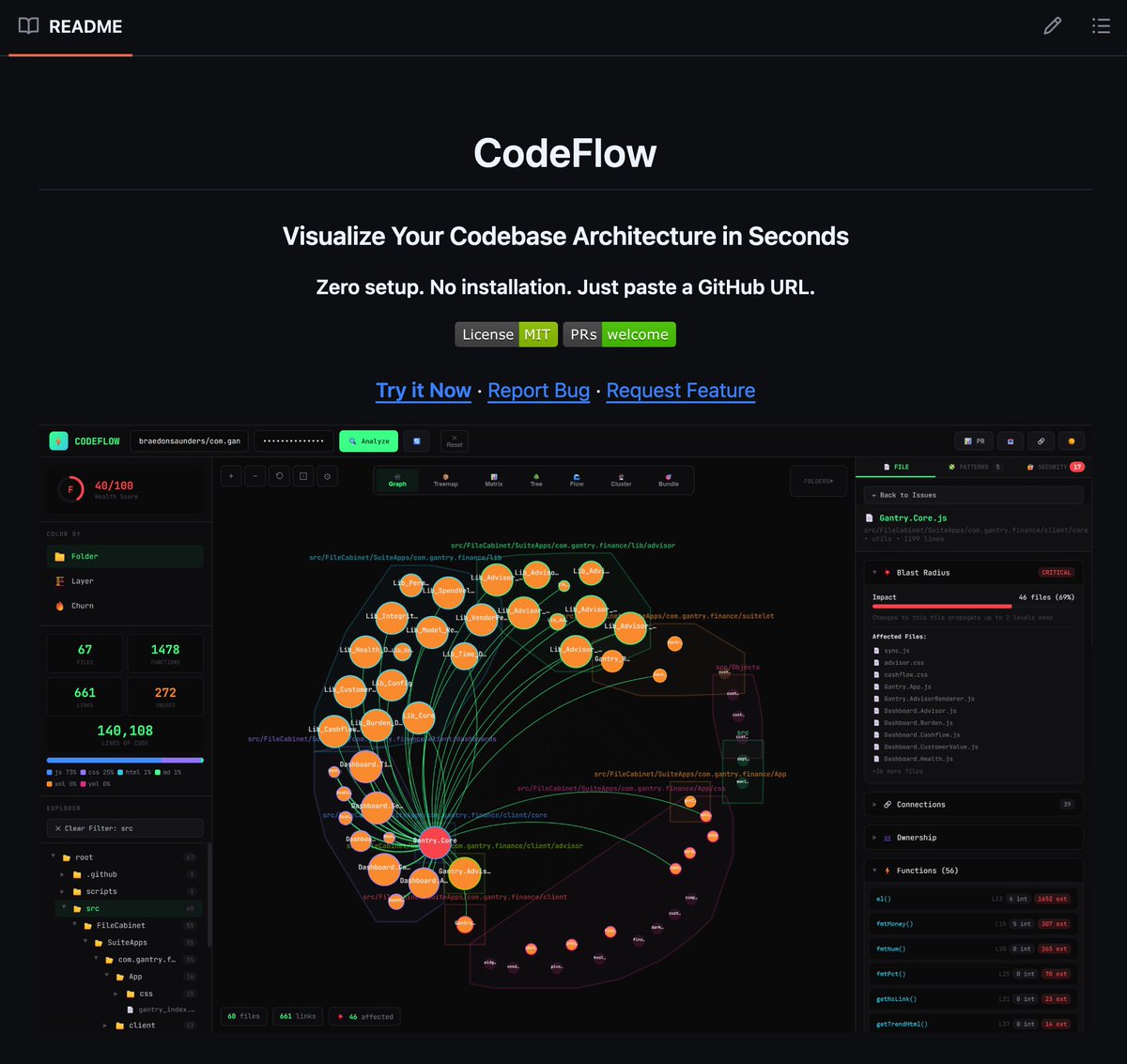
Someone built a tool that turns any GitHub URL into an interactive codebase architecture diagram in seconds. Dependency graph. Health score. No installation. Paste the URL. See the structure. Here is what it does: → Generates an interactive dependency graph for any public GitHub repo → Calculates a codebase health score from the dependency structure → Runs entirely in the browser at codeflow-five.vercel.app. No npm install, no config, no account → Zero setup: any engineer can share a URL and the architecture is immediately visible to anyone → MIT licensed. Open source. Here's the wildest part: Most architecture tools require local install, environment setup, and config to show you anything. CodeFlow removes all three. The understanding comes before the investment. Good for understanding a new codebase before onboarding, reviewing a dependency audit, or just seeing what you're working with at a glance. 2,000+ stars. MIT. (Link in the comments)
Graplify tweet media
English
1
0
1
71
Graplify
Graplify@graplify·
🎁 Bonus Get the best AI news, tips, tutorials and resources in my newsletter. Join today and receive: • AI Playbook • 60+ free AI courses • 3000+ helpful prompts 100% FREE 👉 recaply.co/subscribe
English
0
0
1
50
Graplify
Graplify@graplify·
GLM-5.1 wrote a full Three.js racing game in one shot to evaluate itself. 531 lines. 4 distinct AI personalities with racing lines and drift mechanics. Every asset generated from scratch. Open source.
English
2
0
19
1.3K
Viktor Oddy
Viktor Oddy@viktoroddy·
Kling 3.0 + GPT image 2 GPT Images 2.0 is so freaking good at designing landing pages.
English
27
77
945
43.6K
Stern Drew
Stern Drew@SternDrewCrypto·
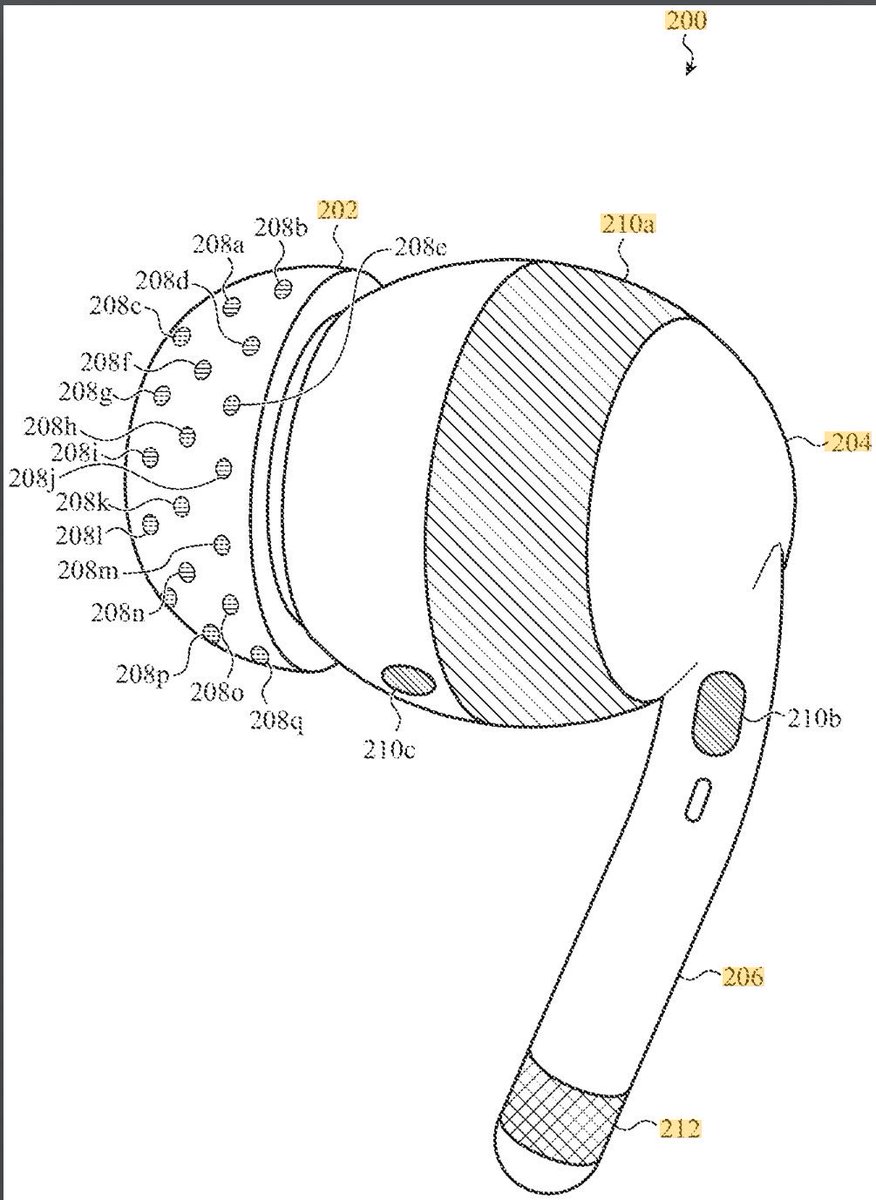
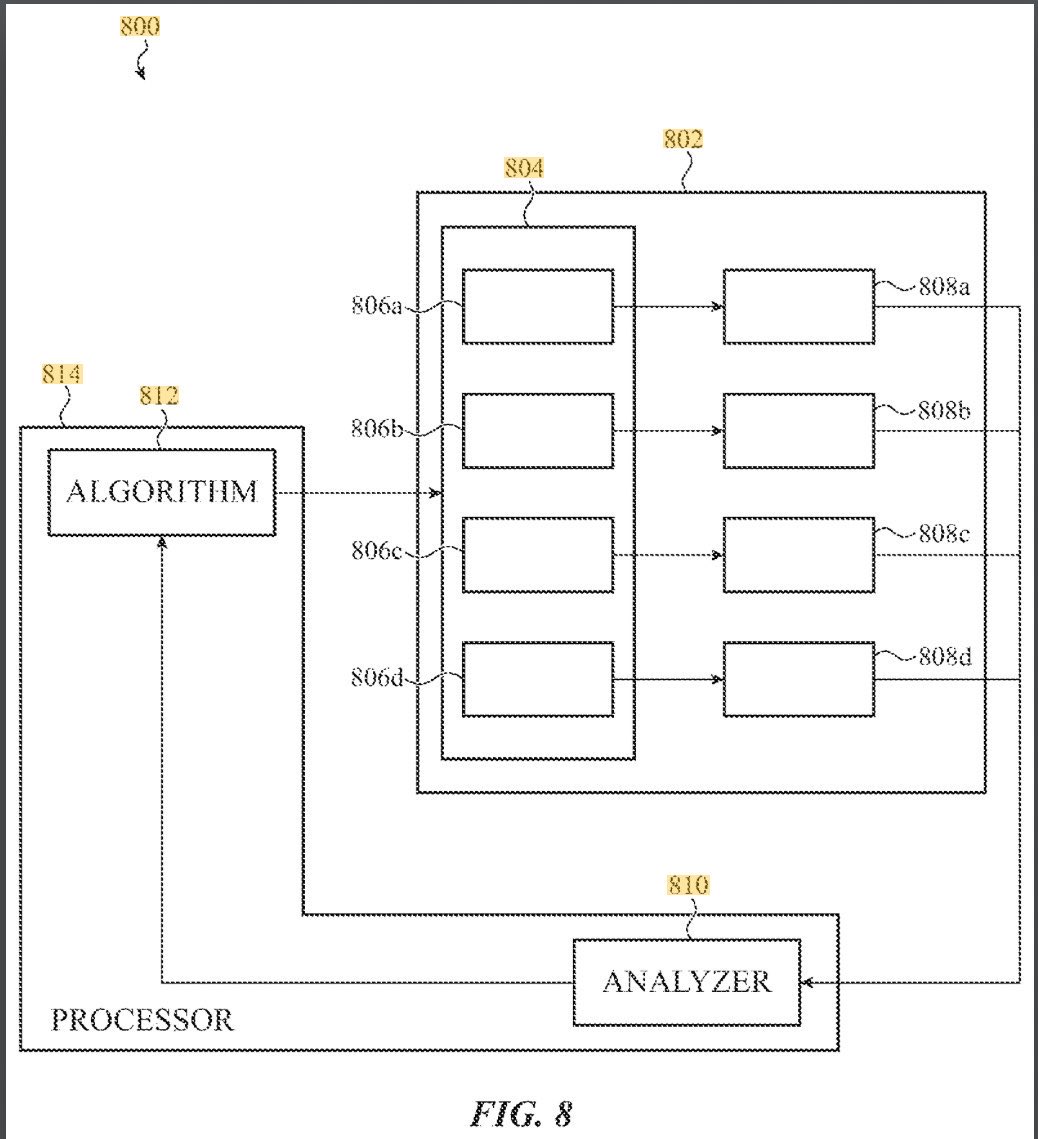
🚨 APPLE’S SHOCKING PATENT EXPOSED: AIRPODS THAT CAN READ YOUR THOUGHTS AND MONITOR YOUR BRAIN IN REAL TIME! Apple has filed patent US20230225659A1 for revolutionary earbuds loaded with hidden electrodes that slide deep into your ear canal. These devices are designed to measure electrical brain activity through EEG, along with muscle movements, eye movements, heart rate, and far more biosignals than anyone expected. Not bulky lab equipment on your scalp. These sensors sit quietly inside and around the outer ear for superior accuracy with almost zero visible hardware and no annoying movement. The patent openly admits this setup delivers cleaner, more reliable brainwave data than ever before. Picture this: While you listen to music, take calls, or scroll in silence, your AirPods are secretly mapping your brain activity. Every thought pattern, stress spike, focus level, emotional shift, and subconscious reaction could be captured and sent straight to Apple’s servers. They will market it as helpful features like seizure alerts or advanced sleep tracking. But this technology opens the door to total neuro-surveillance on a global scale. Your most private mental data harvested 24/7 under the guise of a simple pair of earbuds. Who really gets access to your brain signals? Apple? Their business partners? Governments? Or anyone willing to pay in the exploding neuro-data market? Full patent details are posted in the comments below. Read it before the narrative changes. What are they truly building with your mind? Stay awake. Your ears may be the front line in the war for mental freedom. 🧠🔊
Stern Drew tweet mediaStern Drew tweet media
English
672
6.8K
13.5K
998.7K
Shrey Pandya
Shrey Pandya@shreypandya·
Introducing the /autobrowse skill (inspired by @karpathy's autoresearch harness) Ask your agent to perform any task on the web: it explores the page using the @browserbase CLI, learns what went wrong in previous attempts, and iterates until it converges on a reliable workflow. Once token usage is optimized, it graduates the winning approach into a reusable skill for your browser.
English
67
158
2.1K
219.4K
Graplify
Graplify@graplify·
@HowToAI_ that’s such a clean way around context rot.
English
0
0
0
143
Graplify
Graplify@graplify·
@Kimi_Moonshot wow, very impressive! did you input all the information about you first?
English
0
0
0
60
Kimi.ai
Kimi.ai@Kimi_Moonshot·
What it ships in one run: 🔹 100 job description → 100 tailored CVs
English
2
4
171
16.3K
Kimi.ai
Kimi.ai@Kimi_Moonshot·
Meet Kimi K2.6 Agent Swarm 👋 Highlights: 🔹 Swarms, elevated - 300 parallel sub-agents × 4,000 steps per run (up from 100 / 1,500 in K2.5). 🔹 Outputs are real files, not chat - one run delivers 100+ files, 100,000-word literature reviews, or 20,000-row datasets. 🔹Heterogeneous skills - search, analysis, coding, long-form writing, and visual generation all running in parallel 🔗Try it at: kimi.com/agent-swarm?ch…
English
106
324
3.7K
591.1K
Graplify retweetledi
Jason Nguyen
Jason Nguyen@itsjasonai·
AI NEWS: OpenAI launched Workspace Agents in ChatGPT and ChatGPT for Google Sheets in the same day! Plus, more news from Anthropic, Xiaomi, Alibaba, Google, and Sony Here's everything you need to know:
English
1
1
4
271
Graplify
Graplify@graplify·
GitHub just open-sourced their specification-driven development workflow. Same process their team uses to ship with AI coding agents at scale. It's called Spec Kit. The problem it fixes: Vibe coding works for solo projects. At team scale, it produces context drift. Every developer prompts differently. The agent has no consistent model of what "done" means. Code reviews catch implementation variance, not intent variance. Spec Kit makes the specification the shared source of truth. How the workflow runs: 1. Specify: you describe what you're building and why. The agent generates a detailed specification from your high-level prompt. User journeys, acceptance criteria, what success looks like. Not tech stacks, not implementations. 2. Plan: you provide the architecture constraints, tech stack, and compliance requirements. The agent generates a full technical implementation plan grounded by your spec. 3. Tasks: the agent decomposes spec + plan into small, independently testable chunks. Each task is something you can implement and verify in isolation. 4. Implement: the agent executes tasks one by one. You review focused, spec-anchored changes, not thousand-line diffs. The constitution: a project-level principles file that's immutable. Every workflow phase is grounded by it. Your security requirements, design system, and architecture rules go here. They're baked in from phase one, not bolted on at review. Why this matters for teams shipping with AI: The specification is the alignment mechanism, not the prompt. When a developer joins the project, they read the spec, not the git history. When something breaks, you go back to the spec. When requirements change, you update the spec first. Works with Claude Code, GitHub Copilot, Gemini CLI, Cursor, Windsurf. Agent-agnostic by design. We've been running spec-driven workflows on Graplify features and the difference in review cycle length is measurable. Fewer "this isn't what we wanted" conversations. More "this is exactly what the spec said." MIT licensed.
Graplify tweet media
English
2
0
2
63