
Dr Gül Pamukçu Günaydın retweetledi

TATD Çocuk Acil Tıp Çalışma Grubu olarak 18 Mart günü saat 12:05’te ATLS11 ile çocuk travmasındaki değişiklikleri konuşuyor olacağız. Kimseye söz vermeyin. 😊 #tatd #cocukacil

Türkçe
Dr Gül Pamukçu Günaydın
3K posts
@gulpamukcu
Acil Tıp Uzmanı, Akademisyen, Kişisel hesap Emergency Medicine Specialist








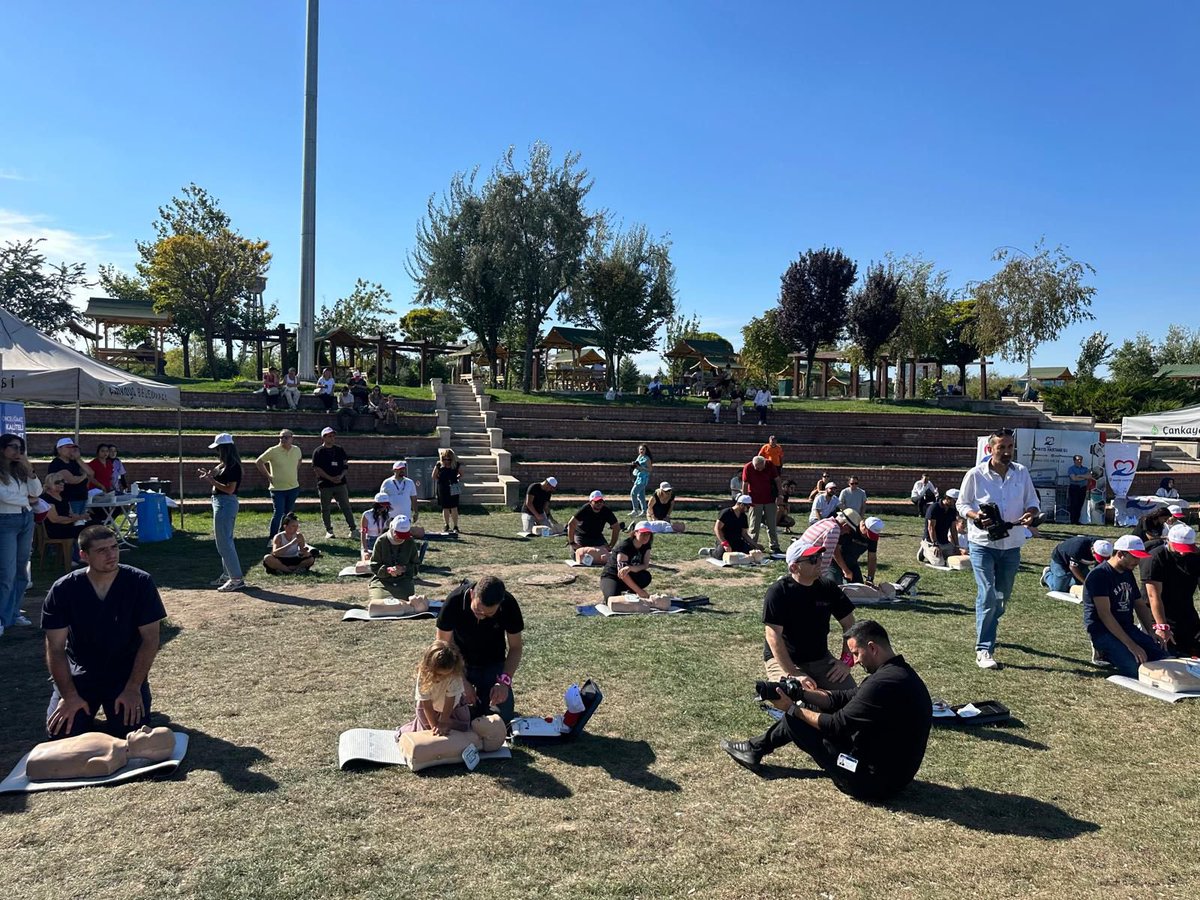
🫀1 an, 1 hareket, 1 hayat kurtarabilir! 🩺 Dünya İlkyardım Gününde, Uğur Mumcu Parkında Halk Sağlığı Farkındalık ve Eğitim Etkinliği için bir araya geldik. @cankayabelediye @TATD_Res


This is the final warning for those considering careers as physicians: AI is becoming so advanced that the demand for human doctors will significantly decrease, especially in roles involving standard diagnostics and routine treatments, which will be increasingly replaced by AI. This is underscored by the massive performance leap of OpenAI’s o-1 model, also known as the “Strawberry” model, which was released as a preview yesterday. The model performs exceptionally well on a specialized medical dataset (AgentClinic-MedQA), greatly outperforming GPT-4o. The rapid advancements in AI’s ability to process complex medical information, deliver accurate diagnoses, provide medical advice, and recommend treatments will only accelerate. Medical tasks like diagnosing illnesses, interpreting medical imaging, and formulating treatment plans will soon be handled by AI systems with greater speed and consistency than human practitioners. As the healthcare landscape evolves in the coming years, the number of doctors needed will drastically shrink, with more reliance on AI-assisted healthcare systems. While human empathy, critical thinking, and decision-making will still play an important role in certain areas of medicine, even these may eventually be supplanted by future iterations of models like o-1. Consequently, medicine is becoming a less appealing career path for the next generation of doctors—unless they specialize in intervention-focused areas (such as surgery, emergency medicine, and other interventional specialties), though these, too, may eventually be overtaken by robotic systems…maybe within a decade or so.

