Gustavo Mendoza D.
138 posts


@MarDamnMtz @Liberfach0 Probablemente ganaban votos, como en USA.
Español


@Jhonffonseca ⛔ Jimmy Carter, democRAT, sos un 𝗵𝗶𝗷𝗼 𝗱𝗲 𝗽𝘂𝘁𝗮 al crear Irán terrorista por tu falta de huevos 🍌😎

Español

🇮🇷 URGENTE: ¡Acaban de exponer la verdad aterradora!
Irán ha construido verdaderas ciudades subterráneas de misiles: gigantescas fortalezas bajo montañas que protegen miles de proyectiles listos para atacar.
Una red inmensa e impenetrable en las profundidades… revelada por Tamara Qiblawi.
Y mientras tanto, ¡siguen llamándolo “país”!
No. Es un régimen terrorista con búnkeres nucleares y misilísticos del tamaño de ciudades.
¡Basta de eufemismos! Irán ES terrorismo de Estado.
Jhonf Fonseca@Jhonffonseca
ÚLTIMA HORA – CONFIRMADO Ahmad-Reza Radan, comandante en jefe de la Policía de la República Islámica de Irán, ha sido eliminado. La información ha sido verificada por múltiples fuentes.

Español


@elonmusk Will God continue to bless your thoughts and paths.
English

Common sense.
A simple test for immigrants is: would you enjoy working them. If so, they would be an asset to America.
Micah@micah_erfan
No one thinks that all legal immigrants are the same. On balance, legal immigrants are good for America, but there certainly are exceptions. My view: We should take in more people who love America, will assimilate, and will be net contributors to our society. And we should stop taking in people who fail to meet these criteria.
English

@elonmusk I sadly welcome USA citizens to the third world 😞
English

This actually happened
C3@C_3C_3
Congress voted to protect their sexual harassment records but not America’s elections. Says it all.

English

Tengo 37 años.
Mi hija tiene 9.
Hace dos años descubrí que no era biológicamente mía.
Una prueba de ADN lo confirmó.
Mi ex esposa había tenido una aventura.
Cuando me enteré, todo el mundo me dio el mismo consejo.
—Aléjate.
—No es tu responsabilidad.
—Empieza de nuevo.
Pero yo había criado a esa niña desde que nació.
Le enseñé a caminar.
A leer.
A montar bicicleta.
Para ella yo soy papá.
El problema llegó con la pensión.
Legalmente podía dejar de pagar.
Mi abogado fue claro.
—No tienes obligación.
Durante semanas pensé en eso.
Podría ahorrar dinero.
Podría rehacer mi vida.
Pero también sabía algo.
Si me iba… ella no entendería por qué.
Hace un mes tomé una decisión.
Seguiré siendo su padre.
Seguiré pagándolo todo.
Algunos amigos dicen que soy un idiota.
Que estoy pagando el error de otra persona.
Pero cada vez que mi hija me abraza y dice “papá”…
hay algo que para mí sigue siendo verdad.
La sangre crea hijos.
Pero el tiempo… crea padres.
Español
Gustavo Mendoza D. retweetledi

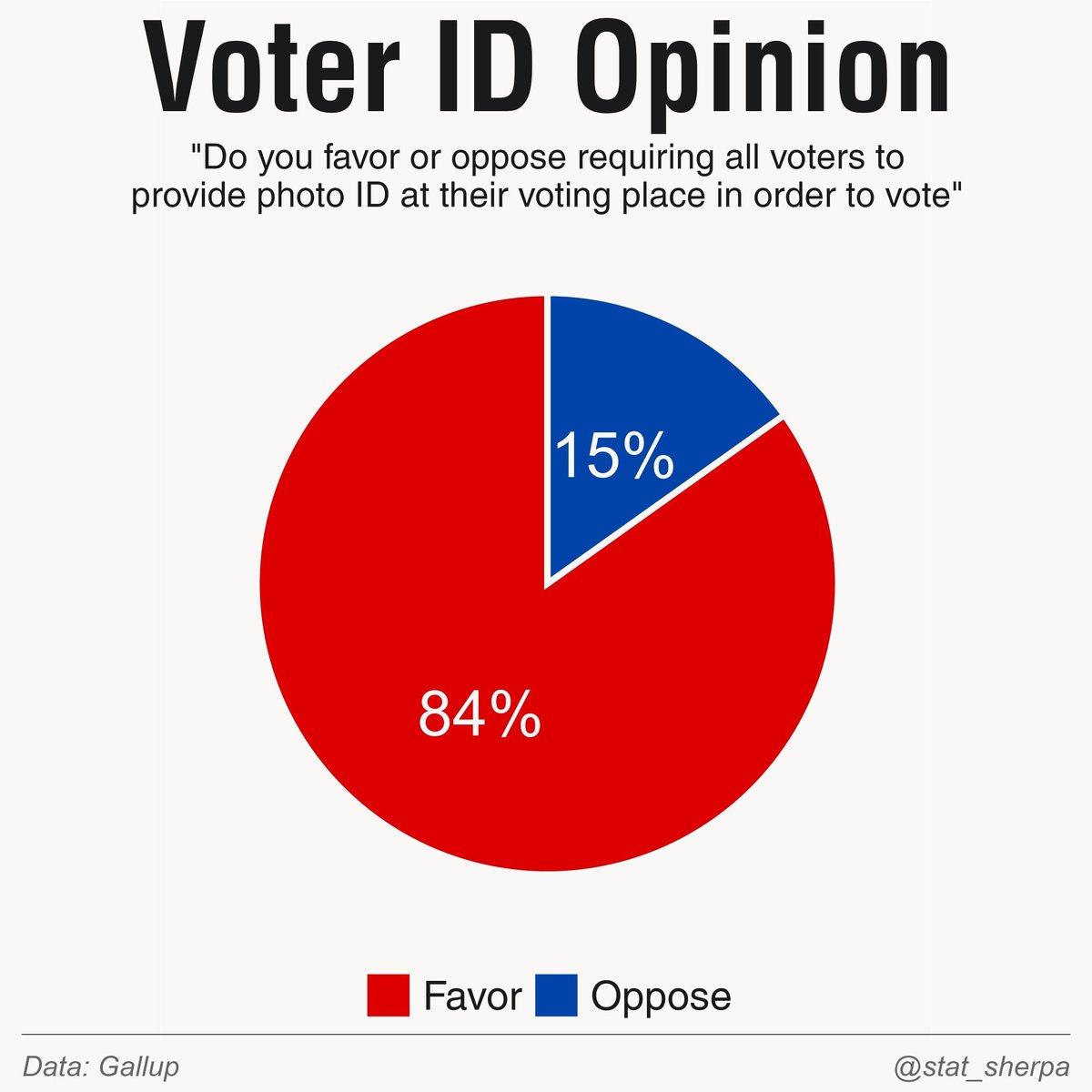
@JaredBrehm @elonmusk I bet that 15% is the real number of democrats.
English


¿Para ser de izquierda es requisito ser un retrasado mental?
Alerta News 24@AlertaNews24
🇨🇴🇨🇺🇺🇸 | Presidente de Colombia, Gustavo Petro: "Es muchísimo mejor vivir en Cuba que en Miami".
Español

@DeborahEaster61 @argosaki Sooner or later, she will realize.
English

@argosaki What a shame that she did not realize that we are fearfully and wonderfully made by our Creator. This is not an example of evolution. This is an example of the wonder and Glory of God Almighty, our Creator.
English
Gustavo Mendoza D. retweetledi

BREASTMILK
She thought she was studying milk.
What she uncovered was a conversation.
In 2008, evolutionary anthropologist Katie Hinde was working in a primate research lab in California, analyzing breast milk from rhesus macaque mothers. She had hundreds of samples and thousands of data points. Everything looked ordinary—until one pattern refused to go away.
Mothers raising sons produced milk richer in fat and protein.
Mothers raising daughters produced a larger volume with different nutrient balances.
It was consistent. Repeatable. And deeply uncomfortable for the scientific consensus.
Colleagues suggested error. Noise. Statistical coincidence.
But Katie trusted the data.
And the data pointed to a radical idea.
Milk is not just nutrition.
It is information.
For decades, biology treated breast milk as simple fuel. Calories in. Growth out. But if milk were only calories, why would it change depending on the sex of the baby?
Katie kept digging.
Across more than 250 mothers and over 700 sampling events, the story grew more complex. Younger, first-time mothers produced milk with fewer calories but significantly higher levels of cortisol—the stress hormone.
The babies who drank it grew faster.
They were also more alert, more cautious, more anxious.
Milk wasn’t just building bodies.
It was shaping behavior.
Then came the discovery that changed everything.
When a baby nurses, microscopic amounts of saliva flow back into the breast. That saliva carries biological signals about the infant’s immune system. If the baby is getting sick, the mother’s body detects it.
Within hours, the milk changes.
White blood cells surge.
Macrophages multiply.
Targeted antibodies appear.
When the baby recovers, the milk returns to baseline.
This was not coincidence.
It was call and response.
A biological dialogue refined over millions of years. Invisible—until someone thought to listen.
As Katie reviewed existing research, she noticed something unsettling. There were twice as many scientific studies on erectile dysfunction as on breast milk composition.
The first food every human consumes.
The substance that shaped our species.
Largely ignored.
So she did something bold.
She launched a blog with a deliberately provocative name: Mammals Suck Milk.
It exploded. Over a million readers in its first year. Parents. Doctors. Scientists. People asking questions research had skipped.
The discoveries kept coming.
Milk changes by time of day.
Foremilk differs from hindmilk.
Human milk contains over 200 oligosaccharides babies can’t digest—because they exist to feed beneficial gut bacteria.
Every mother’s milk is biologically unique.
In 2017, Katie brought this work to a TED stage. In 2020, it reached a global audience through Netflix’s Babies. Today, at Arizona State University’s Comparative Lactation Lab, she continues reshaping how medicine understands infant development, neonatal care, formula design, and public health.
The implications are staggering.
Milk has been evolving for more than 200 million years—longer than dinosaurs walked the Earth. What we once dismissed as simple nourishment is one of the most sophisticated communication systems biology has ever produced.
Katie Hinde didn’t just study milk.
She revealed that nourishment is intelligence.
A living, responsive system shaping who we become before we ever speak.
All because one scientist refused to accept that half the story was “measurement error.”
Sometimes the biggest revolutions begin by listening to what everyone else ignores.

English