

CoventryGuy44106
5.8K posts

May 24th, whose gonna be my birthday sex??? onlyfans.com/vin-ripper
English
CoventryGuy44106 retweetledi


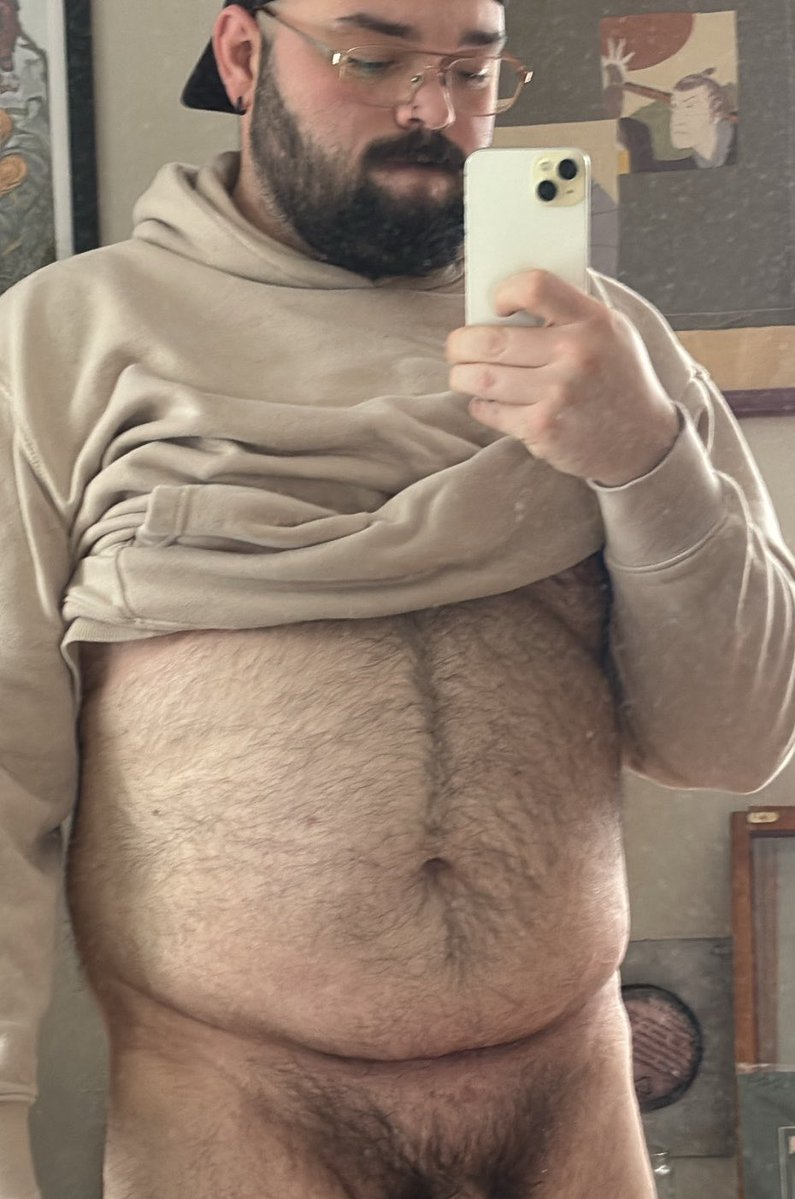

Can’t stop looking at pics of naked dudes on my phone
English

Good morning! It’s hot here in New England today, remember if you’re hot they’re hot. Bring your bears inside and take their clothes off.

English
CoventryGuy44106 retweetledi


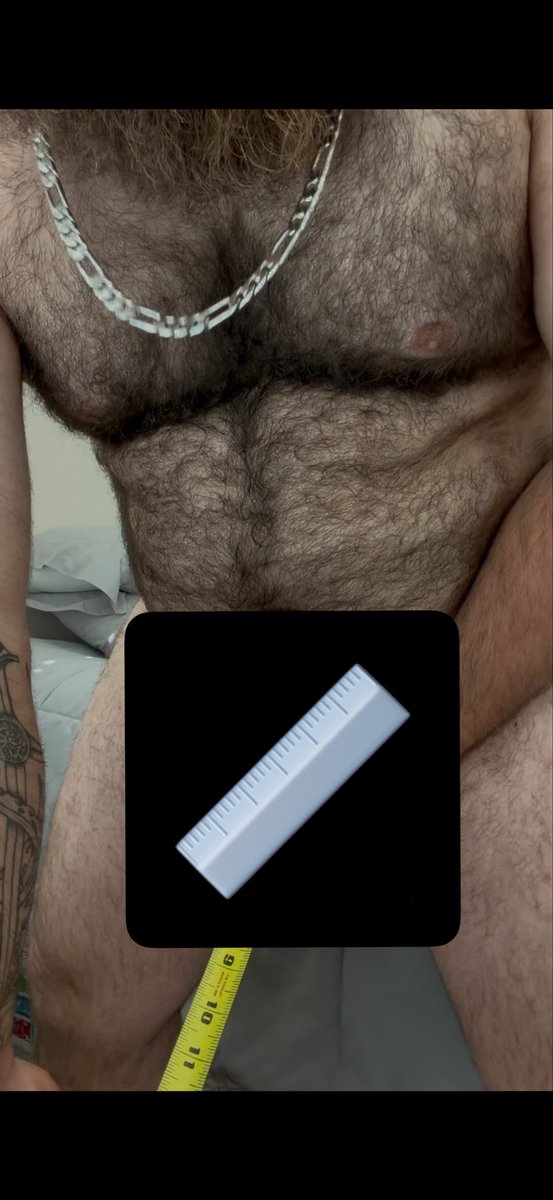
Want to see the magic number, or do you want to blow up my birthday candle for me?

English

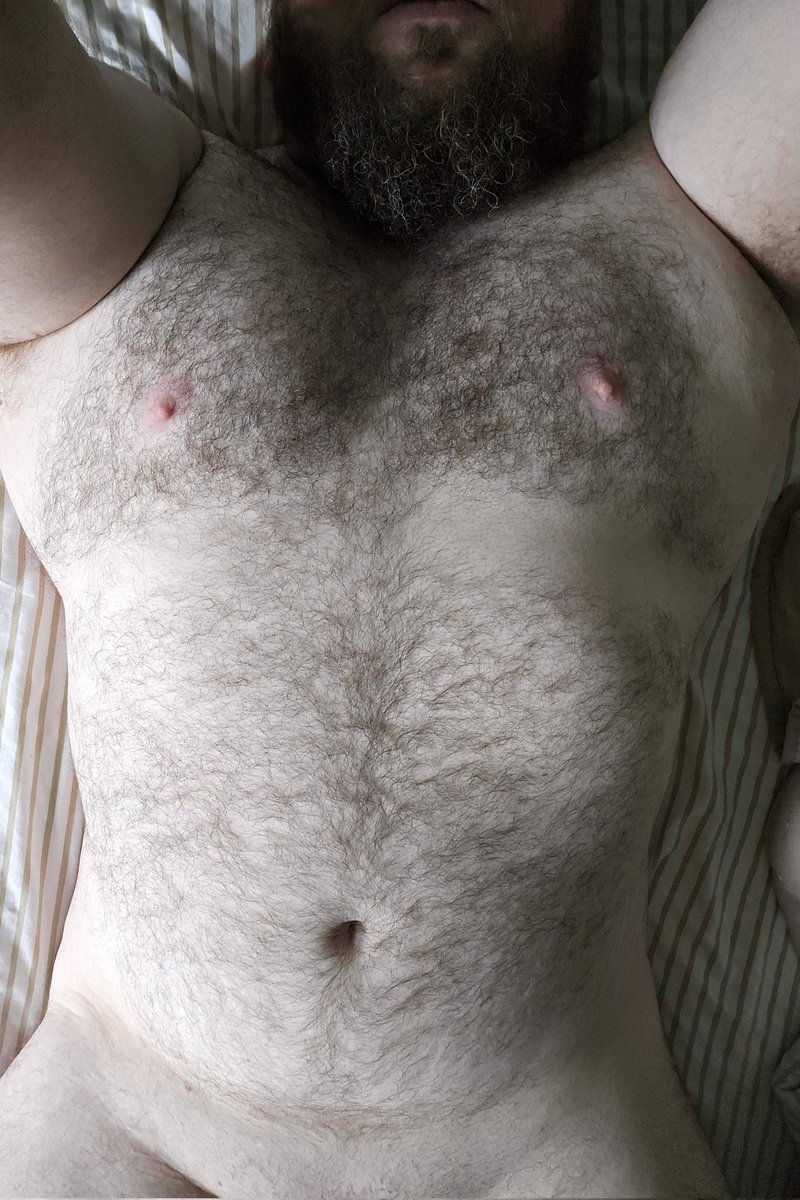


@swolling_flyguy I agree. People need to know it’s okay to have and be attracted to adult bodies; I find the infatuation with adolescent bodies quite disturbing.
English
As someone who grew into adulthood in the early 2000s there was incredibly toxic expectations/culture for young gay men to be twinks and be totally hairless. Looking back it’s far more perverse then vs now. I don’t recall nearly any young man that did not work hard at being rail thin or dream of it. Or spending so much time removing any bit of body hair.
English
@DarthDomitian It’s quite normal and common by what I’ve seen
English

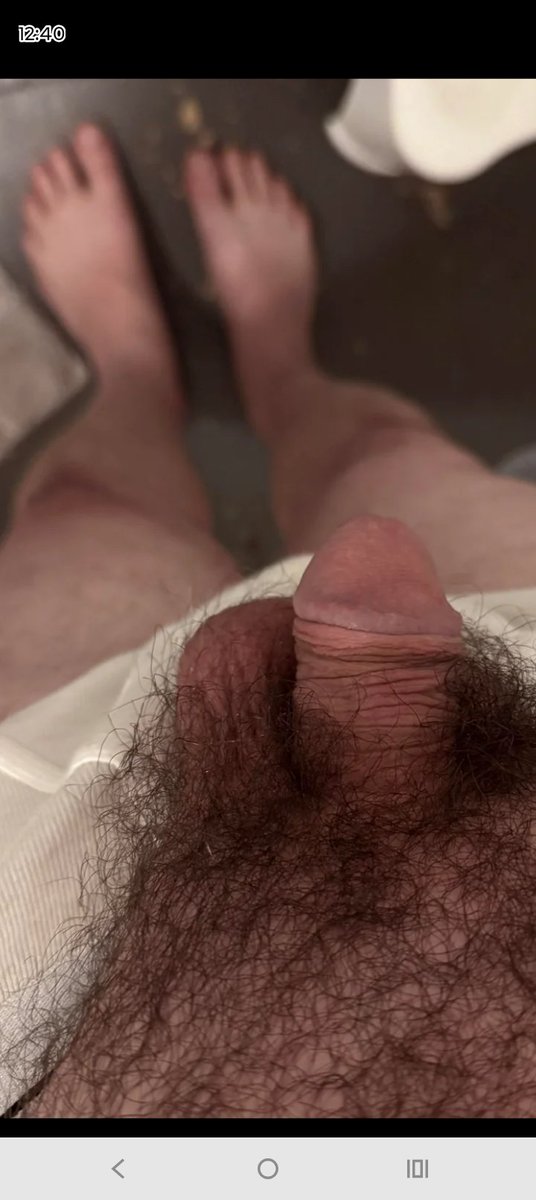
I thought this looked exactly like me when I took my underwear off after work. Is it small?
English
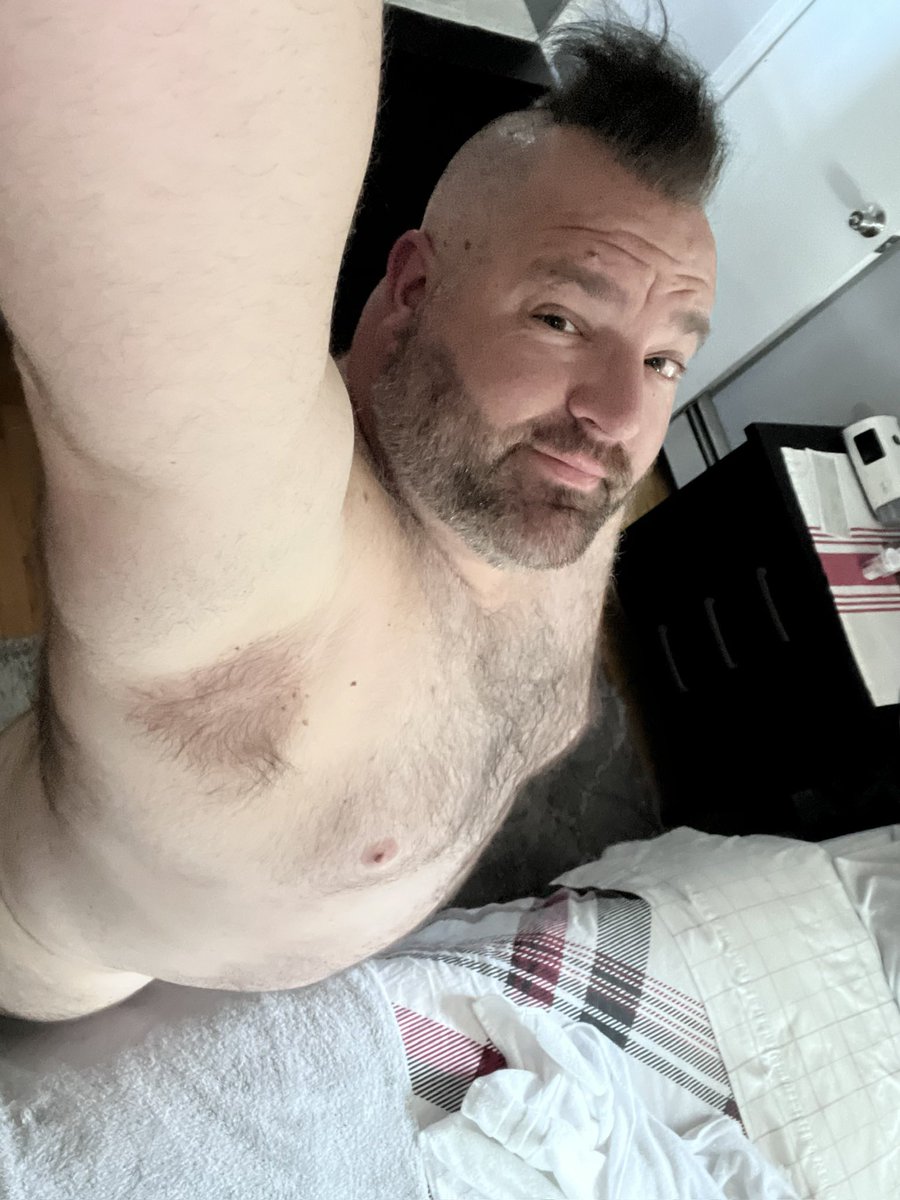
Remember that time in October I shaved off my beard and colored my hair to look “younger”? Big mistake, huge lol
English

Hope everyone’s having a good humpday. In more ways than one. 🥵🔥😈❤️🔥

English


CoventryGuy44106 retweetledi

Hercules Mingens (1st Century BC - 1st Century AD), Roman white marble statuette known as the Drunken Hercules, was discovered in the House of the Stags in Herculaneum... The sculpture depicts the divine hero in a vulnerable state, contrasting with traditional depictions of his heroic power.
Hercules naked, drunk, and takes the opportunity to urinate. But it's not a fountain, so no liquid comes out of his penis. The sculptor simply wanted to represent the decadence of drunkenness, which affects gods and demigods as well as mortals.
However drunk he may be, Hercules doesn't relinquish his attributes: the Nemean lion's skin and the club. He carries them over his shoulder, thus concealing the stand, since this statue is pure drunken instability. The sculpture's center of gravity is shifted far back, something quite un-"classical," more in the Hellenistic style.
Furthermore, it doesn't seem to be the best time for Hercules... he's a bit older, chubby, and not very athletic.
It is an unusual image of Jupiter's son, although this iconography of Hercules mingens appears to have been fashionable in Rome from the 2nd century BC until the imperial period. Perhaps this is because Greek comic and satirical literature was also very popular at the time.
These statues were intended for gardens, places of leisure and pleasure, where Romans would go after a good meal and perhaps relieve themselves. The owners of these houses kept their employees, cultured but mischievous, in good standing.
This type originates from a lost 4th Century BC Greek bronze statue by Lysippos (or his school). The most famous surviving version is the colossal Farnese Hercules (over 3.17m tall), a Roman marble copy signed by Glykon, made around 216 AD for the Baths of Caracalla in Rome. It was rediscovered in 1546 and became part of Farnese collection (now in Museo Archeologico Nazionale in Naples).
(54x34cm)
Ercolano Archaeological Park
Herculaneum 🇮🇹
#archaeohistories

English

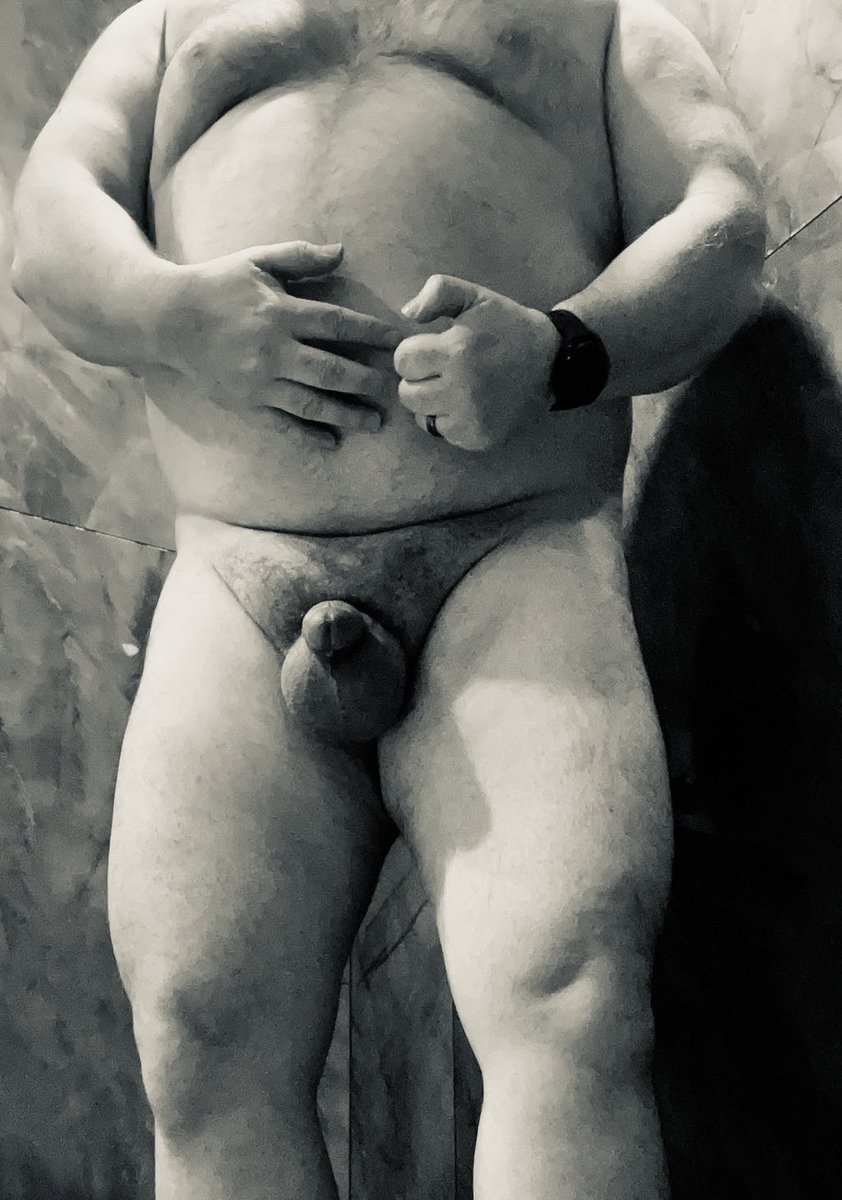
Before you slide into my DMs, just know I’m built like this.
Got a little sun over the weekend doing yard work.

English


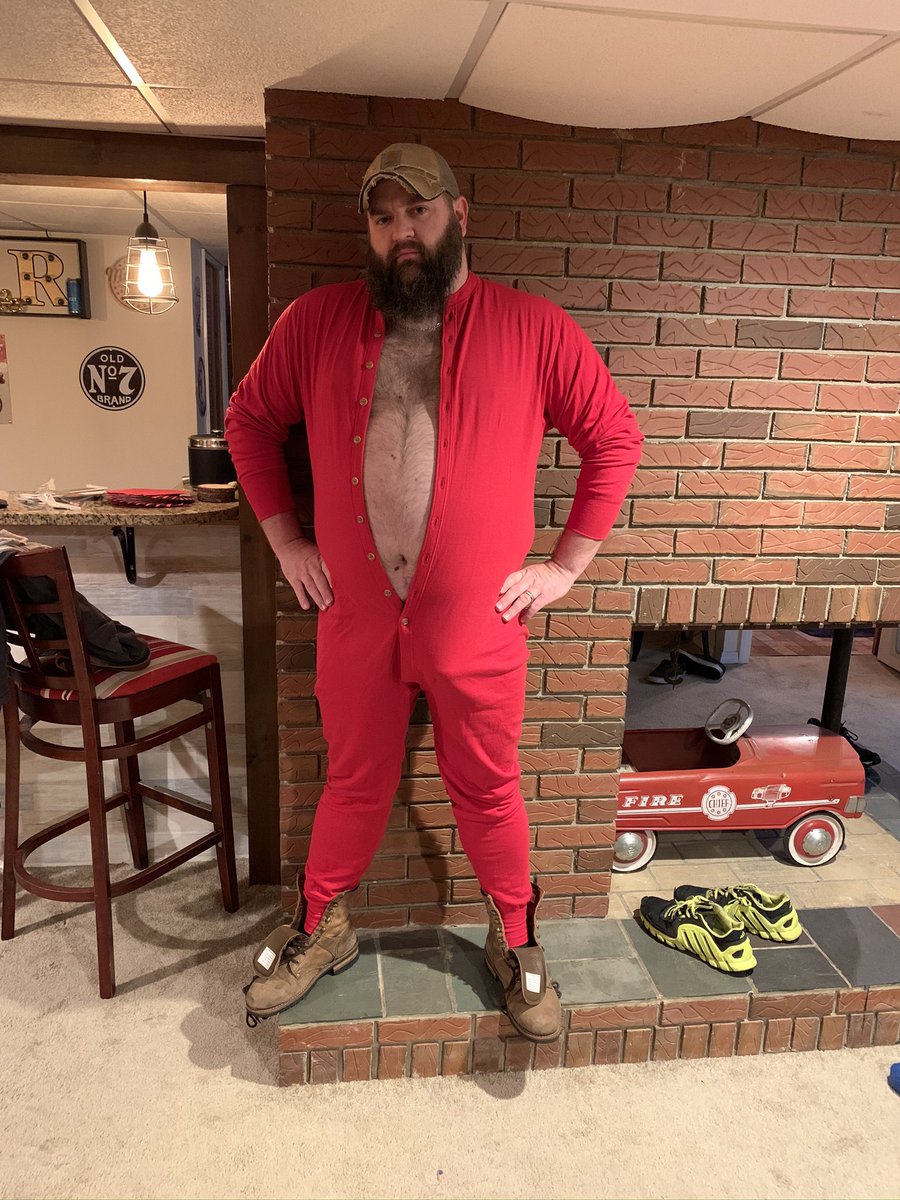


I am a man of my word.




Texas Beef@Dadlander_
At 10k I'll post uncensored pole. Maybe hole too.
English