
PIKI
12K posts

@DarkoLesinger Prestani si vrtat rupu u srcu! Sjeti se lijepih trenutaka s njom i ne misli na to da je više nema. Nećeš ni Ti ostat' za sjeme!

U ovo bi vrijeme najbolja sestra na svijetu, moja sestra, već kuhala prvi džem u godini. Od jagoda, za mene bez dodanih šećera.
Jutros sam doručkovao posljednje ostatke prošlogodišnjeg od marelica. Zadnjeg kojeg je skuhala. 💔

@MFinderle @Branka1058426 Prosim ih fino i cifrasto: meni je čist dobro u društvu ocvalih djevojaka!






@Revontulet69 Bravo!
I pozdrav supruzi Freji!
(Kad sam bio mali, zvali su me seronja)

Freyja mi se popela na prsa i krenula me lizati po faci negdje oko 6:20. Ustao se, pustio uh van i kad sam ugledao boje na gliciniji rekoh moram to bar mobitelom fotkati nakon tuširanja. Već tad su se boje "pokvarile" jer je sunce izašlo ali svejedno su lijepe.

Stvarno! Ima ljudi...
(još ću, ne daj Bože, postat optimist)
A Man Of Memes@RickyDoggin
A jogger extends a helping hand to a mouflon in need!❤️

A jogger extends a helping hand to a mouflon in need!❤️
English
@Mantodea18 Nemoj! Konačno malo optimizma...
Pozdravi Vici, matematičkoj legendi!


@iTheWolfman @BARBA69453346 Znači: ima ljudi...
...samo su ih govna zasjenila.
Ergo: politikant je govno, veče i od čovjeka

In Germany, a child who loved motorcycles was diagnosed with a fatal illness. His family posted online asking if riders could come to cheer him up. The family expected 20-30 people, but 15,000 motocyclists shoved up...👏🙏
English




@Morski_hr @RALF93776811453 Pa kud ćeš sramotu vlastite zemlje u "prime time" (viš da je jadna i jezik izgubila)

Urednici HRT-a emisiju o strahovitoj devastaciji obale stavili u kasni termin: "Iza reklama o lijekovima za čukljeve i prostatu" - Pogledajte je!👇
morski.hr/urednici-hrt-o…

PIKI retweetledi

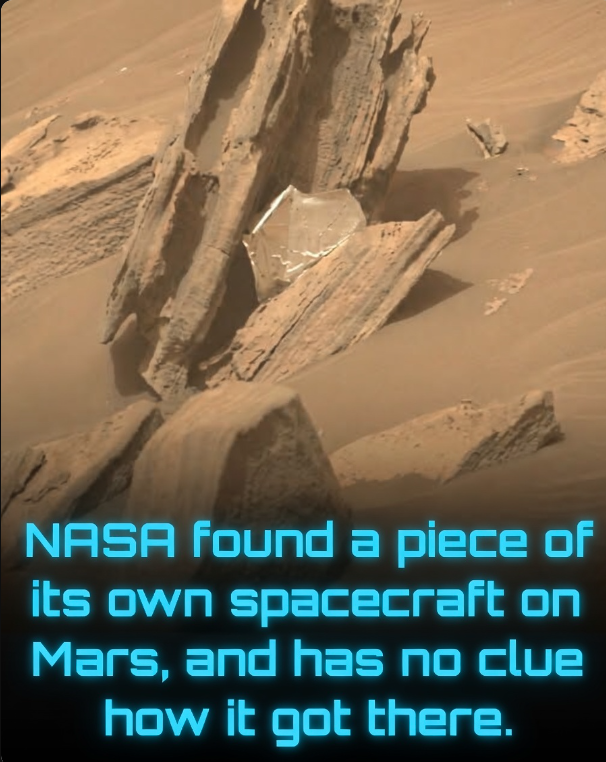
NASA has found pieces of its own spacecraft on Mars — and scientists still aren’t entirely sure how they got there.
While exploring Jezero Crater, NASA’s Perseverance rover spotted a shiny fragment of thermal blanket material lodged between rocks. Mission engineers quickly identified it as debris from the rover’s descent stage — the powerful rocket-powered “sky crane” that safely lowered Perseverance to the Martian surface in February 2021.
What makes the discovery puzzling is the distance: the descent stage was intentionally crashed about 2 kilometers (roughly 1.2 miles) away from the rover’s landing site. Yet this piece of multi-layer insulation turned up far from the crash zone, raising questions about whether it was ejected during the high-speed impact or later carried across the surface by Mars’ strong winds.
This find is part of an emerging field of “spacecraft archaeology” on the Red Planet. Earlier images from the now-retired Ingenuity helicopter also captured the discarded parachute and backshell. While these pieces of human-made litter provide valuable engineering data for improving future landings, they also mark humanity’s growing — and permanent — footprint on another world.
From discarded thermal blankets to parachutes and rocket hardware, our artifacts are becoming a lasting part of the Martian landscape, turning the Red Planet into the first extraterrestrial site of human technological history.
English
@Grumpylicious_I @belamaric82 Freziju nemreš zatuč, a ovo "cuveno" izgleda ko da ga i treba zatuč

Nismo mi zaboravili holokaust nego ga ti upravo ponavljaš.......
Za takve empatije nemamo....
💩💩 genocidno....
🤮🤬
