حَكِّيم retweetledi
حَكِّيم
8.5K posts

حَكِّيم
@hakeem_88
physics : good food and tired at the sametime the human mind مترولوجي
Kingdom of Saudi Arabia Katılım Aralık 2011
122 Takip Edilen120 Takipçiler
حَكِّيم retweetledi

Ludwig Boltzmann’s grave in Vienna bears his famous entropy formula, S = k log W, which relates the entropy of a system to the number of possible microscopic states.
Ludwig Boltzmann was an Austrian physicist and philosopher who made significant contributions to the fields of statistical mechanics and thermodynamics including the formulation of the H-theorem- which explains the behavior of gases in terms of statistical mechanics, the concept of the Boltzmann constant (k)- a fundamental constant in physics that relates temperature to the average kinetic energy of particles in a gas, the Boltzmann equation- which describes the behavior of a gas by incorporating statistical probabilities. The concept of a "Boltzmann Brain" was introduced by cosmologists, inspired by Boltzmann's work. It suggests that there is a minuscule possibility of a conscious entity, like a human brain, spontaneously fluctuating into existence in an otherwise empty and chaotic universe. This idea sparked debates and discussions about the nature of reality and the interpretation of probabilities in cosmology.

English
حَكِّيم retweetledi
حَكِّيم retweetledi

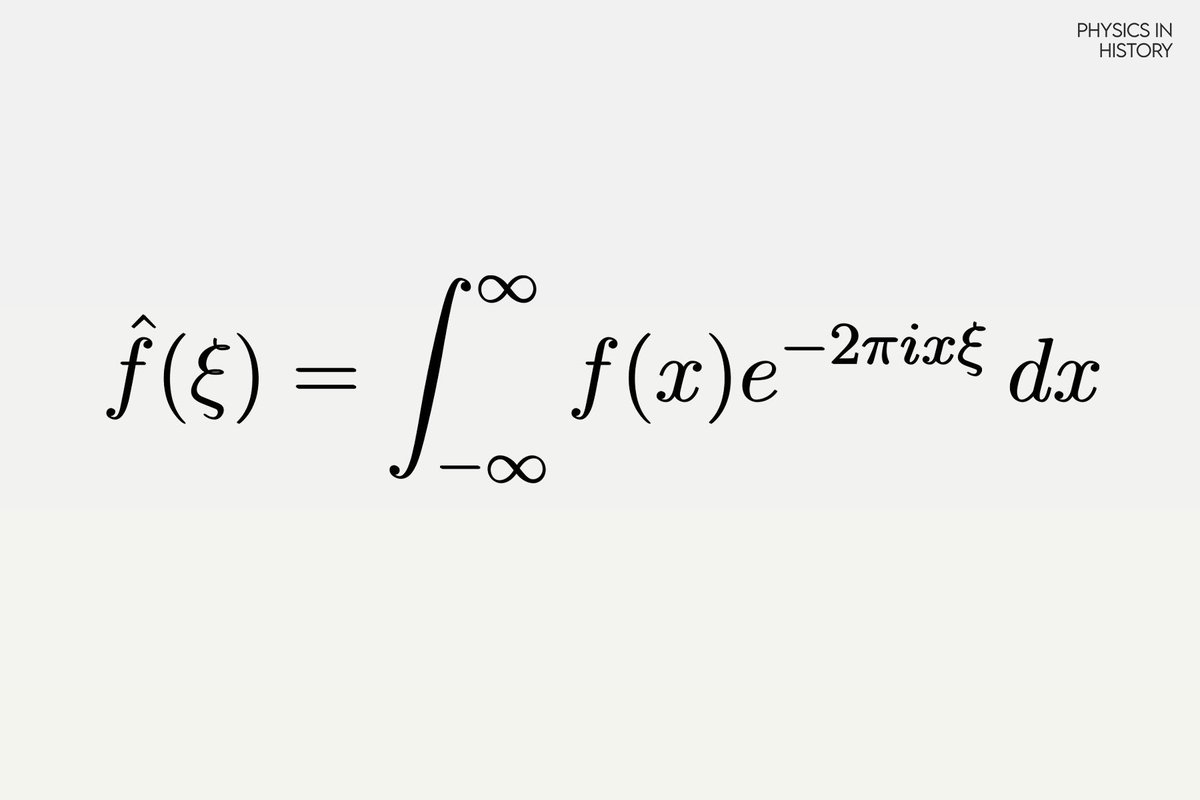
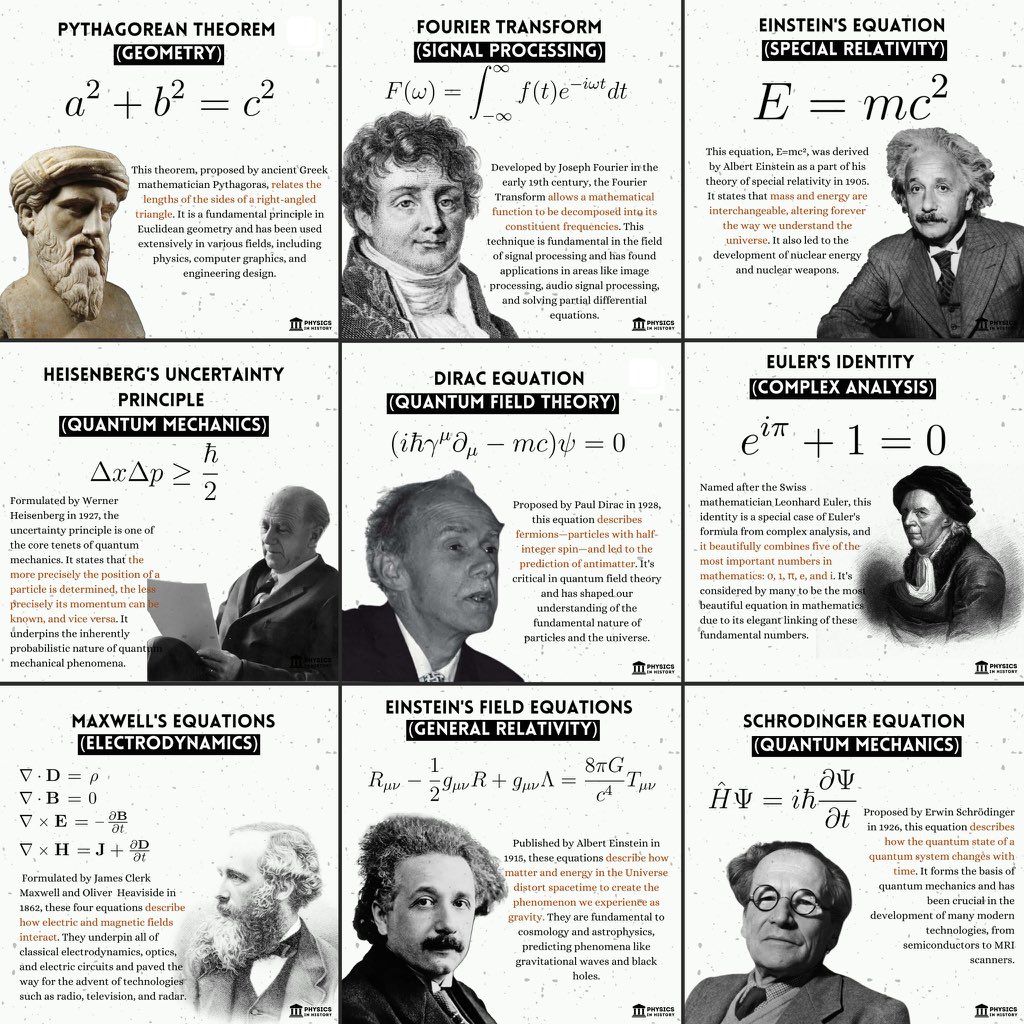
Fourier Transform is a mathematical operation that transforms a function of time (or space) into a function of frequency. In essence, it decomposes a complex signal into its constituent sinusoidal components, each with a specific frequency, amplitude, and phase. This is particularly useful in many fields such as signal processing, physics, and engineering, because it allows for the analysis of the frequency characteristics of signals. The Fourier Transform provides a bridge between the time domain and the frequency domain, enabling the analysis and manipulation of signals in ways that are more intuitive and computationally efficient. The result of applying a Fourier Transform is often represented as a spectrum, showing how much of each frequency is present in the original signal.

English
حَكِّيم retweetledi

New cosmic-scale gravity tests using CMB distortions across hundreds of thousands of galaxy clusters show Newton–Einstein gravity holds, tightening constraints on modified gravity and bolstering dark matter. doi.org/hbxcm5 phys.org/news/2026-04-g…
English
حَكِّيم retweetledi

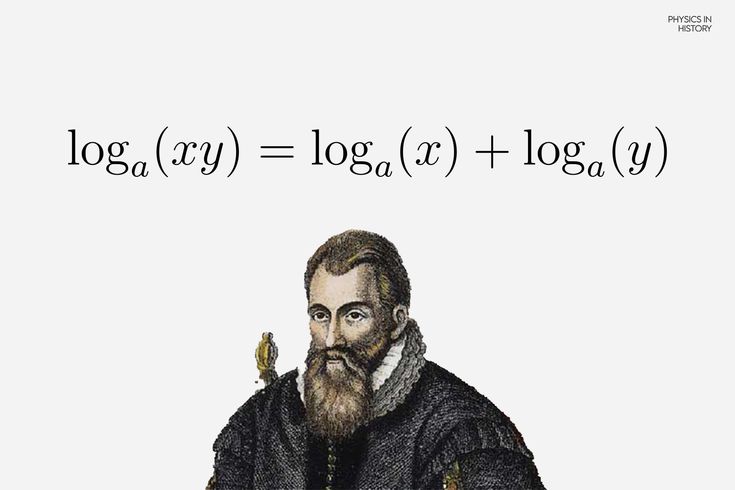
The concept of logarithms was invented by John Napier, a Scottish mathematician, who introduced them in 1614.
Napier published his discovery in a book titled Mirifici Logarithmorum Canonis Descriptio (Description of the Wonderful Rule of Logarithms), which explained how logarithms could be used to simplify calculations.

English
حَكِّيم retweetledi
حَكِّيم retweetledi
حَكِّيم retweetledi
حَكِّيم retweetledi
حَكِّيم retweetledi
حَكِّيم retweetledi
حَكِّيم retweetledi
حَكِّيم retweetledi
حَكِّيم retweetledi
حَكِّيم retweetledi
حَكِّيم retweetledi
حَكِّيم retweetledi

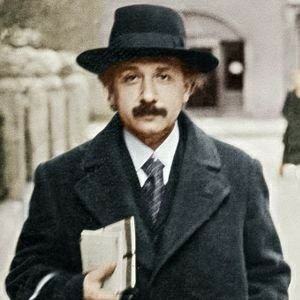
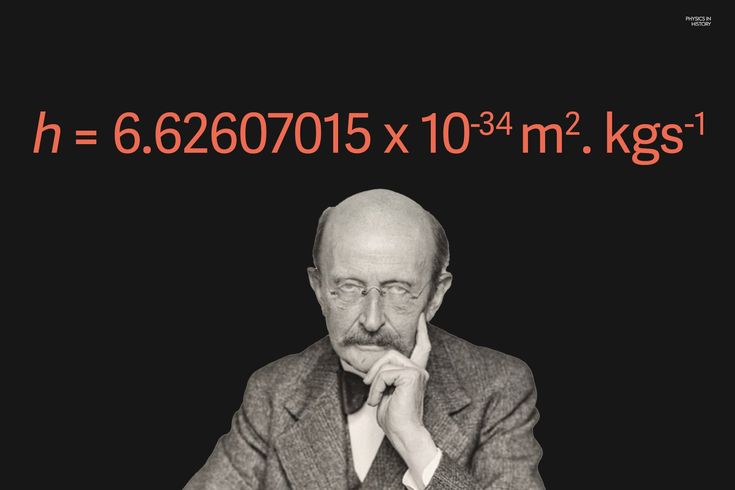
A. Einstein on Max Planck ✍️
Many kinds of men devote themselves to science, and not all for the sake of science herself. There are some who come into her temple because it offers them the opportunity to display their particular talents. To this class of men science is a kind of sport in the practice of which they exult, just as an athlete exults in the exercise of his muscular prowess. There is another class of men who come into the temple to make an offering of their brain pulp in the hope of securing a profitable return. These men are scientists only by the chance of some circumstance which offered itself when making a choice of career. If the attending circumstances had been different, they might have become politicians or captains of business. Should an angel of God descend and drive from the temple of science all those who belong to the categories I have mentioned, I fear the temple would be nearly emptied. But a few worshipers would still remain -- some from former times and some from ours. To these latter belongs our Planck. And that is why we love him.
-- as mentioned in Where is Science Going? By Max Planck. (Original German text 1933)

English
حَكِّيم retweetledi
حَكِّيم retweetledi