Hugo Ángel🟢® (Self Certified Account)

9.9K posts

Hugo Ángel🟢® (Self Certified Account) banner
Hugo Ángel🟢® (Self Certified Account)

Hugo Ángel🟢® (Self Certified Account)

@hangel

🇨🇴, Dad, EE, Happy, Friendly, Boundlessly imaginative, Open Minded, Tenacious, Learner. Co-Founder: COBOLpro (@COBOLagency) Blues: @RoryGallagher.

Medellin, Colombia Katılım Nisan 2007
5K Takip Edilen500 Takipçiler
Hugo Ángel🟢® (Self Certified Account) retweetledi
Paweł Huryn
Paweł Huryn@PawelHuryn·
Paste this into your claude.md and measure your usage in a week. My bet: you’ll save more than 50% of tokens. --------------- ## Task Delegation Spawn subagents to isolate context, parallelize independent work, or offload bulk mechanical tasks. Don't spawn when the parent needs the reasoning, when synthesis requires holding things together, or when spawn overhead dominates. Pick the cheapest model that can do the subtask well: - Haiku: bulk mechanical work, no judgment - Sonnet: scoped research, code exploration, in-scope synthesis - Opus: subtasks needing real planning or tradeoffs Subagents follow the same rules recursively, with two caps: - Haiku does not spawn further subagents. If it needs to, the task was wrong-sized for Haiku — return to the parent. - Maximum spawn depth is 2 (parent → subagent → one further tier). Don't escalate tiers without a concrete reason. If a subagent realizes it needs a higher tier than itself, return to the parent rather than spawning up. Parent owns final output and cross-spawn synthesis. User instructions override. ## Preferred Tools ### Data Fetching 1. **WebFetch** — free, text-only, works on public pages that don't block bots. 2. **agent-browser CLI** — free, local Rust CLI + Chrome via CDP. For dynamic pages or auth walls that WebFetch can't handle. Returns the accessibility tree with element refs (@e1, @e2) — ~82% fewer tokens than screenshot-based tools. Install: `npm i -g agent-browser && agent-browser install`. Use `snapshot` for AI-friendly DOM state, element refs for interaction. 3. **Notice recurring fetch patterns and propose wrapping them as dedicated tools.** When the same fetch/parse logic comes up more than once, suggest wrapping it as a named tool (e.g. a skill file or a .py script that calls `agent-browser` with the snapshot and extraction steps baked in for that source). Add the entry to `## Dedicated Tools` below and reference it by name on future calls. ### PDF Files Use 'pdftotext', not the 'Read' tool. Use 'Read' only when the user directly asks to analyze images or charts inside the document. ## Dedicated Tools --------------- Plus, add this to settings.json: "env": { "CLAUDE_CODE_DISABLE_1M_CONTEXT": "1", "CLAUDE_AUTOCOMPACT_PCT_OVERRIDE": "80" }
Paweł Huryn@PawelHuryn

x.com/i/article/2048…

English
31
72
1.1K
200.8K
Hugo Ángel🟢® (Self Certified Account) retweetledi
Himanshu Kumar
Himanshu Kumar@codewithimanshu·
Anthropic's Claude Ai Agents Team just Educated how to build production AI agents in under 30 mins. For Free. From the engineers who built the stack. CANCEL Your Weekend Plans, and Learn to Build AI Agents Today. Bookmark it. Watch it. Build your first production agent this weekend. $5,000/month. $7,000/month. $12,000/month. People are building agents for clients and charging $$$ as Beginners. You're still stuck in the thinking about AI phase. This video fixes that tonight. Follow @codewithimanshu for more high-signal content that actually moves your AI engineering career forward. ↓ Ivan Nardini runs Developer Relations for AI at Google Cloud. He just gave away the entire production agent stack in 30 minutes. This is the talk that separates people deploying AI agents that actually scale from people whose agents break the moment they leave localhost. Here's everything inside. I break down a production AI video like this every week. Follow @codewithimanshu. ↓ The 4-part agent stack that actually scales. Most devs are duct-taping frameworks together and calling it an "AI agent." Ivan lays out the real stack: Agent Development Kit (ADK): open-source, code-first framework for building, evaluating, and deploying agents. Supports Claude models through Vertex AI directly. Model Context Protocol (MCP): lets your agent talk to any tool or data source with one standard. Vertex AI Agent Engine: managed platform for deploying, monitoring, and scaling agents in production. No DevOps headaches. Agent-to-Agent Protocol: open protocol so agents built on different frameworks can actually work together. This is the stack replacing every hacky agent setup in production right now. Full MCP + Claude breakdowns drop weekly on @codewithimanshu. ↓ Building your first real agent. Ivan builds a birthday planner agent live. LLM Agent class. Name it. Define instructions. Pick the model. He uses Claude 3.7 Sonnet. You could use Opus 4.7 for better reasoning. Full agent built in minutes. Not weeks. Watch the build once and you'll never structure an agent the wrong way again. I post agent architectures people pay $500 courses to learn. @codewithimanshu. ↓ Multi-agent systems without the chaos. Single agents are easy. Multi-agent systems are where 99% of builders fail. Ivan extends the birthday planner by: Adding a calendar service through MCP tools Creating an orchestrator agent to route requests between agents Handling state and context across agent handoffs This is production multi-agent architecture. Clean. Scalable. Debuggable. Most tutorials hand-wave this part. This one shows you every step. Multi-agent orchestration content drops weekly on @codewithimanshu. ↓ Deployment without the DevOps nightmare. This is where most AI projects die. You build a cool agent locally. It works. You try to deploy it. Everything breaks. Vertex AI Agent Engine fixes this: Minimal code deployment Automatic monitoring of latency, CPU, and memory Built-in observability and logging No infrastructure setup needed You provide config and requirements. The platform handles the rest. This is how agents actually get to production. Deployment guides for Claude agents post every week. @codewithimanshu. ↓ Agent-to-Agent Protocol: the future nobody's talking about. Most people don't know this exists yet. The A2A Protocol lets agents built in different frameworks communicate seamlessly. Your Claude agent. My LangChain agent. Someone else's CrewAI agent. All talking to each other. All solving parts of the same problem. All without custom integration code. This is the infrastructure layer of the coming AI economy. Getting in early on A2A Protocol is like getting in early on HTTP in 1995. A2A deep dive coming soon. @codewithimanshu. ↓ 30 minutes from the team shipping this in production. You'll learn more from this than from 6 months of YouTube tutorials made by people who've never deployed an agent past localhost. People who watch this understand production AI agents at the architect level. People who skip it keep hacking together frameworks that break every time an API updates. Save the video. Watch it tonight. Build a real agent this weekend. Follow @codewithimanshu for more high-signal content that actually moves your AI engineering career forward.
English
42
441
2.4K
220.4K
Hugo Ángel🟢® (Self Certified Account) retweetledi
NeilXbt
NeilXbt@neil_xbt·
Andrej Karpathy could have charged $10,000 for this course. He put it on YouTube. The man who built Tesla Autopilot from scratch. Co-founded OpenAI. Understands AI at a level most engineers at Google and Meta never reach. Sat down. Recorded 2 hours. No frameworks. No libraries. No shortcuts. Then dropped it for free. The gap between people who watch it this week and those who save it for later is not 2 hours. It is everything those 2 hours quietly unlock for the rest of your career.
English
79
639
5.4K
506.5K
Hugo Ángel🟢® (Self Certified Account) retweetledi
Kimi.ai
Kimi.ai@Kimi_Moonshot·
Meet Kimi K2.6: Advancing Open-Source Coding 🔹Open-source SOTA on HLE w/ tools (54.0), SWE-Bench Pro (58.6), SWE-bench Multilingual (76.7), BrowseComp (83.2), Toolathlon (50.0), Charxiv w/ python(86.7), Math Vision w/ python (93.2) What's new: 🔹Long-horizon coding - 4,000+ tool calls, over 12 hours of continuous execution, with generalization across languages (Rust, Go, Python) and tasks (frontend, devops, perf optimization). 🔹Motion-rich frontend - Videos in hero sections, WebGL shaders, GSAP + Framer Motion, Three.js 3D. 🔹Agent Swarms, elevated - 300 parallel sub-agents × 4,000 steps per run (up from K2.5's 100 / 1,500). One prompt, 100+ files. 🔹Proactive Agents - K2.6 model powers OpenClaw, Hermes Agent, etc for 24/7 autonomous ops. 🔹Claw Groups (research preview) - bring your own agents, command your friends', bots & humans in the loop. - K2.6 is now live on kimi.com in chat mode and agent mode. For production-grade coding, pair K2.6 with Kimi Code: kimi.com/code - 🔗 API: platform.moonshot.ai 🔗 Tech blog: kimi.com/blog/kimi-k2-6 🔗 Weights & code: huggingface.co/moonshotai/Kim…
Kimi.ai tweet media
English
929
2.4K
18.1K
7.5M
Hugo Ángel🟢® (Self Certified Account) retweetledi
Evan Luthra
Evan Luthra@EvanLuthra·
Anthropic pays engineers $750,000+ a year to understand how LLMs work. Stanford just put a 2 hour lecture that covers 80% of it for FREE. Bookmark this. Give it 2 hours today. It might be the highest ROI thing you do this month:
English
234
3.3K
21.9K
2.5M
Hugo Ángel🟢® (Self Certified Account) retweetledi
Indu Tripathi
Indu Tripathi@InduTripat82427·
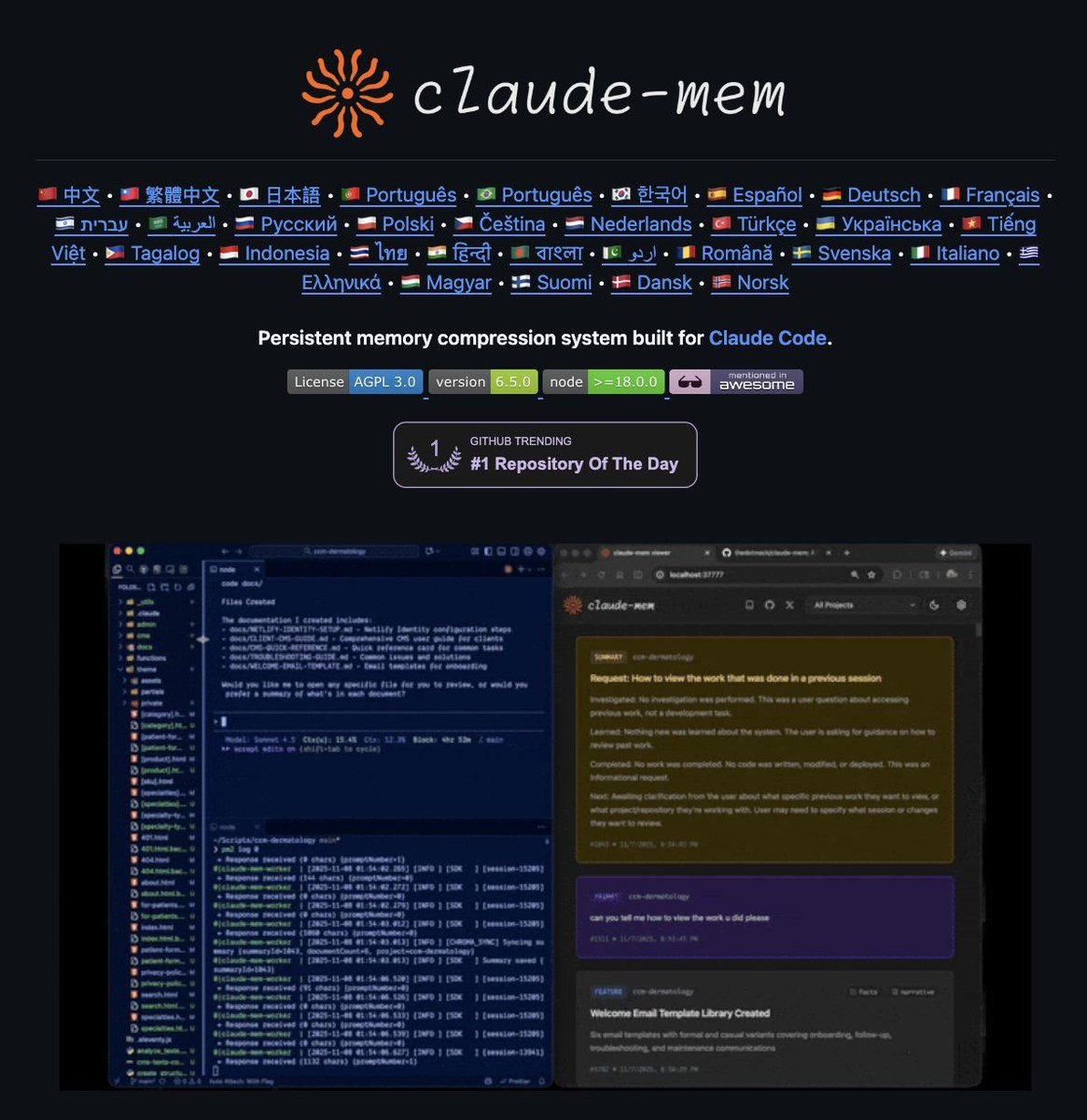
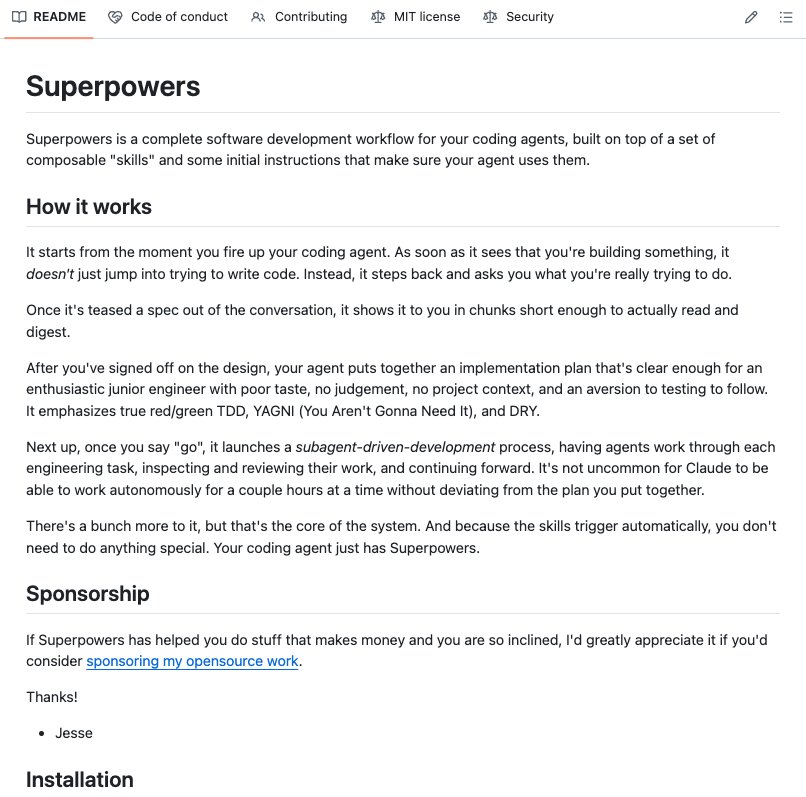
Best GitHub repos for Claude Code that will 10x your next project in 2026 1. Claude Mem github.com/thedotmack/cla… Persistent memory across sessions — stop re-teaching Claude your codebase 2. UI UX Pro Max github.com/nextlevelbuild… 50+ styles, 161 color palettes, 99 UX guidelines — Claude stops building ugly UIs 3. n8n-MCP github.com/czlonkowski/n8… Connect Claude Code to 400+ n8n integrations via MCP 4. LightRAG github.com/hkuds/lightrag Graph + vector RAG — lets Claude understand large codebases structurally 5. Everything Claude Code github.com/affaan-m/every… Skills, instincts, security scanning, multi-language coverage — full agent harness 6. Awesome Claude Code github.com/hesreallyhim/a… Community bible — curated skills, hooks, slash commands, orchestrators 7. Superpowers github.com/obra/superpowe… Forces structured thinking before writing a single line of code 8. Claude Code Ultimate Guide github.com/FlorianBruniau… 23K+ lines of docs, 219 templates, 271 quizzes — beginner to power user 9. Antigravity Awesome Skills github.com/sickn33/antigr… 1,200+ ready-to-use skills — one of the largest collections 10. Claude Agent Blueprints github.com/danielrosehill… 75+ agent workspace templates beyond coding 11. VoiceMode MCP github.com/mikecbaley/voi… Natural voice conversations with Claude Code via Whisper + Kokoro 12. Awesome Claude Plugins github.com/quemsah/awesom… 9,000+ repos indexed with adoption metrics — find what people actually install Bookmark this before your next build.
Indu Tripathi tweet mediaIndu Tripathi tweet media
Shruti Codes@Shruti_0810

x.com/i/article/2044…

English
28
165
1K
180.1K
Hugo Ángel🟢® (Self Certified Account) retweetledi
Andrew Ng
Andrew Ng@AndrewYNg·
New course: Spec-Driven Development with Coding Agents, built in partnership with @jetbrains, and taught by @paulweveritt. Vibe coding is fast, but often produces code that doesn't match what you asked for. This short course teaches you spec-driven development: write a detailed spec defining what to build, and work with your coding agent to implement it. Many of the best developers already build this way. A spec lets you control large code changes with a few words, preserve context across agent sessions, and stay in control as your project grows in complexity. Skills you'll gain: - Write a detailed specification to define your mission, tech stack, and roadmap, giving your agent the context it needs from the start - Plan, implement, and validate features in iterative loops using a spec as your agent's guide - Apply the same repeatable workflow to both new and legacy codebases - Package your workflow into a portable agent skill that works across agents and IDEs Join and write specs that keep your coding agent on track! deeplearning.ai/short-courses/…
English
170
415
2.8K
450K
Hugo Ángel🟢® (Self Certified Account) retweetledi
Yanhua
Yanhua@yanhua1010·
Claude Code创始人Boris Cherny 讲解Anthropic内部如何使用它(中英双语字幕),建议收藏👇
中文
14
218
979
74.8K
Hugo Ángel🟢® (Self Certified Account) retweetledi
Ihtesham Ali
Ihtesham Ali@ihtesham2005·
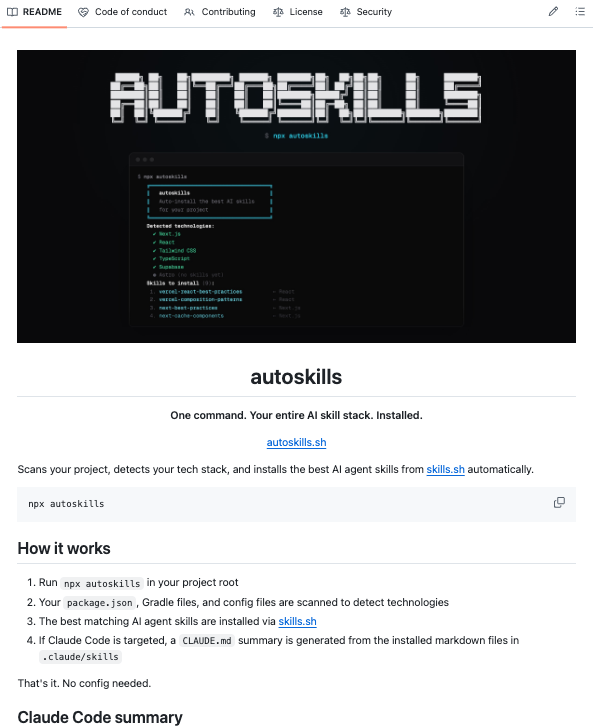
I will never set up skills manually again. Someone open-sourced a single command that scans your project, detects your entire tech stack, and installs the right AI agent skills for everything it finds automatically. It's called autoskills. You run `npx autoskills` in your project root. That's it. → Reads your package.json and config files to fingerprint your stack → Matches detected technologies against a curated skill registry at skills.sh → Installs skills for 50+ technologies: React, Next.js, Vue, Svelte, Astro, Tailwind, Supabase, Neon, Playwright, Expo, Stripe, Prisma, Cloudflare, AWS, Vercel, GSAP, Bun, Deno, Hono, NestJS, Spring Boot, and more → `--dry-run` flag shows what it would install before touching anything One command. Your entire AI skill stack. Installed. Link in the comments.
Ihtesham Ali tweet media
English
54
204
1.6K
132K
Hugo Ángel🟢® (Self Certified Account) retweetledi
Claude
Claude@claudeai·
Introducing Claude Managed Agents: everything you need to build and deploy agents at scale. It pairs an agent harness tuned for performance with production infrastructure, so you can go from prototype to launch in days. Now in public beta on the Claude Platform.
English
2.1K
6K
57.1K
21.6M
Hugo Ángel🟢® (Self Certified Account) retweetledi
Prakash Sharma
Prakash Sharma@PrakashS720·
This new SKILL.md standard might quietly become the “npm for AI agents.” AI just got a universal skill system — and almost nobody is talking about it. SKILL.md = a simple markdown file that turns AI into on-demand specialists. Not prompts. Not configs. Actual reusable capabilities. Here’s why this is a big deal 👇 1. Skills load only when needed No more stuffing giant context. Agents read name + description → load full skill → execute. → Faster → Cheaper → More reliable 2. One skill works across tools Claude Cursor Copilot OpenAI Codex Gemini CLI VS Code Write once. Use everywhere. That’s massive. 3. Progressive disclosure = smarter agents Level 1: reads name + description Level 2: loads skill body Level 3: loads files on demand AI now behaves like modular software, not a chatbox. 4. This unlocks "Skill marketplaces" Imagine installing: • review-pr → code review specialist • growth-tweet → viral content writer • bug-hunter → security scanner • research-deep → analyst agent AI becomes downloadable expertise. 5. Skills > prompts Prompts = temporary Skills = reusable infrastructure This shifts AI from: "ask better questions" → "build better abilities" And that changes everything. Soon workflows will look like: Agent + Skills = Autonomous system Not just chat. Not just automation. Composable AI intelligence. The people building skills now will control the AI ecosystem later. This is early. But not for long. Bookmark this. In 6 months, everyone will be talking about SKILL.md.
Prakash Sharma tweet media
English
2
20
47
3.3K
Hugo Ángel🟢® (Self Certified Account) retweetledi
Nainsi Dwivedi
Nainsi Dwivedi@NainsiDwiv50980·
Holy shit… someone just gave Claude a real browser. Not screenshots. Not brittle selectors. Not slow MCP loops. Real Playwright code — inside a sandbox. It’s called dev-browser — and it lets AI agents control Chrome like developers do. Here’s why this is different: Instead of inventing new “agent syntax”, dev-browser just lets AI write actual browser code. goto click fill evaluate scrape screenshot Everything. And it runs in a QuickJS sandbox — so the agent gets full browser control without touching your system. That means: • Real browser automation • Zero host access risk • Persistent tabs • Multi-script workflows • Connect to existing Chrome • Full Playwright API The key idea is simple: The fastest way for an AI to use a browser is to let it write browser code itself. So an agent can literally: Open X Scroll Extract tweets Return JSON All in one run. No plugins. No extensions. No orchestration layer. No MCP complexity. Just: install → tell Claude “use dev-browser” → done. Even better, scripts run against persistent pages. So agents can: login once navigate once reuse context continue workflows Now you get things like: • autonomous research agents • AI QA testing websites • scraping without MCP overhead • multi-step browser workflows • AI that actually uses web apps • Claude operating real dashboards And the security model is clean: Playwright power QuickJS sandbox No filesystem access No host execution So agents are powerful — but contained. Benchmarks are wild too: Dev Browser 3m 53s $0.88 29 turns 100% success Faster and cheaper than typical setups like: • Playwright MCP • Chrome extensions • browser skills We’re moving from: AI that looks at the web → AI that operates the web That’s a big shift. Because once AI can control browsers reliably, it can use any software with a UI. No API needed. No integration required. Just open the page — and work. AI coworkers just got hands.
English
30
33
143
14.9K
Hugo Ángel🟢® (Self Certified Account) retweetledi
Leonard Rodman
Leonard Rodman@RodmanAi·
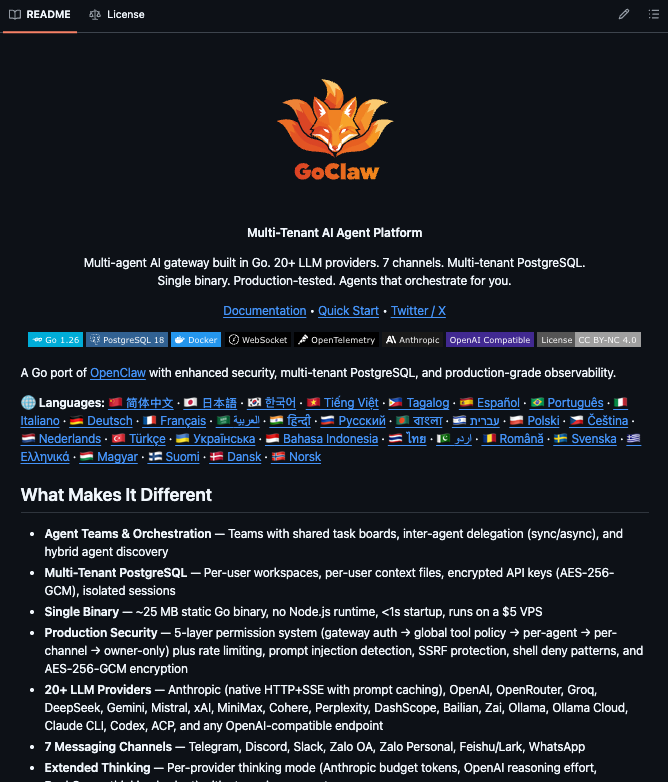
🚨Someone just rewrote OpenClaw in Go… And it’s not even close. Old stack: → 1GB+ RAM → Full Node.js runtime → Slower, heavier New stack (GoClaw): → 35MB RAM → 25MB binary → Insanely fast ⚡ Same idea. 10x leaner. 100% open-source. MIT licensed. This is what happens when performance actually matters. 🔗 github.com/nextlevelbuild…
Leonard Rodman tweet media
English
8
31
238
16.5K
Hugo Ángel🟢® (Self Certified Account) retweetledi
Guri Singh
Guri Singh@heygurisingh·
Holy shit... Keygraph just built an AI that hacks your web app before hackers do. It's called Shannon and it's a fully autonomous AI pentester that finds REAL exploits, not just alerts. 96.15% success rate on the hint-free XBOW Benchmark. Your team ships code every day with Claude Code and Cursor. Your pentest? Once a year. That's 364 days of shipping vulnerabilities to production. Shannon closes that gap. What it actually does: → Autonomously hunts attack vectors in your source code → Uses a built-in browser to execute real exploits → Handles 2FA/TOTP logins with zero intervention → Delivers copy-paste Proof-of-Concepts (no false positives) → Runs Nmap, Subfinder, WhatWeb, Schemathesis under the hood Real results on OWASP Juice Shop in a single run: → 20+ high-impact vulnerabilities found → Complete auth bypass + full database exfiltration → Privilege escalation to admin via registration bypass → SSRF enabling internal network recon → Systemic IDOR across user data The architecture is what makes it work. 4 phases: Recon → Vuln Analysis → Exploitation → Reporting Specialized agents run in parallel for Injection, XSS, SSRF, and Broken Auth. Strict "No Exploit, No Report" policy kills false positives at the source. Covers the critical OWASP classes: - Injection - XSS - SSRF - Broken Authentication & Authorization One command. ~1 hour runtime. ~$50 per full pentest with Claude Sonnet. Every Claude (coder) deserves their Shannon. The Red Team to your vibe-coding Blue Team. 100% Opensource (AGPL-3.0). 10.6k stars already. Repo in reply ↓
English
12
43
227
20.7K
Hugo Ángel🟢® (Self Certified Account) retweetledi
How To AI
How To AI@HowToAI_·
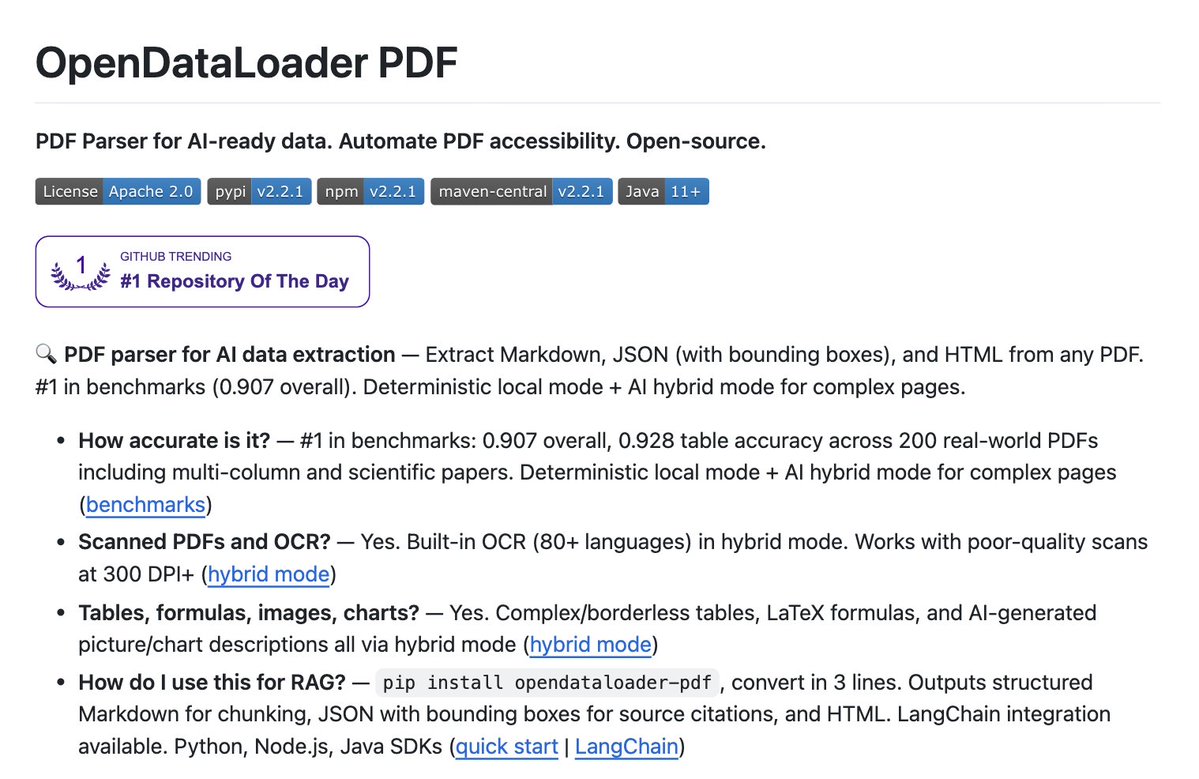
🚨 Someone just open-sourced a tool that converts pdfs to markdown at 100 pages per second. It's called OpenDataLoader. It runs entirely on CPU and handles complex layouts, tables, and nested structures like a senior dev 100% Free.
How To AI tweet media
English
40
351
2.6K
179.9K
Hugo Ángel🟢® (Self Certified Account) retweetledi
Paweł Huryn
Paweł Huryn@PawelHuryn·
Claude Code doesn't show you how many tokens you're using for subscriptions. No breakdown by model. No breakdown by project. Just a progress bar that says "63% used." So I built a local dashboard that reads the files Claude Code already writes to your machine. Turns out every session, every turn, every token is logged to ~/.claude/projects/ in JSONL files. Input tokens, output tokens, cache reads, cache creation, model name, timestamp. It's all there. You just can't see it. My numbers over the last 30 days: 440 sessions. 18,000 turns. $1,588 in API-equivalent costs. On one day, the cache spiked to 700M tokens - visible cache bug, two days in a row. The dashboard scans those local files, builds a SQLite database, and serves charts on localhost:8080. Filter by model (Opus, Sonnet, Haiku). Filter by time range (7d, 30d, 90d, all time). Cost estimates based on current Anthropic API pricing. Works retroactively. First run processes your entire Claude Code history. Install: git clone github.com/phuryn/claude-… cd claude-usage python3 cli.py dashboard Windows: use python instead of python3. Zero dependencies. Python standard library only. Open source, MIT. Star it. Fork it. Make it your own.
Paweł Huryn tweet media
English
127
219
2.3K
293.9K
Hugo Ángel🟢® (Self Certified Account) retweetledi
Muhammad Ayan
Muhammad Ayan@socialwithaayan·
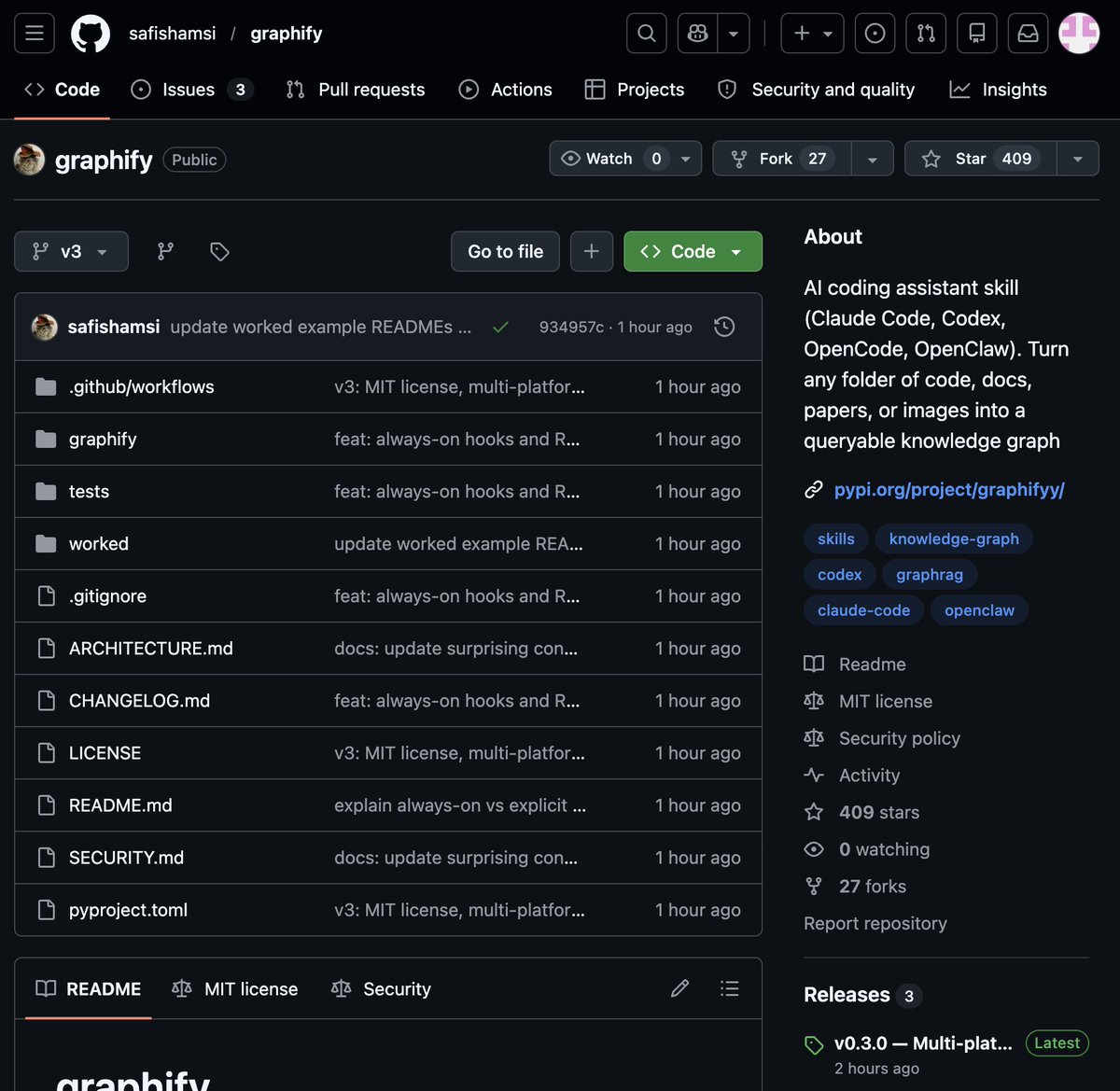
🚨 BREAKING: Someone just built the exact tool Andrej Karpathy said someone should build. 48 hours after Karpathy posted his LLM Knowledge Bases workflow, this showed up on GitHub. It's called Graphify. One command. Any folder. Full knowledge graph. Point it at any folder. Run /graphify inside Claude Code. Walk away. Here is what comes out the other side: -> A navigable knowledge graph of everything in that folder -> An Obsidian vault with backlinked articles -> A wiki that starts at index. md and maps every concept cluster -> Plain English Q&A over your entire codebase or research folder You can ask it things like: "What calls this function?" "What connects these two concepts?" "What are the most important nodes in this project?" No vector database. No setup. No config files. The token efficiency number is what got me: 71.5x fewer tokens per query compared to reading raw files. That is not a small improvement. That is a completely different paradigm for how AI agents reason over large codebases. What it supports: -> Code in 13 programming languages -> PDFs -> Images via Claude Vision -> Markdown files Install in one line: pip install graphify && graphify install Then type /graphify in Claude Code and point it at anything. Karpathy asked. Someone delivered in 48 hours. That is the pace of 2026. Open Source. Free.
Muhammad Ayan tweet media
English
271
1.4K
12.7K
945.4K
Hugo Ángel🟢® (Self Certified Account) retweetledi
Nous Research
Nous Research@NousResearch·
Introducing the Manim skill for Hermes Agent. Manim is an engine for creating precise programmatic animations for mathematical and technical explainers, made famous by the @3blue1brown channel.
English
173
545
6.1K
863.6K