
Sabitlenmiş Tweet
Alan
19.9K posts

Alan
@hardiiia
Keep doing what u always done an you will be what u always been.
Glasgow Katılım Eylül 2012
3.9K Takip Edilen1.2K Takipçiler
@hsaksith He doesn't sound American to me. Maybe Irish?
Thanon Nakhon Chai Si, Thailand 🇹🇭 English
A white molester arrested by Thai police 🚨
Thick skinned creeper
instagram.com/reel/DXR4wCYE0…
Thanon Nakhon Chai Si, Thailand 🇹🇭 English
Alan retweetledi

Before it took off, the bird ate parts of its own liver, kidneys, and gut. That was the only way to be light enough to fly. Then it flew 8,425 miles from Alaska to Australia, in 11 days, without eating, drinking, or landing once.
The bird is called B6. It's a bar-tailed godwit, four months old, weighing about as much as a can of beans. In October 2022, scientists at the US Geological Survey tracked its flight from Alaska all the way to Tasmania. The trip took 11 days and 1 hour. It is still the longest non-stop flight of any animal on Earth.
For two weeks before takeoff, godwits eat until they almost double in weight. Fat ends up being 55% of their body, more than any bird ever measured. Then they shrink their own insides. About a quarter of their liver, kidneys, stomach, and intestines gets broken down and reused for fuel, making room for the extra fat and cutting weight. Their heart and wing muscles grow bigger at the same time.
They never drink along the way. The water they need comes out of burning fat, the same reaction their muscles use for energy. They also never really sleep. B6 flapped its wings for 264 straight hours, cruising around 35 miles per hour with help from storm tailwinds. By the time it landed, it had lost almost half its body weight. The shrunken organs grew back over the following weeks.
Scientists still cannot explain the navigation. B6 had never made this flight before. Adult godwits leave Alaska weeks earlier, so young birds fly alone with nobody to follow. How a four-month-old bird finds its way across 8,425 miles of open ocean to a place it has never seen is still an open question.
About 100,000 bar-tailed godwits leave Alaska every fall. Most of them land in New Zealand or Australia 10 or 11 days later, having eaten parts of themselves to get there.
All day Astronomy@forallcurious
#BREAKING🚨: This 5-month-old just flew 8,425 miles from Alaska to Australia with no food, no water and zero stops for 11 days straight
English
Alan retweetledi
Alan retweetledi
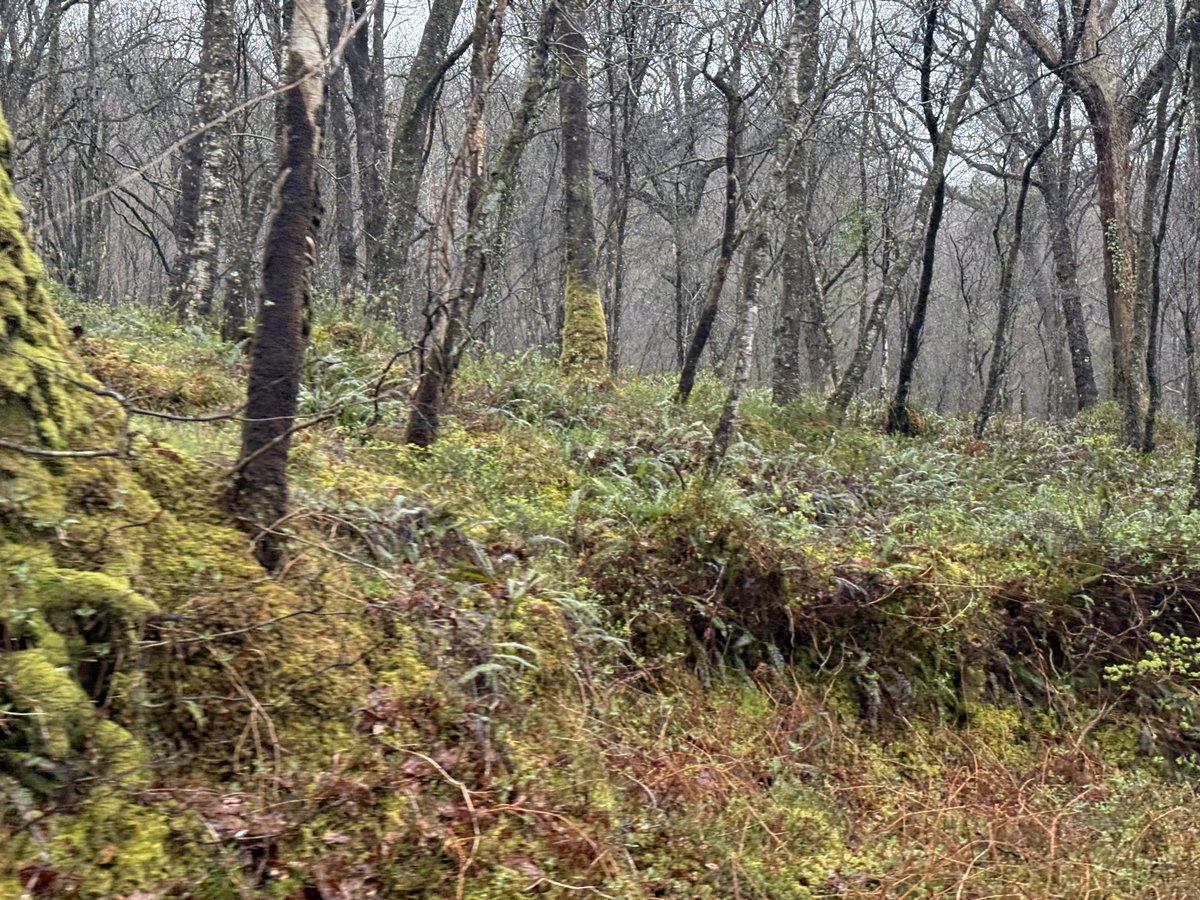
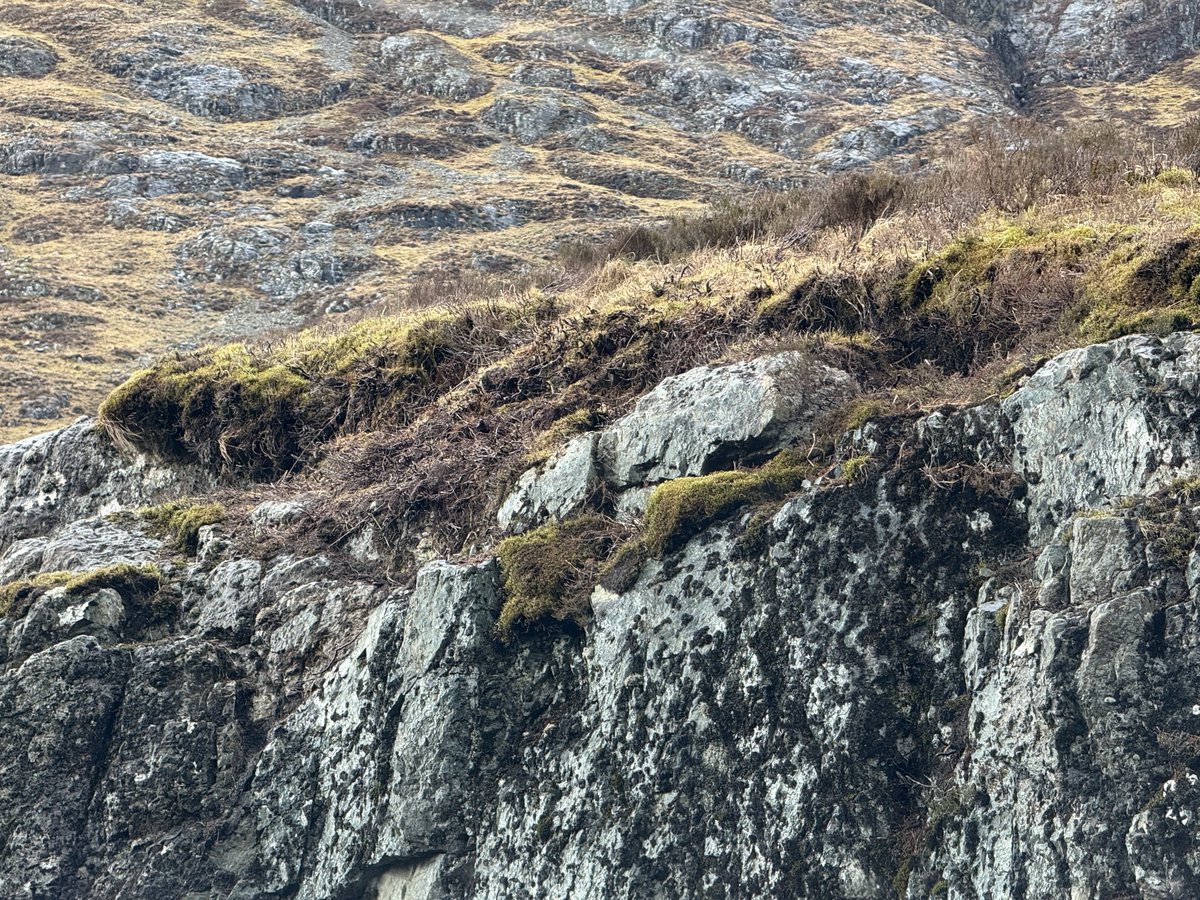
Where am I now ?
One black croc … there must be a story

English
Alan retweetledi
In 1592, one of the most famous scenes in Thai history was said to occur at Nong Sarai near Suphan Buri: the elephant duel between King Naresuan of Ayutthaya and the Burmese Crown Prince of the Toungoo Empire. The story later became a symbol of Thai independence, courage, and royal leadership.
The best known version comes from Prince Damrong Rajanubhab, whose early twentieth century biography of Naresuan shaped how the event is remembered in textbooks, murals, films, and popular culture.
The wider context was a struggle for dominance in mainland Southeast Asia. Ayutthaya had once been subordinate to Burma, but Naresuan had declared independence. After the death of Ayutthaya’s previous king in 1590, Burma believed the kingdom was vulnerable and launched another invasion.
In 1592, the Burmese army advanced through western Siam. Naresuan and his brother Ekathotsarot marched out to meet them. The armies clashed at Nong Sarai.
Ayutthaya’s forward troops were driven back, so Naresuan ordered a flanking counterattack against Burmese forces that had lost formation while pursuing. At that moment, Naresuan and his brother were mounted on war elephants in musth. Their elephants charged forward, carrying both brothers deep into enemy lines with only a few guards behind them.
When the dust cleared, Naresuan saw the Burmese Crown Prince nearby under trees with several commanders. He rode forward and issued the famous challenge:
“My elder brother, why stand in the shade? Come out and fight an elephant duel for honor. Kings in future ages will never have such a chance again.”
The phrase suggested respect and familiarity, perhaps recalling Naresuan’s youth in Burma as a royal hostage.
The Crown Prince accepted. The elephants collided in fierce combat. The Burmese side gained an early advantage, and the Crown Prince struck first with a glaive, cutting only Naresuan’s headgear.
Naresuan’s elephant recovered, drove back the opposing mount, and Naresuan struck with his glaive across the Crown Prince’s right shoulder, killing him on the elephant’s neck. Nearby, Ekathotsarot killed another Burmese commander in separate combat.
Burmese officers rushed in. Gunfire wounded Naresuan in the hand, and two attendants were killed. Ayutthaya reinforcements then reached the scene and pulled the brothers clear.
With the Crown Prince dead and command broken, Burmese morale collapsed and the invasion withdrew.
Prince Damrong considered this Naresuan’s greatest victory because elephant combat was viewed as the highest warrior ideal in older Southeast Asian warfare. He also noted that some Burmese chronicles claimed the prince died from musket fire instead. Even so, the elephant duel became the dominant version in Thailand.
Today, historians often see Nong Sarai as both a real military clash and a powerful national legend shaped through chronicles, monuments, art, and education.
facebook.com/share/p/1FPnyQ…

Thanon Nakhon Chai Si, Thailand 🇹🇭 English
Alan retweetledi

One early morning, I let my dog Tony out for a bathroom break, and then this happened... A koala lives in my yard. It is about four months old and has recently started living independently, but it is still not used to being away from its mother’s pouch or back. ✨
My dog Tony is extremely friendly and tolerant. I’m sure he won’t hurt the baby koala, and the baby will hop off his back by itself. I filmed this because it is really fun and unusual. I’m sure the cuteness of the two will bring most people joy and pleasure! Thanks! 💗
English
Alan retweetledi
Magpie throwdown at a building site in Glasgow this morning. Blurry because its out-of-focus; i wasn't quick enough to get the focus right and the camera didn't save me. For @to_glasgow.

English
Alan retweetledi

Current trail camera footage of a Pine Marten (Martes martes) at a site in Co. Tipperary. An Otter (Lutra lutra) also makes an appearance at the end of the video.
Fallen trees like this are very important natural features within rivers. As well as providing crossing points for mammals, large woody material increases habitat complexity, creates refuge areas for fish, and helps to shape natural channel structure.
Unfortunately, natural features like this are routinely removed during river maintenance works, despite the important ecological functions they provide.
English
Alan retweetledi
This is not Ai.
This is from years ago in Ireland.
I saved it on my phone and whenever I feel down and the World is getting to me I watch this on a loop for a mind reset. Works every time.
I love the fact there are people out there doing this kind of thing to give others joy.
JOY! That is the word.
We need more JOY.
JOY up your day and watch this on a loop or download it to your phone and do what I do for that JOY refix.
Or share this with your friends and give them some JOY.
x
#joy #bigbird #sesamestreet #love
English
Alan retweetledi
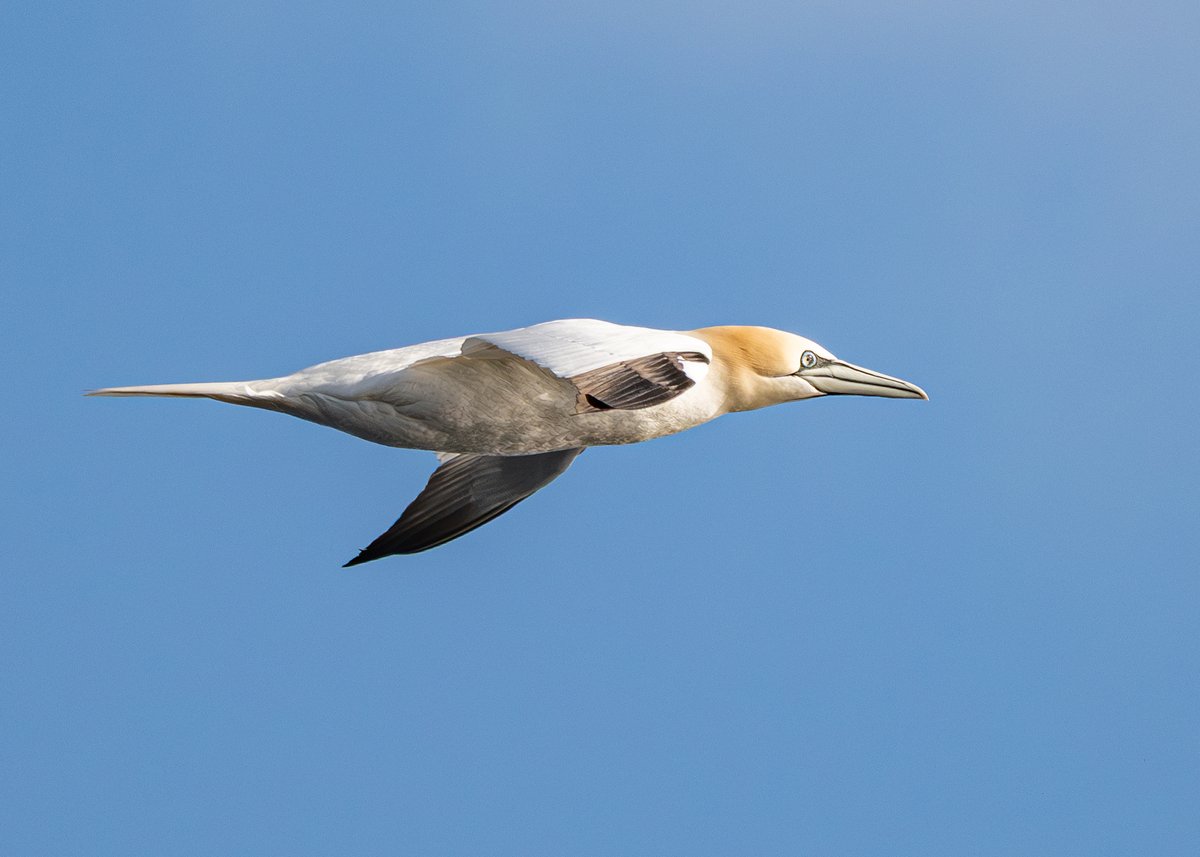
Some wildlife around the Clyde at Gourock and Greenock, Friday 10th April. Gannet, Bottlenose Dolphins, Razorbill, Grey Heron. #birds

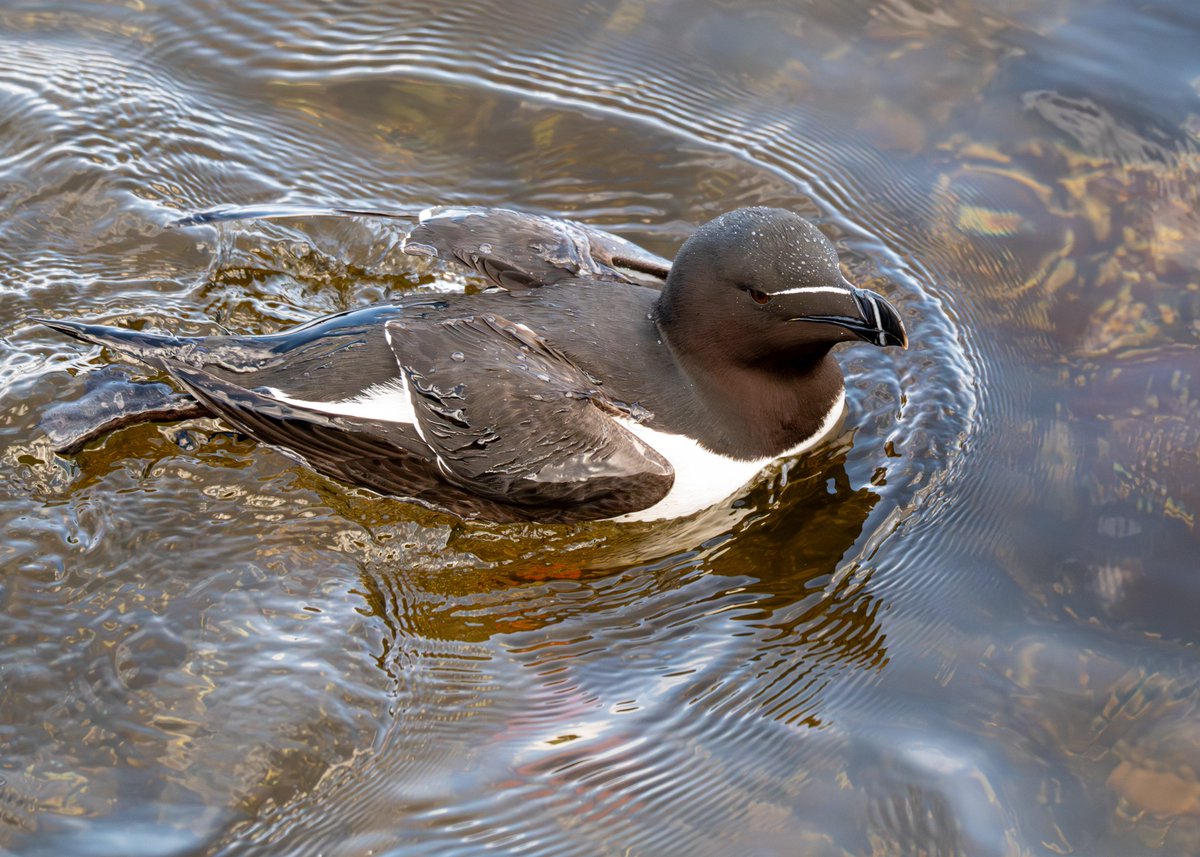
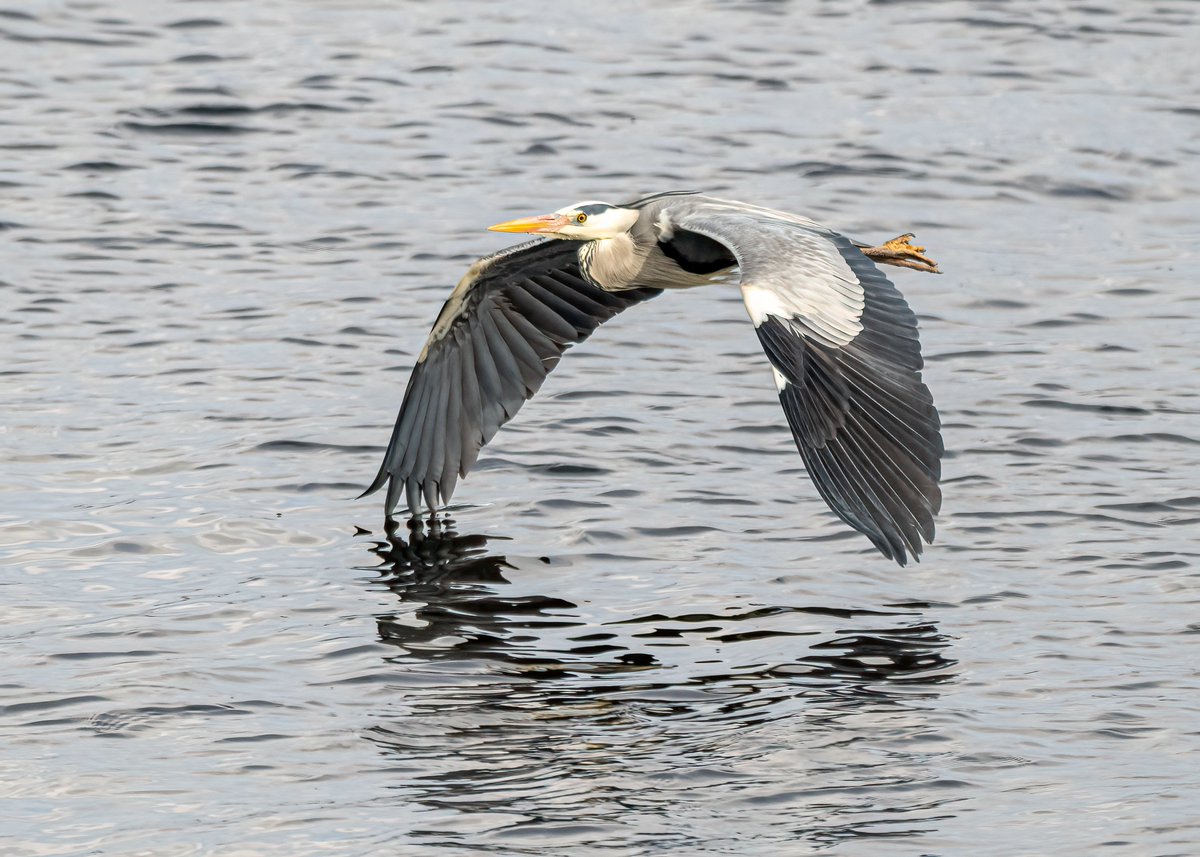
English
Alan retweetledi

funny how they aw loved the sfa when we got sent to pittodrie in the middle of stuttgart and two trips to ibrox, all in the space of 10 days. now it's all one big conspiracy 😂
English
Alan retweetledi


Alan retweetledi

A few minutes ago on Kelvin Way in the West End of Glasgow.
#glasgow #spring #glasgowtoday #snow #kelvinway @Glasgow_Live @Glasgow_Times
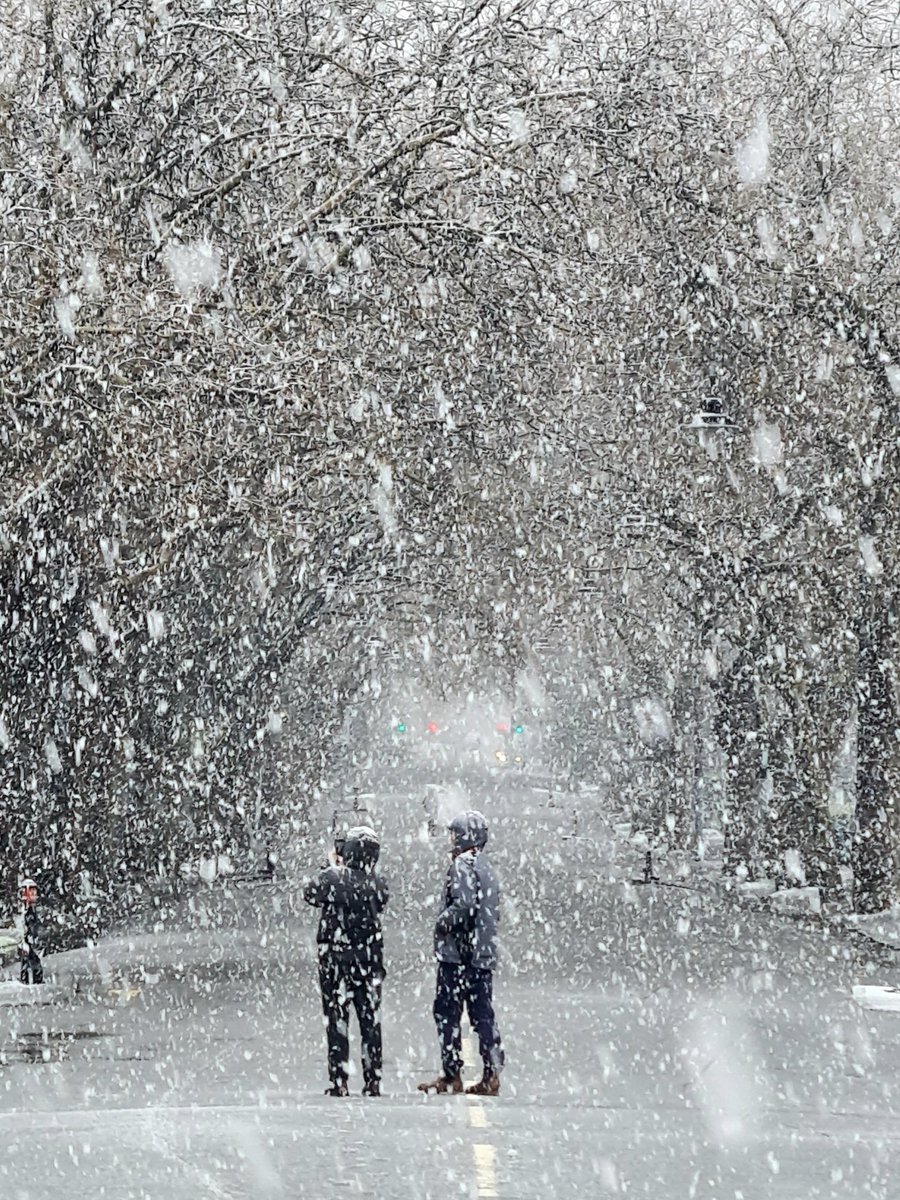
English
Alan retweetledi

What a crazy weekend!
Anyone able to come and move a giant boulder for me?
English

Hopefully a @CelticFC win today for my birthday 🎈 🙏🍀
English