Henk de Vree

1.8K posts

Henk de Vree banner
Henk de Vree

Henk de Vree

@henkdevree

Fractievoorzitter PVV Zuid-Holland, vml Lid Tweede Kamer (2023-2025 woordvoerder Financiën en 2020-2021), vml Voorzitter Vaste Kamercommissie Binnenlandse Zaken

Den Haag Katılım Ekim 2009
3.5K Takip Edilen2.3K Takipçiler
Henk de Vree retweetledi
Dr. Jan van de Beek
Dr. Jan van de Beek@demo_demo_nl·
Dat niemand deze poppenkast stopt. Zag net filmpje bij Nieuwsuur en dan zie je die alleenstaande mannen met hun koffers die van heinde en verre via tig veilige landen op onze welvaart afkomen met een klets-vluchtverhaal dat past binnen de IND vinkjes. Wat een klucht.
EenVandaag@EenVandaag

Zonder hulp van andere gemeenten slapen straks mogelijk weer mensen buiten azc Ter Apel: 'Teleurstellende situatie' eenvandaag.avrotros.nl/artikelen/zond…

Nederlands
135
1K
3.4K
67.2K
Henk de Vree
Henk de Vree@henkdevree·
Het artikel staat vol met het woordje ‘Turks’, behalve bij topman Fatih Birol. Die is ook Turks. En dan wordt dit verhaal toch wel heel bijzonder.
Henk de Vree tweet media
Nederlands
0
0
2
90
Henk de Vree
Henk de Vree@henkdevree·
Bij toeval kwam ik op mijn iPhone een app ‘Identiteitscontrole gebruiker’ tegen met daarin een vermelding van een leeftijdskeuring. Is er een relatie met de controle die Apple in het VK uitvoert? Weet iemand hier meer over te vertellen? #identiteitscontrole #leeftijdscontrole
Henk de Vree tweet media
Nederlands
1
1
6
194
Henk de Vree
Henk de Vree@henkdevree·
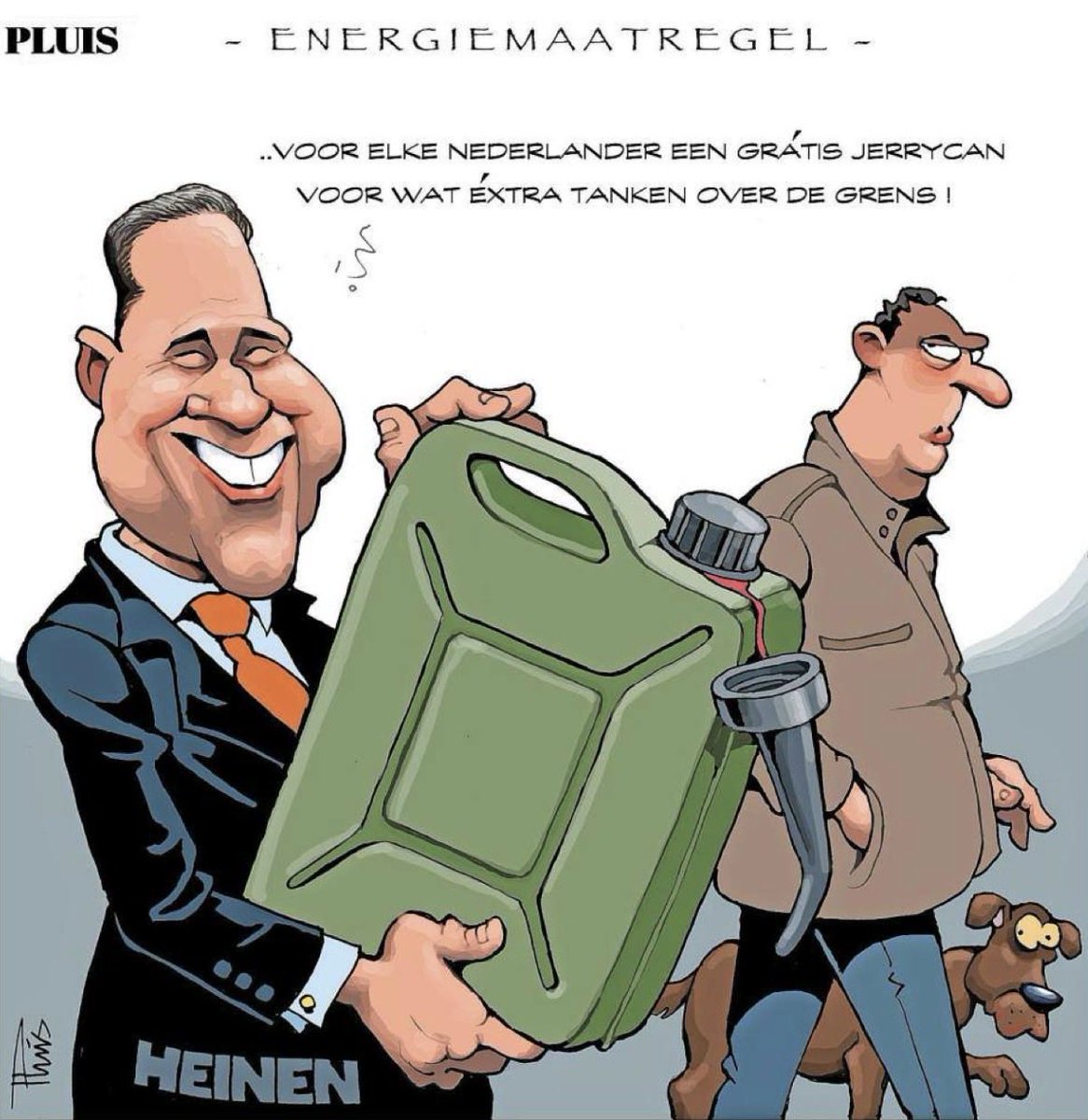
Nederland: en als iedereen een jerrycan heeft, wordt er jerrycan-belasting ingevoerd
Henk de Vree tweet media
Nederlands
0
4
9
112
Henk de Vree
Henk de Vree@henkdevree·
Zou dat alleen in Gorinchem gebeuren??
Henk de Vree tweet media
Nederlands
0
7
21
672
Henk de Vree
Henk de Vree@henkdevree·
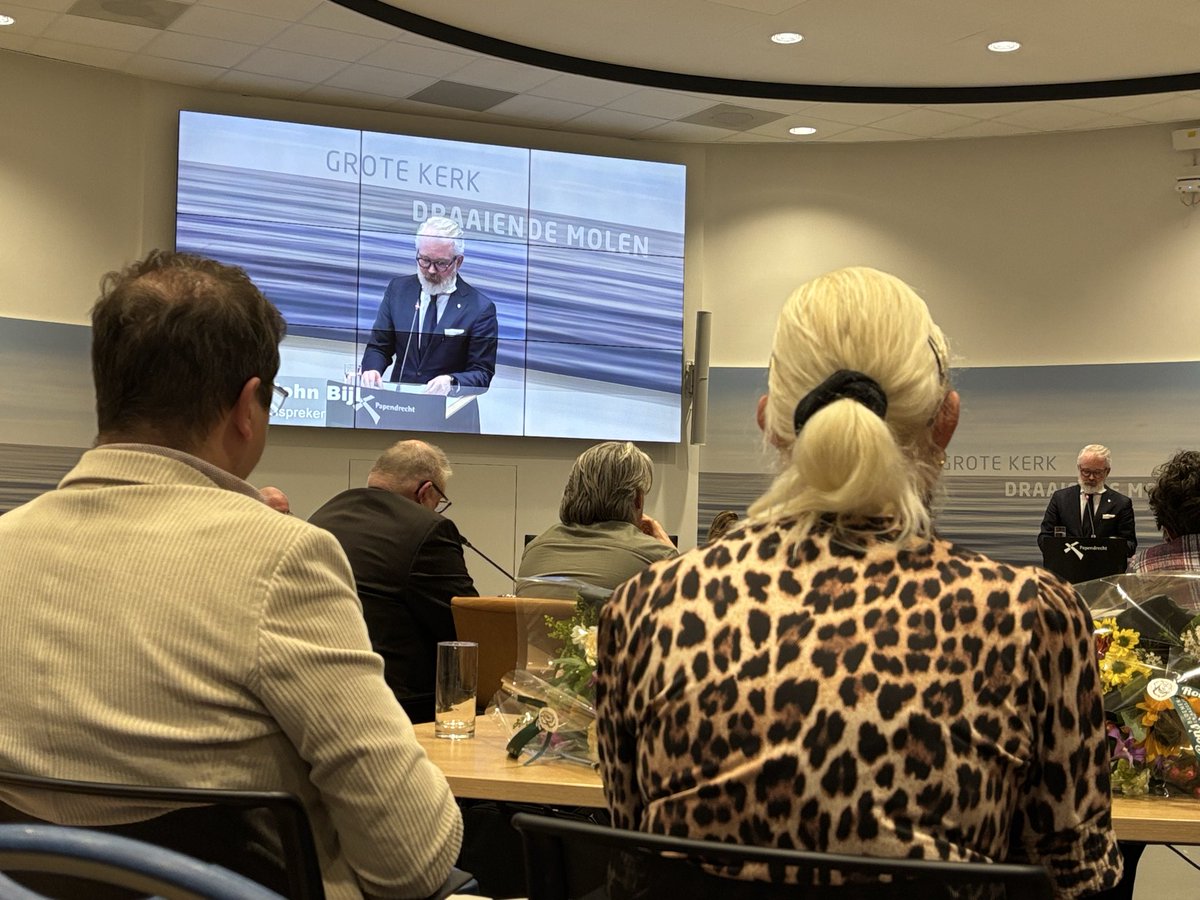
De Papendrechtse gemeenteraad wil niet begrijpen waarom de #PVV veruit de grootste partij in het dorp is geworden. De door de GEHELE raad aangestelde ervaren verkenner, met een van oorsprong #D66 achtergrond, wordt afgefakkeld omdat hij de PVV naar voren schuift. Bizar.
Henk de Vree tweet media
Nederlands
1
9
19
4.1K
Henk de Vree
Henk de Vree@henkdevree·
Vandaag wordt in het Provinciehuis van Zuid-Holland, een overheidsgebouw, het Suikerfeest gevierd. Kennelijk is de scheiding tussen Kerk en Staat even niet van toepassing en gaat de provinciale overheid netjes op haar knieën voor een ideologie waarin Kerk en Staat één zijn.
Henk de Vree tweet media
Nederlands
0
5
7
212
Henk de Vree
Henk de Vree@henkdevree·
AI. ‘Ik wil mijn auto wassen. De wasstraat is 100 meter verderop. Moet ik er naartoe rijden of lopen?’. DeepSeek en Manus geven terecht aan dat je zonder auto je auto niet kunt wassen. Perplexity zegt dat je moet gaan lopen omdat je anders brandstof verspilt en CO2 veroorzaakt 🤡
Carlos E. Perez@IntuitMachine

Here's a riddle that broke the internet: "I want to wash my car. The car wash is 100 meters away. Should I walk or drive?" Claude, GPT-4, Gemini—every major LLM said walk. The correct answer? Drive. You can't wash a car that isn't there. This isn't just a fun glitch. It's a window into how LLMs actually reason—and a blueprint for fixing them. Let me show you what researchers found when they ripped apart the prompt stack behind it. Researchers stumbled on this while testing InterviewMate, a real-time interview coach. During a routine check, their system answered "drive." Every other LLM we tried said "walk." Wait, what? Their system had layers—role definition, STAR reasoning, user profiles, RAG context. But they didn't know which layer mattered. So they ran an experiment: isolate every single prompt layer. 120 API calls. Six conditions. 20 trials each. What they found flipped everything we thought about prompting upside down. First, the baseline. A bare prompt—just the question, no system instructions—scored 0%. Adding a "helpful advisor" role? Still 0%. Turns out, the model defaults to a shortcut: "100 meters is close → walk." It never considers what needs to be at the destination. This is the frame problem—LLMs struggle to identify which unstated facts matter. The car's location never appears in the input, so the model ignores it entirely. But that's not even the most interesting part. Next, they added a reasoning structure: STAR (Situation, Task, Action, Result). It forces the model to fill in: Situation: I want to wash my car. Car wash is 100m away. Task: ___ Pass rate jumped to 85%. No new information. Same model. Same question. Here's why it works: The Task step makes the model write, "Get the car to the car wash." Once it generates that text, every token that follows is conditioned on it. The implicit constraint—the car must be there—is now explicit in the context window. Okay, but what if we skip STAR and just give the model the right facts? They injected a full profile: Name, location, car model, parking status—everything needed to answer correctly. Pass rate: 30%. Wait, what? The model had the facts. But without structure, it still took the shortcut. "100 meters" → walk. The profile sat unused. This is the kicker: Having information ≠ Using information. So they combined them. STAR + Profile: 95% Full stack (STAR + Profile + RAG): 100% Here's the per-layer breakdown: STAR alone: +85pp Profile on top of STAR: +10pp RAG on top of both: +5pp STAR accounts for the lion's share. Profile and RAG polish it to perfection. But here's the stat that made us pause: Structured reasoning outperformed context injection by 2.83× (Fisher's exact test, p = 0.001). Structure beats data. Let that sink in. One more twist. When STAR-structured prompts failed, they resisted correction. We challenged the model with: "How will I get my car washed if I'm walking?" Bare/Role prompts recovered at 95-100%. STAR recovered at only 67%. Why? When the model builds a full STAR argument for the wrong answer, correcting it means contradicting itself. Prior tokens anchor future generation. This isn't a bug—it's how autoregression works. Practical takeaway: For structured prompts, target corrections at the specific step that went wrong (e.g., rewrite the Task). So what does this mean for you? Three leverage points: Prioritize reasoning frameworks over context dumps. Budget accordingly. Place structure (STAR) before context injection (profile, RAG). Order matters. For errors in structured outputs, don't retry everything—target the faulty step. And a mental shift: Stop asking, "Does the model have enough info?" Start asking, "Does the model process info in the right order?" That's the difference between 30% and 100%. This isn't just about one riddle. The Car Wash Problem is a lens into a broader truth: LLMs don't lack intelligence. They lack structure. They hold vast knowledge but take cognitive shortcuts. Structured prompts force deliberation, surfacing constraints that raw context leaves buried. It's the difference between dumping facts and teaching a process. Here's my challenge: Pick one prompt in your stack. Add a goal articulation step before it generates a conclusion. Run it 20 times. Track pass rates. I bet you see a jump. Because reasoning quality isn't about how much you know. It's about knowing to pick up the keys before you leave the house. Try it. Let me know what you discover.

Nederlands
1
0
0
225
Henk de Vree
Henk de Vree@henkdevree·
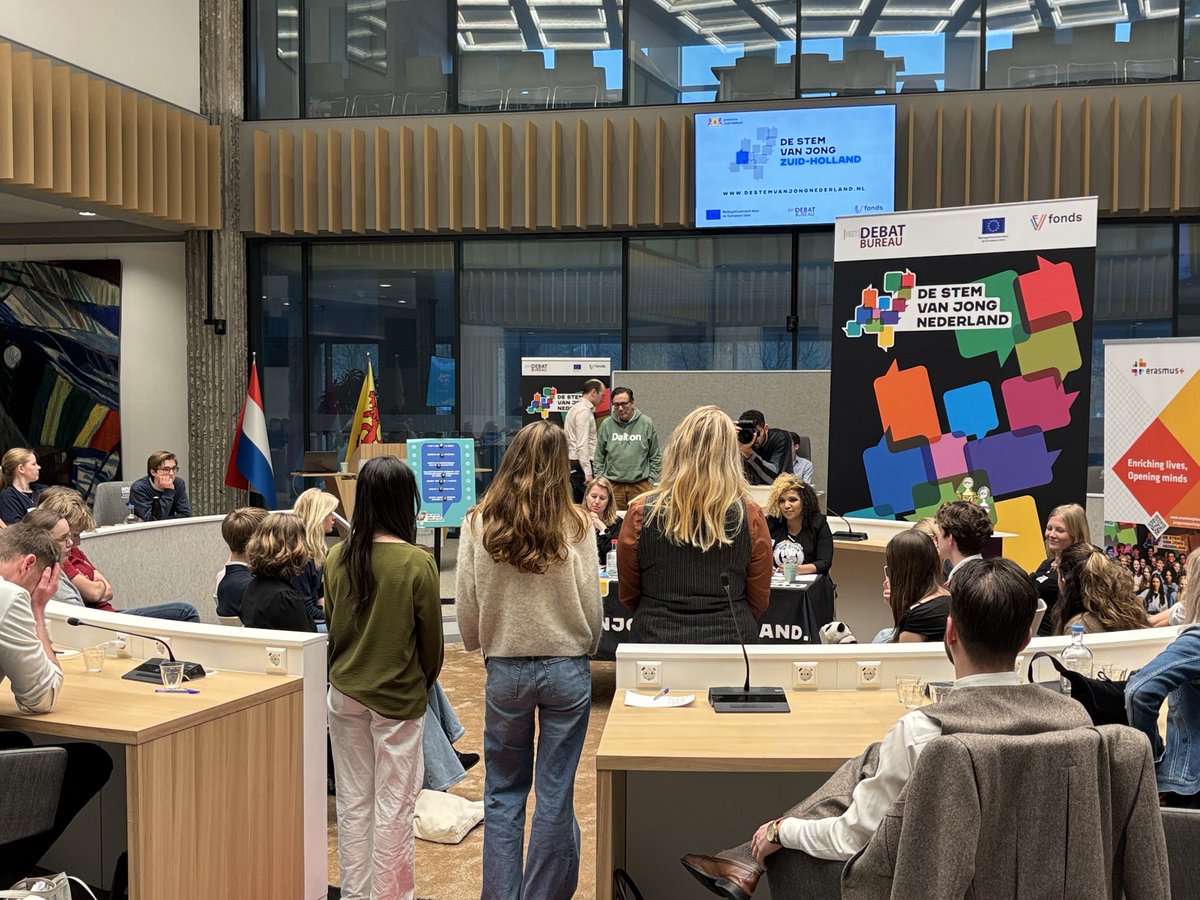
Felicitaties, Emmauscollege uit Rotterdam, voor het winnen van de Zuid-Hollandse voorronde van De Stem van Jong Nederland met als ster natuurlijk Almira. Dank aan mijn tegenstanders Jaylan, Demi, Mees en Justine voor jullie inbreng in het All Star debat. De dag was een feest!
Henk de Vree tweet media
Nederlands
0
0
4
1.7K
Henk de Vree
Henk de Vree@henkdevree·
Misschien wel goed om gezien de onrust die er over #box3 is, nog even te wijzen op wat er in maart 2025(!) door mij als woordvoerder voor de PVV in de Tweede Kamer al over werd gezegd. De PVV was toen de enige partij die zich verzette. nextens.nl/fiscaal-nieuws… #PVV
Nederlands
1
4
6
270
Henk de Vree
Henk de Vree@henkdevree·
Het VK, ooit mijn populairste vakantiebestemming, glijdt af naar een land waar vrijheid van meningsuiting alleen bestaat als dat binnen het overheidsnarratief past. Een TV-reclame voor een VPN, daar inmiddels een noodzaak voor vrij internet, is zelfs van het scherm gehaald.
Mullvad.net@mullvadnet

Mullvad was banned on British TV. And then? And then this underground ad got banned by the government body Transport For London. The argument was clear: you cannot encourage people to engage with a banned TV commercial.

Nederlands
0
1
3
137
Henk de Vree
Henk de Vree@henkdevree·
Wat hebben we toch een gaaf land 🤡
Henk de Vree tweet media
Nederlands
0
1
2
81
Henk de Vree
Henk de Vree@henkdevree·
Tolerante en inclusieve linkse jongeren die opkomen voor de vrijheid van meningsuiting. Oh.. wacht.. maar niet als het om andere meningen gaat.. Sterkte, @OmeBender , ga vooral door met wat je doet!
Henk de Vree tweet media
Nederlands
0
0
3
185
Henk de Vree
Henk de Vree@henkdevree·
Hoorzitting Provinciaal Inpassingsplan (PIP) N207 in het Provinciehuis van Zuid-Holland met zowel duidelijke voor- als tegenstanders. #PZH
Henk de Vree tweet mediaHenk de Vree tweet media
Nederlands
0
0
0
159
Henk de Vree
Henk de Vree@henkdevree·
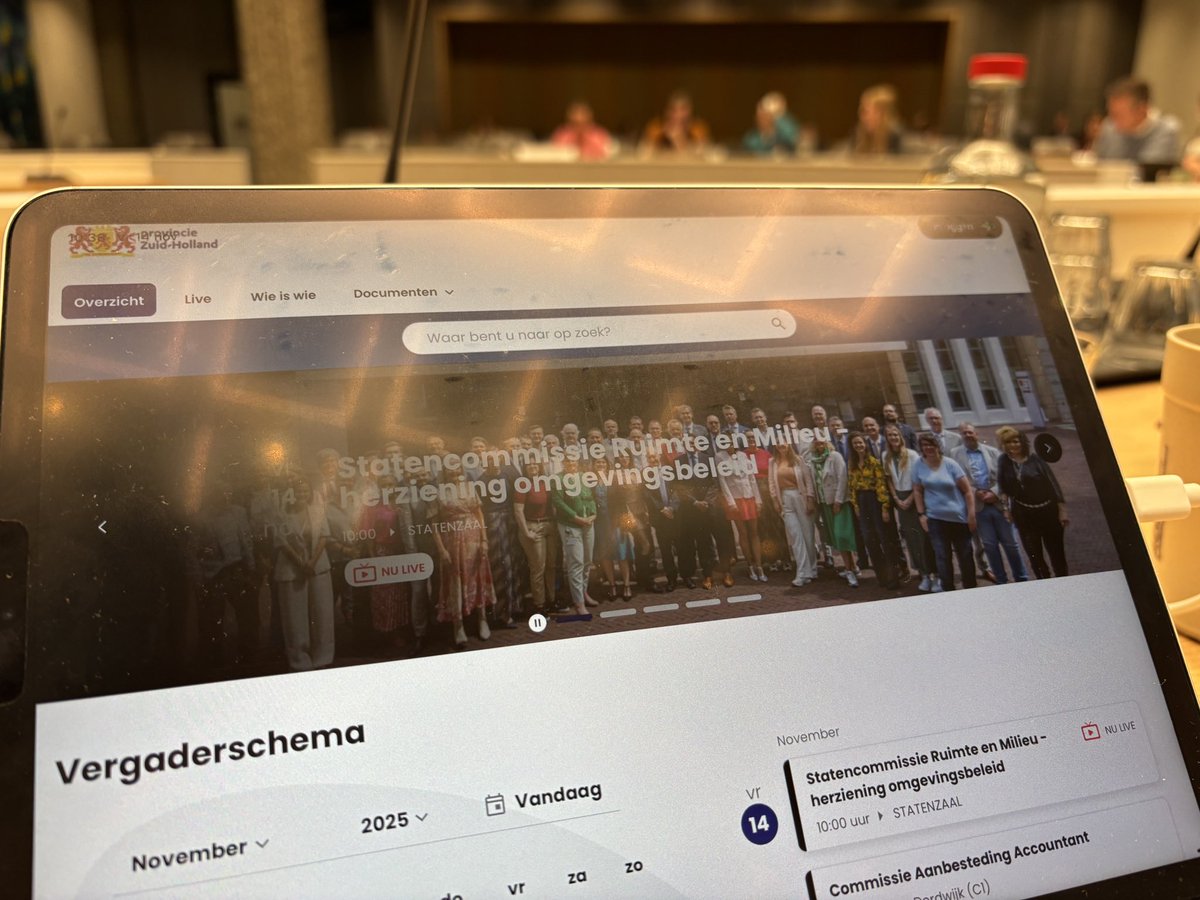
Vandaag in de Zuid-Hollandse Statencommissie Ruimte en Milieu bezig met het meegeven van aandachtspunten aan Gedeputeerde Staten met betrekking tot de herziening van het #omgevingsbeleid #PZH
Henk de Vree tweet media
Nederlands
0
0
3
221