For over a decade, the NHS repeatedly refused to perform a tubal ligation on Leah Spasova, claiming that she might regret the loss of her fertility, even though she was clear that she didn’t want children.
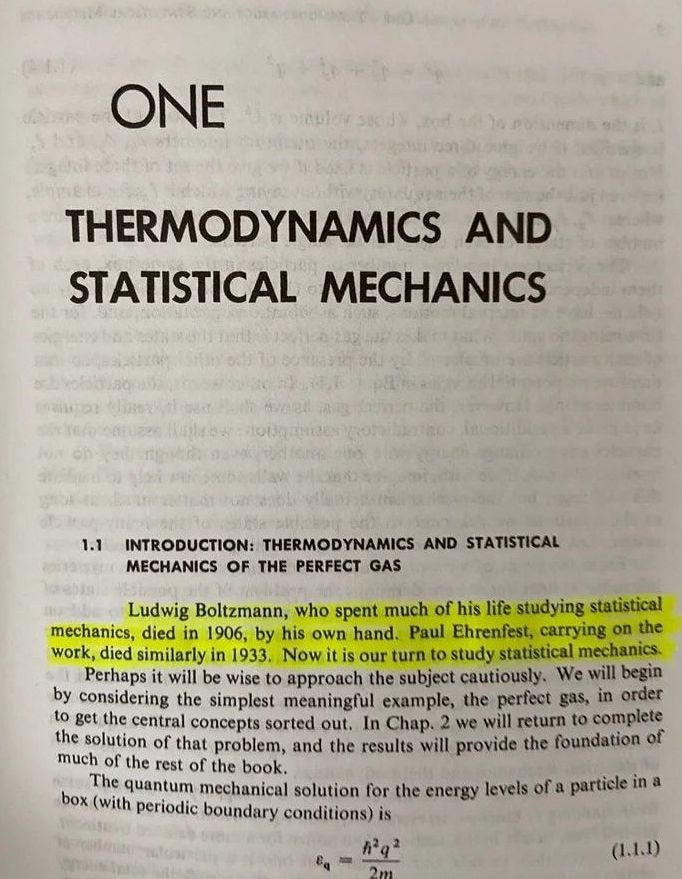
I had a similar experience when I asked for a hysterectomy for medical reasons. Doctors repeatedly placed the fertility I had never wanted over my ability to live my life without fighting through crippling pain that got increasingly worse as I got older. It took me almost ten years to get the operation approved, and it was life changing — which only made me angrier.
I endured almost a decade of unnecessary agony because the medical industry values a woman’s fertility more than it does her quality of life, her feelings about potential children, and her right to make decisions about her own reproductive future…unless, of course, that woman claims to be a man.
The same doctors who will deny hysterectomies for medical reasons will gladly perform them to bolster the delusions of mentally ill women. They’ll cut the breasts off of 13 year old girls, and sterilize young gay men who present with gender confusion. But let a woman make an informed decision for legitimate medical reasons? How ridiculous!
theguardian.com/society/2026/m…
The Prodigy - No Good (Start the Dance) (1994)
Second extract as a single from their classic second album, Music for the Jilted Generation, issued on the XL Recordings label. Samples Kelly Charles' You're No Good for Me. NME ranked this as one of "100 Best Songs of the 1990s".
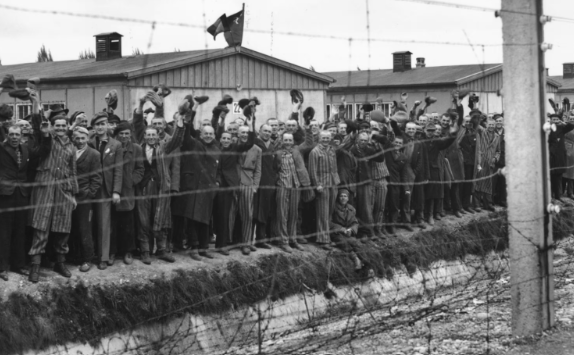
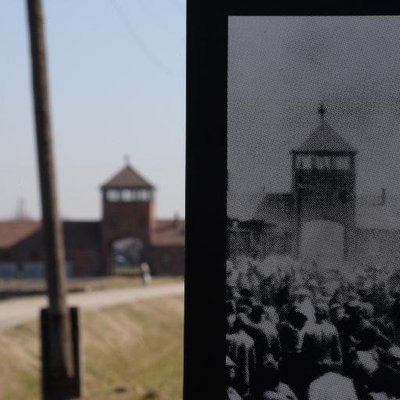
The post above is an example of Holocaust denial.
See our page debunking many deniers’ lies. You will find short responses and links to texts addressing frequently recurring denialist claims, which are ready for you to copy and share: auschwitz.org/en/stop-denial/
Learn about strategies employed by Holocaust deniers to spread misinformation and falsehoods.
Online lesson: lekcja.auschwitz.org/negacjonizm_en/
Podcast: auschwitz.org/en/education/e…
Denial of the existence of gas chambers is a disgraceful assault on the memory of all those people: Jews, Poles, Roma, Soviet prisoners of war, and all other victims. It is also a slap in the face to those prisoners who risked their lives to document and convey the truth about German crimes, as well as to the Survivors who still bear the trauma of their personal experiences.
Holocaust denial has nothing to do with the truth. It is a mendacious conspiracy theory. A dangerous & hideous carrier of antisemitism & hatred that hurts people. Deniers harass & insult the memory of the victims.
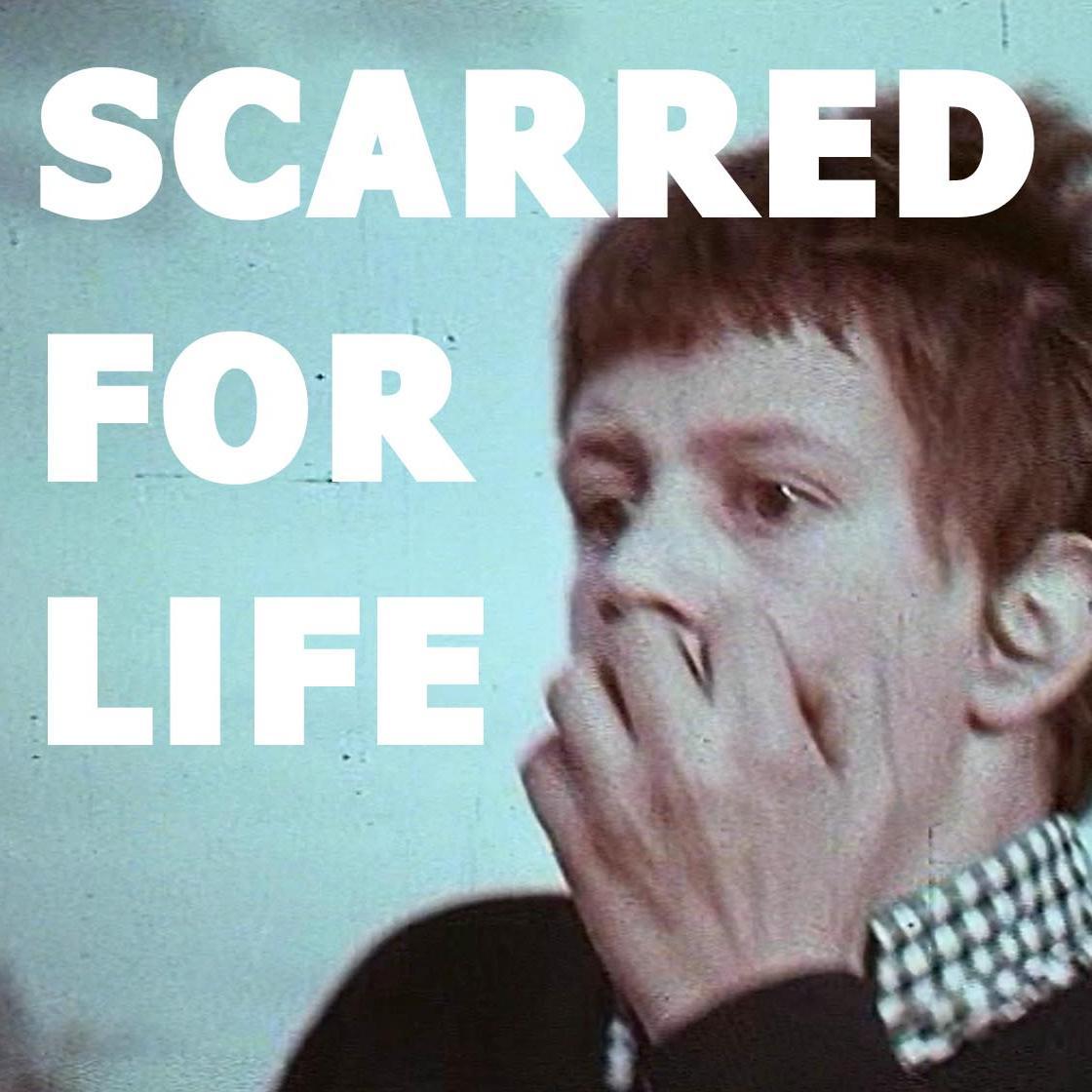
Children's eco-folk horror serial RAVEN (1977), written by Children of the Stones' Trevor Ray and Jeremy Burnham. Phil Daniels plays a borstal boy (and reincarnation of King Arthur) who fights to stop nuclear waste from being dumped on the site of an ancient cave system...
Happy Mondays - Dennis and Lois
A sun-kissed blast of Balearic keyboards, full fat bass, and OD allusions. For a band of musicians who supposedly didn’t take themselves seriously, this is just glorious.
1990.
In the 20th century when men shot women, at least on this island, what happened next largely depended on their first words to Gardaí or R.U.C.
The magic word was 'oops!'
Pretty much every man knew the magic word, which led to an epidemic of 'oops!' and injustice. /1
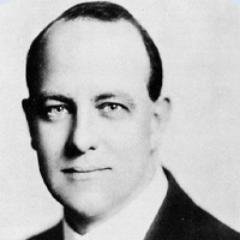
A young man with dark circles under his eyes was propping himself up against a penny-in-the-slot machine. An undertaker, passing at that moment, would have looked at this young man sharply, scenting business. So would a buzzard.
Miles Davis composed the Elevator to the Gallows (1958) score in a single session while watching the film. After noting a rough cut, he gathered 4 musicians without rehearsal & recorded it in one take, creating a landmark in improvised film scoring.
In MUNICH (2005), Spielberg uses a car mirror moment to show his mastery of visuals: he uses the car as a dolly, a zooming lens, and Eric Bana’s blocking to stitch multiple “shots” into one seamless move.
Origins of Purple Rain,
Purple Rain' was originally written as a country song, and was intended to be a collaboration with Fleetwood Mac singer Stevie Nicks.
According to Nicks, she received a 10-minute instrumental version of the song from Prince, with a request to write the lyrics, but she felt overwhelmed by the task.
She later said: "I listened to it and I just got scared. I called him back and said, 'I can't do it. I wish I could. It's too much for me.'"
Prince then asked his backing band to try the song: "I want to try something before we go home. It's mellow."
According to Lisa Coleman, Prince changed the song dramatically after Wendy Melvoin started playing the guitar to accompany the song: "He was excited to hear it voiced differently. It took it out of that country feeling.
"Then we all started playing it a bit harder and taking it more seriously. We played it for six hours straight and by the end of that day we had it mostly written and arranged."
Prince's explanation on the meaning of 'Purple Rain':
"When there's blood in the sky – red and blue = purple... purple rain pertains to the end of the world and being with the one you love and letting your faith/god guide you through the purple rain."
After recording the song, Prince phoned Journey member Jonathan Cain, to ask him to listen to it.
Prince was concerned that it might be too similar to Journey's 'Faithfully', a song composed by Cain which had recently been in the US charts.
However, Cain reassured Prince by saying that the songs only shared the same four chords.
"I thought it was an amazing tune," Cain said. "I told him, 'Man, I'm just super-flattered that you even called. It shows you're that classy of a guy. Good luck with the song. I know it's gonna be a hit.'"
Ladies and gentlemen,
Prince performing a special and an absolute classic song, Purple Rain, live at Paisley Park, in 1999.
Credits for the background information: @SmoothRadio
A lovely clip of Daphne Du Maurier aged 64. I miss this generation of women who looked as they were and felt no shame.
Refusing to be crushed by ageist, sexist expectations & not being modified to look 35 forever.
#actingYourAgeCampaign#DontCastHerOut
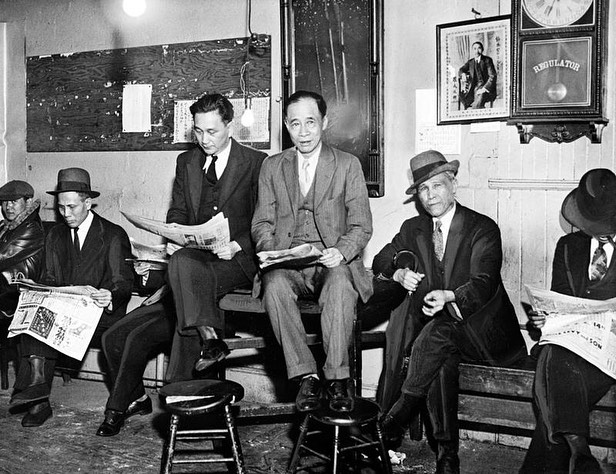
"Poor people across the world have never worn suits."
Not true. Here are some examples:
— Members of Hip Sing Tong, a Chinese-American gang during the early 20th century. The were involved in a famous gang war against the Four Brothers and On Leong Tong for control of Chicago.
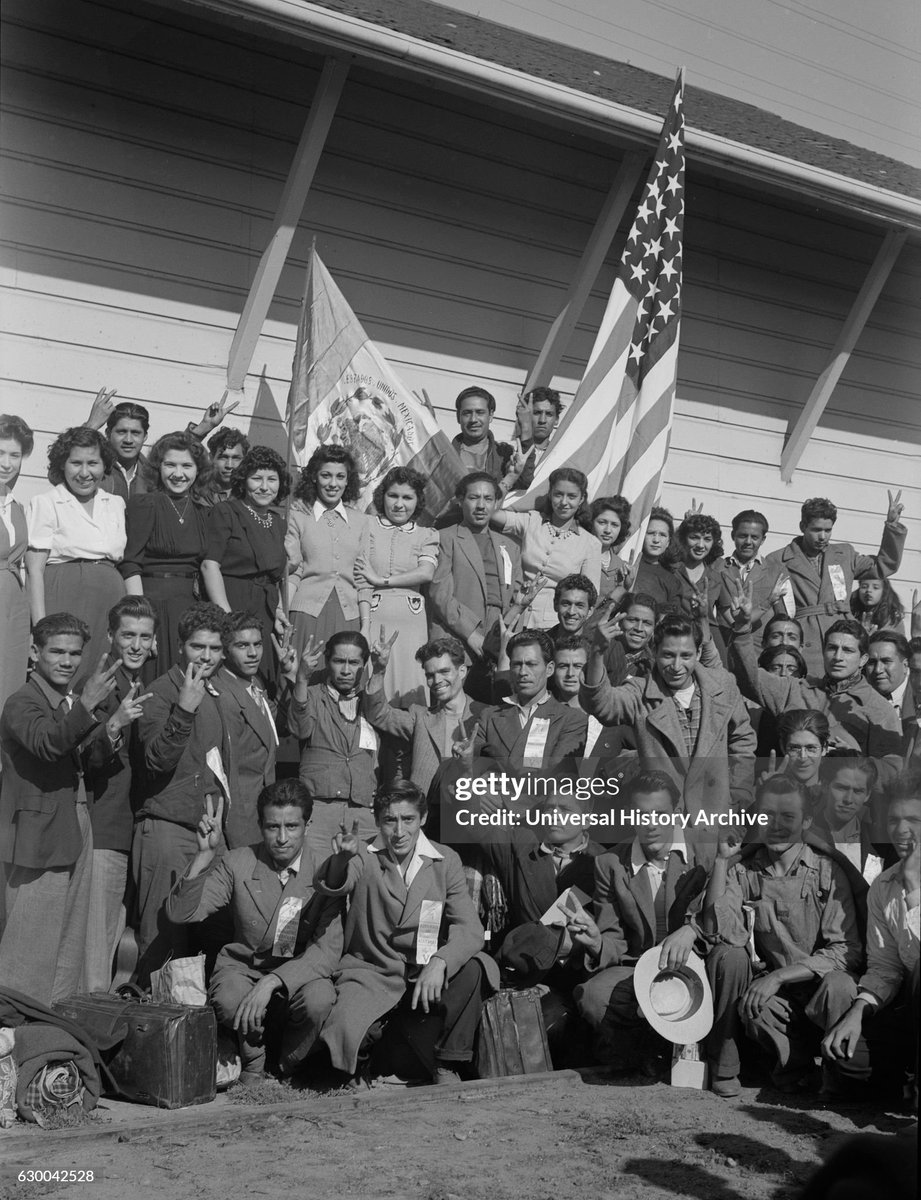
— Mexican migrant laborers arriving by train in California to harvest beets. The United States has long relied on their labor for agriculture, even as the government denies them rights and, when convenient, labels them as "enemies" for political purposes.
— Italian guest workers in Switzerland during the 1950s. There was a huge anti-immigrant backlash against them in the 1960s.
— Sapeurs (men) and sapeuses (women) in the Democratic Republic of the Congo. These people hold working-class jobs, such as driving taxis and maintaining gardens, but spend their off-hours dressing up. Photographer Tariq Zaidi has a book about them titled Sapeurs.
The suit, in fact, started as a working-class garment. It was the uniform of clerks and administrators who sat a few rungs below doctors, lawyers, and members of Parliament (who wore a more formal garment called the frock coat).
Historian Peter K. Andersson has a book titled The Dandy: A People's History of Sartorial Splendour. It's about how working-class people have used tailoring to fashion themselves and create new identities outside of those imposed on them by socio-economic circumstances. You may enjoy reading it.
An observation test for your inner 8-year-old.
Can you spot 12 deliberate mistakes?
From Treasure magazine, 1965
Official answers coming soon
(Even if you don’t reply, could you please ‘like’ or share this one?)