Sabitlenmiş Tweet
hima
9K posts

hima retweetledi
hima retweetledi
hima retweetledi

@sabato__n Okay not a Japanese but it's a jp resource - have you seen doujin making planner??? You can divide all the parts of making doujin and approximate how much each would take you, compare that with time you have and figure out how much harder you gotta work qovo.jp/dojin-techo
English
hima retweetledi
hima retweetledi
hima retweetledi
hima retweetledi
hima retweetledi
hima retweetledi
hima retweetledi

✦ 2 DAYS LEFT ✦
DO YOU WANNA BE A [[Big Shot]]? APPLICATIONS [[Open!]] SOON, GET READY!
✨: deltarunebox.carrd.co
✨: zaqa.net/deltarunebox
#DELTARUNE
GIF
English
hima retweetledi
hima retweetledi
hima retweetledi

To my friends overseas who are serious about learning anime background art
These downloadable videos are available for purchase even from overseas. Learn traditional Japanese techniques from real professionals!
ニッカーオンラインショップ【公式】 NICKER ONLINE SHOP@nicker_shop
We are pleased to announce the release of a new video—our first in about a year. This video was created in collaboration with animation art director Yoichi Watanabe. This video focuses on “how to paint clouds”—a crucial element in animation backgrounds. In addition, the segment titled “Cumulonimbus Clouds: Distant View” includes scientific explanations as we paint. If you’re interested in learning how to paint clouds, please visit the Nicker Online Shop. nicker-shop.com/?category_id=6…
English
hima retweetledi
hima retweetledi
hima retweetledi

#スーパーゲ制デー
#IndieDev
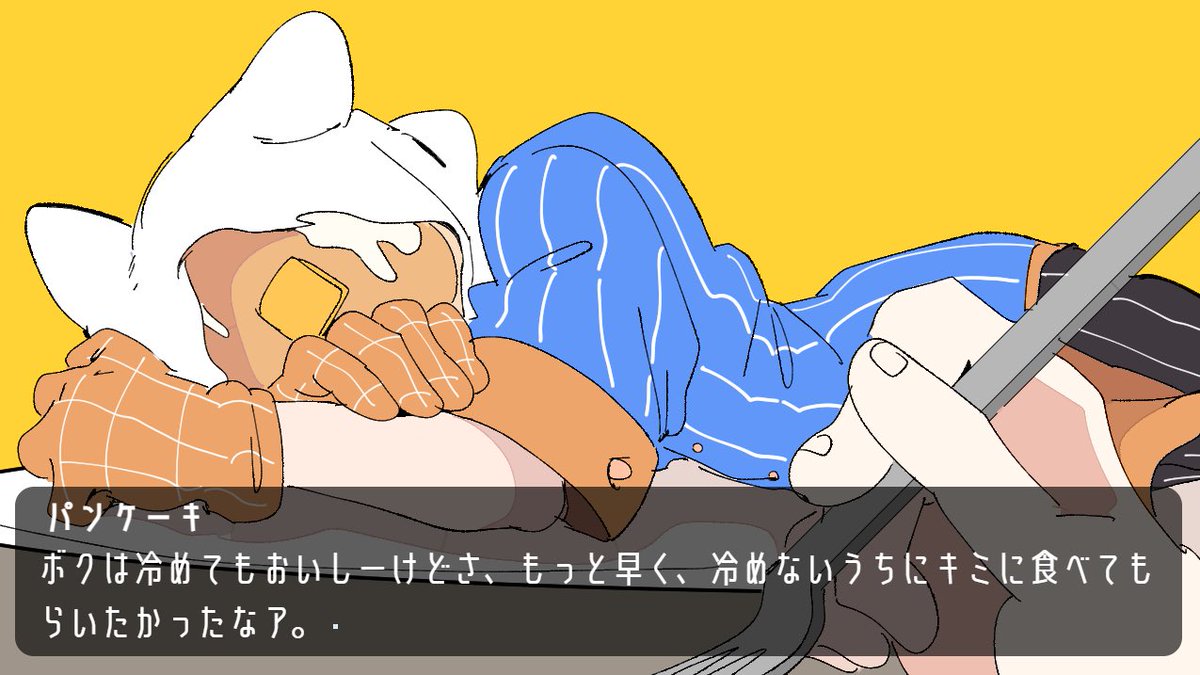
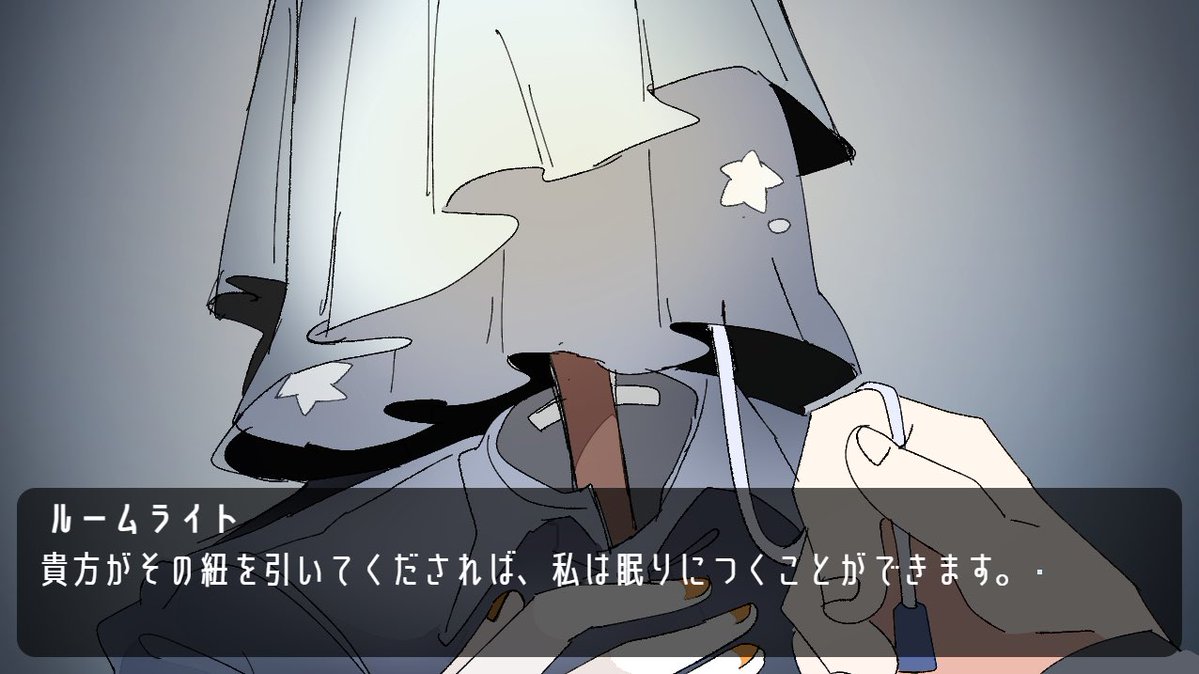
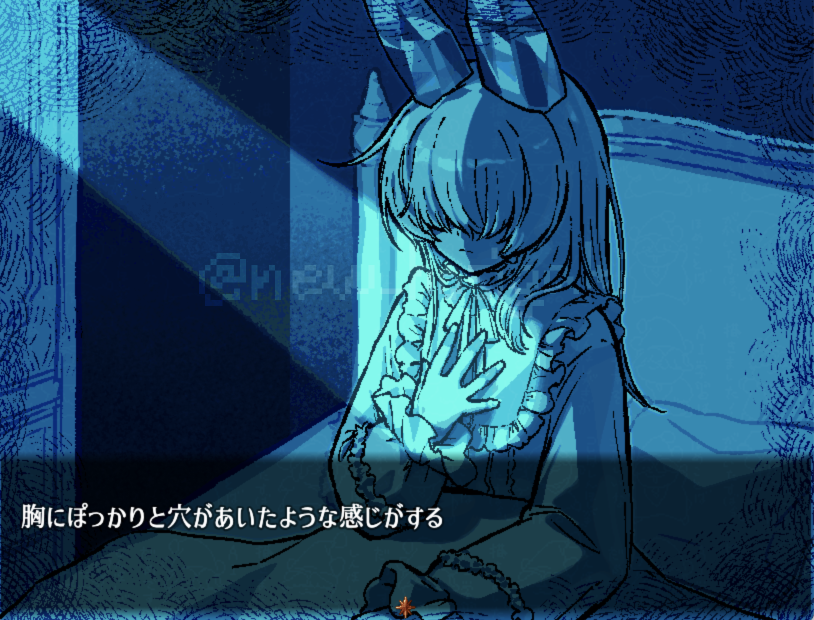
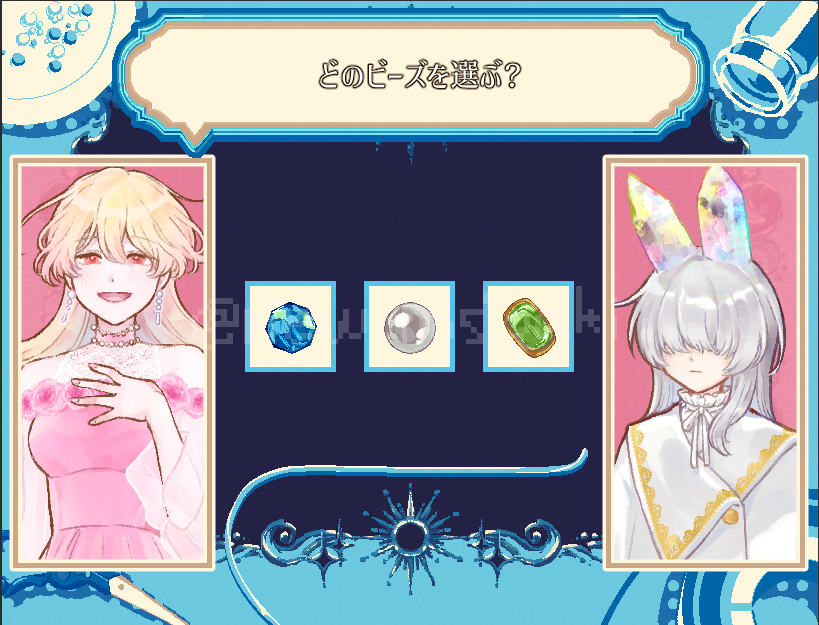
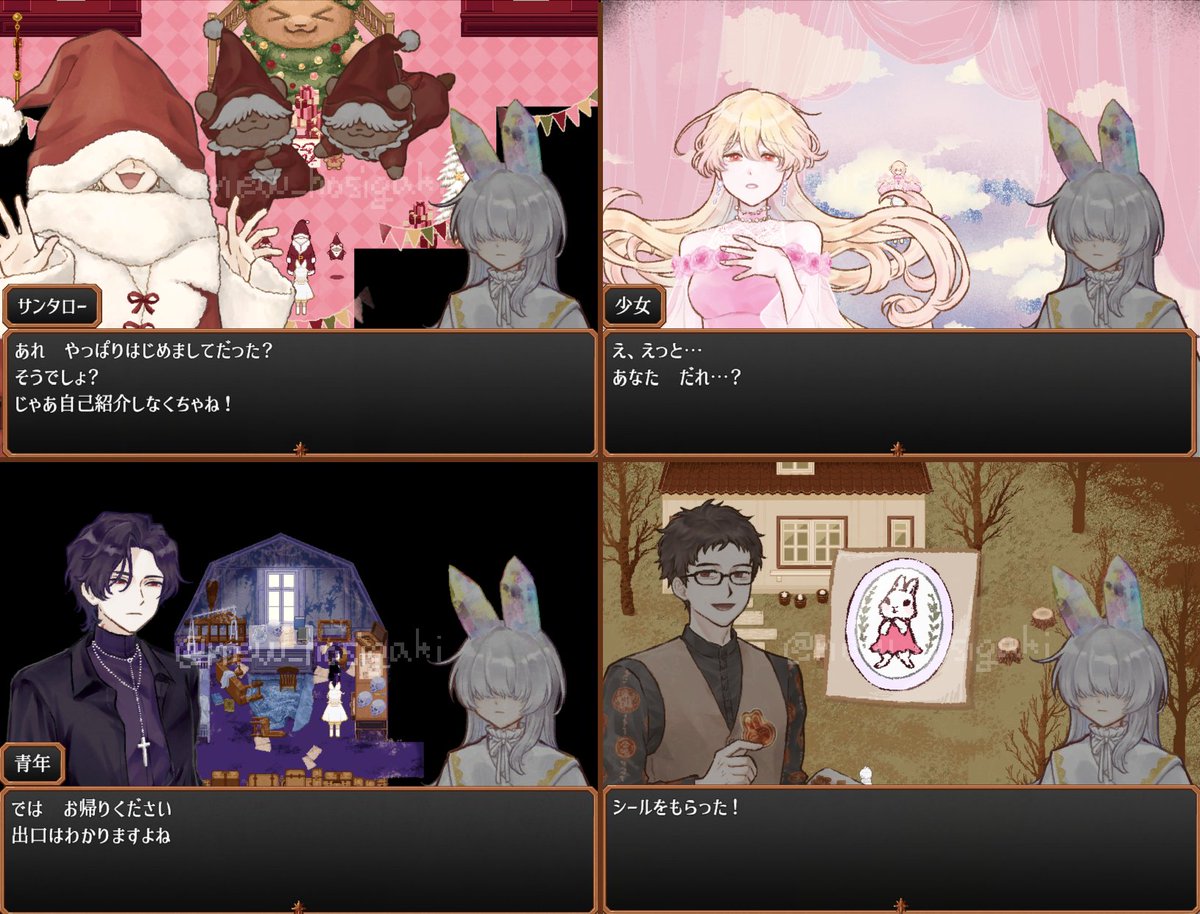
人間の手でしか生命活動を終えられない『物人外達』と、この世界で唯一の人間である主人公の『あなた』
食べて、使い切って、破壊して人外達の望む終わり方を叶えてあげよう🍴
という感じの人外キャラゲーを2年くらいかけて制作・Steamにて公開予定!🥞


日本語
hima retweetledi
hima retweetledi

Let’s make some Gothic Lolita accessories! ✨
Today’s project: The Spindle Headdress. 🎀
I’m going to show you how to handmade your own cute headdress!
We’ll start from the pattern and take it nice and slow. 🥰
No sewing machine? No problem! You can do it all by hand. It’s not that difficult, so let’s take our time and enjoy the process!
🎀Things to Prepare🎀
- Graph paper (1cm grid recommended) or regular paper and a ruler
- Pencil, eraser
- Compass or French curve ruler (freehand is fine if you don’t have one)
- Use the dimensions from the image as a reference for scaling (the image shows actual size, so measure in cm if drawing 1:1)
🎀Overall View of the Pattern🖊📄📏
The pattern in the image is the base piece of the headdress (a rectangular shape with curved details). Place it on fabric and cut. Main dimensions:
- Height (vertical): 12.5 cm
- Width (bottom edge): 20 cm
- Top width: 4 cm
- Curved section: symmetrical zigzag lines (4 horizontal lines spaced 1 cm apart, with star-like marks)
- Curve starts 4 cm up from the bottom edge
- Assume fold lines and seam allowance of about 1 cm (not specified in the image, so add standard amount)
Draw just one piece like this — you’ll use it to cut fabric twice (double layer).
🎀Pattern Drafting Steps📏📄५✍⋆*
1. Draw the base rectangle:
- On the paper, draw a rectangle 20 cm wide × 12.5 cm tall. Bottom is straight 20 cm, top is also straight.
- Draw a vertical center fold line at 10 cm. This helps keep everything symmetrical.
2. Narrow the top width:
- Leave 4 cm in the center at the top edge, then slant inward from both ends (like trimming the sides).
- The image shows the top as a 4 cm straight line, with gentle curves connecting down to the bottom.
- Specifically: From the bottom corners, go straight up 12.5 cm, then from the top edge move inward 2 cm on each side and mark points. Connect to form the 4 cm top.
3. Draw the curves:
- Draw a horizontal line 4 cm up from the bottom (this is where the curve starts).
- Replicate the zigzag pattern from the image: Draw 4 horizontal guide lines spaced 1 cm apart (up to 4 cm).
- Mark zigzag points along each guide line. The image has star marks (*) and symmetrical curves.
- Example: From the center of the bottom line, create wavy points left and right (about 2–3 cm spacing for peaks and valleys).
- Use a compass for smooth arcs: connect gentle curves with about 4 cm radius.
- From 4 cm up to 12.5 cm, connect with straight lines or gentle curves. The image looks somewhat trapezoid-shaped, narrowing toward the top.
4. Add extra markings:
- Copy any labels from the image like “1cm intervals,” “left center,” “right center,” etc.
- Add notches (small cuts) on the bottom and top edges for matching when sewing.
- Add 1 cm seam allowance around the outer edge (draw as dotted line).
5. Note down the ribbon and lace measurements separately:
- Draw these on another sheet since they’re straight strips.
- Ribbon A: 37 cm × 5 cm (base)
- Ribbon B: 56 cm (decoration?)
- Lace A: 30 mm wide × 60 cm
- Lace B: 50 mm wide × 60 cm
- Lace C: 38 mm wide × 27 cm (for hair pins?)
- Ribbon (rosette?): 15 mm wide × 186 cm
- These are just straight lines — measure and draw with a ruler.
🎀Tips for Drafting🎀
- You can enlarge and print the image to trace it. But drawing your own makes resizing easy (e.g., shrink the bottom to 18 cm to fit a smaller head circumference).
- If curves are hard, use a French curve ruler or fold the paper in half for perfect symmetry.
- Once finished, test the pattern by pinning it to fabric and making a mock-up. Refer to the steps in the image (gather the lace and sew it on) while adjusting.🎀✨
Leaf 🦊🌱@Vhsvapordream
@wish_mayu I have this book for sewing and projects that might be helpful for beginners 💗 「ゴスロリこものを手作りしましょ」
English
hima retweetledi