Abhinav

3.8K posts

Abhinav

Abhinav

@hinduEngine

Katılım Mayıs 2015
30 Takip Edilen35 Takipçiler
Abhinav
Abhinav@hinduEngine·
To election lade, normal protest kare, bahut sare ways h apni demands implement krwane ke Ye kya bacho k tarah zidd baith jana h ki khana ni khaunga jab tak papa mujhe toy lakr ni dete h Blackmail se he krna h sab kuch to ab aage v sb log apni government se mnwane k liye ye blackmail krege ki suicide kr lunga by fasting!! Fir samne wli party v yhi dhamki degi, fir competiton hoga kon kitna jaldi marega fasting kar ke
Arpit Sharma@iArpitSpeaks

Sonam Wangchuk has 2 demands- 1. Resignation of Dharmendra Pradhan 2. Ladakh Culture & Climate Kisi ek par hi baat karlo @narendramodi

HT
0
0
0
25
Abhinav
Abhinav@hinduEngine·
Headline should be 38% of the fund has been wasted, economy drained
NDTV@ndtv

🔴#NewsAlert | 38% dropped: Maharashtra removes 92 lakh Ladki Bahin beneficiaries after verification

English
0
0
0
25
Abhinav
Abhinav@hinduEngine·
@AshutoshRanka Bhai aj breakfast me kya khaya tune? Sonam ji se jake mile ? Aur aj lunch kaha krne jaoge?
हिन्दी
0
0
0
23
Ashutosh Ranka
Ashutosh Ranka@AshutoshRanka·
Unless the youth of this country takes to the streets, we are screwed.
Maheshwer Peri@maheshperi

While we want our researchers to come back, the government is slowly pulling off. We are punishing our bright minds choosing basic science over safer engineering seats. @Careers360 reports that India’s flagship science scholarship just disappeared. No announcement. No explanation. The DST INSPIRE-SHE scholarship, the last major merit scholarship for UG students in basic sciences died unannounced for nearly two years. Toppers at IISERs, IISc Bangalore, and IACS Kolkata who met every eligibility bar are left to fend for themselves. The numbers: → 16,687 students were eligible in the last awarded batch (2024) → Rs 5,000/month, often the line between managing and struggling → Zero budget allocation for the scheme in 2025-26 and 2026-27 → KVPY scrapped, NTSE stuck in limbo and now the INSPIRE-SHE died too. This is what happens when education stops being seen as an investment and starts being treated as an expense to trim. No closure, just students left checking a portal that never updates. academia360.in/dst-inspire-sh…

English
13
26
106
2.2K
PoliticX
PoliticX@politicxind·
You're praising people who fought against government failure while condemning people who are fighting government failure in a different way. Your principle isn't "fight for change." Your principle is "fight only in the way I approve." That's not a principle. That's selective morality.
English
1
0
0
22
Abhijeet Dipke
Abhijeet Dipke@abhijeet_dipke·
Day 16 of @Wangchuk66’s hunger-strike I request the Govt not to turn this into a battle of egos as human lives are at stake here. Acknowledging a mistake is not a sign of weakness. It is a sign of maturity, accountability, and the willingness to correct course. All we are asking for is accountability.
Abhijeet Dipke tweet media
English
1.2K
1.9K
8.6K
306.1K
Abhinav
Abhinav@hinduEngine·
@politicxind @abhijeet_dipke @Wangchuk66 It took 22 years for dashrath manjhi to carve that mountain out 🙂 It took Daripilli ramaiah many years to plant those many trees They brought change via action not some senseless childish fasting Its all about will power and perseverance!!
English
1
0
0
16
PoliticX
PoliticX@politicxind·
You're still missing the point. Yes, Dashrath Manjhi and Daripalli Ramaiah showed extraordinary courage. But they also acted because the state failed them. They solved problems that an individual could solve through personal effort. Not every problem is like that. Can one person investigate a NEET paper leak? Reform the NTA? Grant Sixth Schedule status? Protect the Ganga through national policy? Of course not. Those require government action. And please stop pretending people jump straight to a hunger strike. CJP didn't. There were nearly two months of peaceful protests, public campaigns, and around 5 lakh petition signatures before anyone resorted to a fast. Guru Das Agarwal also wrote repeated letters, sought meetings, and exhausted peaceful democratic avenues before beginning his 111-day fast. He still died without meaningful engagement from the government. So answer the question you've avoided repeatedly. Was Guru Das Agarwal blackmailing the nation too? You keep saying "there are other ways." Fine. They tried them. Peaceful protests, petitions, representations, public campaigns, dialogue. When all those fail and the government still refuses to engage, what exactly should citizens do? Just accept that the government won't listen? A hunger strike does not legally compel the government to accept anything. The government is completely free to reject the demand. That is why it is not blackmail. It is a moral appeal and a form of civil disobedience. The real problem is not that people eventually resort to a hunger strike. The real problem is when a government ignores months of peaceful democratic efforts until citizens feel they have no option left.
English
1
0
0
20
PoliticX
PoliticX@politicxind·
Those are inspiring examples, but they actually prove my point. Dashrath Manjhi carved a road because the government failed to provide basic infrastructure. Daripalli Ramaiah planted millions of trees because he saw the government wasn't doing enough. They stepped in where the state had failed. But not every problem can be solved by individual effort. Can one person stop a NEET paper leak? Can one person reform the NTA? Can one person grant Sixth Schedule status? Can one person clean the Ganga? Of course not. Those require government action. When the issue depends on the government, citizens can write letters, submit representations, meet officials, approach courts, protest peacefully, and if they still feel unheard, some resort to a hunger strike. It is not the first option. It is usually the last. I'll say it again because you keep ignoring it. Guru Das Agarwal followed the democratic process. He wrote repeated letters, sought dialogue, and exhausted peaceful avenues before beginning his fast. He died after 111 days. The government still did not meaningfully engage with him while he was alive. So answer the question instead of changing the topic again. Was he blackmailing the nation too? The real issue is not that people choose extreme forms of peaceful protest. The real issue is why governments refuse to engage until someone is on the verge of death. If institutions listened earlier, people would have far less reason to resort to an indefinite hunger strike in the first place.
English
1
0
1
24
Abhinav
Abhinav@hinduEngine·
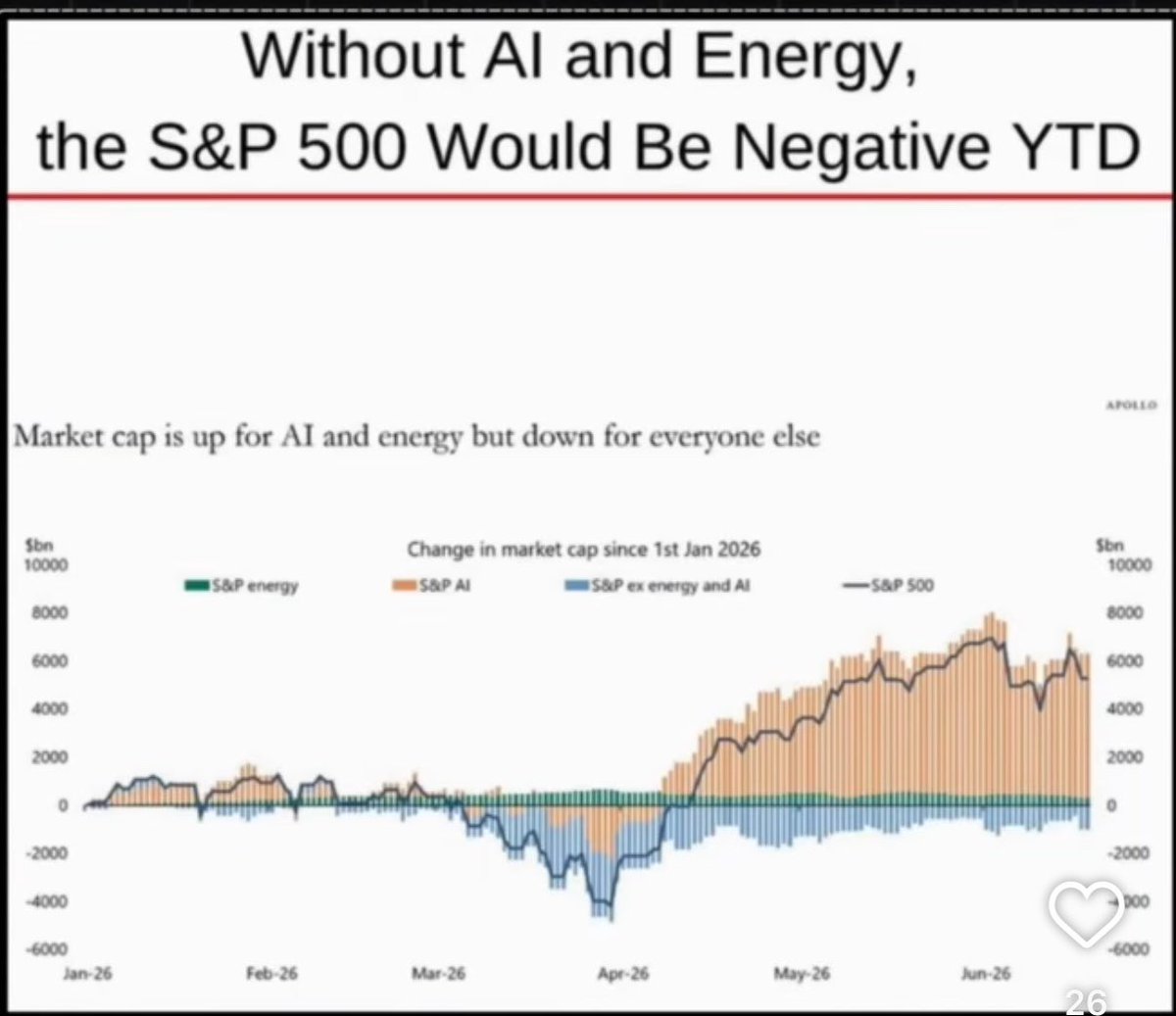
@sabeer This is us market for u pig. The day it collapses nd the bubble bursts, we Indians will be having the last laugh
Abhinav tweet media
English
0
0
1
80
Sabeer Bhatia
Sabeer Bhatia@sabeer·
Not good at all….Maybe we should return the 33 awards and get FDI instead.
Sabeer Bhatia tweet media
English
87
229
662
12.8K
Abhinav
Abhinav@hinduEngine·
There are ways to register ur protest, self harm is not one of them, fr ur reference a few examples - 1. Dashrath manjhi carved out a path in a mountain 2. Daripalli Ramaiah planted millions of trees The world needs examples/inspirations of action , perseverance not examples nd stories of blackmails nd self harms.
English
1
0
0
31
PoliticX
PoliticX@politicxind·
You keep repeating "follow the legal structure" as if people who go on a hunger strike haven't already written letters, submitted petitions, sought meetings, approached authorities, and protested peacefully. A fast unto death is almost never the first step. It is usually the last. Guru Das Agarwal is a perfect example. He repeatedly wrote to the government, sought dialogue, and exhausted peaceful avenues before beginning his fast. He still died without meaningful engagement. You still haven't answered whether you consider him a blackmailer too. You're also creating a false dilemma. Democracy doesn't work on "either courts or blackmail." It has courts, elections, petitions, public campaigns, marches, dharnas, strikes, and yes, even civil disobedience. None of these legally compel the government to accept a demand. The government remains free to reject it. You ask whether self-sacrifice sets a good precedent. I don't think governments ignoring peaceful dissent until people feel driven to such extremes sets a good precedent either. If institutions respond meaningfully before matters reach that point, people have far less reason to resort to indefinite hunger strikes. So instead of inventing hypotheticals about who can suffer more, answer the question you've repeatedly avoided. Was Guru Das Agarwal blackmailing the nation, or was he trying to be heard after every other peaceful avenue had failed?
English
1
0
2
33
Abhinav
Abhinav@hinduEngine·
Peaceful protest can be done in many other forms, self harm is surely not one of them!! If anyone has any issue with anything, there is a legal structure created, follow that, but blackmails like this is not ethical As per u if both sides are given right to fast till death, it will make which side can self harm itself more to achieve its goal the ultimate winner. Do u think self harm is setting an ethical and correct precedent for the society
English
1
0
0
32
PoliticX
PoliticX@politicxind·
You're shifting the goalposts instead of answering the questions I already asked. I asked whether Guru Das Agarwal, who fasted for 111 days to protect the Ganga and died after the government failed to meaningfully engage with him, was also "blackmailing" the nation. You avoided that. I asked why every scientist, environmentalist, activist or concerned citizen should have to contest elections before they deserve to be heard. You avoided that too. Now you've changed the discussion to reservations. My answer is simple. Yes. Anyone has the right to peacefully fast for removing reservations. Equally, someone else has the right to peacefully fast for increasing reservations. I may completely disagree with one or both demands, but in a democracy the right to peaceful protest does not depend on whether I agree with the cause. The government is under no obligation to accept every demand. It can reject it with reasons. But calling every hunger strike "blackmail" simply because it is intended to persuade the government is an absurd standard. Every protest, petition, march, strike, dharna, demonstration, or even voting itself is intended to influence a decision. That does not automatically make it blackmail. A hunger strike does not legally compel the government to do anything. The government remains free to ignore it, negotiate, or reject the demand. That is precisely why it is not blackmail. People do not usually begin with a fast unto death. It is generally the last democratic option after letters, representations, meetings, petitions and peaceful protests have failed. Guru Das Agarwal is a perfect example. Despite repeated appeals, the government did not meaningfully engage with him while he was alive. Only after his death came the condolences. So the real question is not whether people have the right to fast. They do. The real question is why governments so often refuse to engage with peaceful dissent until someone's health deteriorates or they die. If your position is that every fast unto death is blackmail regardless of the cause, then be consistent and say clearly that Guru Das Agarwal was blackmailing the nation too. If you are unwilling to say that, then your standard is not based on principle. It is based on whether you agree with the protest.
English
1
0
0
29
Abhinav
Abhinav@hinduEngine·
Ok then lets change the argument, Is it ok if I fast until death for removing reservations? Or if someone fasts until death for increasing reservations? Now this is not a personal issue, is it ethical? Do u really think this is setting a good example for others, if they dont get what they want at a personal, professional or any other level, they can go to fast till death option?
English
1
0
0
20
PoliticX
PoliticX@politicxind·
You keep changing the comparison because you cannot answer the actual point. No, I would not support someone fasting for a salary increment because that is a private employment dispute. Sonam Wangchuk is not demanding a pay raise. He is raising issues of public policy that affect an entire region. Those are completely different categories. Equating the two is like saying a constitutional protest is the same as bargaining with your employer. You also keep saying "file a case." Which provision of law do you think would have solved Guru Das Agarwal's concerns? He wasn't asking for compensation or alleging a personal legal injury. He repeatedly wrote to the government, sought dialogue, and when that failed, he resorted to a hunger strike. He died after 111 days. The government still did not meaningfully engage with him while he was alive. So answer the question you avoided earlier. Was he blackmailing the nation too? As for "we now have a Constitution," the Constitution does not abolish peaceful protest. In fact, it protects the freedom of speech and expression and the right to assemble peacefully. A hunger strike is a form of political expression. You may disagree with it ethically, but simply labeling it "blackmail" does not make it so. And since you keep invoking the law, let's be consistent. Dharmendra Pradhan's own election affidavit declares five pending criminal cases. They are allegations, not convictions, but clearly having pending cases does not stop someone from becoming a Union Minister. So please stop selectively invoking "the law" only when an ordinary citizen chooses peaceful protest. You are free to oppose hunger strikes. But if your answer to every peaceful protest is "contest elections" or "file a case," then you have reduced democracy to courts and ballots alone. Democracies function through elections, courts, petitions, public criticism, and peaceful protest. None of those cancels the others.
English
1
0
0
61