Sabitlenmiş Tweet

Nico the Free 🌱🔥
478 posts

@hlthisholistic
Wandering medicine man. Want to transform healthcare with AI. Functional medicine | simple living. Building @getrooteai. Philippians 3:8.



This is scary. High school students can’t even read a simple sentence, let alone understand what it means. America, what the hell are we doing?!


I want to debunk the claim that I see a lot around here that Obsidian is "just plain text markdown files" which means "you can take them anywhere and open them with any app" That simply isn't true Yes, maybe the raw text of the notes is markdown, but many other parts cannot be moved elsewhere and opened by other apps: 1. The .obsidian/ directory contains your JSON config with plugins, settings, hotkeys, workspace state, link format, attachment paths – those can't be moved elsewhere 2. Plugin state files – Readwise's path-to-ID map, Templater's settings, Tasks plugin's database, Excalidraw's drawing data – even if plugins can be recreated, these settings cannot 3. .canvas files – JSON, not markdown. They reference notes by path and won't survive a move 4. .base files – JSON-based database/views over your notes. Same path-fragility 5. .excalidraw.md files – markdown wrapper around an Excalidraw JSON blob. Looks like markdown, isn't really 6. The link graph itself – backlinks, graph view, "linked mentions" – all computed from filenames and link references. They survive because the references are in the markdown, but they require Obsidian (or an Obsidian-aware tool) to materialize 7. Plugin-managed folders – Readwise output, Web Clipper output, Daily Notes location, Templates folder. Each is a folder whose contents are owned by an external system tracked in plugin state 8. Sync state – Obsidian Sync, iCloud, Dropbox, Google Drive each maintain their own state about what's where and what's been resolved. Move operations interfere with this state 9. Embedded query results – Dataview queries, Tasks queries, Bases queries. The query is in the markdown; the result is computed live and never persisted So technically you CAN move your files elsewhere, but you'd destroy most of what makes them valuable – the graph, the plugin state, the canvases, the embedded queries, the sync state, and any structural intent encoded in folder placement Which means you're just as locked in to Obsidian as any other "proprietary" app, it's just a hidden lock-in that's obscured by inaccurate marketing Saying "Obsidian is just markdown files" is like saying "your house is just bricks" The bricks are real and moveable – but the architecture, plumbing, and wiring aren't bricks, and those are most of what makes the house function
I want to debunk the claim that I see a lot around here that Obsidian is "just plain text markdown files" which means "you can take them anywhere and open them with any app" That simply isn't true Yes, maybe the raw text of the notes is markdown, but many other parts cannot be moved elsewhere and opened by other apps: 1. The .obsidian/ directory contains your JSON config with plugins, settings, hotkeys, workspace state, link format, attachment paths – those can't be moved elsewhere 2. Plugin state files – Readwise's path-to-ID map, Templater's settings, Tasks plugin's database, Excalidraw's drawing data – even if plugins can be recreated, these settings cannot 3. .canvas files – JSON, not markdown. They reference notes by path and won't survive a move 4. .base files – JSON-based database/views over your notes. Same path-fragility 5. .excalidraw.md files – markdown wrapper around an Excalidraw JSON blob. Looks like markdown, isn't really 6. The link graph itself – backlinks, graph view, "linked mentions" – all computed from filenames and link references. They survive because the references are in the markdown, but they require Obsidian (or an Obsidian-aware tool) to materialize 7. Plugin-managed folders – Readwise output, Web Clipper output, Daily Notes location, Templates folder. Each is a folder whose contents are owned by an external system tracked in plugin state 8. Sync state – Obsidian Sync, iCloud, Dropbox, Google Drive each maintain their own state about what's where and what's been resolved. Move operations interfere with this state 9. Embedded query results – Dataview queries, Tasks queries, Bases queries. The query is in the markdown; the result is computed live and never persisted So technically you CAN move your files elsewhere, but you'd destroy most of what makes them valuable – the graph, the plugin state, the canvases, the embedded queries, the sync state, and any structural intent encoded in folder placement Which means you're just as locked in to Obsidian as any other "proprietary" app, it's just a hidden lock-in that's obscured by inaccurate marketing Saying "Obsidian is just markdown files" is like saying "your house is just bricks" The bricks are real and moveable – but the architecture, plumbing, and wiring aren't bricks, and those are most of what makes the house function





you can outsource your thinking but you cannot outsource your understanding

you can outsource your thinking but you cannot outsource your understanding
Watching people try to turn their coworkers who they think are moving too slow into Claude skills is genuinely so insane to watch Corporate hunger games are on

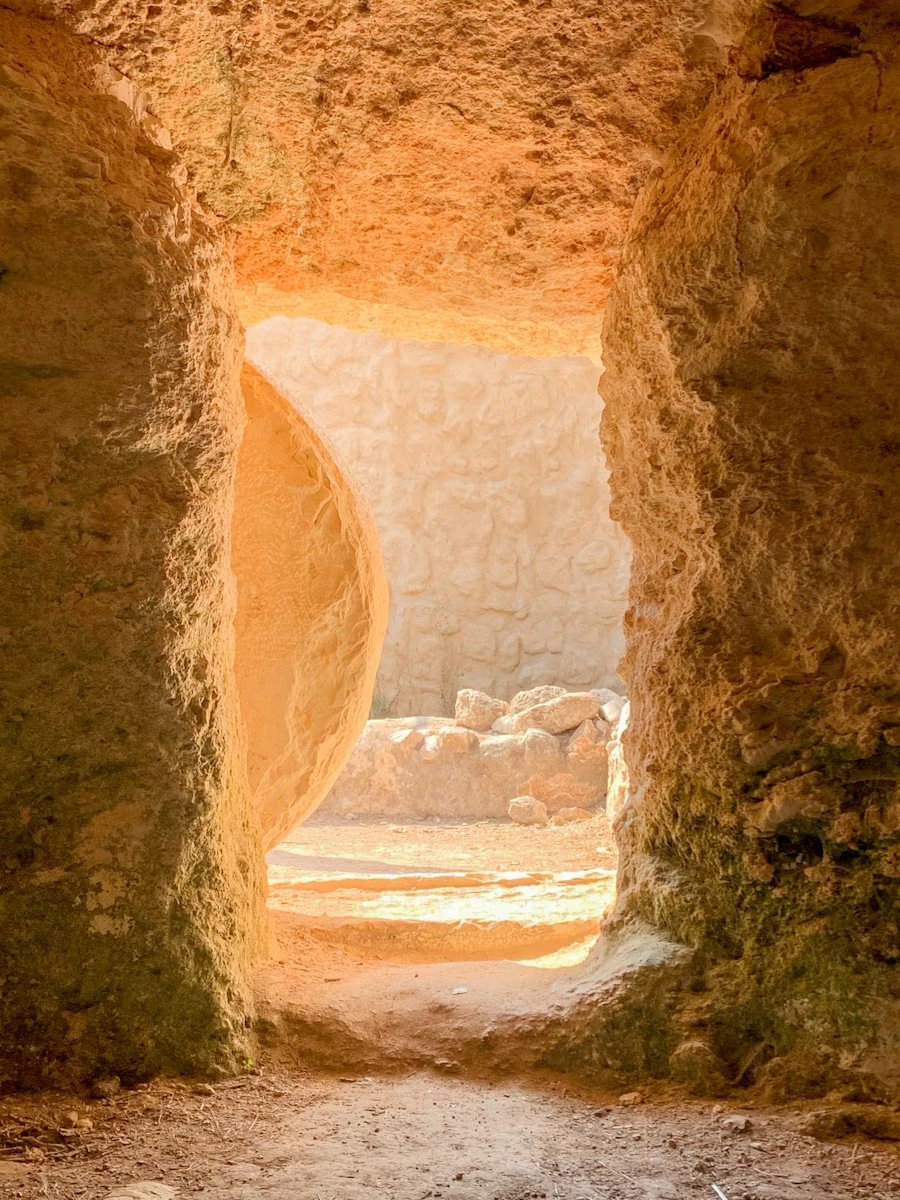
Conquering death would be humanity’s greatest achievement.


Depuis tout à l'heure je me renseigne sur les idées de Karl Marx sincèrement je n'arrive pas à comprendre comment on peut être pour le capitalisme et même plus généralement être de droite