HoffymamatheAP

78 posts

HoffymamatheAP banner
HoffymamatheAP

HoffymamatheAP

@hoffymama

Mom of boys, educator, lover of 📚

Katılım Şubat 2021
144 Takip Edilen37 Takipçiler
HoffymamatheAP retweetledi
Justin McMillan
Justin McMillan@justinwmcmillan·
Here’s an important message for assistant principals, deans, and anyone who carries the responsibility of discipline in a school. The research is clear. When school leaders spend the majority of their time on instructional leadership and coaching, student outcomes improve. Instructional leadership has a significantly greater impact on learning than reactive, managerial work alone. Discipline matters, but it does not move achievement the way strong instruction does. This is why the goal should be for roughly 70 percent of our day to be spent in classrooms. Observing instruction. Coaching teachers. Giving meaningful feedback. Supporting high-quality teaching and learning. Being visible instructional leaders where learning actually happens. This does not minimize discipline. When discipline occurs, it must be handled at a high level. Procedures matter. Documentation matters. Consistency matters. We must cross our T’s and dot our I’s to support students, protect systems, and maintain a strong school culture. But when our role becomes mostly reactive, we miss the opportunity to be preventative. Strong instruction, engaging classrooms, and clear expectations reduce discipline issues before they ever reach the office. The more time we invest in instruction, the fewer fires we have to put out later. As Baruti Kafele reminds us in The Assistant Principal 50: “Instructional leadership is not an add-on to the role. It is the role.” If students only see us when something goes wrong, we are missing our greatest leverage point. Our impact grows when we are in classrooms, building capacity, strengthening instruction, and supporting teachers. This work is not about doing less discipline. It is about doing more of what research, experience, and great leadership tell us matters most. #InstructionalLeadership #AssistantPrincipalLife #DeanOfStudents #InTheClassrooms #LeadLearning #ProactiveNotReactive #SchoolLeadership #ImpactOverActivity @PrincipalKafele
English
0
4
15
1.2K
HoffymamatheAP retweetledi
Justin McMillan
Justin McMillan@justinwmcmillan·
As we enter the final leg of the school year, it’s more important than ever to keep the big rocks, the big rocks. Let’s stay laser-focused on what matters most: •Student engagement •Strong, intentional relationships •High-leverage instructional moves At the same time, we must remain relentless in our pursuit of ensuring all students rise to—and through—the crown: grade-level mastery. That means embracing ruthless equity—giving every student what they need, when they need it, with a sense of urgency and purpose. We’re in this together. We’ve got this. Let’s finish strong! #RiseToTheCrown #RuthlessEquity #FinishStrong #RoyalPride @unfoldthesoul
Justin McMillan tweet media
English
3
9
34
2.3K
HoffymamatheAP retweetledi
Wilkinson Elementary School
Wilkinson Elementary School@SchoolWilkinson·
Happy Assistant Principal Week to the best of the best! 💙💛
Wilkinson Elementary School tweet media
English
0
1
3
40
HoffymamatheAP retweetledi
Justin McMillan
Justin McMillan@justinwmcmillan·
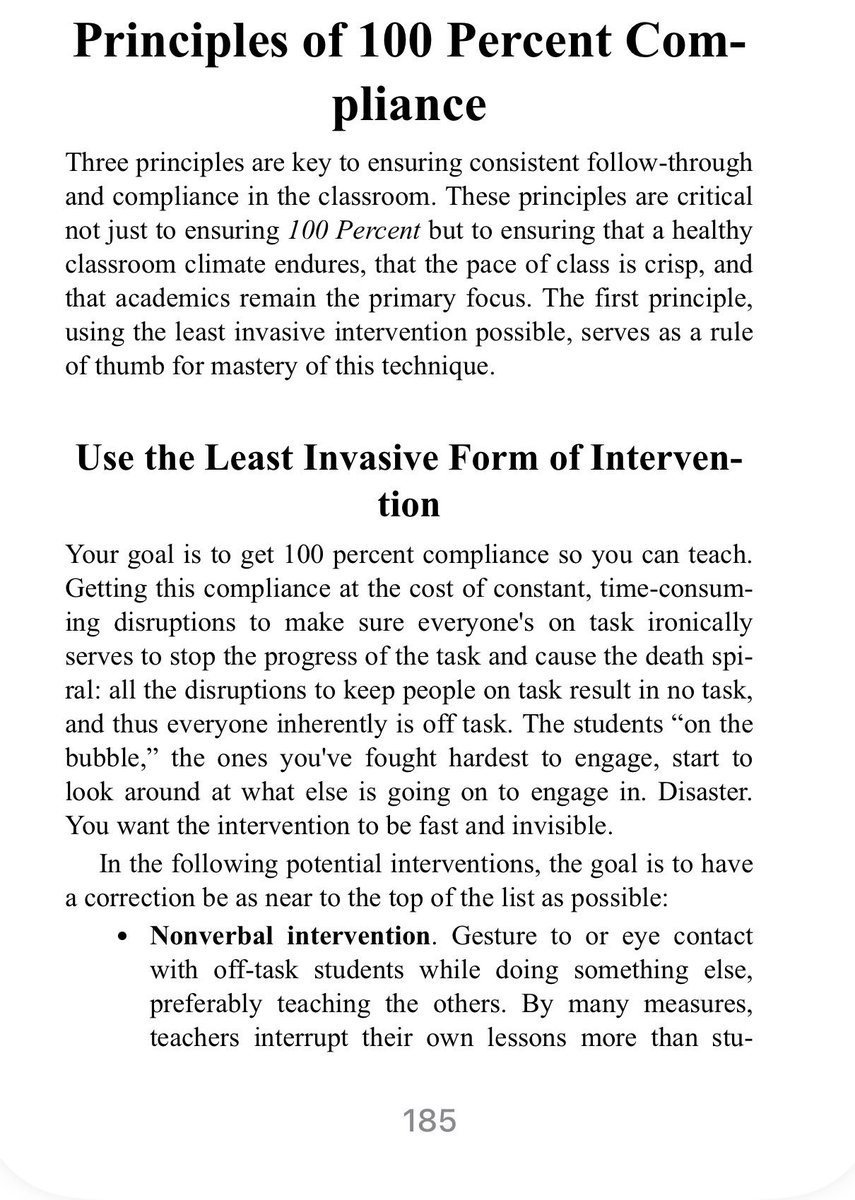
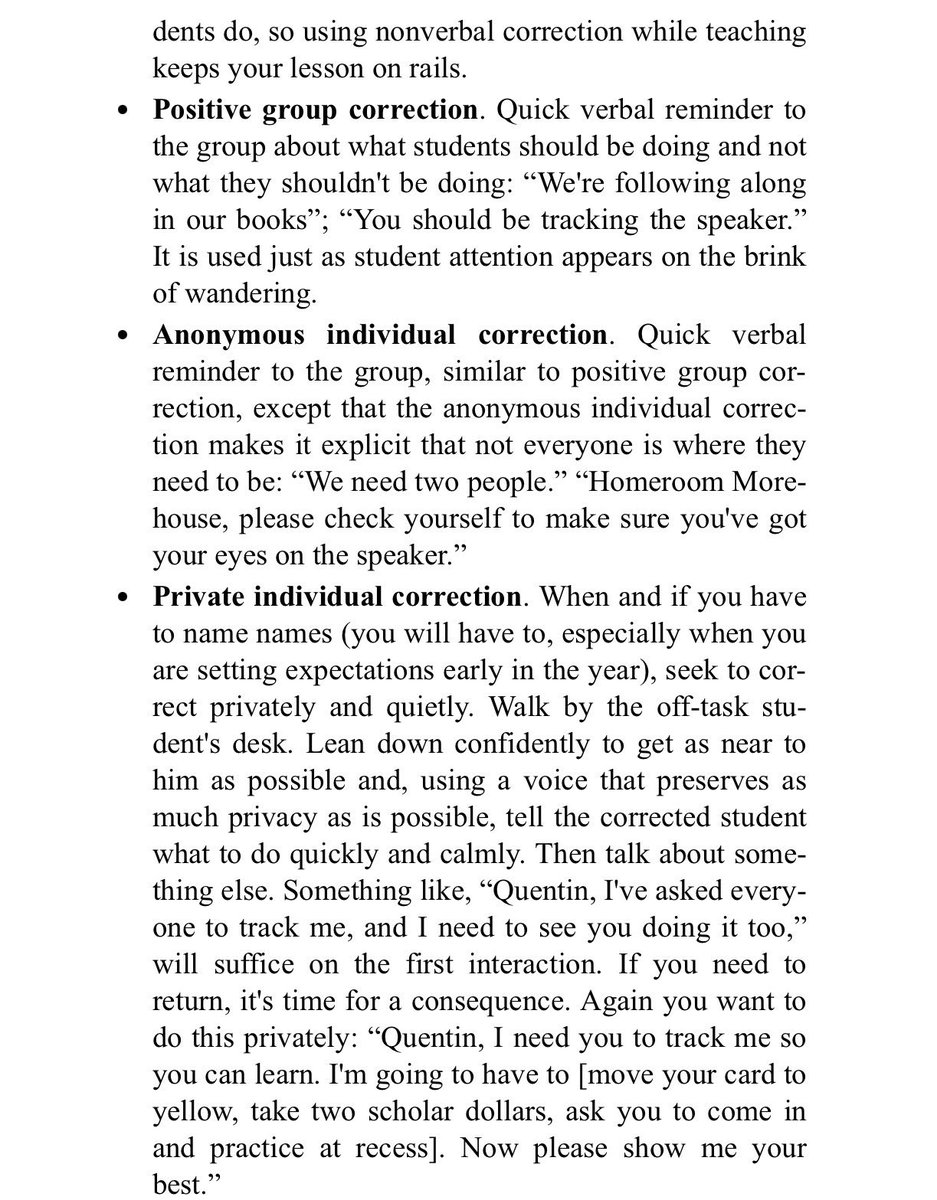
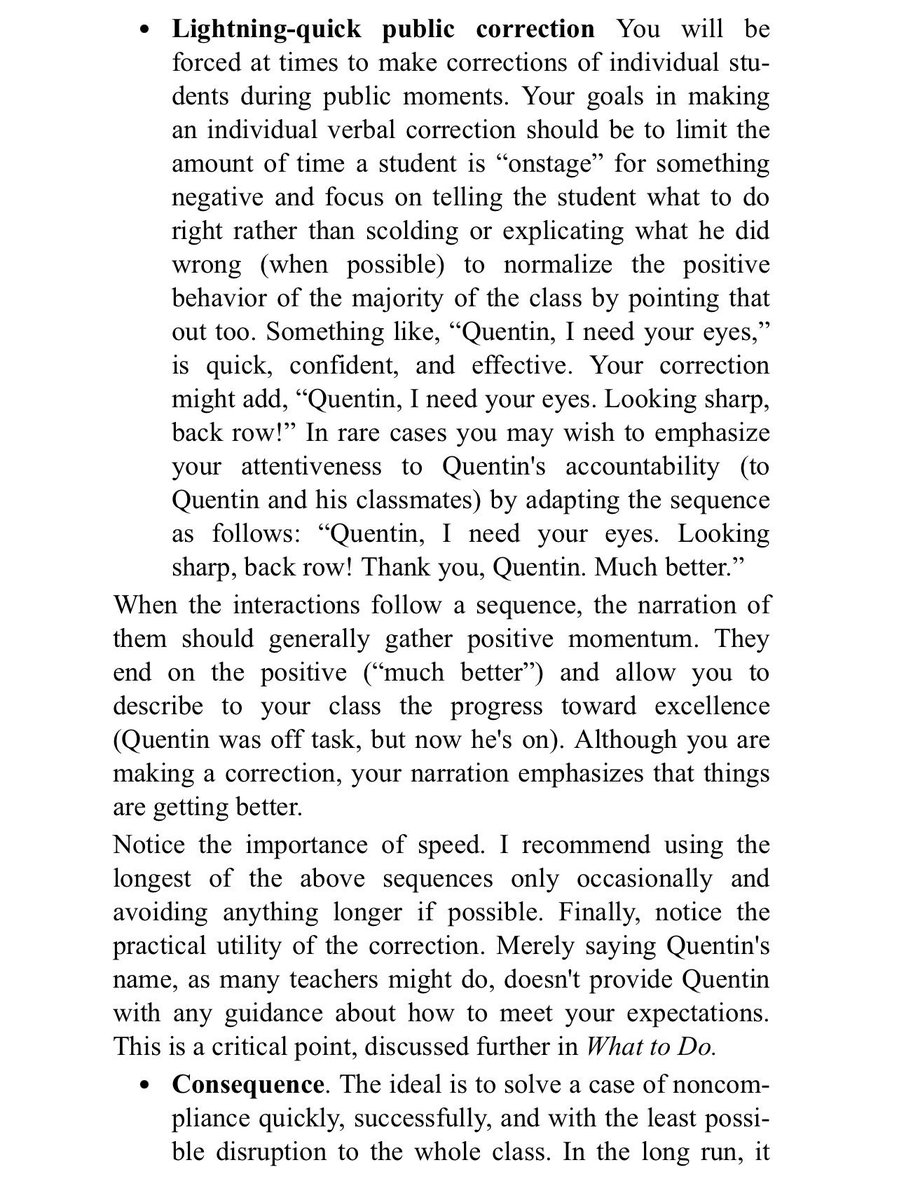
Set the expectation in your class and make sure you get 100%. As Fred Jones @tools4teaching famously said, “Pay Now or Pay Later.” 100 Percent There's one suitable percentage of students following a direction given in your classroom: 100 Percent. If you don't achieve this, you make your your expectations subject to interpretation, situation, and motivation. Students have cause to ask themselves: “Did she mean that? For everyone? Do I feel like going along with her today?” The assertion that the standard, not the goal, is 100 percent compliance may sound terrifying and draconian: a power-hungry plan for a battle of wills or the blueprint for an obedience-obsessed classroom where little but grinding discipline is achieved. The classrooms of champion teachers believe this expectation, however. They finesse their way to the standard with a warm and positive tone.” youtu.be/pMUKL5I09jA Excerpt From Teach Like a Champion, Enhanced Edition Doug Lemov @Doug_Lemov #TeachLikeAChampion
YouTube video
YouTube
Justin McMillan tweet mediaJustin McMillan tweet mediaJustin McMillan tweet media
Brighton, CO 🇺🇸 English
0
4
5
1.1K
HoffymamatheAP retweetledi
Justin McMillan
Justin McMillan@justinwmcmillan·
Engaging students in the learning intention and success criteria is pivotal for their understanding and progress. Here are three effective ways for teachers to achieve this: Clear Communication and Shared Understanding: Discussion and Explanation: Start the lesson by clearly stating the learning intention—what students will learn—and the success criteria—how they will know they've learned it. Engage students in a discussion about these objectives. Encourage questions and ensure that students understand what is expected of them. Visual Aids and Examples: Use visual aids like charts, diagrams, or examples to illustrate the learning intention and success criteria. Visuals help in reinforcing understanding and act as reference points during the lesson. Active Involvement and Collaborative Activities: Interactive Tasks: Engage students in activities that directly relate to the learning intention and success criteria. This can include group discussions, problem-solving tasks, or hands-on activities that allow them to apply what they're learning. Peer Engagement: Encourage peer-to-peer discussions and collaborations. Assign tasks or discussions that require students to explain concepts to each other using the learning intention and success criteria as guidelines. Regular Reflection and Feedback: Periodic Check-ins: Throughout the lesson, periodically revisit the learning intention and success criteria. Ask students to reflect on their progress and understanding. Use questioning techniques to guide their thinking and self-assessment. Feedback Loop: Provide timely feedback that is aligned with the established success criteria. Encourage students to self-assess against the criteria and offer constructive feedback to peers, reinforcing their understanding of the goals.
GIF
English
0
5
8
1K
Melanie Sanders
Melanie Sanders@DrSandersESE·
“Nonverbal communication like eye contact, body language, and even how you position yourself in the room has an impact on student behavior.” - I’m a firm believer that 90% of behavior management is non-verbal.
edutopia@edutopia

Good classroom management is mostly invisible. Though disruptions are inevitable, experienced teachers know subtle techniques that work behind the scenes are the key to creating a positive classroom culture. 🗝️ 🧵Thread adapted from this article: edut.to/3tQYHuW 1/13

English
1
0
3
577