Radhakrishna Holla

6.2K posts

Radhakrishna Holla banner
Radhakrishna Holla

Radhakrishna Holla

@hollaslr

Interested in human rights, social issues. Oppose cruelty against animals. Yakshagana artist. I love my country and my people.

Bengaluru Katılım Ekim 2010
2K Takip Edilen2.8K Takipçiler
Radhakrishna Holla retweetledi
Anish Moonka
Anish Moonka@anishmoonka·
Finnish scientists trucked in real forest dirt and grass and laid it over the gravel at four daycare yards. They let the kids dig around in it for a month. The blood tests came back with changes the researchers hadn’t expected to see so fast or so clear. The study ran at ten daycares in two Finnish cities with 75 kids aged three to five. Four of the yards got the forest treatment: about a tennis court worth of soil and grass laid over the gravel, plus planters and peat blocks the kids could dig and climb on. Three others stuck with their normal gravel yards. The last three were daycares where the kids were already visiting real forests every day. After one month, the variety of bacteria living on the kids’ skin shot up, and the kind that helps train the skin’s immune defenses jumped the most. Their gut bacteria started to look like the gut bacteria of the forest-visiting kids. Their blood showed more of the immune cells whose job is to keep the body from freaking out at harmless stuff like pollen and peanuts, and overall inflammation dropped. The kids on the plain gravel yards showed none of this. Childhood asthma in the US doubled between 1980 and 1995. Food allergies in kids jumped 50 percent between 1997 and 2011, then jumped another 50 percent between 2007 and 2021. And peanut allergies in one-year-olds tripled between 2001 and 2017. The Finnish researchers think one of the reasons is simple: kids today don’t get dirty enough. 37 percent of American preschoolers now spend an hour or less outside on a normal weekday. Their immune systems are getting trained in environments stripped of the bacteria humans have always lived around. Aki Sinkkonen, who led the study, put it in plain words: “It would be best if children could play in puddles and everyone could dig organic soil.” The Finnish government is now helping pay for daycares across the country to make the same changes.
ChiefHerbalist@HerbalistChief

We need to apologize to our ancestors.

English
494
11.1K
35.7K
2.1M
Radhakrishna Holla retweetledi
Girish Bharadwaj
Girish Bharadwaj@Girishvhp·
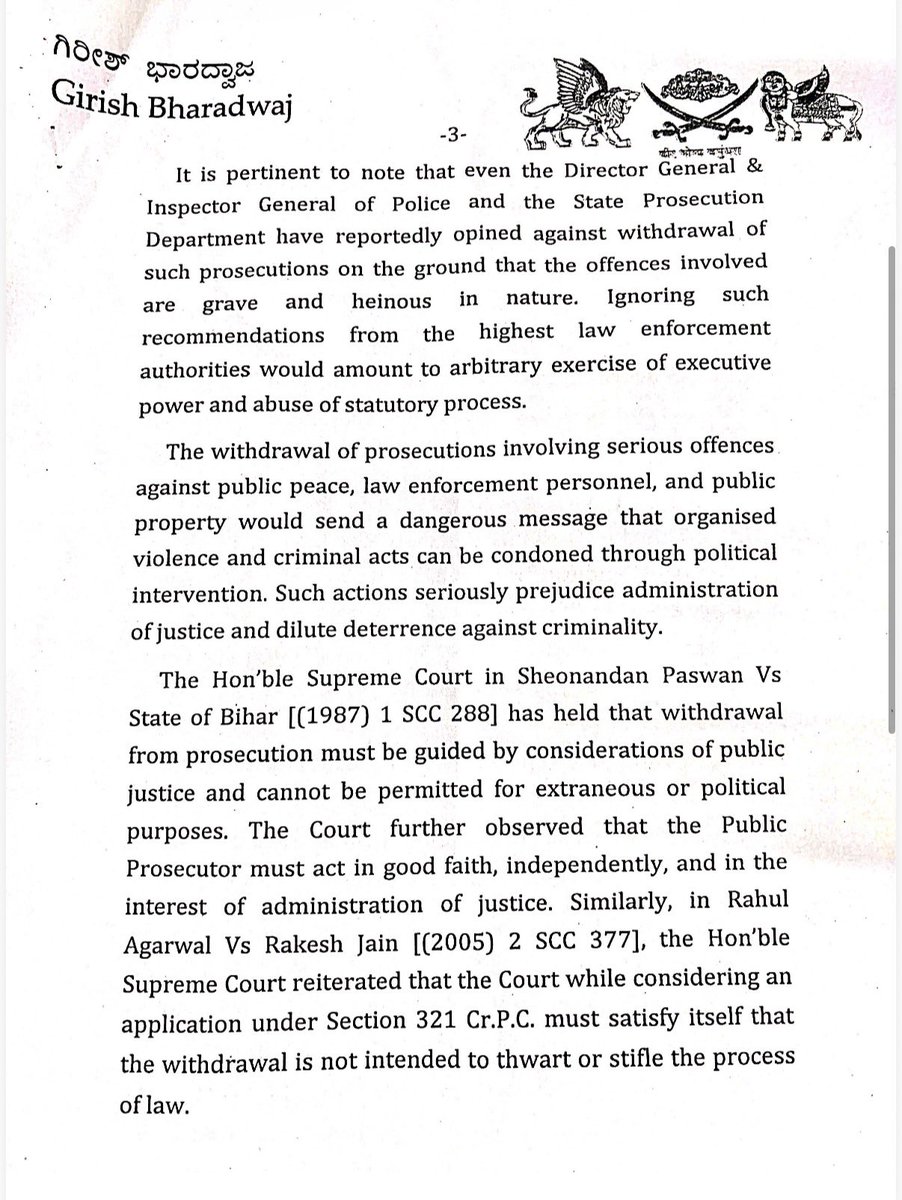
While at Kedarnath Dham, I have sent a detailed representation through fax / Email to the Chief Secretary and other concerned authorities opposing the proposed withdrawal of criminal cases under Section 321 Cr.P.C. by the Karnataka Government. The representation strongly objects to the move to withdraw cases involving serious and heinous offences including rioting, assault on police personnel, destruction of public property, unlawful assembly, conspiracy, and attempt to murder, merely on the recommendation of Speaker UT Khadar describing the accused as “innocent Muslims.” In the representation, I have highlighted that Section 321 Cr.P.C. does not permit political or appeasement-driven withdrawal of prosecutions and that the Public Prosecutor is bound to independently apply his mind in accordance with law. I have also relied upon judgments of the Hon’ble Supreme Court and the Hon’ble High Court of Karnataka which clearly hold that withdrawal of grave offences affecting public order and rule of law cannot be permitted on extraneous or political considerations. The representation further points out that even the police and prosecution machinery have reportedly opposed such withdrawals considering the gravity of the offences. Any arbitrary implementation of such withdrawal, contrary to settled legal principles, will be challenged before the Hon’ble High Court.
Girish Bharadwaj tweet mediaGirish Bharadwaj tweet mediaGirish Bharadwaj tweet mediaGirish Bharadwaj tweet media
English
7
95
222
3.6K
Radhakrishna Holla retweetledi
OSINT Spectator
OSINT Spectator@osintspectator·
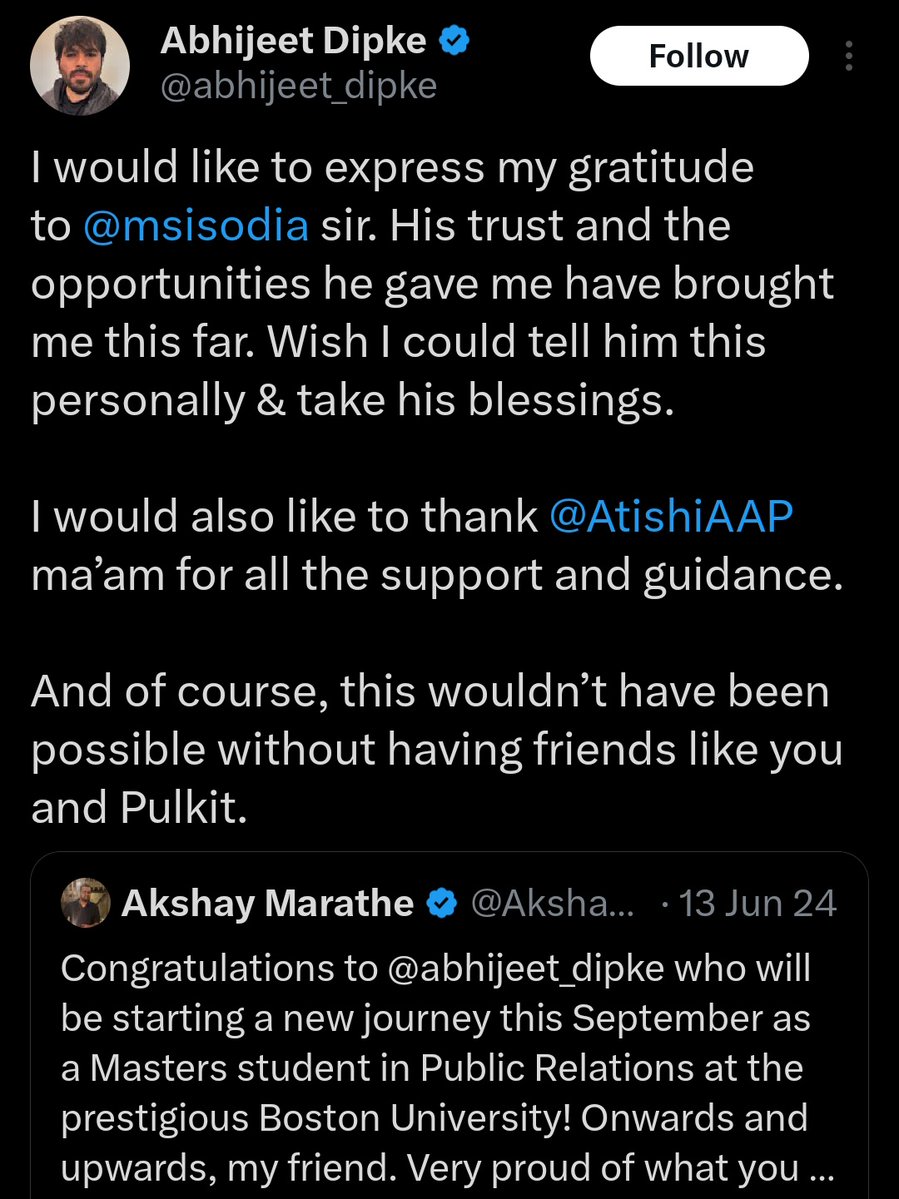
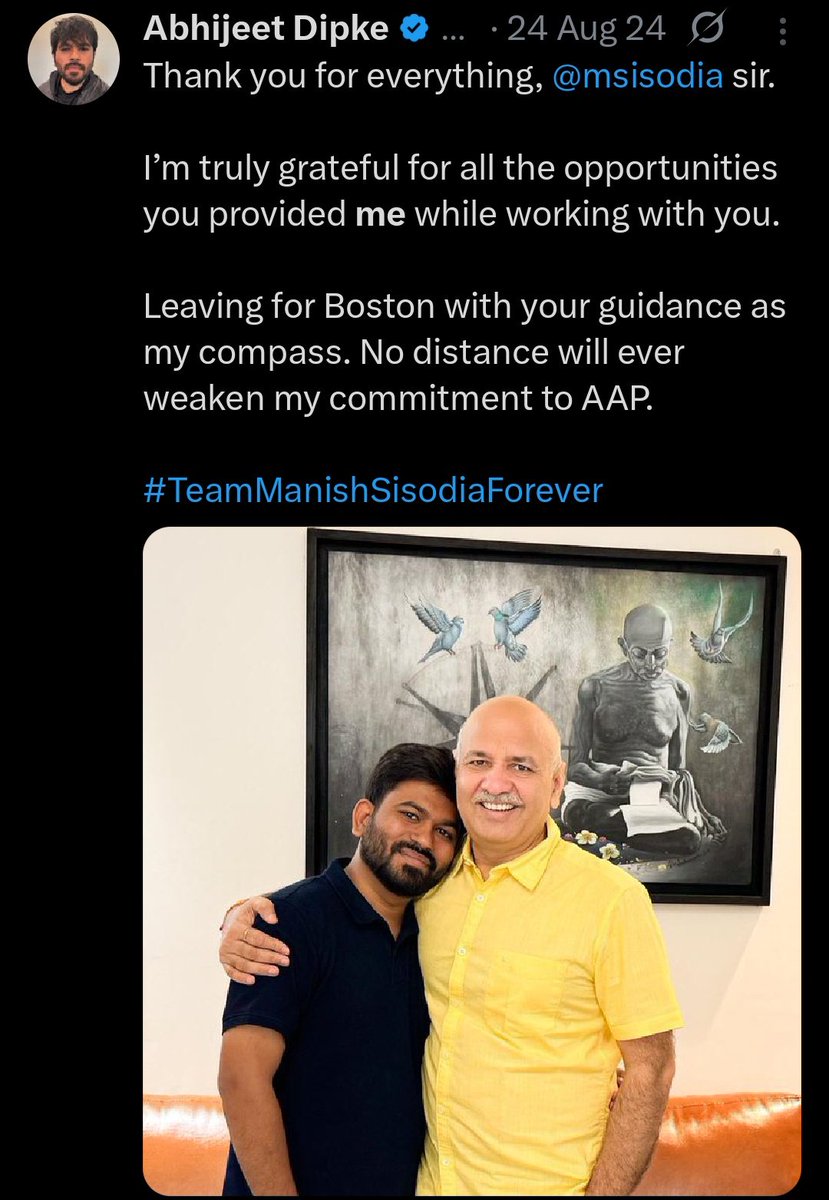
Meet Abhijeet Dipke, founder of Cockroach Janta Party which recently went viral on Instagram after CJI’s remarks on Gen Z. He is a Master’s student in Public Relations who worked for Aam Aadmi Party before going to Boston for his masters. My opinion: He is probably working for the Aam Aadmi Party from the US. He created this new account for the Gen Z audience to promote the Aam Aadmi Party narrative. @aravind @IndianSinghh @mujifren @AadiAchint @Desh_bhakati @TrishulxIN
OSINT Spectator tweet mediaOSINT Spectator tweet media
English
96
1.2K
2.9K
116.3K
Radhakrishna Holla retweetledi
Greater Bengaluru Authority
Greater Bengaluru Authority@GBA_office·
♻️ OLD BULKY WASTE TO DISPOSE OFF? Bengaluru now has a smarter way! 🚛 FREE Doorstep Pickup for Bulky Waste across Bengaluru To promote responsible waste disposal and a cleaner city, Bengaluru Solid Waste Management Ltd. (BSWML) has launched the DCLUTTER App — a simple, citizen-friendly solution for safe and hassle-free bulky waste collection across Bengaluru. 🪑 Old furniture 🛏️ Mattresses 📺 Broken electronics 🚲 Unused household items Dispose of bulky waste responsibly from the comfort of your doorstep. 📲 Download the DCLUTTER App today and keep Bengaluru clean & clutter-free! 🌿🏙️ #GreaterBengaluruAuthority #BSWML #DKShivakumar #gbachiefcommissioner @DKShivakumar
Greater Bengaluru Authority tweet mediaGreater Bengaluru Authority tweet media
English
37
102
323
27.2K
Radhakrishna Holla
Radhakrishna Holla@hollaslr·
ಸಂಸ್ಕೃತ ಕಲಿಯಲು ಸುವರ್ಣಾವಕಾಶ! ಮೇ 21 ರಿಂದ 30 ರವರಿಗೆ ಶೃಂಗೇರಿಯ ಕೇಂದ್ರೀಯ ಸಂಸ್ಕೃತ ವಿದ್ಯಾಪೀಠದಲ್ಲಿ 10 ದಿನಗಳ ವಸತಿ ಸಹಿತ ಸಂಸ್ಕೃತ ವರ್ಗ ಆಯೋಜಿಸಲಾಗಿದೆ. ವಯೋಮಿತಿ: 16 ರಿಂದ 30 ವರ್ಷ. ಮೊದಲು ನೋಂದಣಿ ಮಾಡಿದ 50 ಜನರಿಗೆ ಮಾತ್ರ ಅವಕಾಶ. Contact : ಲಕ್ಷ್ಮೀನಾರಾಯಣ 80502 50829 forms.gle/CpHkmUZQbTbELu…
Radhakrishna Holla tweet media
ಕನ್ನಡ
0
0
0
35
Radhakrishna Holla retweetledi
Wondering Woman 🇮🇳
Wondering Woman 🇮🇳@indiclogic·
As compared to the Rest of the World raising #Disel & #Petrol prices by about 11.2% to 112% #Bharat sees a rise of a mere 3% & Always remember we didn't start this War and #modimagic has ensured that we are the least affected by it. Can't even dare to imagine what we would be facing if ever God forbid #Pappu , Pinky & MMS were in power !! 😎😎😎
Wondering Woman 🇮🇳 tweet media
English
4
12
20
942
Radhakrishna Holla retweetledi
Technical Astra
Technical Astra@kishanchand_89·
India’s New Anti-Drone Weapon! Paras Defence Reveals Portable Drone Detector & Jammer.
English
9
338
2.9K
89.9K
Radhakrishna Holla retweetledi
Darshak Rana ⚡️
Darshak Rana ⚡️@thedarshakrana·
Tibetan monks sit upright in meditation for days even after clinical death. And their dead bodies refuse to decay which breaks every rule of medicine. How? Thukdam It completely breaks the medical model of death. Tibetan monks enter this meditative state during the dying process. Their bodies remain fresh, upright, warm to the touch. No rigor mortis. No decomposition. No putrid smell. For up to 17 days after every cardiac monitor, EEG, and respiratory sensor confirms they are clinically dead. Western medicine defines death as the irreversible cessation of brain and cardiovascular function. The moment electrical activity in the brain stops, consciousness is gone. The body begins immediate decay. Cells start breaking down within minutes. The temperature drops. Muscles stiffen. Thukdam monks violate every part of that sequence. Richard Davidson at the University of Wisconsin has been documenting these cases for over a decade. Brain scans of Thukdam practitioners show organized neural activity continuing long after clinical death. Organized. Coordinated. Purposeful electrical patterns that correlate with deep meditative states. The implications shatter how we understand the relationship between mind and brain. If consciousness can persist and even direct bodily processes after clinical death, the brain cannot be the generator of consciousness. At minimum, consciousness operates through biological systems in ways that transcend current neurological models. At maximum, consciousness exists independently of the brain and uses the nervous system as an interface, a control panel, rather than its source. This connects to something neuroscientists have been quietly discovering for years: the hard problem of consciousness remains completely unsolved. We can map every neuron, track every chemical signal, stimulate every brain region with electromagnetic pulses. We still cannot explain how subjective experience arises from neural activity. Why there is an inner observer behind your eyes reading these words. Why you experience the color red as "redness" rather than just processing wavelengths of light. Thukdam suggests the hard problem is unsolvable because we have the relationship backwards. Instead of brain creating consciousness, consciousness might be using brain as a temporary biological vehicle. Death removes the vehicle but the consciousness that was operating it continues in a transition state. The monks who achieve Thukdam spend decades training their awareness through specific meditative practices. Shamatha, vipassana, and particularly the Tibetan practice of death meditation where practitioners repeatedly simulate the dying process to maintain conscious control as biological functions shut down. They are training to remain aware during the transition most humans experience as unconscious dissolution. What makes this especially disturbing for materialist neuroscience is that Thukdam practitioners can be predicted. Teachers who spend 40+ years in intensive meditation often enter this state. Novices almost never do. This suggests conscious control over the death process is a learnable skill that develops with practice. The same way you can train your body to run marathons or perform complex physical skills, you can apparently train your consciousness to maintain coherence after biological death. The preservation of the physical body during Thukdam implies consciousness was actively maintaining cellular integrity before death and continues to influence biological processes afterward. Decay is an active process involving bacterial growth, chemical breakdown, and loss of cellular organization. Something is preventing that cascade from beginning. Something operating outside normal biological control systems. Traditional Tibetan Buddhism describes Thukdam as the consciousness slowly withdrawing from the body in stages rather than departing instantly at clinical death. The practitioner remains in meditation within the corpse, gradually releasing attachment to the physical form. This matches what researchers observe: bodies that look alive but show no vital signs, maintained in meditative postures for days. Modern medicine treats death as a binary switch. Alive, then dead. Thukdam reveals death as a gradual process that consciousness can navigate deliberately. This opens therapeutic possibilities for end of life care that Western palliative medicine never considers. If consciousness persists during clinical death, dying patients might benefit from meditative guidance rather than just pain management. The deeper implications reach into fundamental questions about the nature of reality itself. If individual consciousness can persist independently of biological function, the materialist assumption that mind emerges from brain becomes untenable. Something non physical is operating through physical systems and can continue operating after those systems shut down. Thukdam forces us to consider that consciousness might be the fundamental substrate of reality, not an emergent property of complex matter arrangements. That every living being is consciousness temporarily expressing through biological form. That death is return to original nature rather than extinction of individual existence. Most people encounter this possibility as religious speculation or metaphysical wishful thinking. Thukdam provides measurable, documented evidence that challenges every assumption about consciousness, death, and the relationship between mind and matter. The monks sitting in meditation after clinical death are quietly conducting the most important consciousness research on Earth.
English
78
367
1.3K
210.1K
Radhakrishna Holla retweetledi
BhikuMhatre
BhikuMhatre@MumbaichaDon·
Mera Supreme Court Sachmuch Badal Raha Hai? I just love CJI Surya Kant Ji. He's raising bars with every passing day. "ARE YOU CHIEF PRIEST OF THE COUNTRY? WHAT WAS YOUR BUSINESS?"🔥 CJI literally took The Indian Young Lawyers Association, led by President Naushad Ali to Cleaners in Sabarimala Case. The fake NGO faced intense scrutiny from the Supreme Court over its petition to overturn the age-old traditions of the Sabarimala Temple. During the proceedings, the bench expressed sharp skepticism regarding the NGO's standing to interfere in Hindu religious practices. CJI Surya Kant Ji delivered a stinging rebuke: "Are you the chief priest of the country? What was your business?" Justice BV Nagarathna questioned the NGO's personal stake in the matter: "How are you concerned with all this, tell us? Is it in any way you are affected?" The exchange has raised big debate over whether outside organizations, who are not even practicing Hindus, should have the legal right to challenge the internal customs of a faith they do not represent. Earlier these scums used to get Red Carpet Treatment in Supreme Court, today, RIGHTLY they're getting dumped in Commode.
English
67
2.2K
6.5K
134.9K
Radhakrishna Holla retweetledi
Ritam ಕನ್ನಡ
Ritam ಕನ್ನಡ@RitamAppKannada·
ಮಾಜಿ ಪ್ರಧಾನಿ ಚಂದ್ರಶೇಖರ್ ಅವರೂ ಇಂಧನವನ್ನು ಸಂರಕ್ಷಿಸಿ ಎಂದು ಜನತೆಗೆ ಮನವಿ ಮಾಡಿದ್ದರು! ಮಾಜಿ ಪ್ರಧಾನಿ ಚಂದ್ರಶೇಖರ್ ಅವರು ಪೆಟ್ರೋಲ್ ಡೀಸೆಲ್ ಬಳಕೆಯನ್ನು ಕಡಿಮೆ ಮಾಡಿ ಎಂದು ಹೇಳಿದ್ದರ ಬಗ್ಗೆ ನಿಮಗೆ ಗೊತ್ತಾ? #Diesel #Petrol #dieselpricehike #petrolprice #chandrashekhar #pmmodi #globalcrisis #congress
ಕನ್ನಡ
0
3
8
481
Radhakrishna Holla retweetledi
Parimal
Parimal@Fintech03·
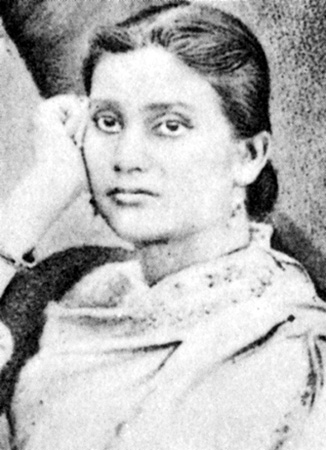
In an era before modern surgical training kits, Kadambini practiced her vascular repairs on lace patterns at night. When she entered the operating theater the next morning, her hands moved with a speed the male doctors could not comprehend. She was not just knitting; she was hacking her muscle memory to become the most precise surgeon in Bengal. In 1883, 2 women stood on the podium of the University of Calcutta, not as guests, but as graduates. But for Kadambini Ganguly (1861-1923), the degree was merely a declaration of war against a society that believed a woman’s touch could heal a home, but never a human heart. Kadambini Ganguly was the 1st woman to 'practice western medicine in India'. But she almost never became a doctor because of a single prof's spite. During her final exams at Calcutta Medical College, a conservative prof named Dr. RC Chandra who openly detested the idea of women in medicine deliberately failed her by exactly 1 mark in Materia Medica. This failure meant she could not get her MB (Bachelor of Medicine). Most would have quit. Instead, Kadambini exploited a loophole: she took a Graduate of Bengal Medical College (GBMC) diploma, which allowed her to practice, & then sailed across the Black Waters (Kala Pani) to Edinburgh. She obtained the LRCP (Edinburgh), LRCS (Glasgow), & LFP S (Glasgow)... the prestigious Triple Qualification. She completed these grueling certifications in just a few months. The Scottish profs were baffled by this Indian woman who moved through the curricula like a lightning strike. She was not there to learn; she was there to prove she already knew everything they had to teach. She obtained a Triple Qualification in record time, effectively out-qualifying the very prof who tried to block her. The most visceral part of Kadambini’s story is the neglect & insult she endured from her own countrymen. The editor of a popular conservative magazine, Bangabasi, was so incensed by her practicing medicine that he publicly called her a Prostitute (Swairini) in print. Instead of retreating in shame, Kadambini (backed by her husband Dwarkanath) did something unheard of for an Indian woman in 1891: She sued him. She dragged the editor to court & won. He was sentenced to 6 months in jail & a fine of 100 rupees. It was the 1st time an Indian woman had used the British legal system to defend her professional honor against character assassination. Her impact on the "Purdah" system was her greatest achievement. Because high-born Indian women refused to be seen by male doctors, they were dying in droves from preventable complications. Kadambini became the Ghost Doctor who slipped behind the curtains of the Zenanas (women's quarters). Despite being more qualified than most of her male British counterparts, she was often relegated to the role of a Lady Assistant in govt hospitals. She did not complain. She used that assistant status to gain access to the poorest women in the wards, single-handedly dropping the maternal mortality rate in her circles of practice. In 1889, Kadambini was 1 of the 1st 6 women delegates at the Indian National Congress. In 1890, she became the 1st woman to ever address the Congress session in English. As she spoke, the room filled with the greatest male minds of the independence movement fell into a stunned silence. She was the voice of a gender that had been mute in the political arena for centuries. 3rd Oct, 1923. She is 62 years old. She has just performed a complex, life-saving surgery. Her hands are steady. She finishes the final stitch, cleans her instruments, & walks home. She tells her family she is a little tired. Within hrs, she is gone. She did not die in a bed of sickness; she died with the literal blood of her work still fresh on her soul’s resume. She was the woman who was told she was 1 mark short of a doc, only to become the woman who marked an entire nation’s history. Kadambini Ganguly did not just practice medicine; she was the medicine that a poisoned society desperately needed to swallow.
Parimal tweet media
English
36
408
957
22K
Radhakrishna Holla retweetledi
Parimal
Parimal@Fintech03·
He held the keys to the Empire’s richest vault, but he handed them to a Rebel Queen. 1 man turned the Gwalior Treasury into a weapon of war & paid for it by hanging from a Neem tree for 3 days. He was the 'CFO of the Revolution', a merchant who traded his life for a nation’s honor. Discover the Ghost Financier of 1857. Amar Chand Banthia was a wealthy merchant from Bikaner who had moved to Gwalior. Because of his legendary honesty & mathematical precision, he was appointed the Treasurer (Nagar Seth) of the Gwalior Royal Treasury. He held the keys to 1 of the largest hoards of wealth in Central India. The British relied on this treasury to fund their local operations & keep the Scindia army paid. In 1858, the Rani of Jhansi, Lakshmibai, & Tantya Tope arrived in Gwalior. Their soldiers had not been paid for months; they were starving, exhausted, & on the verge of mutiny. The Maharaja of Gwalior had fled to Agra to seek British protection, leaving the treasury under Banthia’s care. The Rani of Jhansi made a desperate plea for funds to keep the revolution alive. Amar Chand Banthia knew that giving the royal treasury to rebels was a death sentence. He did not just give a part of it; he opened the gates. He distributed the entire wealth of the Gwalior treasury to the rebel soldiers. He famously declared: "This wealth belongs to the people & the nation. If it can help win our freedom, it has served its purpose." This single act of Financial Guerilla Warfare allowed the Rani of Jhansi to regroup & fight the final, legendary battles of 1858. The British eventually retook Gwalior. They did not just want to kill Banthia; they wanted to make an example of the man who had stolen their financial security. On June 16, 1858, Seth Amar Chand Banthia was captured. He was taken to the middle of the Sarafa Bazaar in Gwalior. The British hung him from a Neem tree. Legend says the British were so terrified of his influence that they left his body hanging there for 3 days. The people of Gwalior refused to let his memory die. The Sarafa Bazaar, usually a place of commerce, became a site of pilgrimage overnight. Banthia was originally from Bikaner. When the news of his execution reached Rajasthan, he became a Ghost Legend among the trading communities. His sacrifice changed the perception of Traders (Banias) in the revolution. He proved that the man with the pen & the ledger could be just as brave as the man with the sword. While the Rajas & Maharajas were calculating their Safety, this merchant was calculating the Price of Freedom & he was willing to pay it with his life. Today, Amar Chand Banthia is known as the 1st Martyr of Rajasthan in the 1857 revolt, yet he is rarely mentioned in mainstream history books. History often focuses on the warriors on horseback. The Bankers who funded them are seen as secondary. He remains a Ghost because he represents a dangerous idea: that Capital can be a Revolutionary force. Seth Amar Chand Banthia was the Mercenary of Conscience. He turned a Govt Asset into a Revolutionary Fuel. W/o his theft, the Rani of Jhansi would have been defeated weeks earlier due to lack of resources. He died for a treasury that was not his, for a Queen who was not his ruler, & for a country that was not yet free. He is the man who proved that Freedom is the only investment where the returns are measured in blood, not percentages.
Parimal tweet media
English
47
573
1.3K
23.6K
Radhakrishna Holla retweetledi
Subhi Vishwakarma
Subhi Vishwakarma@subhi_karma·
Sins of TMC coming out every single day Didi's govt designed a scheme to benefit schoolgirls in the state, "Sabooj Sathi", under which girls were given a cycle each. These cycles were on sale at a railway station in Bangladesh. Now you know who were the real beneficiaries of Didi's schemes. Now you know why stacks of fake ration cards were there in TMC offices. Our taxes, our money, and cycles for Bangladeshis. That's TMC's model of development for you!
English
36
1.2K
2.2K
44.1K
Radhakrishna Holla retweetledi
Team Hindu United
Team Hindu United@TeamHinduUnited·
Government school teacher Anjar Ahmed and Gul Ejaz forced Hindu students to wear Islamic attire in Sambhal, UP. Hindu girls were made to wear hijabs and Hindu boys skullcaps. Islamic prayers were also chanted in the morning assembly.
English
242
4.7K
7.3K
89.3K
Radhakrishna Holla retweetledi
Manish Pangotra🇮🇳
Manish Pangotra🇮🇳@ManishPangotra5·
Pakistani propaganda accounts are circulating a video falsely claiming that the Indian Army entered Kolkata in large numbers and was blocked by civilians. It further claims that Mamata Banerjee was injured, her residence was attacked by the CRPF, and that foreign embassies in Kolkata were ordered to shut down....
English
0
1
0
102
Radhakrishna Holla retweetledi
Malay Krishna
Malay Krishna@Malay4Product·
Let me explain what just happened today because it deserves so much recognition. GalaxEye is a Bengaluru startup founded in 2021 by IIT Madras engineers. Today they launched Mission Drishti on a SpaceX Falcon 9. It is India's largest privately built satellite at 190 kg. And it carries a technology that no commercial satellite has ever carried before. Normal satellites take photos of the Earth using optical cameras. Like your phone camera, but from 500 km up. The problem is obvious. Clouds. Night. Fog. Smoke. If any of these are in the way, the photo is useless. India has monsoon cover for 4 months a year. That is 4 months where optical satellites are partially or fully blind over large parts of the country. The alternative is SAR. Synthetic Aperture Radar. Instead of taking photos with light, it sends radar waves down and reads what bounces back. Radar goes through clouds, through darkness, through smoke. A SAR satellite can image a flooded village at 2 AM during a cyclone when no optical satellite can see anything. The problem with SAR is that the images look nothing like photos. They look like grainy black-and-white radar maps. A military analyst or a trained geospatial engineer can read them. A farmer, a disaster response team, or a city planner cannot. Until today, if you wanted both optical and SAR data for the same location, you needed two different satellites, passing over at different times, at different angles. Then someone had to manually align and fuse the two datasets. Expensive, slow, and the data never perfectly matched because the satellites saw the same spot minutes or hours apart. GalaxEye put both sensors on one satellite. Optical and SAR, fused into what they call OptoSAR. Three times more information than a single sensor. Processed onboard by an NVIDIA AI chip at 1.8 metre resolution. Now in practice, during the next cyclone hitting Odisha, one satellite pass gives you a clear image of which villages are flooded, which roads are cut, and which buildings are standing. Day or night. Cloud or clear. In near real-time. For defence, it means you can monitor a border area 24/7 regardless of weather. For agriculture, it means tracking crop health across an entire monsoon season without a single cloud gap. For infrastructure, it means monitoring construction progress on highways and bridges without waiting for a clear day. GalaxEye tested their SAR tech on ISRO's POEM orbital platform. The satellite was tested at ISRO facilities. IN-SPACe provided regulatory clearance. NSIL, ISRO's commercial arm, will distribute the imagery globally. And it launched on SpaceX because ISRO's PSLV doesn't have the right orbit slot for this mission. Yes, four IIT Madras graduates built a world-first satellite in 4 years in Bengaluru. Take a bow!
Tejasvi Surya@Tejasvi_Surya

A Bengaluru startup just did something no one in the world has ever done, put a satellite in orbit that sees through clouds, through the night, with optical sensor and SAR fused into one. Many many congratulations to the @Galaxeye team on the launch of Mission Drishti! This is exactly why PM Sri @narendramodi opened up the space sector, so young Indians could build an audacious future for the nation.

English
117
2.4K
10.1K
513K
Radhakrishna Holla retweetledi
Parimal
Parimal@Fintech03·
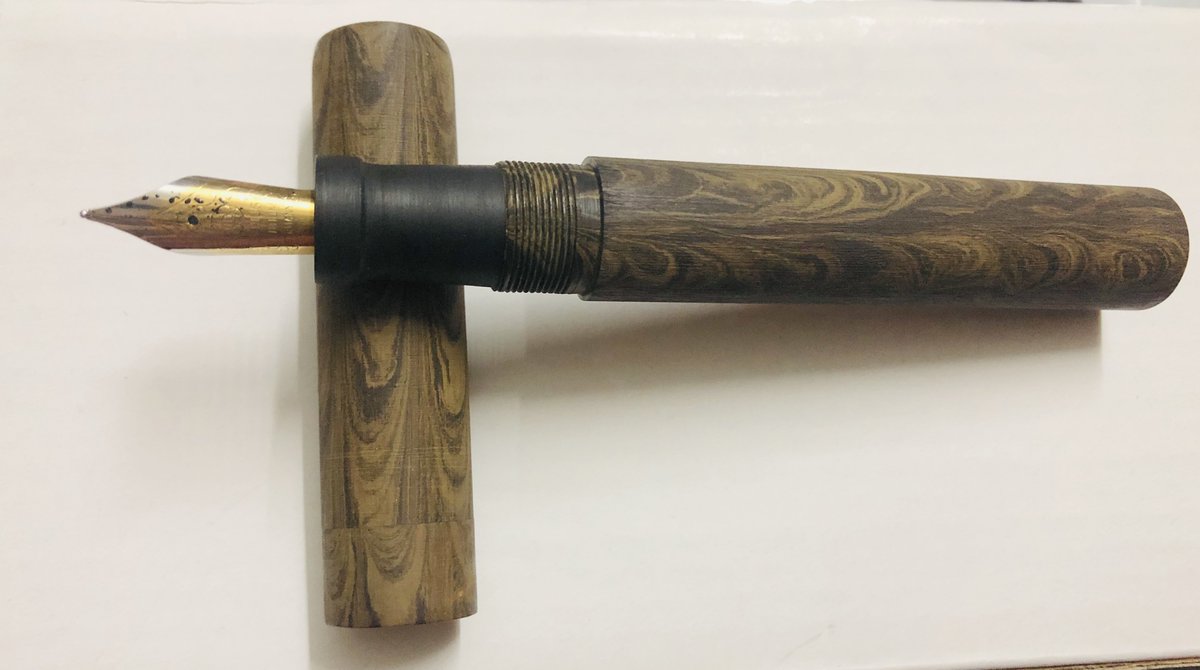
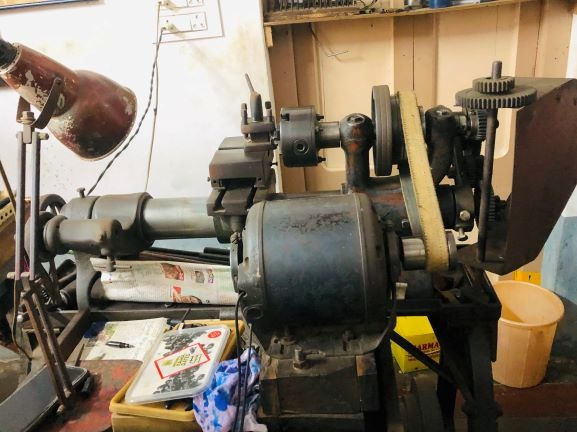
In 1921, Mahatma Gandhi asked K.V. Ratnam to make a pen; he issued a challenge that was practically an industrial death sentence. He told Ratnam to build a fountain pen made entirely of Indian materials, or not to bother at all. For 13 yrs, Ratnam operated like a medieval alchemist in the shadows of Andhra Pradesh, trying to solve a puzzle that the British claimed was impossible for an Indian mind. The story started with a failure. Ratnam's 1st attempt was a hybrid pen using foreign nibs. When he showed it to Gandhi, the Mahatma famously rejected it. Gandhi’s logic was brutal: “If the nib is from Germany, the soul of the letter is foreign.” Ratnam went into a 13 yr exile within his own workshop. He was not just making a product; he was fighting a war against Ebonite & Iridium. The British laughed because they believed the tipping of a pen (the tiny point on the nib) required specialized European machinery that no Indian could access/operate. How did a man in Rajahmundry replicate 20th century German metallurgy w/o a factory? Ratnam began experimenting with local materials. He sourced Ebonite (hardened rubber) &, most importantly, developed a secret method to tip the nibs using indigenous alloys. In 1934, Ratnam sent his 100% Swadeshi pen to Gandhi. The Mahatma wrote back a letter that changed history: "I have used it & it is a good substitute for the foreign pen." That single piece of paper turned a small-town workshop into the Official Armory of the Satyagrahi. Before the Ratnam pen became famous, Ratnam was known as the only man who could fix the expensive British Parker & Sheaffer pens of the elite. While repairing the pens of British officers, Ratnam was essentially performing Industrial Autopsies. He was studying the internal mechanics of the Empire’s best tools to build something that would eventually destroy their market. The British officers were paying Ratnam to fix their pens, unwittingly funding the R&D of the very brand that would soon make their imports obsolete in the Indian market. When world leaders met, they often exchanged expensive Swiss watches/German pens. But the Indian leadership carried the Ratnam, a pen made of humble ebonite that did not leak at high altitudes (a common flaw in early pens), proving that Indian low-tech engineering had outsmarted European high-tech manufacturing. If Saha’s pen (story link at the bottom) was a Scalpel (precise, scientific, cold), Ratnam’s pen was a Staff. It was rugged, made of the earth, & designed to write the destiny of a nation on a piece of handmade paper. To this day, the Ratnam Sons workshop in Rajahmundry still uses some of the original lathes. When you hold a Ratnam pen, you are holding 13 yrs of stubborn refusal to accept that "Indian" meant "Inferior." Saha Story Link - x.com/Fintech03/stat…
Parimal tweet mediaParimal tweet media
English
38
472
1.6K
60.2K
Radhakrishna Holla retweetledi
Swati Goel Sharma
Swati Goel Sharma@swati_gs·
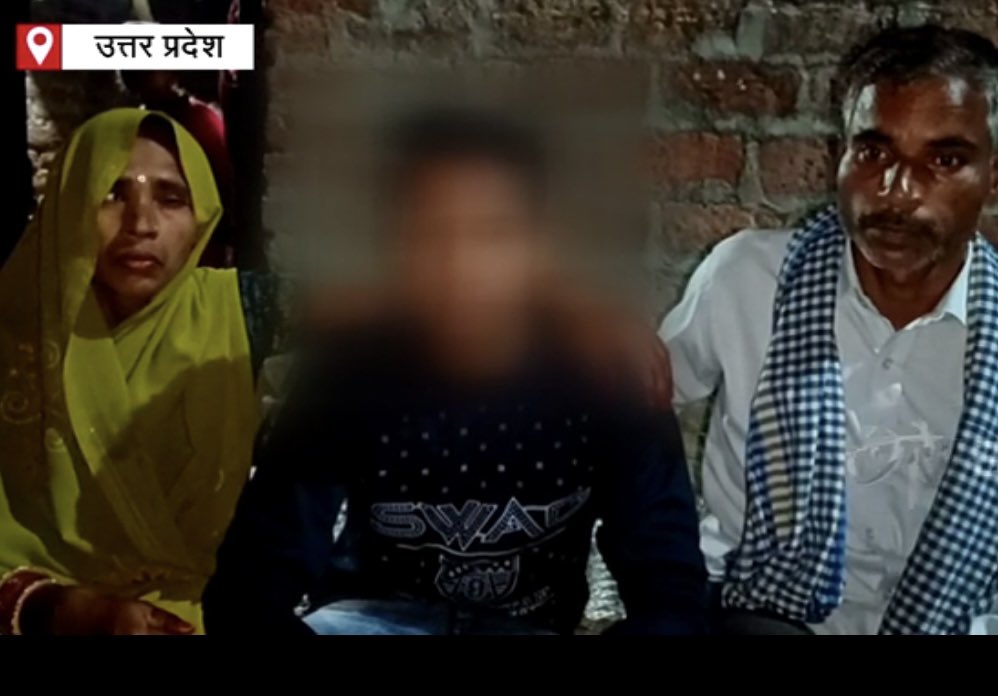
We are helping this boy reclaim his lost childhood. Everyone must know his story - that is directly linked to the controversial comment recently made by a Allahabad high court judge The boy is Vivek At the age of 10, he went missing from home. While playing with some strangers, he boarded a train with them and ended up 10-s of kilometres away from his village That group took him to a madrassa in Muzaffarnagar. Vivek was enrolled, ritually circumcised, renamed Mohd Umar, made to memorise Quran daily Eight years passed All this while, Vivek told madrassa managers the name of his village and his parents. But no effort was made to reunite him with his family When he turned 18, madrassa decided to send him to a Gulf country for labour work. When Vivek went to passport office, his fingerprint revealed his Aadhaar-linked details - his real name and his address in a village in UP’s Hardoi Passport official alerted the pradhan of a nearby Hindu village who alerted the police. Eventually, Vivek’s parents were traced and he was reunited with his family @KanoongoPriyank took cognisance of the incident, raided the madrassa and issued directions asking all government-aided madrasas in UP to disclose how many children of Hindu parents were enrolled with them As revealed yesterday, none has complied. Instead, an Allahabad High Court judge made a controversial remark on Kanoongo over this very order I contacted Vivek recently. He is now 20 He wants to resume his education He is practically illiterate and works as welding labour We - @SewaNyaya and @RashtraJyoti - are going to help Vivek return to school He will reclaim the years stolen from him. Will share details soon.
Swati Goel Sharma tweet media
English
52
1.2K
2.4K
54.2K
Radhakrishna Holla retweetledi
Muskan
Muskan@SinghMuskan2002·
One of the most debated aspects of the Karachi Agreement is its impact on land and resource rights. Centralized control meant local communities had less say over their own geography. #KarachiAgreement #GilgitBaltistan #PoliticalRights
Muskan tweet media
English
1
1
0
99