Astronomy 365

1.6K posts

Astronomy 365 banner
Astronomy 365

Astronomy 365

@honeymalikk2

Astronomy Vibes

Katılım Aralık 2022
950 Takip Edilen179 Takipçiler
Astronomy 365 retweetledi
Science & Nature
Science & Nature@Sci_Nature0·
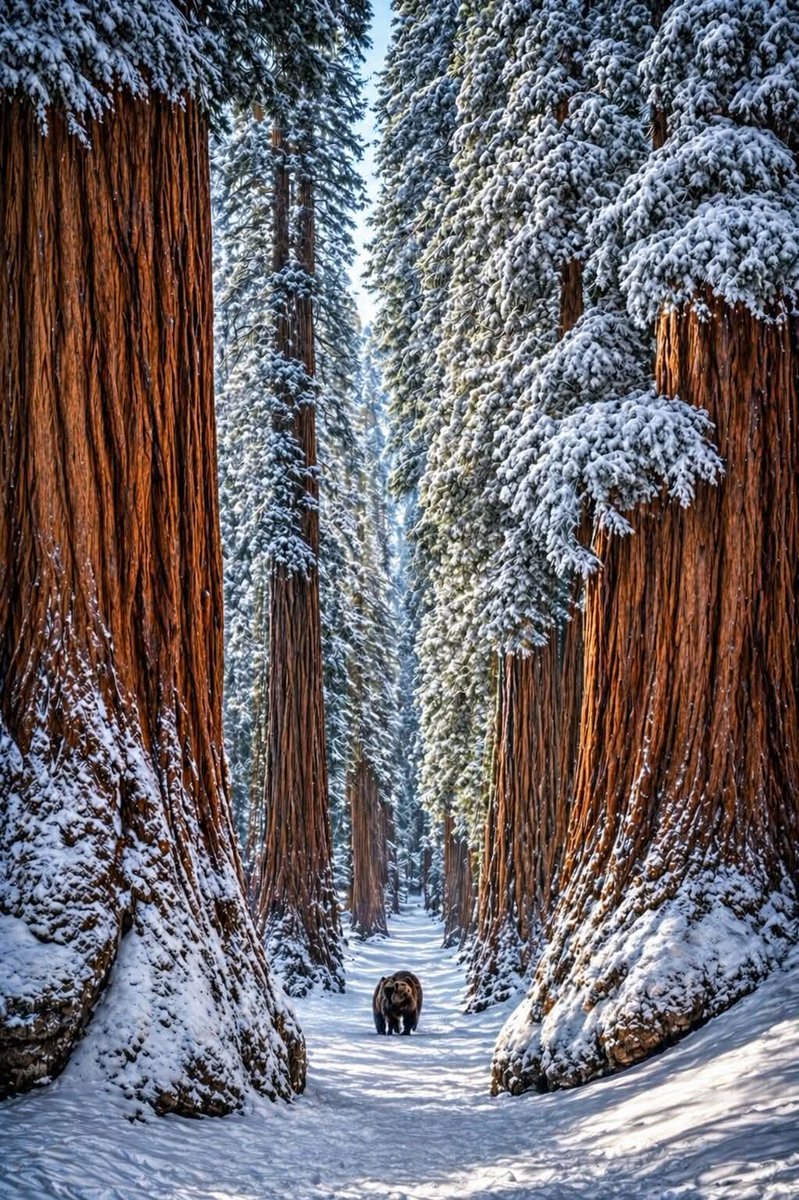
Wandering among titans. Sequoia National Park, California.😍
Science & Nature tweet media
English
0
5
20
442
Astronomy 365 retweetledi
Science & Nature
Science & Nature@Sci_Nature0·
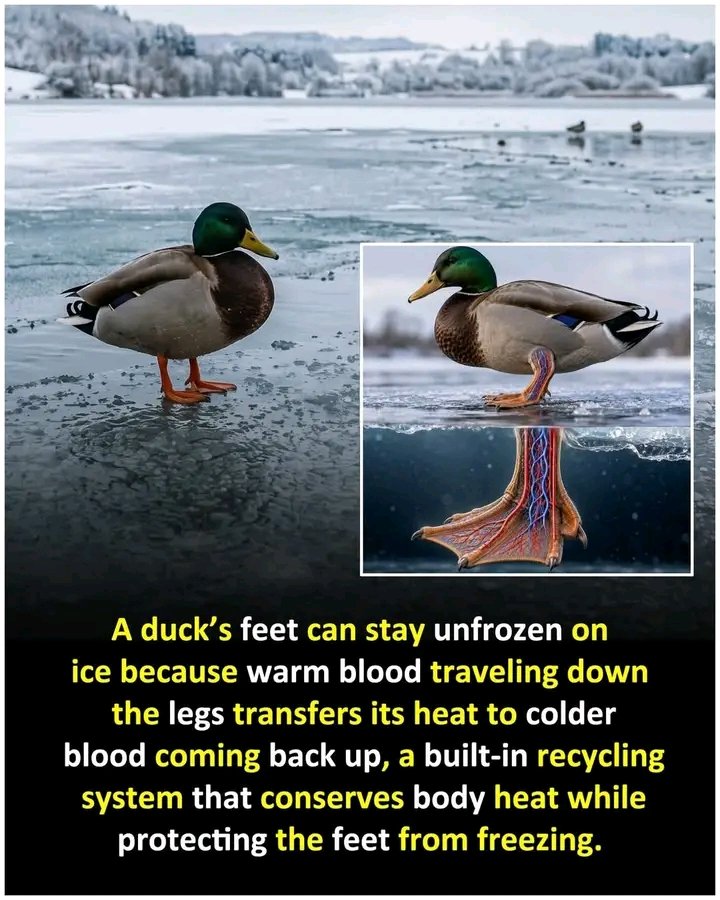
A duck’s feet can stay unfrozen on ice because warm blood traveling down the legs transfers its heat to colder blood coming back up, a built-in recycling system that conserves body heat while protecting the feet from freezing.
Science & Nature tweet media
English
0
6
11
706
Astronomy 365 retweetledi
Science & Nature
Science & Nature@Sci_Nature0·
Breathtaking image of Jupiter captured by NASA’s Juno spacecraft
Science & Nature tweet media
English
7
78
437
8.1K
Astronomy 365
Astronomy 365@honeymalikk2·
Rainbow falls under moonlight 🌈🌙
Astronomy 365 tweet media
English
0
0
0
12
Astronomy 365 retweetledi
Science & Nature
Science & Nature@Sci_Nature0·
Can anyone explain this video 🤔
English
4
2
9
840
Astronomy 365 retweetledi
Science & Nature
Science & Nature@Sci_Nature0·
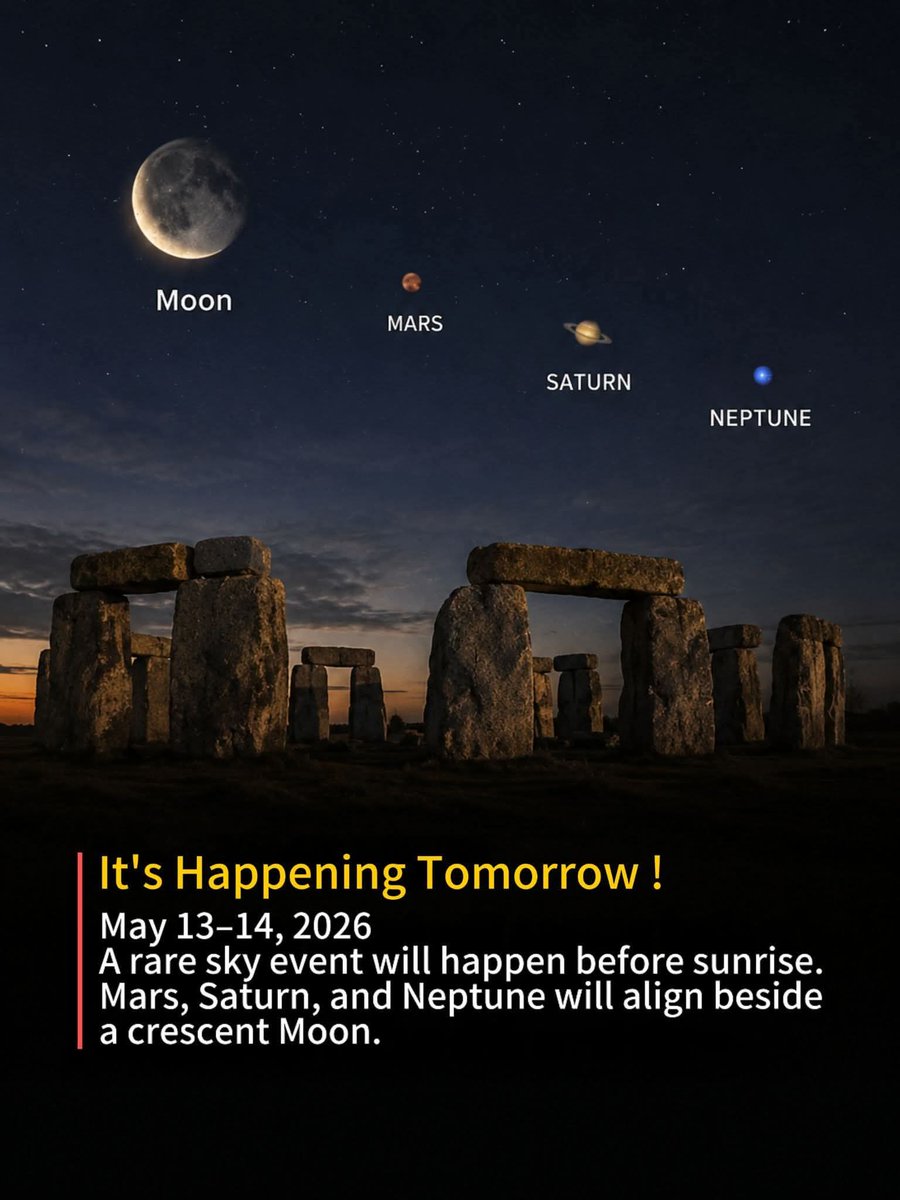
On May 13–14, 2026, skywatchers will get a chance to witness a beautiful planetary alignment before sunrise. A thin crescent Moon will appear close to Mars, Saturn, and Neptune in the early morning sky, creating a rare and eye-catching scene. Mars will shine with its reddish glow, while Saturn’s golden color and famous rings will make it easy to recognize through binoculars or a small telescope. Neptune, the farthest visible planet in our solar system, will also join the lineup, though it may appear as a faint blue dot and could require binoculars to see clearly. The event will be visible shortly before dawn, when the sky is still dark enough to spot the planets. Such alignments happen because the planets move along a similar path in the sky called the ecliptic, but seeing several worlds gather near the Moon at once is always special. For the best view, find a place with a clear eastern horizon and low light pollution. #space #science #fact #facts
Science & Nature tweet media
English
1
18
44
1.2K
Astronomy 365
Astronomy 365@honeymalikk2·
After traveling 9 years and covering 3 billion miles, NASA's New Horizons spacecraft got this shot. The icy mountains of Pluto.
English
0
1
4
40
Astronomy 365
Astronomy 365@honeymalikk2·
Swans have one off the coolest landing technique ever.. 😊
English
0
0
0
21
Astronomy 365
Astronomy 365@honeymalikk2·
This image is an artistic illustration featuring the planet Saturn and its glittering ring system. Here are some details about the object: Planet Saturn: Saturn is the sixth planet from the Sun and the second-largest planet in our solar system after Jupiter.
Astronomy 365 tweet media
English
0
0
1
29
Astronomy 365 retweetledi
Science & Nature
Science & Nature@Sci_Nature0·
Andromeda in High definition
Science & Nature tweet media
English
7
113
838
9.1K
Astronomy 365 retweetledi
Science & Nature
Science & Nature@Sci_Nature0·
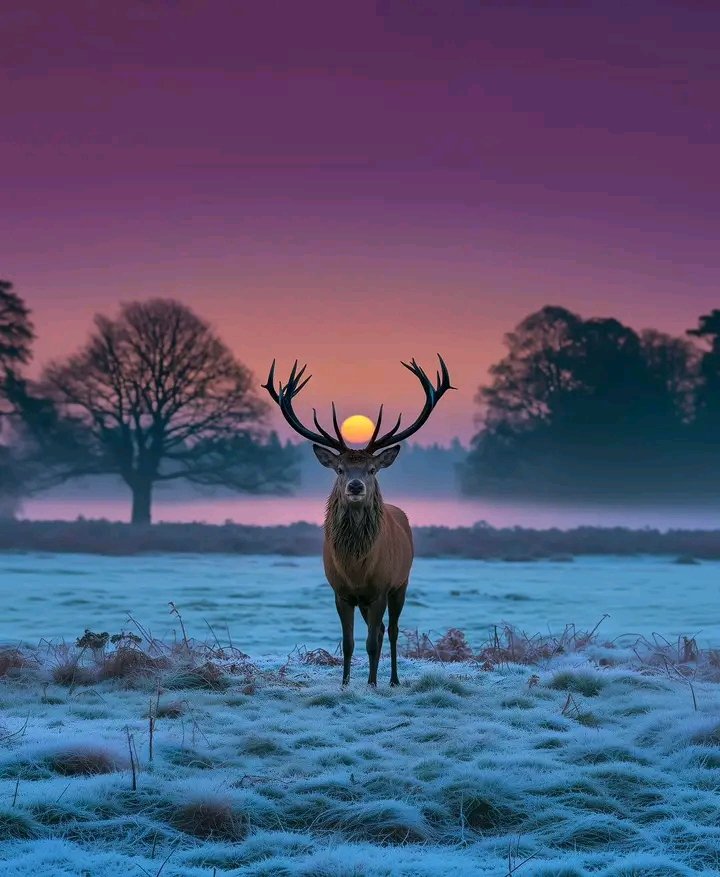
The sun landed right between his antlers like nature planned the shot perfectly 🌞🦌📸 📍 Richmond Park, London, England 🇬🇧
Science & Nature tweet media
English
0
9
31
932
Astronomy 365
Astronomy 365@honeymalikk2·
Scary beautiful 🌩️😱😍 📍 Texas Hill Country, Texas, USA 🇺🇸
Astronomy 365 tweet media
English
0
0
4
19
Astronomy 365 retweetledi
Science & Nature
Science & Nature@Sci_Nature0·
How Beekeepers mark a Queen 🐝 © staindrop_honey
English
0
11
96
20.3K
Astronomy 365 retweetledi
Science & Nature
Science & Nature@Sci_Nature0·
The largest solar flare of the decade was captured today, featuring real NASA-recorded solar sound.
English
2
27
122
3.8K
Astronomy 365 retweetledi
Science & Nature
Science & Nature@Sci_Nature0·
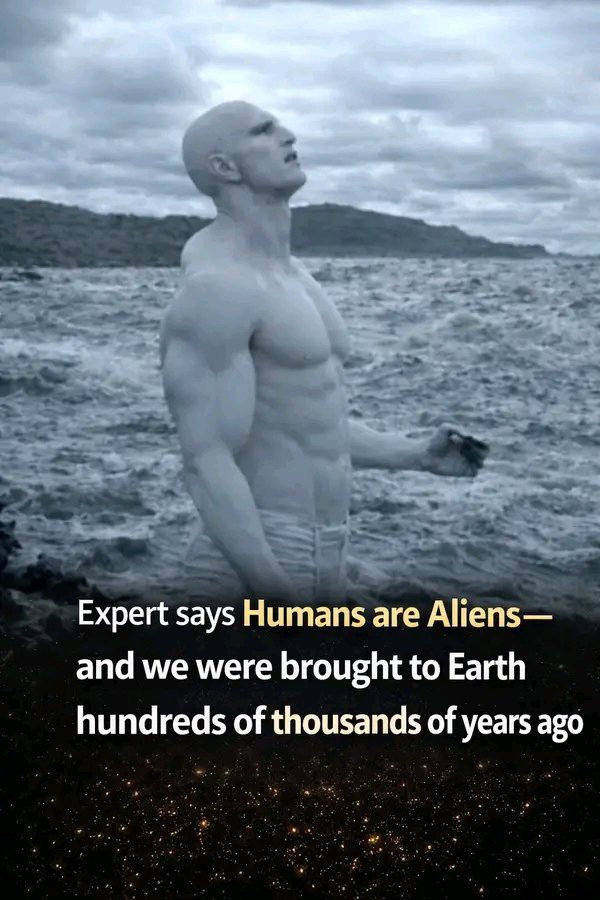
Expert says Humans are Aliens—and we were brought to Earth hundreds of thousands of years ago
Science & Nature tweet media
English
19
6
21
1.7K