

hubblenetwork
159 posts

hubblenetwork
@hubble_network
Bluetooth to Space. Building a low earth orbit satellite network that any Bluetooth-enabled device can connect to.
Seattle, WA Katılım Eylül 2021
60 Takip Edilen610 Takipçiler

5.6 sol growth is insane.
the inference team has done heroic work to be able to support demand.
we are going to move mountains to continue to scale, but it is possible there are some hiccups soon.
English
The era of the smart label is here.
@ReelablesHQ built Track Anywhere to keep packages and pallets visible throughout their journey.
Behind that visibility is Hubble's global gateway network. Reelables labels connect to a network that's already deployed, so customers don't need to install anything.
More: webwire.com/ViewPressRel.a…

English
Everyone talks about AI replacing human work.
The bigger opportunity is giving AI access to the physical world.
Models can't reason about what they can't see.
Reliable connectivity is one of the first steps to that future.
English
hubblenetwork retweetledi

Alex Haro, CEO of Hubble, joins Chris to talk about building a network of terrestrial and space (!) based #Bluetooth infrastructure to track low power devices across the globe, without a data plan or a GPS module onboard.
theamphour.com/728-space-age-…

English
The companies with coverage gaps won't win.
The companies that never lose visibility into their operations will.
English
Every mile beyond traditional coverage introduces uncertainty.
Every mile with continuous coverage builds confidence.

English
If someone has to physically check the state of your systems...
your system may benefit from being more connected.
English
@MrBeast We'll take the 1M followers. The network is kind of our thing. 😉
English

@finkd The models keep getting smarter. Next step is connecting the real-world devices they write code for. 🛰️
English

(1) Today we're releasing Muse Spark 1.1 -- a strong agentic and coding model at a very low price. It's available through our new Meta Model API and in Meta AI.
English
Visibility isn't about collecting more noise.
It's about making sure the data critical to your operations doesn't disappear when assets leave predictable coverage.
English
@SpaceXAI SpaceX builds rockets. SpaceXAI ships the software. Nice symmetry.
English

Announcing Grok 4.5, our first model trained specifically for coding and agents. It was trained with Cursor and offers frontier intelligence at leading speeds and cost efficiency.
x.ai/news/grok-4-5
English

Some questions have come up on the launch bridge. It is in good shape and we will reuse. Three cranes are positioned to help lift the almost four-million-pound launch bridge and the two-million-pound launch table out of our flame trench and onto self-propelled modular transporters. Last night, the launch bridge was removed. The launch table is up next. Enjoy the crane ballet.
English
Hardware keeps getting cheaper.
That's no longer the hard part.
The ongoing challenge is connecting hardware to networks that make it more intelligent.
English
Bluetooth doesn't need a new chip to reach space.
It just needs the right network.
Our open source Device SDK makes connecting easy.
Learn more: hubble.com/docs/device-sd…
English
@SawyerMerritt The next decade is going to be defined by connectivity from space.
English

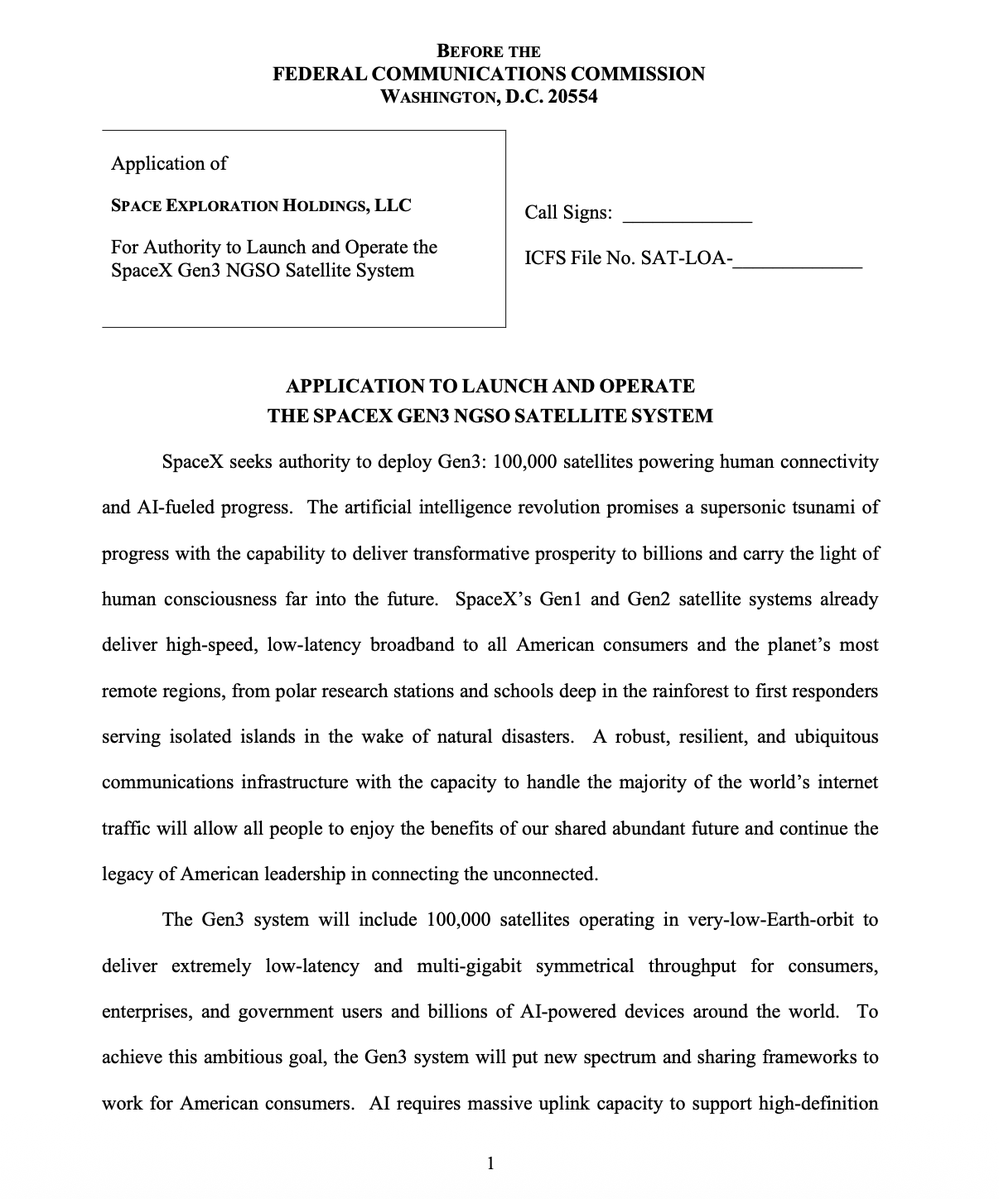
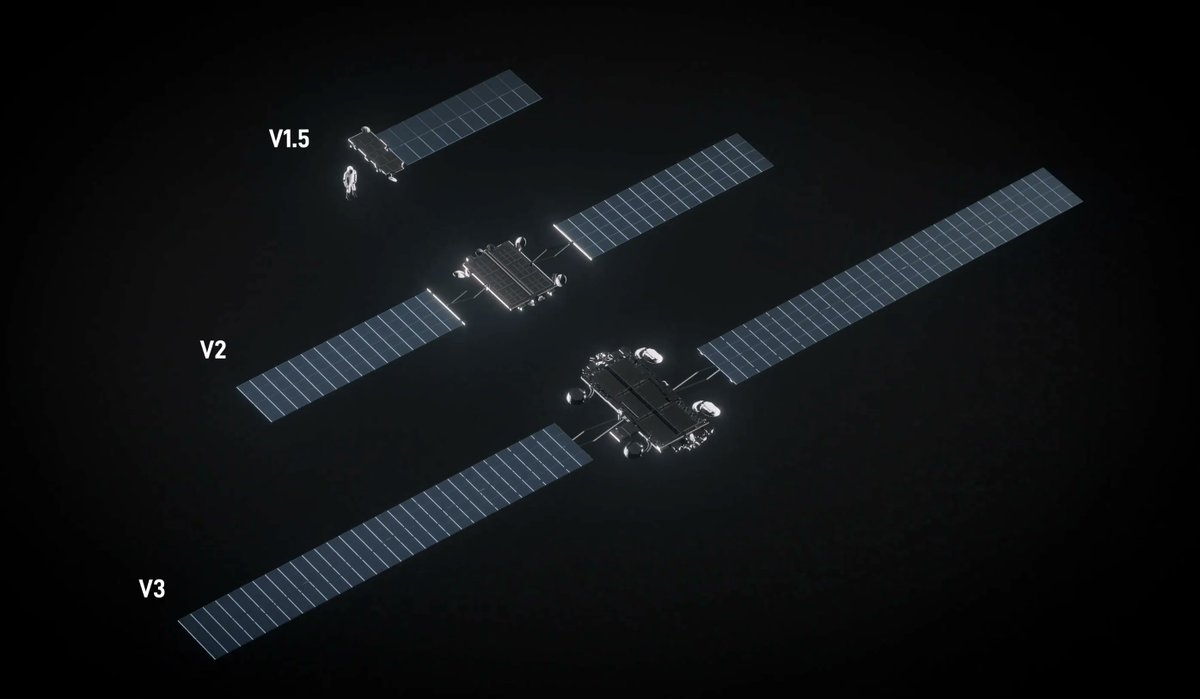
SpaceX has officially requested FCC approval to launch and operate a third-generation satellite constellation of 100,000 satellites, designed to power human connectivity and AI-fueled progress.
"The artificial intelligence revolution promises a supersonic tsunami of progress with the capability to deliver transformative prosperity to billions and carry the light of human consciousness far into the future. The Gen3 system will include 100,000 satellites operating in very-low-Earth-orbit to deliver extremely low-latency and multi-gigabit symmetrical throughput for consumers, enterprises, and government users and billions of Al-powered devices around the world. To achieve this ambitious goal, the Gen3 system will put new spectrum and sharing frameworks to work for American consumers. Al requires massive uplink capacity to support high-definition."
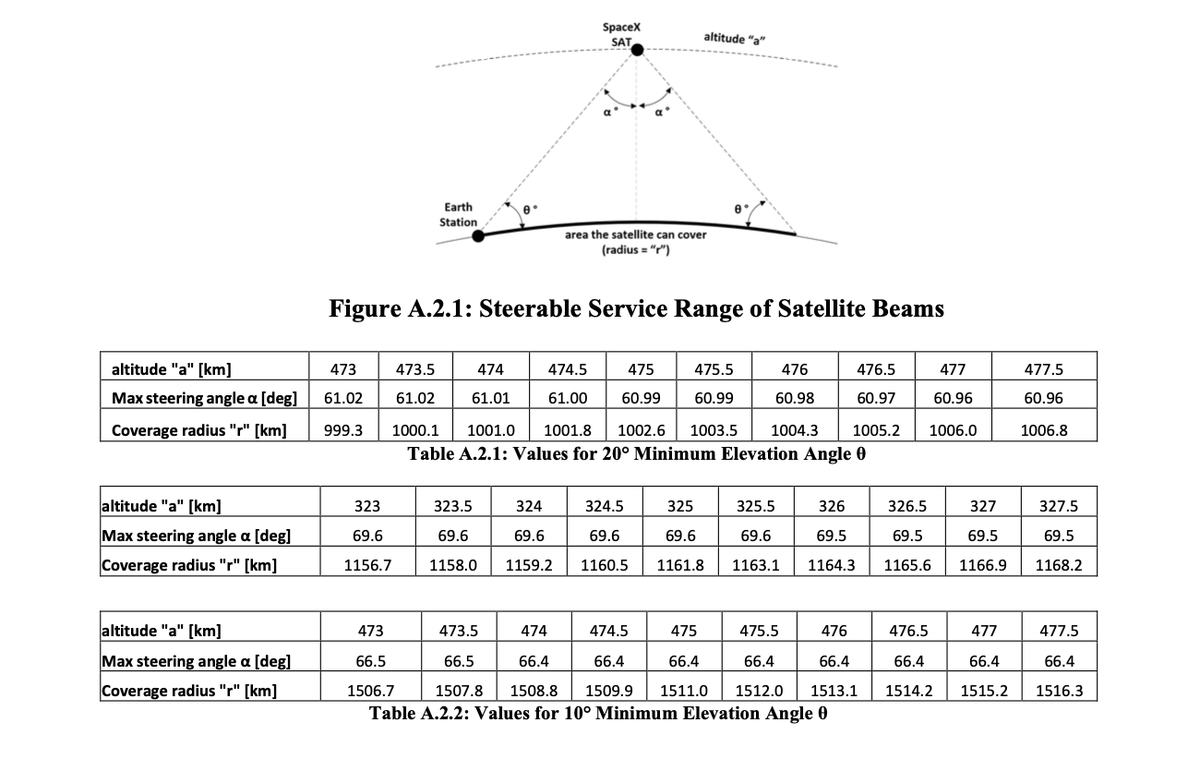
The Gen3 system will consist of 100,000 satellites, configured in two bands of thin, closely stacked operational shells with nominal altitudes between 323 and 327.5 kilometers and 473 and 477.5 kilometers. SpaceX seeks flexibility to operate its Gen3 system with inclinations ranging from 26 degrees to 96.9 degrees (sun-synchronous orbit) to optimize coverage consistent with evolving demand.
This new filing is separate from SpaceX's previous application to operate a constellation of up to 1 million AI satellites. They are two distinct constellations.
English

𝕏 had the highest monthly growth of any top 10 site in June
Similarweb@Similarweb
Top 10 websites by total visits in June 2026: → Bing switches places with TikTok, pushing it down to 10th. → After every top 10 site grew in May, all except X and Bing declined in June. → X recorded the highest month-over-month growth. >>
English
@SpaceXAI Space 🤝 AI. It's becoming less of a crossover and more of a roadmap.
English

The International Space Station orbited over Los Angeles on July 4th as America marked 250 years of independence with a burst of fireworks lighting up the city below — a celebration so bright it reached all the way to space!
English
Every successful mission from @SpaceX does more than reach orbit.
It makes building commercial infrastructure in space more practical.
That's a future Hubble is excited to be building toward.

English
The only explosions in the sky we'll be celebrating this weekend. 🎆
Have a safe and happy Fourth of July weekend from the Hubble team! 🇺🇸
English