humanOS.me

13.9K posts

humanOS.me banner
humanOS.me

humanOS.me

@humanOS_me

Personal health mastery https://t.co/NFn0v9a4UO

Austin Katılım Haziran 2009
184 Takip Edilen9.6K Takipçiler
Sabitlenmiş Tweet
humanOS.me
humanOS.me@humanOS_me·
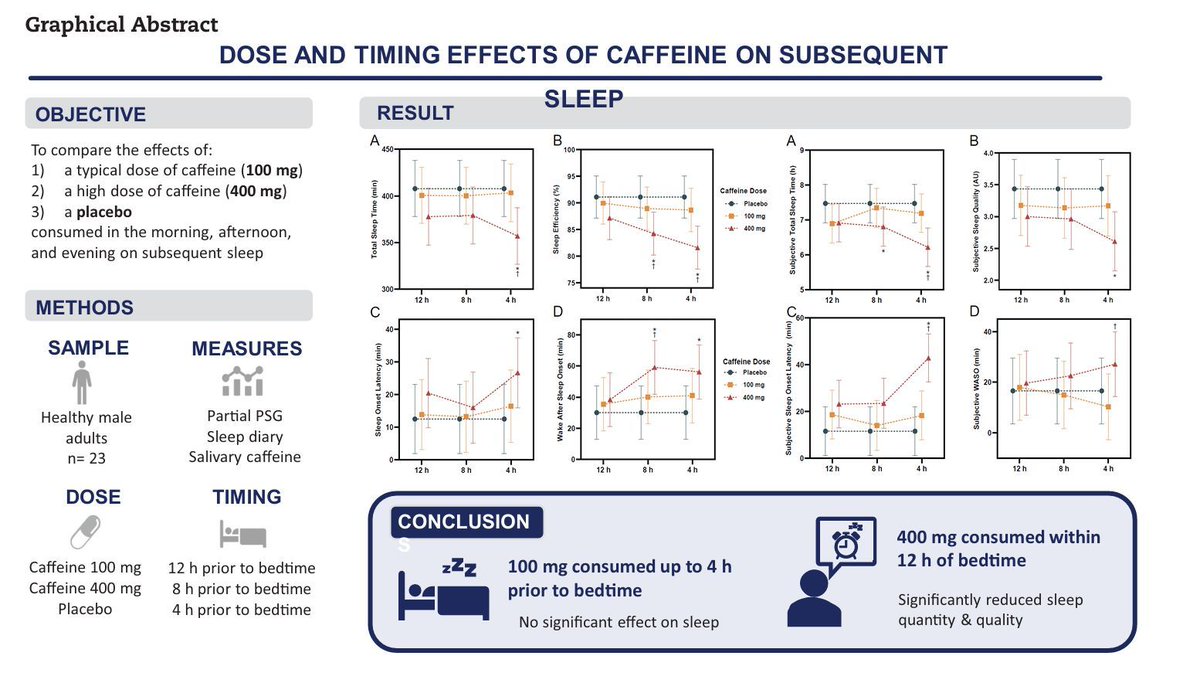
400 mg of caffeine can seriously disrupt sleep, even well before bed. In a randomized crossover trial: ☕ 400 mg cut deep sleep by up to 34 min 🛏️ Increased nighttime wakeups and delayed sleep onset 😴 100 mg had no effect—even 4 hours before bed
humanOS.me tweet media
English
16
26
118
23.4K
humanOS.me
humanOS.me@humanOS_me·
Each leg was used as its own control — cold vs. thermoneutral water. Reduced microvascular perfusion strongly predicted lower amino acid uptake Study: journals.lww.com/acsm-msse/abst…
English
0
0
1
534
humanOS.me
humanOS.me@humanOS_me·
🧊 Cold plunges after lifting may blunt muscle gains In young men, 20 min of 46 °F (8 °C) immersion post-workout: 🩸 Cut muscle blood flow by >50% 🧬 Reduced amino acid incorporation into muscle by 31% Cooling impaired nutrient delivery right when muscles needed it most.
English
1
2
7
858
humanOS.me retweetledi
Kevin Hall
Kevin Hall@KevinH_PhD·
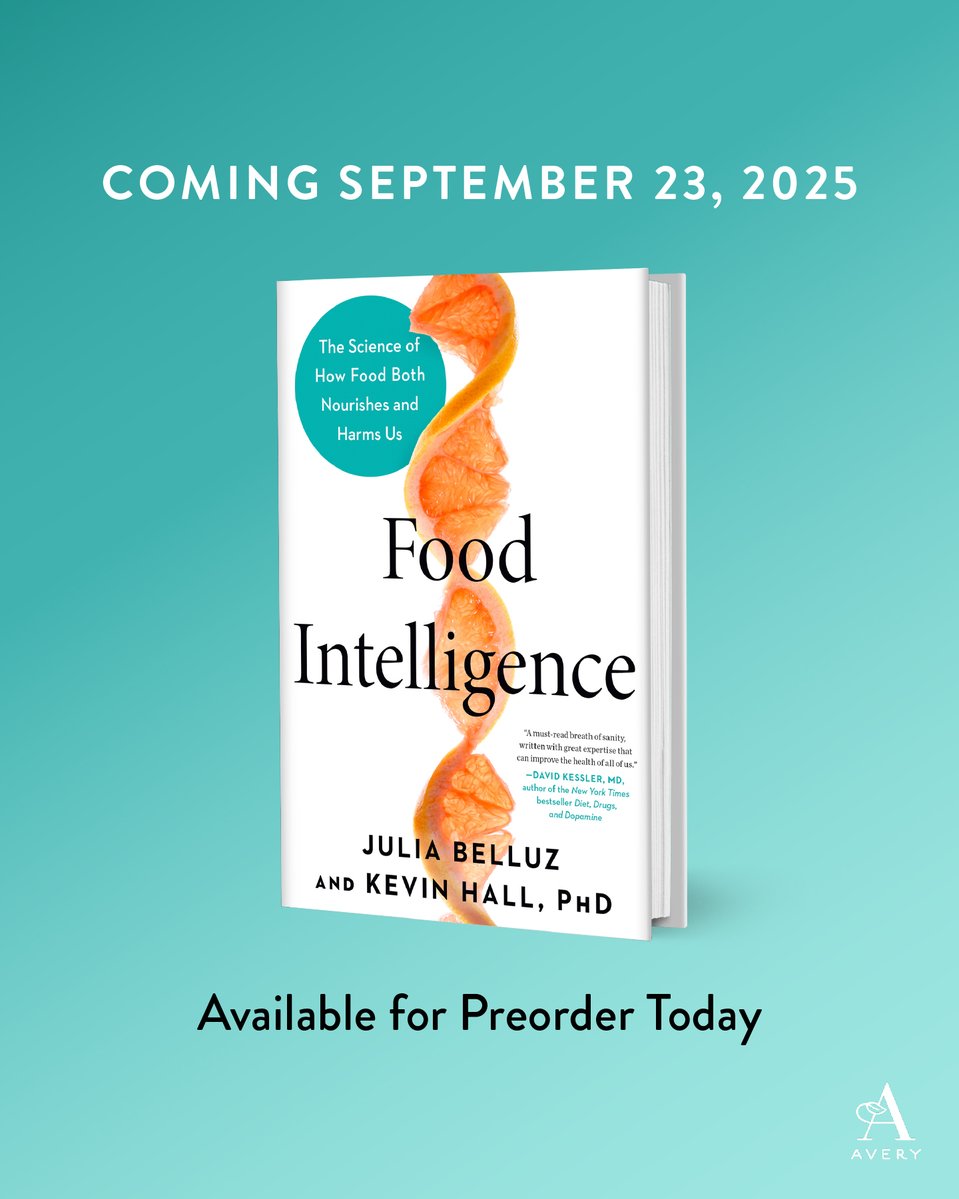
I’m excited to announce my new book FOOD INTELLIGENCE coauthored with brilliant journalist @juliaoftoronto! Cutting through the confusion about diet & health, #FoodIntelligence describes the fascinating science of how food both nourishes and harms us. penguinrandomhouse.com/books/671334/f… #FoodIntelligence combines my scientific expertise with Julia’s incisive journalism to help you better understand nutrition science, how our food environment drives metabolic disease, & what to do about it. This book has been years in the making & it’s finally a reality! @Avery_Books
Kevin Hall tweet media
English
5
88
488
97.5K
humanOS.me
humanOS.me@humanOS_me·
Importantly, there was no plateau. Mortality risk kept decreasing with step counts beyond 10,500/day. No upper threshold was identified — more steps meant greater improvement. Study: bjsm.bmj.com/content/58/5/2…
English
0
1
4
464
humanOS.me
humanOS.me@humanOS_me·
🚶‍♂️ More steps = lower mortality, even if you sit a lot 📊 In 72,000+ adults, 9,000–10,500 steps/day led to 🔻 38% lower all-cause mortality ❤️ 48% lower cardiovascular mortality 💡 Benefits started at just 4000–4500 steps/day and even highly sedentary people saw reduced risk
English
1
0
9
605
humanOS.me
humanOS.me@humanOS_me·
Dynamic cerebral autoregulation and baroreflex sensitivity decline with age — raising risk for dizziness, cognitive issues, and stroke. This study suggests midlife aerobic exercise helps preserve these systems. Paper: journals.physiology.org/doi/full/10.11…
English
0
0
2
426
humanOS.me
humanOS.me@humanOS_me·
Aerobic fitness helps the aging brain regulate blood flow. In 104 adults aged 40–70, higher cardiorespiratory fitness was linked to better dynamic cerebral autoregulation & greater baroreflex sensitivity. Both vital for maintaining brain perfusion under stress.
English
1
1
13
698
humanOS.me
humanOS.me@humanOS_me·
Participants engaged in walking, strength, and cognitive tests before and after a 20-min dual-task challenge. Those who were older or sedentary experienced greater declines in response speed and physical endurance. Study: journals.humankinetics.com/view/journals/…
English
0
0
5
406
humanOS.me
humanOS.me@humanOS_me·
Mental fatigue hits harder with age — but habitual physical activity helps buffer the blow. After a 20-minute cognitively demanding task, older adults showed declines in both cognitive and physical performance. But active individuals were less impaired than sedentary peers.
English
1
0
6
517
humanOS.me
humanOS.me@humanOS_me·
Lifelong exercise reduces age-related inflammation. A meta-analysis of 17 studies found master athletes (age 45-75) had 71% lower CRP and 1.4 SD higher IL-10 (anti-inflammatory cytokine) compared to untrained peers of the same age.
humanOS.me tweet media
English
1
1
7
1K
humanOS.me
humanOS.me@humanOS_me·
Higher lutein + zeaxanthin levels are linked to lower depression risk. In NHANES data (n > 7,000): – Highest vs. lowest dietary L+Z intake → 32% lower odds of depression – Highest vs. lowest plasma L+Z → 42% lower odds of depression
English
1
3
15
1.6K
humanOS.me
humanOS.me@humanOS_me·
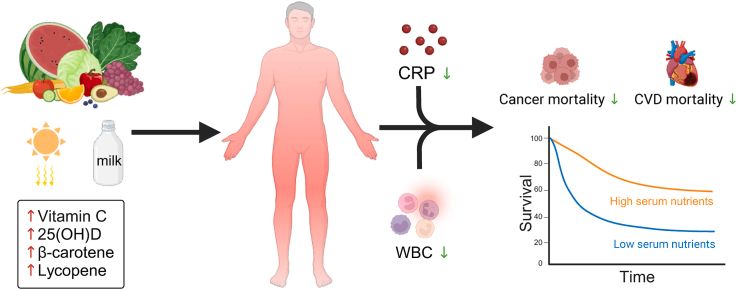
Higher blood levels of vitamin C, D, β-carotene, and lycopene were linked to lower mortality. In a U.S. cohort (n = 11,539), those with the highest 25(OH)D had: – 34% lower all-cause mortality – 52% lower cancer mortality – 41% lower cardiovascular mortality
humanOS.me tweet media
English
2
5
29
1.7K
humanOS.me
humanOS.me@humanOS_me·
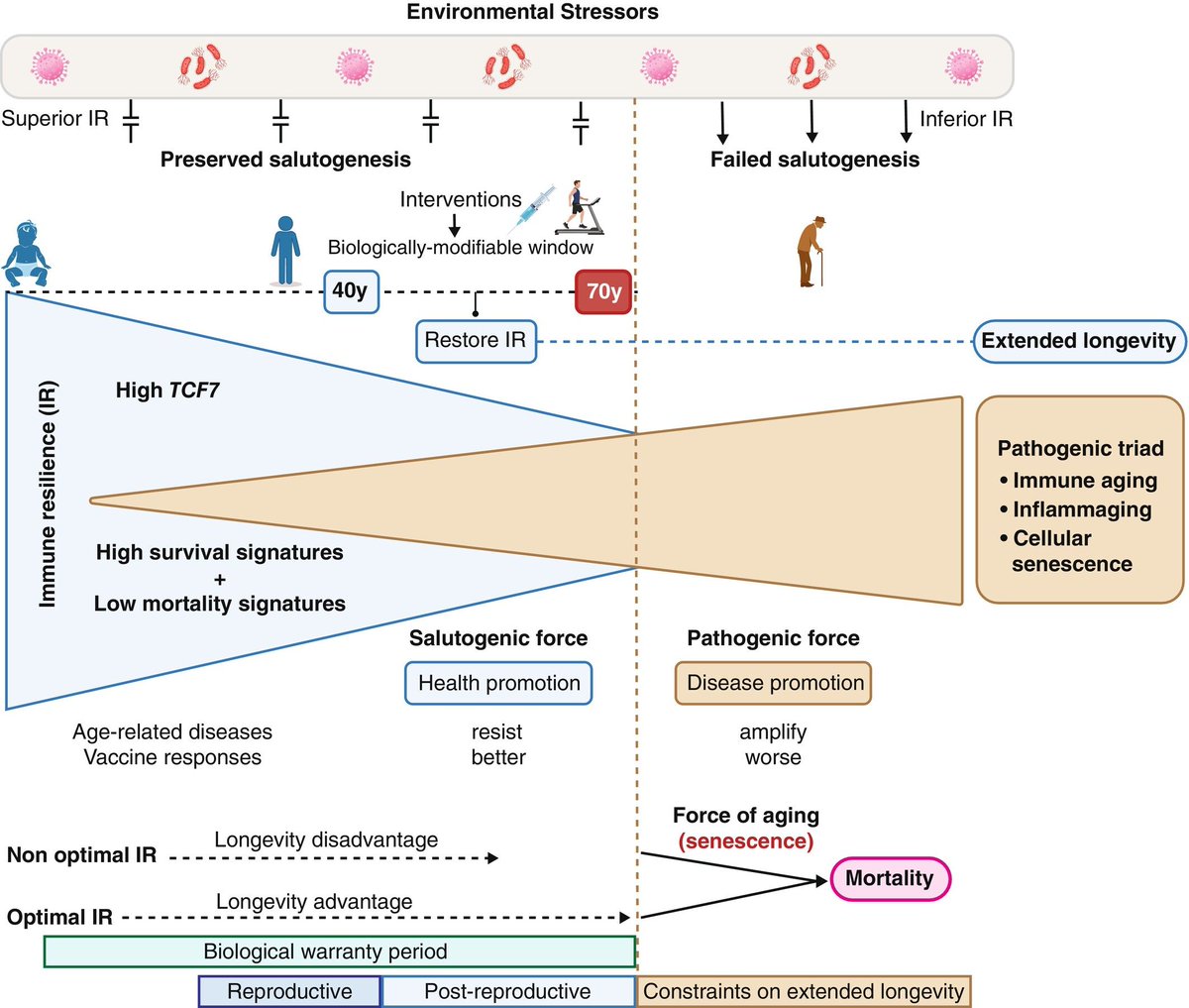
Researchers identified 5 immune phenotypes — only one was linked to exceptional survival. This “resilient" group had low inflammation, strong adaptive responses, immune stability over time. Findings support immunity as a driver of healthy aging. Study: onlinelibrary.wiley.com/doi/epdf/10.11…
English
0
0
1
409
humanOS.me
humanOS.me@humanOS_me·
Immune resilience may be a key to extreme longevity. A study of 690 adults found that those with the most youthful immune profiles lived up to 15 years longer than those with the most dysregulated immune markers. Resilient immunity tracked w/ physical and cognitive healthspan.
humanOS.me tweet media
English
2
4
19
981
humanOS.me
humanOS.me@humanOS_me·
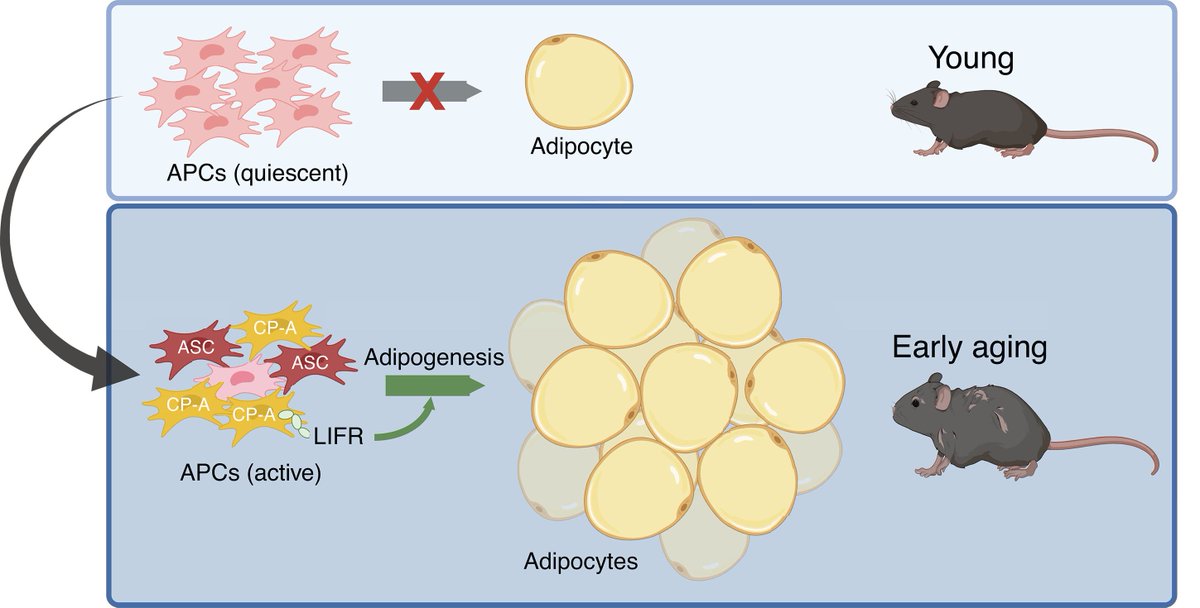
Unlike most stem cells, these age-enriched CP-A progenitors become more active with age. They show up in humans too. Blocking LIFR — a key receptor in these cells — prevented visceral fat gain in mice. Study: science.org/doi/10.1126/sc…
English
0
0
0
361
humanOS.me
humanOS.me@humanOS_me·
Aging unlocks new fat cell growth. A new experiment found that middle-aged male mice generated 80% new visceral fat cells via a hyperactive progenitor population. These cells emerge with age and drive fat gain via LIFR signaling.
humanOS.me tweet media
English
1
0
1
440