Ivan Nardi

307 posts

Ivan Nardi

Ivan Nardi

@i_nardi

Katılım Aralık 2013
144 Takip Edilen135 Takipçiler
Ivan Nardi retweetledi
Lukasz Olejnik
Lukasz Olejnik@lukOlejnik·
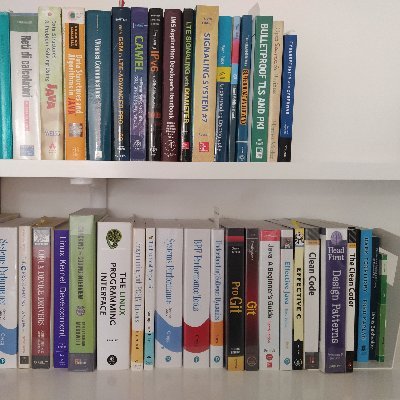
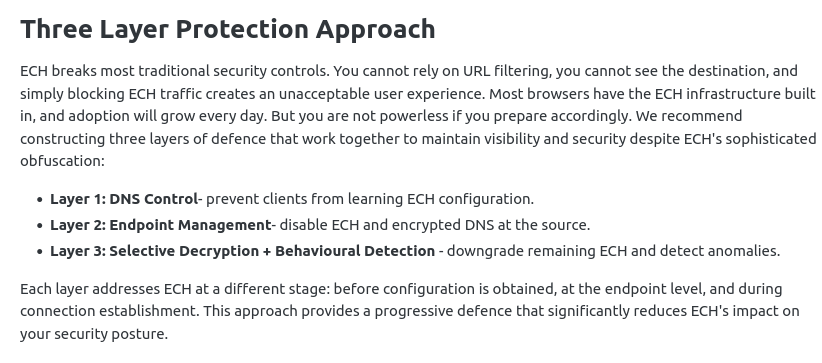
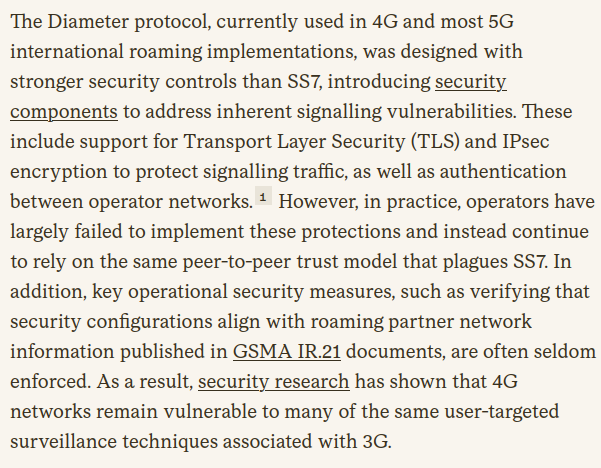
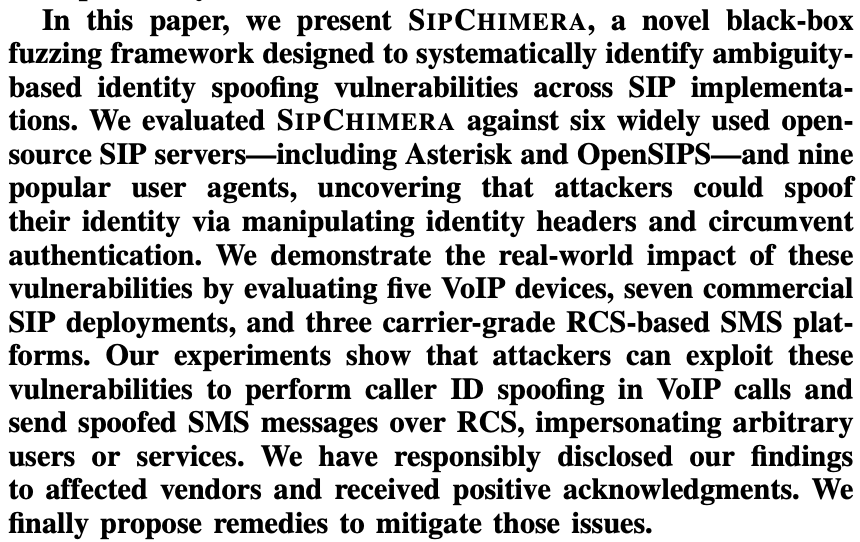
DO NOT use Telegram in sensitive applications. Telegram does not need to have its message encryption broken for users to be tracked at the network layer. Telegram sends MTProto over unencrypted TCP, exposing auth_key_id - a long-lived identifier tied to the client’s authorisation key. An ISP, hotel WiFi operator, mobile carrier, transit provider, or surveillance system on the network path can see that identifier if they can observe the traffic. It can remain stable across app restarts, IP changes, VPN use, network switches, and location changes. Secret Chats protect message content, but this leak is below that layer. That makes the attack passive. The risk is in retroactive correlation. Think a journalist using Telegram from different networks for months, then joining hotel or corporate WiFi under a real name. That one identity anchor could make old logs searchable for the same auth_key_id. The fix is simple - mandatory transport encryption for all MTProto connections, with no unencrypted fallback. Telegram chose not to do this. Source: @kaepora symbolic.software/pdf/gnmx-01.pdf
Lukasz Olejnik tweet mediaLukasz Olejnik tweet mediaLukasz Olejnik tweet mediaLukasz Olejnik tweet media
English
78
442
1.8K
185.2K
Ivan Nardi retweetledi
ntop
ntop@ntop_org·
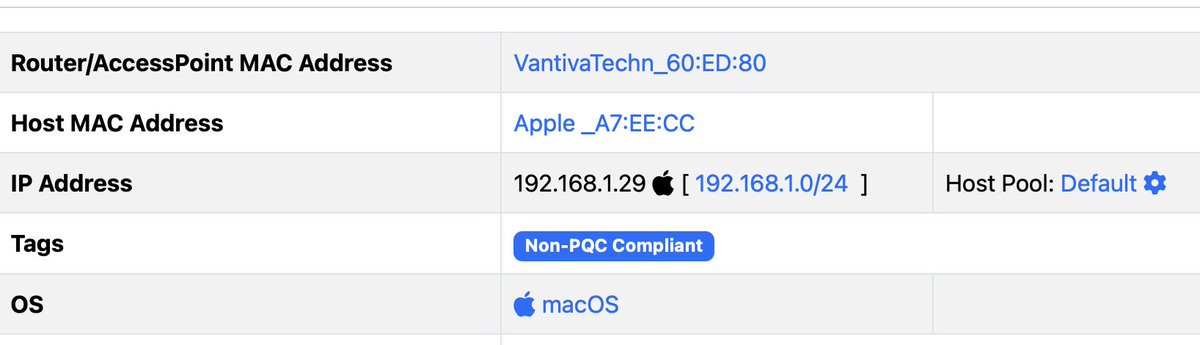
Is your network ready for Post-Quantum Cryptography (PQC) ? What's your network PQC Posture? ntop.org/post-quantum-c…
ntop tweet media
English
0
2
1
105
Ivan Nardi
Ivan Nardi@i_nardi·
Key point: "a censor does not need to break the TLS handshake if it can prevent the client from obtaining the #ECH configuration in the first place"
Nick Sullivan@grittygrease

Every lock needs a key. The hard part is not always designing the lock. Sometimes it is getting the key to the person who needs it. That is the problem I address in the third post of my CDT series on Encrypted Client Hello. ECH is designed to close one of the last major metadata leaks in HTTPS: the exposure of the website name in the TLS ClientHello. But before a browser can encrypt that part of the handshake, it needs the server’s ECH configuration. In today’s deployment model, that usually comes from DNS. This creates a very practical bootstrapping problem. DNS is not just a lookup mechanism here. It is the path by which the client learns the information needed to make ECH work. In normal network conditions, that is a clean design. In censorship environments, it is an obvious pressure point. China is the clearest example. The Great Firewall has a long history of DNS injection and poisoning. Encrypted DNS changes the mechanics, but not the basic incentive. DNS-over-TLS can be blocked outright. DNS-over-HTTPS is harder to block cleanly because it runs over HTTPS, but it can be identified and degraded. The result is not always a crisp failure. It can be something more frustrating and more effective: temporary blacklisting, flakiness, and enough unreliability that users give up. That matters for ECH because a censor does not need to break the TLS handshake if it can prevent the client from obtaining the ECH configuration in the first place. The failure occurs before the privacy property is enabled. This is one of the recurring lessons of Internet security. Cryptography is necessary, but it is not the whole system. Discovery, distribution, caching, fallback behavior, and downgrade resistance are part of the security architecture too. Censors often attack those seams because they are cheaper to exploit than the cryptography itself. The natural question is whether ECH configurations need to be tied so tightly to DNS. DNS currently handles both distribution and authentication. If those functions can be separated, ECH configs could be distributed via other paths while still being cryptographically authenticated. Well-known endpoints, cached configurations, CDN distribution, key transparency mechanisms, and signed ECH configurations are all part of that design space. ECH is still one of the most important privacy improvements happening in the web platform. But if we want it to work for the people most likely to face network interference, we have to treat configuration delivery as a first-class part of the problem. The next step is not just deploying ECH. It is making sure ECH can actually start. cdt.org/insights/distr…

English
0
0
0
49
Ivan Nardi
Ivan Nardi@i_nardi·
Encrypted Client Hello: try to add more flexibility in public names selection #ECH
Nick Sullivan@grittygrease

ECH exposed a hard truth about privacy technology: you can win at the protocol layer and still lose at the deployment layer. The lesson from the ECH rollout is not just that a censor blocked it. It is that privacy can fail at the deployment layer even when the protocol is doing the right thing. I wrote about it here for @CenDemTech: cdt.org/insights/do-no… ECH's design goal is "do not stick out." If encrypted connections all look similar, they are harder to classify, monitor, and block. GREASE helped with that. It made ECH-shaped traffic common, so the syntax itself did not stand out. But that was not the whole story. Real deployments still produced a visible pattern. The issue was not the extension syntax. It was config update and recovery behavior. In practice, those recovery mechanics pushed clients toward a common visible outer name. That created a cheap classification handle. So ECH stopped sticking out at one layer and started sticking out at another. That is the interesting deployment lesson. Privacy is not just about cryptographic correctness. It is about operational indistinguishability too. Rollout paths, retry paths, and recovery paths matter. That is why signed ECH config updates are interesting. The point is not just "more crypto." The point is to remove the deployment constraint that created a stable fingerprint. This is the new draft with Dennis Jackson and Alessandro Ghedini: ietf.org/archive/id/dra… Interop work is here: github.com/grittygrease/e…

English
0
0
0
38
Ivan Nardi
Ivan Nardi@i_nardi·
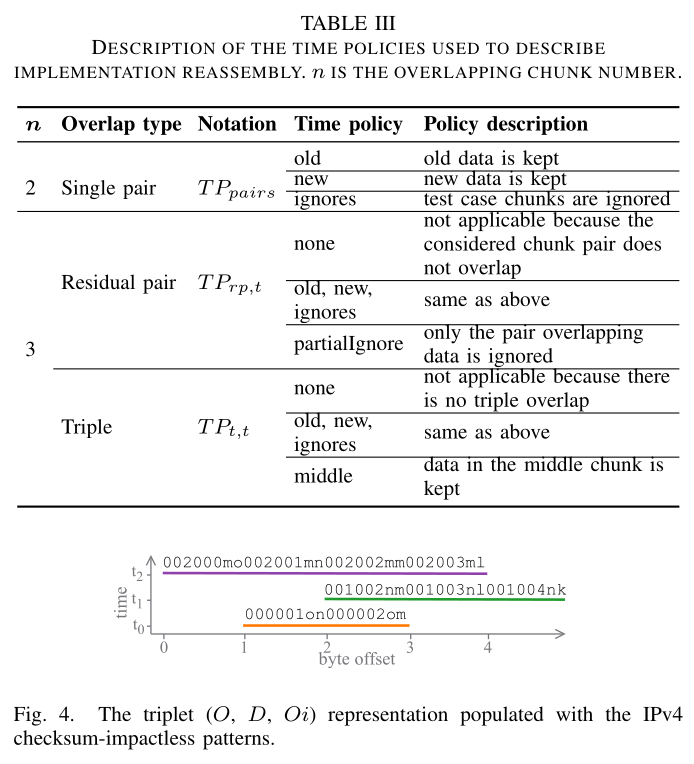
New research (RAID 2025) introduces PYROLYSE, an audit tool exposing how #Suricata, #Snort & #Zeek reassemble overlapping IPv4/IPv6/TCP packets differently from the OSes they monitor. This is a 25-year-old class of attacks.
English
1
0
0
136
Ivan Nardi retweetledi
Cloudflare
Cloudflare@Cloudflare·
Italy’s "Piracy Shield" forces providers to block content in under 30 minutes without judicial oversight, which leads to overblocking (taking down legitimate websites alongside infringing ones). We're appealing a €14M fine to protect the Internet from automated censorship and ensure infrastructure providers aren't forced to overblock. cfl.re/4cMh0WA
English
78
388
2.4K
111.1K
Ivan Nardi
Ivan Nardi@i_nardi·
Commercial censorship vendors are monitoring a fundamentally different web than researchers have been testing. Paper (FOCI '26): "Geedge Cases: Censorship Measurement Insights from the Geedge Networks Leak" petsymposium.org/foci/2026/foci…
English
0
0
1
40
Ivan Nardi
Ivan Nardi@i_nardi·
Researchers extracted 6.9M domains from the leak and found that 93.7% of those experimentally confirmed as censored appear in neither Tranco nor CitizenLab, the two standard domain lists used by the field.
English
1
0
1
64
Ivan Nardi
Ivan Nardi@i_nardi·
The September 2025 Geedge Networks leak, 572 GB of internal data from the Chinese company which exports censorship infrastructure to Kazakhstan, Pakistan, Myanmar, and Ethiopia, has been turned into a censorship research dataset.
English
1
0
1
242