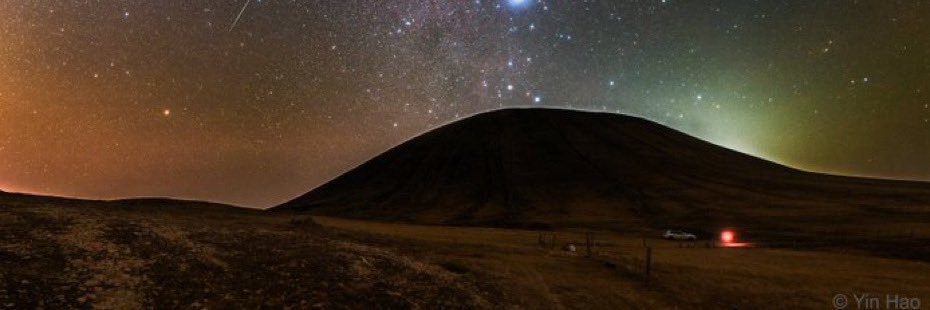
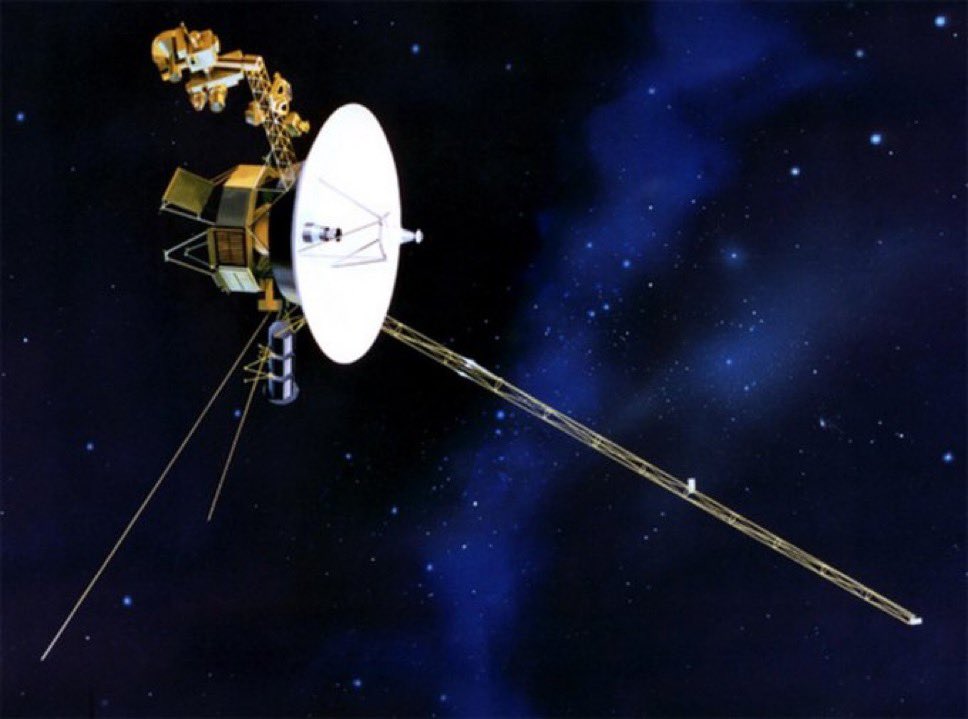
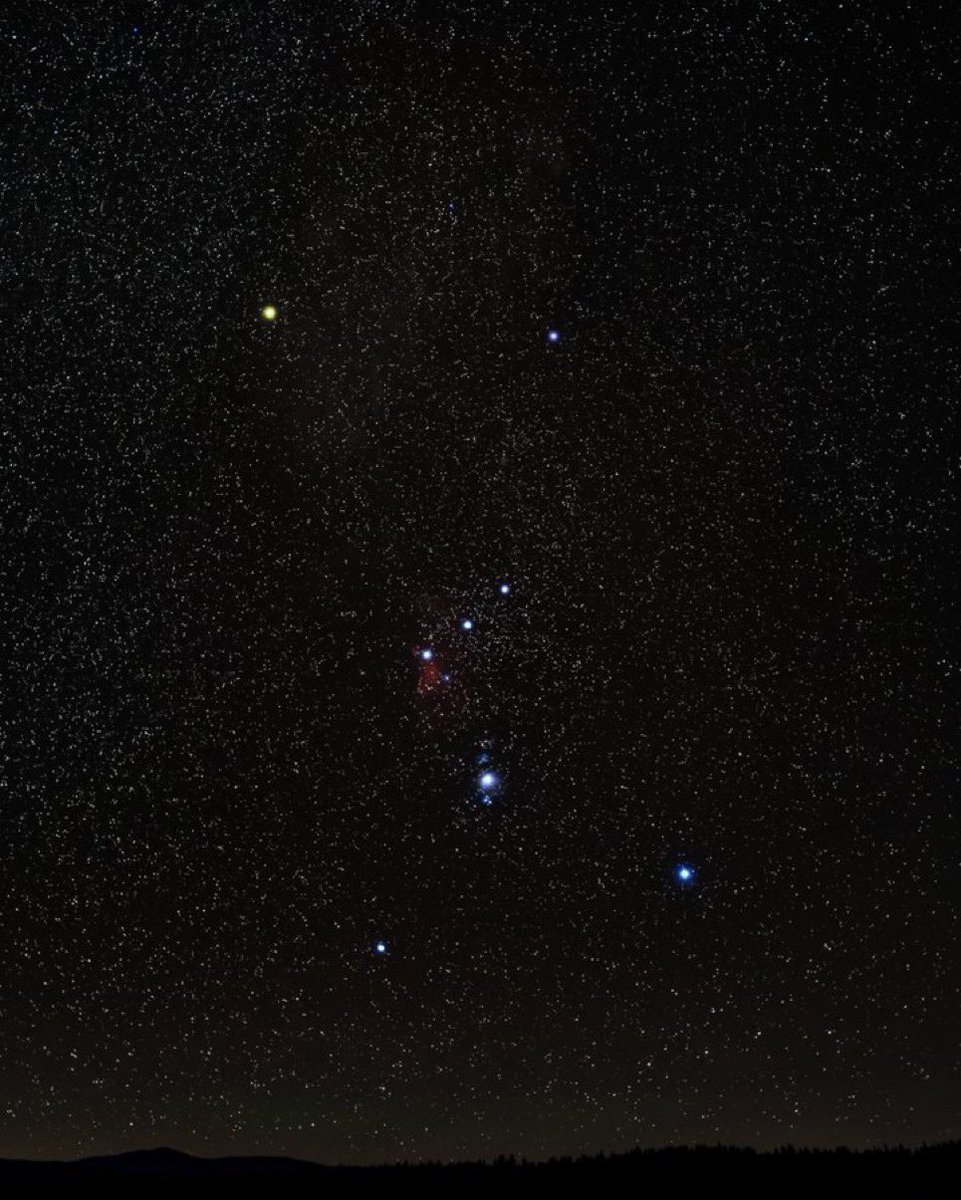
In 4 billion years, the night sky will look like this.
Right now, the Andromeda galaxy is hurtling toward us at 250,000 miles per hour. When it arrives, our sky will be filled with the glow of two trillion stars merging into one. A galactic dance on a scale we can barely imagine.
We were born 4 billion years too early for the greatest show in the universe. ✨🌌
[new simulations suggest a 50/50 chance of a direct collision within the next 10 billion years]
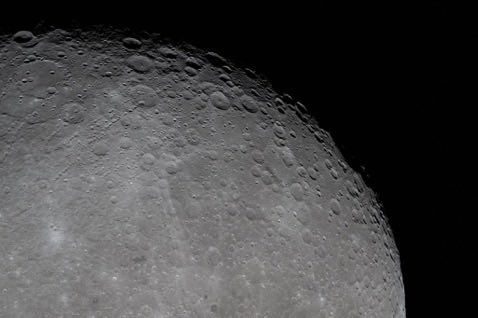
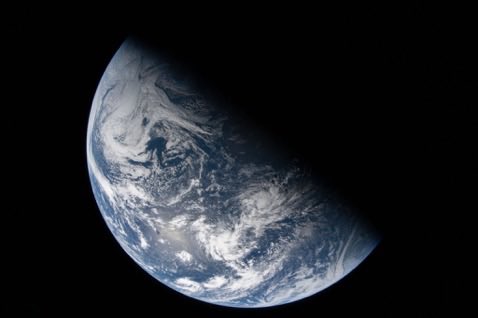
🚨: NASA HAS RELEASED OVER 12,000 IMAGES OF THE ARTEMIS II MISSION.
The most extraordinary photographs of our generation, and most people scrolled past them.
One day, your grandchildren will study these in a classroom.
This is the image that defines a generation.
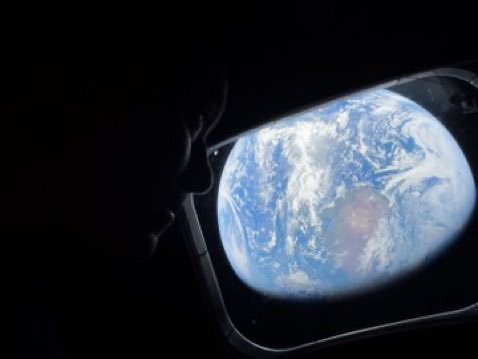
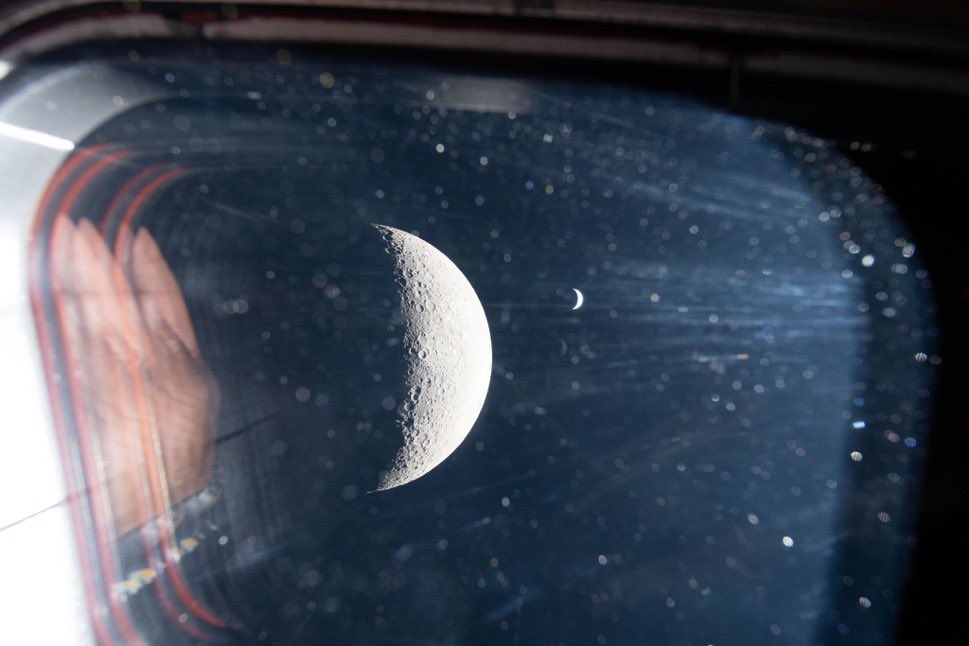
This raw shot from the Artemis II crew shows reality of deep space travel.
The smudges on the glass make it feel real. We are finally back.
Arp 105:
The Cosmic Guitar Strumming Across the UniversePicture a celestial rock concert frozen in time: Arp 105, a pair of galaxies locked in a gravitational jam session, forming a striking silhouette that looks uncannily like a guitar. This dramatic scene captures the raw power of cosmic collisions, where an elliptical galaxy and a spiral galaxy are drawn inexorably together by gravity.
The elliptical galaxy appears as the bright, smooth “body” of the instrument, while the spiral galaxy contributes swirling arms and intricate dust lanes. But the true virtuoso feature is the sweeping tidal tail—a long, graceful streamer of stars, gas, and dust stretching an astonishing 362,000 light-years across space. This immense trail was ripped out during their close encounter, as tidal forces stretched and distorted the galaxies like taffy.
In this ongoing merger, material is being flung far from the main galaxies, potentially seeding new star formation in the depths of intergalactic space. The blue hues in the tail highlight regions where fresh, hot stars are igniting, while golden knots trace denser concentrations of material. It’s a vivid reminder that galaxy collisions aren’t destructive ends, but creative acts that reshape the cosmos.
Image Credit: NASA, ESA and M. West; Processing: Gladys Kober
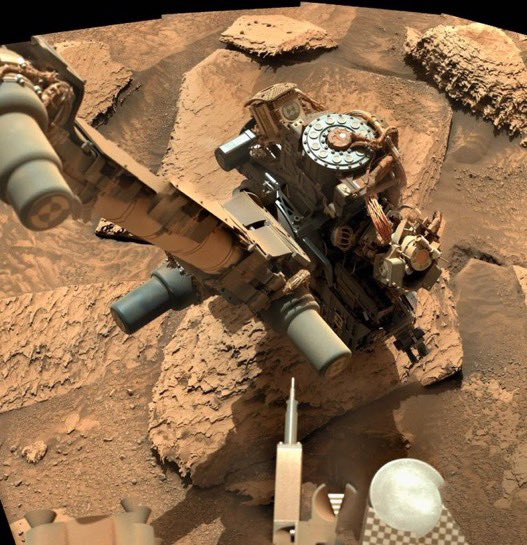
You are looking at a nuclear-powered robot picking up a rock that has been sitting on Mars for billions of years, on a planet 140 million miles away from us.
READ THAT AGAIN.
Arp 105, nicknamed for its guitar-like silhouette, captures the dramatic aftermath of an elliptical galaxy colliding with a spiral, creating a sweeping tidal tail of stars and gas extending 362,000 light-years
(Credit: NASA, ESA and M. West; Processing: Gladys Kober)
Why Earth Looks Smaller in Some Apollo Moon Photos You're looking at one of the most common (and easily debunked) Moon landing conspiracy claims floating around TikTok. The photo you're describing is almost certainly from Apollo 17 in December 1972 (not 1984 — small mix-up there!), showing an astronaut on the lunar surface with Earth hanging in the black sky.At first glance, yeah… Earth looks surprisingly modest compared to how huge the Moon often appears in our night sky. But here's the truth:Earth is actually much bigger in the lunar sky than the Moon is in ours.Earth’s diameter is about 3.7 times larger than the Moon’s. Since the average distance is the same (~384,400 km), the angular size of Earth seen from the Moon is roughly 3.7 times wider than the Moon seen from Earth.Moon from Earth: ~0.5° across (about the width of your pinky at arm’s length)
Earth from Moon: ~1.9° across (about the width of your thumb at arm’s length)
It’s a stunning blue marble that dominates the sky — way more impressive than our Moon looks to us.commons.wikimedia.org
So why does it look small in that specific picture?It’s all about the camera lens.Apollo astronauts used Hasselblad cameras with a wide-angle 60mm lens on 70mm film. That creates a huge field of view, squeezing a massive slice of the lunar landscape and the sky into one frame. The foreground terrain gives strong scale, making the distant Earth shrink a bit in the composition — exactly like how a wide-angle phone photo makes mountains look tiny.The actual angular size in the photo (measured using the camera’s built-in crosshairs) is spot-on ~2°, matching physics perfectly.space.com
Compare that to most Moon photos you see from Earth: those are usually shot with telephoto or zoomed lenses that crop in tight and make our Moon fill the frame dramatically. Different gear = different apparent size. Same reason you can make the Moon look tiny in a wide phone snap or enormous with a telescope.Other Apollo and modern images (or narrower-lens shots) show Earth looking gloriously large, exactly as expected.astrography.com
Bottom line: this isn’t evidence of a hoax — it’s beautiful proof of how cameras work and how massive our planet truly is when seen from another world.
🚨: Eight Marines outsmarted a DARPA AI meant to spot people. Two somersaulted 300 meters, two snuck under a cardboard box, and one pretended to be a tree—and the AI missed them all, because it was trained to catch people walking.
The storm of 800 billion stars.
The light in this photograph is 28 million years old.
It left this galaxy before humans existed.
It crossed unimaginable distances in cold silence — for 28 million years — to end its journey hitting a telescope we built.
Just so you could scroll past it on your phone.
Try to feel that for a second.