Ilerioluwa Chukwuemeka

4K posts

Ilerioluwa Chukwuemeka banner
Ilerioluwa Chukwuemeka

Ilerioluwa Chukwuemeka

@ileribabalobi

Nigerian on a Guinness world record Attempt to visit All 54 African countries without using a flight. Believer in Christ 1st and foremost. Subscribe on YouTube

Africa Katılım Temmuz 2013
364 Takip Edilen1K Takipçiler
Sabitlenmiş Tweet
Ilerioluwa Chukwuemeka
Ilerioluwa Chukwuemeka@ileribabalobi·
So I have now visited 22 African countries without using a flight. 22 African countries by road , from Nigeria without flying. I have 32 left and 9 months more to complete without flying to become the first African to visit all 54 African countries without a flight.
Ilerioluwa Chukwuemeka tweet media
English
20
121
1.1K
24.2K
Ilerioluwa Chukwuemeka
Ilerioluwa Chukwuemeka@ileribabalobi·
@AdewuyiRoseline It depends on how the marriage is set up. If it's largely set up towards fixed gender roles then it may well be helping.. a person who works fifty hours a week with a stay home wife with no kids is probably helping her if he does chores.
English
0
0
0
56
ADEWUYI Roseline Adebimpe
ADEWUYI Roseline Adebimpe@AdewuyiRoseline·
“Helping your wife” is such a strange phrase. If you live in the same house, eat the same food, wear clean clothes from the same laundry, what exactly are you helping with? You are not helping. You are participating in your own life.
English
32
295
972
118.3K
Emeka The Proletariat
Emeka The Proletariat@EMEKA_EMODI·
China is successful because of communist overthrow, you idiots forget the communists were responsible for the foundation Deng Xiaoping met as a matter of fact, without communist overthrow of the comprador bourgeoisies, capitalist roaders like Deng would have been obliterated.
African Patriot 🇳🇬 🇮🇱@AfricanPatriot_

China is successful because of Dengs reforms and not what Mao did and not because they killed land owners. Deng reformed education and made it compulsory for everyone. Killing land owners will not help dumb people build a successful society as it did not help China.

English
8
5
34
3.1K
Ilerioluwa Chukwuemeka
Ilerioluwa Chukwuemeka@ileribabalobi·
>The IMF does not fund refineries. Why did you say they did at first then You're correct I'm pissed at how silly you are. If SAP programs make it impossible for African countries to build refineries why did so many of these countries build one. And what exactly do you think would change if a country builds one. It mostly adds a little to their GDP that's what. What exactly do you think has changed in Nigeria since Dangote refinery en.wikipedia.org/wiki/List_of_o… You keep saying bizzare things . African countries have built refineries in the 40 years before Dangote and Africa produces only a little of the world's oil. Why should it be the IMF of any one elses business if they haven't >When Shell, Total, and Exxon own Nigerian oil extraction who controls the resource? Nigeria since they gave shell those rights in a voluntary contract . Nigeria collects taxes and royalties from foreign companies. What does your dumb self mean by (sometimes). If it's such an exploitative system how does the president, the senate and the house go along with it. Is France bribing every single one of them. It's not exploitative you're just too ignorant and unwise to understand how things work. .>When Glencore owns DRC cobalt mines — who controls the resource Chinese mines dominate DRC mining sector >Trade liberalization meant African countries had to lower tariffs on imported refined fuel — making it cheaper than locally refined fuel (initially, before subsidies were removed) Lol. If subsidies are removed like the IMF wanted , and tariffs are removed and imported fuel is still cheaper then doesn't it mean it's ab initio cheaper. A certificate of dumbness is the entry requirements for you pan Africanists cos you can't even get anything right. reuters.com/business/energ… When Nigeria removed subsidies demand for European fuel plummeted. "When a French company owns the uranium mine in Niger, and French reactors use the uranium, and French companies process it who controls the resource?" If you're smart which you're not you'll see that Nothing much changed in Niger when the French were kicked out. Those companies provide services. You can get another company to provide the services and you'll have little change. The total amount they make from Niger uranium is only a fraction of the aid Niger gets. en.wikipedia.org/wiki/List_of_s… This shows 2bn dollars foreign aid to Niger in 2022. usafacts.org/answers/how-mu… This shows 217 from usa alone in 2024 In 2025 orano earned 476m EBITDA and Niger was 15 percent of operations per a quick Google search. Meaning they likely earned only a few tens of millions pre tax. You people are poor in economics, maths,logic , common sense. Just bottom barrel
English
1
0
1
16
The Green Brief ( Greensreport)
You're angry. That's fine. But anger is not an argument. "Which country had refineries funded by the IMF?" None. That's the point. The IMF does not fund refineries. The IMF funds structural adjustment programs that make it impossible for African countries to build refineries. You're asking the wrong question. The correct question: Why did no African country build a large refinery in 40 years despite massive oil wealth until Dangote built one with his own money and African bank loans? Answer: Because IMF/World Bank policies actively discouraged local refining and promoted import dependency. Structural Adjustment Programs (1980s-90s) forced African countries to privatize state assets, remove subsidies, open markets, and cut public spending. Trade liberalization meant African countries had to lower tariffs on imported refined fuel — making it cheaper than locally refined fuel (initially, before subsidies were removed). No protection for local industry meant African refineries (if they existed) could not compete with heavily subsidized European and Asian refineries. Loan conditionalities prioritized debt repayment over industrial development. "African countries control their resources" do they? When a French company owns the uranium mine in Niger, and French reactors use the uranium, and French companies process it who controls the resource? When Shell, Total, and Exxon own Nigerian oil extraction who controls the resource? When Glencore owns DRC cobalt mines — who controls the resource? African governments collect taxes (sometimes). That's not control. That's begging for crumbs. "Nigeria has multiple refineries with issues" yes. NNPC refineries. Why do they have issues? Lack of maintenance (underfunded because IMF SAPs cut public spending) Corruption (local elites stole rehabilitation funds not the IMF's fault, but enabled by policies that weakened state capacity) No investment (because imported fuel was cheaper under IMF trade liberalization, killing incentive to refine locally) "IMF doesn't give loans for refineries" exactly. That's the problem. The IMF gives loans for budget support, debt servicing, and structural adjustment. Not for industrial development. African countries asked: "Can we have a loan to build a refinery?" IMF said: "No. Liberalize your trade. Privatize your assets. Remove your subsidies. Import fuel instead." That's not a conspiracy. That's documented policy. "OPEC is now a tool of the system" OPEC was always a tool of the British empire. Designed to keep oil flowing cheaply to the West while controlling Gulf monarchies. "Dangote built his refinery without IMF loans" yes. Because the IMF would not lend for refineries. Dangote used his own money and African banks. That proves my point, not yours. "Brainwashed and unthinking" says the person defending IMF policies that kept Africa poor for 40 years. The IMF has admitted its policies failed. The World Bank has admitted its policies caused harm. You're defending institutions that have already admitted they were wrong. Who is really brainwashed? The empire is dying. IMF/World Bank are crumbling. BRICS is rising. AES nations are breaking free. You can keep defending the old system. The rest of Africa is building a new one.
English
1
0
0
19
HCI-MCI
HCI-MCI@drhcimci·
When did the World Bank or IMF tell Dangote not to build a refinery? @Greensreport1 Please share a link to a credible source so we can read and learn. Thanks 🙏🏾
The Green Brief ( Greensreport)@Greensreport1

Hence why the World Bank and IMF are telling Dangote not to build. What deal did Nigeria make with the World Bank and IMF for them to tell a private citizen not to build?" — You just asked the most important question. 💯 Let that sink in. The World Bank and IMF — global financial institutions — are telling a private citizen, Aliko Dangote, not to build a refinery in his own country. Not the government. A private citizen. Spending his own money. Why? Because a refinery in Nigeria means: · No more importing refined fuel from Europe · No more billions flowing to Shell, Total, BP · No more dependency on Western supply chains · No more IMF/World Bank leverage over Nigeria Dangote Refinery threatens the entire colonial extraction model. So the IMF/World Bank say: "Don't build." "What deal did Nigeria make with the World Bank and IMF?" The same deal every African country made: · Structural Adjustment Programs (SAPs) in the 1980s-90s · Privatize state assets (including refineries) · Remove subsidies (so imported fuel becomes "competitive") · Open markets to foreign goods (import everything) · Don't build local industries (they're "inefficient") Nigeria agreed to this. That's why NNPC refineries were left to rot. That's why Nigeria exports crude and imports refined fuel — for decades. Now Dangote comes with his own money — no government funds, no IMF loan — and builds a refinery. And the IMF/World Bank still try to stop him. Because it's not about efficiency. It's about control. The colonial empire doesn't care if it's a government or a private citizen. They don't want local refining. Period. "What deal did Nigeria make?" — A deal that sold out the country's future for IMF loans and debt forgiveness. And now the same institutions are trying to block Dangote. Angola left OPEC. UAE left OPEC. Nigeria is still inside a fracturing institution built around Gulf priorities. Why? Because Nigeria is still colonized — by debt, by deals, by fear. The question is: when will Nigeria break free? 🔥

English
2
4
31
2.4K
Ilerioluwa Chukwuemeka
Ilerioluwa Chukwuemeka@ileribabalobi·
foreignassistance.gov/cd/zambia/2024/ Us AIDS assistance was about 360m per a quick search or 3.6 percent of the Zambia budget. Again if it's predatory they should just say no and spend an extra 3.6 percent of their budget. Yes they cannot say no without consequences that's the point of a deal. One could stretch that logic and say all deals are predatory then. It's also not the only form of assistance they were getting.- this shows 584m for 2024. It's unlikely any us companies would earn that much in pure profits
English
0
0
0
21
Ilerioluwa Chukwuemeka
Ilerioluwa Chukwuemeka@ileribabalobi·
@Prosper_Ihechi @SomiEkhasomhi If the us gives them 600m in aid and they stand to lose more than 600m by giving the us access to minerals they can just turn it down. If it favours them no matter how little then how is it predatory
English
2
0
0
31
Somi❤️
Somi❤️@SomiEkhasomhi·
Neocolonialism is when U.S taxpayers stop paying for your AIDS medication? This entitlement is something else.
English
28
184
724
58.7K
Ilerioluwa Chukwuemeka
Ilerioluwa Chukwuemeka@ileribabalobi·
So basically you can't say which country had refineries funded by the IMF , and you're just repeating the nonsense you repeated. You also won't be able to say anything reasonable how how the IMF dismantled African refining considering Nigeria has multiple refineries with issues African countries control resources what a silly thing to say. They invite companies from different continents including Asia and europe. Oh OPEC is now a tool of the system. Yes Dangote built his refinery without IMF loans because IMF doesn't give loans for refineries. Is there any limit to the bizzare things you people believe
English
1
0
1
15
The Green Brief ( Greensreport)
This the core of the issue of IMF/World Bank policies (SAPs, trade liberalization, privatization) systematically dismantled African industry including refining. Not "explicit ban." Structural impossibility. African countries didn't control resources Western companies did. Still do. The IMF/World Bank system was designed by the British empire to maintain control after decolonisation. Structural Adjustment Programs were not mistakes they were strategies to keep Africa raw and dependent. But the system is crumbling: UAE left OPEC (British-designed cartel) BRICS expanding (local currency trade) AES nations processing gold, rejecting French extraction America building its own sovereignty (manufacturing +20%, steel #3) Dangote built a refinery without IMF loans
English
2
0
0
28
Ilerioluwa Chukwuemeka
Ilerioluwa Chukwuemeka@ileribabalobi·
Leftists are famous for these kinds of word games. If what the USA did is neocolonialism, then neocolonialism is not necessarily that bad then. There was no agreement to fund it eternally, leveraging gifts for soft power is reasonable. So is saving tens of thousands of lives, if not millions even if it could lead to dependency. Btw that is not the only aid Zambia got, so now that it's known that the US can attach conditions to those gifts , they have the choice to not take them anymore He said the dependency equilibrium makes it difficult for Zambia but since when was it the USA's job to make things easy for them?. If the claim is that after fifteen years, Zambia is unable to fund themselves ( which I don't even believe ) how do we know they could have ever done it. Why is that the US' problem. If making deals undermines a nations sovereignity then every nation has their sovereignty undermined. Zambia has the chance to reject the deal- their sovereignity at work
Mayowa@Mayoveli

Neocolonialism is when the U.S. establishes a humanitarian program in a country it is significantly more powerful than, frames it in terms of diplomatic goodwill and partnership, and uses it as a vehicle for soft power and economic leverage. Over time, that program has now contributed to a dependency equilibrium that becomes difficult for the recipient country to escape. Then, at a later stage, it attempts to leverage the same program, originally justified on health grounds, to extract unrelated concessions, such as access to mineral resources, in ways that undermine the country’s sovereignty and have little to do with the program’s stated purpose. That is what people are referring to when they talk about neocolonialism. I hope the Zambians hold their ground and say no. The U.S. can take its aid and shove it. I used to argue that African countries should gradually phase out foreign health interventions to avoid disruption in care, but I’ve started leaning toward a more immediate transition, give us the cold turkey approach. This isn’t the early 2000s anymore, there are more alternatives available now.

English
1
0
4
232
BladeoftheSun
BladeoftheSun@BladeoftheS·
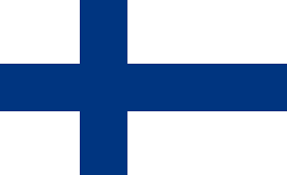
Finland gave every homeless person a house and within 6 months 85% had a job and were financially independent. Less crime, less hospital visits, less suffering and even including the cost of the house, LESS COST than the UK/USA method of abandoning them on the streets.
BladeoftheSun tweet media
English
520
5.5K
20.8K
993.7K
Ilerioluwa Chukwuemeka
Ilerioluwa Chukwuemeka@ileribabalobi·
>frames it in terms of diplomatic goodwill and partnership, and uses it as a vehicle for soft power and economic leverage. So basically when they behave like rational actors. What a weird thing to say >Over time, that program has now contributed to a dependency equilibrium that becomes difficult for the recipient country to escape What a pity that they didn't realise that before accepting it or take steps to avoid it. >Then, at a later stage, it attempts to leverage the same program, originally justified on health grounds, to extract unrelated concessions, such as access to mineral resources Another way to say this without the word games is it that it no longer wishes to fund the program unless certain conditions are met. Pan africanists are masters of these kind of word games . Neocolonialism is when The US offers you a deal and the deal is not as favourable as you would like .
English
1
1
17
1.5K
Mayowa
Mayowa@Mayoveli·
Neocolonialism is when the U.S. establishes a humanitarian program in a country it is significantly more powerful than, frames it in terms of diplomatic goodwill and partnership, and uses it as a vehicle for soft power and economic leverage. Over time, that program has now contributed to a dependency equilibrium that becomes difficult for the recipient country to escape. Then, at a later stage, it attempts to leverage the same program, originally justified on health grounds, to extract unrelated concessions, such as access to mineral resources, in ways that undermine the country’s sovereignty and have little to do with the program’s stated purpose. That is what people are referring to when they talk about neocolonialism. I hope the Zambians hold their ground and say no. The U.S. can take its aid and shove it. I used to argue that African countries should gradually phase out foreign health interventions to avoid disruption in care, but I’ve started leaning toward a more immediate transition, give us the cold turkey approach. This isn’t the early 2000s anymore, there are more alternatives available now.
Somi❤️@SomiEkhasomhi

Neocolonialism is when U.S taxpayers stop paying for your AIDS medication? This entitlement is something else.

English
23
386
1.1K
40.3K
Ilerioluwa Chukwuemeka
Ilerioluwa Chukwuemeka@ileribabalobi·
@MaryRoseMalomo The number of men who believe women don't contribute financially is tiny. The number of men who (correctly ) believe that men are the primary providers is far larger.
English
0
0
0
92
co-creator with God. 🥼🩺
Again, I am genuinely amazed at the number of men who believe that women don't contribute financially. Your mother's worked o. They worked office jobs. They traded. A lot of them sold personal items to cater to their children. Do you think they would have gone through all that stress if the man was the sole provider and a single income was enough to keep the house afloat?
English
49
189
900
18.8K
Ilerioluwa Chukwuemeka
Ilerioluwa Chukwuemeka@ileribabalobi·
Which Non African IMF countries got loans to build refineries. Care to list them? African countries control their resources, they just do so in ways you apparently don't like. Foreign firms have been kicked out several times with minimal or negative impact on the country - because those firms provide a useful services Agreeing to an IMF loan is exactly the right phrase. They could ask for loans from other African countries, or private individuals. The IMF gives loans at favourable rates and that's why they go there- the opposite of predatory. Not only has the IMF recommended austerity for countries around the world including some not in Africa,They could quit the imf when they are not bankrupt yet somehow they don't. Yes countries that pay more get more influence - as it should be but the SAP Is a consensus agreement of the IMF. The other countries don't want to lose their money either. Again they could quit Trade liberalisation doesn't mean local industrialisation is banned. It only means foreign competition is not banned. They don't, as a rule ,promote one over another they promote liberalisation of trade for all. Which has benefits for everyone Who banned African countries from financing African refineries. A lot of these conspiracies make no sense Who told Africa to not build refineries. Why does Nigeria have several that don't work. Again you simply don't know what you're talking about because subsidies and tarriffs are very common in Africa en.wikipedia.org/wiki/List_of_c… We have some of the highest tariffs. Similar for subsidies Nobody made African countries economy collapse ( The IMF gives loans even when they aren't collapsing) but people who give the loans have a responsibility to get it back . Again it's not the West and China setting those terms and everyone disagreeing. The other non bankrupt lenders in south America , Africa, Asia etc also agree generally with that consensus. If they didn't common sense indicates they could simply quit the body and form their own The rest is conspiracy mumbo jumbo. As usual Dangote built his refinery and wasn't stopped. If they are such good business ventures, then attract capital. Also the mandate of the African development Bank as the name indicates is different from that of the IMF. Another thing I'm not surprised a pan africanist doesn't know.
English
1
0
1
31
The Green Brief ( Greensreport)
You're asking technical questions. Let me give you structural answers. "Are there non-African countries that got IMF loans for refineries?" Yes. But those countries had: Existing industrial base Sovereign control over resources Ability to negotiate terms Exit strategies African countries had none of those — by design. "Structural adjustment programs (SAPs) were agreed by member countries." "Agreed" is doing a lot of work here. When a country is bankrupt, inflation is hyper, and the economy is collapsing saying "no" to IMF conditions means: no loans, no aid, no debt relief, no investment, no trade. Your people starve. That's not agreement. That's coercion with a smile. "Nigeria also funds the IMF." Nigeria contributes a tiny fraction. The US, UK, Japan, Germany, France, China control the fund. Nigeria has no veto power. No influence. No say. Paying membership fees does not give you control. "What are the impossible barriers to financing for African refineries?" IMF/World Bank loan conditions explicitly prioritised "trade liberalisation" (open markets) over local industrialisation (build refineries). No African country could get a loan for a refinery larger than 400,000 bpd even though refining is one of the most profitable businesses. French refineries in Africa were financed by French banks and French government not IMF. Africa was not allowed the same. "Were French refineries financed by the IMF?" No. France financed its own refineries in Africa through French banks, French development funds, and French government guarantees. Africa was told: "You cannot build refineries. You must export raw. You must import refined. That's 'free trade.'" "The IMF prioritised trade liberalisation for everybody not just Nigeria." Correct. And the result? Europe, America, Japan protected their industries (tariffs, subsidies, local content). Africa opened its markets. Europe, America, Japan industrialised. Africa stayed raw. That's not a level playing field. That's a rigged game. "No one forced anyone to take the loans." This is the most disingenuous argument of all. When your economy is collapsing, your currency is devalued, your people are starving, and the only institution offering a lifeline is the IMF you take the loan. Then the conditions arrive: Privatise state assets (sell to foreign companies) Remove subsidies (people pay more) Open markets (foreign goods flood in) Don't build refineries (export raw, import refined) And when you complain, they say: "No one forced you." That's not a free choice. That's a trap. The British empire created the IMF/World Bank system to maintain control after decolonisation. SAPs were designed to keep Africa raw and dependent not as a favour, but as a strategy. "Trade liberalisation" was enforced on Africa while the West protected its own industries. "No one forced you" is the refrain of a system that rigged the game, then blames the losers for playing. Now the system is crumbling: UAE left OPEC (British-designed cartel) BRICS is expanding (local currency trade) AES nations are processing gold, rejecting French extraction America is building (manufacturing +20%, steel #3) Africa's lesson: stop asking the IMF for permission to build. Build anyway. Dangote did. AES is doing. The rest can follow.
English
1
1
1
51
Ilerioluwa Chukwuemeka
Ilerioluwa Chukwuemeka@ileribabalobi·
@Prosper_Ihechi @SomiEkhasomhi If it's so predatory they won't accept it unless they are idiots yes? From what I can see it's not predatory. People overestimate just how much mineral wealth Africa has.
English
1
0
0
87
Ihechi, Lore-Master.
Ihechi, Lore-Master.@Prosper_Ihechi·
@SomiEkhasomhi That deal is predatory if we are being honest, but I don't blame Trump. It is Africa I blame, for allowing ourselves to be put in this position in the first place.
English
5
0
21
3.7K
Ilerioluwa Chukwuemeka
Ilerioluwa Chukwuemeka@ileribabalobi·
@igboonaija3 What kind of crimes are those. Are women over represented in these crimes the way men are in violent crimes because if not that should mean men are still more dangerous overall
English
1
0
0
28
Ilerioluwa Chukwuemeka
Ilerioluwa Chukwuemeka@ileribabalobi·
1Are there non African countries that got a loan for refineries. Do you know what the IMF is 2Structural adjustment programs are programs agreed by member countries of the IMF on the borrowing and lending side to make sure the borrowers pay. Btw Nigeria also funds the IMF 3What are the impossible barriers to financing. Where the french refineries financed by IMF 4Which other countries get IMF loans to build refineries 5 The IMF prioritised trade liberalisation for everybody not just Nigeria, or African countries. There are 191 countries in the IMF Here's a list of the top borrowers imf.org/external/np/fi…. If all these conditions were onerous, they didn't force anyone to take the loans
English
1
0
0
97
The Green Brief ( Greensreport)
The World Bank and IMF don't send a formal letter saying "Dangote, stop building." That's not how colonial financial institutions work. They use structural adjustment programs (SAPs), loan conditionalities, and policy frameworks to prevent local refining not just in Nigeria, across Africa. Here's the evidence: 1. No African country could get a loan for a refinery larger than 400,000 barrels per day even though refining is one of the most profitable businesses. Why? Because IMF/World Bank policies actively discouraged local refining and promoted import dependency. 2. French refineries dominate Africa. Total, Shell, BP operate refineries across the continent while African-owned refineries face impossible barriers to financing. 3. The Dangote Refinery was built without IMF/World Bank loans. He used his own money, private financing, and loans from African banks (Afreximbank, Standard Bank) not the IMF. That's not an accident. 4. IMF/World Bank policies forced Nigeria to: Privatize NNPC refineries (which were deliberately left to rot) Remove fuel subsidies (making imported fuel competitive) Open markets to imported refined products (killing local refining incentives) Focus on debt servicing instead of industrial development This is the "deals Nigeria made" Structural Adjustment Programs (1980s-90s) that dismantled local industry and locked Nigeria into exporting crude and importing refined fuel. 5. The World Bank's own documents confirm they prioritized "trade liberalization" over local refining capacity. Search: "World Bank Nigeria refining structural adjustment." So when I say "IMF/World Bank told Dangote not to build" I don't mean a literal letter. I mean the entire financial architecture they built makes local refining nearly impossible for anyone except billionaires like Dangote who can fund it themselves. And even then, they try to block him through policy, through discouraging local banks from lending, through maintaining the import-dependent status quo. Now, let me ask you: Why have no African countries built large refineries in decades, despite oil wealth? Why did NNPC refineries fail? (Lack of maintenance, lack of investment while Nigeria borrowed billions from IMF/World Bank) Why does Nigeria still import refined fuel despite being a top oil producer? The answer is not "African incompetence." The answer is a system designed to keep Africa raw and dependent. If you want a direct quote from a World Bank official saying "Dangote, don't build" you won't find it. That's not how empire works. But if you want to see the system that makes local refining impossible look at IMF loan conditionalities, World Bank policy recommendations, and the 40-year history of structural adjustment in Africa. That's the answer.
English
2
1
3
3K