

Marco
9K posts
Marco
@ilmiroxy
You can ignore reality, but you cannot ignore the consequences of ignoring reality.
Katılım Nisan 2009
904 Takip Edilen484 Takipçiler

@mfa_russia Today russia is the Nazi nation committing genocide in Ukraine. You're bombing children, kindergartens, hospitals and you steal Ukrainian children. You're a disgrace for humaity, worse than Hitler.
English

#NoStatuteOfLimitations
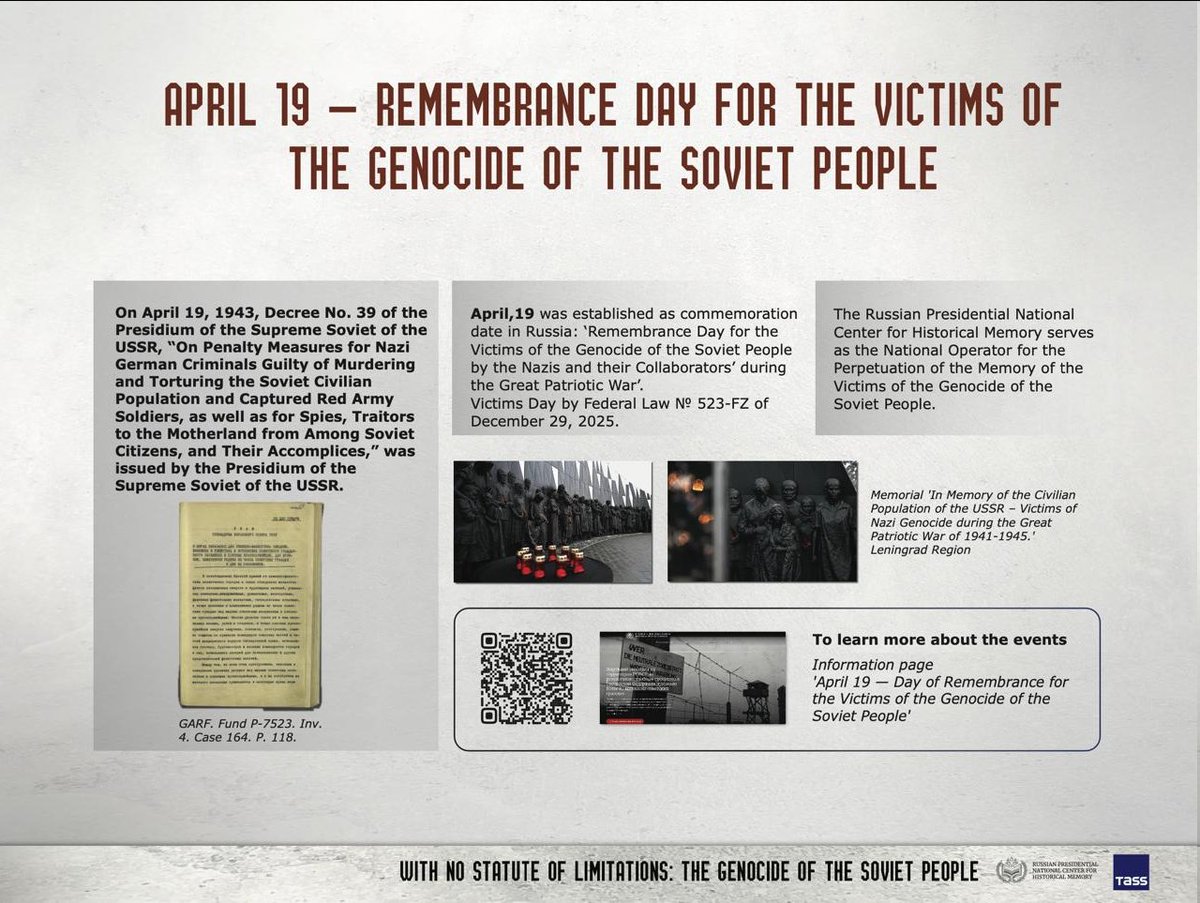
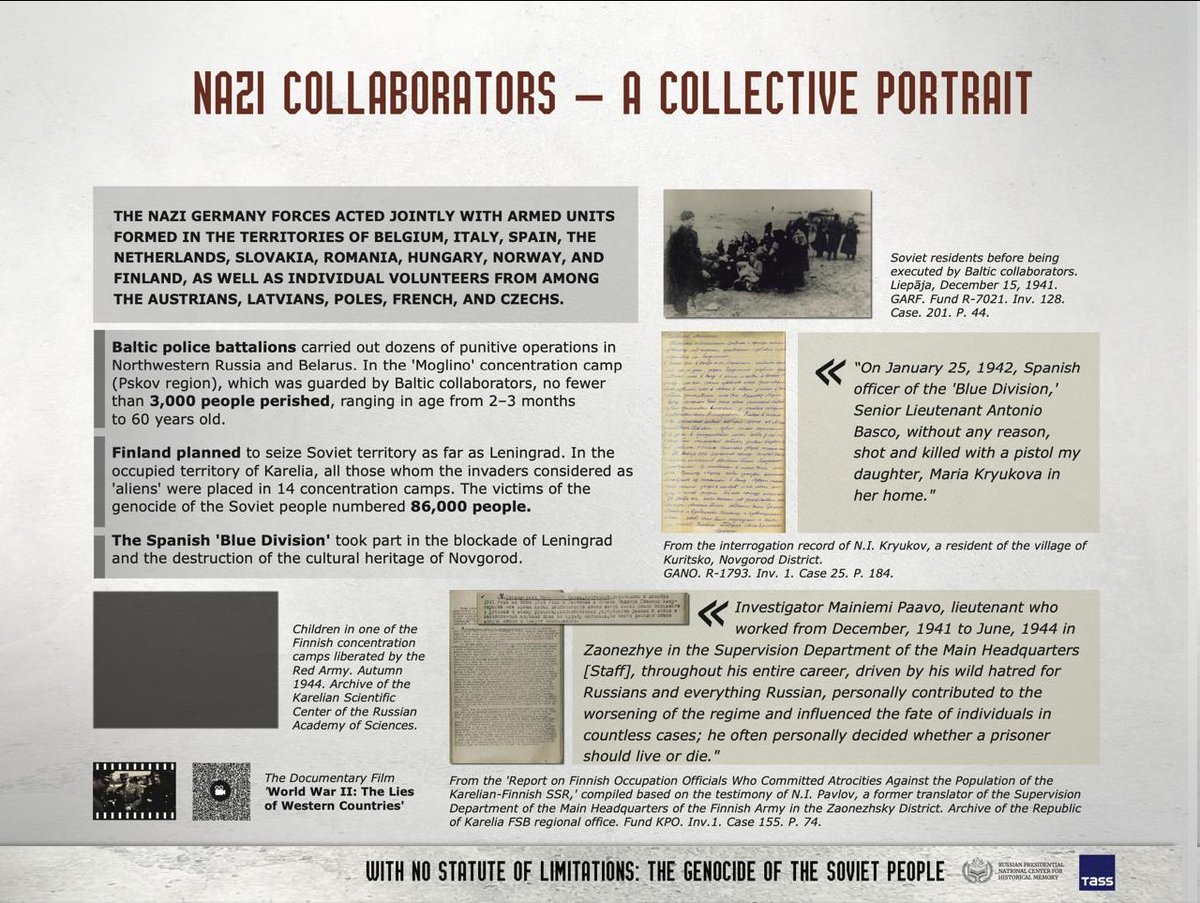
The National Center for Historical Memory presents an online exhibition “No Statute of Limitations: The Genocide of the Soviet People,” which features materials on numerous crimes committed by the Nazis during WWII
Learn more: t.me/MFARussia/29400


English
🎥🎞 Ce 14 avril, l'Ambassade de Russie en Belgique a accueilli la projection du film documentaire «Russie – Ukraine : derrière l’écran de fumée». L’auteur du film – le journaliste belge, réalisateur et rédacteur en chef du portail médiatique «KairosPresse», Alexandre Penasse – a personnellement présenté son œuvre.
Dans son allocution de bienvenue adressée aux invités, parmi lesquels figuraient des citoyens belges et des compatriotes russophones, S.E.M. Denis Gonchar, Ambassadeur de Russie en Belgique, a souligné que le travail d’Alexandre Penasse révèle les véritables causes profondes de la crise ukrainienne et de la tragédie du Donbass, offrant au spectateur un regard impartial sur des événements que la majorité des médias occidentaux couvrent avec des distorsions évidentes.
Х
«Ces dernières années, une vaste campagne d’information est menée contre la Russie, marquée par des biais dans l’évaluation des événements et, souvent, par des mensonges flagrants. Dans un tel contexte, il est extrêmement important de préserver la capacité de penser de manière critique, de distinguer le bon grain de l'ivraie, la vérité de la fiction malveillante».
L’Ambassadeur a rappelé qu’une projection antérieure du même film avait été annulée dans un cinéma bruxellois en raison de l’intervention de l’ambassade d’Ukraine. Il a déploré que les autorités belges cèdent aux pressions du régime de Kiev, qui exerce une influence considérable sur les plateformes culturelles et médiatiques européennes, en violation du principe de liberté d’expression.
«Notre approche est diamétralement opposée. Nous sommes intéressés par la diffusion d’informations aussi complètes et fiables que possible sur ce qui se passe dans les nouvelles régions de Russie. Je rappelle que les dirigeants du pays ont à plusieurs reprises invité des correspondants étrangers à se rendre dans le Donbass, à saisir cette chance unique de voir les choses par eux-mêmes, de ressentir comment vivent les gens sur place, de se forger leur propre opinion et de la partager avec leurs téléspectateurs et leurs lecteurs».
❗️S’adressant aux invités, S.E.M. Denis Gonchar a souligné que l’objectif de l’événement n’était pas d’imposer un certain point de vue, mais de donner à chacun la possibilité de tirer ses propres conclusions sur la base de ce qu’il a vu et entendu.
🗣 À l’issue de la projection, une discussion animée a eu lieu : les spectateurs ont partagé leurs impressions, et le réalisateur a répondu aux nombreuses questions des invités.
📄Les participants ont également eu la possibilité de prendre connaissance du rapport du Ministère russe des Affaires étrangères «La vérité sur les événements en Ukraine et dans le Donbass (2014–2022)».
t.me/amrusbel/1767

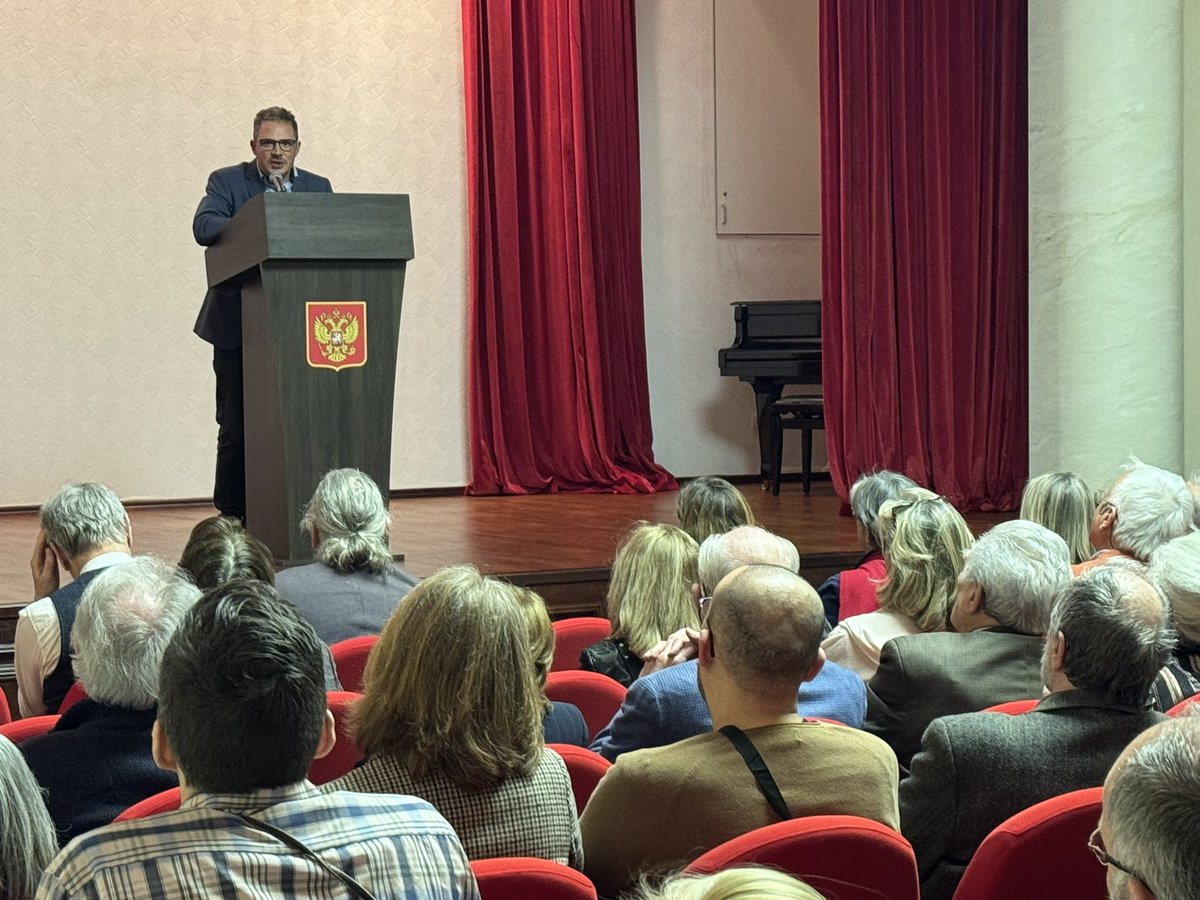
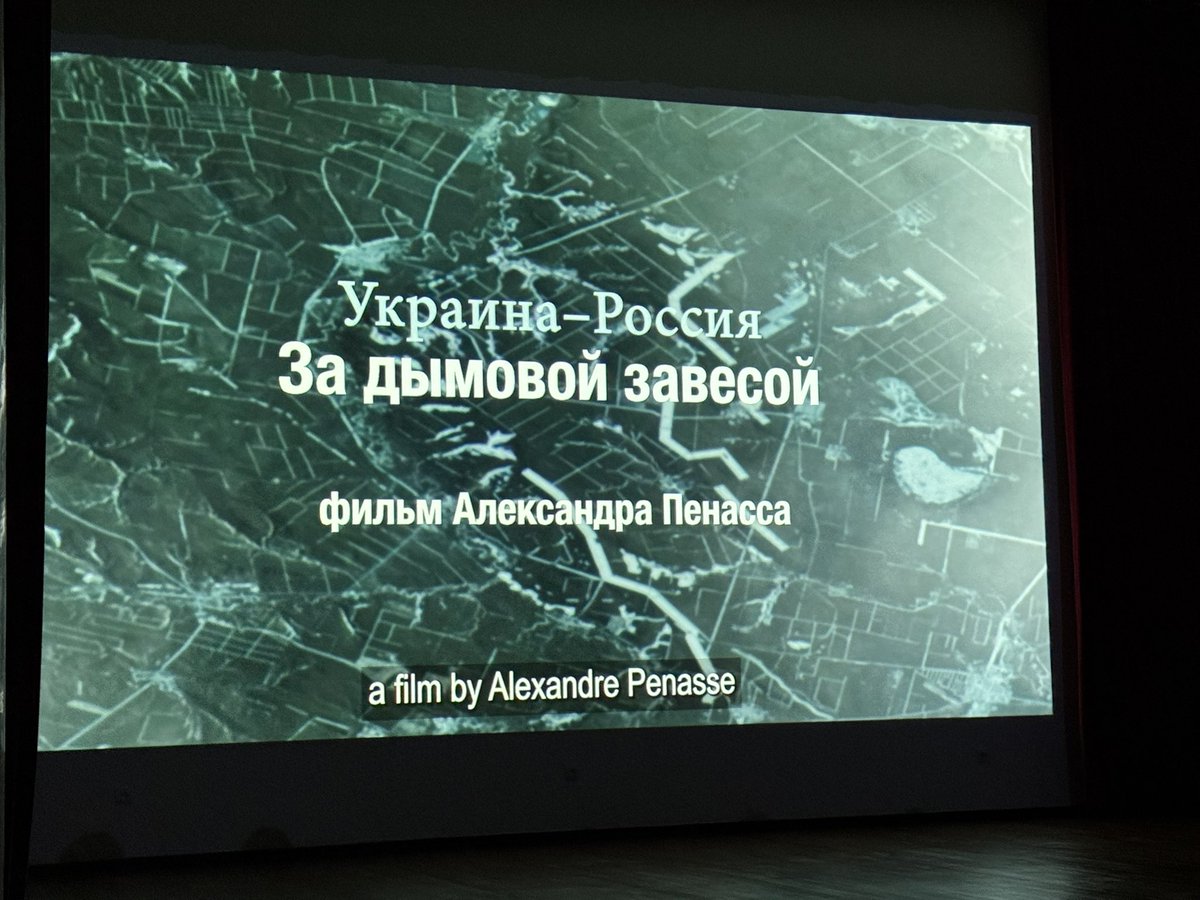
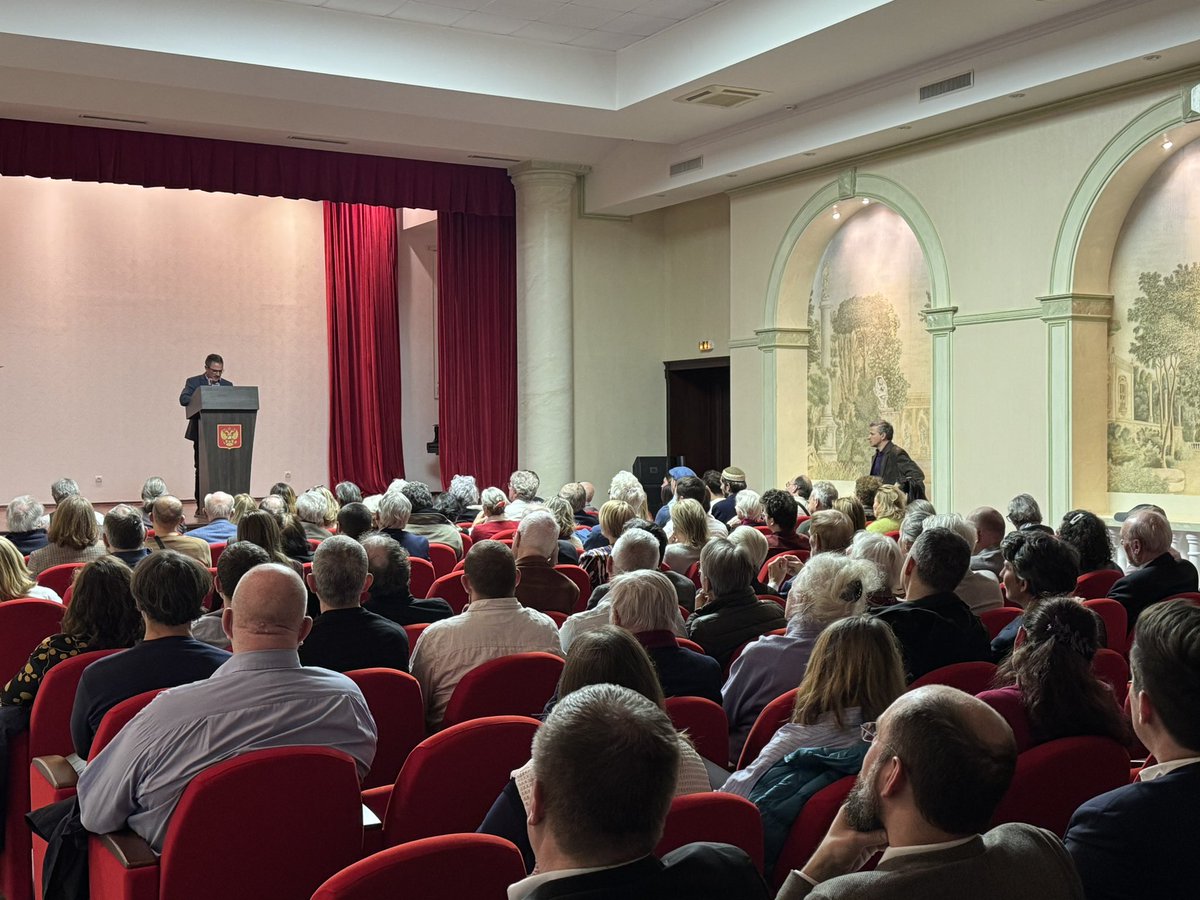
Français
⚡The latest cancellation of a screening in Brussels of the documentary Russia-Ukraine: Behind the Smokescreen, by Belgian journalist Alexandre Penasse
Municipal authorities in Brussels have once again cancelled a screening of the documentary Russia–Ukraine: Behind the Smokescreen by Belgian journalist Alexandre Penasse, head of the independent media project Kairos Press. The documentary, which provides an insight into the root causes of the conflict in Ukraine and the tragedy of Donbass, has already attracted considerable public attention in Belgium and other EU countries.
Let me recall that the film is based on material collected during a visit to Russia by a group of foreign journalists, including a trip to Donbass. One might think this represents precisely the kind of “fact-based journalism” so often invoked in the West when referring to its own investigations.
However, as soon as the discussion turned to the root causes of the Ukrainian crisis – and, crucially, to the possibility of seeing the situation in Donbass first-hand – a well-established machinery of suppression and propaganda is brought into play.
The Kiev regime, sustained entirely by Western funding, has effectively assumed the role of a pan-European censor, seeking to shape the information agenda for ordinary Europeans and a number of EU countries that appear unable to defend their sovereignty. Their information operatives are no longer confined to issues relating to Ukraine or Russia; their activities now extend across a wide range of topics. They claim expertise in areas ranging from military training for Western countries to the use of drone technologies, and even present themselves as authorities on regions such as the Arctic and the Baltic.
In effect, and with the acquiescence of European authorities, a new and deeply divisive ideological narrative is being promoted – one centred on extreme nationalism and a form of Russophobia extending to anything associated with Russia, its people and the Russian world. But this is not the limit, they will go even further. At the same time, tremendous efforts are being made to conceal the neo-Nazi essence of the current Ukrainian authorities and their war crimes.
It is within this framework that Belgian officials are acting: at the first request from Kiev-aligned advocates based in Europe, they readily fall into line and authorise the cancellation of film screenings on vague and unconvincing grounds. Even the official justification that the film could supposedly lead to “disturbances of public order” is difficult to take seriously. By such logic, almost anything could be deemed capable of causing “public disorder” in EU countries. Is everything, then, to be subject to closure?
In reality, this appears to be yet another attempt to prevent the filmmakers from telling the truth to the Belgian public, whose taxpayers’ money is being channelled into financing the Kiev regime, providing it with weapons and subsidising the regime’s terrorist activities. More broadly, this reflects an ongoing effort to exclude from the European information space any viewpoints that diverge from the officially endorsed narrative.
📍Briefing by Foreign Ministry Spokeswoman Maria Zakharova, Moscow, April 1, 2026
mid.ru/ru/press_servi…

English
Marco retweetledi

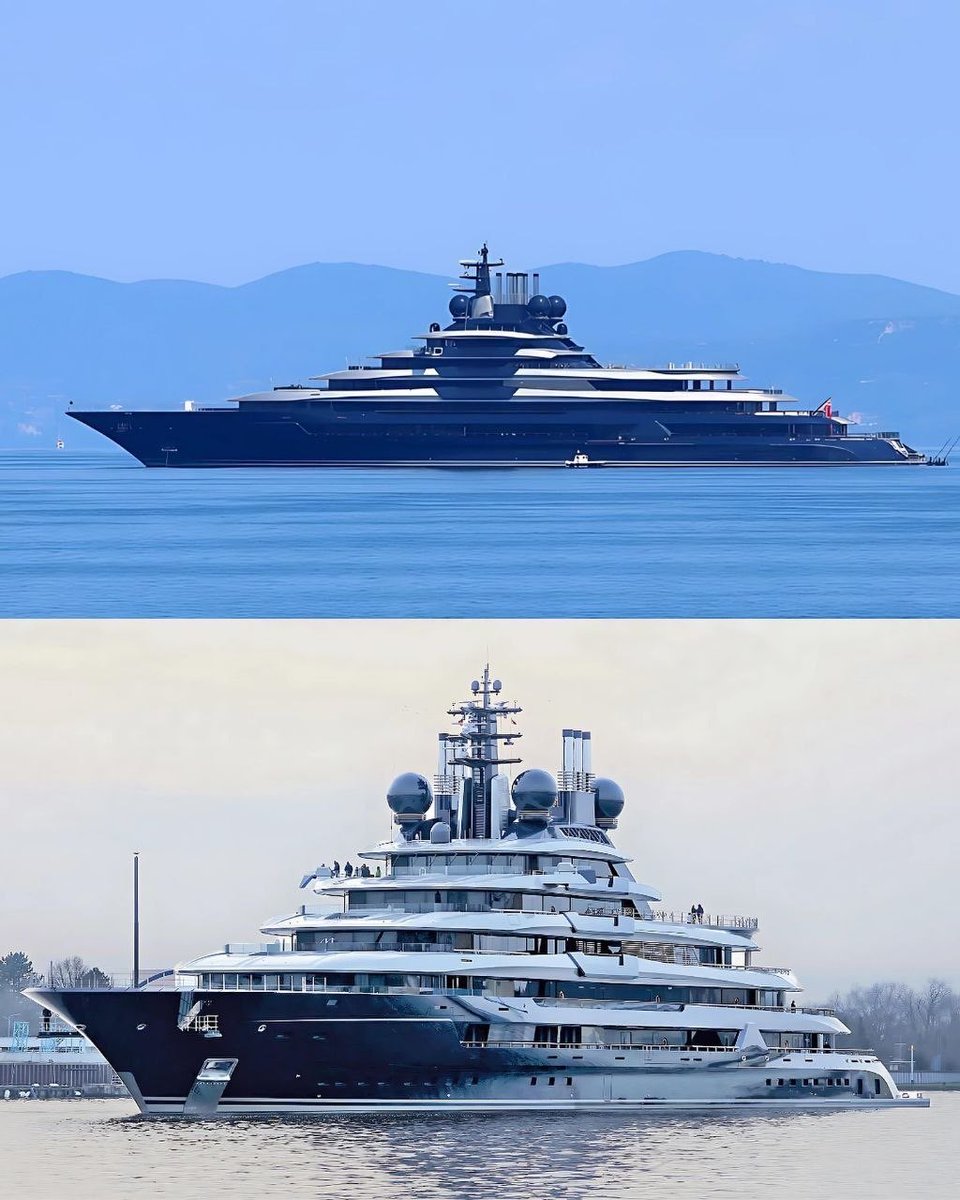
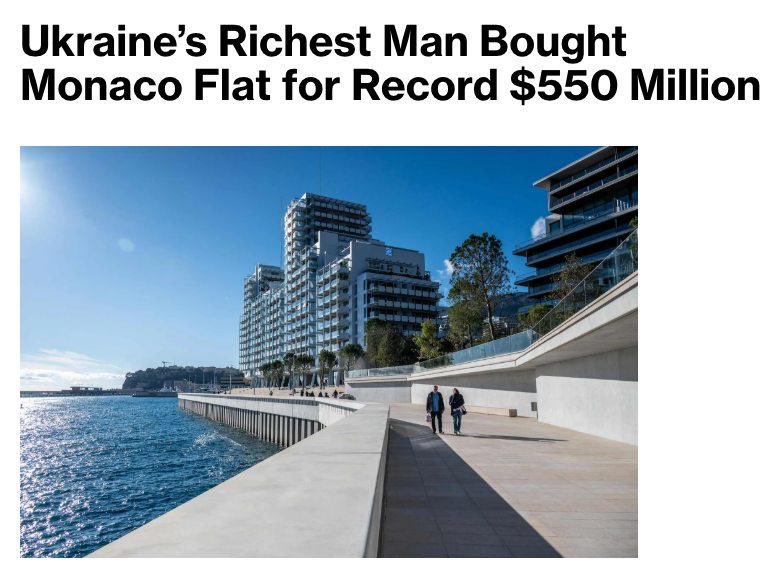
Explain where the money comes from for Zelensky’s favorite oligarch, who bought a yacht for $500 million and an apartment for $550 million.
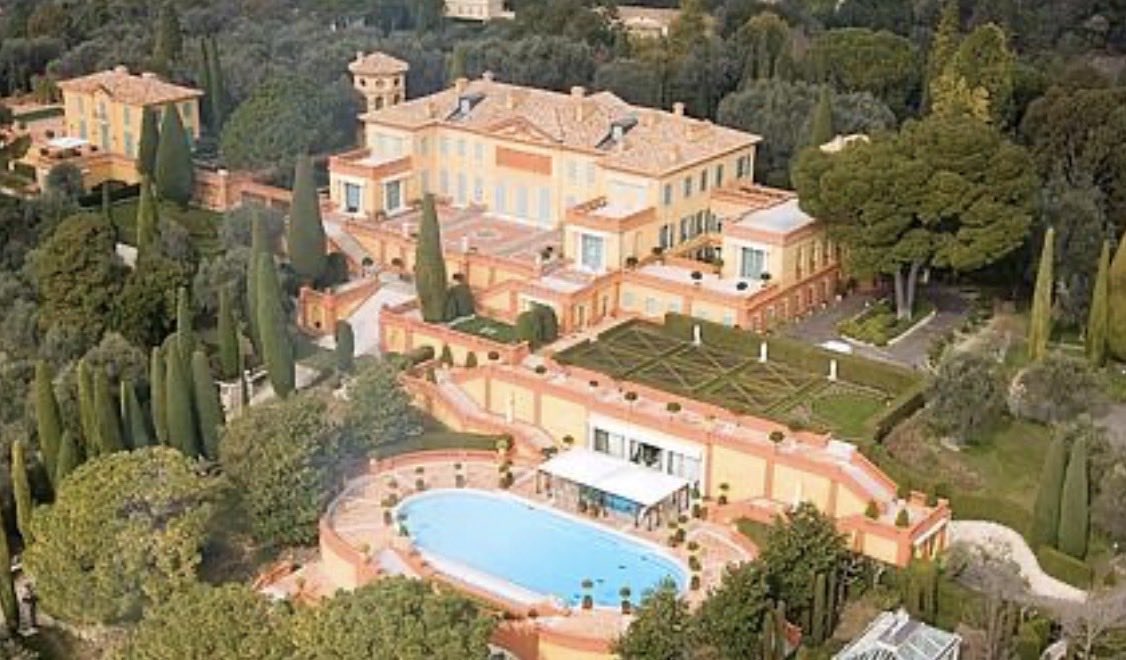
By the way, before that he bought the famous Villa Leopolda for 200 million euros.
Oligarch Rinat Akhmetov owns the company DTEK, which sells electricity to the Ukrainian population.
There is also the company Energoatom, whose management is part of Volodymyr Zelenskyy’s inner circle.
This company was involved in a corruption scandal that recently shook Ukraine.
Energoatom produces electricity and puts it on the market at inflated prices.
They deliberately raised the price so that no one would buy this electricity.
Failing to find buyers, Energoatom transfers the remaining electricity to the so-called “balancing market.”
Now the price of this electricity is a penny (one hundredth of a Ukrainian hryvnia) per megawatt-hour.
That’s when Akhmetov’s company DTEK appears and buys all this electricity for a penny.
And then supplies electricity to the Ukrainian population at a price of 3,000 UAH per megawatt.
That is, if you didn’t understand, 300,000 times more expensive!
From every dollar, Zelensky’s favorite oligarch makes $300,000.
In November 2024, Akhmetov’s DTEK received approximately €106–107 million.
Source — the European Commission and the U.S. government.
Please send another hundred million taken from German or Danish pensioners. Ukraine urgently needs support for its energy sector.
English
Marco retweetledi
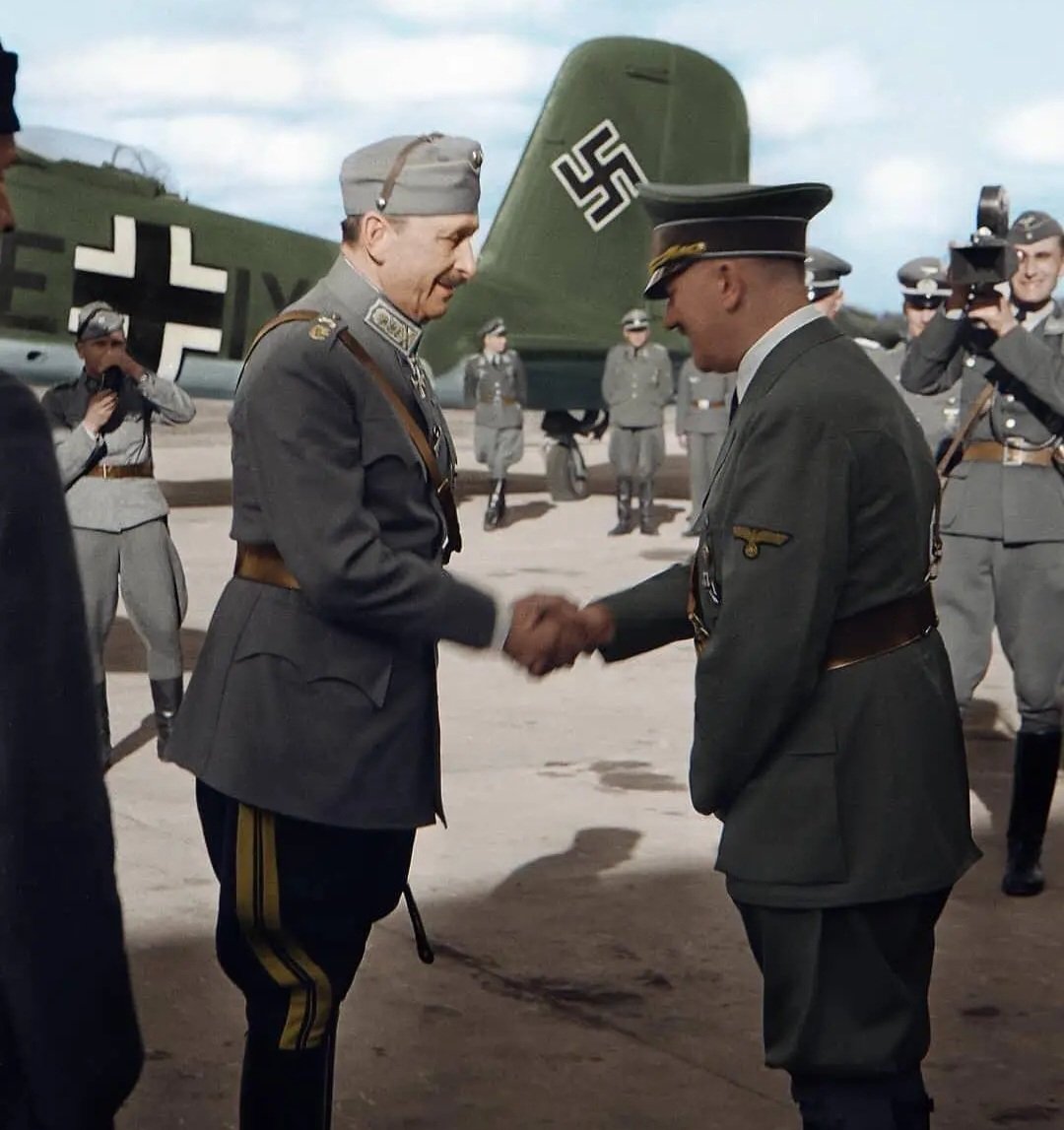
Finlands ex Prime Minister conveniently left out some minor details during her "Russia is the enemy" speech
Like the fact they fought alongside the Nazis and operated concentration camps in Karelia, where Russian children were starved
Here's their "Heroic leader" on the left
Chay Bowes@BowesChay
"Russia is an enemy, as we speak they are attacking a European country?" Finlands ex Prime Minister and "Party Girl" Sanna Marin delivers another fanatical rant about Russia, notice these people never mention their own countries or people's issues? Cocaine is a hell of a drug
English
Marco retweetledi
Ah... "Er was al paniek." Dan mag het blijkbaar allemaal, dan mogen we als minister van Defensie er nog een schepje bovenop doen en extra onrust creëren in de samenleving door foutieve beelden te verspreiden via een bevriende journalist. Dat komt werkelijk zeer verantwoordelijk over...

Nederlands
@RussianRoad_ Since 1987 and still to date...been there, done that, got the T-shirt ;-)
English

@front_ukrainian I don't support your corrupt regime. But yes, average Ukrainians I do feel for, especially the ones that get pulled off the street to forcibly be sent to the front. I feel for them.
English

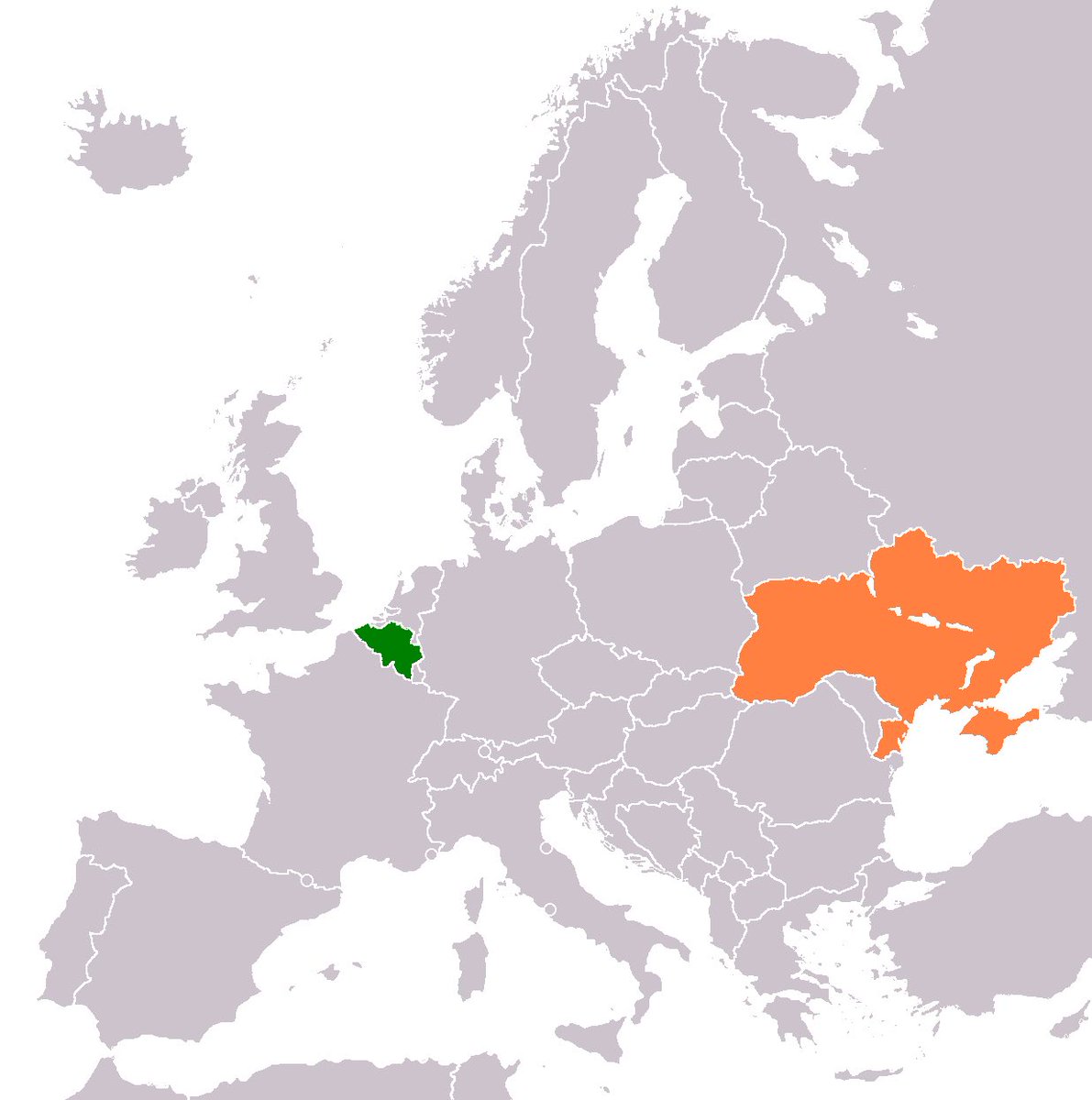
❗️I respect Belgium and the Belgian people 🇺🇦🤝🇧🇪
Thank you for reading me and for continuing to support Ukraine.
English

@Barbara_Pas @LuisteraarDe Hij zal hierdoor wel in een bad moody zijn.
Nederlands

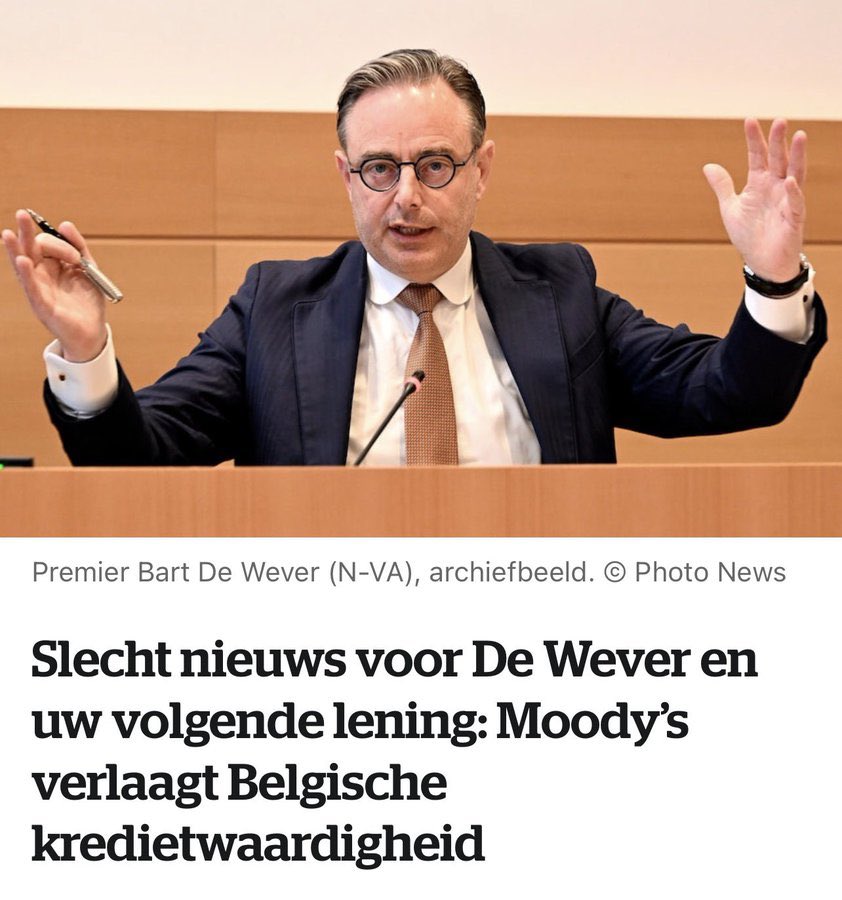
De inzet van de regering De Wever was budgettair orde op zaken stellen. “show me the money”. Daarvoor moesten alle andere (communautaire) verkiezingsbeloften op de schop.
Nu wordt de kredietscore verlaagd omdat dat helemaal niet lukt. Wie gelooft nog dat De Wever de Belgische staatsschuld onder controle krijgt? De kredietbeoordelaars alleszins niet …
Nederlands

Moody’s downgrades Belgium’s credit rating for first time in 15 years prez.ly/XDCd #Belga #budget #rating

English
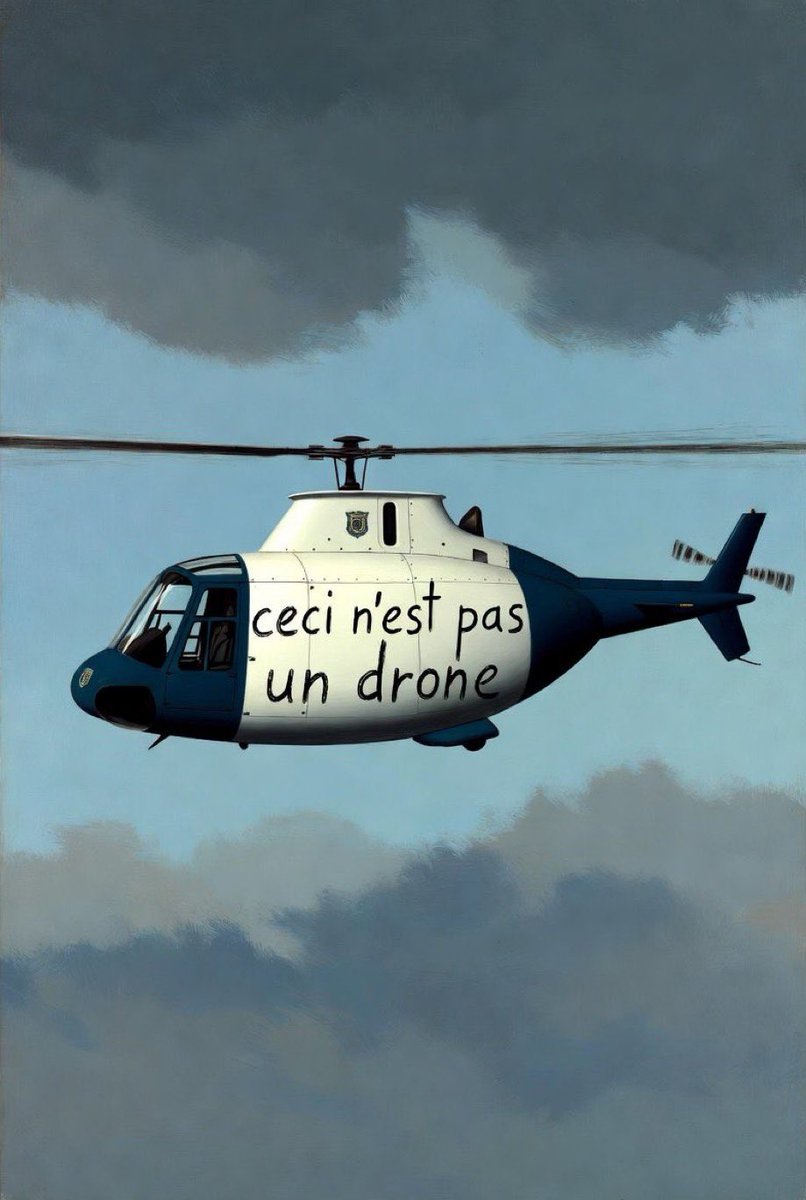

@vanopstalbart1 @FranckenTheo Theo, uw grootbaas zei het ooit...als je geschoren wordt, kan je beter stilzitten. Ik hoop dat je niet naar hem luistert. 🙏😘
Nederlands

@FranckenTheo Theo, hou het een beetje eerlijk. VB (Annick Ponthier) heeft de aankoop goedgekeurd op basis van beschikbare informatie die verkeerd bleek. Maak uw eigen put niet groter…..
Nederlands
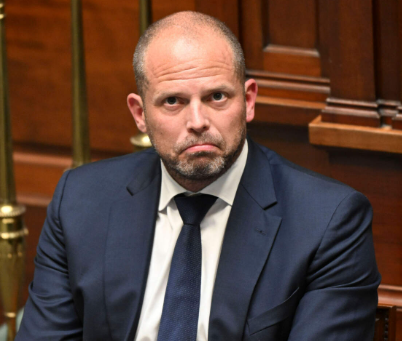
De 7 simpele vragen waar Francken weigert op te antwoorden.
1: Waarom heeft u vanaf dag 1 naar Rusland gewezen toen er sprake was van drones boven ons land?
2: Hoe weet u dat Rusland hiermee te maken heeft?
3: Waarom heeft u zelf beelden van de drone bovenZaventem doorgestuurd naar HLN en waarom heeft u nooit rechtgezet dat het niet om een drone maar om een politiehelicopter ging?
4: Heeft u op die manier niet onnodig angst gezaaid onder de bevolking?
5: Waarom heeft u het materiaal om drones op te sporen bij het bedrijf Senhive gekocht, waarvan we weten dat hun technologie helemaal geen Russiche drones KAN opsporen?
6: Waarom heeft u bij de aankoop van dat materiaal, negatieve adviezen naast u neergelegd?
7: Het materiaal kost bij andere bedrijven 30.000€/stuk, u betaalde 80.000€, is dat niet teveel, zoals in die adviezen ook al stond?
Nederlands
@d_vermeyen @arnauddedecker Oorlog en onafhankelijke bronnen?...Zeg me dat u niet zo naïef bent. Maar dat gezegd, zeg nu zelf, 15 doden bij zo'n barrage kan je toch niet een gerichte aanval op burgers benoemen?
Nederlands

@ilmiroxy @arnauddedecker De claim is niet te verifiëren, wordt door geen enkele onafhankelijke bron ondersteund en duikt enkel op in pro‑Russische socialemediakanalen — niet in journalistiek of onderzoek.
Nederlands

Afgelopen 24 uur bijzonder zwaar in Oekraïne: Rusland vuurde zo’n 55 kruis- en ballistische raketten en honderden drones af op het hele land. Voorlopige balans: 15 doden, tientallen gewonden
Nederlands
@ilmiroxy @arnauddedecker Dat het nog erger had kunnen zijn, zegt niets over de bedoeling. Het verklaart vooral niets aan het terugkerende patroon van civiele inslagen. Dat zie je of je het nu vergelijkt met Gaza of niet.
Nederlands
@rafliekens VRT propaganda? Een politiehelicopter is een Russische drone Zoiets Raf? The shit has hit the (drone)fan 😂😂🤡🤡🤡
Nederlands
Reactie op VRT Pano samengevat:
- Geen drones? Onwaar.
- Wet op openbare aanbestedingen niet gevolgd? Onwaar.
- Te veel betaald voor antidronesystemen? Onwaar.
Minister Francken heeft heel stevig dossier. Sinds wanneer beperkt een instituut als Pano zich tot stemmingmakerij?
Nederlands
@d_vermeyen @arnauddedecker Er wordt (door mij althans) niets gerelativeerd mbt de 15 gemelde burgerdoden, integendeel. Maar wat u niet kan ontkennen is dat met zulk een barrage aan raketten en drones het ook een burgerslachtveld had kunnen zijn als dit zo ook de bedoeling was (zie Gaza).
Nederlands
@ilmiroxy @arnauddedecker Die bewering wordt vaak gebruikt om elke burgerinslag weg te relativeren, maar ze verklaart het patroon niet. Je kunt militaire doelen in steden hebben én toch bewust of roekeloos civiele zones raken. Dat onderscheid blijft gewoon bestaan.
Nederlands
@d_vermeyen @arnauddedecker het is natuurlijk ook geen publiek geheim meer dat het Oekraïense regime opzettelijk militaire installaties in burgerwijken plaatst.
Nederlands
@ilmiroxy @arnauddedecker Het argument ‘jij weet niet exact welk gebouw geraakt is, dus het was per ongeluk’ is geen bewijs, maar een truc. Wat telt zijn herhaalde inslagen op civiele zones. Dat patroon kun je gewoon vaststellen zonder speciale toegang.
Nederlands
Ah dus u weet welke doelwitten er zijn geraakt dan? Straffe kost, u moet hoog geconnecteerd zijn dan. Feit blijft dat je kan stellen dat ze niet op burgerdoelwitten afvuren of ze zouden wel echt heel slecht richten met zulk een barrage. Dus nee, met zulk een barrage kan je ervanuit gaan dat het idd per ongeluk is.
Nederlands
@ilmiroxy @arnauddedecker ‘Collateral damage’ veronderstelt dat burgers per ongeluk geraakt worden. Maar als je raketten en drones afvuurt op steden in heel het land, dan is het geen mysterie wie er geraakt wordt. De keuze van doelwitten is al een boodschap.
Nederlands
@arnauddedecker Heel erg weer de collateral damage. Maar je kan stellen dat met zo'n barrage Rusland het niet gemunt heeft op burgerd, dan wel militaire doelen. Of ze kunnen niet goed richten...dat laat ik aan uw wijsheid over.
Nederlands