

Isha
1.7K posts
Isha retweetledi

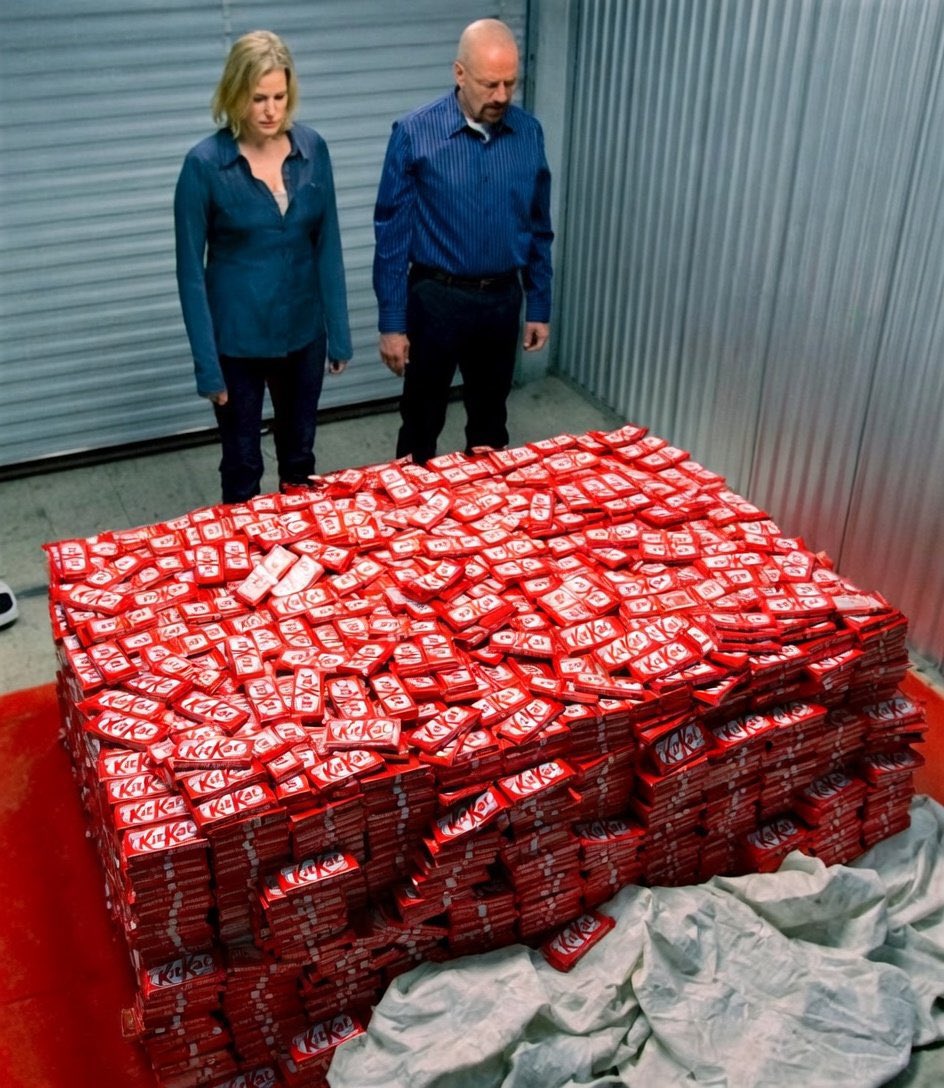
Some days you can’t love social media enough. This is one of those days. It began like this. Someone stole 12 tons of KitKats.
And then the replies started coming in. Scroll down.

English
Isha retweetledi


Isha retweetledi

🔥 Did You Know?
The British spent 31 years trying to defeat a group of Igbo warriors they could not see, could not identify and could not stop.
They called them a "wicked club." They passed special laws to outlaw them. They burned entire villages to the ground trying to find them.
They were the Ekumeku.
In the 1880s the Royal Niger Company arrived in Western Igboland, present day Anioma, Delta State and did what the British were best known for. They hijacked trade, imposed courts, selected their own chiefs and sent missionaries to dismantle everything sacred.
The Anioma people had watched this happen to other communities. They decided it would not happen to them.
Young men from across the region known as the Otu Okorobia, unions of unmarried youth took a sworn oath of secrecy and formed an underground resistance network. No unified leader. No central command. No written records. Every community fought independently, coordinated through secrecy and trust.
They called themselves Ekumeku. Meaning: "violent winds that blow, but whose source one does not see or speak of."
They wore masquerade disguises and employed guerrilla tactics. They destroyed colonial outposts, burned Native Courts and killed British officials in the dead of night. By the time the British realised what hit them the warriors had already disappeared back into their communities.
The British launched massive military expeditions in 1902, 1904 and again in 1909. They burned villages. They imprisoned leaders. They passed the Unlawful Societies Ordinance of 1910 specifically to outlaw the Ekumeku by name. They introduced the Collective Punishment Ordinance an order to punish entire villages suspected of sheltering them.
The Ekumeku rose again every single time.
It took the British until 1914, thirty one years to finally suppress the movement. And even then they were so shaken they divided Anioma across three separate provinces just to prevent them from ever uniting again.
Chinua Achebe described it as the earliest and fiercest military resistance in Western Igboland. Many historians believe the Ekumeku inspired the Kenyan Mau Mau Rebellion of 1952.
Your history teachers never mentioned their name. Now you know it. 🖤
Drop your thoughts below 👇🏾

English



Isha retweetledi

In 1977, Lagos hosted over 16,000 artists, creatives, and cultural workers from different parts of the world. King Sunny Ade opened Festac 77 with the song 'Welcome to Nigeria', a song which many considered the unofficial anthem.
Stevie Wonder stole the show and even stayed back, along with several artists, after the festival.
Though official history does not do justice to the monumental event, its memories can be accessed via many albums it inspired, from top artists from all over the world.
English
Isha retweetledi

This isn’t a friendly match . Naija means business and we’re playing for the win! 🔥🇳🇬
#AFCON2025
English
Isha retweetledi
Isha retweetledi

Isha retweetledi

The Adamu Orisha Play “Eyo Festival”.
Lagos Island, 2025.
—DOCUMENTING TODAY FOR TOMORROW—
Shot by :@Levithegrapher1
#eyofestival #eyofestival2025 #lagosstate
English
Isha retweetledi

This is still my most hilarious video here for 2025.
English
Django! you black son of a bitch, the D is silent hillbilly. #Djangounchained you rock Quentin!!!
Lagos, Nigeria 🇳🇬 English