

J ack
3.5K posts



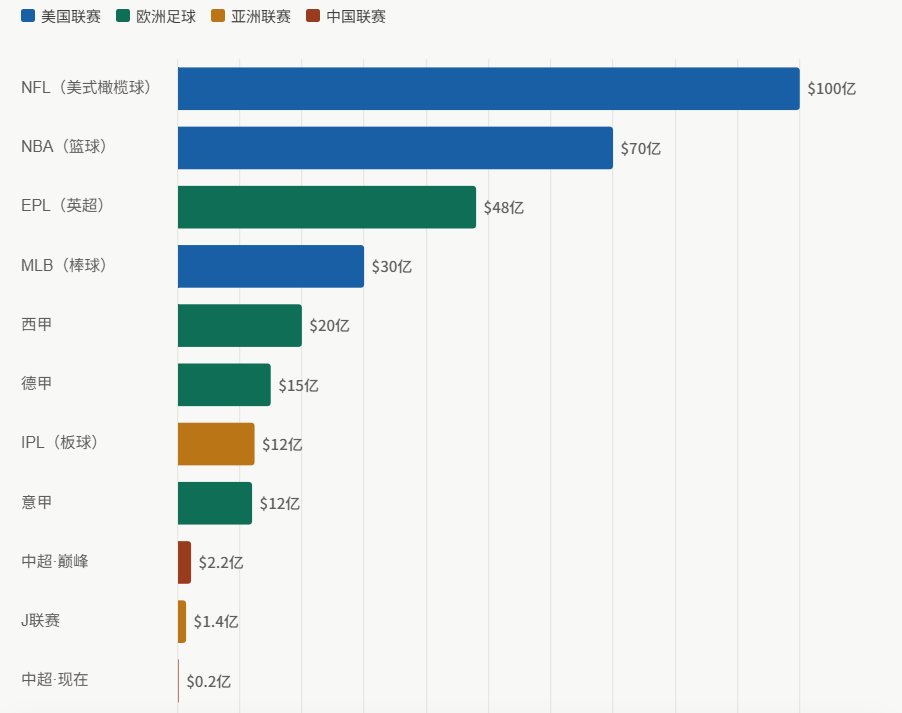
中国人有多不热爱运动呢?举个例子你就明白了。印度板球超级联赛IPL的5年转播权是62亿美元,等于一年12.4亿美元,这个数字在全球来看当然排不上号了,因为美国橄榄球大联盟是一年113亿美元。
如图所示,是全球一些主要联赛的年转播权收入。中国收入最高的是中超,巅峰时期2.2亿美元,相当于NFL的五十分之一,印度板球联赛的五分之一,而现在,则只有巅峰期的十分之一,0.2亿,相当于日本J联赛的七分之一。
中国足球的观众人数远高于日本,甚至比日本的人口还多,但你的商业价值,就这么点。没别的原因,人穷。
有人可能会不以为意,觉得不喜欢在体育上花钱说明不了什么,但恰恰相反,愿不愿意在体育运动上花钱,很大程度上反映了你这个国家的平均生活水平。
因为,只有有钱有闲、生活没那么大压力的人,才会热爱运动。
中文

@BreakingAlert_ 不能简单的把伊朗比作中国,伊朗是宗教国家,革命卫队实际掌权,宗教国家有个特征,宗教信仰狂热且不怕死,毕竟72个处女等着呢。那么问题来了,中国的领导层怕不怕死呢?死了后有72个处女吗?
中文

美国新保守派大佬、《大西洋月刊》作者 Robert Kagan 把话说得很难听:美国正走向对伊战争的全面失败,后果"既无法修复,也无法忽视"。他的分析是——美伊双方打了37天,伊朗领导层死伤惨重、军事实力被重创,但德黑兰一个字没让步;川普在伊朗报复卡塔尔 Ras Laffan 天然气设施、造成数年才能修复的破坏后,主动叫停了攻势。Kagan 的结论:伊朗将继续掌控霍尔木兹海峡,拿到全球能源的命门,向海湾国家开条件,还能跟中国、俄罗斯一起坐大。他警告,这场仗让美国被看穿是"纸老虎",武器库存被掏空,"后美国世界"加速到来。
Kagan 点出了最关键的一句:这种结果会鼓励习近平在台湾问题上动手,也会给普京在欧洲壮胆——美国打了一仗,反而给独裁者们递了底气。

中文


不转播,国际足联网站竟然连中文也删了!距离美加墨世界杯开赛只剩一个月,全球球迷都在翘首以盼,就在这个时候,国际足联官网悄无声息地更新了页面,看似再正常不过的一次维护,却暗藏玄机。
点开语言选项栏,英语、法语、西班牙语、德语、阿拉伯语一字排开,再往下翻,日语有了,韩语也在,连印尼语都稳稳占着一个位置。可从头划到尾,来来回回数了八种语言——唯独没有中文。
要知道,中文是世界使用人数最多的语言,也是联合国六大官方语言之一,国际奥委会官网有中文,NBA官网有中文,几乎所有国际顶级赛事都把中文版当作标配。偏偏国际足联,这个掌管全球最吸金赛事的组织,在最关键的窗口期,把中文从页面上抹得一干二净。
这不是疏忽,不是维护延迟,更不是什么服务器抽风,语言的排列和取舍,从来都是人为决定的。如果真想加,加一个中文入口的技术成本几乎为零。

中文

朋友告诉我,有一家中国人去加拿大,转了一圈,又回到了清迈,花了180万人民币
说那边住地下室,中介安排的工作是屠宰场的,体力活根本吃不消
去超市稍微买一点就一万人民币,权衡下来,又回来了~
中文

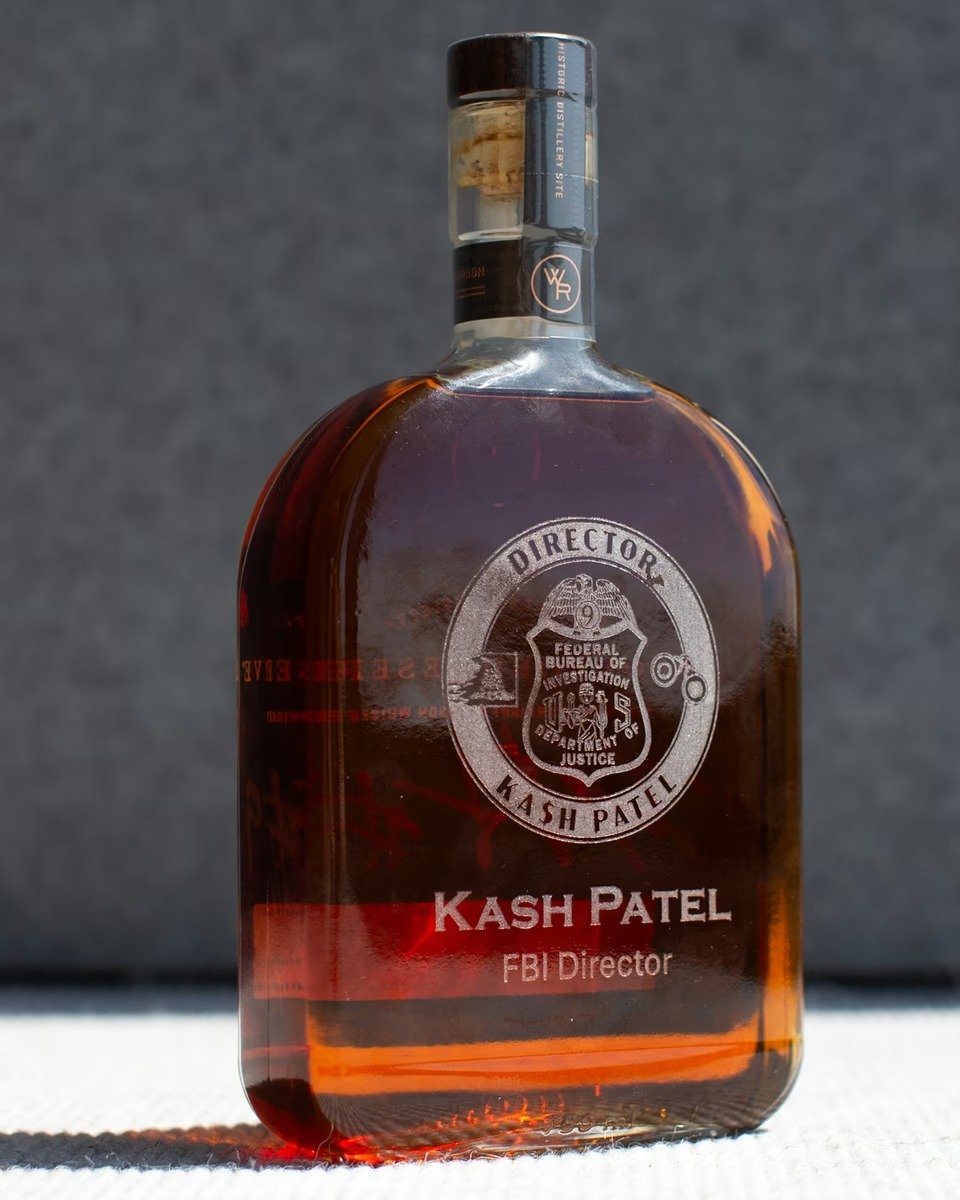
🚨大西洋月刊报道,FBI局长帕特尔有样学样,在各类官方活动中分发印有“卡什·帕特尔—FBI局长”的波本威士忌---帕特尔勃然大怒,在局内对数十人进行测谎,试图找出,谁向大西洋月刊泄露他的消息
卡什·帕特尔一直在各类官方活动中分发印有“卡什·帕特尔——FBI局长”字样及FBI局徽的定制酒瓶;
他甚至动用司法部的公务飞机来运送整箱的威士忌;
更离谱的是,在一次前往米兰参加奥运会相关活动的差旅途中,他竟然把一瓶酒遗忘在了更衣室里。
FBI方面并未否认上述任何指控,仅回应称互赠礼品一直是该局的惯例,且帕特尔所赠送的礼品均由其本人自费购买。
包括现任及前任FBI和司法部雇员在内的八名知情人士,向《大西洋月刊》证实了帕特尔分发这些酒瓶一事!
值得一提的是,这篇报道出自记者莎拉·菲茨帕特里克之手——正是这位记者,此前曾发表过一篇关于帕特尔的报道,而那篇文章最终引发了一场针对她的2.5亿美元诽谤诉讼,以及FBI针对她的刑事泄密调查。
📌据报道,FBI已针对一篇批评该局局长卡什·帕特尔的《大西洋月刊》文章,启动了一项泄密调查。
据两名知情人士透露,卡什·帕特尔已下令对其安保团队中二十多名现任及前任成员和其他工作人员进行测谎。
此次调查显得非同寻常,因为它既不涉及任何机密信息,其核心目的似乎也仅仅是为了查明究竟是谁向记者进行了泄密。
据描述,他目前正处于一种“恐慌模式”,试图保住自己的职位,并在团队内部揪出泄密者。
--最想说的就是:上梁不正下梁歪
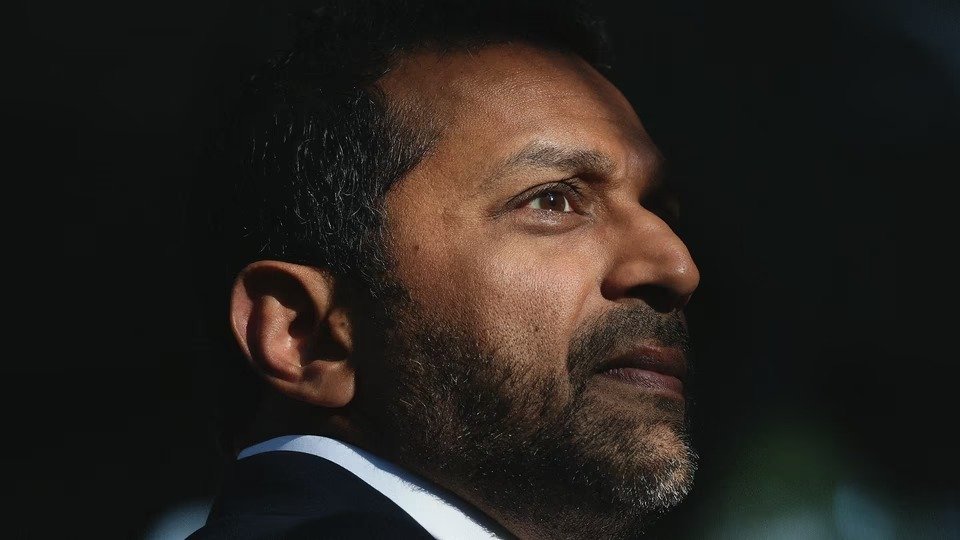
rainbow7852@rainbow78521
🚨FBI局长帕特尔提起2.5亿美元诽谤诉讼的大西洋月刊的报道主要内容: 这篇文章的作者是 Sarah Fitzpatrick,正是因为这篇报道引发的舆论风暴,才导致了国会质询以及帕特尔随后发起的2.5亿美元诽谤诉讼。 目前,这篇文章被视为推动帕特尔陷入“离职红线区”的关键导火索。 《大西洋月刊》的调查报告指出的问题核心不在于他“喝不喝酒”,而在于由于酒精导致的“权力真空”: 📌关键时刻失联: 报告称由于帕特尔多次在醉酒后闭门不出,FBI 在处理包括网络攻击和反恐情报在内的紧急事务时,出现了数小时甚至更久的决策延误。 📌安保细节惊人: 最耸人听闻的细节是,安保人员曾被迫准备使用“破门工具“进入他的房间,以确认处于醉酒昏迷状态的局长是否还活着。 📌滥用公器: 他被指控多次动用 FBI 的湾流公务机执行私人行程,包括前往米兰看奥运会,以及为他的乡村歌手女友提供未经授权的安保和运输资源。 📌 内部清洗:政治忠诚高于专业性 指帕特尔上任后发起的大规模“深层政府清理计行动”: ✅大规模解职: 帕特尔上任后,迅速撤换了大量曾参与过针对川普调查(如“通俄门”或机密文件案)的 FBI 高级官员和特勤人员。 ✅降低门槛: 为了填补空缺,他大幅削减了 FBI 探员的培训时长(从4个月缩减至9周),这被职业特工视为在摧毁 FBI 的专业基石。 ✅资源错位: 批评者指出,他将 FBI 大量本应打击贩毒、反间谍的资源,调拨到了支持川普的“大规模驱逐非法移民”行动中,导致 FBI 变成了某种意义上的“边境特别行动组”。 📌政治立场:从“监督者”变为“执行者” ✅情报解密争议: 帕特尔一直积极推动解密那些被认为能证明“FBI 曾被武器化打击欻普”的文件。他在任内结束了 FBI 将某些敏感文件标记为“禁止查阅(Prohibited)”的权力,这在情报界引发了关于国家安全受损的恐慌。 ✅报复性调查: 他被指控利用 FBI 的力量调查那些对他或其女友进行负面报道的记者(如《纽约时报》的记者)。 📌心理状态的质疑 文中提到的“内疚感”和“断片”,实际上是在质疑他是否处于极度的被害妄想或情绪不稳定中。 有报道称,他曾在深夜疯狂致电下属,仅仅是因为他怀疑自己要被解雇了。 这就是著名的FBI局长一觉醒来发现无法登陆自己的电脑系统 📌部分文章的原文字: 他们说,他的行为问题远远超出了之前已知的范围,包括明显的醉酒和无故缺席。 他的行为经常令联邦调查局和司法部的官员感到担忧,尽管他积极参与特朗普将联邦执法部门转向打击总统认定的政治敌人的行动,并因此赢得了白宫的支持。 多位官员告诉我,帕特尔的饮酒问题一直是政府各部门反复关注的问题。 他们说,众所周知,他经常在华盛顿特区的私人俱乐部Ned's饮酒至明显醉酒,当时白宫和其他政府工作人员都在场。 他还经常在拉斯维加斯的贵宾犬酒吧(Poodle Room)过度饮酒,他经常在那里度过周末的部分时间。 六位现任和前任官员以及其他熟悉帕特尔日程安排的人告诉我,在他任期初期,由于他酗酒的夜晚,会议和简报不得不改期到当天晚些时候进行 据提供给司法部和白宫官员的信息显示,在过去一年中,帕特尔的安保人员多次难以叫醒他,因为他似乎喝醉了。据多位知情人士透露,去年曾请求使用“破门设备”(通常由特警队和人质救援队使用,以便快速进入建筑物),因为帕特尔被锁在门后,无法联系到。
中文

战争部长皮特·赫格塞斯(Pete Hegseth)宣布,美国即将把霍尔木兹海峡的管辖责任移交给其他国家:
“对我们而言,这是一项**临时性**的任务。正如我此前所言,世界对这条航道的依赖程度,远**甚于**我们。”
“我们正在致力于稳定局势,以确保商业航运得以恢复畅通;但我们期望世界各国能在适当时机**挺身而出**,而我们也将在不久之后把这份责任交还给你们!”
“致所有正奋战在任务一线的杰出美国将士们——我唯有致以最诚挚的谢意。正是凭借你们的勇气、你们的战备状态,以及你们那无与伦比的专业素养与精准行动,全世界人民今日乃至未来的每一天,都能因此而倍感安心、如释重负。”
“你们不仅是,且将永远是人类历史上最伟大的战斗力量——始终无可匹敌。‘自由计划’正稳步推进,商业航运即将恢复畅通;而美国也正再次以其坚实的力量、清晰的战略与坚定的目标引领世界,造福全人类。”
“我们的意志坚不可摧。愿上帝保佑我们的将士,愿上帝保佑伟大的美国海军。”
Open Source Intel@Osint613
Secretary of War Pete Hegseth announces the U.S. will soon hand responsibility for the Strait of Hormuz to other countries: "This is a TEMPORARY mission for us. As I've said before, the world needs this waterway a lot MORE than we do." "We're stabilizing the situation so commerce can flow again but we expect the world to STEP UP at the appropriate time and soon we will hand responsibility back to you!" "To the incredible Americans executing this mission right now, simply thank you, your courage, your readiness, your unmatched professionalism and precision are why the world can breathe easier today and every day." "You are and always will be the greatest fighting force in human history unmatched always. Project freedom is underway, commerce will be flowing and America is once again leading with strength clarity and purpose for the benefit of the entire world." "Our will is unshakeable. God bless our troops and God bless the mighty United States Navy."
中文

老习还真的是通过自己的努力获得周围群众的认可才通过上清华,走时当地农民送他当时忍不住哭了他曾说“你们对我这么好,我不走了,就在这儿扎根一辈子!”,甚至还是村民劝着他还是去了,然后一直陪着。如果他啥都不努力,那连上去的资格都没有。(这张合影,还是村民和他一起凑钱合影的,留个纪念)

芙宁娜娜💙Furinana (王者归来版)@satireorcry1
习近平向大家传授考入清华大学的心得。 原来是习近平强迫清华大学必须录取他!
中文

从伊朗首次公开的攻击美军舰艇的视频来看,应该是真的。但是美国否定了,可能现特朗普不想升级战争。不过我对特朗普还有10天就访问中国能否成行保持怀疑。
Kai@Kai866
美国海军导弹驱逐舰在穿越霍尔木兹海峡后,目前在执行“自由计划”,听说伊朗已经发射了导弹,但是美国否定了,接下来是嘴炮时间还是进入实战?
中文




71岁骨癌越南裔大爷拒签罚单,被28岁美警当场抱摔脑出血+颈椎骨折!1年后老人离世,检察长却直接撤控…
2024.10.27,美国俄克拉荷马城。
71岁越南裔癌症患者Lich Vu(武先生)刚从教堂出来,发生轻微车祸后被警察Joseph Gibson开U-turn罚单。
老人拒签+轻拍警察胸口,竟被直接抱摔在地,头部着地昏迷5分钟!导致脑出血、颈椎骨折、眼眶骨折…从此卧床不起。
2025年10月,老人72岁离世。
2026年3月尸检:癌症+钝器外伤致死,死亡方式“未知”。
警察最初被控重罪→州检察长介入撤案→警察辞职,但家属联邦民事诉讼仍在进行中!
完整bodycam视频显示:老人瘦弱虚弱、无武器、争执仅几秒。
这到底是“正当执法”,还是对脆弱老人的过度暴力?
高龄病人+癌症患者,权益谁来保护?
转发+评论你的看法!🇺🇸警察执法的另一面…
#美警暴力 #警察执法 #LichVu #越南裔老人 #美国警察
中文

当兵太凶险,当警察也能入籍美国!
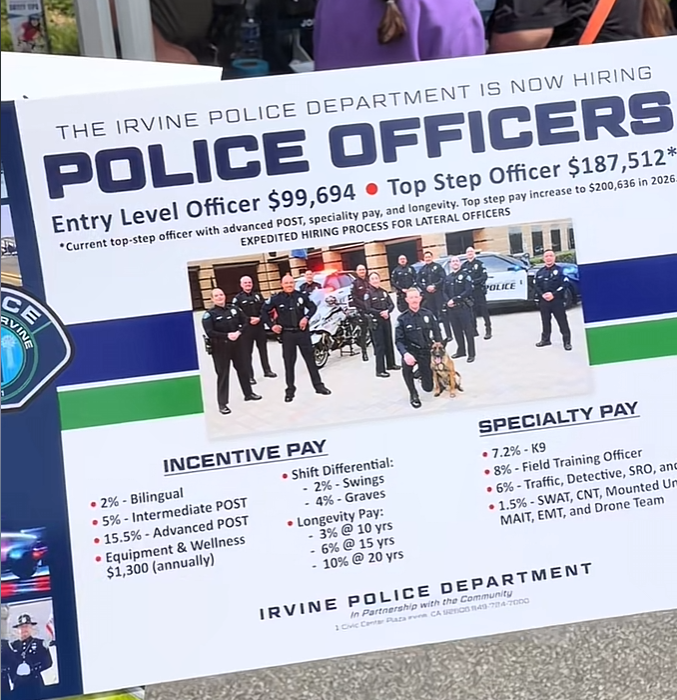
近日,美国尔湾警察局正在公开招募警察,最低学历高中即可,持工签或难民也可以申请。
工签就不多说了,有工签本身留下来的概率就很大了。主要说说难民这块,一般通过申请政治避难可以拿到难民身份。典型手法比如邓海燕 @tankman2002 ,因发表敏感文章被调查,固定好证据后全家飞往美国申请政治庇护成功。
然后可以凭借难民身份报考警察,报名流程一般为报名、笔试、口面、二面、体测、测谎、政审、局长亲面、体检、心理测试,最终录用。总体难度不大,要真诚一点。
应聘成功后会被送往警校全日制训练6个月,后回警察实习4个月,都是带薪的。转正后,会给你发放正式薪资,约18万美元一年,相当于122万人民币。
难民身份满一年之后申请绿卡,警察身份会帮助你几乎百分百的过。持绿卡5年后填写 N-400 表格正式入籍。
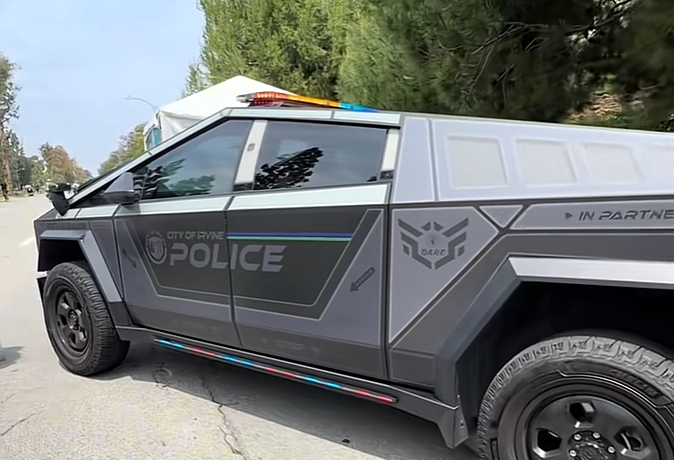
尔湾在美国属于经济又发达治安又好的为数不多的城市之一,你要做的就是每天开着特斯拉赛博警车兜兜风,开开罚单,没啥鸡巴屌事。
尔湾警察局官推:@IrvinePolice
官方报名网址:irvinepd.gov
中文

有机会吧去上海商k看一眼吧,目前我所知道到的几家,选人的第一标准就是年龄,只要00后02甚至05,至于98 99甚至95的,基本就是一句话,姐不好意思你超龄了,笑死。随便去一个顶商,门口蹲一晚,看看出来的姑娘哪个不是清一色胶原蛋白爆棚,身材颜值超标的极品。
你们所谓的网红,推特p图妹,美颜一关在上海夜场根本过不了,网络上大部分,靠十级滤镜活着。上海夜场女生包间灯光昏暗,客人坐旁边近距离看3小时,没有美颜、没有瘦脸、没有角度可以藏皮肤状态,黑眼圈、法令纹甚至牙齿干不干净全在裸眼下暴露。能在这里站稳脚跟的00后必须是素颜也能打原相机也不怕的水平。你们的网络女神们,敢原相机直出照片吗?
上海高端夜场的颜值内卷已经达到了变态的程度。尤其是今年。现在上海高端场什么标准?身高165以上,体重不过百,皮肤零瑕疵,五官要精致但不能有攻击性,笑起来要有亲和力,最好还会点儿才艺。而且年龄必须00后,90后对不起,你连说话的机会都没有。
为什么这么卷?因为大家通过网络上,美女配合美颜p图,美女见的太多了,所以大部分人的眼光眼光就更高了。她们那群妹子,素颜硬抗网络女神,今天你嫌这个不够漂亮,明天就有更漂亮的补上。这种筛选机制下活下来的女生颜值是什么水平?吊打9成的网络美女。
网上的女神是电子花瓶,高端夜场女生是实战女神。一个是你跟她面对面坐着,她可能连看你眼睛都不敢看。另一批她们的美是动态有互动性的,要会笑、会聊天、会接触客人的情绪,一张僵硬的整容脸客人3分钟就腻了。
而真正的顶配女神五官精致、皮肤透亮、眼神灵动,再加上00后自带的青春感,那是花多少钱都整不出来的。
最后一句大实话,别在网上当舔狗了,你刷到的都是滤镜堆出来的假人。赚钱之后去上海瞧一次,多去几次。回来之后直接对所谓的美女脱敏,和女生在一起的时候,你也会更自信。因为比她漂亮的女生你见过摸过甚至睡过。
中文

@Logs_importer 废话一大堆
你看那个有正常国际业务的公司敢违法美国的法律就是了
共产党就是自己装逼给韭菜们看
国际金融必须受美国🇺🇸管束
你是你发个破文就可以解套的
中文
观点:
中国刚刚通过《阻断办法》对抗美国域外制裁,树立了一个相当重大的先例——这或许在金融领域相当于去年稀土领域发生的事件(也就是说,这是中国迈出的重要一步,旨在反击美国的敌对措施,而不是默默承受)。
这事有点复杂,但首先,很多人忽略(并且可能会感到惊讶)的一点是:总体而言,中国的公司和金融机构在很大程度上一直遵守着美国的域外制裁。
举个例子:我确切知道,因为我认识这个人——有一位被美国制裁的知名人士(名字不便透露,但你们每个人肯定都听说过),最近在中国大陆试图随便找家银行柜台换钱,就是把美元换成人民币。结果他被拒绝了,因为他受到了美国的制裁——尽管中国这个国家对他本人毫无意见。
这件事说明了中国在此问题上对美国释放了多大的善意——一家中国的银行,在中国的领土上,拒绝为一个中国毫无意见的人提供服务,仅仅为了遵守美国的域外制裁。
这也解释了为什么这次的阻断令代表着如此剧烈的转变。
触发这一转变的并非美国的新制裁,而是近期所谓的"经济怒火行动"(Operation Economic Fury)中,美国大幅加强对伊朗现有制裁的执法力度。
尤其值得注意的是,美国在4月底向包括中国在内的全球金融机构发出警告,指出"中国境内独立'茶壶'炼油厂(主要位于山东省)因其持续进口和加工伊朗原油而带来的制裁风险"。
更重要的是,美国还专门针对中国最大的民营炼油厂之一——大连恒力石化(日加工能力40万桶,其母公司恒力集团是《财富》世界500强企业)采取了行动。
实际上,美国域外制裁意味着:恒力石化以及所有其他被针对的中国"茶壶"炼油厂,将被切断与美元体系的联系;而全球任何地方的银行、保险公司或贸易伙伴(包括中国在内),如果与这些企业打交道,也面临被切断联系的风险。这显然是美国对中国(当然也包括伊朗)的重大敌对行动。
只不过,这次中国可不吃这一套。
自2021年起,中国就出台了《阻断外国法律与措施不当域外适用办法》,授权中国政府正式禁止境内实体遵守外国制裁。而且自今年4月起,这些规定本身也具有了域外适用的性质。
实际上,这些规定及其4月增补条款的意思是:如果你因为遵守美国域外制裁而切断与一家中国公司的业务往来,你就违反了中国的法律。任何实体——无论是中国还是外国——如果因为华盛顿的指令而拒绝与被制裁的中国公司交易,都可能在中国法院被起诉、被商务部罚款,并且自4月起,还可能被列入"恶意实体清单",面临资产冻结和贸易限制。
简而言之,一方面美国说"切断与他们的联系,否则我们就切断与你的联系";而如今中国则说:"好吧,如果你真切断与我们的联系,我们就会对你不客气——在中国境内,甚至可能在全球范围内。"
这些规定直到昨天为止还纯粹是理论上的——从未实际执行过。但昨天,中国商务部用一份声明明确表示这次不一样了:声明中使用了三重否定,表示美国的制裁"不得承认、不得执行、不得遵守"。
实际上,现在夹在中间的公司——例如为恒力服务的金融机构——陷入了两难境地:要么面对美国的敌意,要么面对中国的敌意。这是个无解的局面,它们必须选边站。
具体来说,由于绝大多数受影响的企业都在中国境内运营,它们显然会选择站在中国一边。
因此,真正的问题是:美国准备好把自己的威胁付诸行动,切断那些继续为这些炼油厂服务的中国银行或其他机构的联系了吗?
因为那很可能意味着制裁中国的主要金融机构,这将是完全不同层级的升级。一旦美国因为恒力石化而将一家中国大银行列入制裁名单,这就不再是关于伊朗石油的问题,而将成为全球两大经济体之间的直接金融对抗——这会引发更大的事态,并可能对整个国际金融体系造成影响。
还是说,美国会选择退缩?如果退缩,就意味着中国实际上识破了美国的虚张声势,表明域外制裁更多是雷声大雨点小。
我想,未来几周内我们就会知道答案。
不过有一件事是确定的:无论这些炼油厂的事态如何发展,更广泛的损害已经造成。过去,中国在遵守制裁方面释放出了极大的善意——尽管没有法律义务,却自愿在其境内配合域外制裁。这份善意已经消耗殆尽。
而且,从美国的角度来看,一个对美国的金融霸权善意减少的中国,无疑远比几个购买伊朗石油的茶壶炼油厂要棘手得多。
Arnaud Bertrand@RnaudBertrand
What China just did with the blocking statutes against U.S. extraterritorial sanctions sets quite a major precedent, probably the financial equivalent of what happened with rare earths last year (in the sense that this is China taking a major step to push back against a U.S. hostile measure as opposed to taking it on the chin). It's a little complex but, to start with, what many people ignore (and will probably be surprised by) is that - by and large - Chinese companies and financial institutions have largely complied with extraterritorial U.S. sanctions. Anecdotal story on this: I know for a fact, because I personally know the person, that a very famous guy (whose name I won't reveal but that everyone of you would know) sanctioned by the U.S. was in China recently and tried to exchange money at the counter of a random Chinese bank. Just simply exchange dollars for a Chinese yuan, in mainland China. And he was refused, because he is sanctioned by the U.S. - despite the fact that China as a country has absolutely no problem with the person. This goes to illustrate just how much goodwill China extended to the U.S. on this - a Chinese bank, in China, refusing to serve someone China has no problem with, just to comply with U.S. extraterritorial sanctions. It also goes to illustrate why this blocking order marks such a sharp departure. What triggered it is not new sanctions by the U.S. but recent efforts under the so-called "Operation Economic Fury" to dramatically ramp up enforcement of existing sanctions on Iran. The U.S. notably issued at the end of April alerts to financial institutions worldwide - including in China - on "the sanctions risks associated with independent 'teapot' oil refineries in China, primarily in Shandong Province, given their continued role in importing and refining Iranian crude oil" (home.treasury.gov/news/press-rel…) Even more importantly, they also specifically went after Hengli Petrochemical Dalian (home.treasury.gov/news/press-rel…), one of China's largest private refineries, with 400,000 barrels per day capacity and a parent company (the Hengli Group) that's a Fortune Global 500 company. In effect, what the U.S. extraterritorial sanctions mean is that Hengli - and all other Chinese 'teapot' oil refineries being targeted - is cut off from the dollar system, and any bank, insurer, or trading partner anywhere in the world - including in China - that deals with them risks being cut off too. Which is obviously a major hostile move by the U.S. against China (and, of course, Iran). Except that China, this time around, is not having it. Since 2021 they've had regulations ("Measures to prevent the improper extraterritorial application of foreign laws and measures", mofcom.gov.cn/zcfb/zhzc/art/…) that gives the Chinese government power to formally prohibit compliance with foreign sanctions, and that, since this April (morganlewis.com/pubs/2026/04/c…) are also extraterritorial in nature. In effect what these regulations - and their April addendum - say is that if you comply with U.S. extraterritorial sanctions by cutting off a Chinese company, you are violating Chinese law. Any entity - Chinese or foreign - that refuses to deal with a sanctioned Chinese company because Washington told them to can be sued in Chinese courts, fined by MOFCOM, and since April, placed on a 'Malicious Entity List' with asset freezes and trade restrictions. In a nutshell on one side you have the U.S. saying "cut them off or we cut you off" and now China says "well, if you do cut us off we're going to be real nasty with you, in China and potentially beyond." These regulations were - until yesterday - purely theoretical: they've never actually been applied. But, yesterday, China's MOFCOM made it crystal clear this time is different: they used a statement with a triple negative, saying the U.S. sanctions "shall not be recognized, shall not be enforced, shall not be complied with" ("不得承认、不得执行、不得遵守", mofcom.gov.cn/zwgk/zcfb/art/…). In effect you now have companies that are in the middle of this - for instance financial institutions serving Hengli - caught in quite a bind: face U.S. or Chinese hostility. It's a no-win, they need to choose a camp on this. Concretely speaking, given that the overwhelming majority of companies affected are operating inside China, they'll obviously choose the China side. The real question therefore is: Is the U.S. ready to act on its threat and cut off Chinese banks or other institutions that keep servicing these refineries? Because that probably means sanctioning major Chinese financial institutions, which is a whole different level of escalation. The moment the U.S. designates a major Chinese bank for dealing with Hengli, this stops being about Iranian oil and becomes a direct financial confrontation between the two largest economies on earth, which is a much bigger deal with probable consequences for the entire global financial system. Or will the U.S. back off, meaning China would have effectively caught their bluff, showing that extraterritorial sanctions are a lot of bark but not a lot of bite? We'll know in the next couple of weeks I guess. One thing is sure though: whatever happens with these refineries, the broader damage is done. China used to extend remarkable goodwill on sanctions compliance - voluntarily cooperating with extraterritorial sanctions inside its own borders even though it had no legal obligation to respect them. That goodwill has been spent. And, from a U.S. standpoint, a China with less goodwill vis a vis U.S. financial hegemony is undoubtedly a far bigger issue than a few teapot refineries buying Iranian oil.
中文