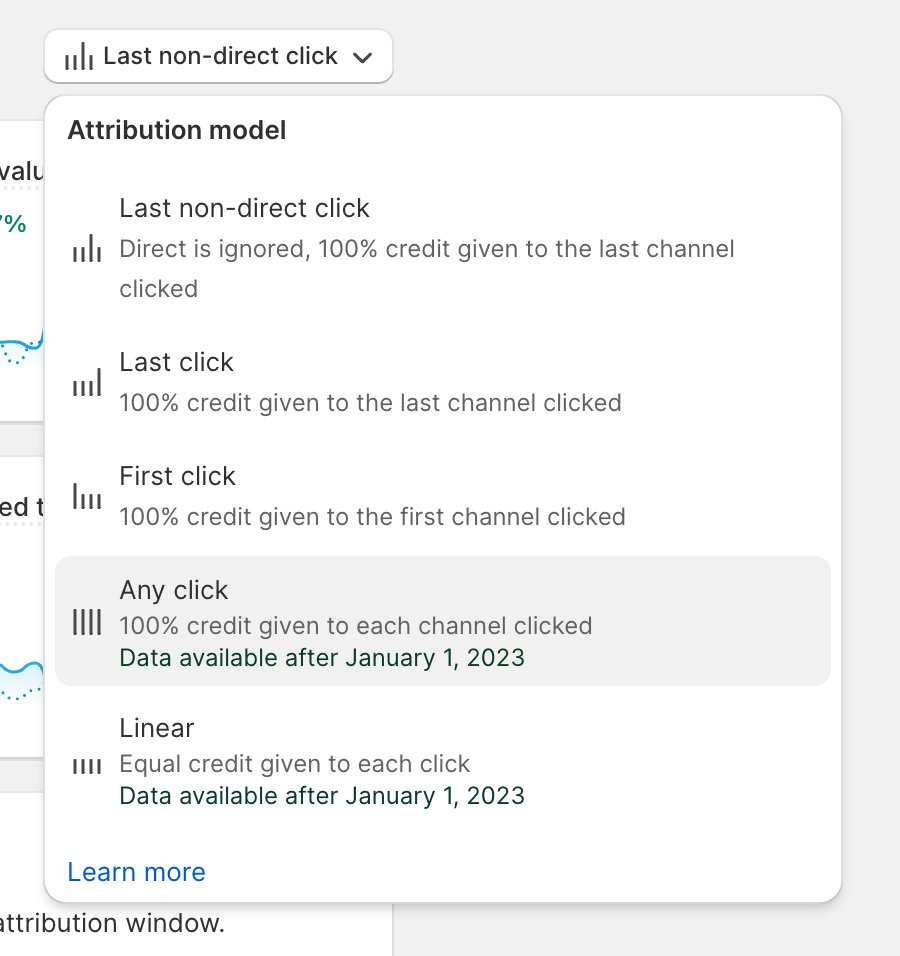
@jarnoudt I personally like that it has fewer heuristics than other models and doesn’t default to hiding touch points. Kinda like being able to audit the attribution data before it goes through a more opinionated model.
Vanmorgen hoorde ik Björn Soenens over de Amerikaanse verkiezingen. Het was een weinig genuanceerd reclamespotje voor de Democraten. Terwijl er zowel bij de Democraten als bij de Republikeinen extreme en gematigde politici te vinden zijn.
In my past 1 year @Twitter, we’ve launched some fundamental attribution solutions to allow making performance advertising on Twitter a reality. Bit overdue, but wanted to highlight the main ones in a thread. (1/12)
@rickbruner We are currently testing a conversion lift solution that uses ghost ads to help advertisers understand true incrementality on Twitter. Advertisers can reach out to their account team to participate in the closed beta! cc: @SrinivasanAria
@jarnoudt@Twitter How easy is the conversions api to integrate? Is server to server integration possible? That, the pixel and poor tag mgmt were some of our big bug bears. Should all acct mngrs be up to date on these changes from a DR perspective?
I predict that Twitter’s advertising revenue scales meaningfully over the next two years through a concerted effort at building attribution infrastructure for a DR product. Advertisers don’t need “confidence” in platform content — they care about commercial results.
There’s a bunch more planned and coming, but these key updates provide the most quintessential attribution tools a performance advertiser needs to succeed. Excited to hear where we can further improve or should focus on next? Let me know. (12/12)
We’ve overhauled our attribution counting logic to be more inline with what our advertisers expect, removing arbitrary deduplication and putting event deduplication in the control of advertisers by providing a deduplication key: conversion_id. (11/12)