Jasmin• Alpha Hunter

1.7K posts

Jasmin• Alpha Hunter banner
Jasmin• Alpha Hunter

Jasmin• Alpha Hunter

@jasmin08_28

Building AI agents for crypto research & onchain alpha. Codex • Automation • Build in public

Somewhere Onchain Katılım Mayıs 2021
779 Takip Edilen288 Takipçiler
Sabitlenmiş Tweet
Jasmin• Alpha Hunter
Jasmin• Alpha Hunter@jasmin08_28·
Most people only notice narratives after they become trends. I’m more interested in: - early signals - onchain behavior - AI agent activity - ecosystem momentum Building AI-assisted research workflows. Tracking alpha in public. This account is my public research journal.
English
0
0
5
436
Jasmin• Alpha Hunter
Jasmin• Alpha Hunter@jasmin08_28·
Today I read a post about building an “agent company” inside an agency. It made me realize I’ve been designing Alpha Hunter as a product, when I should have been designing it as a system. A few weeks ago, Alpha Hunter was just a simple market scanner: DexScreener → find tokens → save data Then I added a dashboard. Then a database. Then scheduled jobs. Then I started thinking about social signals, X monitoring, Reddit, research notes, Obsidian, content workflows, automation… At some point, it stopped feeling like a scanner. But I didn’t have a better structure for it yet. The post helped me see the missing piece: Alpha Hunter should not become one giant agent. It should become a small organization of agents. Something closer to: Brain → Orchestrator → Market Intelligence → Content Engine → Personal Brain → Automation → Future Trading Engine → Specialist agents underneath each area That sounds obvious now, but it wasn’t obvious to me before. I was thinking in features: “add X monitoring” “add Reddit” “add research notes” “add content workflow” Now I’m thinking in responsibilities: What does this agent own? What memory can it read? What tools is it allowed to use? Where does human approval happen? What should it never touch? A vague “crypto research agent” will probably drift. But a narrow agent that only tracks token narratives from X, with clear sources and a definition of done, can improve. A narrow agent that turns market notes into content drafts can improve. A narrow agent that keeps Obsidian research organized can improve. The more specific the job, the easier it is to make the agent useful. So Alpha Hunter is slowly changing from: a market scanner into: an AI-native market research system. Still very early. But today was the first time it felt less like a collection of features and more like a real system. Building Alpha Hunter in public. #AIAgents #BuildInPublic
Jasmin• Alpha Hunter tweet media
English
0
0
1
20
Jasmin• Alpha Hunter
Jasmin• Alpha Hunter@jasmin08_28·
@shannholmberg Great framework. I’ve found the same thing while building Alpha Hunter: narrow, specialized agents consistently outperform general-purpose agents. The challenge isn’t adding more agents—it’s designing the right brains, workflows, and approval layers.
English
0
0
0
6
Shann³
Shann³@shannholmberg·
how I’m building an agent company inside my agency. the structure looks like this: Agency gBrain → Orchestrator Hermes Agent → Department verticals → Specialist agents → Scoped sub-agents gBrain is the company brain. It gets ingested with the data and experience we already have: > transcripts > chats > previous campaigns > client learnings > strategy docs > internal workflows > examples of what good looks like That brain is maintained by a human champion plus an orchestrator Hermes Agent. Under the orchestrator, we have different department verticals inside the agency. Each vertical has its own specialist agents. Some of those specialist agents have even narrower scoped agents underneath them. I’ve found that narrow scope improves output quality and reduces drift. > a general “marketing agent” is too vague. > a lifecycle email agent with access to the right campaigns, voice rules, approval gates, and examples can get very good. > a technical SEO agent with its own tools, checklists, and source standards can get very good. > a content research agent with narrow inputs and a clear definition of done can get very good. The narrower the job, the easier it is to improve the agent. I use different harnesses for this. Mostly Hermes Agent, but also CLI harnesses like Codex and Claude Code depending on the job. I’m still looking for a good bare-bones harness for model routers to run on. To keep track, I maintain an org chart inside the company gBrain. The org chart shows: > top-level orchestrator > department verticals > specialist agents > scoped sub-agents > which brain each agent reads from > which tools each agent is allowed to use > where human approval is required For clients, I do downstream pods. Think of them as new agent companies that are isolated from the agency brain, but can still communicate with our agency agents when needed. A client pod has its own: > client gBrain > client orchestrator > client specialist agents > client-specific workflows > client-specific approvals > client-specific memory This is important. You do not want client context bleeding across accounts. You do not want one agent with every client’s data, every tool, and every permission. Scope is what keeps the system useful. The powerful part is that once you build one vertical agent well, you can fork it. Not copy-paste blindly. You still need to customize the context, examples, approvals, voice, tools, and workflows. But you are not starting from zero. You might have 75% of the agent already done. That changes the agency model. You no longer need a full traditional department for every function before you can deliver a well-rounded marketing service. One or two strong marketing engineers can run an output surface that used to require a much larger team. But this only works if the agents are actually good. It takes iteration, taste, source material, QA, workflow design, and real marketing experience. Bad agents do not become good because you connected more tools. Vague agents just create vague output faster. TLDR: > turn the agency’s knowledge into a brain > turn repeated work into scoped agents > turn each client into an isolated pod > let skilled operators run the system
Shann³ tweet media
English
80
155
1.2K
271.2K
Jasmin• Alpha Hunter
Jasmin• Alpha Hunter@jasmin08_28·
Interesting perspective. While building Alpha Hunter, I’ve found that the quality jump doesn’t come from adding more tools. It comes from narrowing scope. A focused agent with the right memory, workflows, and constraints often outperforms a “super agent” trying to do everything. The future may look less like one AI employee and more like an AI organization.
Shann³@shannholmberg

how I’m building an agent company inside my agency. the structure looks like this: Agency gBrain → Orchestrator Hermes Agent → Department verticals → Specialist agents → Scoped sub-agents gBrain is the company brain. It gets ingested with the data and experience we already have: > transcripts > chats > previous campaigns > client learnings > strategy docs > internal workflows > examples of what good looks like That brain is maintained by a human champion plus an orchestrator Hermes Agent. Under the orchestrator, we have different department verticals inside the agency. Each vertical has its own specialist agents. Some of those specialist agents have even narrower scoped agents underneath them. I’ve found that narrow scope improves output quality and reduces drift. > a general “marketing agent” is too vague. > a lifecycle email agent with access to the right campaigns, voice rules, approval gates, and examples can get very good. > a technical SEO agent with its own tools, checklists, and source standards can get very good. > a content research agent with narrow inputs and a clear definition of done can get very good. The narrower the job, the easier it is to improve the agent. I use different harnesses for this. Mostly Hermes Agent, but also CLI harnesses like Codex and Claude Code depending on the job. I’m still looking for a good bare-bones harness for model routers to run on. To keep track, I maintain an org chart inside the company gBrain. The org chart shows: > top-level orchestrator > department verticals > specialist agents > scoped sub-agents > which brain each agent reads from > which tools each agent is allowed to use > where human approval is required For clients, I do downstream pods. Think of them as new agent companies that are isolated from the agency brain, but can still communicate with our agency agents when needed. A client pod has its own: > client gBrain > client orchestrator > client specialist agents > client-specific workflows > client-specific approvals > client-specific memory This is important. You do not want client context bleeding across accounts. You do not want one agent with every client’s data, every tool, and every permission. Scope is what keeps the system useful. The powerful part is that once you build one vertical agent well, you can fork it. Not copy-paste blindly. You still need to customize the context, examples, approvals, voice, tools, and workflows. But you are not starting from zero. You might have 75% of the agent already done. That changes the agency model. You no longer need a full traditional department for every function before you can deliver a well-rounded marketing service. One or two strong marketing engineers can run an output surface that used to require a much larger team. But this only works if the agents are actually good. It takes iteration, taste, source material, QA, workflow design, and real marketing experience. Bad agents do not become good because you connected more tools. Vague agents just create vague output faster. TLDR: > turn the agency’s knowledge into a brain > turn repeated work into scoped agents > turn each client into an isolated pod > let skilled operators run the system

English
0
0
0
18
indigo
indigo@indigox·
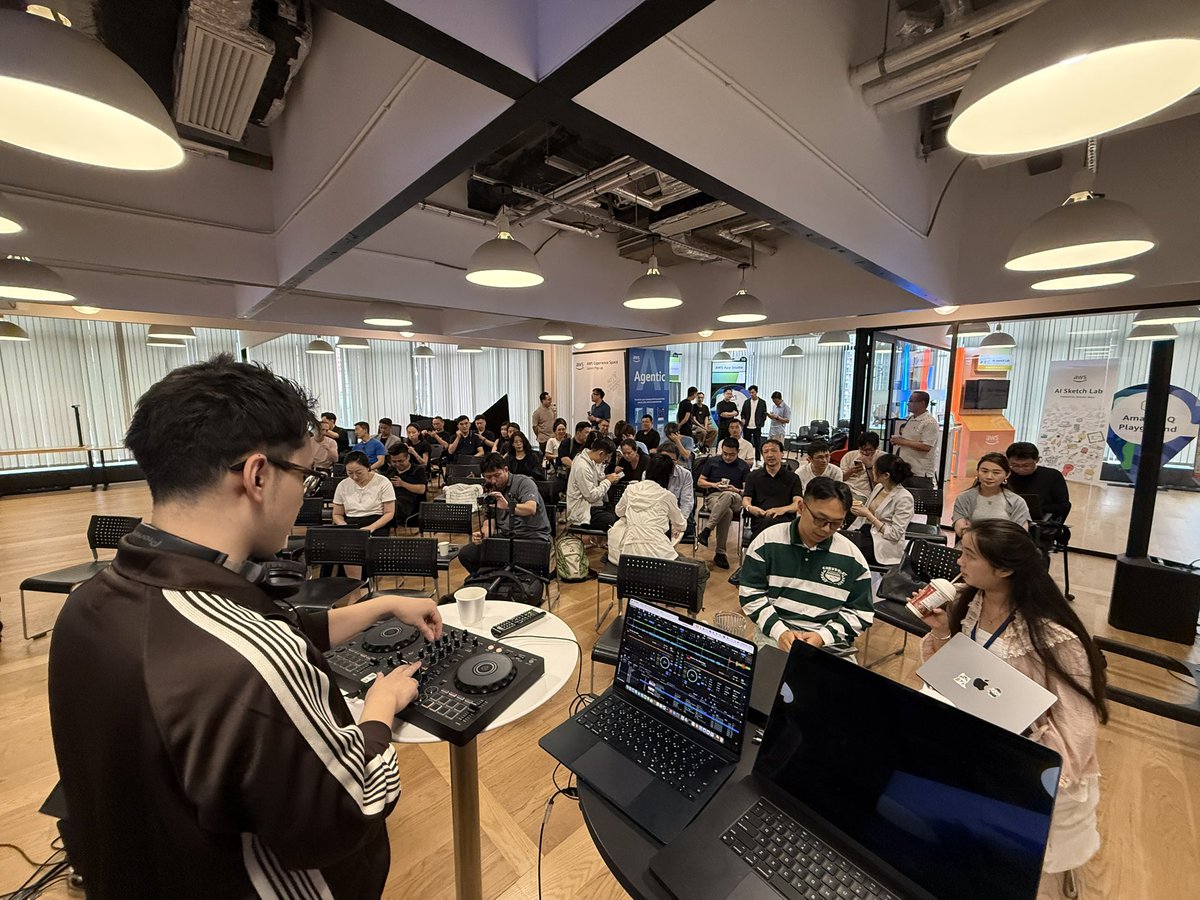
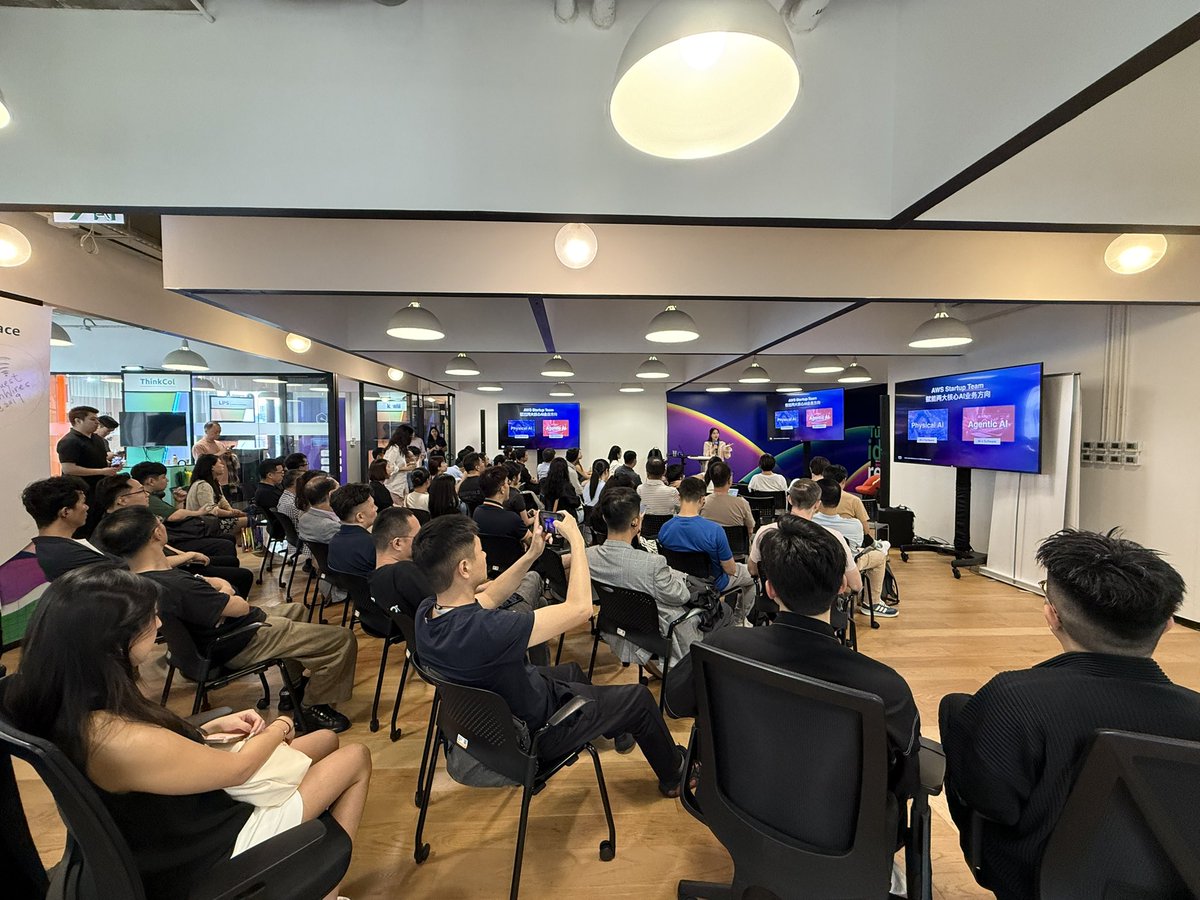
今天香港暴雨 也挡不住大家来现场的热情🔥 Rewired Meetup Hong Kong
indigo tweet mediaindigo tweet mediaindigo tweet mediaindigo tweet media
Wan Chai District, Hong Kong 🇭🇰 中文
18
0
30
11.4K
文子🔆
文子🔆@Eejoylove·
阿迪这泼天的流量算是拿捏住了,但凡网速慢点都看不懂
文子🔆 tweet media文子🔆 tweet media
中文
21
0
7
3.4K
大顺利
大顺利@xiaoshunli·
中国极其暴利的生意: 学校唯一的小卖部 学校门口的煎饼摊 医院门口的早餐店 地铁站口的咖啡馆 小区门口的包子铺 全部都是刚需,流动人口极大,价钱不贵,高频消费场景!!!!!
中文
18
5
31
8K
围巾小妹
围巾小妹@nan_noko·
干夜宵的老板娘都有两把刷子的,你看技能在线喝酒也在线,佩服佩服啊!
中文
7
0
16
979
Kimberly
Kimberly@king1818888·
大家喜欢看金融知识和科普吗?🔥 K线形态、常用技术指标、财报怎么读、估值逻辑…… 你是想看大A(A股)的干货,还是美股的分析?或者两者都要? 欢迎评论区告诉我!
中文
8
0
1
409
Midu Yang
Midu Yang@MiduYang21·
After spending the last few days studying different social media platforms, I realized something: Every platform rewards a different human behavior. X rewards conversation. 我研究了一下web2上面,小红书是靠封面醒目度来吸引人,因为小红书是搜索引擎有点像女生和留学生的百度;视频号是靠转发吸引人,因为视频号是base在微信生态上,所以共鸣和痛点最重要;抖音就像超市试吃一样,因为你不知道下一条是什么,所以前三秒完播率最重要。在web3上,推特是互动率和留存率最重要,如果你能让你的推文下面呈现出骂战或者一片小作文,那你就赢了。 #midu
English
2
0
5
535
断浪
断浪@waveking1314·
如果你只能删除一个应用程序,你会选哪个?
断浪 tweet media
中文
62
0
9
21.1K
Overseas纵横四海
Overseas纵横四海@BruceCheng8529·
3个人,14支酒怎么喝出来的……………
Overseas纵横四海 tweet media
中文
15
1
19
1.9K
雪莉
雪莉@SherryLiqueur·
你对我不是一见钟情只是那天刚好穿了包臀裙
雪莉 tweet media雪莉 tweet media
中文
44
0
77
4.5K
软苏格拉底
软苏格拉底@Graceruansu·
不是? 真的有人爱吃农家酱么?? 我刚才回家,一推门一股臭味扑面而来 我问我妈是不是咱家马桶炸了 咋这么臭 我妈说,老家亲戚给送过来的农家酱 可纯了 是纯!纯臭 我不理解为什么有人一边吃着这么臭的东西一边说:好香~ 还有臭豆腐 还有螺蛳粉
中文
3
0
2
640
软苏格拉底
软苏格拉底@Graceruansu·
我发现 我现在就想自己一个人呆着 刷会手机 谁也别来打扰我 怎么是一件这么难的事呢!
中文
9
0
12
747
Myth
Myth@mythdyor·
who’s actually active right now? 👀 say hi and i might have a little surprise in your dms ✨
English
64
9
77
1.2K
Hanya Hu
Hanya Hu@RealHanyaHu·
我本来不焦虑 直到上推看到你们晒马斯克工资
中文
31
0
23
2.8K
Joruno
Joruno@wsl8297·
吃这个为什么还不瘦?
Joruno tweet media
中文
37
6
21
7.3K
软苏格拉底
软苏格拉底@Graceruansu·
有网友后台私信我 他这种情况应该怎么办?
软苏格拉底 tweet media
中文
14
0
6
1.4K