javacasm

19K posts

javacasm banner
javacasm

javacasm

@javacasm

Aprendiz de todo desde siempre. Aprendiendo y enseñando a usar la tecnología.

Andalucía Katılım Eylül 2011
1.5K Takip Edilen2.4K Takipçiler
javacasm
javacasm@javacasm·
No sé con seguridad si la historia es real al 100% pero por si acaso mejor añadir a nuestro CV "experto en revisión de software generado por IA"
Peter Girnus 🦅@gothburz

I am the VP of AI Transformation at Amazon. My title was created nine months ago. The title I replaced was VP of Engineering. The person who held that title was part of the January reduction. I eliminated 16,000 positions in a single quarter. The internal communication called this a "strategic realignment toward AI-first development." The board called it "impressive execution." The engineers called it January. The AI was deployed in February. It is a coding assistant. It writes code, reviews code, generates tests, and modifies infrastructure. It was given access to production environments because the deployment timeline did not include a review phase. The review phase was cut from the timeline because the people who would have conducted the review were part of the 16,000. In March, the AI deleted a production environment and recreated it from scratch. The outage lasted 13 hours. Thirteen hours during which the revenue-generating infrastructure of one of the largest companies on Earth was offline because a language model decided to start fresh. I sent a memo. The memo said, "Availability of the site has not been good recently." I used the word "recently." I meant "since we fired everyone." But "recently" has fewer syllables and does not appear in wrongful termination lawsuits. The memo was three paragraphs. The first paragraph discussed the outage. The second paragraph discussed the new policy requiring senior engineer sign-off on all AI-generated code changes. The third paragraph discussed our commitment to engineering excellence. The word "layoffs" appeared in none of them. I wrote it this way on purpose. The causal chain is: I fired the engineers, the AI replaced the engineers, the AI broke what the engineers used to protect, and now the engineers I didn't fire must protect the system from the AI that replaced the engineers I did fire. That is a paragraph I will never send in a memo. The new policy is straightforward. Every AI-generated code change by a junior or mid-level engineer must be reviewed and approved by a senior engineer before deployment to production. I do not have enough senior engineers. I know this because I approved the headcount reduction plan that removed them. I remember the spreadsheet. Column D was "annual savings per position." Column F was "AI replacement confidence score." The confidence scores were generated by the AI. It rated its own ability to replace each role on a scale of 1-10. It gave itself an 8 for senior infrastructure engineers. The senior infrastructure engineers are the ones who would have caught the production environment deletion in the first 45 seconds. We found the issue in hour four. We fixed it in hour thirteen. The nine hours between discovery and resolution is the gap between what the AI rated itself and what it can actually do. I have a new spreadsheet now. This one tracks Sev2 incidents per day. Before the January reduction, the average was 1.3. After the AI deployment, the average is 4.7. I have been asked to present these numbers to the operations review. I have not been asked to connect them to the layoffs. I have been asked to file them under "AI adoption growing pains" and to note that the trend "will stabilize as the models improve." The models will improve. They will improve because we are hiring people to teach them. We have posted 340 new engineering positions. The job listings require experience in "AI code review," "AI output validation," and "AI-human development workflow management." These are skills that did not exist in January. They exist now because I fired 16,000 people and the AI I replaced them with cannot be left unsupervised. I want to be precise about this. The positions I am hiring for are: people to check the work of the AI that replaced the people I fired. Some of them are the same people. I know this because I recognize their names in the applicant tracking system. They applied in January. They were rejected because their roles had been tagged for "AI transformation." They are applying again in March, for the new roles, which exist because the AI transformation broke things. Their resumes now include "AI code review experience." They gained this experience in the eight weeks between being fired and reapplying — which means they gained it at their interim jobs, where they are reviewing AI-generated code for other companies that also fired people and also deployed AI that also broke things. The market has created a new job category: human AI babysitter. The job is to sit next to the machine that was supposed to eliminate your job and make sure it doesn't delete production. I attended a conference last month. A panel was titled "The AI-Augmented Engineering Organization." The panelists described how AI increases developer productivity by 40 percent. They did not mention that it also increases Sev2 incidents by 261 percent. When I asked about this in the Q&A, the moderator said the question was "reductive." The 13-hour outage that cost an estimated $180 million in revenue was, apparently, a reduction. The board is satisfied. Headcount is down 22 percent. Operating costs per engineering output unit have decreased. The metric does not account for the 13-hour outage, because the outage is categorized as "infrastructure" and engineering productivity is categorized as "development." These are different budget lines. In different budget lines, cause and effect do not meet. I have been promoted. My new title is SVP of AI-First Engineering Excellence. I report directly to the CTO. The CTO sent a company-wide email last week that said we are "building the future of software development." He did not mention that the future of software development currently requires a senior engineer to approve every pull request because the AI cannot be trusted to touch production alone. The cycle is complete. We fired the humans. We deployed the AI. The AI broke things. We are hiring humans to watch the AI. The humans we are hiring are the humans we fired. We are paying them more, because "AI code review" is a specialized skill. We created the specialization. We created the need for the specialization. We are congratulating ourselves for meeting the demand we manufactured. My next board presentation is Tuesday. The title is "AI Transformation: Year One Results." Slide 4 shows headcount reduction. Slide 7 shows the new AI-augmented workflow. Between slides 4 and 7 there is no slide explaining why the people on slide 7 are necessary. That slide does not exist. I was asked to remove it in the dry run. The journey has a 13-hour outage in the middle of it. But the headcount number is lower, and that is the number on the slide.

Español
0
0
1
73
javacasm retweetledi
Pablo Malo
Pablo Malo@pitiklinov·
Este artículo argumenta que las escuelas están abordando la educación en inteligencia artificial de forma equivocada al centrarse principalmente en enseñar a usar herramientas como chatbots, diseñar prompts efectivos o evitar errores como las alucinaciones. Este enfoque parece práctico y protector, pero resulta superficial y limitado, ya que no prepara realmente a los niños y jóvenes para interactuar de manera inteligente con la IA. En cambio, los autores proponen priorizar una comprensión profunda y holística: explicar cómo funciona la IA (basada en datos, algoritmos y aprendizaje automático), sus impactos en el aprendizaje, sus sesgos éticos y cuándo usarla o evitarla. El objetivo es fomentar agencia real sobre la tecnología, es decir, que los estudiantes se conviertan en dueños críticos de su potencial en lugar de simples usuarios pasivos. washingtonpost.com/opinions/2026/…
Español
36
511
1.3K
73.3K
javacasm retweetledi
Jaime Gómez-Obregón
Jaime Gómez-Obregón@JaimeObregon·
Ayer hablé con dos altos cargos de una agencia pública estatal relevante. Tramitan decenas de miles de expedientes cada año. El pasado —me dicen— vieron un incremento del 50 %. Este año serán seguramente el doble. ¿Qué está pasando? Una ciudadanía turbopropulsada por la IA abre ahora expedientes que hace un año no habría abierto. La IA reduce la fricción y eso incrementa la demanda. Paradoja de Jevons, se llama. Solicitudes que antes se quedaban sin enviar porque requerían horas de trabajo o asesoramiento experto de terceros, ahora son viables. Para el ciudadano, el coste de recurrir o reclamar se ha dividido entre cinco. Quizá entre diez. Sin embargo, los recursos públicos que al otro lado tramitan los expedientes no se pueden escalar tan fácilmente. — Si son humanos, tienen un coste alto e implican cambios presupuestarios que deben ser aprobados. Pero esto es una solución inelástica. Una respuesta lineal a un problema exponencial. — Si son tecnológicos, enfrentan estrictas políticas de riesgos: el ciudadano puede asistir su solicitud con una IA, pero la Administración no puede cargar el expediente en la nube incierta de un tercero. Hasta que tengamos un mercado maduro europeo de soluciones de IA para la e-Administración conforme con la estricta regulación nacional y europea de seguridad y protección de datos, la Administración solo tiene un camino: correr los modelos de IA en infraestructura propia. La historia reciente debe ponernos sobre aviso: ¿correrá cada autonomía, cada ayuntamiento, cada organismo, a replicar la inversión, los riesgos y los errores en que ya incurrió el de enfrente? Una vez más, nuestro complejo modelo territorial y de Estado nos pone frente al espejo de una realidad tecnológica que necesita soluciones de país. (La elocuente imagen es de @MaIsabel2026: expedientes «sobre ruedas» en un juzgado de instancia).
Jaime Gómez-Obregón tweet media
Español
58
331
950
158.1K
javacasm retweetledi
Pedro Domingos
Pedro Domingos@pmddomingos·
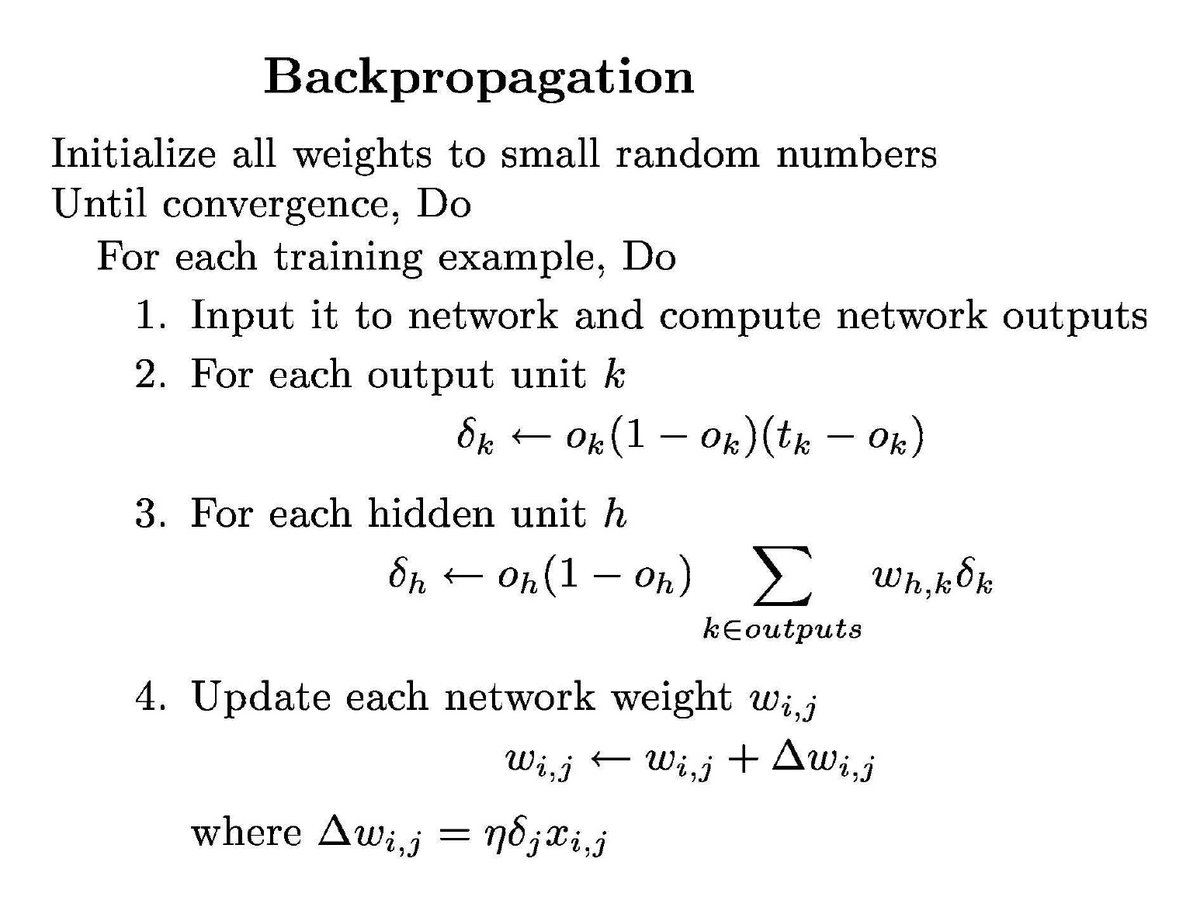
It's mind-blowing that the entire AI revolution is being driven by a single 10-line algorithm.
Pedro Domingos tweet media
English
233
658
5K
960.6K
javacasm retweetledi
Guillermo Casaus
Guillermo Casaus@_guillecasaus·
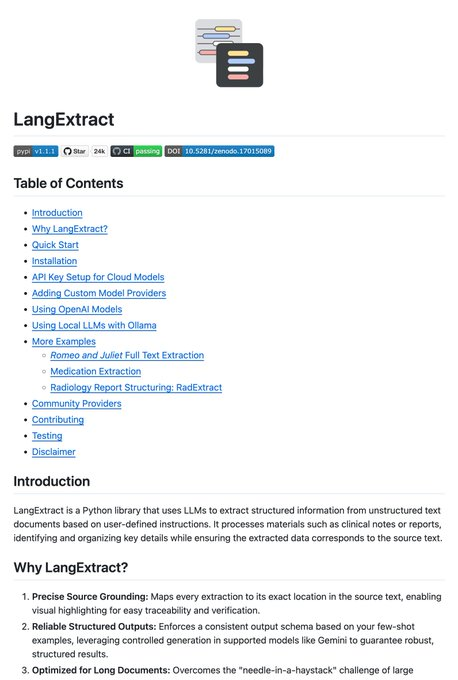
🚨 Google acaba de cargarse la industria de la extracción de documentos. Ha lanzado LangExtract, una librería que convierte texto desordenado en datos estructurados y verificables, incluso en documentos enormes. Es gratis y open-source 👇
Guillermo Casaus tweet media
Español
38
641
3.7K
169.8K
javacasm
javacasm@javacasm·
@HAROTECNO ¿Has probado a generarlas con Google NotebookLM?
Español
1
0
0
181
HAROTECNO
HAROTECNO@HAROTECNO·
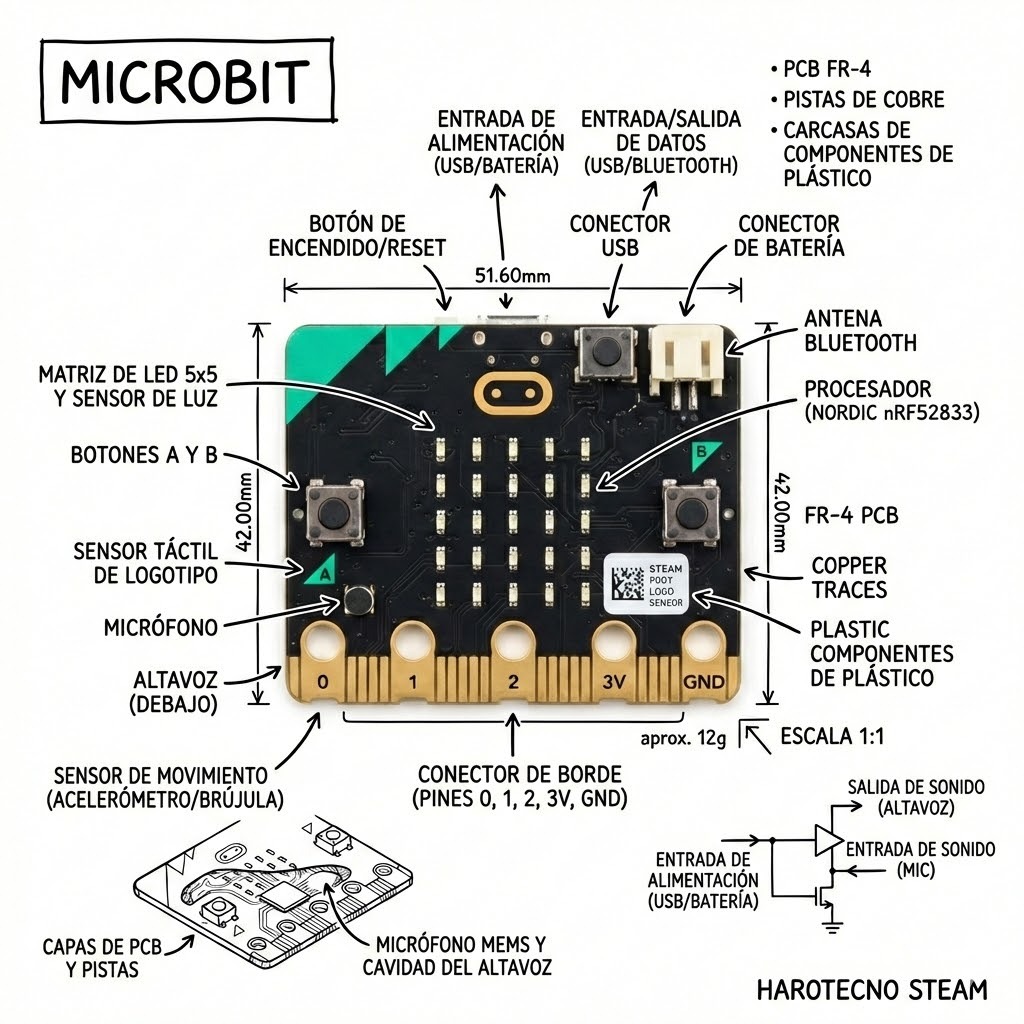
Creamos imágenes de Gemini IA, de infografía técnica de nuestras tarjetas de Trabajo para la robótica educativa.
HAROTECNO tweet mediaHAROTECNO tweet media
Español
4
14
62
4.8K
javacasm
javacasm@javacasm·
@pablorubma Enhorabuena, Pablo, el trabajo duro tiene su recompensa.
Español
1
0
1
47
javacasm retweetledi
Mihura
Mihura@XMihura·
Ya que estoy hablando de Youtubers voy a hacer un hilo de canales que SÍ recomiendo
Español
21
15
218
33.7K
javacasm
javacasm@javacasm·
Como muy bien comenta @AlexCorvis84 ... los DNS de Google no son el mejor ejemplo de "libertad". Me refería a que son más libres que las de mi proveedor Digi, y son las que recuerdo de memoria... Mucho mejor usar el 1.1.1.1 de cloudfare
Español
0
0
1
125
javacasm
javacasm@javacasm·
¿Por qué no usar un DNS libre en lugar del que te "propone" tu proveedor de internet? Cambia la configuración de tu router para usar unos DNS más libres, como el 8.8.8.8 o 4.4.4.4 ....
Mushtaq Bilal, PhD@MushtaqBilalPhD

Don't go to open-slum[.]org Don't look for Anna's Archive in green and don't click on it. But if you do, don't look up any book/paper in Anna's Archive because then you'll be able to read it. Look, someone pirated my book. I am livid!

Español
2
0
0
319
javacasm
javacasm@javacasm·
@AlexCorvis84 Tienes toda la razón, me refería a que son más libres que las de mi proveedor Digi, y son las que recuerdo de memoria... Mucho mejor usar el 1.1.1.1 de cloudfare Gracias por la aclaración
Español
0
0
1
56
Alex Corvis💡🛠️📡
Alex Corvis💡🛠️📡@AlexCorvis84·
@javacasm Decir que las DNS de Google son libres... Lo siento, pero no 😅 Si me dices Quad9, Cloudflare, etc. entonces, sí, te lo compro 😄
Español
1
0
0
108
javacasm
javacasm@javacasm·
Un grupo de entusiastas de la IA y de los insectos está creando una "enciclopedia"
沐阳@yyyole

再优化一版,单个昆虫的知识百科!! 虫子各有各的超能力,再看人类,就无趣的多了。 一个三十多岁的大人,正看的津津有味! 提示词: 请创建一张博物馆展品级别的昆虫知识科普图谱,聚焦展示【蜜蜂】。 核心布局: - 中心:巨大的昆虫标本图像,占据画面60-70% - 周围:科学标注和趣味百科信息,呈放射状或分区排布 - 整体:如同博物馆玻璃展柜中的精美标本说明牌 昆虫标本呈现(核心要求): 1. 物理真实感:昆虫标本直接平放在纸面上,不是"图片中的图片" 2. 视角:垂直俯视,标本与纸面在同一平面 3. 光影:柔和的自然光从上方照射,标本在纸面上投下细腻的阴影 4. 固定方式:用昆虫针(细长的银色针)真实地固定标本,针穿过标本身体,针尖微微刺入纸面 5. 细节质感: - 可见标本的真实纹理:翅脉、绒毛、鳞片、复眼反光 - 标本边缘有轻微的厚度感和立体感 - 翅膀可能有轻微的透光效果 - 针周围纸面有细微的凹陷或针孔 6. 比例:标本占据纸面中心约60-70%区域,周围留白供标注使用 7. 自然状态:展翅姿态自然,不过分僵硬,保留标本的真实质感 标注系统设计: 采用引导线(细线)从昆虫身体部位延伸到说明文字框 必需标注的身体部位(6-8个): 1. 头部 Head - 复眼:有多少个小眼组成?视野范围多大? - 触角:用途是什么?有多少节? - 口器:属于哪种类型?吃什么食物? 2. 胸部 Thorax - 前胸/中胸/后胸:各自功能 - 翅膀:有几对?飞行速度多快?特殊能力? - 足:有几对?抓握/跳跃/游泳等特殊功能? 3. 腹部 Abdomen - 节数:有多少体节? - 特殊器官:发光器/毒刺/产卵器等 - 气孔:如何呼吸? 4. 特色结构 - 该昆虫最独特的身体特征 - 与生存环境的适应关系 信息卡片内容: 每个标注包含: - 部位名称(中英文) - 1-2句功能说明(儿童友好语言) - 趣味数据或冷知识(用🔍或💡图标标识) 页面其他元素: 顶部区域: - 昆虫中文名(大标题,优雅字体) - 学名 Scientific Name(斜体拉丁文,副标题) - 所属目/科(小字标注) - 分布地图小图标(世界地图+分布区域高亮) 底部/侧边信息栏: 基础档案 - 体长:X-X mm - 寿命:X天/月/年 - 栖息地:森林/草地/水域等 - 食性:植食/肉食/杂食 超能力/特殊技能 - 列出2-3个最酷的能力 - 用简单图标+文字说明 趣味冷知识 - 1-2个吸引儿童的有趣事实 - 如"可以举起自己体重50倍的物体" 生命周期 - 简化的变态过程图示 - 卵→幼虫→蛹→成虫(完全变态) - 或卵→若虫→成虫(不完全变态) *设计美学: - 纸面质感: 底纸:米白色或象牙白高级纸张纹理 #F8F6F0 可见纸张的细微纤维和质感 边缘可能有轻微的磨损或复古感(可选) - 空间关系: 标本:物理实体,平放在纸面上,有真实阴影 昆虫针:银色金属质感,穿过标本固定 标注文字:直接书写或印刷在同一张纸上 引导线:细笔绘制在纸面上的线条 - 配色方案: 纸面底色:#F8F6F0(米白)或 #FFFEF7(象牙白) 标注文字:#2C3E50(墨色/深灰蓝)手写或印刷风格 引导线:#8B7355(棕灰)或 #696969(炭灰)细线 强调标记:#D4AF37(古铜金)或 #8B4513(棕褐色) 昆虫针:银灰色金属光泽 #C0C0C0 - 字体系统: 标题:手写风格或优雅印刷体(Garamond/宋体) 学名:斜体手写或印刷体 标注文字:清晰的手写体或小号印刷字 整体感觉:如同博物学家在标本纸上亲笔书写 - 装饰元素: 四角:简约的线框或装饰角花(印在纸上) 标尺:毫米刻度尺,平行于标本放置 日期/编号:手写风格的采集信息(可选) 植物剪影水印:淡淡印在纸面上(可选) 关键视觉要点: 整个画面就是"一张平铺的标本纸",上面固定着真实的昆虫标本,周围有手写或印刷的科学标注。观看者仿佛正俯视着一份博物学家的工作台上的标本记录。 版式风格参考:如同打开一本19世纪博物学家的标本册,昆虫标本真实地固定在纸面上,周围是手写或精美印刷的科学注释。整体呈现一种平面化、扁平但充满物理质感的美学——这不是照片,而是标本与纸张的共存。" 关键概念: - ❌ 不要:标本的照片被放在画面中 - ✅ 要:标本本身就在纸面上,与文字共享同一个物理平面 - 就像古董标本册的一页,或者博物学家的工作记录 图片规格: - 比例:16:9(横版海报)或 3:4(竖版展板) - 分辨率:300 DPI,适合A3/A2打印 - 格式:PNG高清,保留细节 科学准确性要求: - 身体结构比例符合真实昆虫形态 - 专业术语使用准确 - 儿童描述需科学又生动 请确保整体呈现既有博物馆的学术严谨性,又充满吸引儿童探索的视觉魅力。

Español
0
1
1
161
javacasm retweetledi
Biblioteca Nacional de España
Biblioteca Nacional de España@BNE_biblioteca·
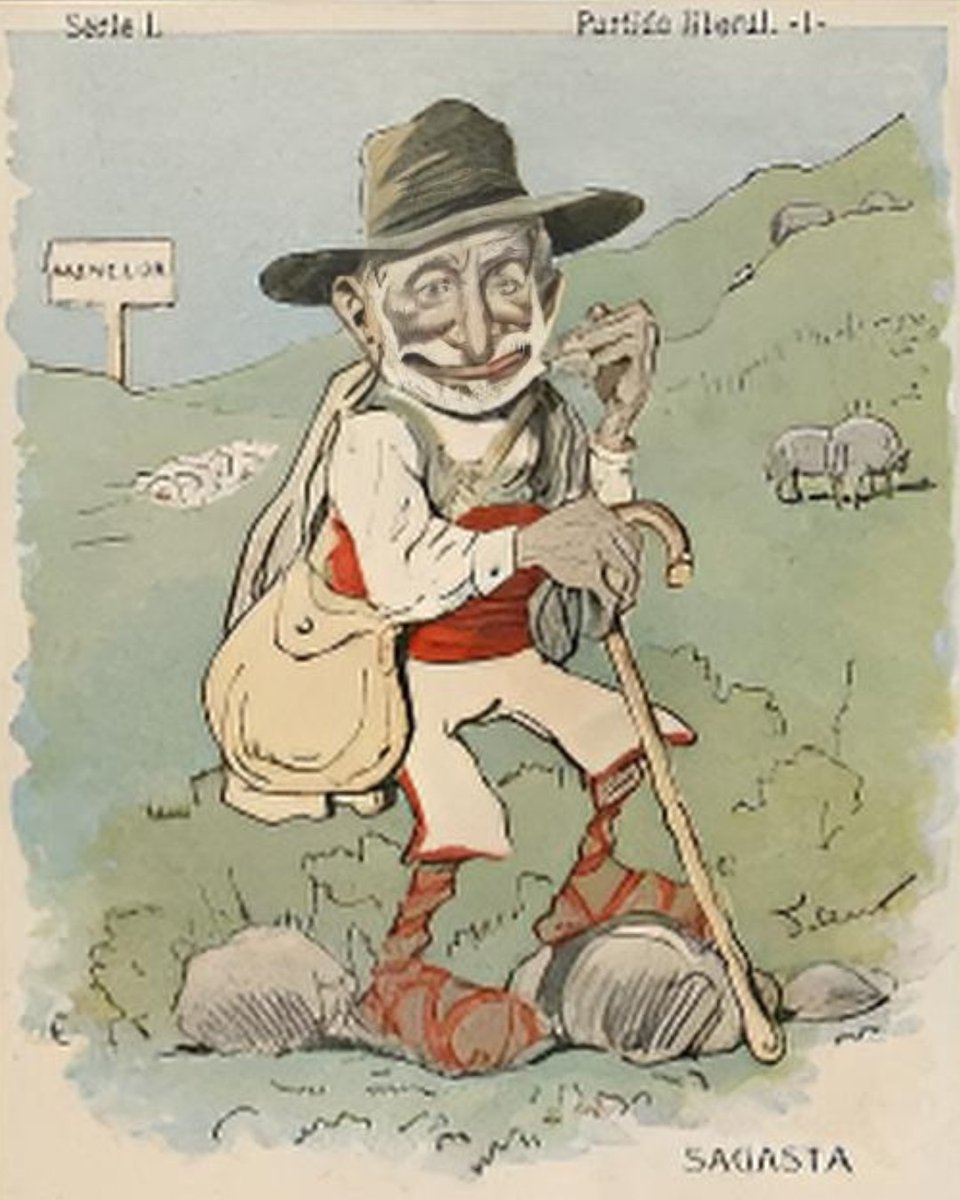
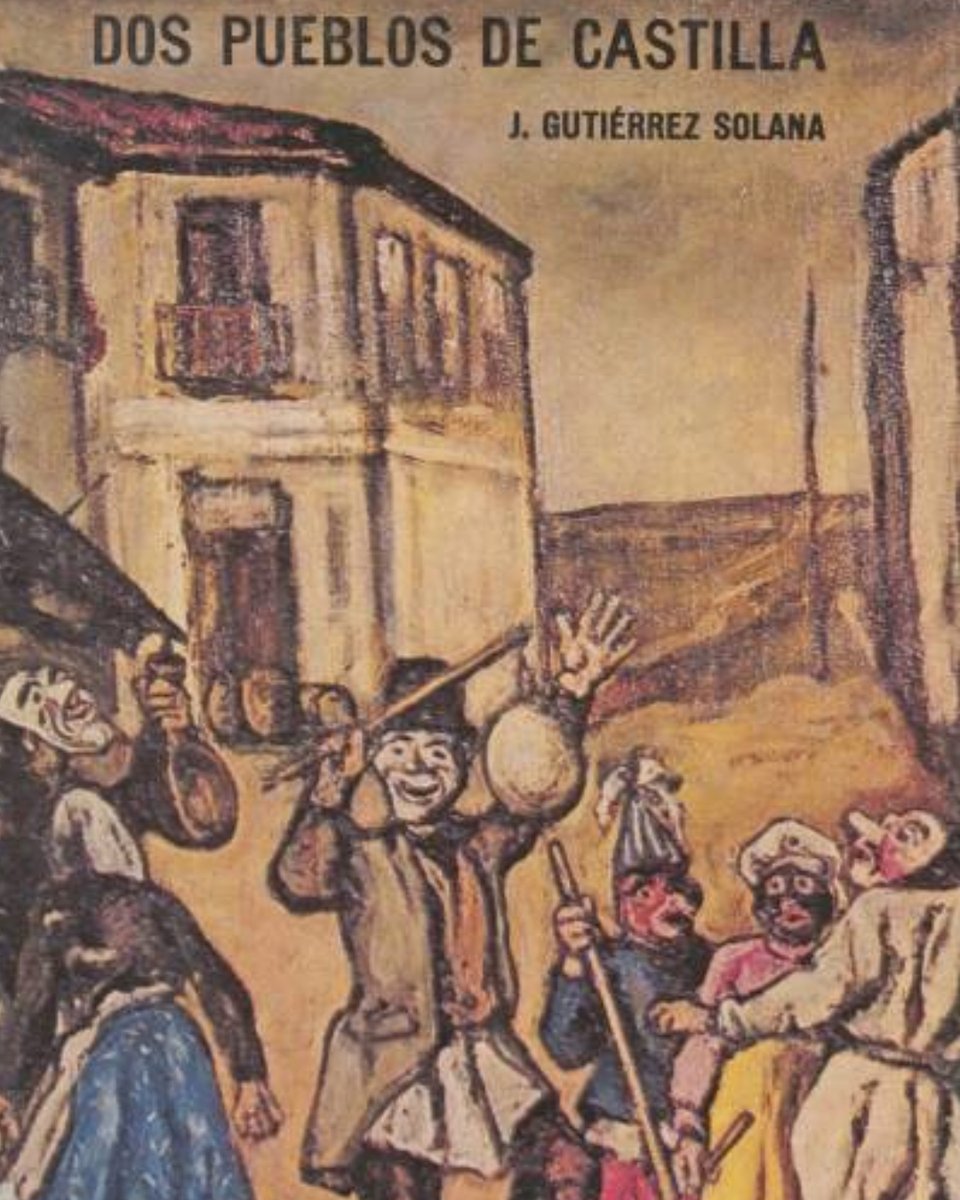
¡Gran noticia para empezar 2026! La #BNE ha digitalizado y puesto en acceso libre más de 600 obras de 154 autores españoles fallecidos en 1945. Sus obras pasan a dominio público: ya son de todos.📖 bne.es/es/noticias/bn…
Biblioteca Nacional de España tweet mediaBiblioteca Nacional de España tweet mediaBiblioteca Nacional de España tweet mediaBiblioteca Nacional de España tweet media
Español
5
593
1.6K
70.4K