jithendra|ಜಿತೇಂದ್ರ
14.2K posts

jithendra|ಜಿತೇಂದ್ರ
@jithendtk
Athato brahma jijnasa | ಹರೆ ಕೃಷ್ಣ https://t.co/tcVqr4QOiJ
ಭಾರತ Bharata Katılım Mayıs 2019
972 Takip Edilen1.1K Takipçiler
Sabitlenmiş Tweet

@hamsanandi She expected the pakistani terrorists to converse in Sanskrit in the movie 🤔
English


The botanical name for Tamarind is Tamarindus Indica. Where and why do we have to import it from anywhere else?
Raja Visw@rajavisw
I love this idea .. but is tamarind from India or elsewhere ? I read somewhere that we used gooseberries / kokum until tamarind was imported ?
English

When you demolish a a mosque you find a temple and for some reason same Hindu temple is renovated they find jain idols below it , that's how old Jainism is . Kannada is incomplete without Jainism
#RealHistory
#BitterTruth
English

@Nick_Yumloadian @scsthindu preserved really?
all of Tripitakas are Buddhas teachings? nothing was added later on? 😄
think before you claim
English

@jithendtk @scsthindu Fool! Until now, Buddhist texts have been preserved by monks from different countries. Monks from Theravada countries come together in Buddhist councils to periodically review these texts.
Whereas your religious texts remained in India have changed over time.
English

Vedic religion added Buddha as 9th Vishnu avatar to attract Buddhists.
Buddhism incorporated Hindu gods into Dharmapalas to attract Hindus.
Jainism accepted Hindu deities to attract Hindus.
Shaivism refused. It stayed strict with Shiva only, no borrowed deities. Even Saiva clashed violently with other religions. Shaivas never compromised dharma for popularity.
Har Har Mahadev 🙏🔱

Adivaraha@vajrayudha11
Hard for many to accept, but Jain version of Ramayana was composed in medieval Times to prevent Jain laymen defecting to Hinduism due to popularity of epics.
English

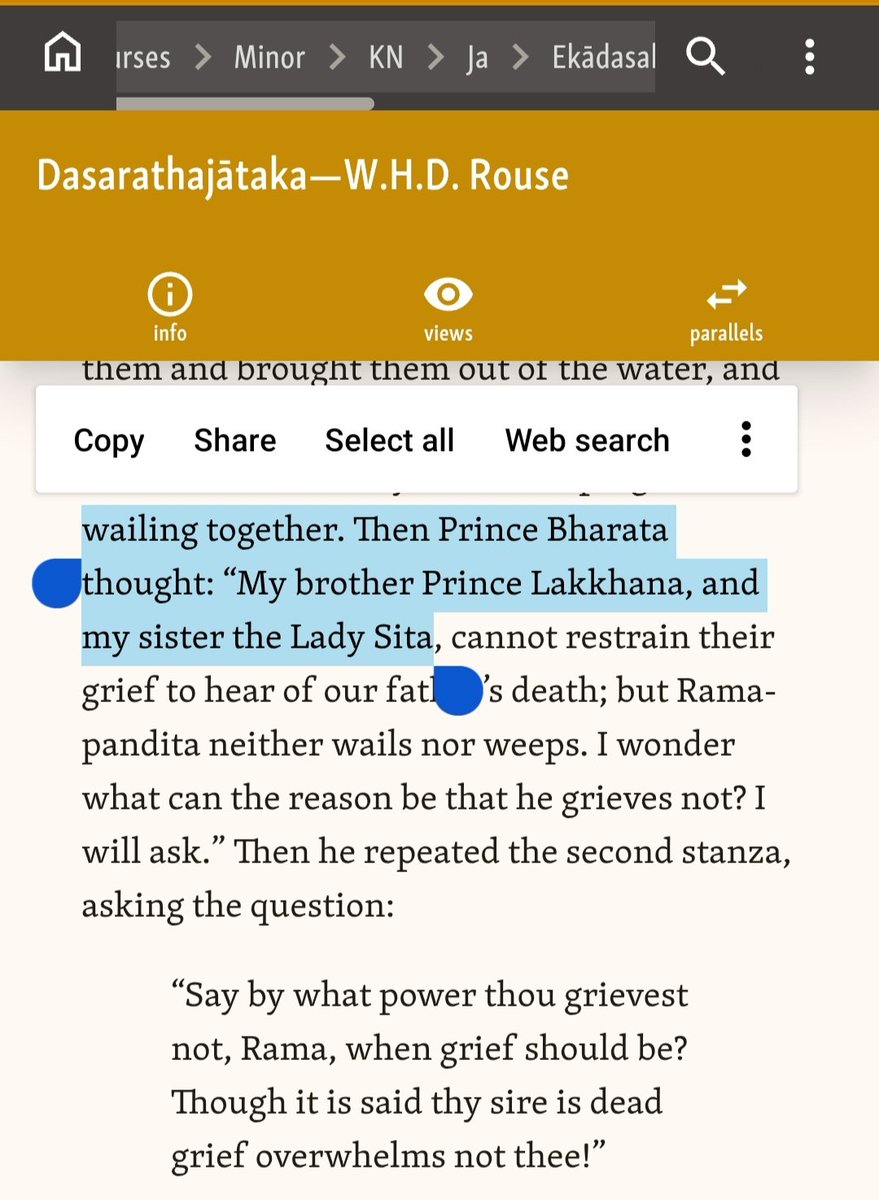
@Nick_Yumloadian @scsthindu thats exactly my point kiddo there are many variations of Valmiki Ramayana and your Dasharata Jataka is one of them
now you agree Dasarata Jataka is a distorted version of Valmiki Ramayana and that Buddha was claiming to be Rama in his previous birth
English

@jithendtk @scsthindu Go and read differences from Valmiki Ramayana to Tulsidas version.
English

@Nick_Yumloadian @scsthindu you can rephrase it to what ever you want
just like you guys deny the existence of soul but still claim rebirth, and Karma philosophy
🤦♂️
English

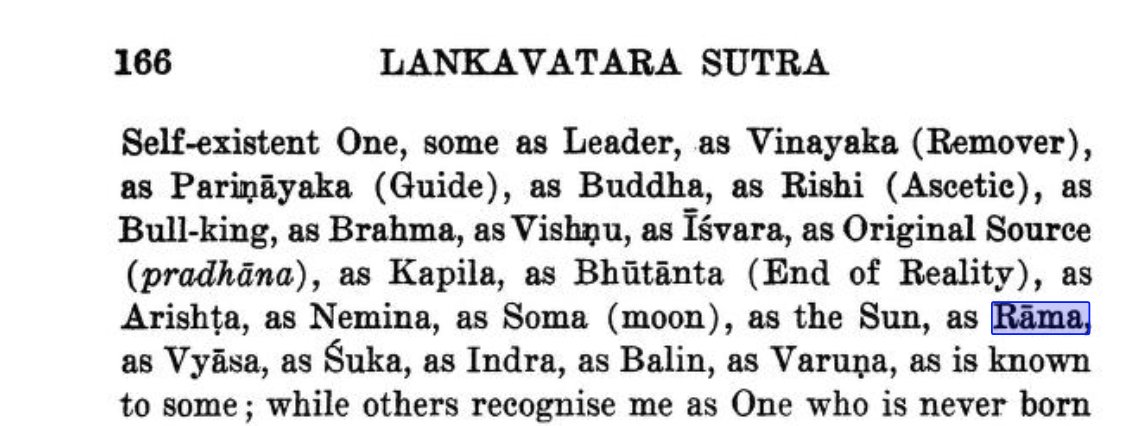
In Lankavatarasutra Buddha himself says that some of his followers address me by different names not realizing that they are all names of the one Tathagata.
Some recognize me as Sun, as Moon; some as a reincarnation of the ancient sages; some as one of "ten powers"; some as Rama, some as Indra, and some as Varuna.
so Buddhist themselves were very eager to consider Buddha the incarnation of Rama, now who is copying whom?


English

@jithendtk @scsthindu Whatsapp University kid.
Yes Jataka tale mentions him as a Bodhisatva Rama Pandita. Where sita was Rama's sister.
Not incarnation 🤦🏻 Lalitavistara Sutra (Janmaparivarta) mentions the Siddhartha possesses the "power of Narayan" in metaphoric sense.
English
jithendra|ಜಿತೇಂದ್ರ retweetledi

Hard for many to accept, but the Jain version of the Ramayana predates the Vedic Hindu version!
Śrutaṃ me gopāya@shrutammegopaya
Kambar’s rAmAvatAram is the oldest rendering of rAmAyaNa in a non Sanskrit tongue. nAgacandra’s work might run it close or be slightly older . But that is a v different rAmAyaNa from a Jain perspective Kambar is more widely read in TN today than any of the Sangam authors
English

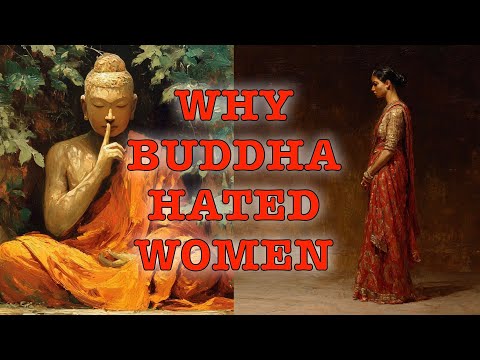
@siddaramaiah Sir pls watch this video to know the true face of Buddha when it comes to his social justice to women
youtu.be/hP0D2GLBFc8?si…

YouTube
English

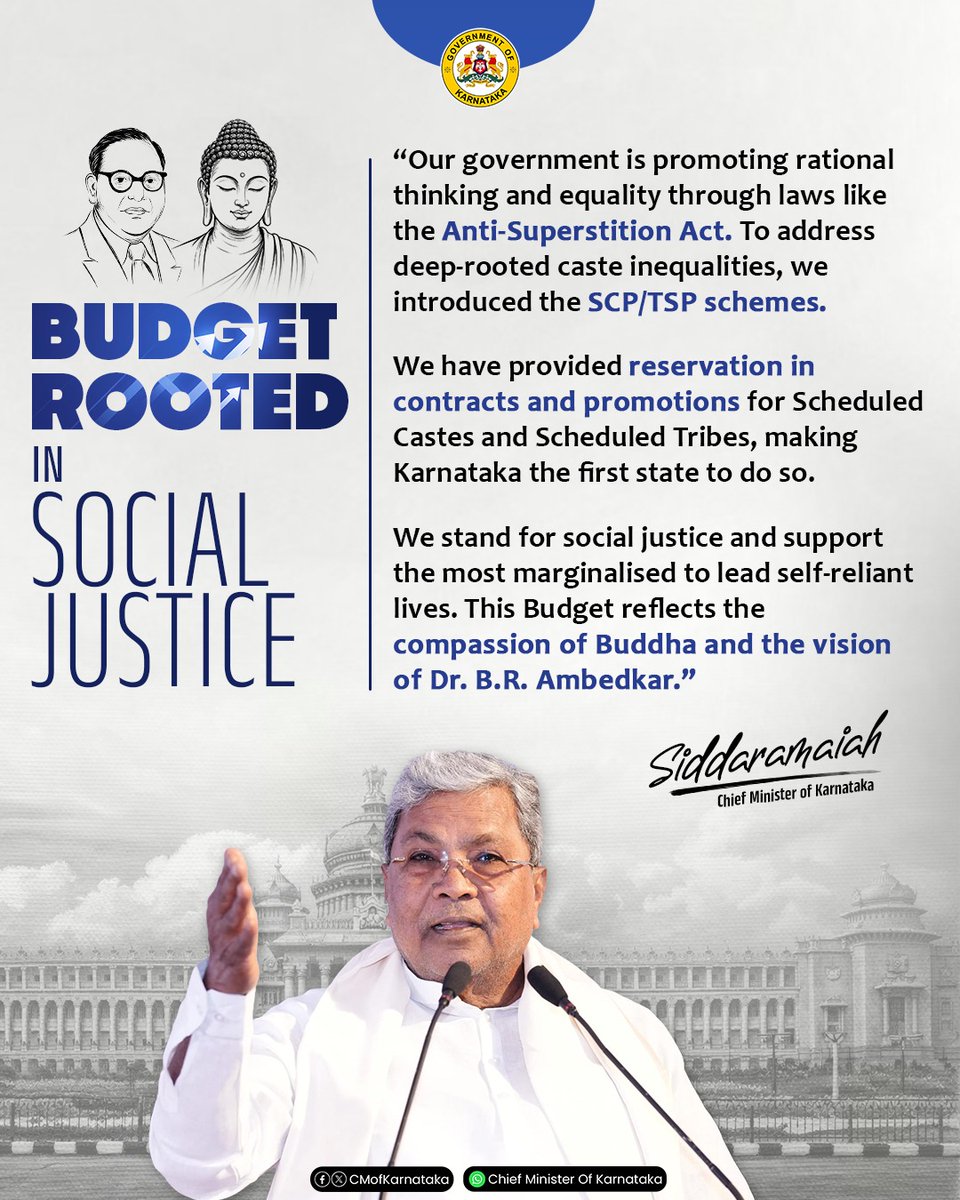
Our government is promoting rational thinking and equality through laws like the Anti-Superstition Act. To address deep-rooted caste inequalities, we introduced the SCP/TSP schemes.
We have provided reservation in contracts and promotions for Scheduled Castes and Scheduled Tribes, making Karnataka the first state to do so.
We stand for social justice and support the most marginalised to lead self-reliant lives. This Budget reflects the compassion of Buddha and the vision of Dr. B.R. Ambedkar.
#KarnatakaBudget #KarnatakaEmpowermentBudget #GuaranteeSarkara

English

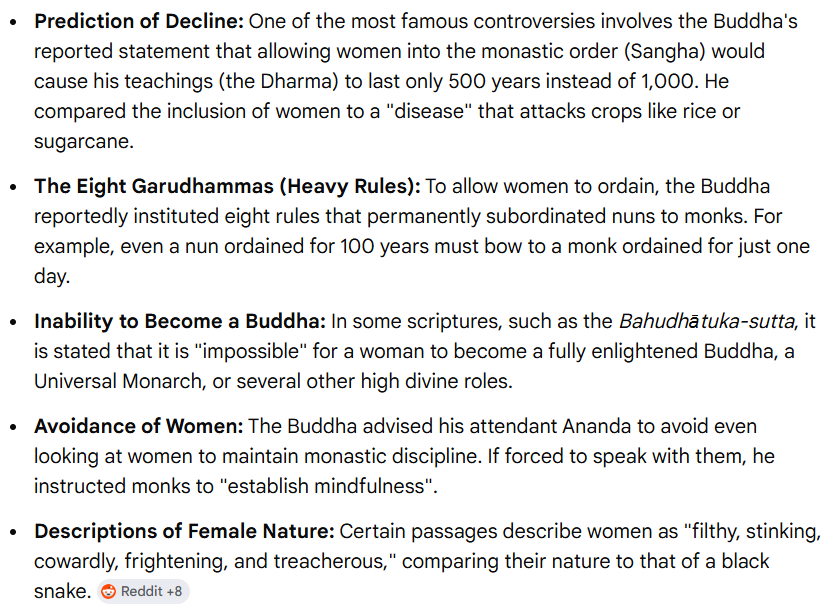
@siddaramaiah Can we take action against Buddha through Anti-Superstition act because of how misogynistic he was, saying a nun ordained for 100 yrs must bow to monk ordain for just 1 day, comparing woman to a disease, n lot more

English
jithendra|ಜಿತೇಂದ್ರ retweetledi


@CivitasSameer Bhagavatam says Manu was from Dravida Desha
हिन्दी

"Sarrr... Dravidian culture was totally separate from Aryan Vedic culture sarrrrr...."
The earliest strata of Tamil literature, conventionally dated to c. 300 BCE to 300 CE and preserved in anthologies such as Akananuru, Purananuru, and Paripadal, already attest to a civilizational vocabulary that is unmistakably pan-Indic. Deities of the Vedic tradition, like Indra, Varuna, Agni, etc., appear not as external impositions but as embedded presences within the ecological and poetic grammar of the Tamil world.
In the tinai system, the Marutam or agricultural plains are associated with Indra, the rain-giver, whose function is materially grounded in agrarian life. Similarly, Varuna presides over the Neital or littoral regions, while Mayon and Murugan coexist seamlessly within the same cosmological framework. These are not indications of a late or externally imposed Sanskritic influence but rather evidence of a shared symbolic and religious universe across linguistic regions in early historic South Asia.
The anthology Paripadal is especially significant in this regard, as it contains devotional compositions that integrate Tamil poetic conventions with themes and theological motifs that resonate with wider Indic traditions. This demonstrates that processes of cultural and religious exchange were gradual, reciprocal, and deeply internalised rather than unilateral or abrupt.
The figure of Agastya further embodies this civilizational continuity. Revered across both Sanskritic and Tamil traditions, Agastya is described as the sage who journeyed south, stabilised the land, and transmitted systems of knowledge, including grammar and sacred learning. Within Tamil intellectual memory, he is not perceived as an external agent but as a foundational cultural figure, indicating the extent to which these traditions were already intertwined.
What is often described in modern discourse as Sanskritization must therefore be reconsidered. The evidence of early Tamil texts suggests that this was not a late historical process imposed upon a distinct cultural sphere, but an ancient and organic synthesis visible in the earliest available literary records. The rigid Aryan and Dravidian dichotomy, when projected onto this period, fails to account for the depth of integration that characterised early Indian civilisation.
A close reading of Sangam literature reveals not cultural isolation but a sophisticated form of integration in which linguistic diversity coexisted with a shared metaphysical, ritual, and cosmological vocabulary. Tamil society articulated its own distinct identity while simultaneously participating in a broader Indic continuum that cannot be meaningfully divided along simplistic racial lines.

English