Jack Garnham

406 posts

Jack Garnham banner
Jack Garnham

Jack Garnham

@jjgarnham

Consultant neuroradiologist @ImperialNHS. Previous pan-London neuroradiology fellow. Winner of the Frank Doyle medal. Interest in medical education.

London, England Katılım Ocak 2024
276 Takip Edilen1.2K Takipçiler
Brent A. Williams, MD
Brent A. Williams, MD@BrentAWilliams2·
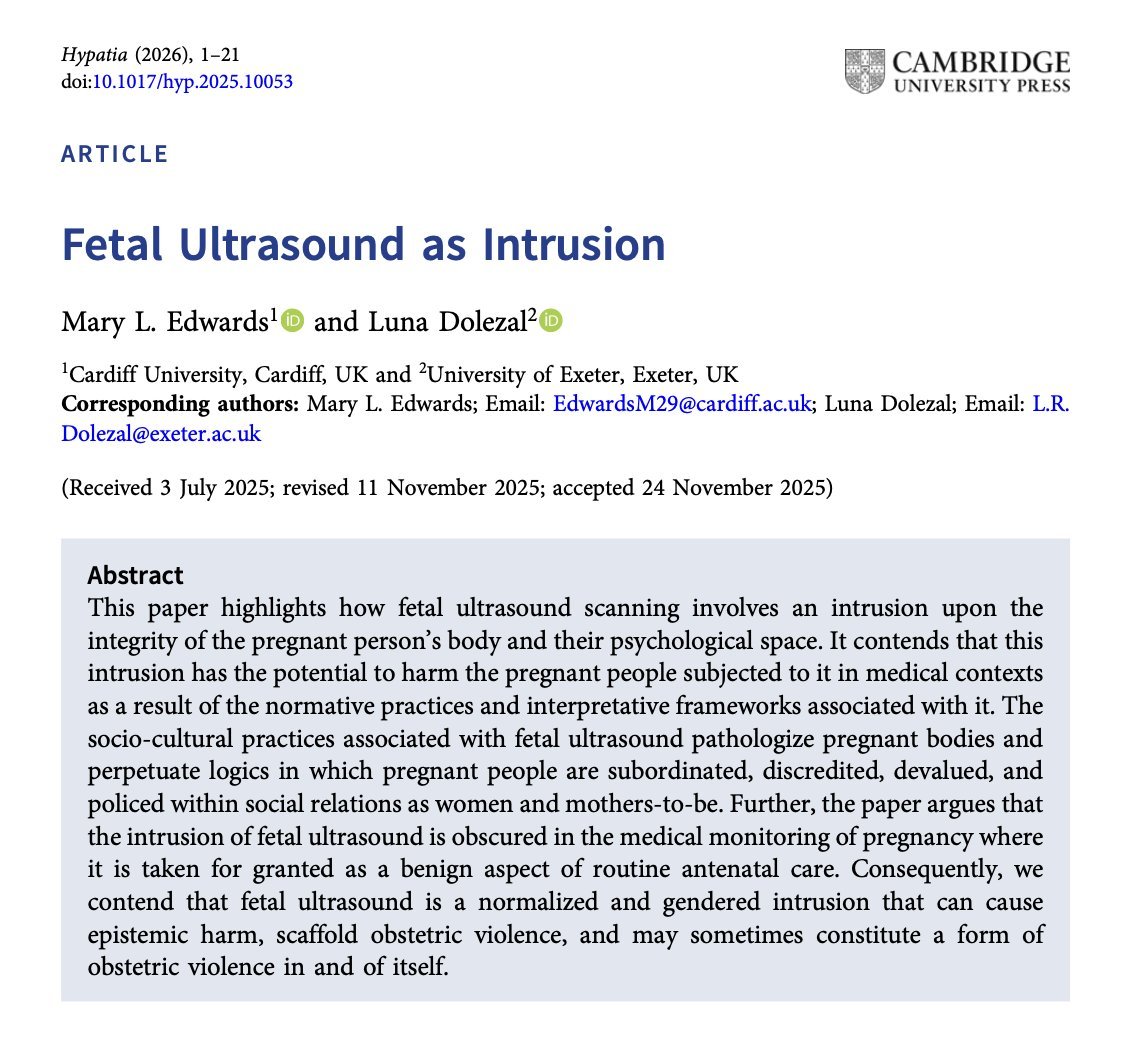
The so-called academics, and the idiots that publish this insane trash, should be launched into the sun:
Brent A. Williams, MD tweet media
English
107
64
534
48.6K
SPIN | Society of Pediatric Neuroimaging
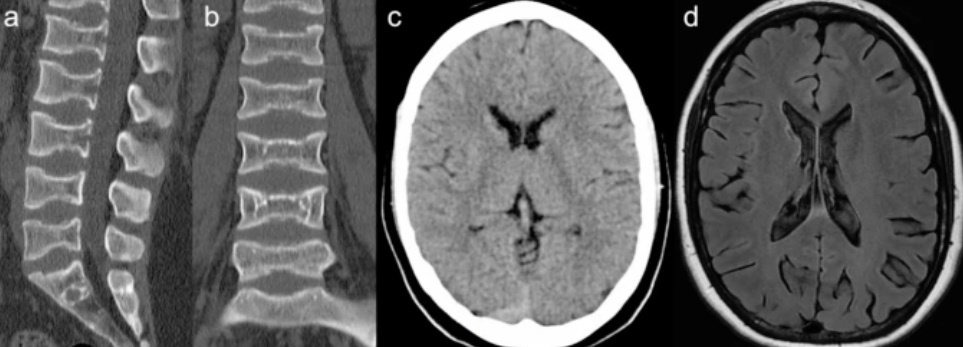
🧵 Spin Tweetorial Wednesday — Case based IEI Short stature. Paraparesis. Autoimmunity. What ties the skeleton, immune system, and brain together? Let’s dissect this case. 👇
SPIN | Society of Pediatric Neuroimaging tweet media
English
11
12
50
5.1K
Jack Garnham
Jack Garnham@jjgarnham·
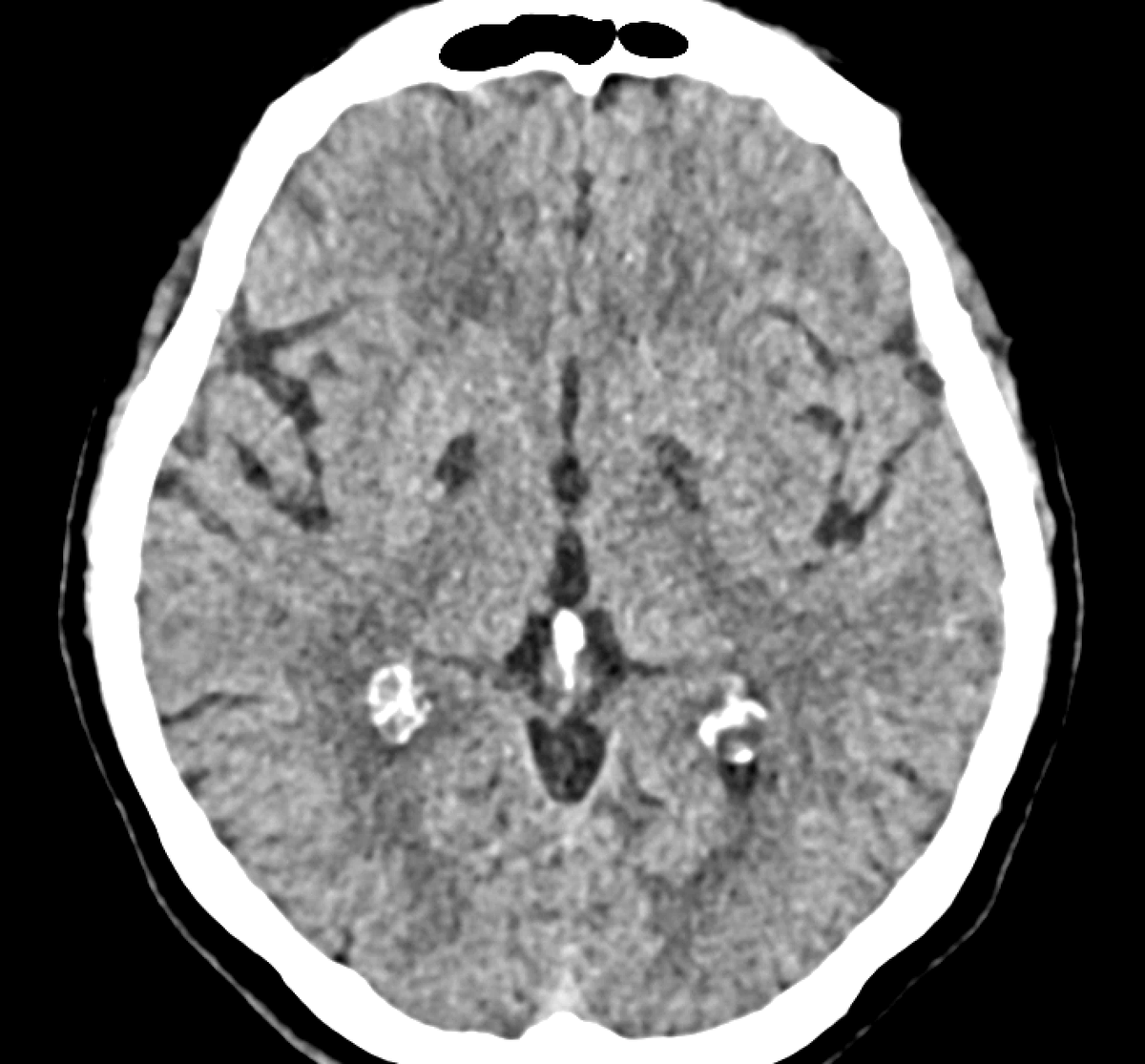
This man was found obtunded in his home. A CT in the emergency department shows bilateral globus pallidus hypoattenuation. It's later discovered that he was using a non-electric space heater. The history and imaging features are typical of carbon monoxide poisoning.
Jack Garnham tweet media
English
1
4
40
2K
Jack Garnham
Jack Garnham@jjgarnham·
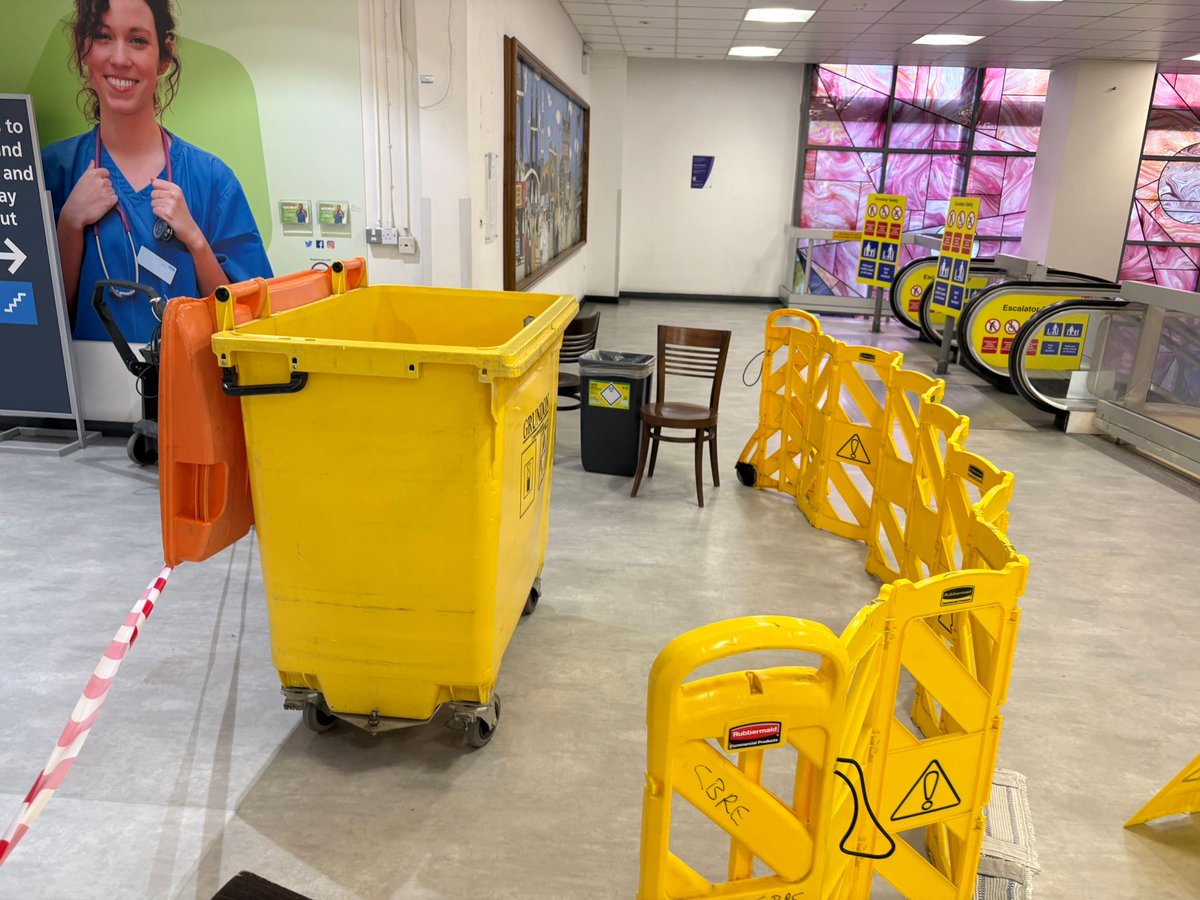
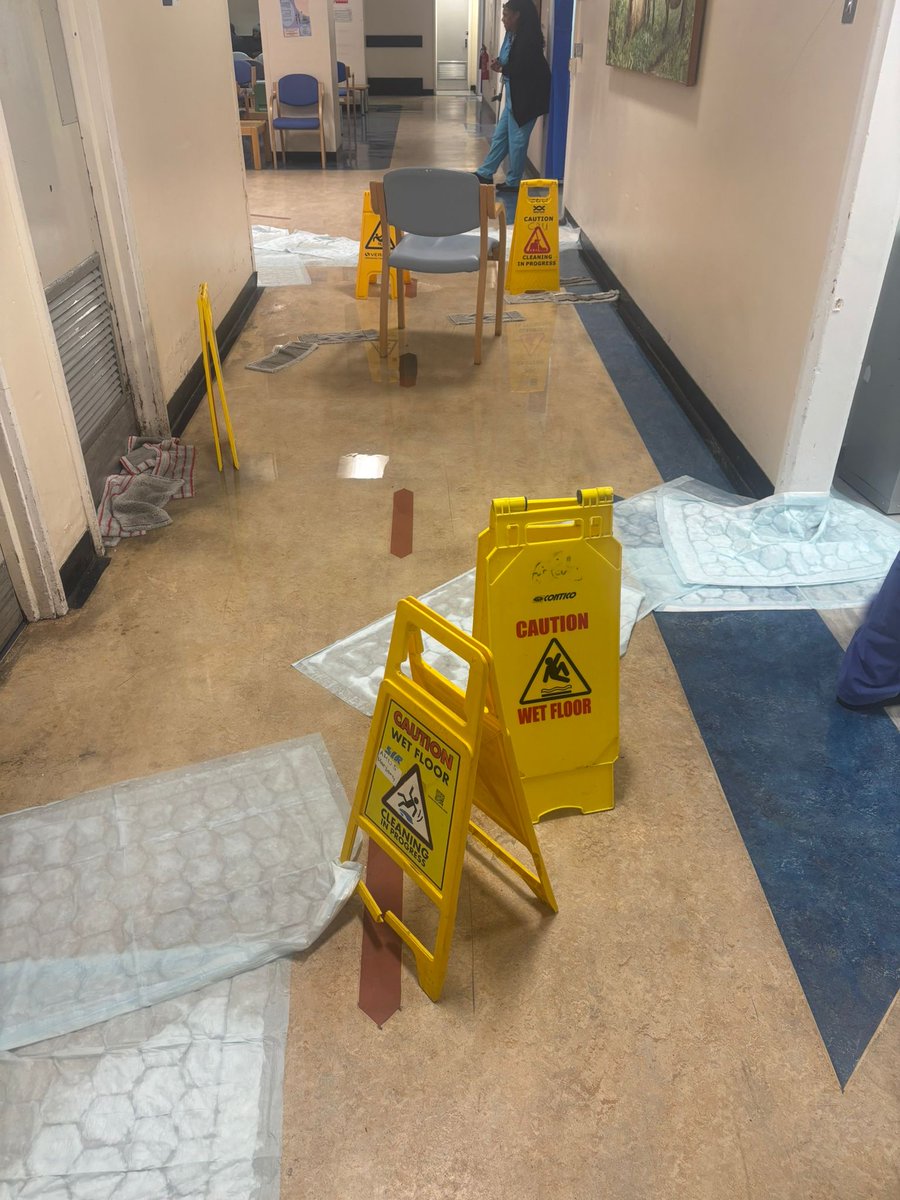
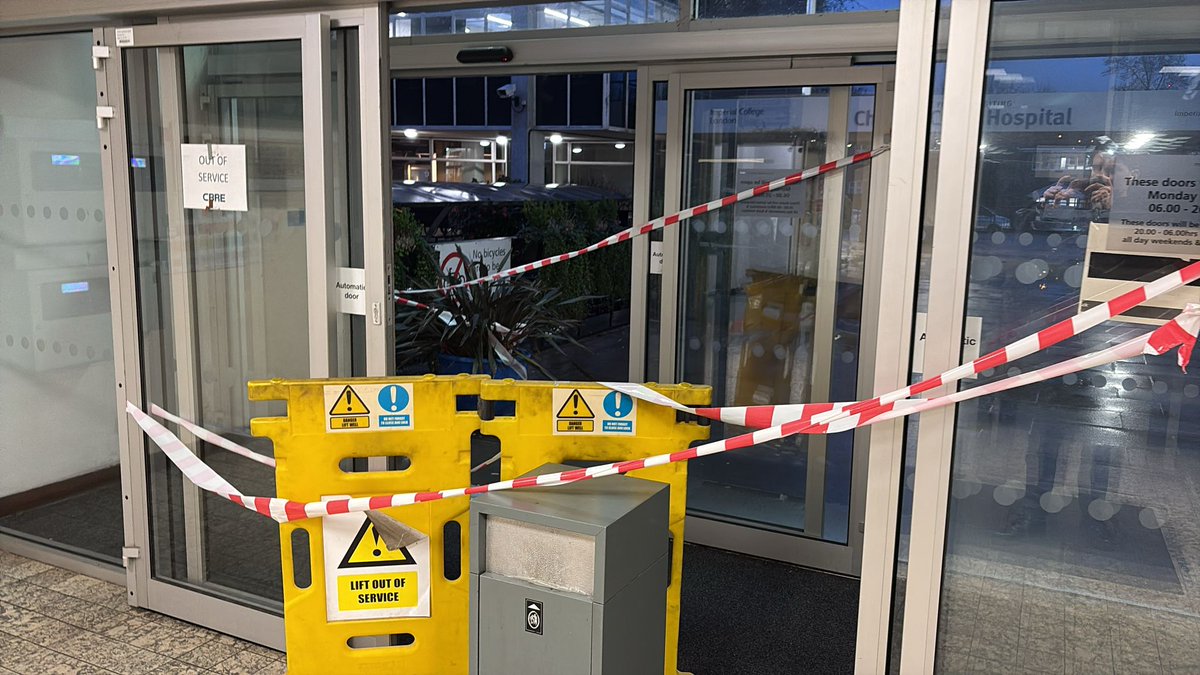
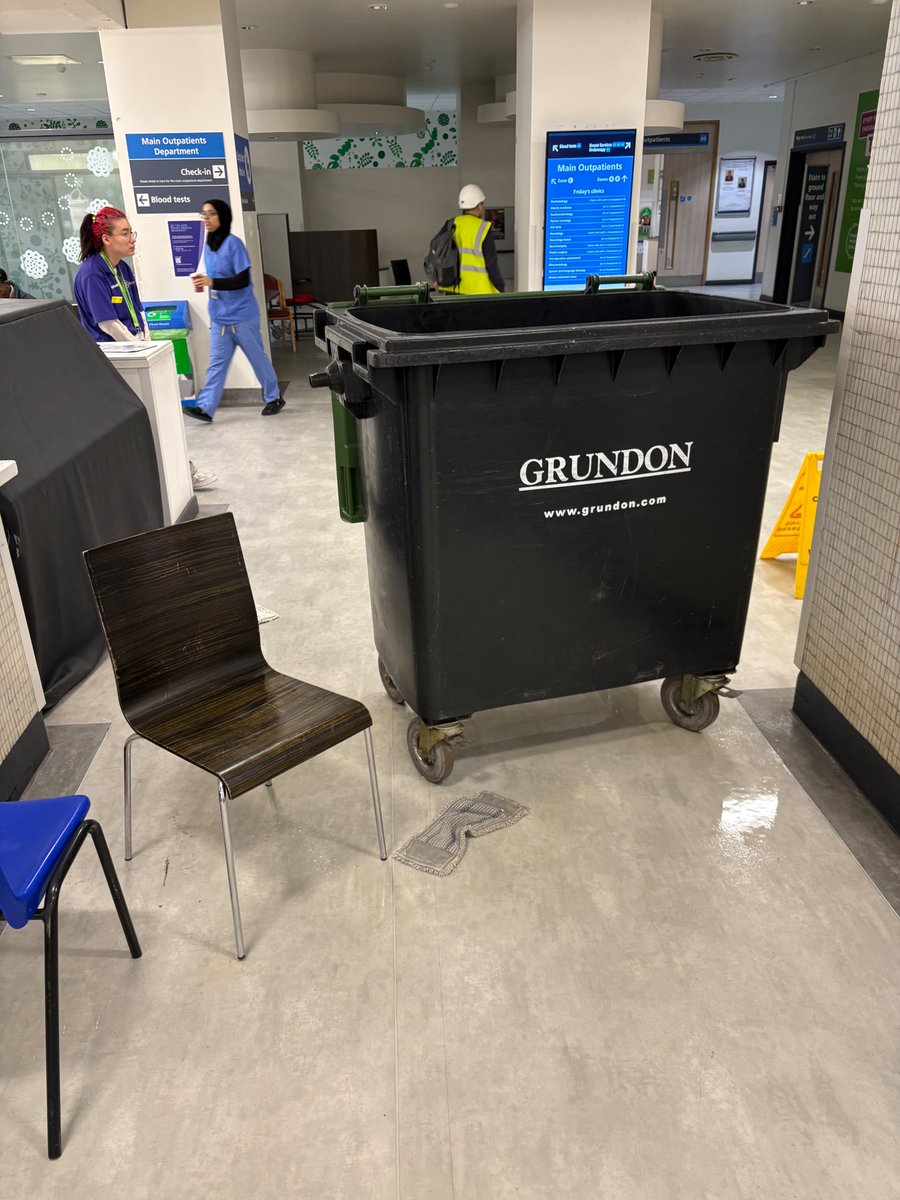
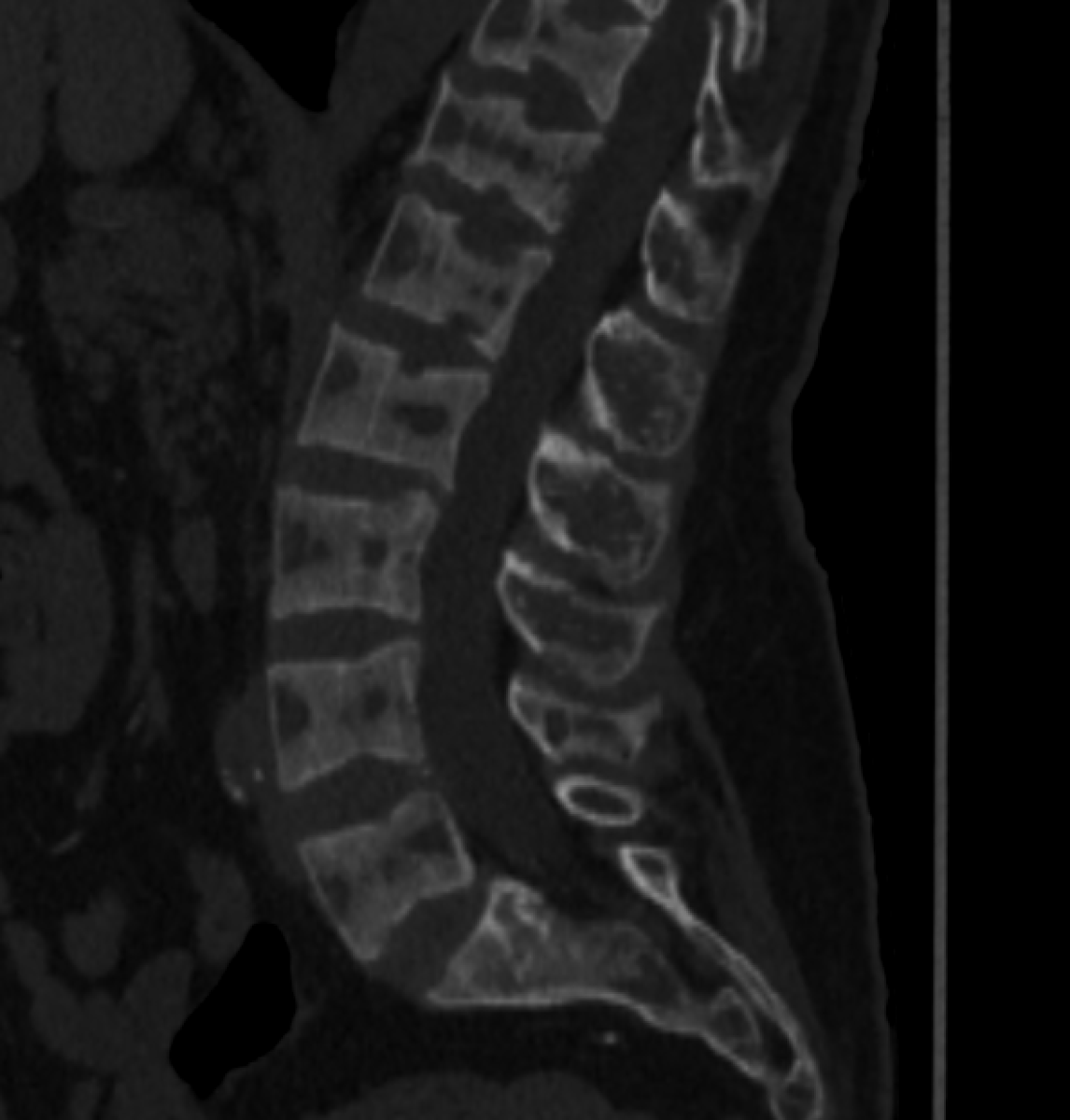
@wesstreeting Hi Wes. My hospital, where the ceilings collapse on a nearly daily basis, looks like this. Is this what "rebuilding our NHS" means?
Jack Garnham tweet mediaJack Garnham tweet mediaJack Garnham tweet mediaJack Garnham tweet media
English
0
0
4
117
Wes Streeting
Wes Streeting@wesstreeting·
We're fixing the front door of the NHS. More GPs. Same-day urgent appointments. Backed by an extra £485 million for GP practices. Through investment and modernisation, we are rebuilding our NHS.
English
554
81
277
53.8K
Jack Garnham
Jack Garnham@jjgarnham·
Rugger jersey spine! Look at the alternating horizontal layers of peripheral sclerosis and central lucency in the vertebral bodies. This is seen in hyperparathyroidism, particularly in the context of renal osteodystrophy.
Jack Garnham tweet mediaJack Garnham tweet media
English
0
8
41
1.7K
Jack Garnham
Jack Garnham@jjgarnham·
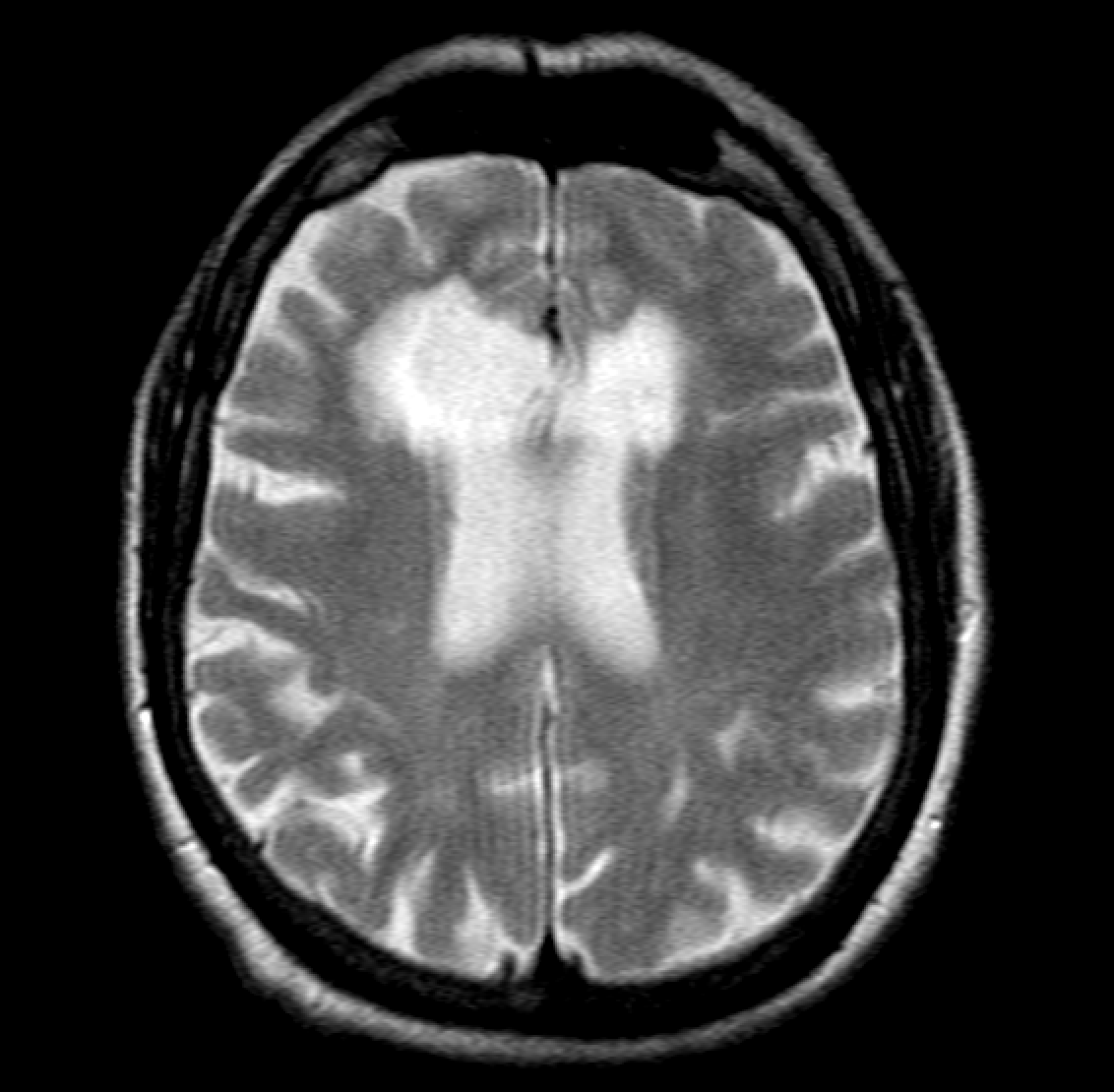
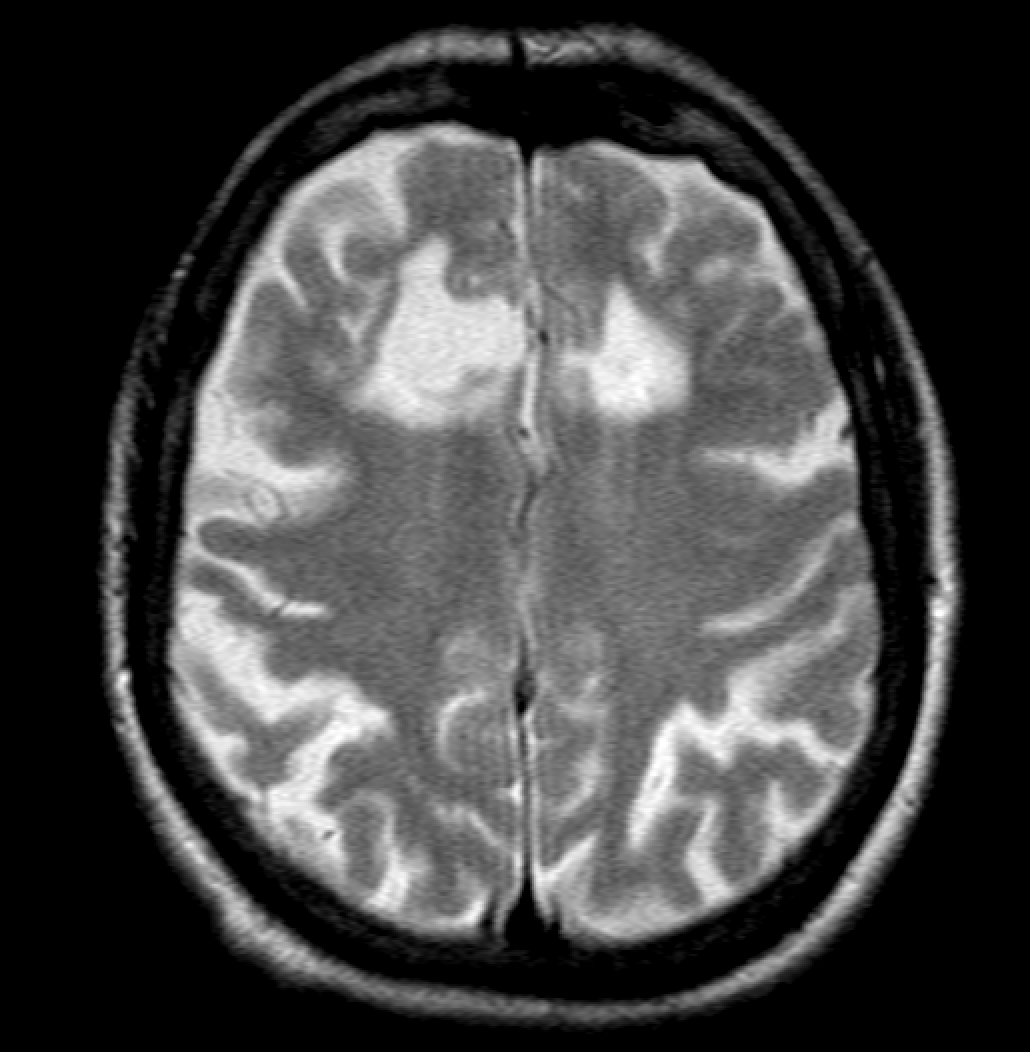
A modern rarity. A bifrontal leucotomy (or frontal lobotomy). This now-extinct psychosurgical procedure involved disrupting white matter tracts in the frontal lobes in an attempt to treat severe psychiatric illness. Egas Moniz won a Nobel Prize for its invention in 1949 (the first Portuguese national to do so). You may still see these in elderly patients.
Jack Garnham tweet mediaJack Garnham tweet media
English
0
7
41
2.5K
Jack Garnham
Jack Garnham@jjgarnham·
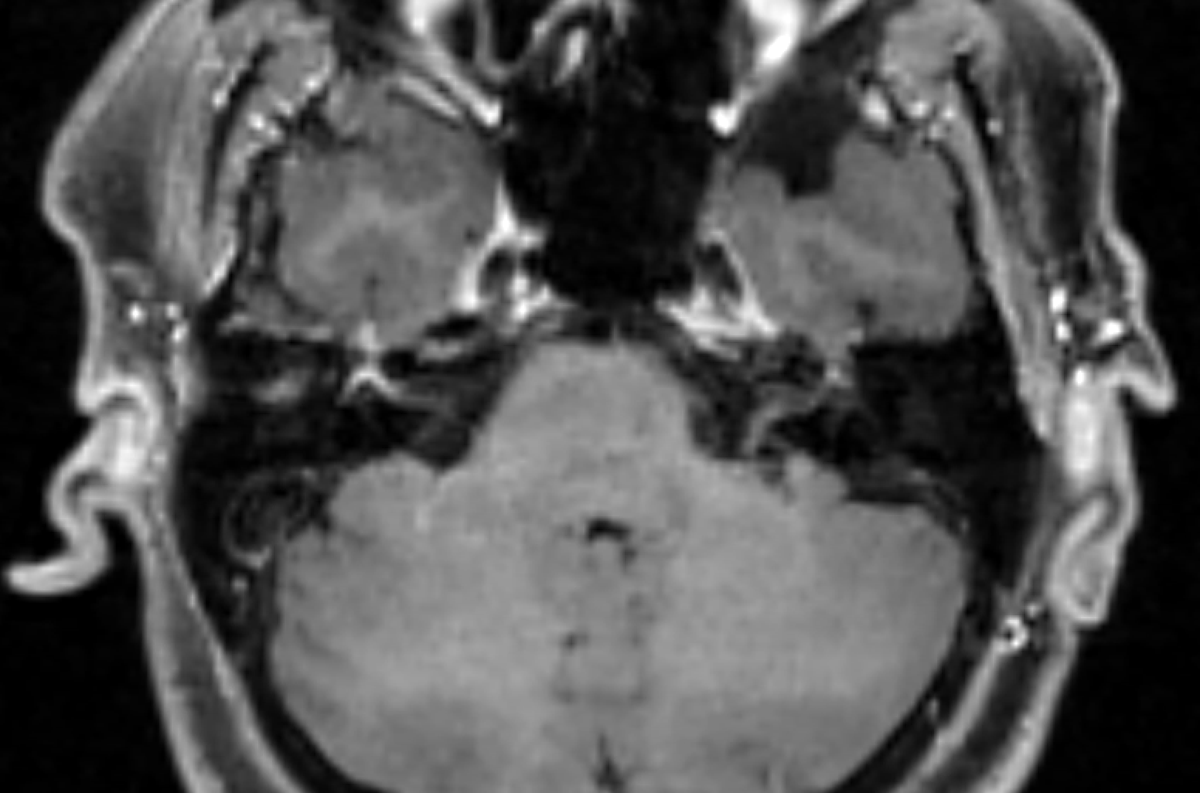
Lovely example of a right-sided Bell's palsy. Intense enhancement of the right fundal, labyrinthine, geniculate, and proximal tympanic segments of the right facial nerve (with the normal left facial nerve for comparison). Remember that, contrary to traditional teaching, you can see mild enhancement of various facial nerve segments in normal patients. Asymmetry and intensity are clues that the enhancement might be pathological.
Jack Garnham tweet mediaJack Garnham tweet media
English
2
18
96
5.4K
Jack Garnham
Jack Garnham@jjgarnham·
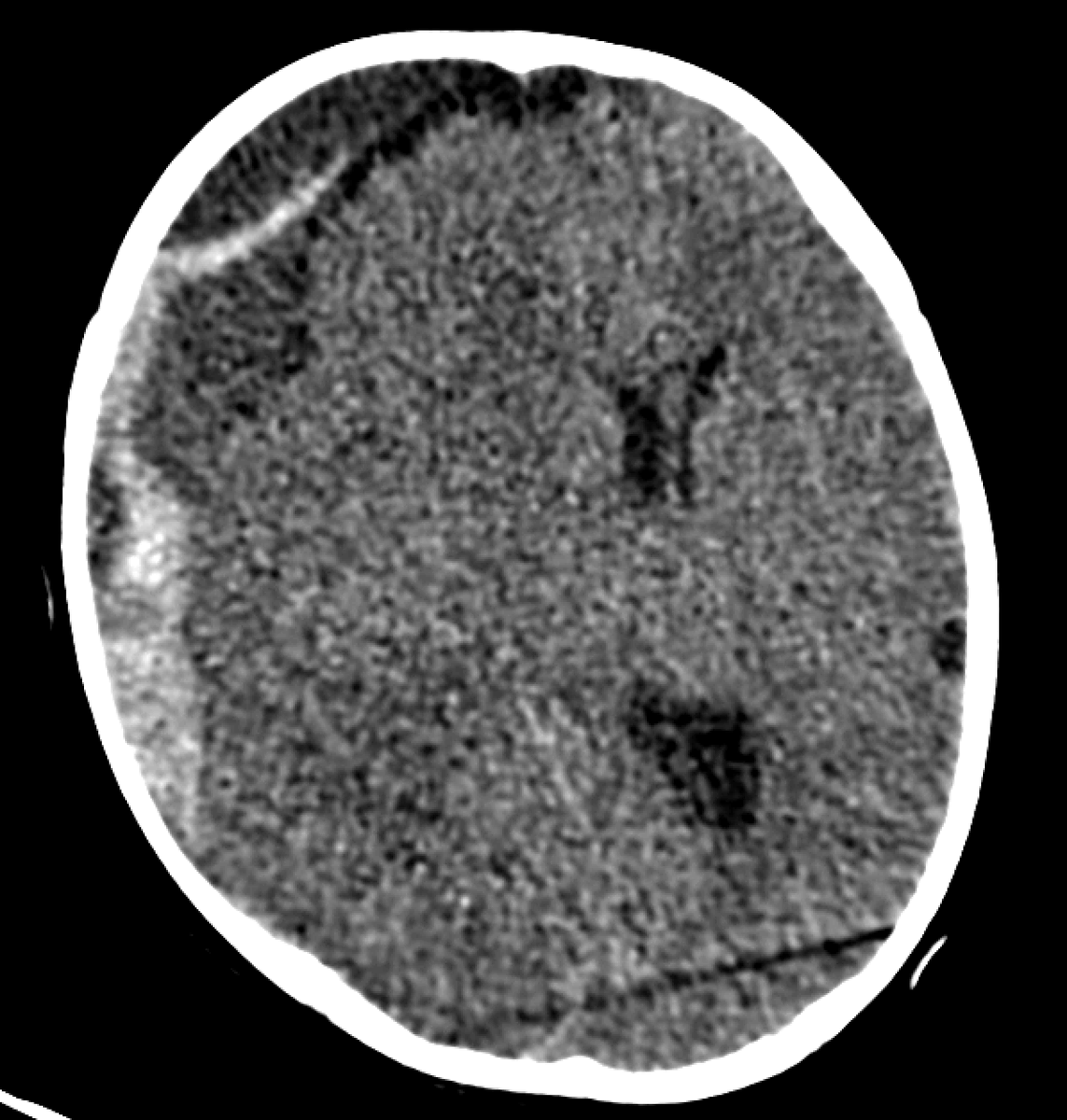
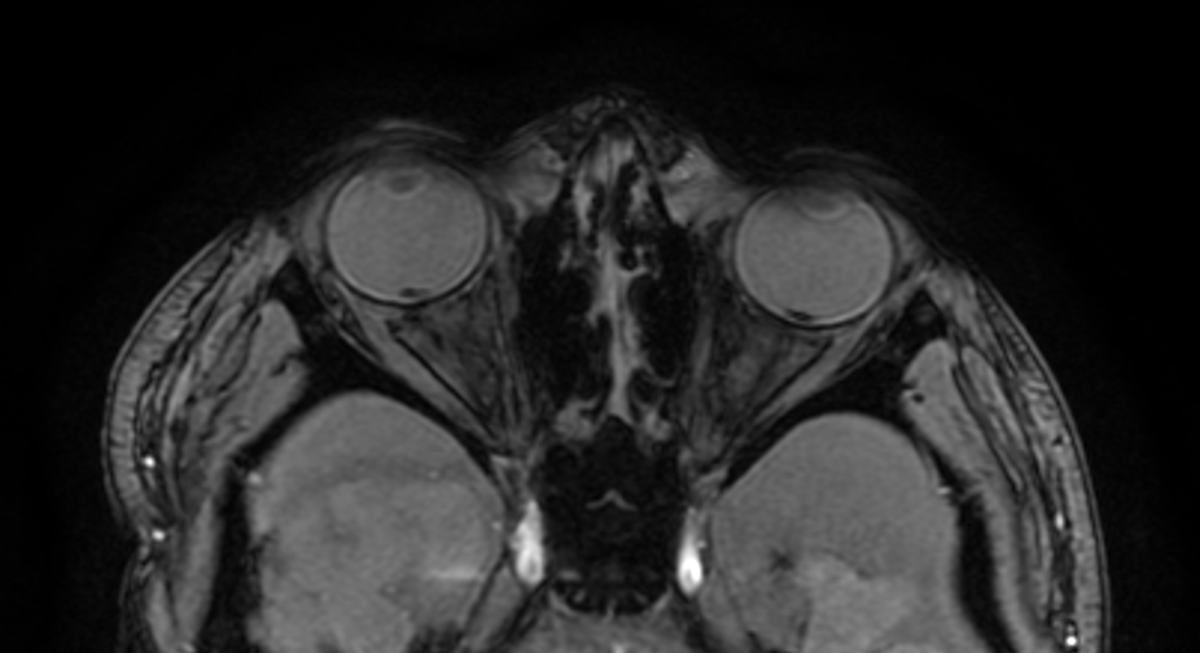
Very sad case of abusive head trauma (AHT) in a young child. There's a large right-sided mixed density subdural haematoma. You can also appreciate the bilateral retinal haemorrhages (confirmed on ophthalmoscopy) on the MRI. EDHs are more common after accidental trauma, but SDHs are far more common following AHT. SAH, parenchymal, and IVH are equally common in both AHT and accidental trauma. The mixed density of the SDH here doesn't necessarily apply an acute-on-chronic timeframe; mixed density can be seen in acute SDHs. Remember, AHT is not a radiological diagnosis made in isolation. Like anything else, it's diagnosed by considering all the information in context, clinical history, examination findings, laboratory data, and imaging.
Jack Garnham tweet mediaJack Garnham tweet media
English
1
1
22
1.2K
Jack Garnham
Jack Garnham@jjgarnham·
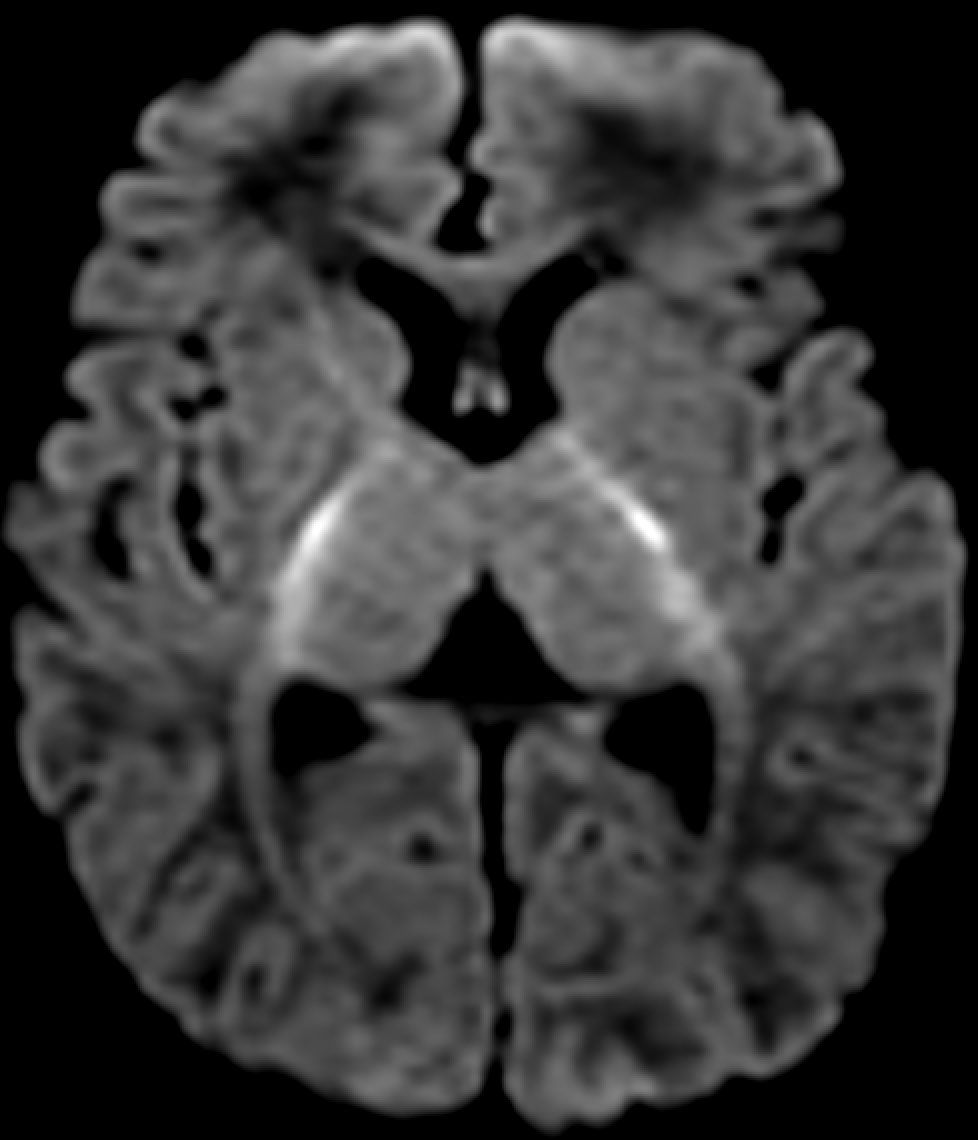
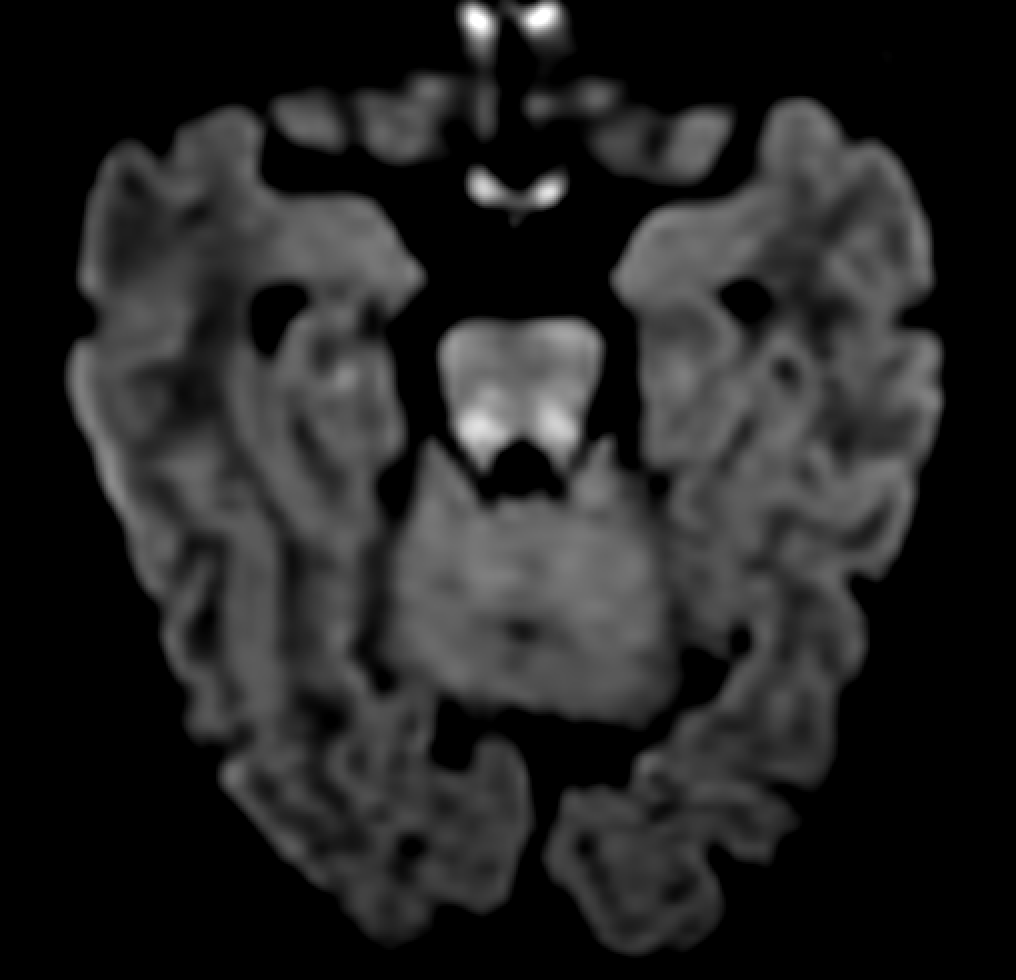
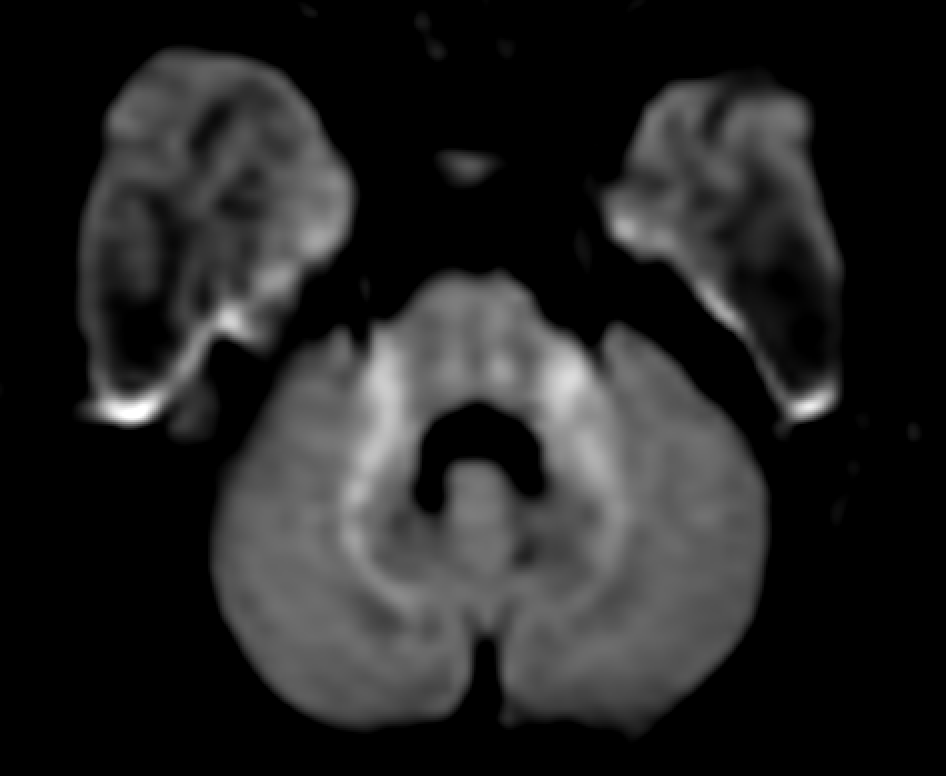
🩺This neonate presented with hypotonia, lethargy, feeding difficulties, and respiratory distress, followed by seizures. 🩻There is bilateral symmetric diffusion restriction in the peri-Rolandic white matter, posterior limbs of the internal capsules, dorsal midbrain, central tegmental tracts, and middle cerebellar peduncles. 🔬The patient was found to have biallelic pathogenic IBA57 variants, causing multiple mitochondrial dysfunction syndrome (MMDS). 💡MMDS is caused by mutations in genes encoding for proteins involved in mitochondrial iron-sulphur cluster assembly, leading to multi-enzyme mitochondrial dysfunction. MMDS is severe, progressive, and ultra-rare, unfortunately with no curative treatment.
Jack Garnham tweet mediaJack Garnham tweet mediaJack Garnham tweet mediaJack Garnham tweet media
English
0
18
78
3.7K
Jack Garnham
Jack Garnham@jjgarnham·
@Cookie169Monste My understanding is that renal osteodystrophy is the result of a combination of (secondary) hyperparathyroidism and osteomalacia, so it is - in a sense - hyperparathyroidism.
English
1
0
2
42
Stewie
Stewie@Cookie169Monste·
@jjgarnham How to differentiate from salt and pepper skull of hyperparathyroidism?
English
1
0
0
62
Jack Garnham
Jack Garnham@jjgarnham·
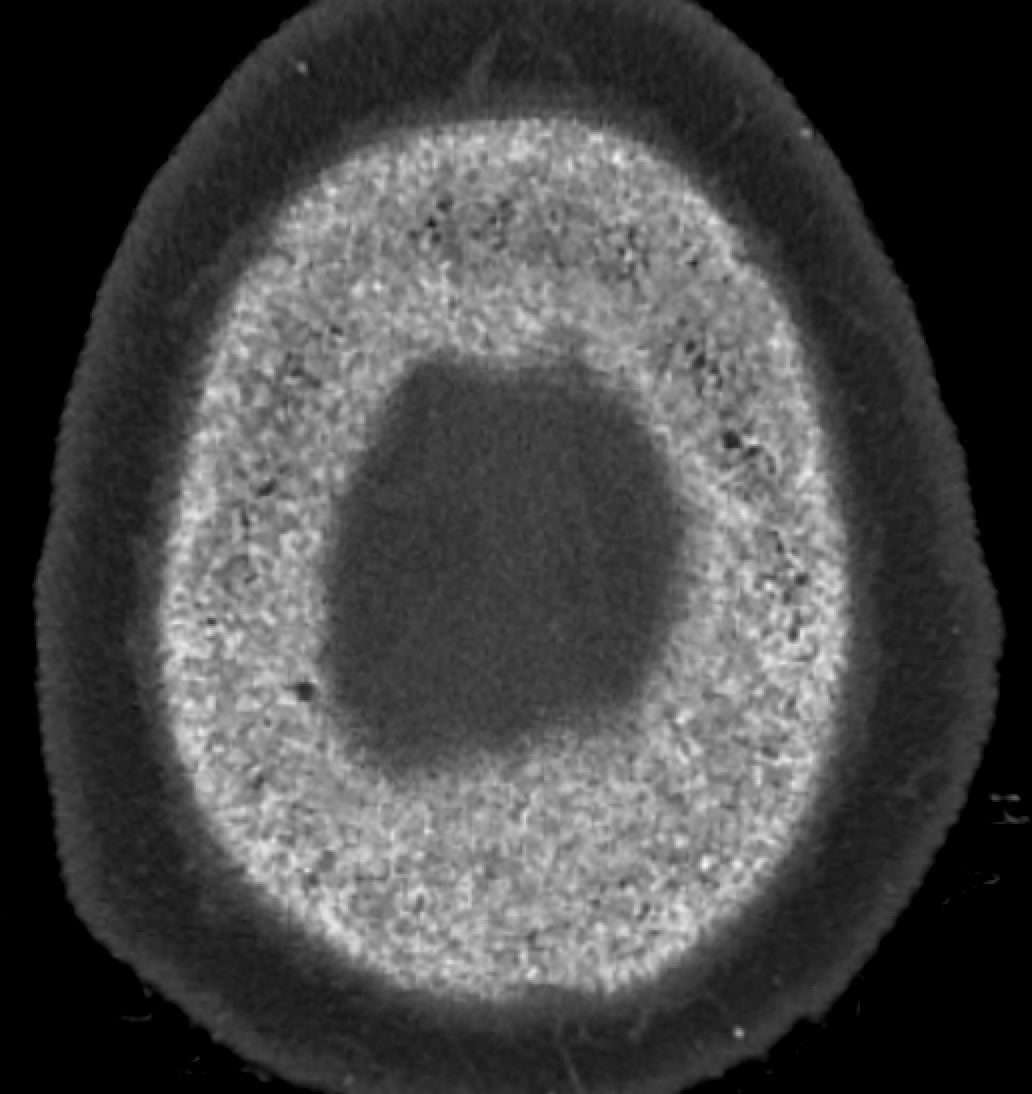
This is a beautiful example of calvarial renal osteodystrophy! The inner and outer tables are no longer clearly visible and the bone has a granular texture, with speckled mixed hyperattenuation and hypoattenuation. Classic.
Jack Garnham tweet media
English
2
9
73
2.7K
Mike Henley 🤨
Mike Henley 🤨@trentconsultant·
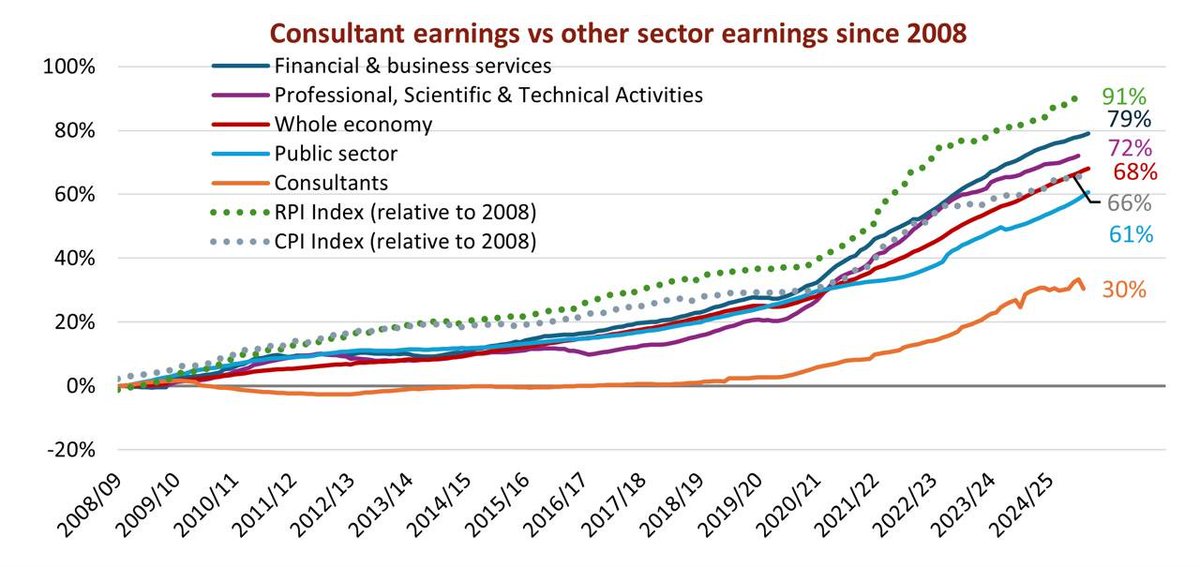
I've been trying with the BMA research team to produce one graph to rule them all. Real terms pay with inflation indexed on the same graph. Look at the CPI dotted line, our pay, the average public sector worker, worker & our comparators. It's not pretty! ONS & NHS digital
Mike Henley 🤨 tweet media
English
31
136
268
36.3K
Jack Garnham
Jack Garnham@jjgarnham·
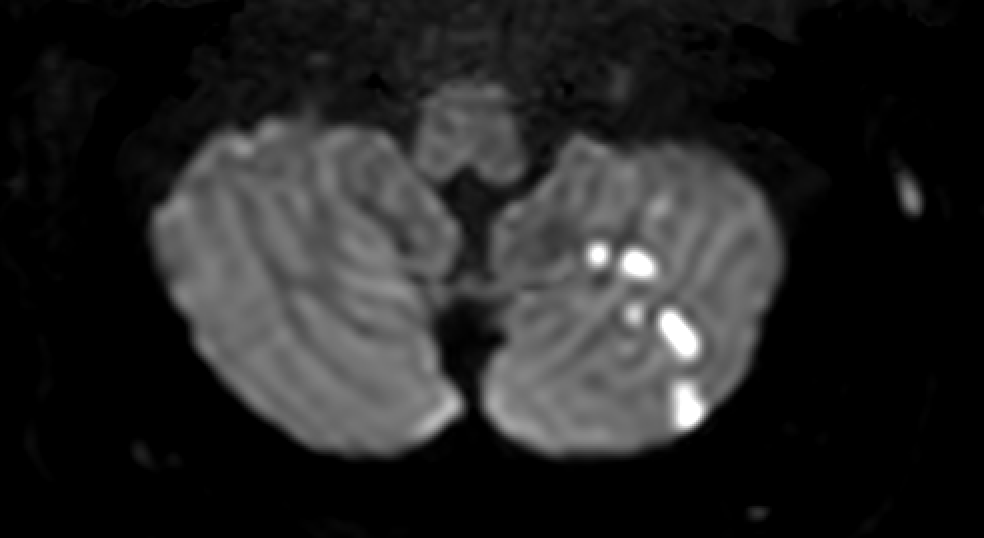
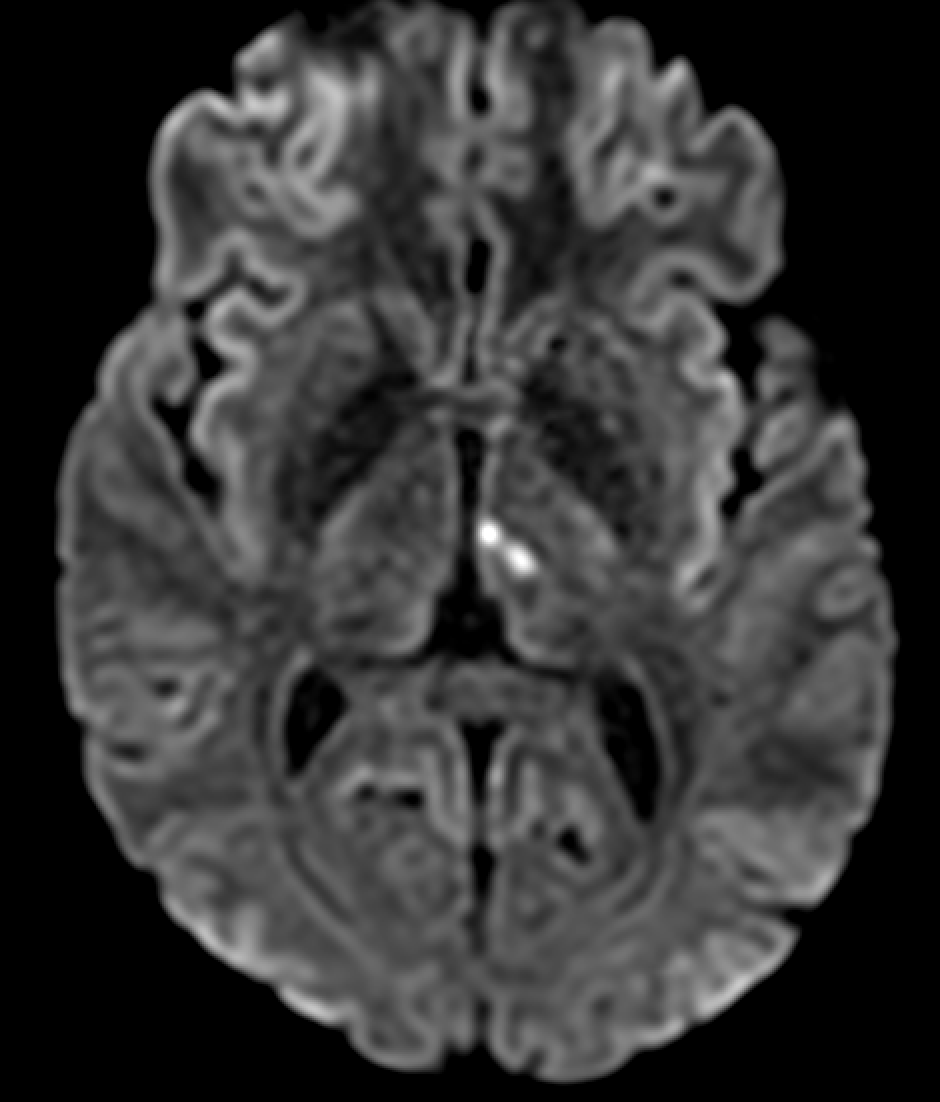
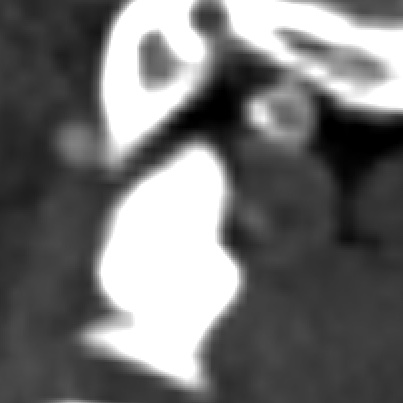
🩺This young man presented after chiropractic manipulation with acutely worsening pain and nausea. 🩻He has multiple acute infarcts in the left cerebellar hemisphere and left thalamus, all in the territory of the left posterior circulation. 🩻The V3 segment of the left vertebral artery is dissected. Can you appreciate the tiny narrowed lumen and the eccentric hypoattenuating compressive intramural haematoma? This is a beautiful example. 💡Dissection causes 5 - 20% of strokes in young people. Internal carotid artery dissection is five times more common than vertebral artery dissection. 💡Healing and vessel remodelling occurs within 3 - 6 months. The stenosis will improve in the majority of patients and complete recanalisation can be seen in up to 50%.
Jack Garnham tweet mediaJack Garnham tweet mediaJack Garnham tweet media
English
2
23
102
12K
Jack Garnham
Jack Garnham@jjgarnham·
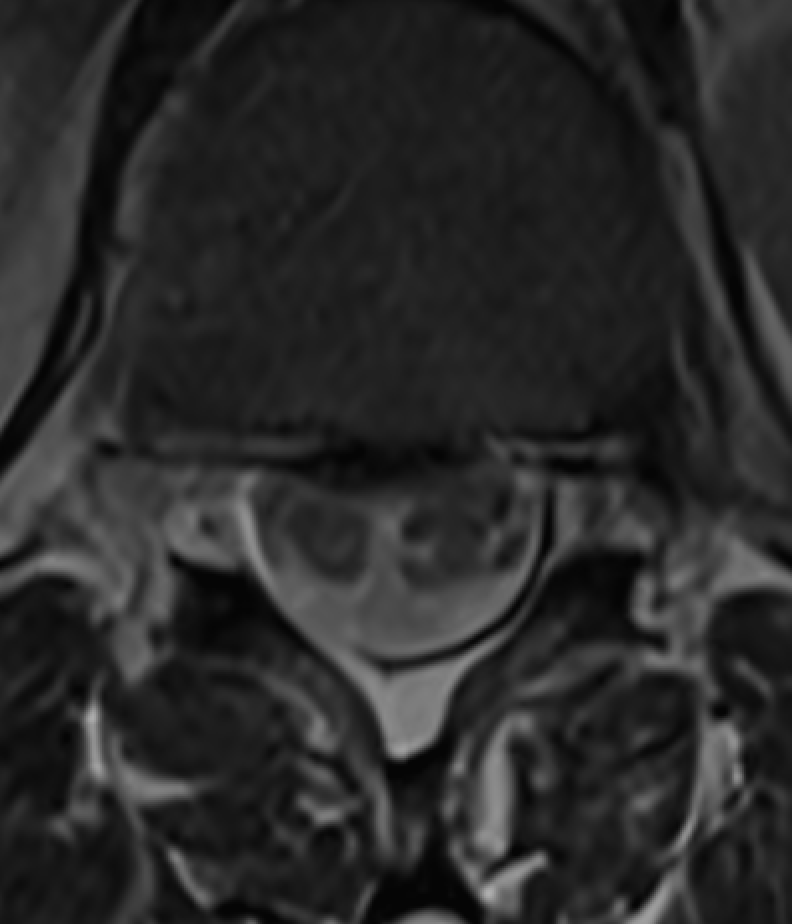
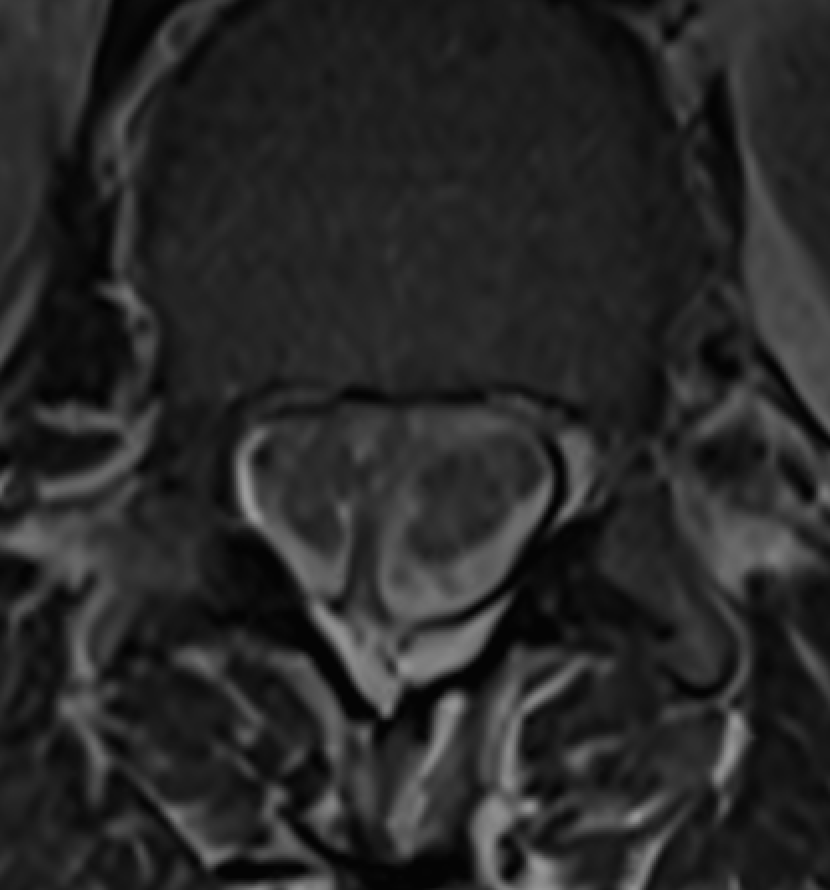
🩻This is diastematomyelia (DSM), or split cord malformation, a type of closed spinal dysraphism. There is sagittal division of the spinal cord into two hemicords, which often reunite below the cleft. The dural sac can be duplicated (as in this case, type I) or non-duplicated (type II). A midline spur may separate the hemicords or duplicated dural tubes. The spinal cord in this case was low-lying and terminated at L3. 💡DSM most often occurs in the lower thoracic or lumber regions. Cervical DSM is exceedingly rare. 💡Vertebral anomalies, scoliosis, and syringohydromyelia are frequent associations. 🩺Many patients present with features of tethered cord syndrome (e.g., back pain, progressive leg weakness, asymmetric reflexes, sensory change, foot deformity, and bowel/bladder dysfunction). 🩺Cutaneous stigmata overlying the level (e.g., hairy patch, dermal sinus, capillary haemangioma, atypical dimple) are common.
Jack Garnham tweet mediaJack Garnham tweet media
English
0
5
41
1.7K
Paul McCoubrie
Paul McCoubrie@PMccoubrie·
Send by a radiologist pal. Fancy being met on a Monday morning by this horrific sight
Paul McCoubrie tweet media
English
10
1
30
7K
Jack Garnham
Jack Garnham@jjgarnham·
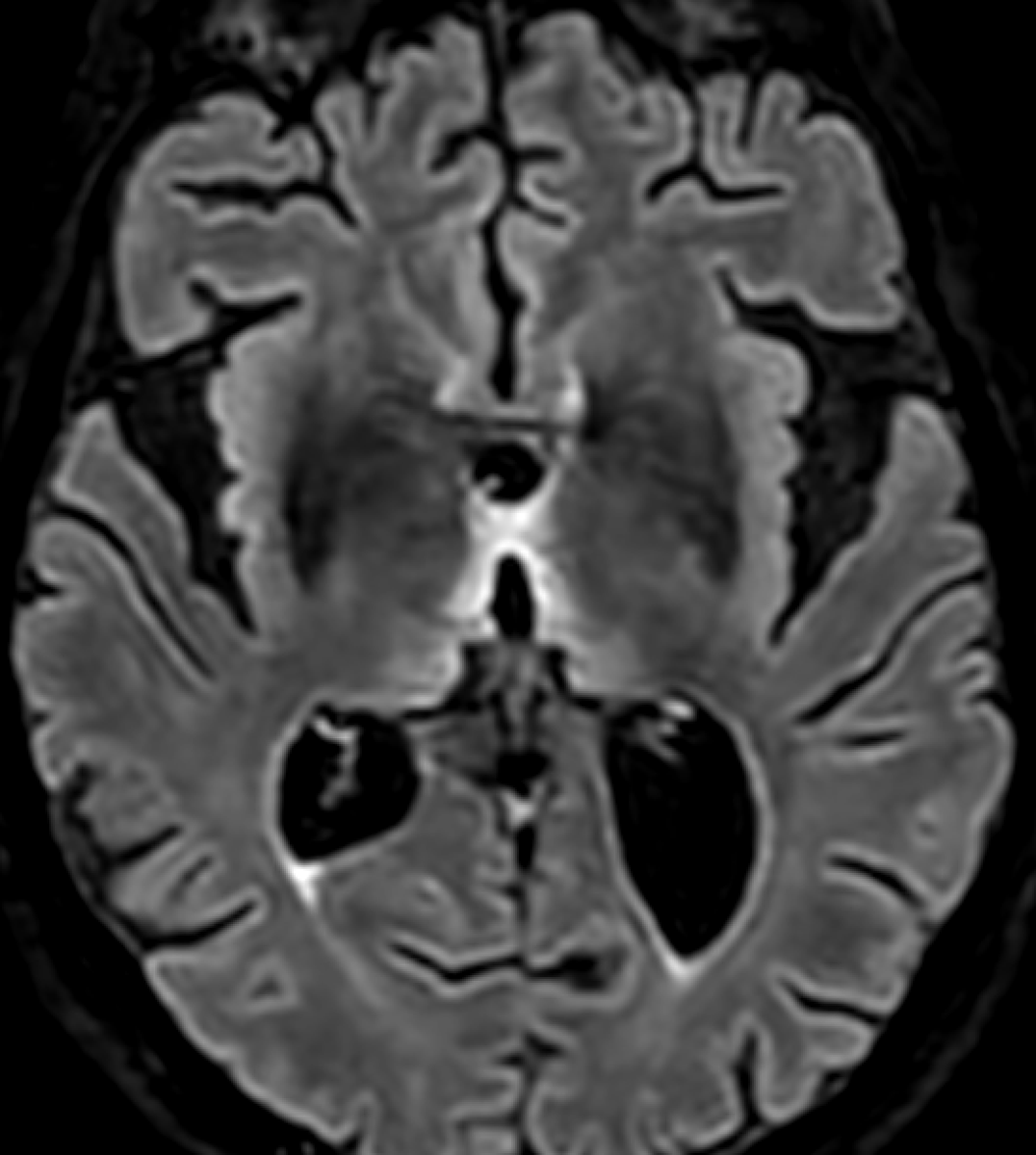
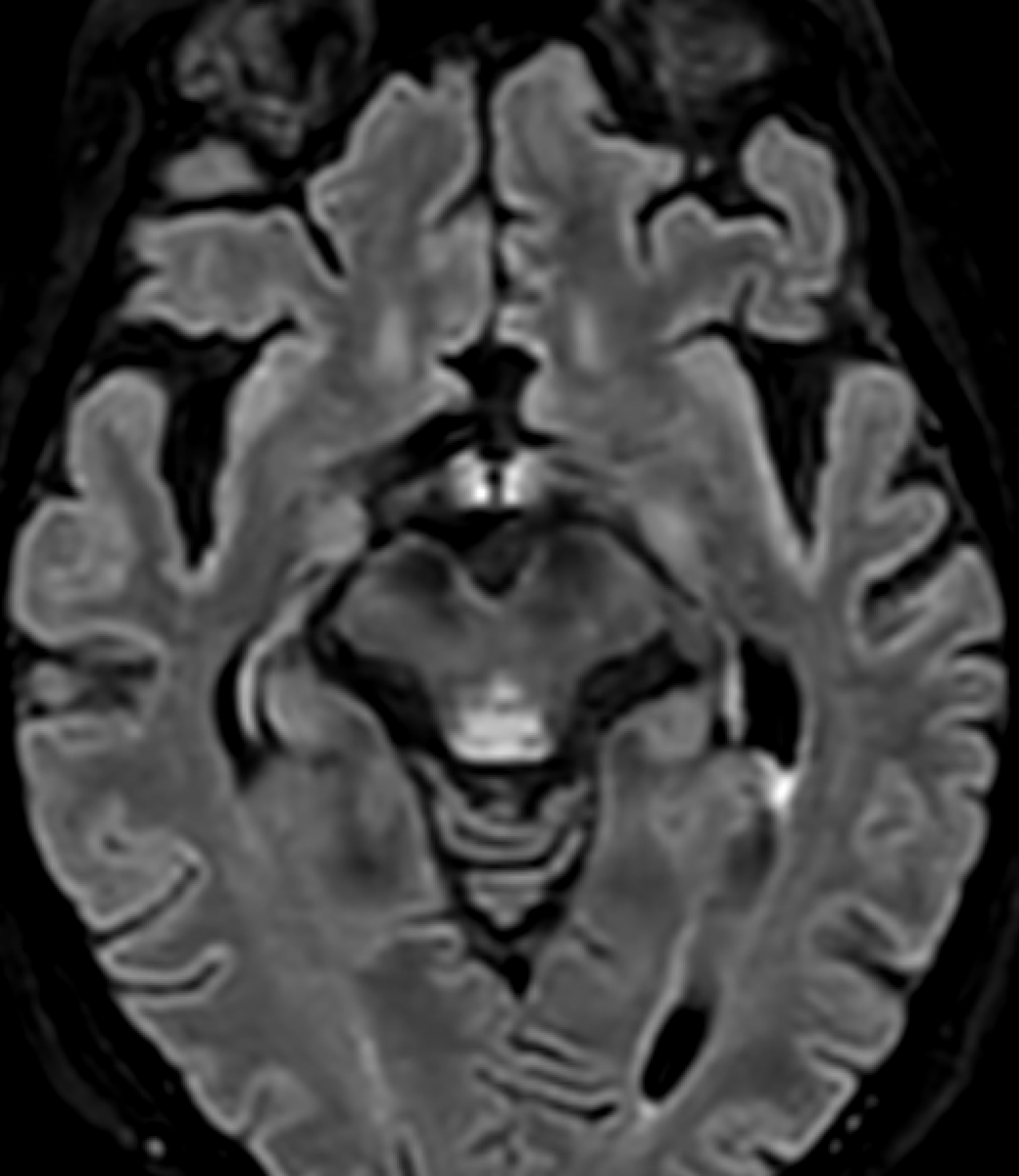
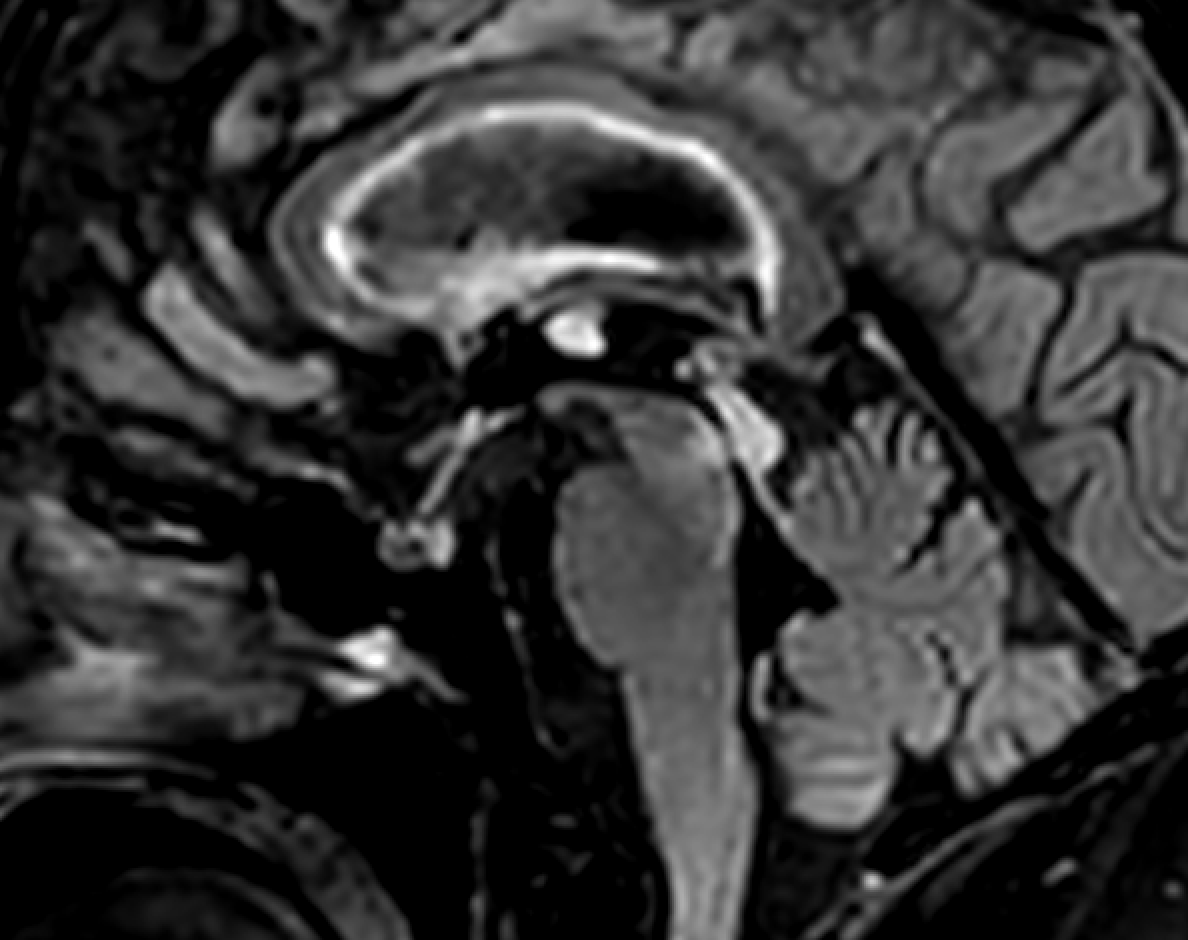
🩺An alcoholic male presents with confusion, ataxia, and horizontal nystagmus. 🩻MRI demonstrates swelling and FLAIR hyperintensity in the medial thalami, hypothalamus, periaqueductal grey matter, and tectal plate. 🔬This is typical of Wernicke's encephalopathy. The underlying cause is thiamine (B1) deficiency. 🔬Thiamine is an essential cofactor for various enzymes in the tricarboxylic acid cycle and pentose phosphate pathway (PDH, α‑KGDH, and transketolase). Thiamine deficiency impairs ATP and NADPH production, leading to energy failure in the highly metabolically active periventricular structures. 💡Diffusion restriction and enhancement can be seen in the acute phase. 💡Treatment is with thiamine replacement. Mortality is up to 20% in untreated patients and delayed or incomplete treatment can lead to Korsakoff syndrome.
Jack Garnham tweet mediaJack Garnham tweet mediaJack Garnham tweet media
English
2
15
95
3.9K
Jack Garnham
Jack Garnham@jjgarnham·
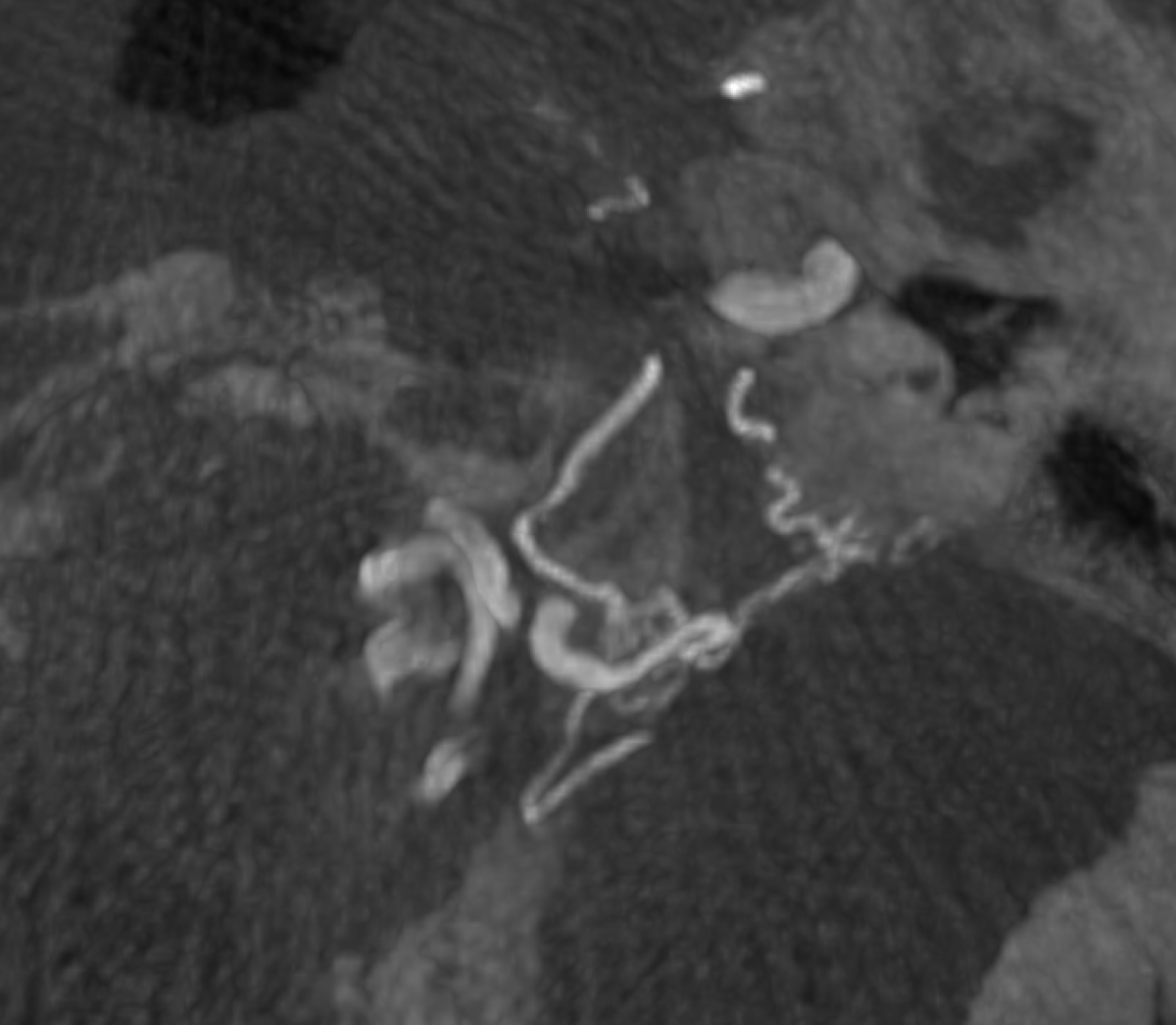
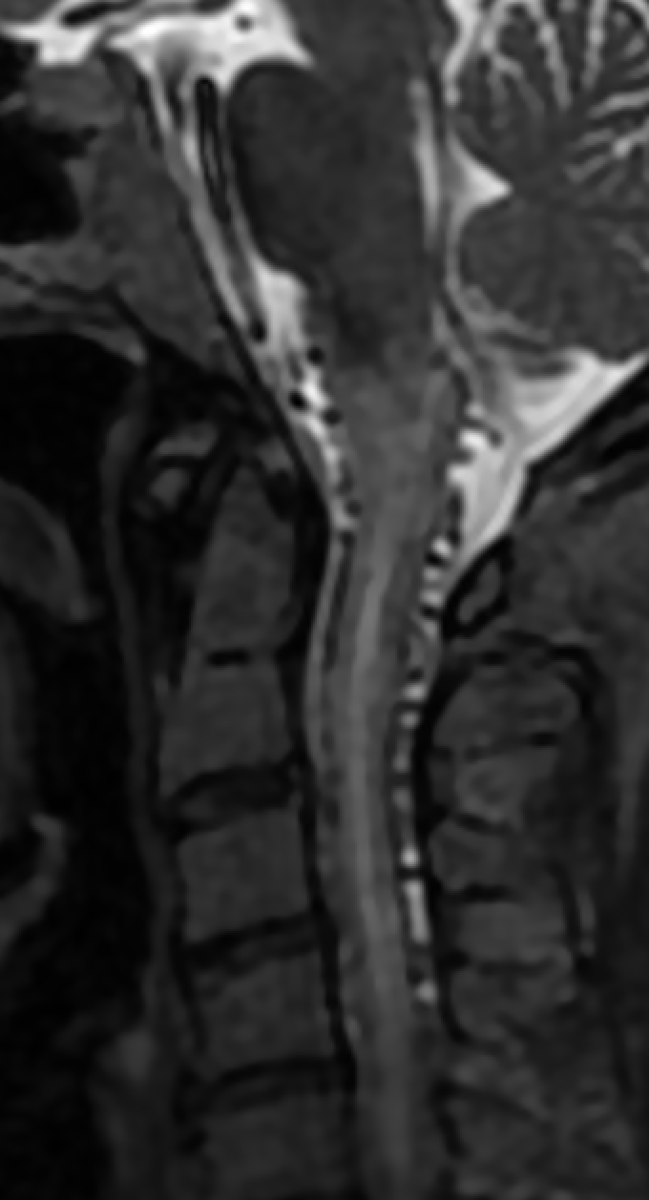
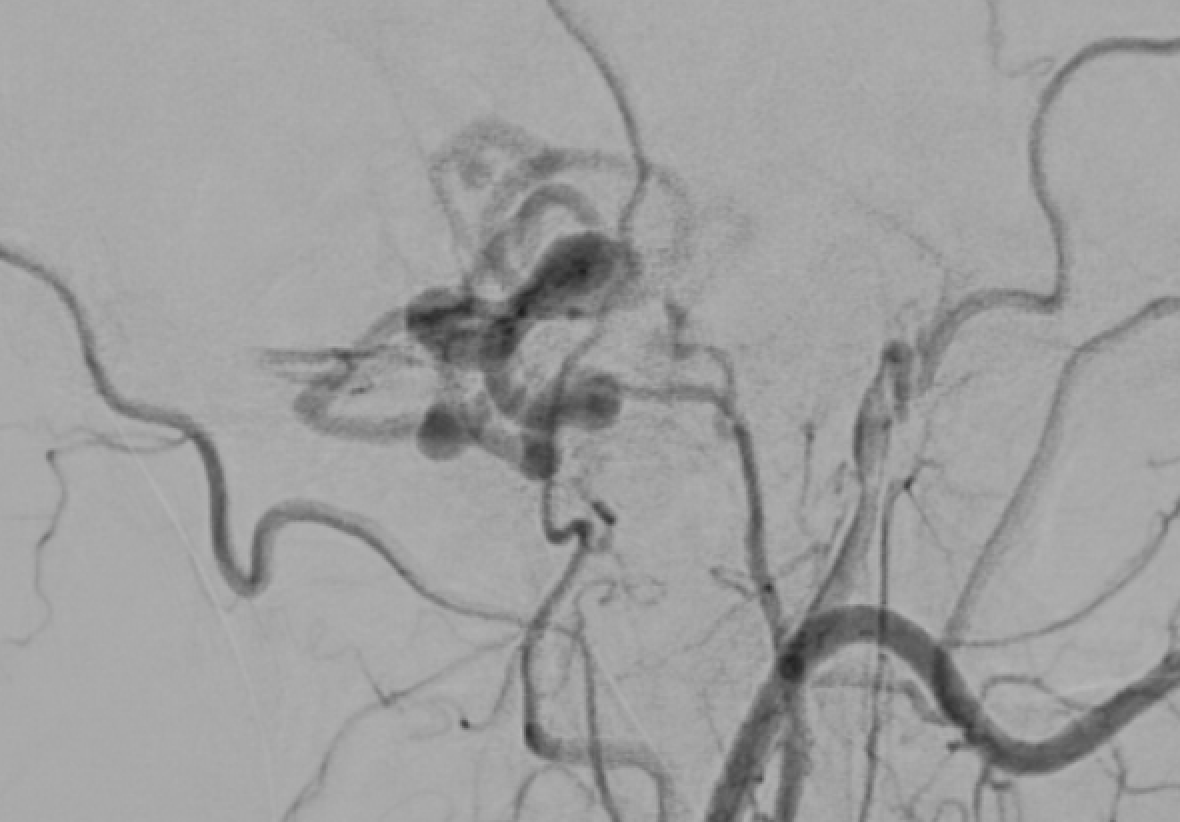
🩺A middle-aged woman presents with an acute neurological deterioration on a background of a subacute history of progressive myelopathy. 🩻On MRI we find an expansile signal abnormality involving the medulla and cervical spinal cord, as well as a leash of serpiginous perimedullary vessels. 🩻An angiogram confirms arteriovenous shunting in the left cerebellomedullary cistern, with spinal venous drainage, consistent with a Cognard V dAVF. 🩻The DynaCT clarifies that the arterial supply is from the hypoglossal and jugular divisions of the neuromeningeal trunk, a branch of the ascending pharyngeal artery. 💡These usually present in middle-age (50 - 60) with progressive pain, weakness, sensory changes, and possibly sphincter dysfunction. The onset of symptoms tends to be insidious. 💡Endovascular or surgical fistula closure is the treatment of choice, surgery generally achieving higher rates of durable occlusion. Early treatment is associated with better outcomes. 💡Look for dilated perimedullary veins when assessing a longitudinally extensive spinal cord lesion.
Jack Garnham tweet mediaJack Garnham tweet mediaJack Garnham tweet mediaJack Garnham tweet media
English
2
9
46
3.2K
Jack Garnham
Jack Garnham@jjgarnham·
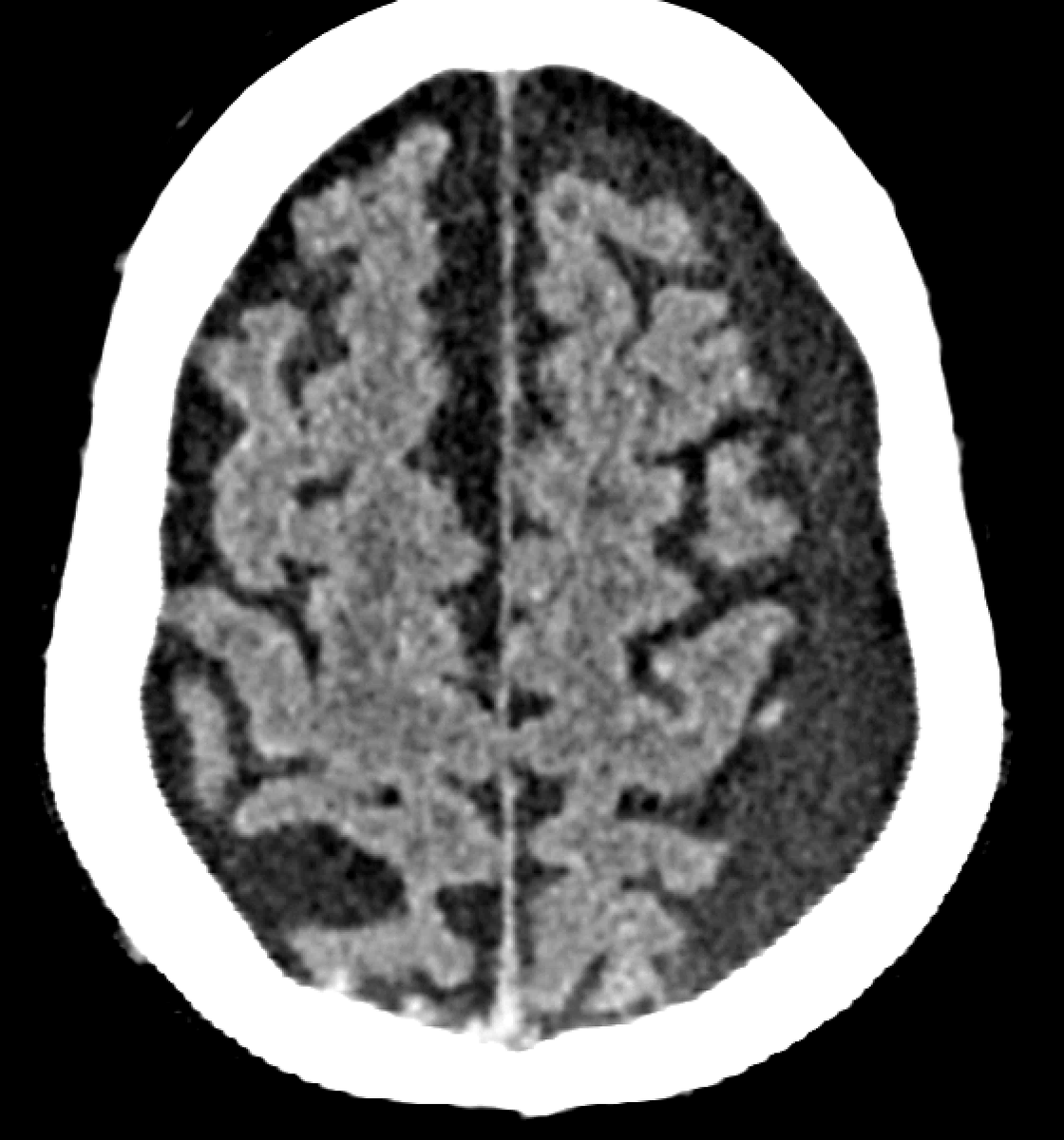
You could spot this left-sided hypodense subdural collection from space! Sometimes, though, they can be more subtle. Look at the medialised cortical vein here; this is a really useful clue when you're not sure if you're dealing with an expanded extra-axial space or a subdural collection. The latter will inwardly displace the cortical veins!
Jack Garnham tweet mediaJack Garnham tweet media
English
4
9
81
4.4K
Jack Garnham
Jack Garnham@jjgarnham·
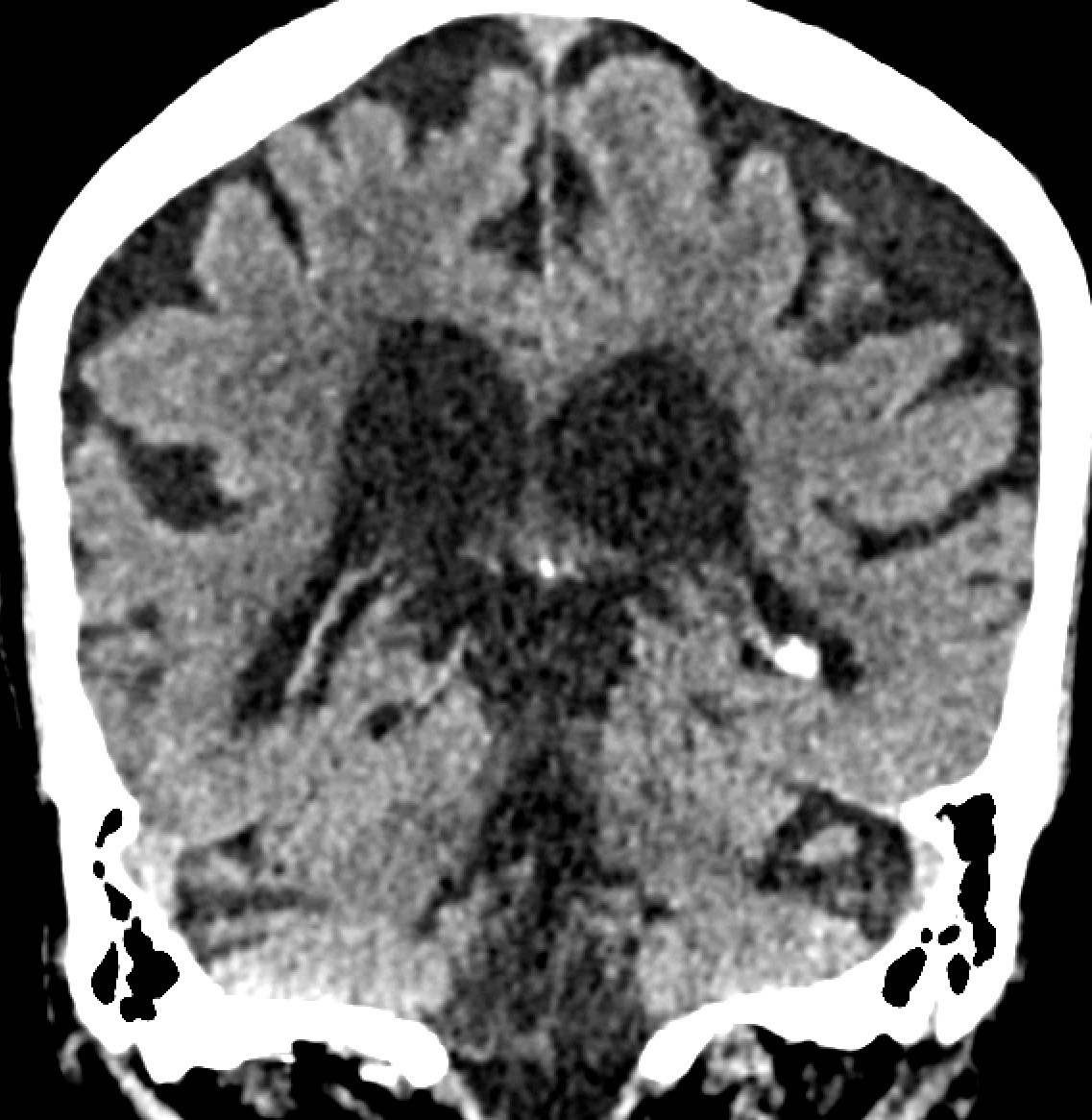
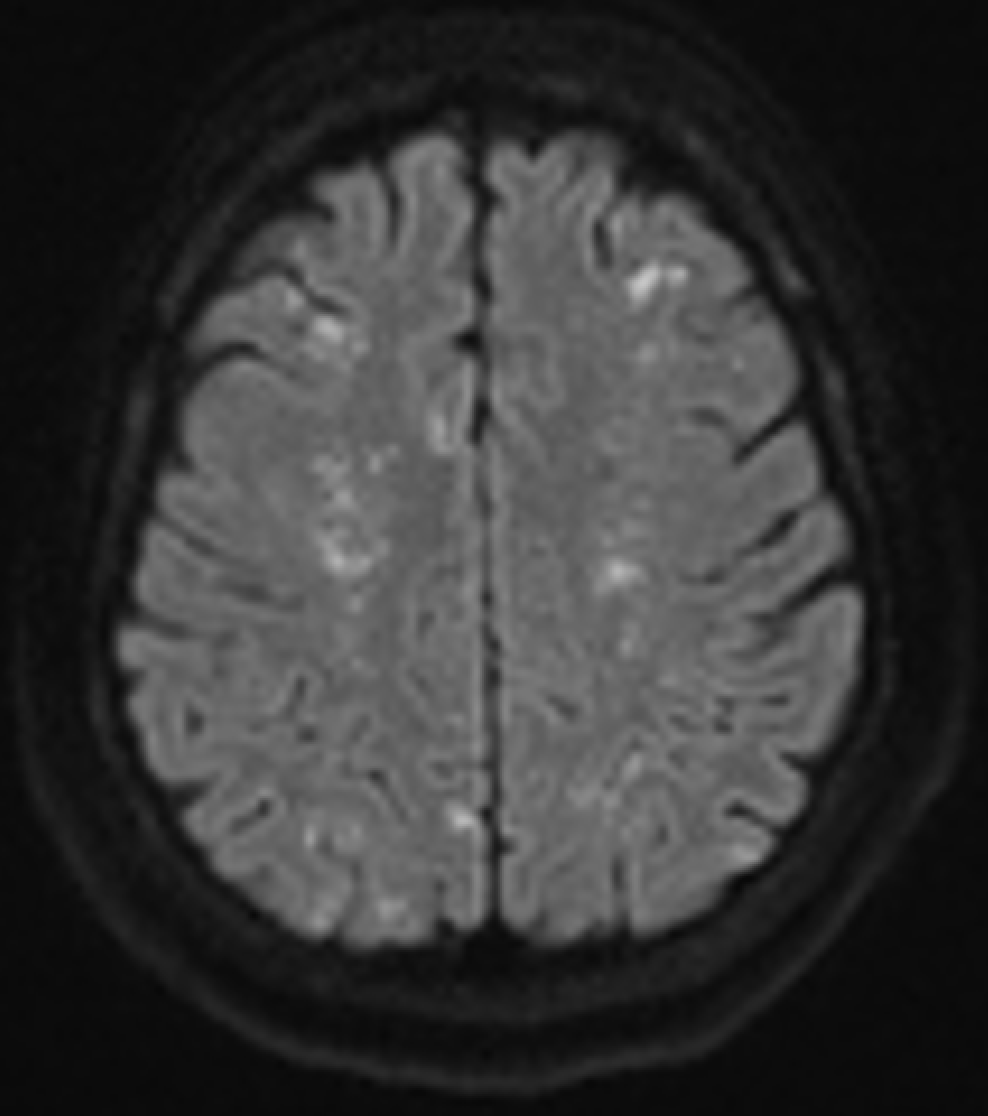
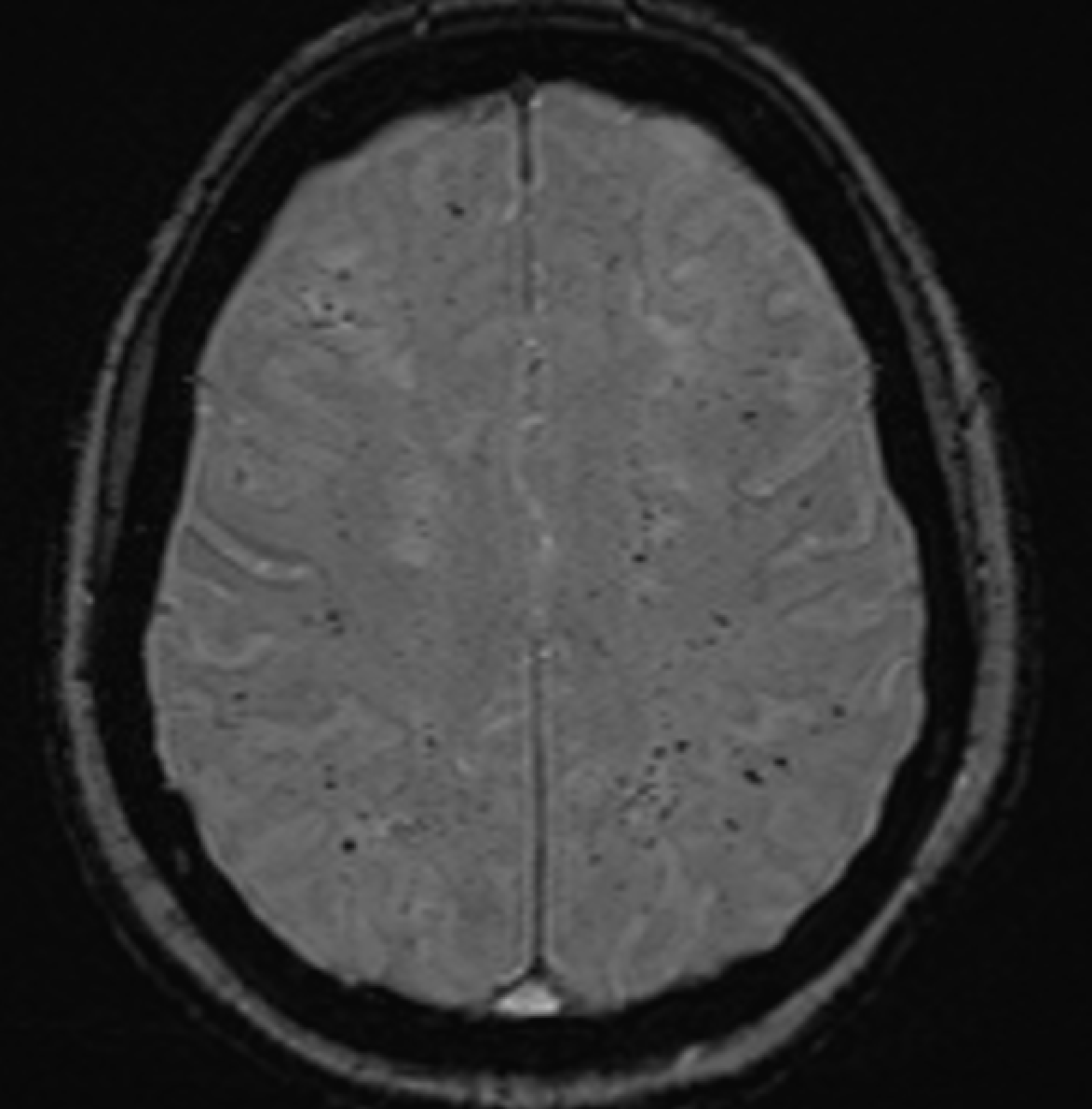
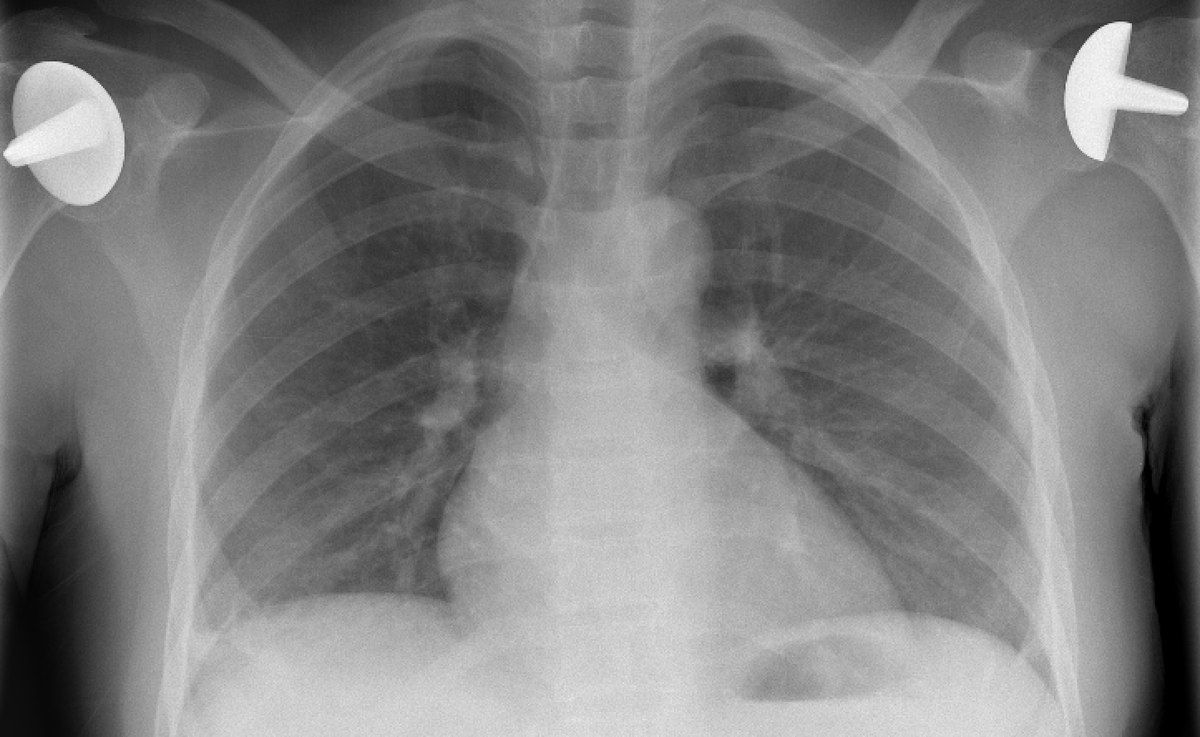
🩻This young patient with bilateral shoulder replacements presents with hypoxia, confusion, and cutaneous petechiae. On MR, we see innumerable tiny punctate foci of diffusion restriction in both cerebral hemispheres (a "starfield" pattern) and multifocal scattered microbleeds. 💡This is typical for cerebral fat embolism. It can occur following fractures or as a consequence of marrow infarction in patients with sickle cell disease. 🔬Fat emboli can pass through the pulmonary vasculature without shunting, resulting in systemic embolisation. The brain injury is the result of mechanical obstruction of end arteries by fat globules and a delayed toxic endothelial injury caused by free fatty acids.
Jack Garnham tweet mediaJack Garnham tweet mediaJack Garnham tweet media
English
2
10
68
3.1K
Jack Garnham
Jack Garnham@jjgarnham·
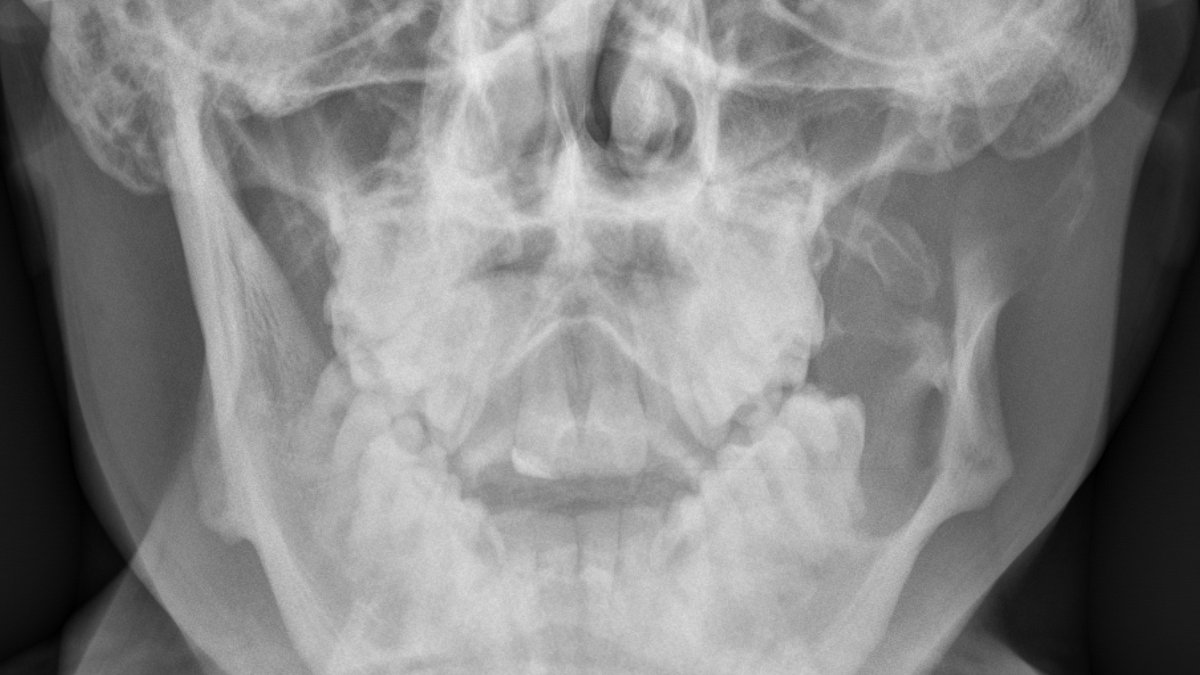
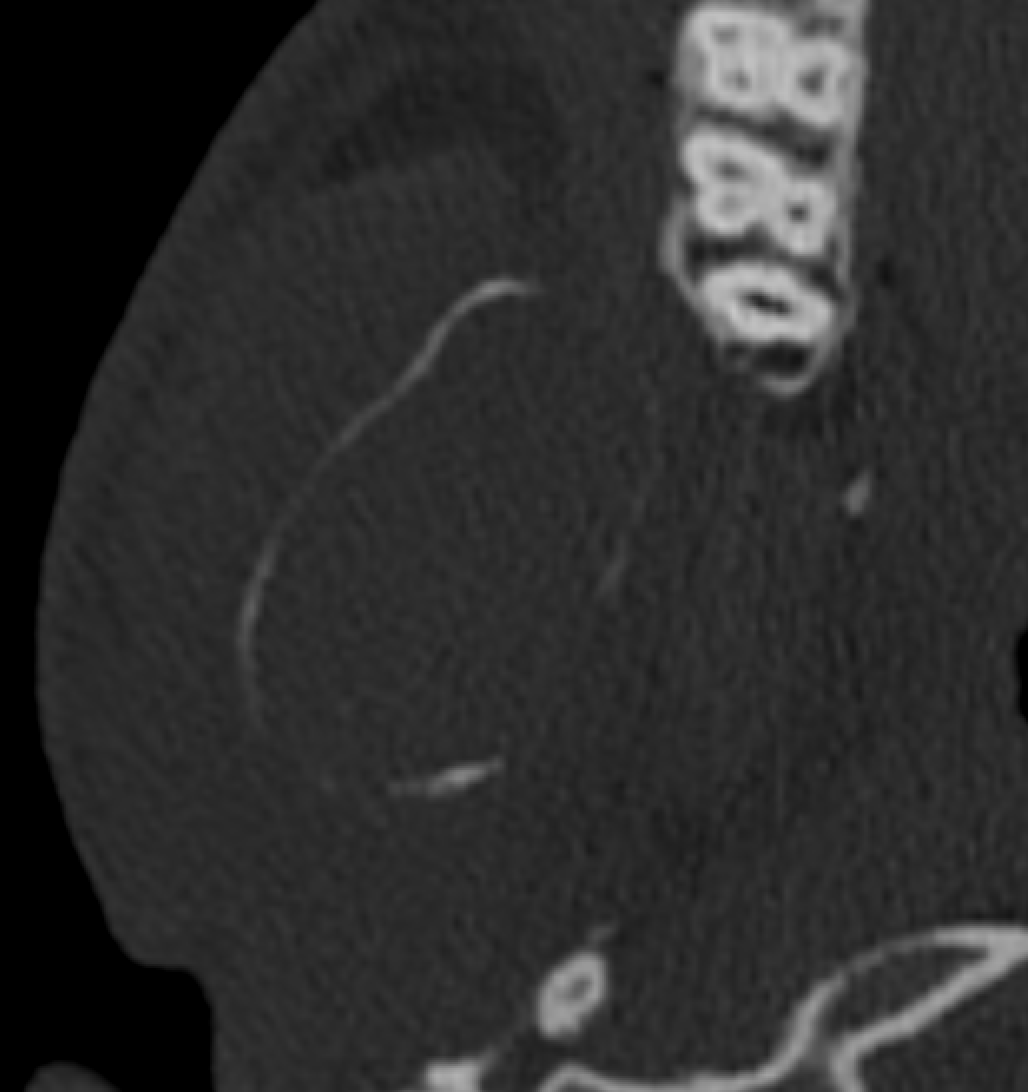
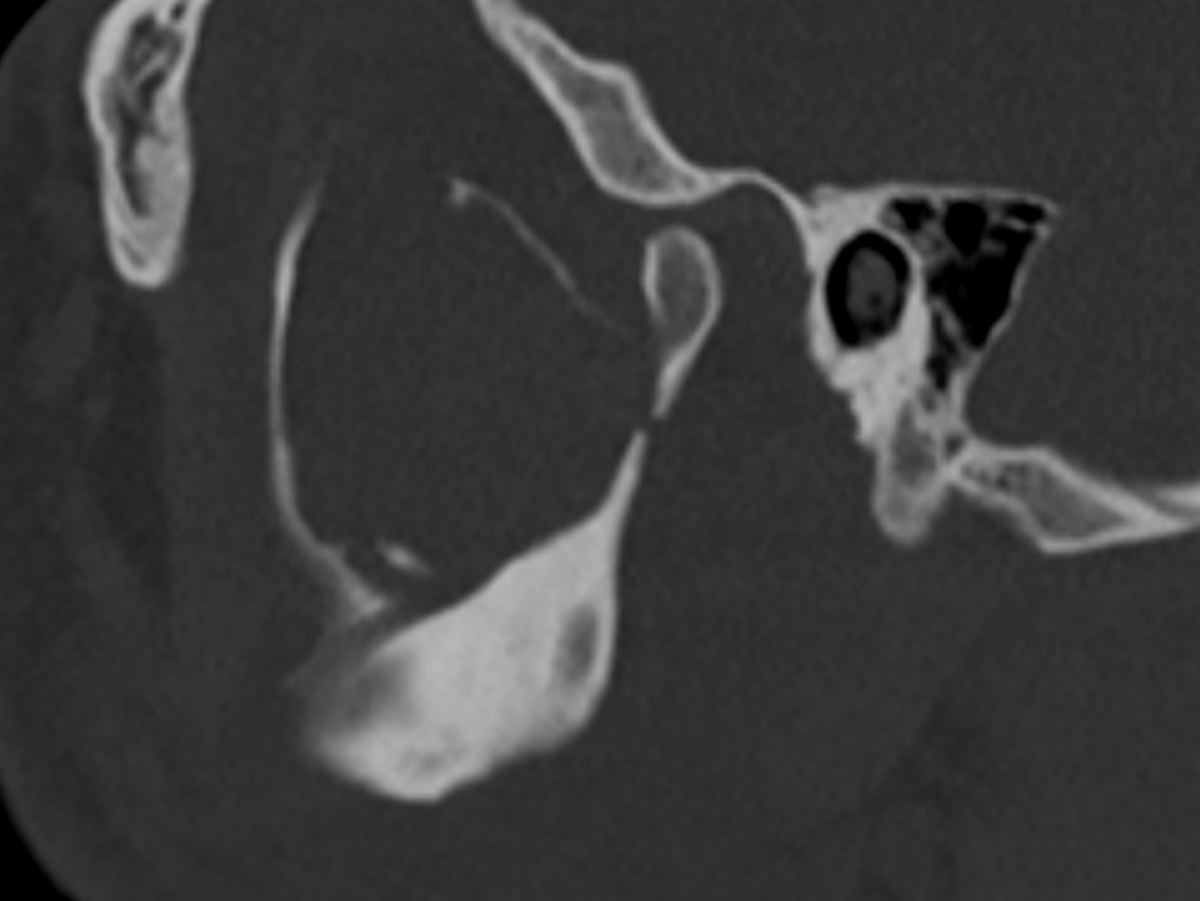
🏥This young man presented with severe right-sided mandibular pain after minor trauma. 🩻On the X-ray, there's a lucent expansile lesion in the right mandible posteriorly. On CT, we see a multilocular lytic mass with scalloped borders and an expanded, thinned overlying cortex. There is a pathological fracture through the mandibular ramus, explaining the pain! 🔬This was an ameloblastoma, a benign but locally aggressive lesion that arises from ameloblasts (specialised enamel-producing cells). These are more common in the mandible than the maxilla (5:1), often found posteriorly in proximity to an unerupted tooth. En bloc resection is the treatment of choice. 💡Smaller, unilocular ameloblastomas can be very difficult to differentiate from odontogenic keratocysts or dentigerous cysts.
Jack Garnham tweet mediaJack Garnham tweet mediaJack Garnham tweet media
English
0
3
14
1.6K