CryptoZone
1.2K posts

CryptoZone
@jjisige
Cryptocurrency analyst at FXStreet, Coingape and KryptoTrends. #Bitcoin #XRP #Ethereum
Nairobi, Kenya Katılım Ocak 2015
867 Takip Edilen1.1K Takipçiler
Sabitlenmiş Tweet

Here is why the Clarity Act is a massive milestone for both institutional and retail participants
#ClarityAct #SEC #CryptoRegulation #ClarityAct #DigitalAssets #Web3 #CryptoPolicy #SEC #CFTC
fxstreet.com/cryptocurrenci…
English

@sholard_mancity It saddens me, and it should be the same for many sane Kenyans, because parliament could save us from this G-to-G arrangement, but then it is a house singing one choir conducted by the master himself. Oil prices fluctuate even amid the US-Iran war, but Kenyans keep paying more
English

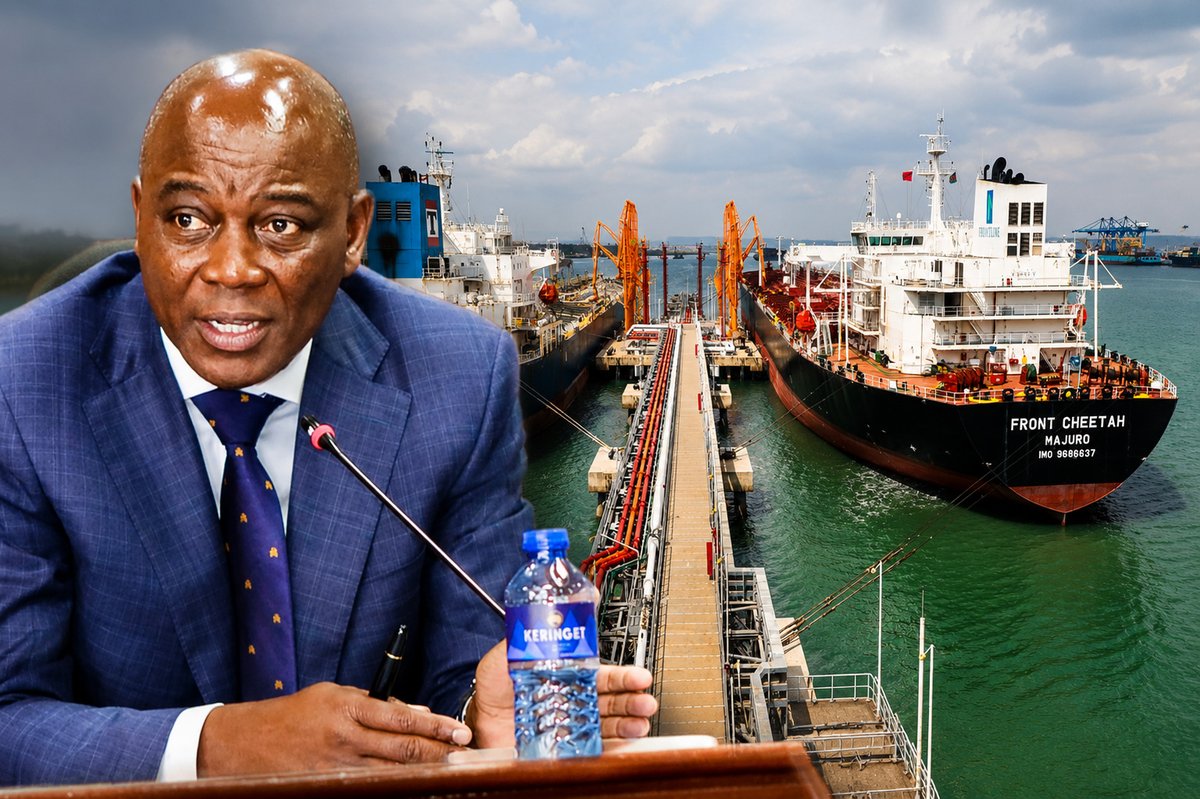
MP Caroli Omondi has revealed how Kenyans are allegedly being milked through the G-to-G oil deal.
According to him, the deal fixes oil import premiums at about $100 per tonne.
Yet globally, premiums are around $60.
In neighbouring countries like Uganda and Tanzania, they average about $80.
So the big question is:
Why are Kenyans paying some of the highest premiums in the region?
Before G-to-G, importers competed against each other. Competition kept prices lower.
Now a small circle of OMCs imports oil under a protected arrangement, and the extra $20-$40 per tonne is allegedly being passed directly to Kenyans.
That difference may sound small.
But multiplied across millions of litres of fuel, it translates into billions extracted from citizens through:
• expensive fuel
• higher matatu fares
This is why global oil prices fall, but life in Kenya never gets cheaper.
G-to-G was sold as a solution.
For many Kenyans, it is beginning to look like one of the biggest scams in the fuel sector.

English

@nl_siba @amenya_nelson The problem is not the few yards curved out now; it is the precedent it sets. That it is okay to keep nibbling at the park's land whenever there is a justifiable reason. And in a country where land grabbing is a problem, it raises concerns over the future of the park.
English

@amenya_nelson Honestly, it's just a few yards, which makes more structural sense than creating a diversion for the traffic flowing in. There's no way you guys can't see that.
English

CryptoZone retweetledi

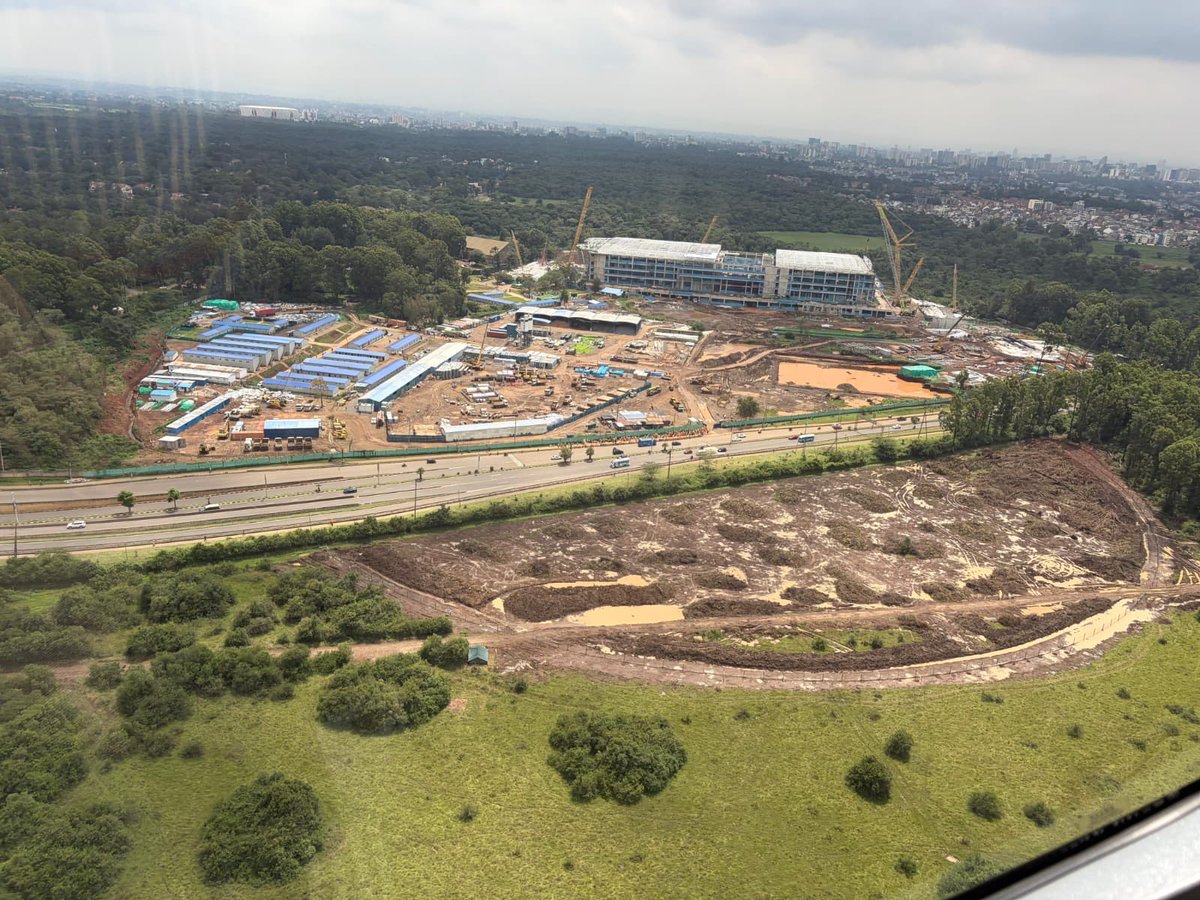
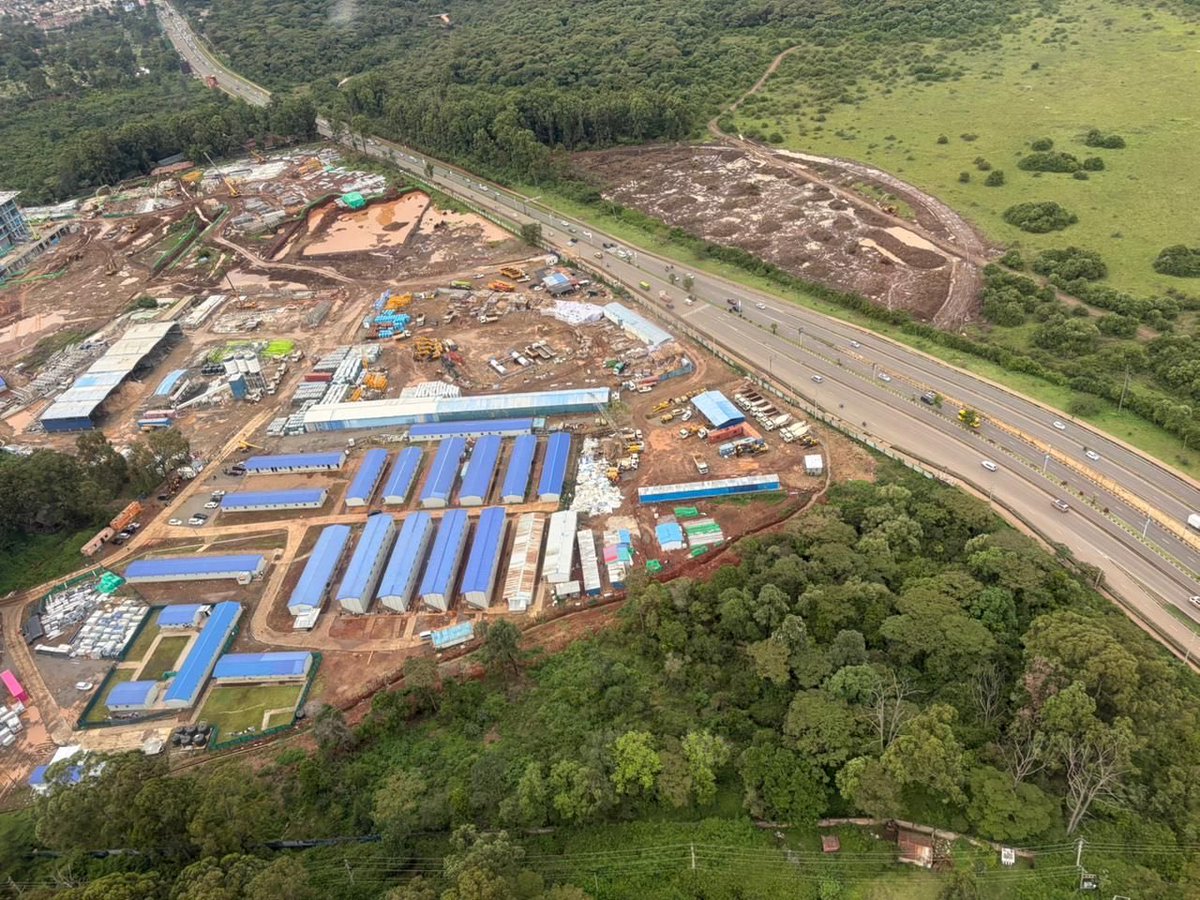
1/2 Nairobi National Park will not be destroyed in one dramatic moment.
On the contrary it’s being systematically erased, quietly, bureaucratically. One “small” project at a time. First the Southern Bypass, then the SGR, then the ICD road, and now another chunk of protected park land is being sacrificed, this time allegedly for a relocated animal orphanage and infrastructure linked to the Bomas International Conference Centre (BICC). But when you look closely at the documents, the story stops making sense. Because buried inside the Environmental Impact Assessment (EIA) are plans for a parking lot designed for 1,300 vehicles. That is not normal wildlife facility parking capacity. That is mall-scale infrastructure. The same EIA states parking provision for only 50 buses and 100 cars in one section, then suddenly expands into a gigantic 1,300-vehicle parking complex elsewhere in the document. The obvious question becomes: who exactly is this parking lot meant to serve, and why should protected national park land be surrendered for it?
Friends of Nairobi National Park (FoNNaP), together with JustAct and Kituo Cha Sheria, have now moved to court to challenge the project and expose what they argue are contradictions, procedural violations, and serious environmental risks surrounding the development. The issue is not whether the Nairobi Animal Orphanage deserves better facilities. Of course it does. The issue is why the government insists on building it inside a protected ecosystem when it could literally be built elsewhere in Nairobi or anywhere else in Kenya without destroying wildlife habitat. Once protected land is lost, it is gone forever.
The most alarming part is that the project documents themselves are riddled with inconsistencies. One section says the project requires 26 acres of land, another says 64 acres, another declares 76.6 acres, while KWS presentations reportedly referenced 89 acres. Which is it? How can an environmental assessment be considered credible when nobody can consistently explain how much land is actually being taken from the park? Then comes perhaps the most disturbing detail of all: a proposed 10-kilometre perimeter fence. Ten kilometres. That would enclose roughly 1,500 acres of land inside Nairobi National Park. Why does an animal orphanage need a 10km perimeter fence? What exactly is being enclosed? What future developments does this create space for? In a country where land grabbing has become normalized and where public land mysteriously transforms into commercial opportunities overnight, these are not paranoid questions. They are necessary questions.
Especially because the same documents explicitly describe integration with the Bomas International Conference Centre through a walkway over Langata Road. KWS insists there is no connection between the massive parking infrastructure and the BICC, but common sense raises unavoidable questions. Why would an animal orphanage require parking infrastructure comparable to major shopping malls in Nairobi? Why has NEMA reportedly refused to release the BICC EIA documents that could clarify these linkages? What are Kenyans not supposed to see?
Even more troubling is that the area being developed is classified in the 2020–2030 Nairobi National Park Management Plan as a “low-use zone” where development, including roads, is prohibited because of the ecological sensitivity of the habitat. Yet the EIA reportedly ignores this entirely. People familiar with the park also dispute claims that the area is rarely used by wildlife. Conservationists and regular park visitors say lions, leopards, black rhinos, birds, and numerous other species actively use this ecosystem. Grasslands are not “empty land.” Forests are not the only ecosystems that matter. Open habitat is critical to wildlife movement, biodiversity, water systems, and ecological balance.
Nelson Amenya@amenya_nelson
The government is building a fucking parking lot for Bomas inside Nairobi National Park!! Something that can be built underground totally insane. Check my next tweet for all the details.
English

@KenyanSays I can bet his report to his master was very different from this
English

@moneyacademyKE No other way to describe this government other than delusional and incompetent
English

@mpesaconfirmed @ivymuthe I am trying this, last year I really suffered losses
English

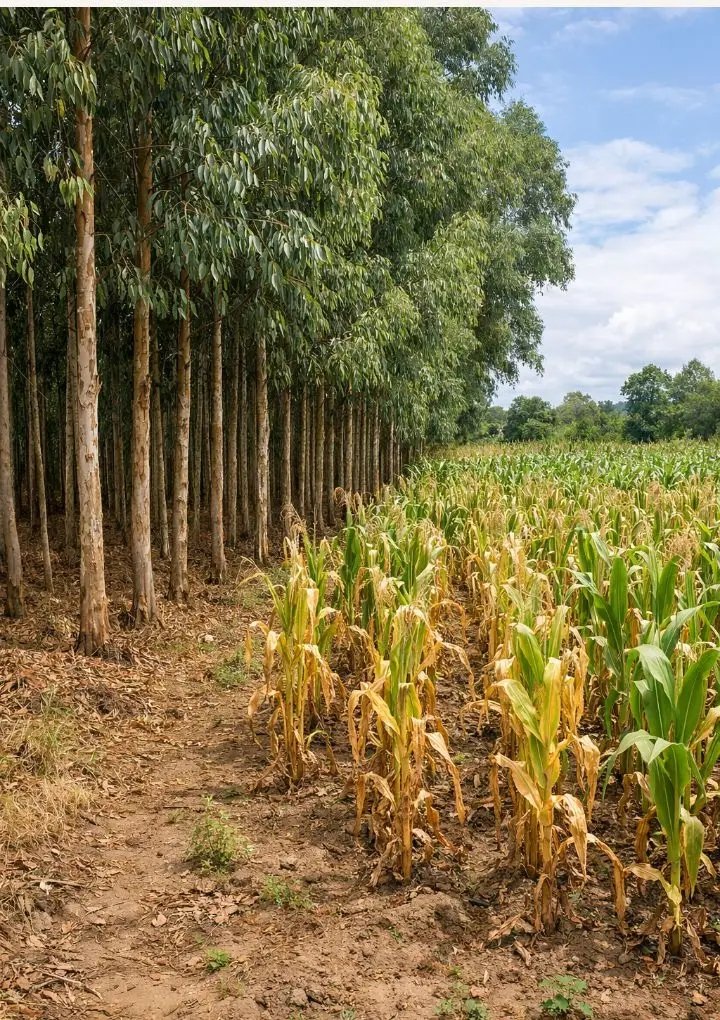
@ivymuthe If you dig a long trench between the maize and the tress, your maize will be fine.
English

@ivymuthe I’m currently facing this challenge, and my brother, who owns the trees, is in no hurry to cut them. I have had to change from growing maize to growing grass for hay. If this doesn't work, then I will take legal action to compel him to clear his artificial forest.
English

@sholard_mancity Most people stick to Safaricom because of M-Pesa connectivity, but the company behaves like the privileged kid on the block who doesn't care about all the other kids
English

I know many will disagree with me on this, but hear me out.
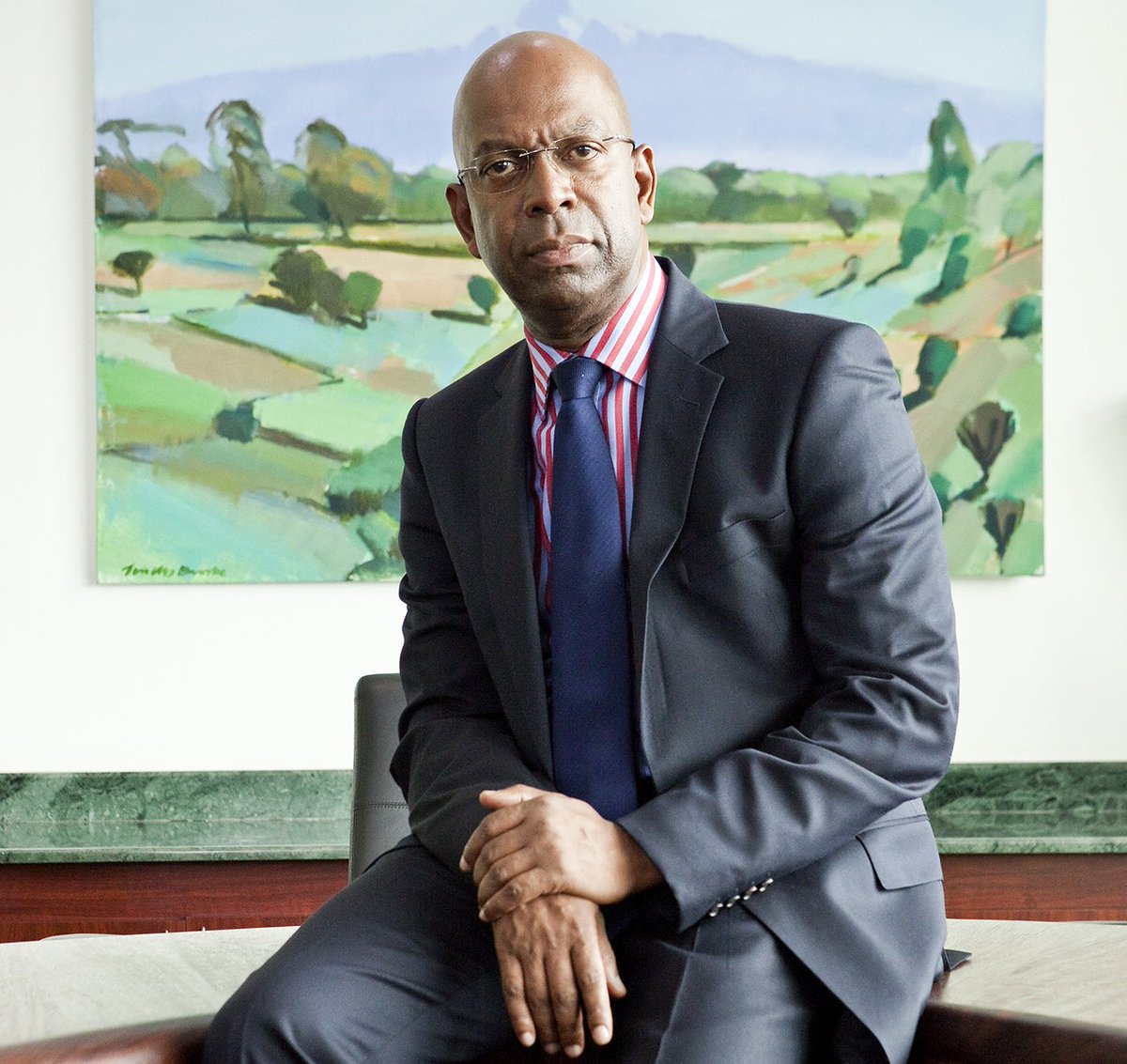
Safaricom under Bob Collymore felt different.
It felt simpler, more innovative, and more customer-focused.
When Bob was in charge, many Kenyans felt proud of what Safaricom was becoming.
But ever since he passed, something seems to have shifted.
The decisions feel less connected to customers, and products like OneApp only deepen that feeling.
Maybe I’m wrong.
But I can’t be the only one who feels Safaricom lost part of its soul after Bob.

English

@citizentvkenya When does he spend time in his office doing meaningful work? In the first 2 years of his term, he was the flying president. In the last two, he is on podiums and atop vehicles spreading lies
English
CryptoZone retweetledi

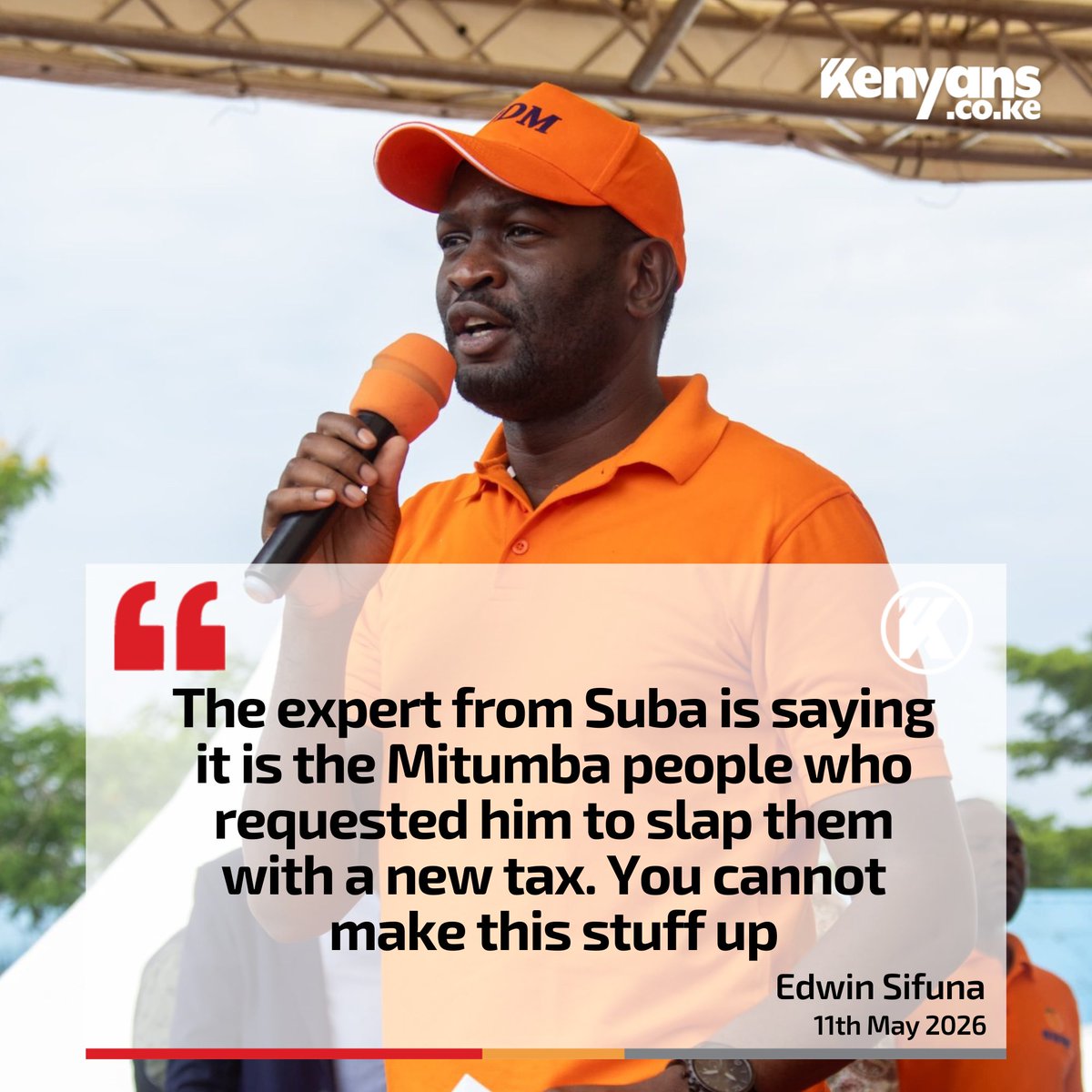
@edwinsifuna The senator of Nairobi is fighting for a SA citizen😅😅
English

@C_NyaKundiH The statements were to pacify the sitiation and give him time, but marketers have pulled the rag from under him and he is now exposed again unless he knows some new titration and fractional distillation methods not in the education system.
English

Wandayi’s Statements Are Now Raising More Questions Than Answers
So which one is true?
Wandayi went public saying the Sh11.88 billion petrol consignment had been stopped, ordered out of the KPC system, barred from sale, and excluded from monthly cost calculations. He even directed that One Petroleum withdraw invoices and that oil marketers should neither pay for nor uplift the product.
Now oil marketers are saying the recalled petrol cannot even be removed because it is already mixed inside KPC pipelines and cannot be traced separately.
If that is true, then Kenyans are being taken for fools. You cannot tell the country the fuel will be removed from the system, then later say it is already so deeply inside the system that removal is impossible. That is not a small contradiction. That is a scandal inside the scandal.
It would mean Wandayi’s statement was either premature, misleading, or knowingly impossible from the start.
And if the product is already mixed in KPC pipelines, then the public is entitled to ask a very serious question... when exactly did this “recalled” fuel stop being a separate consignment and become part of the national supply chain?
At that point, the issue is no longer just about fake or overpriced fuel.
It becomes about whether the Cabinet Secretary was managing the public with words while the product had already moved beyond control.
Wandayi’s refusal to resign is now becoming a bigger problem than the statements he keeps issuing. With top officials under and around him resigning, probes widening, and contradictions piling up over the fuel consignment, his continued stay in office only deepens public suspicion.
It is no longer just about what happened in the petroleum sector, but why the political head of the docket still wants Kenyans to believe responsibility ends everywhere except at his desk.
That is why pressure on Wandayi should not reduce. It should increase.

English

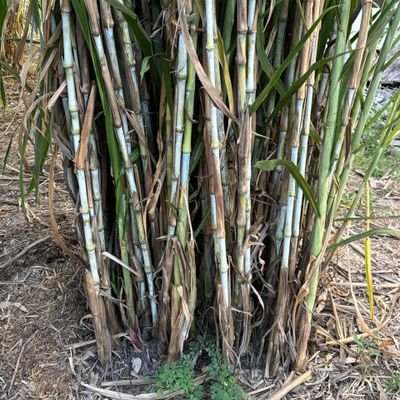
@anyanyakegode @JuncaoGrass Too expensive for a normal farmer to afford. I visited the model farm in Nakuru. I don't know about this charcoal shift, but farmers in my local area, Kitale, don’t trust the claims of high protein content, which kills its business case from that angle.
English

@JuncaoGrass whats the cost of machines, kiln and capacity
English