Jaime Mateus retweetledi

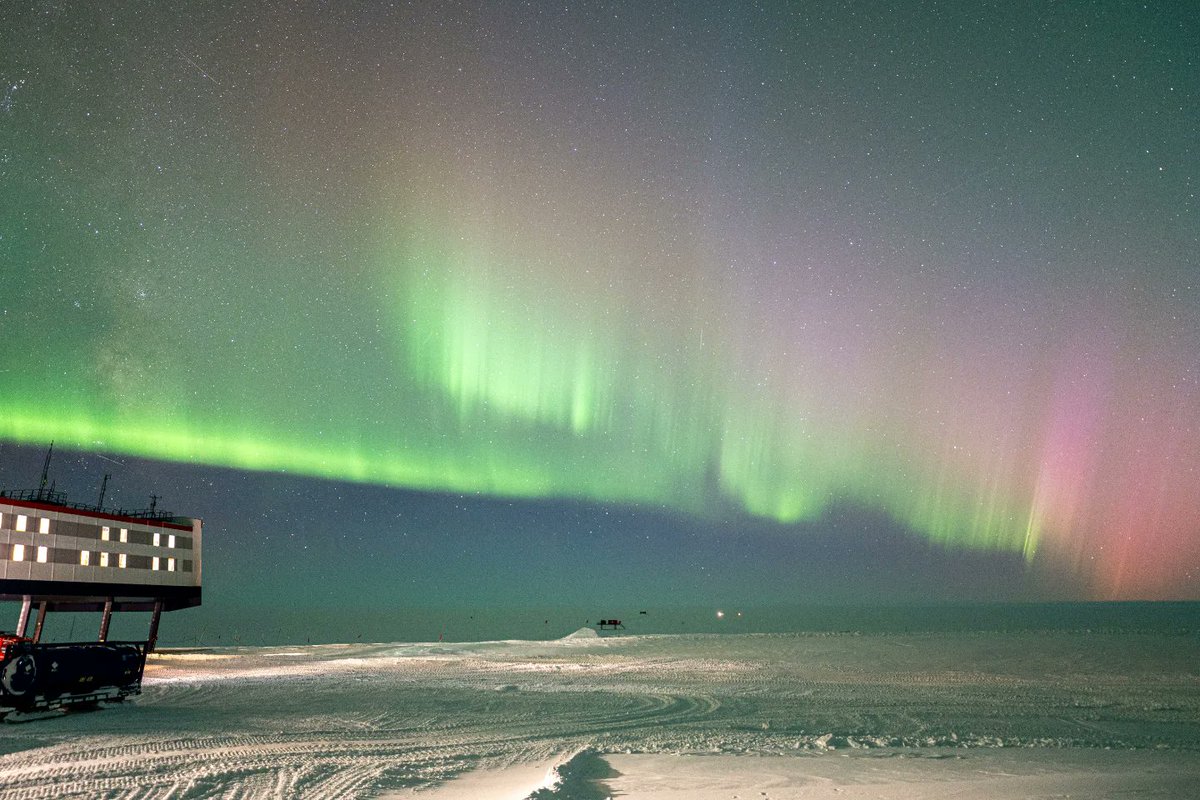
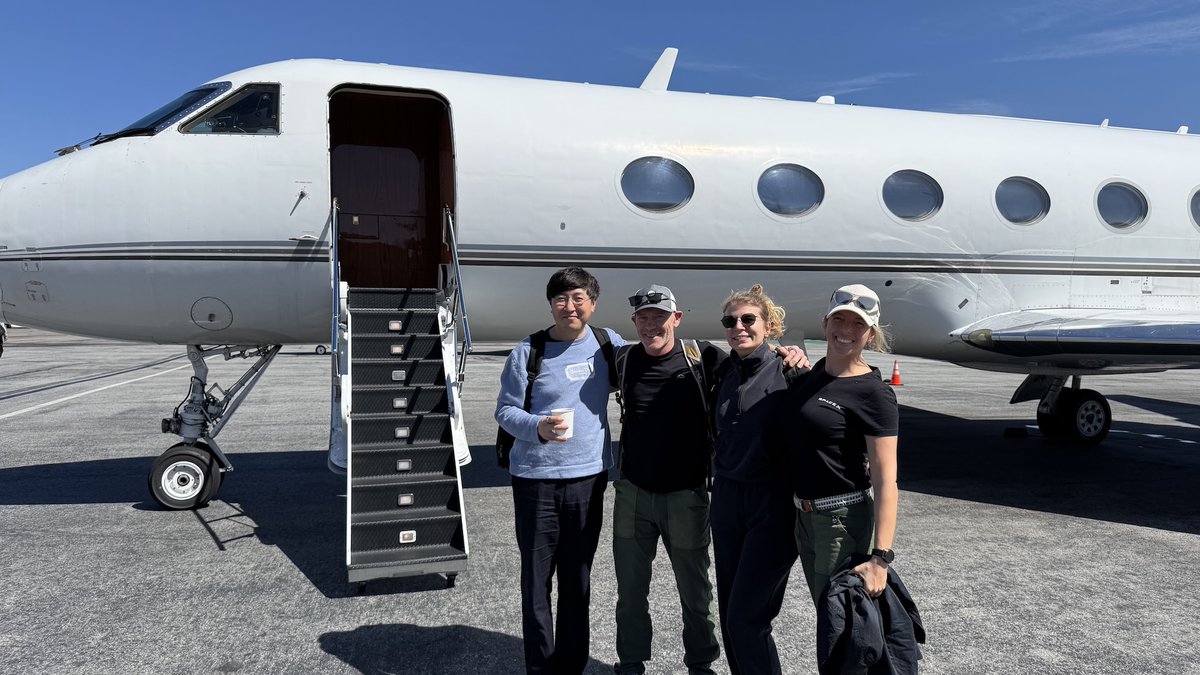
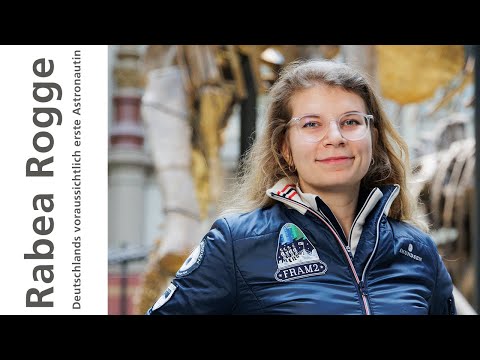
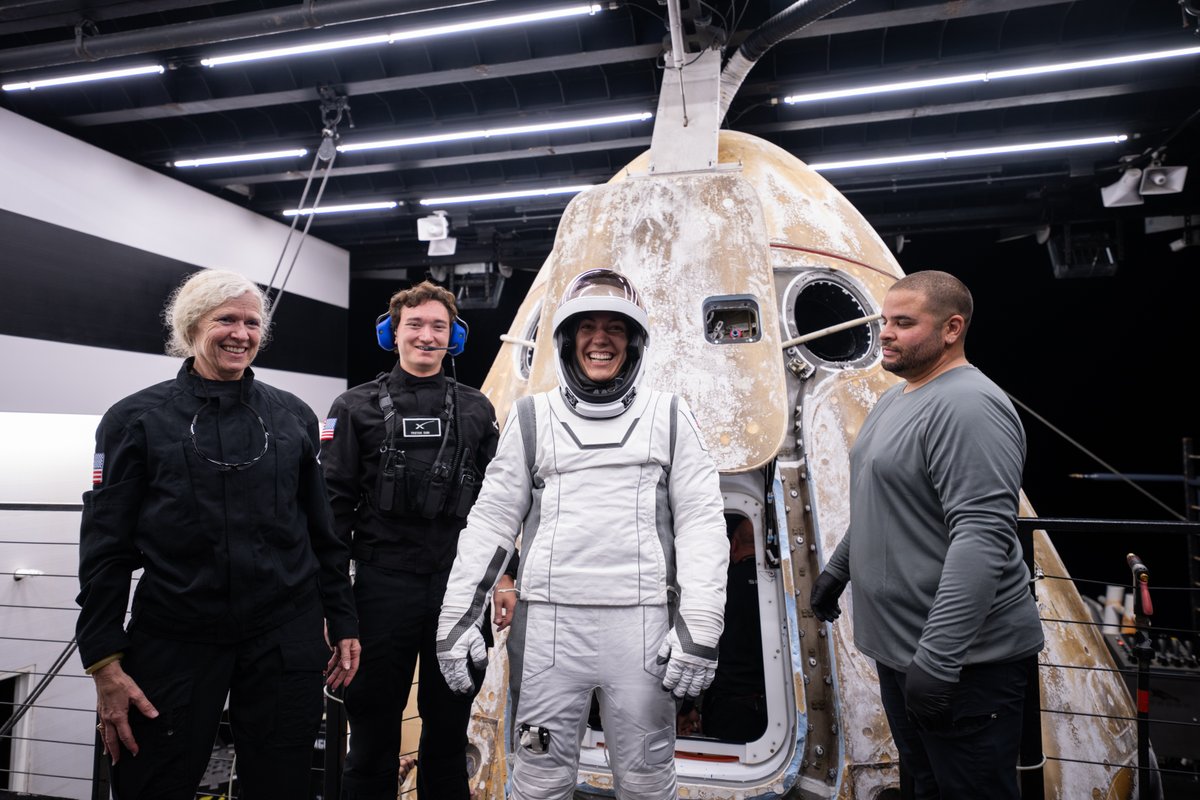
Looking at Earth being the perfect wonder among the stars, I really do think humanity belongs out there and needs to explore. Because who knows what else we will find? To a future where we become an interstellar civilization. I am so grateful to this killer crew:
@satofishi Being an excellent mission commander and extraordinary space visionary, looking after us as a crew and caring for us. I will be forever grateful for letting us share this dream and challenging everyone around to think big and go forward in the very true spirit of the original Fram.
@astro_jannicke Rocking it as a badass vehicle commander and filming star - always approachable.
@Icetrek Space bestie and impressive human all around - the best person to teach one about pioneering, exploring and navigating unknowns.
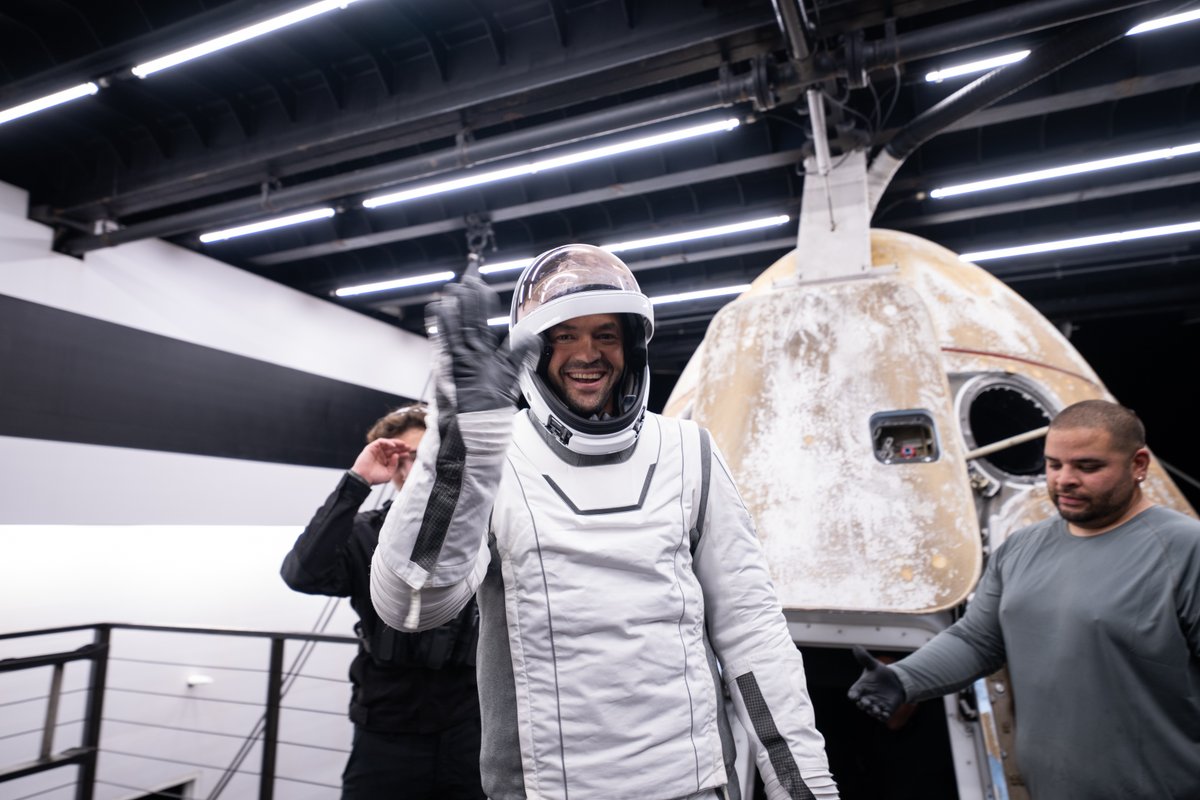
It impressed me how many people at @SpaceX have put their hearts and souls into making a powerful rocket launch a small metal tin out of this world, have it resist the vacuum of space and fall back through the atmosphere. If this isn't hardcore engineering, then what is?
Also thank you to our trainers, medical team and support team, who transformed us from insecure novices to laid-back spacefarers. We owe our perceived coolness to you. And a special thanks to both the research and ham radio team at SpaceX for sharing all the nerdy joy. In general it was so inspiring to feel that everyone was living the attitude of: How does one make the impossible possible?
Keep pushing boundaries, people!


English