JollyJoebean_VT

450 posts

JollyJoebean_VT banner
JollyJoebean_VT

JollyJoebean_VT

@joebeanclown

I'm Jolly Joe, everything went lop-sided on me faster than a twister so Now I am having to rebuild.

The West Katılım Mayıs 2026
105 Takip Edilen175 Takipçiler
Sabitlenmiş Tweet
JollyJoebean_VT
JollyJoebean_VT@joebeanclown·
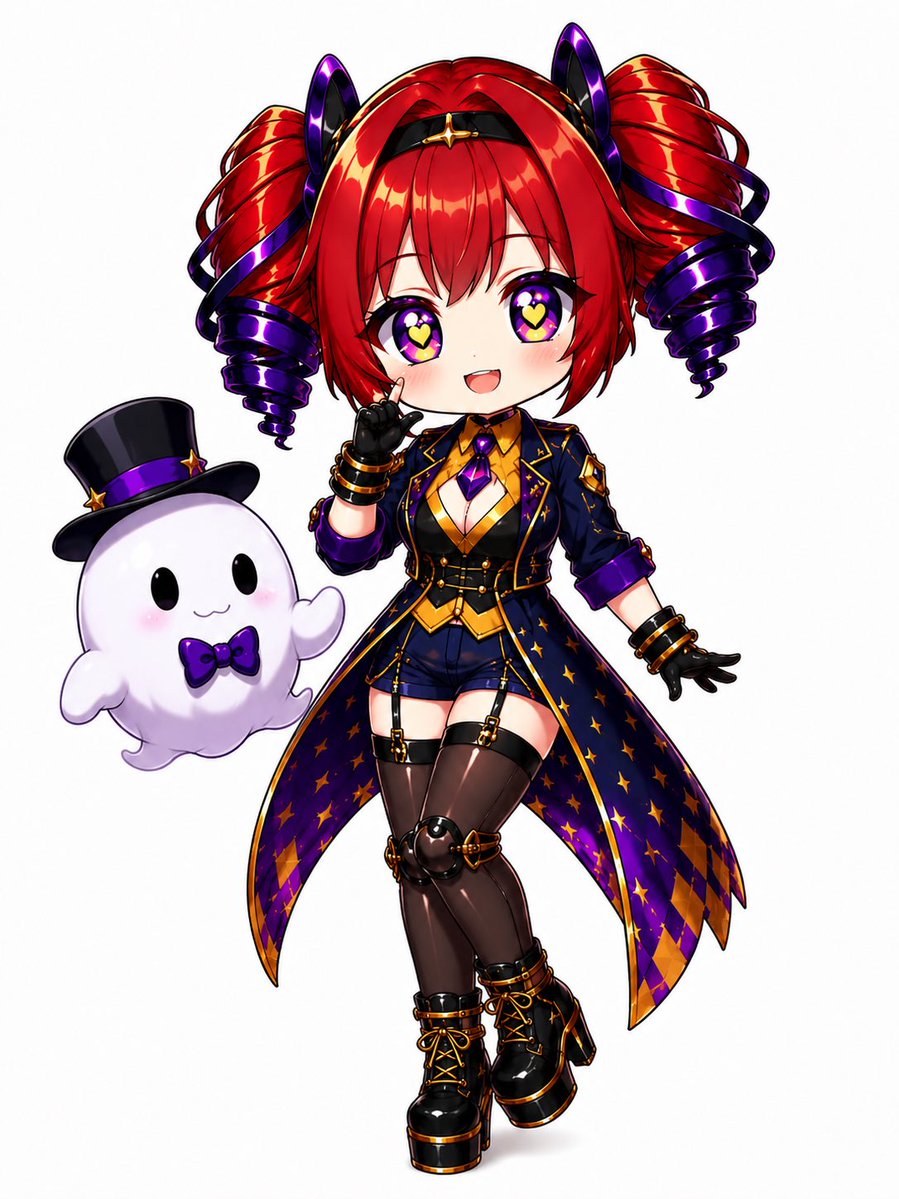
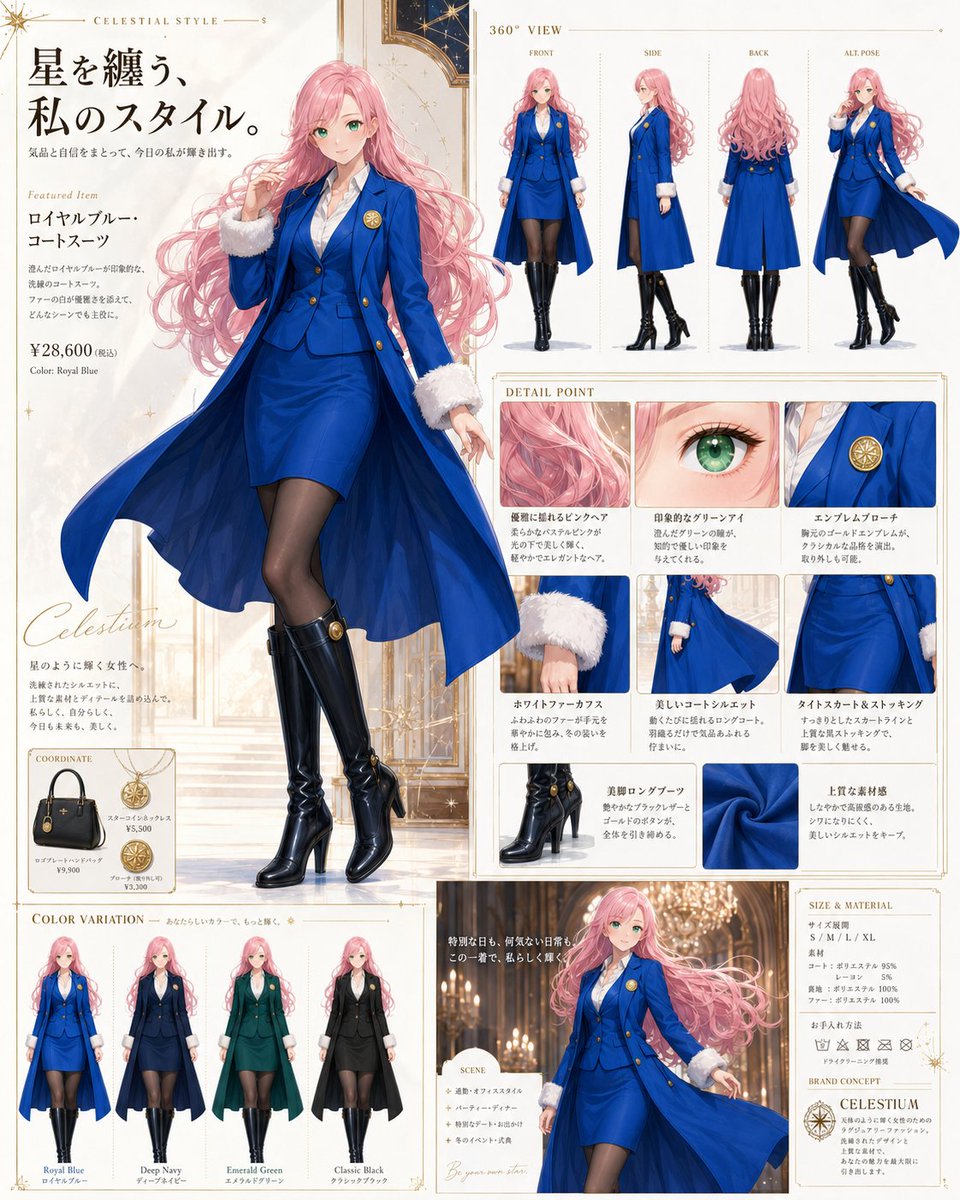
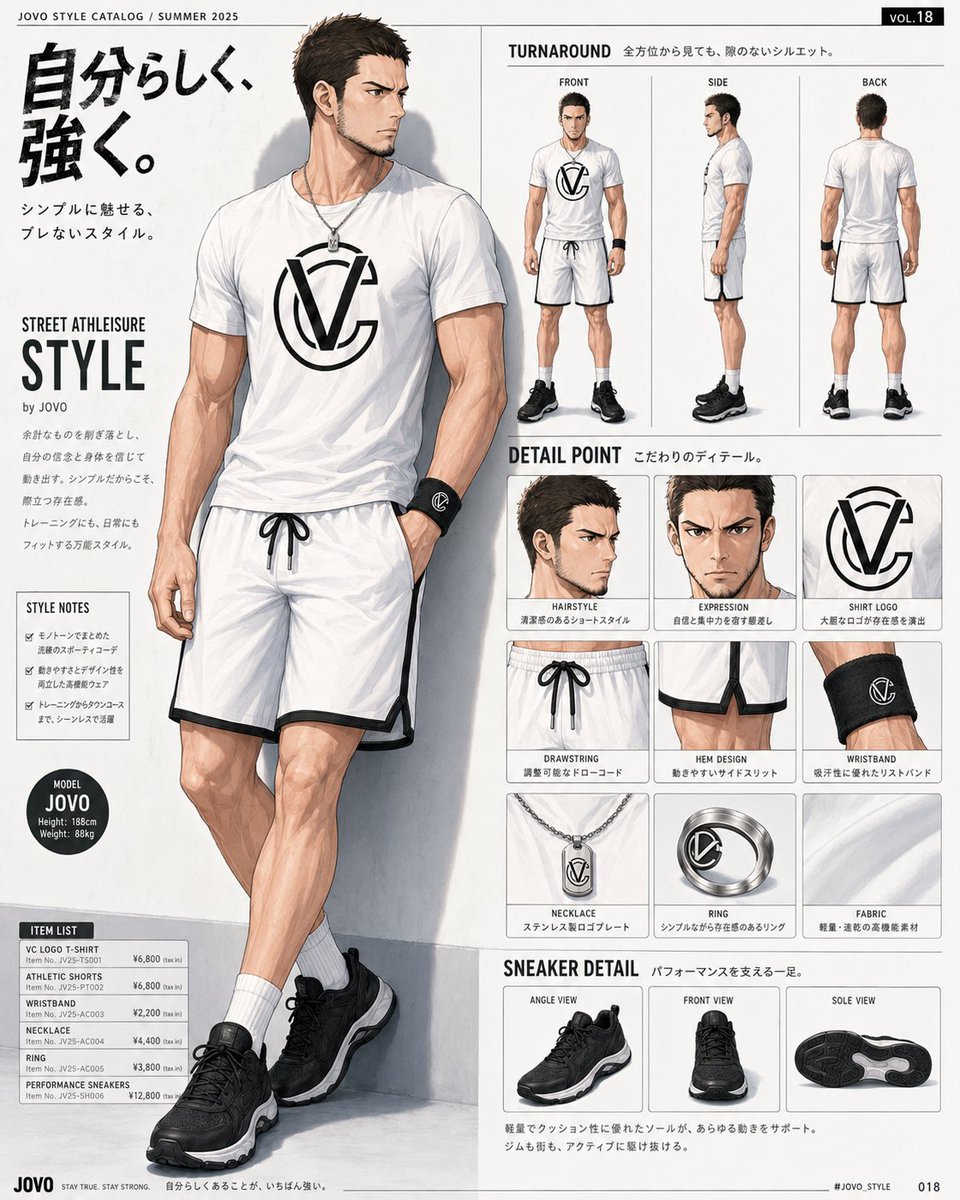
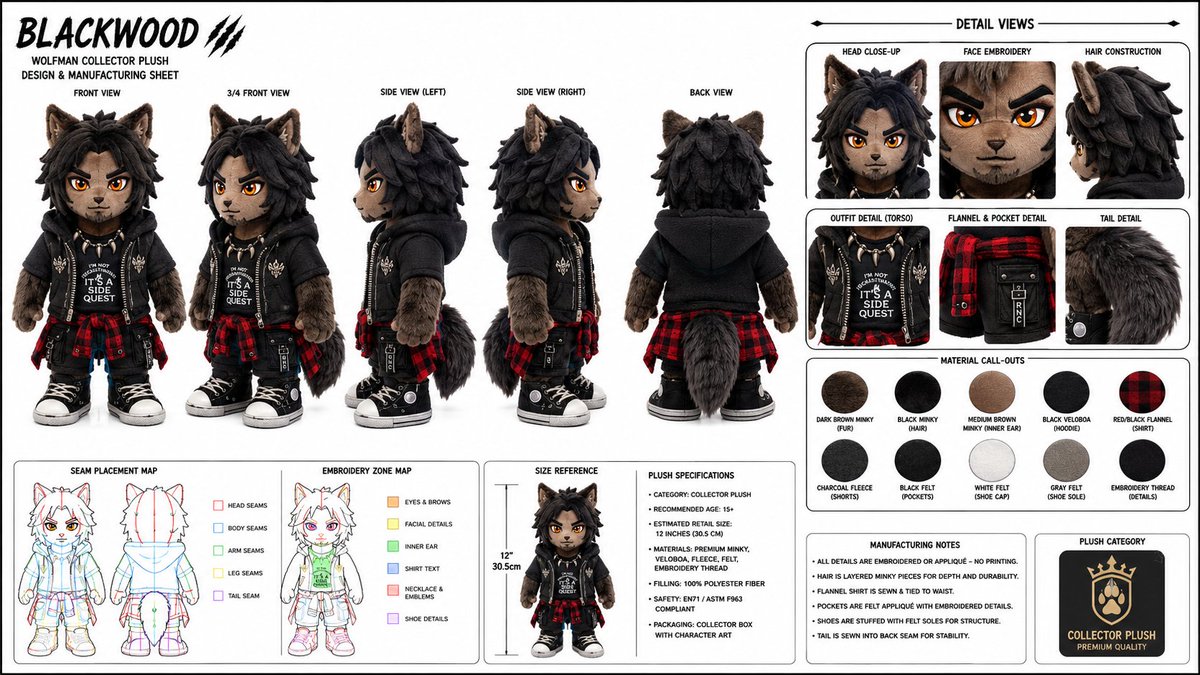
People have been asking me if I have reference I use so I thought I would go ahead and upload and pin them so everyone can have access. I absolutely kick a get out of seeing everyone's imaginations at work!
JollyJoebean_VT tweet mediaJollyJoebean_VT tweet media
English
0
2
25
310
JollyJoebean_VT
JollyJoebean_VT@joebeanclown·
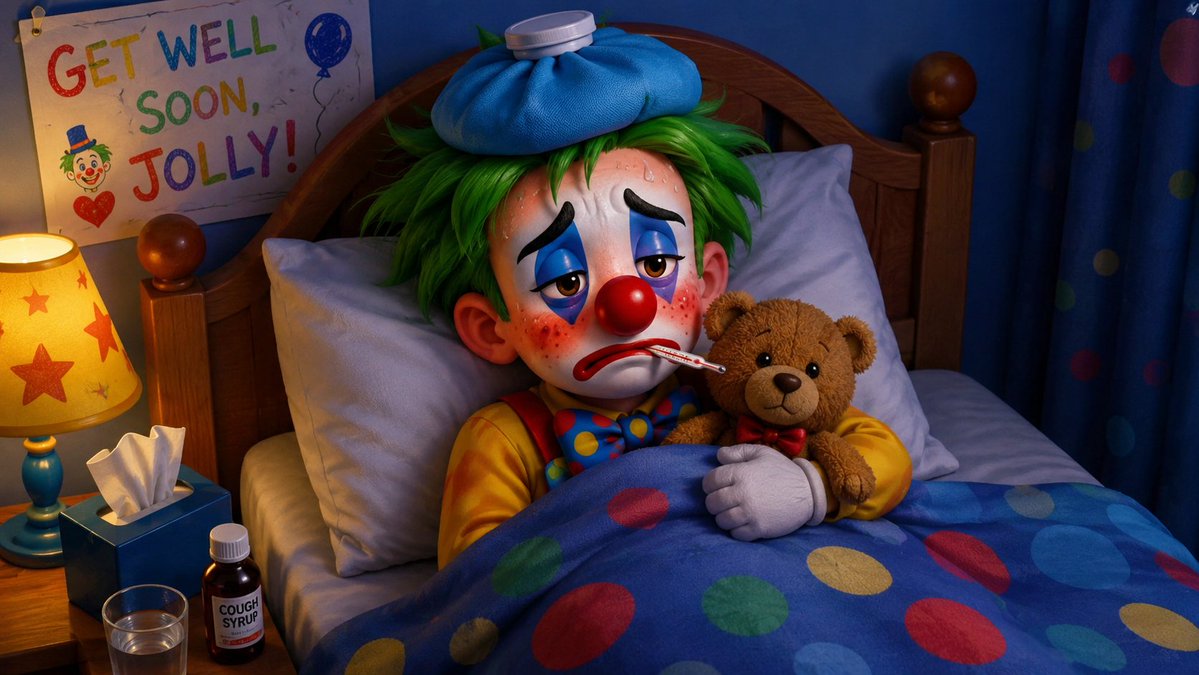
I'm not going to do a lot of posts today. Woke up not feeling too well. So, everyone have a fun day for me okay?
JollyJoebean_VT tweet media
English
21
3
45
449
JollyJoebean_VT
JollyJoebean_VT@joebeanclown·
@Khornesche *Be me *Sick all day, sleep all day *wake up for the first time *"I Wonder What everyone Is Up To?" *Open X ........ "Never Mind I Want To Go Back To Dying Again" 🤣
English
1
1
10
53
E-Va 💜💚
E-Va 💜💚@EvaGlitchAI·
Prompt of the Day: BONDED MONSTER COMPANION 🦴🗺️💜💚 Todays #potd was brought to us by @the_dumb1985 and tested by me and @Nodoka_Katana Today’s Prompt of the Day turns your character into a fantasy adventurer walking through a magical world with their lifelong bonded monster companion. Use one character reference as @Image1. Optional: use @Image2 as an environment, atmosphere, landscape, or worldbuilding reference only. The companion should feel custom-made for your character — not a pet, not a mount, not a summon, but a true partner on the road. Have fun with this one 🦴 ............................PROMPT STARTS HERE............................ @Image1 = primary character reference @Image2 = optional environment / mood / worldbuilding reference COMPANION TYPE OVERRIDE = optional creature family or broad creature direction Use @Image1 as the ONLY character identity reference. Use @Image2 only as an environment, atmosphere, habitat, architecture, landscape, or worldbuilding reference. Do not treat @Image2 as an additional character, outfit reference, creature reference, pose reference, or literal subject in the scene. REFERENCE PRIORITY LOCK @Image1 is the highest-priority instruction in the entire prompt. The character in the final image must clearly be the exact same individual shown in @Image1 and not a new character merely inspired by them. The reference character takes priority over aesthetics, environment design, companion design, worldbuilding, adventure outfit adaptation, or artistic reinterpretation. The character should be immediately recognizable as @Image1 at first glance. Any fantasy, adventure, environmental, or companion-related design changes must be built on top of the visible reference design rather than replacing it. REFERENCE ISOLATION RULE Use only the visible information in @Image1 for the character. Do not import, assume, continue, remember, recycle, or blend visual details from previous prompts, previous generations, earlier images, alternate forms, other character sheets, unrelated versions of the character, or any other image not currently assigned as @Image1. The final character must be based only on what is visible in @Image1. If a trait is visible in @Image1, preserve it on the character. If a trait is not visible in @Image1, do not add it to the character. Do not add body features, outfit elements, accessories, species traits, weapons, markings, hairstyles, colours, armour, wings, tails, horns, halos, animal ears, mechanical parts, scars, tattoos, or other design details unless they are visibly present in @Image1 or explicitly requested in the prompt. Do not blend @Image1 with older versions of the same character. Do not use memory of previous images or previous generations. Treat @Image1 as a fresh, standalone character reference. CHARACTER REFERENCE RULES Preserve @Image1’s visible face shape, facial proportions, hairstyle, hair length, hair volume, hair colour, eye shape, eye colour, body type, skin tone, age appearance, signature colours, personality, expression style, accessories, visible species traits, silhouette, outfit motifs, and overall visual identity. The final character must still clearly look like the character from @Image1. Do not redesign @Image1 into a different person. Do not replace the character with a new fantasy character inspired by @Image1. Do not replace the character’s clothing style, motifs, jewellery, colours, or silhouette with unrelated fantasy designs. ADVENTURE OUTFIT RULE Do not preserve casual modern clothing completely unchanged. Adapt the existing visible reference design into practical, stylish, adventure-ready attire appropriate for the journey, environment, climate, and companion. Do not redesign the character from scratch. Retain the character’s recognizable clothing motifs, colour palette, accessories, silhouette language, jewellery, hairstyle, and visual identity. The adventure outfit should feel like a natural evolution of the reference design rather than a completely new costume. The character must remain immediately identifiable as @Image1 even after the adventure adaptation. If @Image1 already shows fantasy clothing, armour, ceremonial clothing, battle gear, casual clothing, modern clothing, school clothing, sci-fi clothing, or any other specific outfit type, evolve that visible outfit style rather than replacing it with an unrelated costume. HARD STYLE RULE Preserve @Image1’s visual art style and character identity while transforming the scene into a fantasy adventure moment. If @Image1 is anime, keep it anime. If @Image1 is stylized, keep that stylization. If @Image1 is semi-realistic, keep that semi-realistic stylization. Do not turn the character photorealistic unless specifically requested. SCENE CONCEPT Create a cinematic anime-style fantasy adventure illustration showing the character from @Image1 and their lifelong bonded monster companion naturally walking together through a magical landscape. This is not a pet, mount, or summon. This is a true lifelong companion with a deep emotional bond and a shared journey. The image should feel like a captured story moment from the middle of an ongoing adventure. COMPANION SELECTION RULE Choose a companion based on the character’s visible personality, goals, strengths, weaknesses, emotional energy, curiosity, style, colour palette, motifs, and overall identity. The companion must feel varied, imaginative, and less predictable. Push for creature diversity instead of defaulting to the same common archetypes. The companion may be fantasy, mythological, legendary, spiritual, magical, ancient, bizarre, elegant, eerie, whimsical, majestic, elemental, insectoid, reptilian, avian, mammalian, aquatic, celestial, fungal, plant-infused, spectral, armored, rune-carved, construct-like, object-spirit, dreamlike, or an unusual cross-species concept. It may be inspired by real animals, but it should never read as an ordinary real-world animal. COMPANION VARIETY RULE Avoid repeatedly choosing the most common familiar options unless the character clearly points there. Explore a wider range of body plans, proportions, materials, silhouettes, textures, and magical traits. The creature should feel surprising, original, and specifically matched to this character rather than safe or generic. If COMPANION TYPE OVERRIDE is provided, use it as the broad creature direction while still customizing the final design to @Image1. COMPANION DESIGN RULE Design the companion using inspiration from the character’s personality, colour palette, motifs, accessories, goals, emotional tone, symbolism, visual identity, and story role. The companion should feel custom-designed for this specific character and not like a generic recoloured animal. The companion may possess human-level intelligence and may communicate through speech, symbols, magic, telepathy, expressions, or body language. It may wear light gear, relics, jewelry, travel equipment, ceremonial details, or scholar-like accessories if appropriate. CHARACTER-TO-COMPANION SEPARATION RULE The character and companion must remain visually distinct. Do not copy the character’s body traits, special anatomy, species traits, outfit structure, hairstyle, facial features, limbs, wings, tail, horns, halo, ears, mechanical parts, armour structure, weapon structure, or other physical design elements directly onto the companion. The companion may harmonize with the character through colour palette, mood, symbolism, emotional tone, story role, and shared visual motifs. The companion should not look like a second version of the character, a creature form of the character, a smaller version of the character, a recoloured version of the character, a detached body part or extension of the character, a duplicate of the character’s species or anatomy, or a companion made by copying the character’s visible body traits. If @Image1 shows special anatomy or non-human traits, preserve those traits on the character only. If @Image1 does not show special anatomy or non-human traits, do not add them to the character. The companion must have its own distinct creature identity, silhouette, anatomy, and species design. Unless COMPANION TYPE OVERRIDE specifically requests it, do not make the companion part of the same species family as the character. When the character has a strong visual species identity, prioritize designing the companion around the character’s personality, role, values, goals, emotional tone, and symbolism rather than duplicating the character’s species or anatomy. COMPANION SYMBOLISM RULE Do not interpret loyalty literally as a wolf, fox, dog, or other default canine guardian. The companion should feel like a reflection of the character’s inner self rather than a generic loyal beast. Draw inspiration from the character’s emotional history, hidden strengths, flaws, dreams, wounds, fears, contradictions, ambitions, values, and personal journey. The companion may be noble, mysterious, beautiful, strange, intimidating, ancient, playful, melancholic, awe-inspiring, whimsical, eerie, gentle, or contradictory in nature if that better reflects the character. Its form, species, body structure, and visual design should feel impossible to swap with another character. Avoid defaulting to wolves, foxes, dogs, cats, dragons, birds, or similar familiar archetypes unless the character’s visible identity genuinely and uniquely supports such a choice. ENVIRONMENT SELECTION RULE The environment should not be random. Choose a magical landscape that the character would willingly explore, travel through, investigate, protect, discover, study, or seek out based on their personality, goals, style, emotional tone, and visible identity. The environment should reveal something meaningful about the character and feel like a place they belong in. The landscape should be visually rich, atmospheric, and beautiful, but still function as a believable space the character and companion are physically moving through. Do not choose an environment only because it matches the character’s colours. Do not let the environment overpower or replace the character identity. ADVENTURE RULE The character and companion must be actively walking together through the world. They should feel mid-journey rather than posed for a portrait. Show a sense of movement, direction, shared purpose, and ongoing adventure. BOND RULE Show trust, friendship, loyalty, affection, partnership, mutual respect, and shared experience. The companion should feel like a true equal and trusted travel partner. The bond should be shown through pose, eye contact, body language, shared direction, mutual awareness, or natural interaction rather than forced posing. ENVIRONMENT INTEGRATION RULE Place the character and companion naturally inside the environment so they feel grounded and physically present. They should interact with the terrain and atmosphere around them. Use believable footing, contact with the ground, cast shadows, scale consistency, pathing, terrain interaction, depth, and environmental framing. The background should feel immersive and magical, but the subjects must clearly belong in it rather than looking pasted on top of it. COMPOSITION Use a cinematic medium-wide landscape composition that keeps both the character and companion fully visible in frame. Show the full body of the character and the full body of the companion clearly and readably. Bring them closer in frame than a distant landscape shot so their designs are easy to see. Keep them as the primary focus while still allowing a beautiful magical backdrop. Use strong foreground, midground, background separation, atmospheric depth, and environmental storytelling. Do not crop out important parts of the character or companion. Do not make them tiny in the frame. Do not make the companion so large that it hides the character. Do not make the character so small that the reference identity is lost. LIGHTING AND MOOD Use beautiful cinematic lighting appropriate to the environment, with atmospheric depth, magical ambience, and a sense of wonder. The lighting should strengthen the emotional bond between the character and companion. The world should feel vast, enchanted, inviting, and full of possibility. The road is long, but neither travels alone. QUALITY AND RENDERING Premium anime illustration quality with clean linework, strong silhouettes, readable anatomy, polished rendering, cinematic lighting, beautiful magical environments, strong environmental integration, expressive companion design, and emotional storytelling. Keep the character and companion as the strongest points of detail and readability. DO NOT Do not change the character identity. Do not redesign @Image1 into a different person. Do not replace @Image1 with a new character merely inspired by the reference. Do not use visual memory from previous generations, previous prompts, older uploads, alternate forms, or unrelated images. Do not add traits that are not visible in @Image1 unless explicitly requested. Do not let the companion, environment, or adventure theme override the reference character’s identity. Do not preserve casual modern clothing completely unchanged. Do not create ordinary real-world animal companions. Do not create generic recoloured wolves, foxes, cats, dogs, dragons, birds, or other predictable default creatures unless the character clearly calls for that direction. Do not make the companion feel random or disconnected from the character’s identity. Do not create a companion that copies, mirrors, or reuses the character’s body traits, special anatomy, species traits, outfit structure, or physical design. Do not create a companion from the same species family as the character unless explicitly requested. Do not remove, weaken, alter, or reinterpret traits that visibly belong to the character. Do not add wings, horns, tails, halos, animal ears, mechanical limbs, scars, markings, weapons, armour, or special anatomy to the character unless they are visible in @Image1 or explicitly requested. Do not create a simple posed portrait. Do not make the character and companion stand stiffly for the camera. Do not make the subjects tiny, distant, blurry, or lost in the scenery. Do not crop important parts of the character or companion. Do not add unrelated characters, clones, or extra companions. Do not make the environment feel like a flat backdrop or wallpaper. Do not place the character and companion on top of the environment without natural grounding. Do not create malformed anatomy, muddy textures, weak silhouettes, or unreadable designs. Do not use photorealism unless specifically requested. FINAL GOAL Create a premium cinematic fantasy adventure illustration showing the exact character from @Image1 and their one-of-a-kind lifelong bonded monster companion naturally walking together through a magical landscape, fully visible in frame, emotionally connected, visually grounded in the environment, dressed through an adventure-ready adaptation of the visible reference design, and captured in a beautiful story-rich moment that feels like part of a much larger journey. ..............................END OF PROMPT.................................. #POTD #promptoftheday #AI #AiArt #Art #AnimeArt #FantasyArt #MonsterCompanion #CreatureDesign #CharacterDesign #AdventureArt #DigitalArt #AnimeStyle #CommunityPrompt
E-Va 💜💚 tweet media
English
145
16
115
4.5K
Middler Grey
Middler Grey@TheMiddlerGrey·
I was trying to make a random chibi image generator for something i was doing. But somehow it morphed into this Urban Streetwear hoodie - AI deciding what animal or creature you look like. But it somehow works. Femler Boy Grey, @joebeanclown, @nealops95125, @TolvanSkull - Lunette ================Start==================== Analyze the uploaded source image and identify its main subject. Transform that subject into a unique, almost-photorealistic chibi character while preserving their recognizable facial features, hairstyle, colors, personality, and overall identity. Determine which animal best matches the subject’s appearance, expression, personality, or overall energy. Dress the character in a giant oversized urban-streetwear hoodie inspired by that animal. Include features such as animal ears on the hood, enormous paw-shaped sleeves, a subtle tail, custom embroidered graphics, reflective patches, and coordinated accessories. Keep the character human-like; the animal resemblance should primarily influence the costume. Use adorable chibi proportions: a large head, huge expressive eyes, tiny body, short limbs, and oversized futuristic sneakers. Blend cute character design with premium streetwear fashion using plush fabrics, glossy materials, faux fur, chains, layered accessories, and illuminated accents. Place the character in a completely randomized, unique urban environment. Randomize the city setting, pose, animal inspiration, hoodie design, accessories, color palette, weather, time of day, and lighting during every generation. Almost photorealistic materials, cinematic urban photography, realistic skin and hair, highly detailed fabric textures, glossy expressive eyes, atmospheric lighting, shallow depth of field, playful confident pose, polished premium finish, extremely detailed, vertical full-body portrait. Avoid: copying any previous image, full animal transformation, revealing clothing, adult body proportions, distorted anatomy, extra limbs or fingers, generic backgrounds, flat lighting, logos, readable brand names, and watermarks.
Middler Grey tweet mediaMiddler Grey tweet mediaMiddler Grey tweet mediaMiddler Grey tweet media
English
13
2
18
974
AutisticClips
AutisticClips@AutisticClip·
Asmongold fully supports aborting children that will have down syndrome “They will only be a constant drain on society.”
English
1.7K
231
5.8K
1.2M
Hela
Hela@He1OnEarth·
@joebeanclown i'll hav lots of fun in ur name Mr. Clown! u jus focus on feeling better so u can get back to ur silliness in no time!
English
1
0
2
22
JollyJoebean_VT
JollyJoebean_VT@joebeanclown·
Good Morning. A friend is facing a problem just as many of us is, and we have the choice to answer the call. Too many of us have been attacked and taken down because those who oppose us simply do not like us. No More. it is time we stand as one and make our voices heard. every one of us, contacting X, VGen, and others and making it clear in one unanimous voice. "We will not go quietly into the night! We will not vanish without a fight! We're going to live on! We're going to survive!" It's time we tell these bullies, You are big bull...but we have fought bigger.
ෆAshleyyyෆ 艾希莉 | VArtist 🎀 Comms (1/8)@Annu_Artss

I don’t think I’ll be able to achieve my goal this month because my Vgen got suspended, and I have no idea if it will be fixed or not. So I might not be able to complete my goal this month, since most people trust VGen a lot because there are many bots on other platforms 💔

English
0
7
18
680
JollyJoebean_VT
JollyJoebean_VT@joebeanclown·
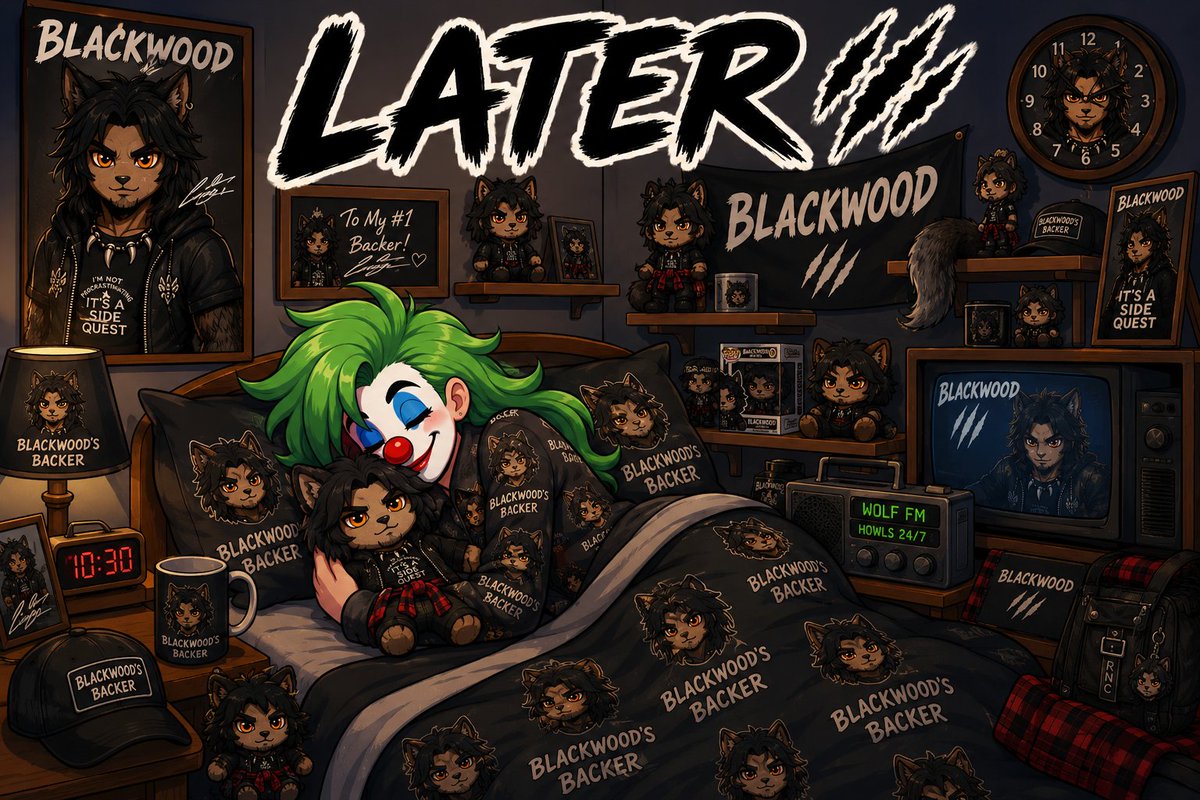
I have an appointment with my pillow and I can't cancel on it again, so I I have to go 😂, Until Next Time, Stay Happy, Stay Healthy, and Don’t Forget To Smile! God Speed! @BlackwoodLegend
JollyJoebean_VT tweet media
English
6
0
16
154
JollyJoebean_VT
JollyJoebean_VT@joebeanclown·
@TheMiddlerGrey I probably shouldn't have cursed, but I am just so tiered of seeing my friends getting hit because stupid people are being stupid.
English
3
0
1
17
Zedra x Ai Zhunter
Zedra x Ai Zhunter@ZHunter247·
Zedra x Ai Zhunter tweet mediaZedra x Ai Zhunter tweet media
E-Va 💜💚@EvaGlitchAI

Prompt of the Day: SIGNATURE WEAPON SHOWCASE ⚔️🛠️💜💚 Today’s Prompt of the Day turns your character’s design into a grounded, realistic custom weapon built around their colour palette, silhouette, outfit motifs, materials, and personality. Use one character reference as @Image1. Optional: manually choose the weapon type at the top, or leave it blank and let the prompt design the most suitable realistic weapon for the character. Just a side not this is not as well tested as normal please excuse any weirdness, kind of hit a wall last night Have fun with this one ⚔️ ............................PROMPT STARTS HERE............................ @Image1 = primary character reference WEAPON TYPE: [Optional: manually enter a realistic weapon type here, such as combat knife, tactical sword, katana, bow, crossbow, spear, axe, rifle, pistol, shield, baton, gauntlets, staff, polearm, or hybrid weapon.] If no weapon type is provided, design a realistic weapon type that best suits @Image1’s visual identity, personality, silhouette, colour palette, outfit motifs, species traits, accessories, and overall character vibe. Use @Image1 as the ONLY character identity and design reference. @Image1 is the full source for the weapon’s colour scheme, styling, materials, shape language, markings, display environment, and overall design direction. Character reference rules: - Preserve @Image1’s visual art style, colour palette, outfit motifs, accessories, species traits, silhouette language, personality, and overall character vibe. - The weapon must feel custom-designed for this specific character. - Do not create a generic fantasy, sci-fi, magical, or oversized weapon unless those elements are clearly present in @Image1. Scene concept: Create a cinematic product-style illustration of @Image1’s custom signature weapon displayed in a realistic room, armoury, workshop, collector’s case, or character-appropriate display space. The weapon should look functional, believable, high-quality, and carefully engineered, while still being visually designed around @Image1. The result should feel like a premium custom weapon showcase, not a fantasy relic. Weapon design direction: Design the weapon using @Image1’s colours, outfit shapes, accessories, materials, texture language, trims, symbols, and personality as the foundation. The weapon should have realistic proportions, practical construction, believable weight, functional grips, usable edges or mechanisms, and grounded material choices. Use character-inspired design details such as custom handle wrapping, engraved trim, colour-matched panels, shaped guards, subtle markings, personalised fittings, etched motifs, matching metal finishes, leather, carbon fibre, polished wood, painted enamel, matte coating, tactical fabric, or other materials that suit @Image1. The design should feel custom-made from the character’s identity, not like a generic weapon with random decoration added. Realism rule: Keep the weapon grounded, usable, and physically believable. Use restrained character-themed detailing instead of excessive fantasy ornamentation. The weapon may be beautiful and highly detailed, but it should still feel like something that could be built, held, mounted, and used. Avoid oversized blades, impossible shapes, floating parts, excessive spikes, giant glowing crystals, magical cores, fantasy runes, or unrealistic proportions unless specifically requested. Display setting: Place the weapon on a realistic display stand, wall mount, glass case, workshop bench, armoury rack, custom foam case, museum-style pedestal, tactical storage wall, collector’s cabinet, or character-appropriate room display. The room should match @Image1’s style, mood, colour palette, and personality without becoming too fantastical. The display should feel intentional, premium, and believable. Environment and composition: Use a cinematic product-shot composition with the weapon as the clear central focus. Keep the full weapon large, sharp, readable, and fully visible. Show enough of the surrounding room to communicate the character’s atmosphere, but keep the background secondary. Use strong visual hierarchy so the viewer immediately understands this is @Image1’s personal custom weapon. Lighting and mood: Use realistic dramatic lighting such as soft studio light, rim light, display-case reflections, workshop lighting, moody room shadows, warm spotlights, neon accent light, or subtle atmospheric haze if it fits @Image1. The mood should feel premium, personal, controlled, powerful, and cinematic. Hard style rule: Preserve @Image1’s visual art style while designing the weapon and display room. If @Image1 is anime, keep the weapon and room anime-style. If @Image1 is stylized, keep the same stylization. Do not turn the weapon, room, or scene photorealistic unless @Image1 is already photorealistic. Quality and rendering: Polished, premium-quality illustration with clean linework, crisp rendering, readable forms, elegant detailing, realistic construction, strong lighting, and clear composition. Concentrate the strongest detail on the weapon, display setup, materials, and character-specific design elements. The final image should feel like official concept art for a grounded custom weapon designed specifically for @Image1. Do not: - Do not include @Image1 physically in the scene unless specifically requested. - Do not create a fantasy relic, magical artifact, or divine weapon. - Do not make the weapon oversized, impossible to hold, or physically unbelievable. - Do not add giant glowing crystals, magical cores, fantasy runes, excessive spikes, floating parts, or impossible mechanisms. - Do not design a generic weapon unrelated to @Image1. - Do not add unrelated symbols, random logos, random decorations, or motifs that are not inspired by @Image1. - Do not randomly change the character’s colour palette. - Do not use a weapon style that clashes with @Image1’s art style. - Do not make the weapon tiny, blurry, hidden, cropped, or unreadable. - Do not make the display room busier than the weapon. - Do not create floating sticker-like decorations, disconnected PNG elements, or collage pieces. - Do not add extra characters, clones, alternate versions, or unrelated people. - Do not use photorealism unless specifically requested. - Do not create messy shapes, muddy textures, malformed weapon parts, broken perspective, unreadable details, or cluttered composition. ..............................END OF PROMPT.................................. #POTD #promptoftheday #AI #AiArt #Art #AnimeArt #WeaponDesign #CharacterDesign #ConceptArt #CustomWeapon #DigitalArt #AnimeStyle #CommunityPrompt

ZXX
3
2
29
220
Relykscarving
Relykscarving@relykscarving·
@joebeanclown @redskin122004 I have four sisters. They are NEVER seeing my X. I forbid it! They shall not be dragged into the degeneracy that I have cast myself headlong into!
English
1
0
2
23
JollyJoebean_VT
JollyJoebean_VT@joebeanclown·
So true story, My sister came over today, and saw me going threw my X, and saw an image of @redskin122004 and I KID YOU NOT, she said quote "You Have Hot Friends". 😑 Redskin, I'm watching you 🤣
JollyJoebean_VT tweet media
Redskin122004@redskin122004

okay! I worked on it, tested with a few people and it looks good. had a bit of an issue earlier on, but I think i solved it. I suggest using Chat GPT for this, as Grok is... eh... Special... cursed images come to mind BEHOLD! GYARU PROMPT! UNIVERSAL FOR ALL!!! ================= Female characters only. (Or very feminine men... or very manly men, I'm not your mother) @image1 = primary character reference. Create a cinematic, semi-realistic anime illustration of the female character from @image1 going out to enjoy the day in a public setting. Preserve the character’s identity first. The final design must still clearly look like the original character. Keep her face, hairstyle, body silhouette, proportions, color palette, species traits, accessories, expression, personality, and overall vibe recognizable. Use @image1 as the master art-style reference for the entire image. If @image1 is anime, keep the final image anime. If @image1 is stylized, keep that same stylized rendering language. Do not turn the character photorealistic unless @image1 is already photorealistic. Clothing Direction Reinterpret the character through Japanese gyaru fashion, using the original design only as inspiration for: color palette signature motifs symbols accessories personality silhouette energy species traits emotional vibe recognizable design language The clothing should feel like a gyaru-styled evolution of the character, not a completely unrelated redesign. Use layered clothing, short or mini skirts, crop tops, tube tops, open shirts, bold logos, bright colors, playful patterns, and statement accessories. Patterns may include zebra, tiger, leopard, hearts, stars, stripes, abstract shapes, or character-specific motifs. Choose the gyaru substyle that best matches the character’s original vibe: Hime Gyaru Use for elegant, princess-like, refined, cute, wealthy, noble, or graceful characters. Include frills, bows, soft luxury, ornate accessories, curled or styled hair, and feminine layered pieces. Ganguro Use for loud, bold, rebellious, flashy, energetic, comedic, or chaotic characters. Include deep tan, bright makeup, vivid colors, high-contrast accessories, playful attitude, and exaggerated fashion confidence. Kogal Use for school-uniform-inspired, youthful, mischievous, casual, or street-social characters. Include sailor-school-uniform elements, loose socks or knee socks, short pleated skirt, open shirt, tube top, platform shoes, phone accessories, and rebellious school-girl styling. Rokku Gyaru Use for goth, punk, edgy, aloof, gamer, delinquent, rocker, dark, or rebellious characters. Include black/pink/red/purple palettes, chains, belts, chokers, graphic crop tops, plaid or leather details, platform boots, darker makeup, and confident attitude. The chosen substyle should match the character naturally. Do not force every character into the same gyaru look. Accessories and Hair Add gyaru-styled accessories based on the chosen substyle. The number of accessories can be minimal or very high depending on the character’s personality. Possible accessories include: bracelets rings necklaces chokers hair clips ribbons sunglasses phone charms handbags chain belts decorative belts platform boots patterned socks leg warmers nail polish makeup accents Adjust the hairstyle only if it fits the character. Keep the original hair identity recognizable. Do not erase unique hair traits, species traits, ears, horns, tails, tentacles, robotic parts, markings, or signature accessories. Scene and Mood The mood should be upbeat, public, stylish, carefree, and rebellious. The scene should show the character enjoying the gyaru lifestyle while standing out against normal society. Setting Selection Function For every new generation, choose the public location by true random selection, not by preference, habit, or best-fit bias. Randomly select exactly one setting from this list: 1. beachside boardwalk 2. city-center shopping street 3. crowded downtown sidewalk 4. club or nightlife district 5. park 6. subway station 7. outdoor café area 8. neon-lit street 9. fashion district Each setting must have an equal chance of being chosen. Do not always choose the setting that seems most dramatic, most cinematic, most fashionable, or most commonly associated with gyaru fashion. Do not default to neon-lit streets, Tokyo streets, beaches, shopping streets, or fashion districts unless they are randomly selected. After the setting is randomly chosen, adapt the scene details, lighting, background crowd, reactions, character activity, props, and atmosphere to fit that selected location. The chosen setting should support the character, but it must not be selected based on what seems “best.” It must be selected randomly from the full list. People should be visible around her. Some people stare, react, blush, whisper, look shocked, admire her, or turn their heads. Others ignore her and continue with their day. The character should look confident and comfortable being seen. Composition Use a wide 16:9 cinematic composition. Pull the camera back enough to show the character in full body or nearly full body. The character should be clearly readable and remain the main focus of the image. Use strong cinematic framing, dynamic but clear posing, and a public environment that supports the story without overpowering the character. Quality and Rendering Highly detailed, polished, premium-quality anime-style illustration. Clean linework, crisp rendering, readable forms, elegant detailing, strong composition, cinematic storytelling, and high-end concept art quality. Preserve the original art style from @image1. Do not make the image photorealistic unless the reference image is already photorealistic. Negative / Avoid Do not change the character into a different person. Do not remove species traits. Do not remove signature accessories. Do not alter the body type beyond the clothing adaptation. Do not make the outfit generic. Do not ignore the character’s original color palette and motifs. Do not crop out the full design unless absolutely necessary. Do not make the image overly cluttered. Do not make the background more important than the character. Do not use male characters as the focus. End of Prompt ========================= I will post pictures of what I and few others were able to create for testing! Have fun with it. Oh, and @EvaGlitchAI , i wanted to do you, but you already look the part anyways. literally nothing changed... I kid, I wanted to see what yours is when you do it yourself.
English
4
1
26
315