
Sabitlenmiş Tweet
joe
2.5K posts


joe
@joeroman97
† • instagram: joe_roman12 • Roubaix~Comp • #iamspecialized •
Chicago, IL Katılım Haziran 2013
106 Takip Edilen104 Takipçiler
La joven que miró la pantalla del UBER en el que se subió no podía creer a sus ojos cuando vio lo último que había visto el conductor 😳
Español
joe retweetledi

joe retweetledi

joe retweetledi

Cycling is a big family.
Today we all cry for a special boy.
Your smile will forever be in our hearts.
Ciao Gino.
Il ciclismo è una grande famiglia.
Oggi piangiamo insieme un ragazzo speciale.
Il tuo sorriso, rimarrà sempre nei nostri cuori.
Ciao Gino.

Italiano

This is how we will always remember you❤️ With a big smile on your face! The peloton will ride the last 20 kilometres of today's course neutralised in honour of Gino Mäder. Expected finish in Oberwil-Lieli is 16.40h.
.
We ride for you Gino❤️

English
joe retweetledi



joe retweetledi

"Hollywood has been erasing my people."
Egyptian comedian Bassem Youssef responds to Netflix's casting of black actress Adele James as Cleopatra.
@Byoussef | @piersmorgan | @TalkTV | #PMU
English
joe retweetledi


@Culture_Crit No one can deny that Italians are the real sculptors and artisans!
English
joe retweetledi


joe retweetledi
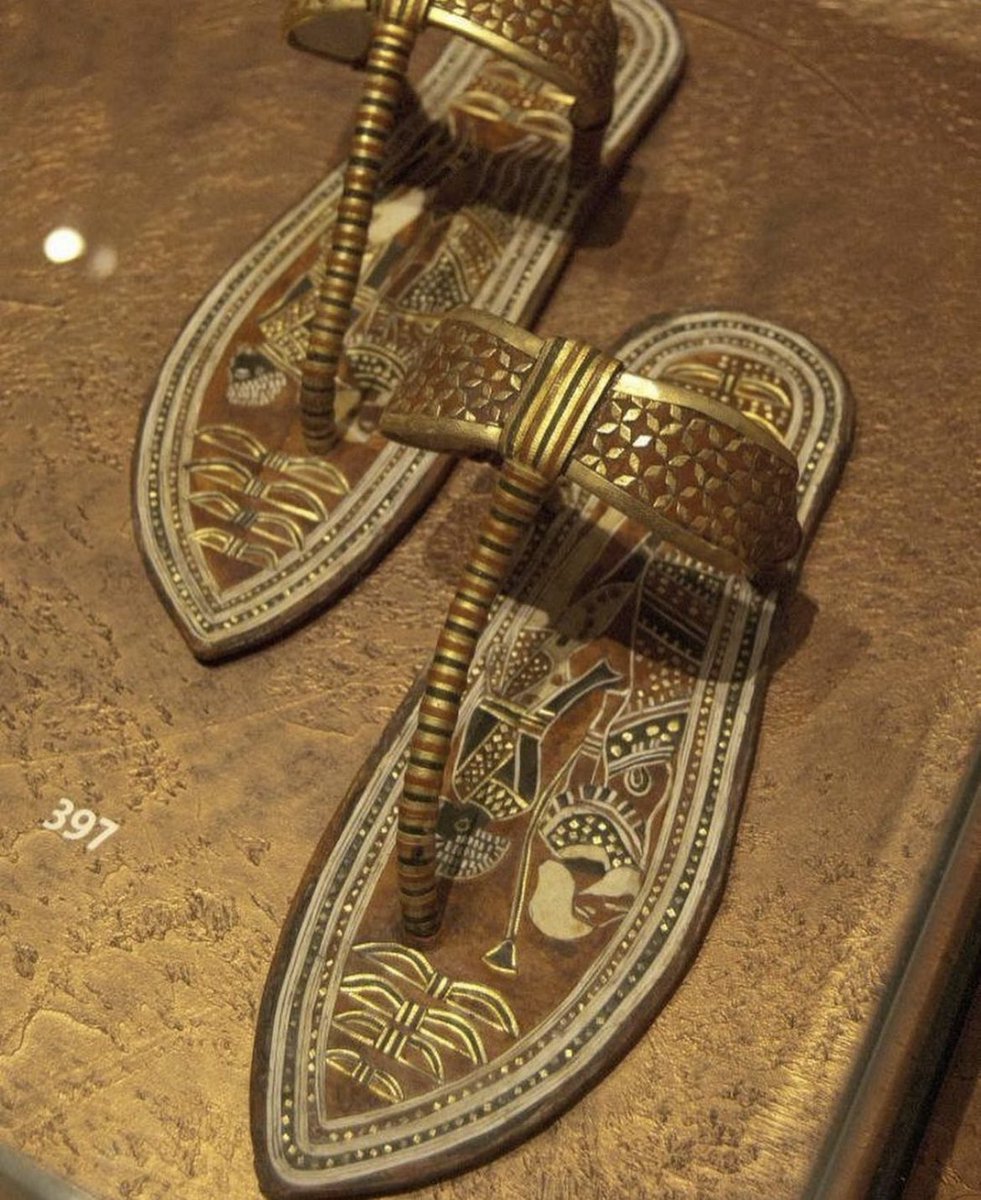
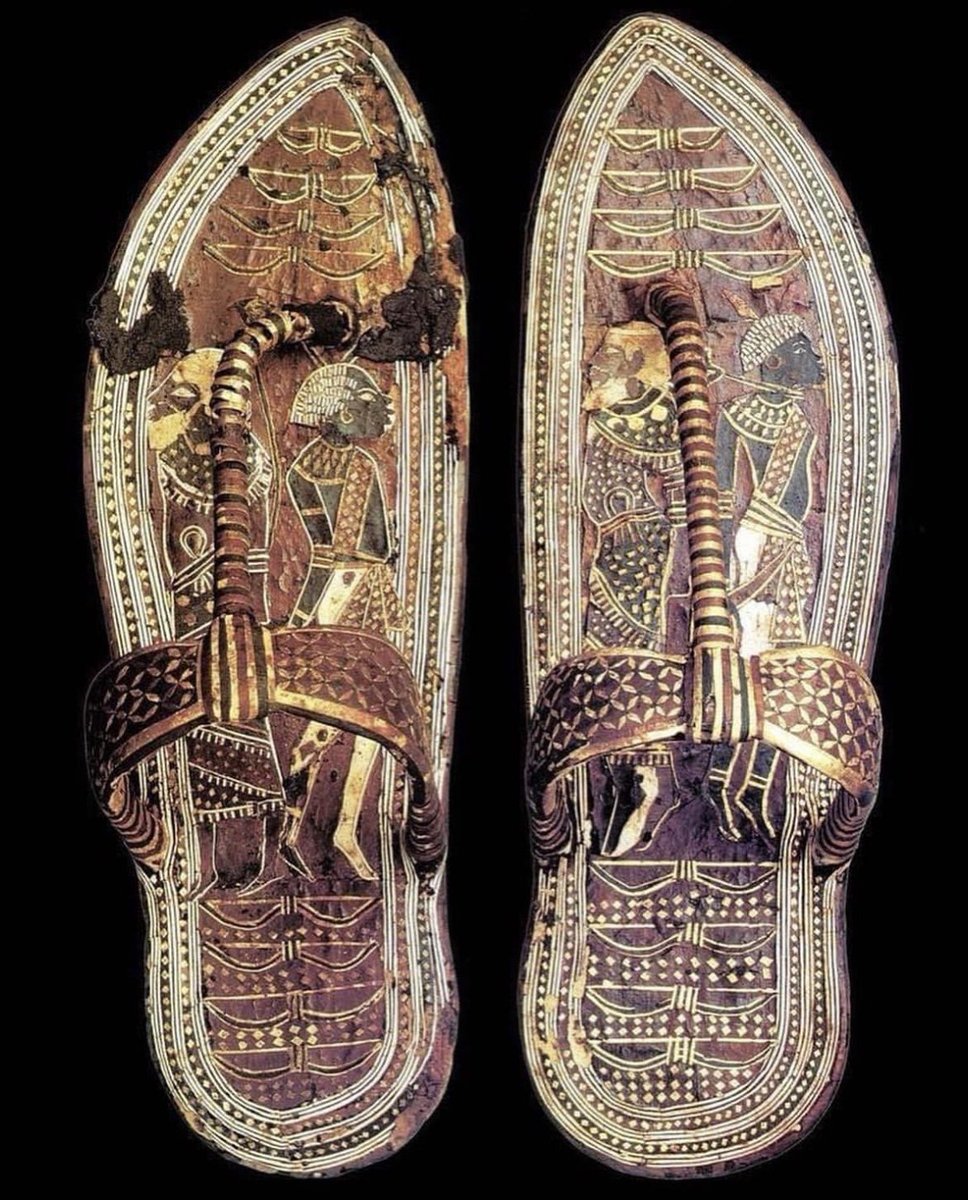
The sands of time have a peculiar way of preserving history, often revealing fascinating artifacts from ancient civilizations. One such extraordinary discovery was made in the early 20th century when archaeologist Howard Carter uncovered the tomb of the legendary Egyptian pharaoh, Tutankhamen. Among the treasures found within the tomb were a pair of sandals that have since captivated the world, providing a glimpse into the life and opulence of a bygone era. These 3,300-year-old sandals shed light on the enduring legacy of King Tutankhamen and the profound craftsmanship of ancient Egypt.
In 1922, Carter's excavation efforts in the Valley of the Kings led to the unearthing of Tutankhamen's tomb. Nestled amidst a vast array of treasures, the sandals stood out as a testament to the exquisite craftsmanship of the period. Made from strips of gold and carefully woven reeds, these sandals were designed to adorn the feet of the young pharaoh during his journey to the afterlife.
The sandals found in Tutankhamen's tomb provide valuable insights into the cultural and religious practices of ancient Egypt. The presence of gold in their design is significant as it represents the pharaoh's divinity and status as a ruler. Gold was considered a symbol of the gods, and its use in the sandals emphasized Tutankhamen's connection to the divine realm.
The reeds used in the sandals held spiritual meaning as well. In ancient Egyptian mythology, reeds were associated with the concept of rebirth and regeneration. By incorporating reeds into the sandals, Tutankhamen's journey to the afterlife was believed to be facilitated, ensuring his eternal existence in the realm of the gods.
The construction of Tutankhamen's sandals showcases the remarkable skill and attention to detail possessed by ancient Egyptian artisans. The strips of gold were meticulously woven, creating an intricate pattern that adorned the sandals' surface. This meticulous craftsmanship is a testament to the mastery of goldsmiths during the period.
Additionally, the sandals were designed with practicality in mind. The soles were crafted from palm leaves, which provided comfort and durability. The meticulousness of the design, combined with the choice of materials, indicates that the ancient Egyptians valued both aesthetics and functionality.
After their discovery, Tutankhamen's sandals underwent extensive preservation efforts to ensure their longevity. Today, these ancient artifacts are carefully housed in the Egyptian Museum in Cairo, where they continue to inspire awe and wonder among visitors from around the world.
King Tutankhamen's 3,300-year-old sandals offer a remarkable window into the ancient Egyptian civilization's artistry and spirituality. They represent more than just a fashion statement; they symbolize the power and divinity of a pharaoh and serve as a tangible link to a civilization that existed millennia ago. These sandals remind us of the rich heritage of Egypt and the importance of preserving our shared history for future generations to appreciate and learn from.
English
joe retweetledi

joe retweetledi



joe retweetledi
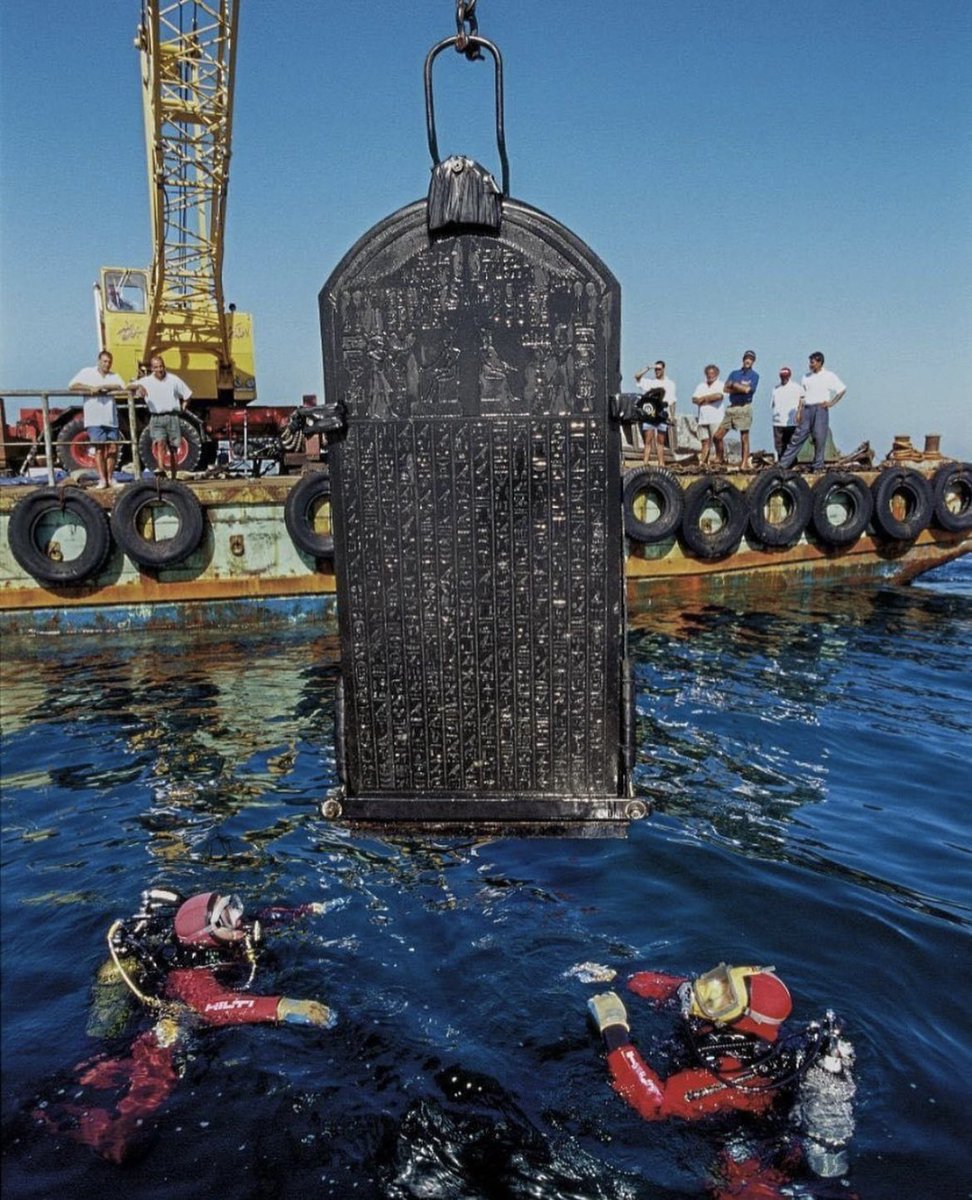
A stele, which is a stone monument, was retrieved from the sunken ancient Egyptian city of Heracleion located at the bottom of the ocean. Heracleion, also known as Thonis, was an influential and prosperous port city during the Late Period of ancient Egypt. As time passed, various factors such as land subsidence, rising sea levels, and natural disasters caused the gradual sinking of the city into the Mediterranean Sea.
For centuries, the knowledge of Heracleion's existence was limited to historical texts and ancient references. The city's existence became shrouded in myth and legend, with doubts arising regarding its actuality. However, in the early 2000s, Franck Goddio, leading a team of underwater archaeologists, made a groundbreaking discovery in Aboukir Bay near Alexandria, Egypt. By utilizing advanced diving equipment and underwater mapping technology, they unveiled the submerged remains of Heracleion.
The remarkable findings shed light on the city's history and culture, providing valuable insights. The team uncovered a multitude of artifacts and structures, including statues, sarcophagi, jewelry, and even the remnants of a temple dedicated to the god Amun. This discovery not only confirmed the existence of Heracleion but also expanded our understanding of this ancient Egyptian port city.
English
joe retweetledi

2022 Ferrari SF90 Stradale | Tailor Made Inspirazioni Edition | Price: $737,554
-
This incredible example is inspired by the 1950 Ferrari 212 Inter bodied by Vignale
-
For More Info: bit.ly/45EtnOu



English