
Sabitlenmiş Tweet
Mr_KiJOt3c
2.9K posts


Mr_KiJOt3c
@josephvmr
Traigo Buenas Nuevas. Apocalipsis 19:16👑 Deshaciendo entuertos y Luchando contra el Comunismo. Lee, Baila y Sonríe.🎾🏀⚽ Construyendo a Wonderful World.
De Jumanji a El Calafate Katılım Ağustos 2010
1.8K Takip Edilen263 Takipçiler

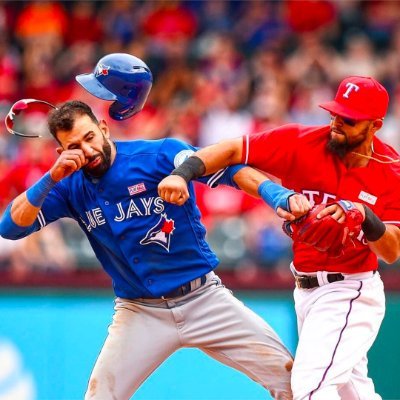
When I say MLB player who spent their entire career with one team, who’s the first name that comes to mind?
English

Mr_KiJOt3c retweetledi
Mr_KiJOt3c retweetledi


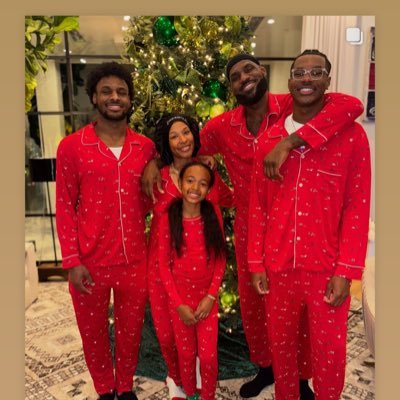
@EtiquetaNegra44 Así es, Robert horry ganó 7 anillos, según ese argumento, entonces es mejor que Jordan-Kobe y Lebron?
Español

La cultura del anillo seguramente sea injusta para valorar a muchos jugadores que jamás lo consiguieron.
¿Es Jalen Brunson superior a cualquier jugador que no ganó el título? ¿Está por encima de los Malone, Stockton, Nash, Ewing, Barkley, Iverson y un largo etc?
Pues no lo creo, conseguir una joya no te convierte automáticamente en el mejor. Es difícil comparar épocas distintas y rivales diferentes, pero ganar el anillo es el fin último, y Brunson lo ha logrado de una forma brillante y dominando como los mejores. Su quinto partido fue jordanesco, estuvo a la altura de los mejores de la historia, y sobre eso no existe ningún debate.
Español


Mr_KiJOt3c retweetledi

Ni un rubio en la selección de Haití. ¡Racistas!
Español
Mr_KiJOt3c retweetledi

Mr_KiJOt3c retweetledi

Best liquidity pools to use for the draw on liquidity, bias and potential reversal points:
1. Previous Days High
2. Previous Days Low
3. Previous Weeks High
4. Previous Weeks Low
5. London High
6. London Low
7. Asian Range High
8. Asian Range Low
9. Equal Highs
10. Equal Lows
English
Mr_KiJOt3c retweetledi


Mr_KiJOt3c retweetledi


Playoff Points in their Rookie Season:
300 — Dylan Harper
294 — LeBron, Carmelo, Bosh & Wade Combined
288 — Entire 2024 Draft Class Combined

English
Mr_KiJOt3c retweetledi

”Los mejores del mundo no son los mejores porque ganen todos los puntos. Son los mejores porque saben que van a perder una y otra vez, y han aprendido a lidiar con ello.”
- Roger Federer
Necesitas ver este video (son solo 2 minutos)👇
Español
Mr_KiJOt3c retweetledi

Mr_KiJOt3c retweetledi

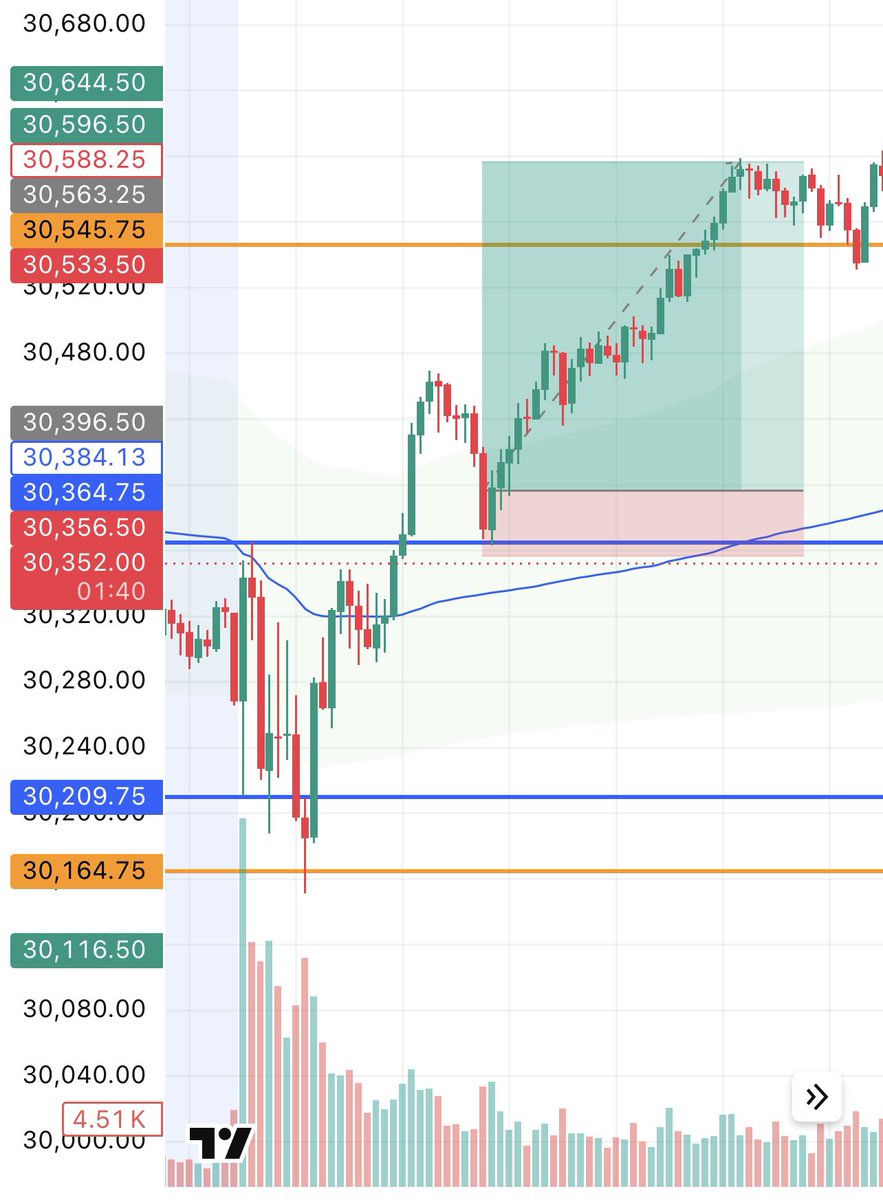
This “ORB” Trading Strategy Is Practically Foolproof…
My best year is $842,000
My biggest payout is $50,000
My win rate stays above 70-80%
I’ve been trading for 10 years now
I’ve tried everything over the past 10 years. I finally realized this ACTUALLY works.
A thread 🧵
English
Mr_KiJOt3c retweetledi

"Trading takes 5-10 years to learn" is a lie invented by people who took 5-10 years because they learned wrong…
The actual learning curve when done correctly: 6-12 months MAX.
Here's why most traders take a decade (and why you don't have to):
What most traders do:
Year 1: Try 15 different strategies from YouTube
Year 2: Buy 3 courses, try those strategies
Year 3: "Combine" everything into Frankenstein system
Year 4: Blow account, start over with "simpler" approach
Year 5: Finally realize indicators don't work
Year 6: Discover price action, start from scratch
Year 7: Get consistent for 2 months, then overtrade
Year 8: Blow account, take 6 month break
Year 9: Return with "discipline," finally profitable
Year 10: Actually consistent
That's 10 years of cycling through garbage before accidentally finding what works.
What fast learners do:
Month 1-2: Study ONE concept (liquidity: internal and external)
Month 3-4: Mark up 200 charts, identify pattern without trading
Month 5-6: Paper trade, prove edge exists
Month 7-8: Small live account, prove psychology holds
Month 9-10: Scale to prop firm, prove consistency
Month 11-12: Stack accounts, prove scalability
Same endpoint. 10x faster.
The difference isn't talent. It's path.
Why the 10-year path is so common:
The trading education industry makes money keeping you confused.
If you figured it out in 6 months, you wouldn't buy the $997 course. Then the $2,497 mentorship. Then the $4,997 mastermind.
They NEED you struggling. They NEED you trying indicator combinations that don't work. They NEED you to believe it's "supposed to take years."
So they teach complexity. 47 indicators. 12 strategies. "Market conditions" for each one.
The truth: Markets have done the same thing forever. Sweep liquidity, fill imbalances, target opposite liquidity. That's the game. One concept.
But "one concept" doesn't sell $4,997 masterminds.
What you actually need to learn:
1) External liquidity = swing highs/lows (where stops sit)
2) Internal liquidity = fair value gaps (where orders didn't fill)
3) Price sweeps external → fills internal → targets opposite external
4) Higher timeframe bias + lower timeframe entry = edge
5) 3:1 minimum reward/risk = math that works over time
That's genuinely it. Everything else is noise designed to extend your learning curve and their income.
The 10-year traders had bad maps. Not bad brains.
Get a good map and you don't need 10 years.
You need 6-12 months and the discipline to not get distracted by every new indicator some guru is selling.
(DM "SYSTEM" for fully private 1-on-1 coaching - this is a high ticket offer, i only take 1-2 traders at a time)
English

Mr_KiJOt3c retweetledi
go pull up the 6AM candle on your chart right now
this one candle predicts the entire New York session direction
and almost nobody uses it
a guy in my discord called 14 out of 15 trading days correctly last month using only this
here's the exact system:
THE 6AM REVERSAL SIGNATURE:
at 6AM EST, institutions show their hand
they either:
- push price into a key level (reversal incoming)
- expand away from a level (continuation day)
the 6AM candle tells you WHICH
STEP 1: mark yesterday's high and low
STEP 2: at 6AM, watch where price trades relative to those levels
STEP 3: if 6AM sweeps a level but CLOSES back inside the range = reversal day
STEP 4: if 6AM expands and closes BEYOND the level = trend day
that's it.
EXAMPLES:
6AM sweeps yesterday's high, closes back below it → sell the rip at 9:30
6AM sweeps yesterday's low, closes back above it → buy the dip at 9:30
6AM breaks high and closes above with momentum → only look for longs
most traders show up at 9:30 with no bias
they're "reacting to price action"
aka gambling
smart traders showed up at 6AM
they already know the direction
the 9:30 open is just their entry window
THIS IS THE EDGE:
institutions set up the move between 6-9:30
retail shows up at 9:30 and provides the exit liquidity
you can either BE the liquidity
or you can TAKE the liquidity
the 6AM candle tells you which side you're on
go backtest it. 30 days. track the results.
you'll never trade blind again
free discord in bio
(DM "SYSTEM" for fully private 1-on-1 coaching - this is a high ticket offer, i only take 1-2 traders at a time)
English
Mr_KiJOt3c retweetledi
half of every move on NQ is a trap and you keep entering on that exact half
not because your setup is bad
not because the market is rigged
not because you have bad luck
because you don't know which half of the move you're standing in
95% of traders enter wherever the setup prints. the 5% who get paid only enter from one specific half of the leg. same setup. opposite half. opposite outcome
here's what nobody teaches you:
every move from a low to a high is split into two halves. a discount half and a premium half. and price treats them completely differently
the rule:
if you're bullish, you only buy from the discount half. the bottom 50% of the leg
if you're bearish, you only sell from the premium half. the top 50% of the leg
enter from the wrong half and you're not trading. you're providing exit liquidity for the institution that entered from the right one
that's the entire edge. one line. you've been ignoring it for 2 years
here's how to mark it in 10 seconds:
take the most relevant swing low and swing high of the current move. drag a fib or just eyeball the midpoint. that 50% line is the equilibrium. below it is discount. above it is premium. done.
now let me show you the three scenarios:
SCENARIO 1: bullish bias, price pulls back into discount
H4 is bullish. real body candle up, small wicks. price has displaced higher and is now retracing.
you do nothing until price trades below the 50% of the leg.
the moment it enters the discount half, you start looking for your entry trigger. FVG, order block, whatever you use. but ONLY in discount. a perfect setup in the premium half is not a trade. it's bait.
you enter in discount. stop below the swing low. target the previous high. you just bought where institutions buy.
SCENARIO 2: bearish bias, price rallies into premium
H4 is bearish. real body candle down. price is now rallying back up against the trend.
you do nothing until price trades above the 50% of the leg
the second it enters the premium half, you hunt your short trigger. you fade the rally from premium. you do not short in discount. shorting in discount is how you get stopped on the next leg up before the real move down
you enter in premium. stop above the swing high. target the previous low
SCENARIO 3: price is sitting at equilibrium
right at the 50%. no man's land.
this is where 95% of traders take their worst trades. the move could go either way from equilibrium and they enter anyway because they're bored.
you do nothing. equilibrium is not a trade. you wait for price to commit to a half. then you act.
the model behind all of this:
institutions buy low and sell high. literally. they accumulate in discount and distribute in premium. when you buy in premium, you're buying exactly where they're selling to you. when you sell in discount, you're selling exactly where they're buying from you.
you've been taking the other side of the institution every time you ignored which half you were in.
how i use this every morning:
mark the current leg. low to high.
draw the 50%.
check the H4 bias.
bullish + price in discount = hunt longs
bearish + price in premium = hunt shorts
anything else = wait or close the laptop
that's it. one line on the chart changes everything.
a trader in my discord had a 44% win rate taking good setups in bad locations. added the premium/discount filter. nothing else changed. same setups. same risk. win rate went to 63% in 6 weeks.
he didn't get better at finding setups. he stopped taking them in the wrong half of the move.
most traders spend years perfecting their entry trigger while ignoring the only thing that determines whether the trigger works: location.
the setup tells you what. the half tells you where. without where, what is a coin flip.
draw the line. pick your half. stop donating to the other side.
or keep entering wherever the setup prints and wondering why your textbook entries keep failing.
your choice
free discord in bio
(DM "SYSTEM" for fully private 1-on-1 coaching - this is a high ticket offer, i only take 1-2 traders at a time)
English