A pre-pandemic work, including a short internship of Pepe (first author) in Regensburg, founded by @EMBO , to perform the quantitative mass spectrometry analyses founded by our @SFB960 AP2 project.
@jpf_lab y colaboradores organizan una actividad en formato Escape Room para la mañana del 30 de septiembre en la antigua escuela de magisterio. Juntos descifraremos las claves del código genético y sus mensajes milenarios.
Day 10 of great papers in biology. The story of PCR.
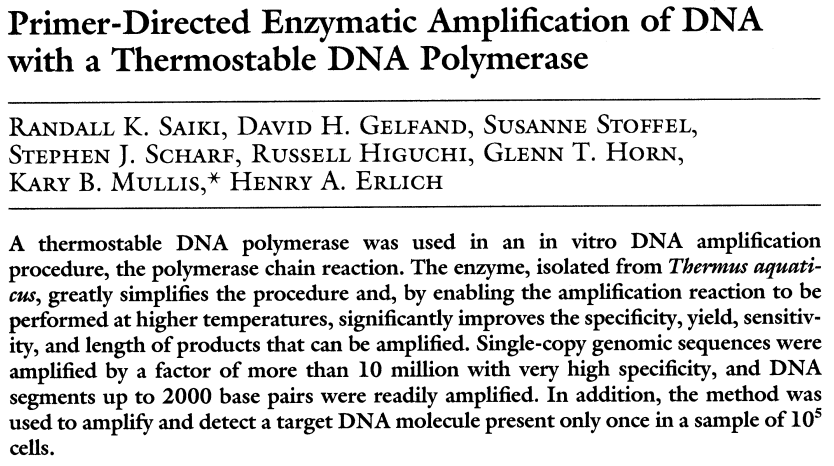
"Primer-directed enzymatic amplification of DNA with a thermostable DNA polymerase," by Saiki R.K. et al.
***
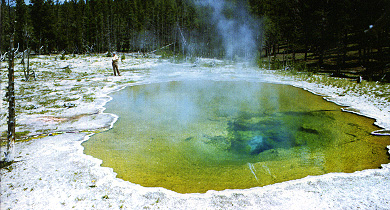
In 1969, Brock & Freeze discovered a bacterium, Thermus aquaticus, in two separate thermal springs: One in Yellowstone National Park and a second in California. (pubmed.ncbi.nlm.nih.gov/5781580/)
(This article discusses the actual hot spring where it was discovered: instruction.bact.wisc.edu/themicrobialwo…)
In 1976, Chien, Edgar & Trela discovered that T. aquaticus expressed a DNA polymerase that could withstand very high temperatures. Its optimal performance was at 80 degrees C, far higher than the ~31 degrees C for DNA synthesis in human cells. (journals.asm.org/doi/10.1128/jb…)
And then, in 1988, came the famous Kary B. Mullis paper (for which he'd later share a Nobel Prize). Saiki, Mullis, and others at the Cetus Corporation showed that the thermostable DNA polymerase from T. aquaticus could be used to massively simplify PCR. Prior to discovering the thermostable enzyme, PCR required that fresh enzyme be added during each cycle of DNA amplification.
"Because of the heat denaturation step required to separate the newly synthesized strands of DNA," the authors wrote, "fresh enzyme must be added during each cycle-a tedious and error-prone process if several
samples are amplified simultaneously. We now describe the replacement of the E. coli DNA polymerase with a thermostable DNA polymerase purified from the thermophilic bacterium, Thermus aquaticus (Taq), that
can survive extended incubation at 95C."
The paper made it possible to accomplish "cell-free molecular cloning" in about 3- to 4-hours, as opposed to "what might otherwise take days or weeks of biological growth and biochemical purification."
Brilliant paper, and a must-read for biology students.
science.org/doi/10.1126/sc…
(Full text available here: mun.ca/biology/scarr/…)
Day 5 of great biology papers.
"The replication of DNA in Escherichia coli," Meselson & Stahl (1958)
A classic experiment, with clear writing, that used heavy nitrogen & simple bacterial growth to uncover the mechanism of DNA duplication.
Worth a read: pnas.org/doi/10.1073/pn…
A mind-blowing talk by @UteKothe about RNA biology. But importantly, as the @CSMB_SCBM Jeanne Manery Fisher award winner, reminding us how far we have come towards inclusion in science, but how far we have to go. There are so many people aren’t in the room but should be.
Does anyone have commercial anti-HA co-IP beads that they like - and that preferably work in yeast?
We used to make our own until we ran out of anti-HA supernatant. We tried several commercial anti-HA beads but with inconsistent results.
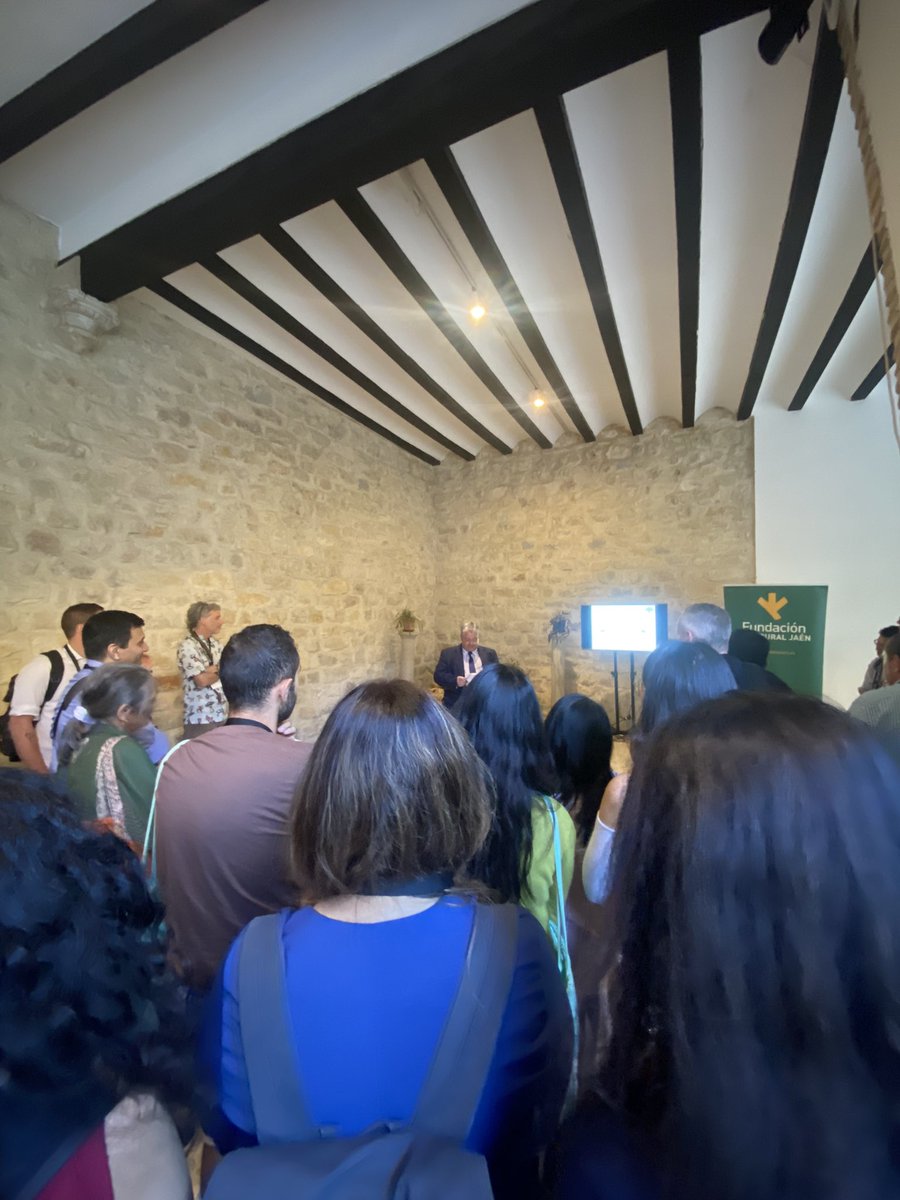
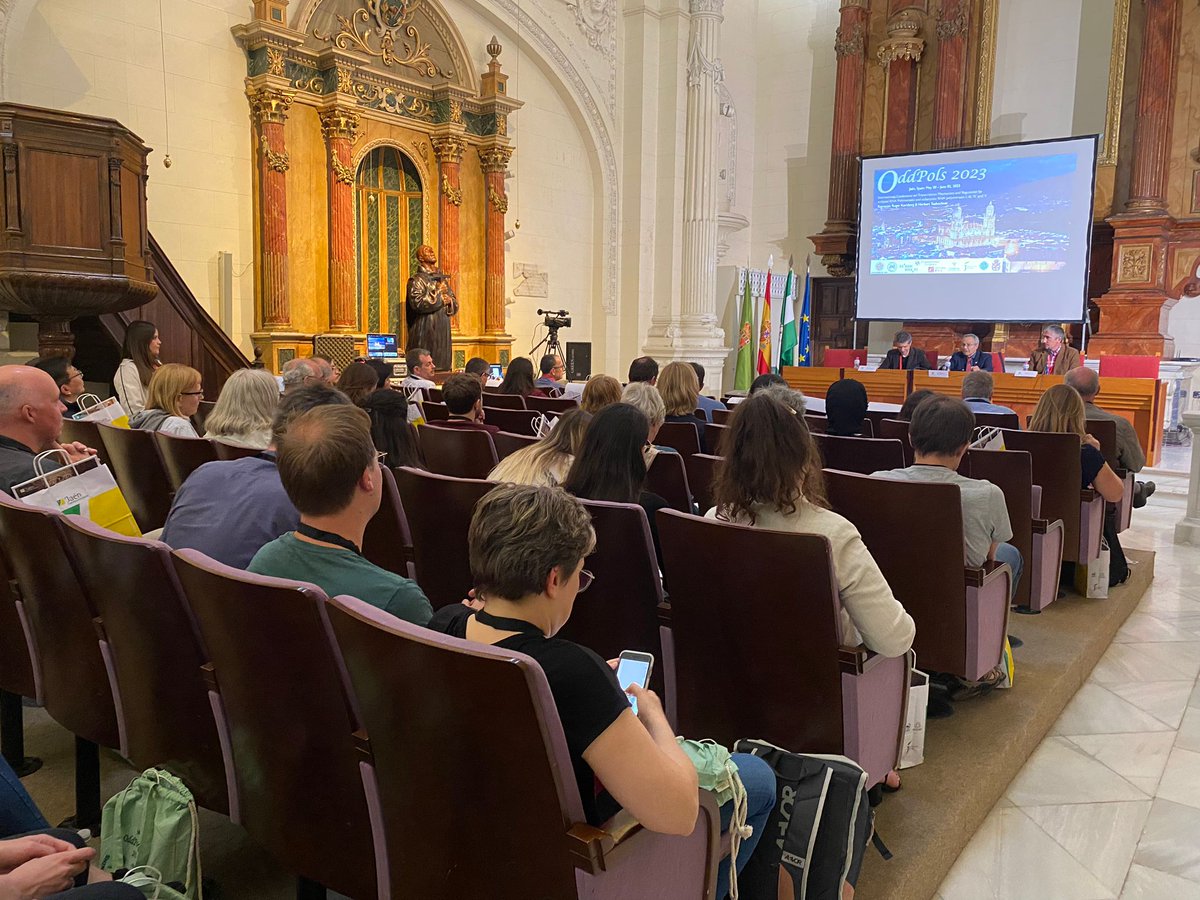
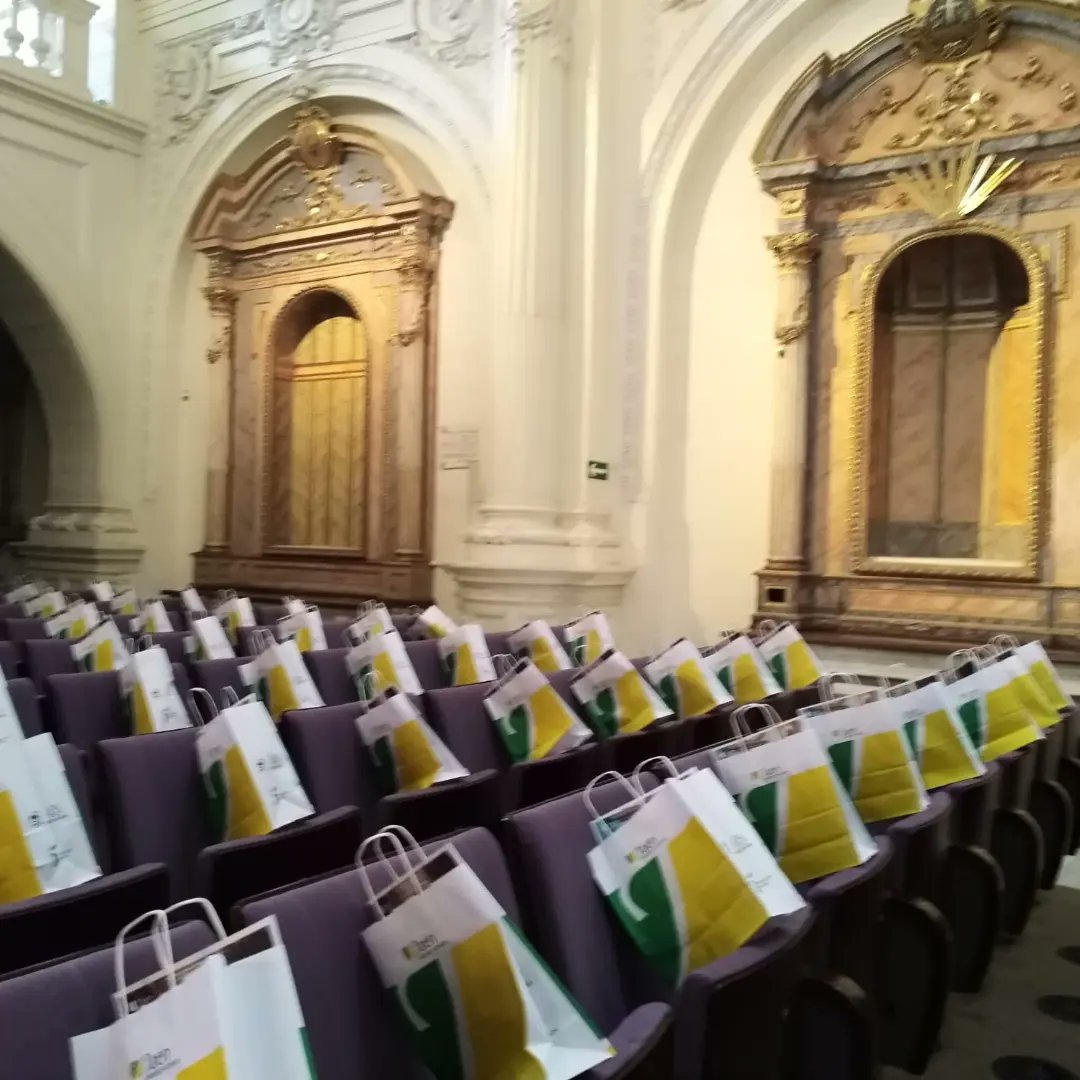
Inaugurado el 13º Congreso Internacional ‘Oddpols 2023’ sobre ARN en #Jaén, un encuentro que se celebra esta semana en #Jaén organizado por la @ujaen con el objetivo de compartir los últimos avances científicos en el estudio de cómo las células sintetizan las moléculas de ARN
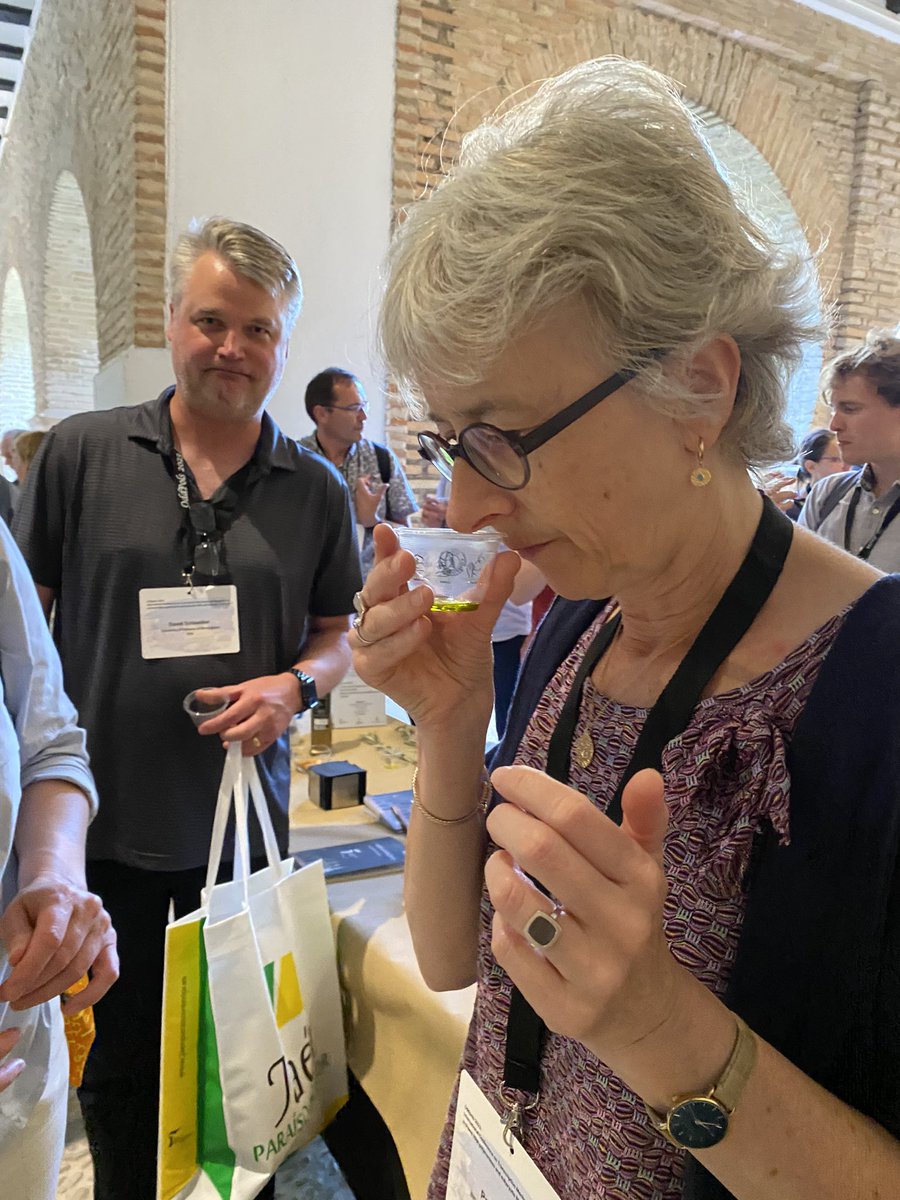
Cata de aceites 🍈impartida por @Olivarum_FCRJ, celebrada en Patio de la Parroquia Santa Maria Magdalena de Jaén a los integrantes del Congreso Oddpols 2023, 😀para más de 130 investigadores de Europa, Asia, América y Oceanía. 💪
#cultura#olivar#aceite#Jaén
Very nice social activity of the #odddpols23 community with a sightseeing of the city, and an olive oil tasting activity at the Magdalena's church thanks to the collaboration with @FundacionCRJ and the parish church. @TorneroLab
Finally, the first Kate Hannan Memorial Travel Awards to Dany Sibai and Xiyuan Qi. Thanks @DevelopmentalDy to help us funding this initiative from the very supportive community of the Oddpols #Oddpols23