Jän Paul Ostendorf

7.9K posts

Jän Paul Ostendorf banner
Jän Paul Ostendorf

Jän Paul Ostendorf

@jpostendorf

Naming & Brand Creation / Author / Inventor

Atlanta, GA Katılım Temmuz 2009
1.4K Takip Edilen532 Takipçiler
Sabitlenmiş Tweet
Jän Paul Ostendorf
Jän Paul Ostendorf@jpostendorf·
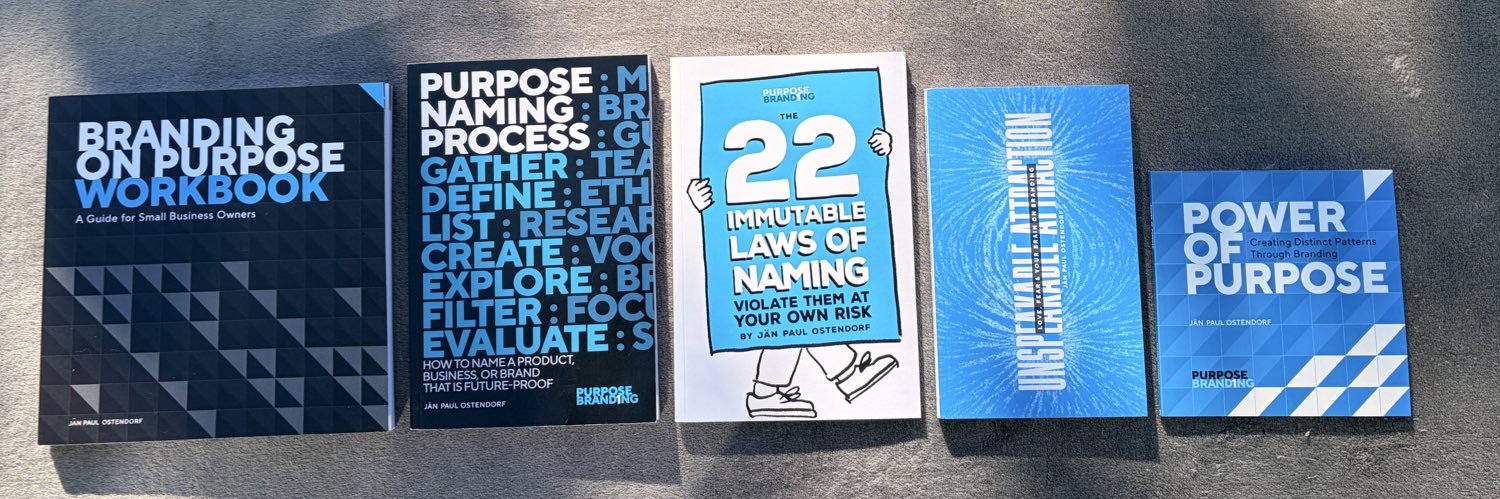
Hey Marketing Professionals, are AI Name Generators an amazing shortcut or just a tool to facilitate a difficult process you don’t have time for? You manage a large portfolio of products, services, brands, and trademarks. Now you need one more – and it needs to fit perfectly into the family. So you fire up your favorite AI LLM and… Bam! Instant name, right? I admit it – it's tempting. Get something quick, move on, and start marketing the heck out of it. But marketing pros, let’s be real: Naming might feel like it's in your wheelhouse (you write a ton of copy every day – language is your thing). But do you actually have the time, bandwidth, or structured process to tackle another full naming project without it turning into a time-suck? Without a tight, proven process, you risk: Generic names that don’t differentiate Legal headaches (trademarks already taken) Names that don’t align with business goals Endless internal revisions eating your schedule Want a FREE book that tightens up your in-house naming game? Learn practical steps, time-saving tips, and tricks to avoid frustration (and maybe save your sanity). Grab “Purpose Naming Process” right now – link in my bio. Or buy on Amazon for $24.99.
English
0
0
1
61
Jän Paul Ostendorf
Jän Paul Ostendorf@jpostendorf·
Lovart vs. Lovart AI: When AI Platforms Echo Established Creative Identities What happens when one brand launches with a name and aesthetic so close to an existing brand that it triggers a Trademark Infringement lawsuit? As someone who believes every brand should tell a unique story, clarifying the company’s purpose and using it as the foundation for building the brand helps prevent this from happening. A synopsis from the Business Insider article below, “In February 2026, Aygstar Group LLC filed a federal trademark infringement lawsuit against Resonate International Inc. (operating Lovart AI, linked to China's LiblibAI). Aygstar owns the registered "GRACE LOVART" mark for its design studio work. The suit claims Lovart AI, launched in the U.S. in 2025, uses a nearly identical name, similar branding, and even a "Lovart Universe" theme that mirrors Aygstar's creative world—causing confusion, unfair competition, and cybersquatting.” This clash shows how AI companies, backed by big funding (here $130 million), scale fast but risk stepping on other brands’ toes. For purpose-driven founders, it's a caution: Your name isn't just a label; it's the first promise of your why. AI mimics without connection to purpose. It can be a great tool, but it should never replace the guidance and experience from a naming professional. Source: bit.ly/3P43YK4
English
0
0
0
7
Jän Paul Ostendorf
Jän Paul Ostendorf@jpostendorf·
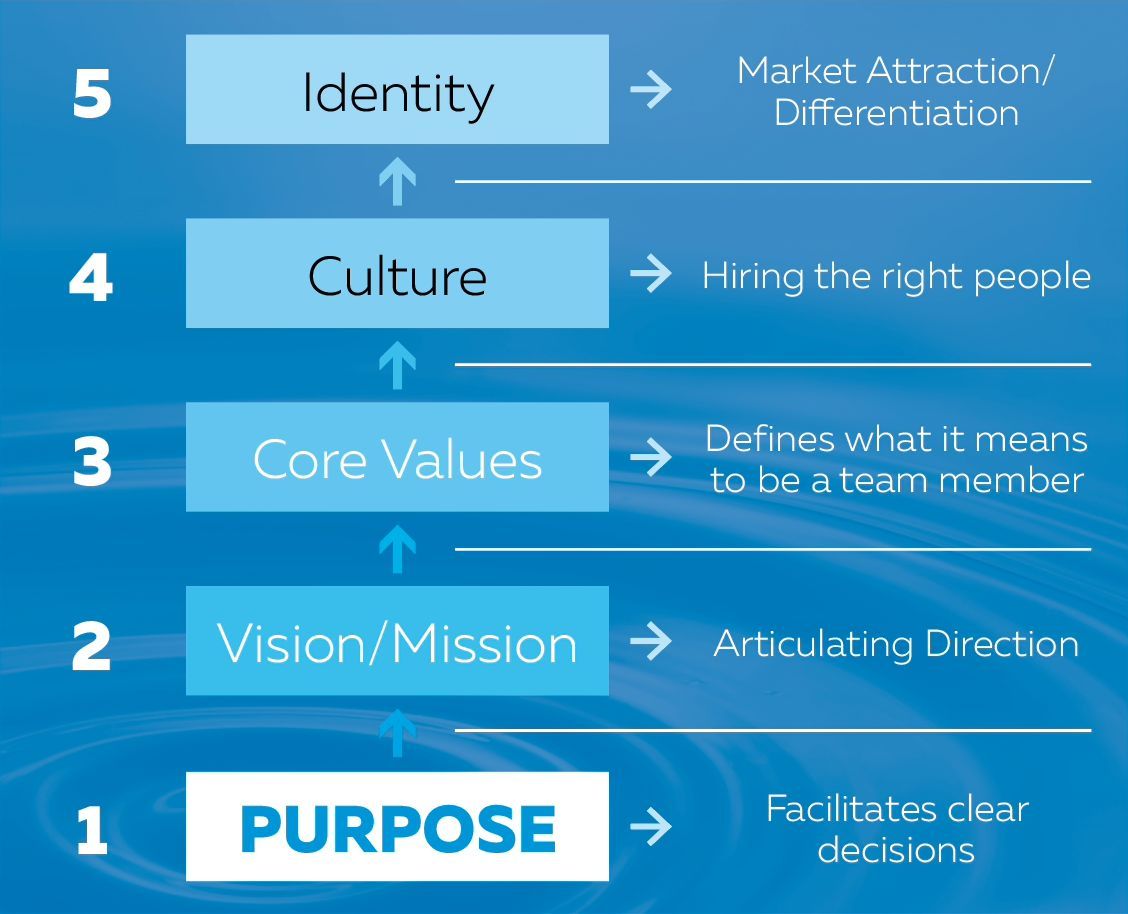
The Power of Purpose: The One Thing That Makes Everything Else Click Look at this diagram for a second. At the very bottom — the bedrock — is Purpose. Everything else stacks on top of it: Vision & Mission, Core Values, Culture, and finally your external Identity. When purpose is clearly defined and everything above it is built on that same foundation, magic happens. Internal beliefs and external expression finally line up. There’s no more explaining yourself, no mixed messages, no missed expectations. Customers feel the congruency on a subconscious level. They trust faster. They decide faster. They stay longer. This is why some brands feel rock-solid and others always feel like they’re “almost there.” Most companies start at the top — logo, tagline, website colors — and wonder why nothing ever quite feels authentic. The real work starts at the bottom. Purpose is the hardest part to uncover (it usually takes days of digging, not one quick brainstorm), but once it’s nailed down, it becomes your true north for every decision: naming, hiring, marketing, growth, even saying “no” to shiny distractions. I built my entire process around this exact diagram. It keeps branding from becoming trendy, reactive, or fear-based. It creates harmony that no amount of clever design can fake. If your brand feels misaligned right now, it’s almost always because the foundation wasn’t poured first. Want the exact exercises I use to pull purpose out of the subconscious, build the full stack, and then translate it into a name and identity that actually lasts? Once you see the diagram in action, you’ll never build a brand the old way again.
English
0
0
0
12
Jän Paul Ostendorf
Jän Paul Ostendorf@jpostendorf·
From Clawdbot to Moltbot: Rebranding in the AI Era and Embracing Purposeful Evolution What if a simple name change could symbolize your brand's growth, turning a legal nudge into a narrative of renewal? In my work with purpose-driven businesses, I've seen rebrands not as setbacks, but as molts—shedding the old to reveal something stronger. The story of Clawdbot illustrates this perfectly. Originally an open-source AI assistant inspired by Anthropic's Claude, Clawdbot gained traction fast. But Anthropic enforced its "Claude" trademark, citing similarities that could confuse users. Rather than fight, creator Peter Steinberger pivoted: Clawdbot became Moltbot, with "Molty" as the new mascot. Drawing from lobsters that molt to grow, the rebrand was announced playfully on X, emphasizing adaptation over conflict. This quick shift avoided litigation but highlights a broader trend—AI naming frictions forcing startups to rethink. Without purpose at the helm, such changes feel disruptive; with it, they inspire. I've asked founders: "Does your name evolve with your mission?" Here, Moltbot's story answers yes, transforming a trademark request into a metaphor for scalable software. For emerging brands, the lesson is clear: AI accelerates ideas, but trademarks protect your path. Conduct early searches, view rebrands as opportunities to realign with purpose—like attracting talent or investors who resonate with your why. In a crowded AI space, don't just name; narrate. Let's make every evolution a step toward outperforming, not just surviving. Source: bit.ly/40jcdEN
English
0
0
1
15
Jän Paul Ostendorf
Jän Paul Ostendorf@jpostendorf·
One Process. Many Fruits. Collaborative naming: Involve visionary, CEO, marketing – even full C-suite (aim for 8). Including those helping drive the bus builds excitement and gets everyone on the same page. The group exercise of developing a Purpose Statement, once completed, serves as a guidepost for everyone — individually and corporately. It keeps everyone's activities aligned. A great Purpose Statement not only drives the bus, but also permeates the organization, from attracting hires to engaging customers. Want a detailed "how to" Naming Book with many naming exercises, examples, and how to use AI to get exactly what you want and need? Download “Purpose Naming Process” for FREE right now – link in my bio. Or buy a paperback on Amazon for $24.
Jän Paul Ostendorf tweet media
English
0
0
0
7
Jän Paul Ostendorf
Jän Paul Ostendorf@jpostendorf·
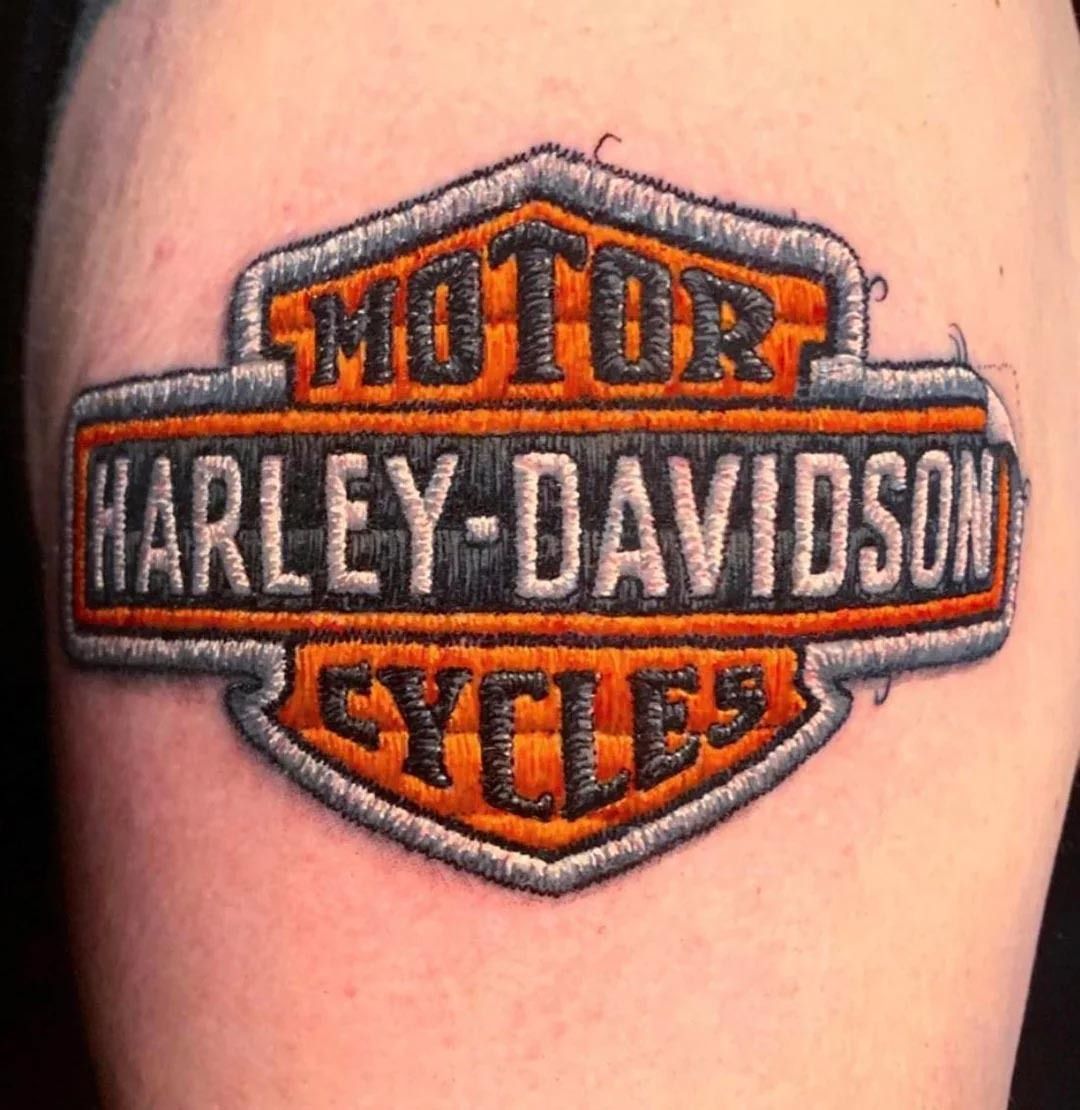
Great Names Can Feel Intimidating at First—Just Like This Ink. Look at this stunning Harley-Davidson Bar & Shield tattoo—hyper-realistic, embroidered style, boldly claiming space on someone's skin. It's not just art; it's a permanent declaration of loyalty and identity. But here's the thing: when that person first sat in the chair, considering something so iconic and unmistakable, it probably felt a little scary. Bold. Unfamiliar in its permanence. Too close to the passion to see it clearly without emotion clouding the view. The same happens with truly powerful brand names. To founders deep in their business every day, a standout name often hits like this tattoo: edgy, different from the safe options they've lived with, almost too daring. They hesitate because it's unfamiliar territory, and they're judging through the lens of "what we've always been" rather than "what we're meant to become." That's why I always guide clients back to their core "Desired Brand Attributes" list and a clear evaluation framework. Those tools cut through the fear and provide objective proof of fit—alignment with purpose, differentiation, memorability, future scalability. Time after time, the names that initially scare them end up being the ones they fall deeply in love with once they see how perfectly they reflect the bigger vision. This Harley ink didn't become legendary by playing it safe; it endures because it captures something essential and authentic. Great brand names work the same way—they grow on you, become part of your story, and signal your purpose louder than words ever could. Skip the paralysis of doubt. Use structured exercises to validate objectively, justify through purpose alignment, and watch that initial unease turn into unbreakable commitment. Want the step-by-step "how to" for uncovering names that feel bold yet right—complete with exercises, real examples, and smart ways to leverage AI without losing your soul? It's all in my book, The Purpose Naming Process. Download the free version (link in my bio) or grab the paperback on Amazon for $24. It'll help you move past the fear and land on a name that, like this tattoo, becomes a lifelong badge of who you truly are.
Jän Paul Ostendorf tweet media
English
0
0
0
16
Jän Paul Ostendorf
Jän Paul Ostendorf@jpostendorf·
@liz_churchill10 Political Intelligence 1. Politicians conveniently believe in voter fraud only when addressing their opponent. 2. The “an Election Denier” labeling psyop — Truth: No one (D or R) ever denied there was an election. Just stop it.
English
0
0
3
101
Liz Churchill
Liz Churchill@liz_churchill10·
CIA Human Garbage, Senator Slotkin, projects onto President Trump what she has done herself… “Until I hear someone tell me that President Trump…will actually allow us to have a free and fair election…I cannot trust that he won't try and steal it again”
English
301
391
1.6K
30.4K
Jän Paul Ostendorf
Jän Paul Ostendorf@jpostendorf·
Ever fall in love with a name… then run a quick trademark search and realize it’s already taken in the one class you actually need? Gut punch. Most founders have no idea there are 45 trademark classes. You could be wide open in Class 25 (clothing) but completely blocked in Class 42 (SaaS/tech services) – which is exactly where 90% of startups live. I make every client tell me their 2–3 must-have TM classes on day one. We don’t waste a single brainstorm on names that are legally dead on arrival. Naming Law 7 – Know Your Trademark Class – saves more heartbreak than any other rule in the book. Want the printable cheat sheet of the classes that kill most startups, plus the exact preliminary search steps? Grab a free PDF copy of my book “The 22 Immutable Laws of Naming” right now – link in my bio. Or buy on Amazon for $15
English
0
0
0
10
Jän Paul Ostendorf
Jän Paul Ostendorf@jpostendorf·
AI name generators have exploded in popularity lately. You plug in a handful of keywords, hit enter, and suddenly you're flooded with hundreds of suggestions in mere seconds. It feels like magic at first—until you dig deeper. Most of those options are either painfully generic, already claimed by someone else, or straight-up trademark landmines waiting to explode. Even the handful that seem promising still demand real human insight to separate the good from the truly great. AI shines as a brainstorming accelerator, throwing out fresh directions and sparking creativity early on. But it falls short when it comes to the deeper work: capturing your brand's unique purpose, understanding the nuances of your audience, or foreseeing long-term risks. In my experience working directly with founders and teams, the feedback is consistent: the AI-generated names are "fine," but rarely do they spark that genuine "this is it" excitement. Something essential is missing—the soul that only intentional strategy can bring. The smart approach? Use AI to generate initial ideas and explore new angles, then hand those off to someone with real naming expertise. Let them guide the process, prioritize what truly matters (like alignment with your mission and future-proofing), and steer clear of hidden pitfalls that could cost you time, money, or momentum down the road. Curious about the exact role AI plays in a proven, purpose-driven naming process—and where it absolutely doesn't belong? I've laid it all out in my book, The 22 Immutable Laws of Naming: Violate Them at Your Own Risk. It's packed with hard-earned lessons from years of real projects. Grab the free download (link in my bio) or pick up the paperback on Amazon for $15. Either way, it's designed to help you build a name that doesn't just sound good today—it endures and amplifies your purpose for years to come.
English
0
0
0
4
Jän Paul Ostendorf
Jän Paul Ostendorf@jpostendorf·
Cameo Blocks OpenAI: Trademark Wins in AI Feature Naming How to hold your ground against AI's speed? Brands are not delicate, but they need protection. This recent Trademark ruling shows how defending your name preserves the brand. Cameo was granted a preliminary injunction against OpenAI, blocking use of "Cameo" for its Sora video app feature that generates celebrity-like videos. Cameo was already well-known for personalized star messages. They argued that the AI tool creates consumer confusion and will continue to do so. The court agreed. This echoes broader AI trends: Tools generate features at scale, but without checks, they risk overlapping established marks in overlapping spaces. Your name carries the story of genuine human moments. When AI mimics, it risks eroding that authenticity. AI can only create from existing content, so there’s always a chance there could be an overlap. AI has been documented to hallucinate — it’s geared to provide an answer even if it’s not always 100%. "How do you want your brand remembered?" Here, Cameo chose defense to stay true to its why. Startups using AI for branding should prioritize clearance and monitoring. Protect your purpose proactively—it's how you build loyalty that endures beyond these fast-paced tech waves. reut.rs/3ODYAgF
English
0
0
0
7
Mario Nawfal
Mario Nawfal@MarioNawfal·
There is no freaking way! Right?
English
590
1.3K
8.3K
897.1K
Jän Paul Ostendorf
Jän Paul Ostendorf@jpostendorf·
IYO vs. IO: The Ninth Circuit's Wake-Up Call on Pre-Launch Branding Risks Imagine pouring heart into an AI-centric startup, only to face a legal wall because your name sounds too similar to a competitor's. Branding isn't just creative—it's strategic positioning within your market. This case from late 2025 illustrates how early trademark enforcement can safeguard your brand. The Court affirmed a trademark injunction in iyO, Inc. v. IO Products, Inc. iyO, a startup building an AI-focused device, holds the registered "IYO" mark. IO Products (acquired by OpenAI) launched a competing hardware device under the "IO" mark, prompting iyO to sue for near-identical marks. They both were clearly targeting the same audience. The court found the infringement "sufficiently imminent"—with prototypes ready and 2026 sales planned—upholding the block. This isn't a case based on theory; it's about protecting the unique why behind your venture. AI accelerates innovation, but similar names and conflicting brands can project the idea that no one is thinking strategically. It says to the market that OpenAi was asleep at the wheel, not to see this coming. It was an opportunity to rename, rebrand, and tell a new story. The AI race has led companies to learn the hard way: Clear names before announcements. View trademarks as allies in storytelling, not hurdles. Early diligence prevents rebrands that disrupt momentum and lets your purpose attract the right partners and customers. In crowded tech, a protected name amplifies impact, turning potential friction into focused growth. Source: bit.ly/3OQ7qIa
English
0
0
0
22
Jän Paul Ostendorf
Jän Paul Ostendorf@jpostendorf·
One Process. Many Fruits. Collaborative naming: Involve visionary, CEO, marketing – even full C-suite (aim for 8). Including those helping drive the bus builds excitement and gets everyone on the same page. The group exercise of developing a Purpose Statement, once completed, serves as a guidepost for everyone — individually and corporately. It keeps everyone's activities aligned. A great Purpose Statement not only drives the bus, but also permeates the organization, from attracting hires to engaging customers. Want a detailed "how to" Naming Book with many naming exercises, examples, and how to use AI to get exactly what you want and need? Download “Purpose Naming Process” for FREE right now – link in my bio. Or buy a paperback on Amazon for $24.
Jän Paul Ostendorf tweet media
English
0
0
0
12
Jän Paul Ostendorf retweetledi
The Babylon Bee
The Babylon Bee@TheBabylonBee·
Iran Cancels Plan To Attack California After Seeing Gavin Newsom Already Destroyed It buff.ly/PWIAOgw
The Babylon Bee tweet media
English
1.1K
12.8K
67.9K
2M
Jän Paul Ostendorf
Jän Paul Ostendorf@jpostendorf·
@DonnePetro @LLinWood There has also been a lot of prophecy about corrupt Christian leaders being exposed. I wonder if Lin Wood is one of them. He obviously has zero spiritual discernment.
English
0
0
17
601
Donne Clement Petruska
Donne Clement Petruska@DonnePetro·
Why don’t you just answer me or talk to me? I’m his daughter. Why would you peddle a nonsense book about my Dad, yet never even acknowledge me when I reach out? I was so supportive of you in the 2020 election time. I’ve always defended you. That’s really unfair. None of the people who make all kinds of ridiculous claims about my Dad will ever actually try to talk to us, and we are very welcoming and open to talk to anyone. I’m actually heartbroken, I’ve always loved Lin Wood. My Dad prophesied so much about what’s happened, I had those prophecies from my Dad and shared them everywhere. I love him and I lost him and he loved America. He prophesied that Trump would do everything he’s doing. He saw Ukraine and Russia, he saw Israel and Iran, he saw the impeachments and exposures. What would you have done? Hidden them away in case it offends anyone? Or at least give people a chance to see and judge for themselves. Geez Lin, I’m just so heartbroken.
English
159
85
1.1K
15K
Jän Paul Ostendorf
Jän Paul Ostendorf@jpostendorf·
You're staring down the barrel of a major rename and full rebrand—thousands in costs, weeks of work, and a knot in your stomach. The biggest worry that paralyzes most founders? "What if we confuse or straight-up lose our current customers?" That fear alone kills momentum before anything even launches. Here's the reality I've seen play out time and again: Customers usually get it. More than that—they often embrace it. In every post-rebrand survey I've conducted with clients, the pattern holds steady. Existing customers report feeling re-energized and clearer about who we are and where we're headed. The new name and identity finally click into place, making the full vision visible instead of hidden behind outdated signals. They don't feel abandoned; they feel invited into something bigger and more intentional. The pushback? It almost always bubbles up internally— from teams worried about change, skeptical stakeholders, or just the discomfort of letting go of the familiar. Rarely does it come from the outside audience you're most afraid of alienating. Letting that internal hesitation win means you stay stuck, with potential clients still scratching their heads about what you actually do and why it matters. Don't let fear from within sabotage the clarity and growth your brand—and your purpose—deserve. A well-executed rebrand isn't a risk to loyal customers; it's often the refresh that reignites their excitement and draws in the right new ones who finally "get" you. Want the exact survey questions I use to measure this before, during, and after a rebrand—so you can track real sentiment shifts and prove the impact? It's all detailed in my free book, The 22 Immutable Laws of Naming: Violate Them at Your Own Risk. Download it for free (link in my bio) or grab the paperback on Amazon for $15. Either way, it'll equip you to move forward with confidence, not caution.
English
0
0
0
10
Jän Paul Ostendorf
Jän Paul Ostendorf@jpostendorf·
Anticipating the Storm: Surveys Show AI-Fueled Trademark Disputes Rising—Time to Clarify Your Brand's Purpose Ever paused to ask: "In a world racing toward AI, is your brand's purpose armored against the coming waves?" Surveys are sounding the alarm, and as a champion for purposeful branding, I see this as a call to action, not fear. A recent Norton Rose Fulbright report reveals 38% of companies anticipate heightened exposure to trademark disputes in 2026, driven by AI's role in branding. Generative tools create names, logos, and slogans en masse, but they amplify risks like infringement and dilution. Alongside licensing concerns, trademarks top the list of vulnerabilities, as AI blurs lines in IP enforcement. It's like a marketplace where everyone shouts similar slogans—confusion reigns, and true purpose gets drowned out. But purpose-driven brands stand tall: They attract the right people by clearly articulating why they exist, turning potential disputes into differentiators. The data ties into broader litigation trends, with AI enhancing detection but complicating authorship. nortonrosefulbright.com/en-us/knowledg…
English
0
0
0
7
Jän Paul Ostendorf retweetledi
Jim Ferguson
Jim Ferguson@JimFergusonUK·
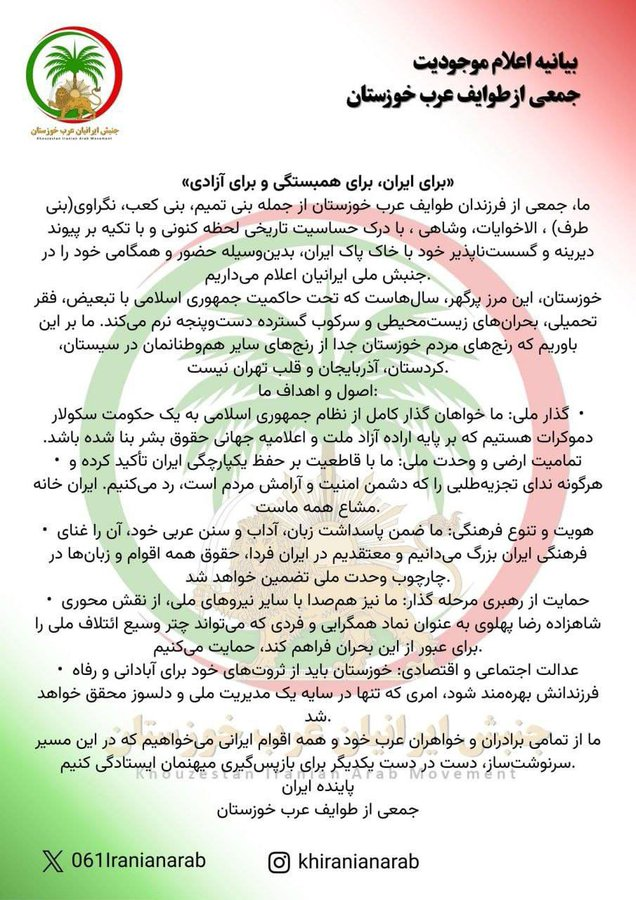
🚨 BREAKING: MAJOR SIGNAL FROM INSIDE IRAN A political declaration has just emerged from Arab tribes in Iran’s Khuzestan province — the country’s most important oil-producing region. In the statement they make several striking points: • They reject the Islamic Republic and call for the complete removal of the regime • They demand a secular democratic government based on human rights • They stress that Khuzestan is an inseparable part of Iran • They call for unity among all Iranian ethnic groups including Kurds, Azeris and Baluch • They express support for Reza Pahlavi as a unifying national figure for a future transition Khuzestan is not just another province. It is the heart of Iran’s oil industry and one of the most strategically important regions in the country. When voices from inside that region begin calling openly for a democratic future beyond the Islamic Republic, it signals something much bigger: The cracks inside the regime’s foundations may be widening.
Jim Ferguson tweet media
English
3.2K
17K
56.2K
3.6M
Jän Paul Ostendorf
Jän Paul Ostendorf@jpostendorf·
Sora Showdown: How AI Naming Risks Diluting Your Brand's Educational Purpose How would you feel if your carefully crafted brand, built to inspire learning and connection, suddenly faced a doppelganger from the AI world? As a branding advocate, I've always emphasized that purpose isn't optional—it's the core that makes your business indispensable. But in the rush of innovation, AI is testing that core like never before. Enter the lawsuit from OverDrive against OpenAI over the "Sora" name. OverDrive's Sora app has been a staple for digital libraries, providing e-books to students with a distinctive icon and palette. Then OpenAI launches its AI video tool under the same name, complete with similar visuals, sparking claims of trademark infringement, unfair competition, and deceptive practices. The suit argues this creates consumer confusion, especially in overlapping tech-education spaces, and seeks to enjoin OpenAI from using the mark. It's a stark reminder: AI tools generate branding at scale, but they can mimic without malice, eroding trust. Think of it like two teams wearing the same jersey—fans get confused, loyalty splits, and purpose gets lost. OverDrive's mission to empower readers is diluted when users associate "Sora" with video AI instead. For purpose-led brands, especially in edtech or content, this highlights the need for vigilance. I often tell clients: "Position your brand like a lighthouse—unique, visible, protected." Start with thorough trademark clearance, monitor AI trends, and tie every element back to your why. In 2025's litigious landscape, defending your name isn't defensive; it's an affirmation of your impact. Let's use these stories to build brands that endure, not just innovate. Source: bit.ly/4cQuXCP
English
0
0
0
7
Jän Paul Ostendorf
Jän Paul Ostendorf@jpostendorf·
Clash of the Anthropics: A Startup's Trademark Battle and the Power of Purposeful Naming Every time I dive into a branding workshop, I start with a simple question: "What if your company's name was the first story you told the world?" It's a powerful hook because names aren't just labels—they're the essence of your purpose, signaling who you are and why you matter. But what happens when AI-driven expansion collides with that story? Consider the recent showdown between a Karnataka-based startup, Anthropic Technologies Pvt Ltd, and U.S. AI giant Anthropic PBC. Incorporated in 2013, the Indian firm built its identity around the name "Anthropic," only to face confusion when the American company entered the market. Clients mixed them up, diluting the smaller player's brand and sparking a lawsuit over trademark infringement, passing off, and misrepresentation. It's a classic David vs. Goliath tale, where the Indian startup seeks an injunction and damages to protect its prior use. This isn't isolated; AI's rapid scaling is amplifying such clashes. Startups use AI to generate names quickly, but without intent, they risk echoing established marks. I've seen purpose-driven businesses thrive when their name aligns with their mission—like a sports team positioning for victory through clear strategy. Here, the analogy fits: Skipping due diligence is like playing without scouting the field. For entrepreneurs, this case is a wake-up call. Embed purpose in your naming process—ask, "Does this reflect our unique why?" Conduct global searches and view trademarks as guardians of your story. In a world where AI blurs lines, a purposeful name doesn't just avoid lawsuits; it attracts the right alliances, funding, and loyalty. Let's turn these challenges into chapters of resilient growth. Source: bit.ly/4r25MAS
English
0
0
0
8
Jän Paul Ostendorf
Jän Paul Ostendorf@jpostendorf·
Trademark Disputes Are Skyrocketing, and How Purpose Protects Your Brand Have you ever wondered why some brands seem to effortlessly attract the right people, while others get tangled in legal messes that drain their energy? As someone who's spent years helping businesses align their branding with deeper purpose, I've seen how a strong, intentional name can be the beacon that guides growth. But lately, with AI exploding onto the scene, that beacon is getting foggy for many startups. Picture this: You're a founder using AI tools to brainstorm the perfect name for your venture—something catchy, modern, tied to your mission. AI spits out options at lightning speed, but here's the catch: It often pulls from existing marks without a global check, leading to unintentional overlaps. Recent trends show a surge in trademark infringements, especially in tech. Generative AI is enabling rapid branding creation, but without thorough clearance, it's sparking conflicts in crowded markets. We're talking about a "parallel front" in AI litigation, where claims of confusion and dilution are on the rise. This isn't just legal jargon; it's a threat to your brand's soul. When your name gets diluted, so does your purpose—the why that draws customers, talent, and investors. I've asked audiences: "How would you like to build a company where your brand stands out not just for what it does, but for the impact it promises?" The answer is always a resounding yes, but AI-fueled haste can undermine that. Take it from the data: Courts are adapting old frameworks to new AI realities, denying dismissals in cases where AI outputs mimic protected elements. For purpose-driven brands, this means prioritizing comprehensive searches early. It's like training for a marathon—you invest upfront to avoid cramps midway. In the end, a protected name reinforces your purpose, turning potential pitfalls into purposeful progress. Source: bit.ly/4qZZ3XU
English
0
0
0
5