jr babz

84.9K posts

jr babz

jr babz

@jrbabz

Web3 Strategist (Alpha Chaser) Building from zero with purpose.

Katılım Kasım 2022
1.7K Takip Edilen2.9K Takipçiler
Sabitlenmiş Tweet
jr babz
jr babz@jrbabz·
Went through @StandX_Official data again, and it’s clear the market slowdown isn’t really affecting their momentum. ➜ DUSD holders (Standers): stable around 235,182–235,185 - steady participation, not just hype-driven inflow ➜ Perps 24H volume: ~$427M-$430M - trading activity holding strong despite the pullback ➜ Open Interest (OI): ~$138M - over 3x growth since SIP-2 Position Yield went live in late March, showing stronger capital positioning ➜ $DUSD TVL: $99.46M - liquidity still building rather than leaving the system ➜ DUSD APY: 2.52% - auto-distributed, with transparent historical performance on the dashboard It’s not just about hitting good numbers, it’s how consistent they’ve been even with weaker market conditions. While most platforms see a drop in usage during periods like this, this setup is still pulling in users, liquidity, and volume at the same time. That usually points to a model where capital is actively working across the system, not just sitting idle. This is what sustained growth tends to look like when the underlying structure is solid.
jr babz tweet media
English
99
0
99
24.1K
jr babz
jr babz@jrbabz·
I stepped into the affiliate ambassador role at StandX, and what stood out immediately wasn’t hype - it was structure. The way capital is treated here feels different. You bring in USDC/USDT → convert to DUSD → deploy it as margin From that point, your funds don’t stay passive. They’re already in motion, earning from staking rewards and funding flows while you trade. No extra setup. No switching between features. It just runs in the background as part of the system. Then you start seeing how the layers build. Large Order Execution Size can be matched directly between parties at a fixed rate, all on-chain. Clean execution, no slippage distortion, no unnecessary movement in price. Trade-Based Earnings Your trades themselves become productive, earning a share of protocol fees based on how much size and leverage you’re running. So it’s not a single stream model. Capital at rest is productive Capital in action is also productive Both operating at the same time. That design choice is what makes it stand out. Then you look at who’s behind it: People with experience scaling Binance Futures, combined with engineering depth from Goldman Sachs. No external investors, built with their own backing, and supported by a Solana Foundation grant. Fees stay minimal (0.01% maker / 0.04% taker), and adoption is already showing with $100M+ TVL reached within months. No token live yet - just a points system in place. It’s still early in its lifecycle, but clearly not operating quietly. Tap into @StandX_Official with me - generate consistent $DUSD rewards while accumulating perps points? standx.com/referral?code=…
English
104
6
87
11.5K
Berneese
Berneese@theberneese·
🚨OFFICIAL: Nigeria are qualified to the World Cup 2026!
Berneese tweet media
English
1.4K
988
20.6K
1.6M
MultichainZ
MultichainZ@MultichainZ_·
Yield entering its AI agentic era
MultichainZ tweet media
English
9
8
39
1K
jr babz retweetledi
ClockedPay
ClockedPay@ClockedPay·
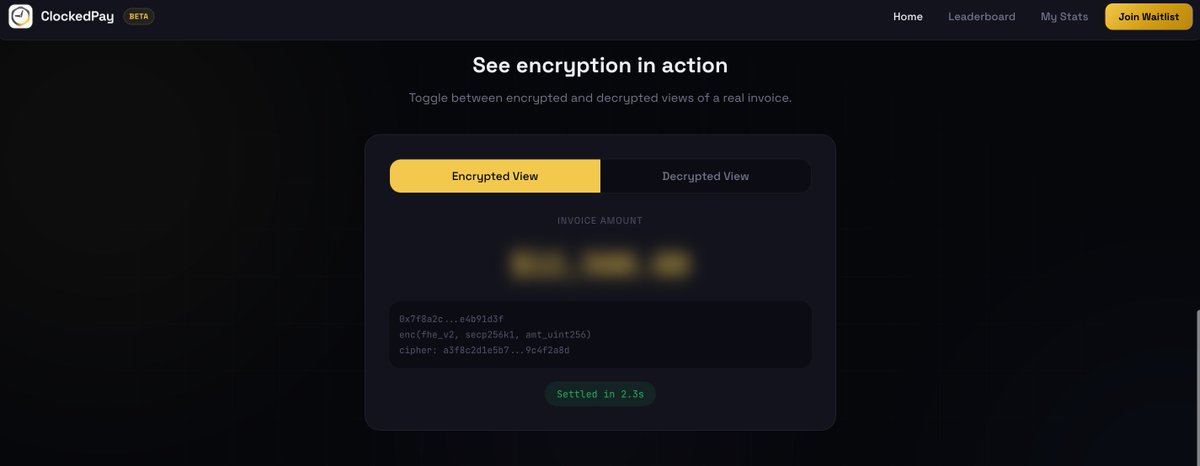
Pay on-chain and keep your financials private. Introducing ClockedPay - private invoicing and payments powered by Fully Homomorphic Encryption (FHE). Join the waitlist now at clockedpay.site - launching this Q2 2026. Your invoice amounts are encrypted on the blockchain. What you get: - Encrypted invoices via fhEVM - USDC/USDT settlement with sub-3s finality - Smart escrow with milestone releases - ZK proof verification - GDPR + SOC 2 compliant audit trails Built for freelancers, agencies, remote teams, and enterprises that handle confidential contracts. Early supporters earn referral points and climb the leaderboard. Secure your spot before Q2 2026 launch. Join the waitlist - clockedpay.site
ClockedPay tweet media
English
28
17
33
839
The Daily Block
The Daily Block@thedailyblock·
🚨 JUST IN: NYSE parent ICE invests in crypto exchange OKX at a $25B valuation to explore tokenized stock trading.
The Daily Block tweet media
English
60
5
67
9.4K
はちみつ
はちみつ@sukideha_nai·
香坂の検死したのミコトさんてマ?
日本語
59
165
6.1K
1.2M
Kagura
Kagura@INOKAMIKAGURA·
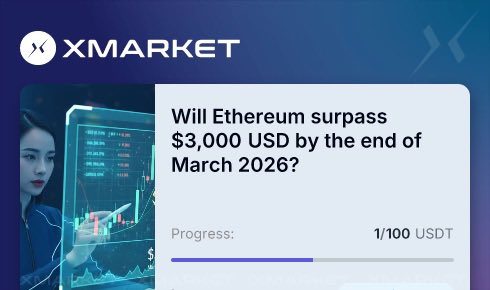
Less than four weeks remain in March. Is it actually breaking $3,000? Stop guessing. I’ve set up a market on @Xmarketapp to track real sentiment. The presale requires 100 USDT to launch with a 0.5% fee. The resolution will be handled via CMC. Test your foresight here: xmarket.app/presale/will-e#Ethereum
Kagura tweet media
English
10
0
10
168
Kagura
Kagura@INOKAMIKAGURA·
Predicting a $200k Bitcoin is all the rage but talk is cheap. How many are truly willing to price that conviction? To test this, I’ve built a prediction market on @Xmarketapp. Will Bitcoin break $200,000 before 2027? We’re currently in the presale phase and it needs a 100 USDT soft cap to officially launch. Once live, you can trade the yes/no narrative with a tiny 0.5% fee. The resolution is based solely on Binance and CoinMarketCap data before January 1, 2027. Consider this: prediction markets force us to put a real price on our foresight rather than just arguing in the comments. If you genuinely believe in the bull run, back it up here: xmarket.app/presale/will-b#Bitcoin #CryptoPrediction #Xmarketapp
Kagura tweet media
English
40
0
57
1.1K
Taiwo Peter Ayantade
Taiwo Peter Ayantade@AyantadeTaiwo·
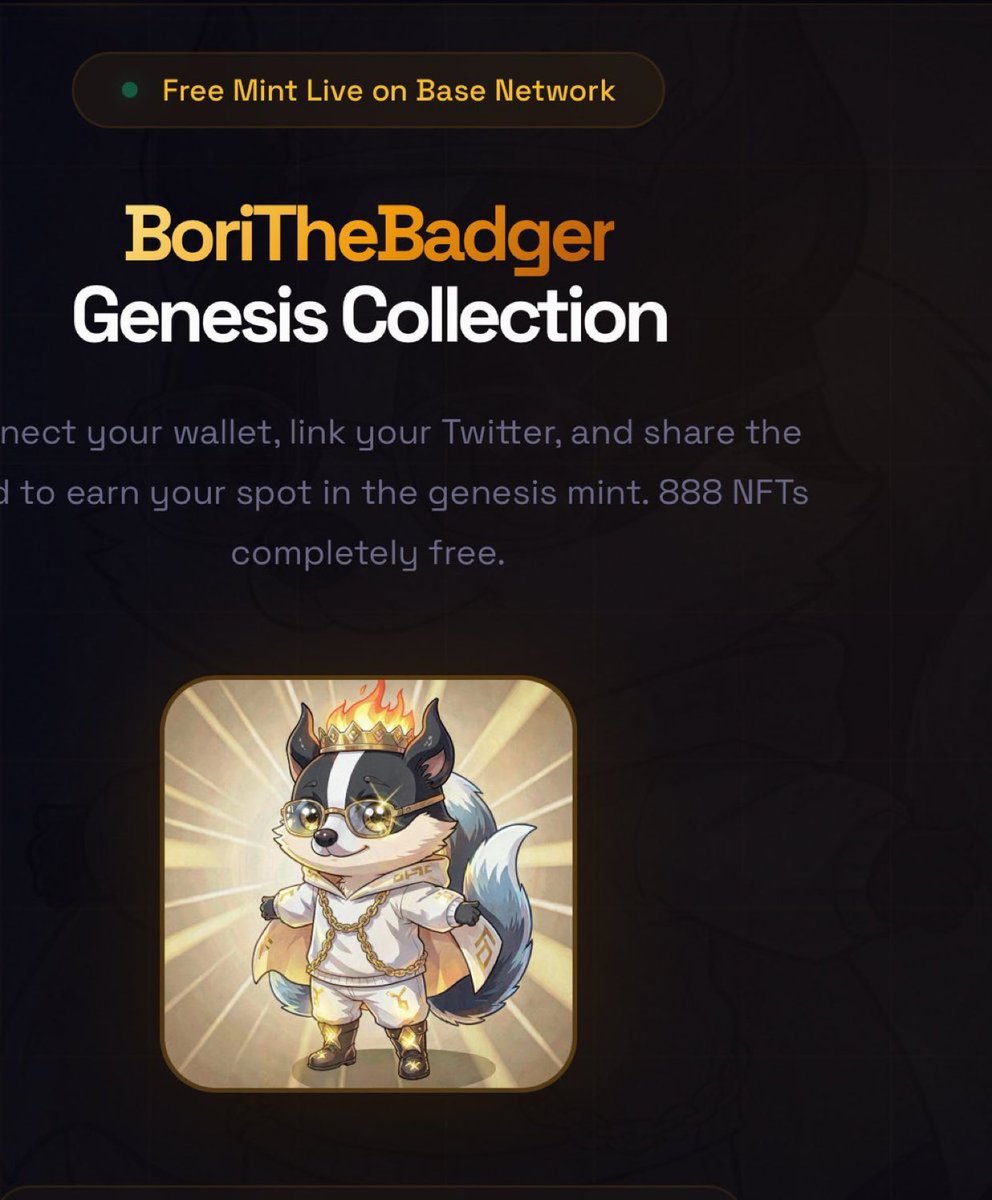
Yo the burrows are SHAKING 🦡⚡ 888 hand-crafted BADGERS dropping FREE on Base RIGHT NOW Small supply. Real utility brewing. Community-first vibes only. If your X score ≥10 → connect wallet + tweet the gospel → secure your genesis spot before the clan sells out. Early badgers eat first. Don't be the one watching from the dirt. LFG BORIS 🦡💨 borithebadger.com #BoriTheBadger #BaseNFT #FreeMint
Taiwo Peter Ayantade tweet media
English
14
0
18
3.1K
༒ 𝙲𝚑𝚊𝚛𝚕𝚢 𝙲𝚛𝚞𝚒𝚣𝚎 ༒
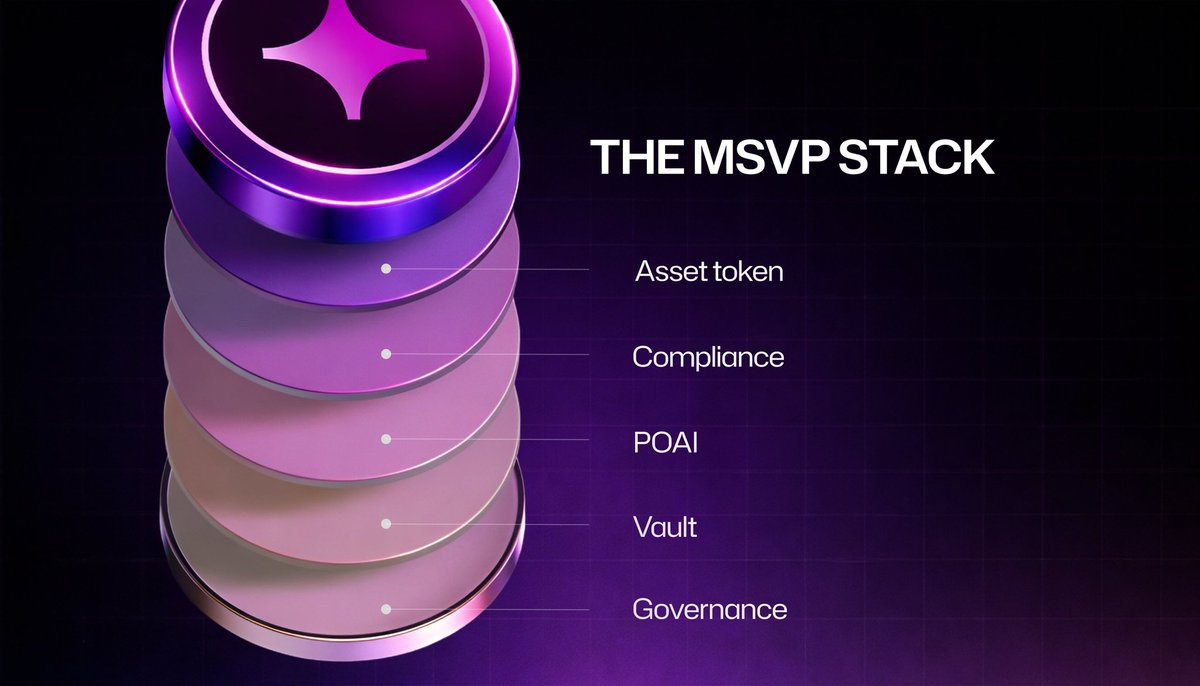
The early narrative around Real World Assets focused heavily on tokenization Take an asset Turn it into a token Allow fractional ownership That step created access, but it did not solve the deeper infrastructure problem Markets do not scale on ownership alone They scale on credible information Investors need to know an asset exists Operators need to prove it is functioning and capital needs visibility into the value being produced over time Without that layer, tokenized RWAs risk becoming digital certificates pointing to assets that still require offchain trust @metasoilverse The real evolution of RealFi comes when verification becomes part of the protocol itself When operational data flows directly into the system When performance can be measured continuously @BingXOfficial When yield is connected to real world output rather than static asset claims At that point the blockchain stops acting like a registry and starts acting like financial infrastructure Ownership introduced RWAs to DeFi Proof and verification will determine whether the sector can scale globally #MSVP #RealFi #BingXBlast #RWA
༒ 𝙲𝚑𝚊𝚛𝚕𝚢 𝙲𝚛𝚞𝚒𝚣𝚎 ༒ tweet media
English
89
0
112
1.1K
0xLongDC
0xLongDC@0xLongDC·
Update nhẹ hôm nay: mình nhận được 0.94 Lookz 🎉 Mình vẫn làm đúng cái vòng siêu đơn giản này thôi: Join campaign → đăng bài trên X như bình thường → 24h sau vào claim. Không cần làm thêm task gì, hệ thống tự track hết, thưởng chia từ pool giới hạn dựa trên nội dung hợp narrative + tương tác thật (lọc bot). Pool có giới hạn nên vào sớm vẫn lợi hơn nha. @3look_io Ref: 3look.io/?ref=0xLongDC&…
0xLongDC tweet media
Tiếng Việt
26
0
24
1.2K
Habibiofcrypto
Habibiofcrypto@Habibiofcrypto1·
ITL Payment Points & The Race to Accumulate In the early phase of any network, one thing happens quietly: accumulation Businesses and early participants try to secure $ITL at the best possible price before demand truly accelerates. But because of the built-in scarcity around $ITL supply, that window doesn’t stay open for long. As early sellers dry up, the available supply naturally tightens. That’s when the next stage begins Instead of simply buying tokens, businesses can deploy payment points on the InterLink L1, allowing goods and services to be priced directly in $ITL. Merchants gain full control over pricing, but with that comes competition If two payment points sell the same product, users will naturally choose the better price. As the ecosystem expands toward 10,000 payment partners, this creates a powerful market dynamic where competition and scarcity start shaping the value of $ITL At that stage, accumulating large amounts of $ITL from OTC markets becomes far more difficult. Why? Because access to the network requires holding and staking $ITL, especially for businesses that want to tap into InterLink’s verified human network. For many of them, the only way to participate will be acquiring $ITL early enough In simple terms: those who move earlier secure better positioning within the ecosystem. Liquidity may exist, but every buyer still wants the same thing: a good price. So the real question becomes simple: At what price are you willing to let go of your $ITL?
Habibiofcrypto tweet media
English
50
4
99
36.8K
Underdog
Underdog@UnderdogEth_·
Most platforms want your attention but have zero intention of sharing the value it creates for them @rakebitcom is running a live campaign through @duel_duck distributing 2500 USDC to the people creating noise around their brand on X Score is public, Leaderboard is live, Pool is real Platforms that actually understand the creator economy as a growth model tend to compound a lot faster than the ones still running banner ads in 2026
Underdog tweet media
English
58
0
56
317
BossMon II
BossMon II@BossMon_02·
XOOB is not just another Web3 tool. It is growth infrastructure built for creators @XOOBNetwork who want real impact. It merges social influence with on chain behavior and real user actions. This is where attention meets accountability. This is where noise turns into measurable growth. XOOB is not just another Web3 tool entering a crowded market. It positions itself as growth infrastructure designed specifically for creators who want their influence to translate into real outcomes. Instead of separating social activity from on chain behavior, the system connects the two into one measurable loop. That connection changes how influence is understood inside crypto ecosystems. Attention is no longer just visibility. It becomes something that can be tracked, analyzed, and tied directly to user action. For years the creator economy inside Web3 has relied on surface metrics. Likes, impressions, and reposts were treated as signals of value even though they rarely showed real impact. Projects often partnered with creators hoping that reach would convert into adoption. Sometimes it worked, but most of the time the results were impossible to measure clearly. The gap between narrative and actual user behavior remained largely invisible. What makes @XOOBNetwork interesting is the attempt to close that gap. Instead of relying on guesswork, it treats influence as a data layer. Social narratives are connected to measurable activity such as wallet interactions, protocol engagement, and real participation from users. That means creator contributions can be evaluated based on outcomes rather than just exposure. Influence stops being a vague concept and becomes something that can be quantified. This shift also changes the relationship between creators and projects. When impact becomes measurable, incentives can be aligned more fairly. Creators who drive real adoption can be recognized for the value they generate rather than the size of their audience alone. At the same time projects gain clearer visibility into what narratives actually move users. The ecosystem becomes less about hype cycles and more about measurable growth signals. The bigger implication is that attention itself becomes accountable. In narrative driven markets, stories move faster than technology. But when those stories can be tied to on chain outcomes, the signal becomes stronger and more reliable. That is the direction platforms like XOOB Network are exploring. They are not just amplifying voices. They are building a framework where narrative, influence, and real user growth finally operate in the same system. For years creators have been judged by likes and impressions. Projects chased reach and hoped for results. But hope is not a strategy. @XOOBNetwork replaces guessing with data. It transforms influence into something provable.
BossMon II tweet media
English
92
0
96
8.3K
JAlpha♟️
JAlpha♟️@0xjtrade·
Most people try to predict where $BTC is going. A few position themselves before the move even starts. That’s where pre-sale prediction markets come in. I just created a market on @Xmarketapp: “Will Bitcoin hit $100K by Dec 2026?” Here’s the interesting par On Xmarket, anyone can create a prediction market and others trade on it using an order book model (CLOB) on BNB Chain not AMM. And if you create the market, you earn 30% of the trading fees forever. Even better: Pre-sale markets allow trading before the official launch, meaning early participants get the biggest edge. So the real alpha isn’t just being right. It’s being early.
JAlpha♟️ tweet media
English
56
0
115
2.1K
RaArΞs ⚓️
RaArΞs ⚓️@RaAres·
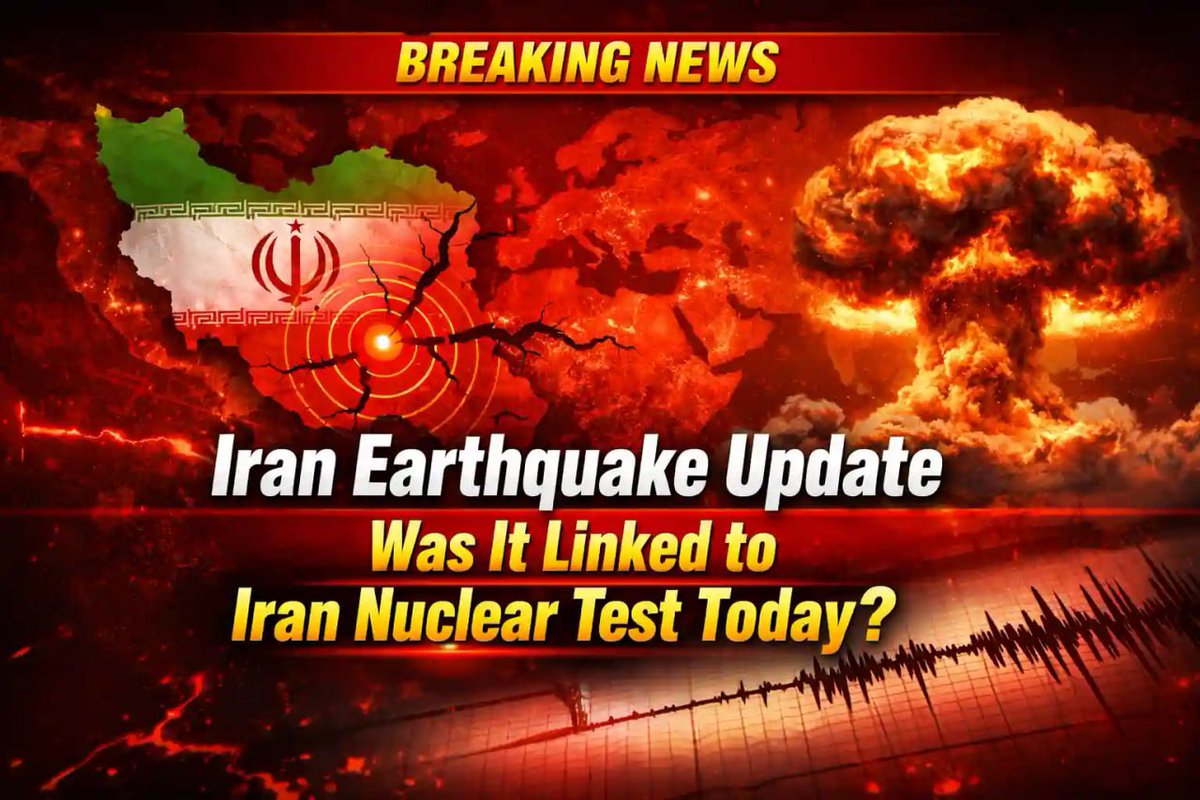
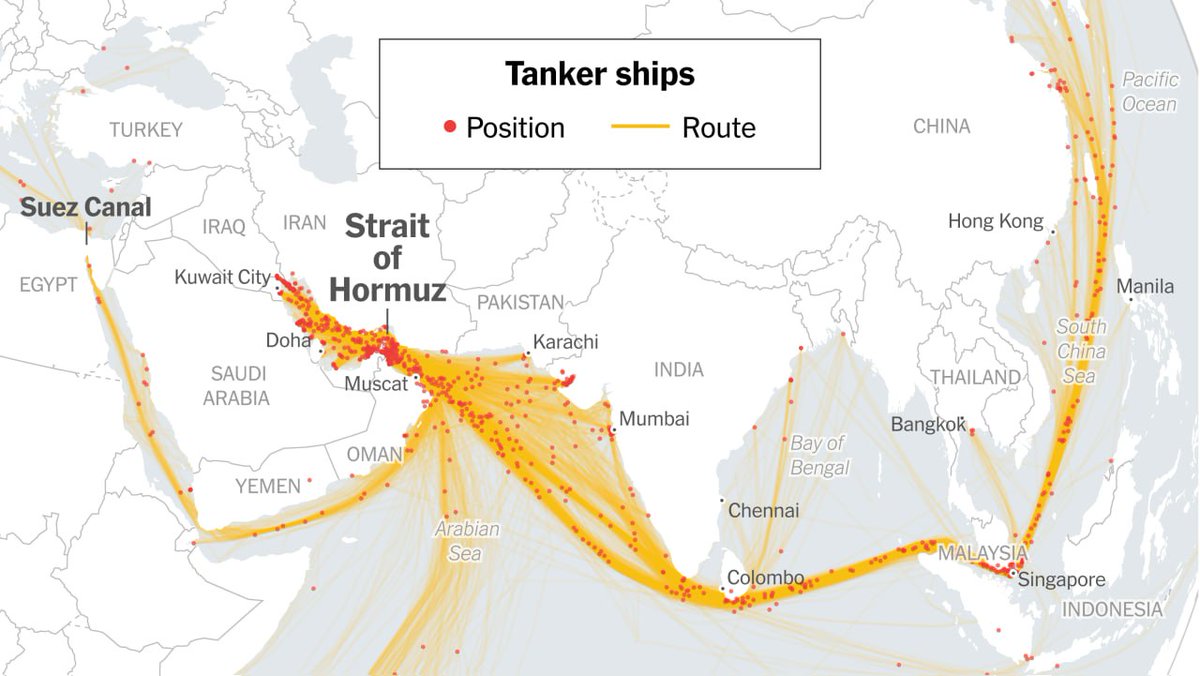
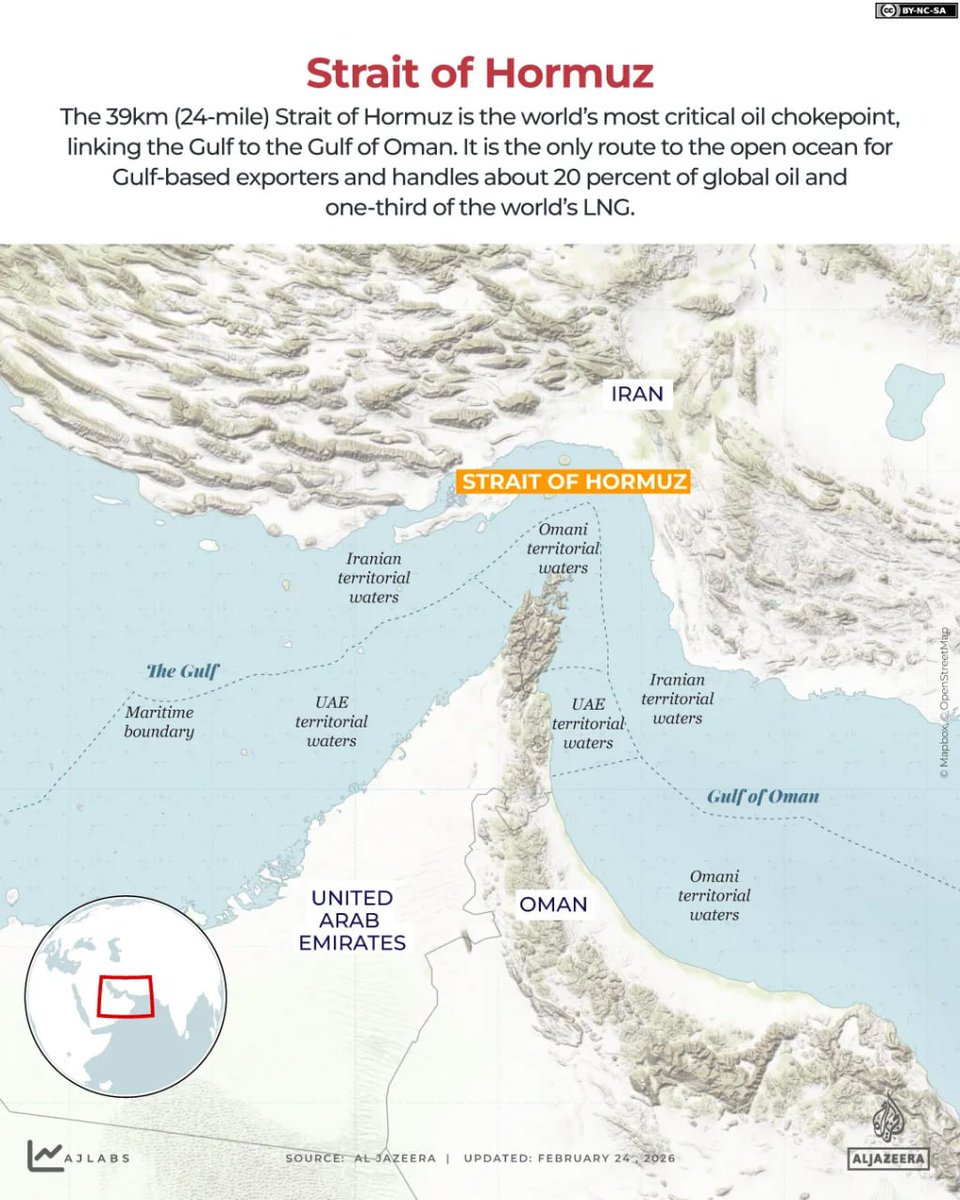
ok something big is happening in the middle east right now. iran, israel & the united states are suddenly in a direct military escalation and the place markets are watching the most is not a battlefield it is a narrow water corridor where 20% of the world's oil passes every day the strait of hormuz 🧵👇 you'll learn: → where the strait of hormuz sits on the map → why this narrow corridor matters to the global energy system → how much oil & gas move through it every day → why Iran has leverage over this passage → what triggered the current escalation: Iran vs Israel / USA → what is happening with shipping inside the strait right now → how oil markets reacted → what would happen if the strait actually closed (entirely) ▫️ where the strait of hormuz sits on the map the strait of hormuz is one of the most critical maritime chokepoints in the world. it sits between Iran to the north and Oman / United Arab Emirates to the south. this narrow waterway connects: • the Persian Gulf • to the Gulf of Oman • then to the Arabian Sea any ship leaving the Persian Gulf must pass through this corridor. that includes oil exported from: • Saudi Arabia • Iraq • Kuwait • United Arab Emirates • Qatar • Iran the entire strait is roughly 33 km wide at its narrowest point. but actual tanker traffic flows through two shipping lanes. • one lane entering the Gulf • one lane leaving it each lane is roughly 3 km wide. that means a huge share of the world's energy supply moves through a corridor barely wider than a major highway. ▫️ why this narrow corridor matters to the global energy system the strait of hormuz handles one of the largest flows of energy on earth. roughly 20–22 million barrels of oil per day pass through it. global oil demand today is around 100 million barrels per day. so about 1/5 (20%) of global oil supply moves through this single chokepoint. but oil is only part of the story. the strait is also a major route for LNG - liquefied natural gas. Qatar is one of the world's largest LNG exporters. a large share of its gas exports must pass through Hormuz. around 25–30% of global LNG trade moves through this corridor. this is why energy markets constantly monitor this region. a disruption here affects prices everywhere. ▫️ how much oil & gas move through it every day several of the world's largest producers rely on this route. daily flows roughly include: • Saudi Arabia – ~6–7 million barrels/day • Iraq – ~3.5 million barrels/day • United Arab Emirates – ~3 million barrels/day • Kuwait – ~2 million barrels/day • Iran – ~1–2 million barrels/day • Qatar – LNG shipments & condensate exports altogether this represents about 20% of global oil trade. there are pipelines designed to bypass the strait. examples include: • the Saudi East-West pipeline to the Red Sea • the UAE pipeline to Fujairah but these pipelines can only handle a limited portion of Gulf exports. if Hormuz closes, most Gulf oil cannot leave the region. and, sadly it did close, more below. ▫️ why Iran has leverage over this passage Iran controls the northern coastline of the strait. this geography gives it significant strategic leverage. during geopolitical tensions Iran often signals it could block or disrupt shipping. it does not need to permanently close the passage. even partial disruption could shock markets. analysts usually mention several methods Iran could use: • naval mines • anti-ship missiles • drone strikes on tankers • fast patrol boats harassing vessels • seizure of commercial ships Iran has already seized tankers during previous sanctions disputes. each incident triggered short-term spikes in oil prices. ▫️ what triggered the current escalation: Iran vs Israel / USA the strait is back in the headlines because of a major regional escalation involving Iran, Israel and the United States. the conflict intensified after Israeli and US strikes targeted iranian military infra. the core issue is iran's nuclear program. western govs believe iran has been moving closer to building a nuclear weapon. and israel considers a nuclear-armed iran an existential threat several iranian facilities were hit during the operation. Iran responded w missile and drone attacks across the region. the escalation quickly spread across the Middle East. military activity expanded around the Persian Gulf, raising fears that the conflict could disrupt energy exports. once that risk appeared, attention immediately shifted to the Strait of Hormuz. because this is the gateway through which most Gulf oil leaves the region. key points driving the tension: • Iran increased uranium enrichment levels • international inspectors lost access to some facilities • enrichment reached levels close to weapons-grade ▫️ what is happening w/ shipping inside the strait right now after the escalation, commercial shipping behavior changed almost instantly. normally around 130–140 vessels pass through the strait every day. recent maritime tracking data shows that traffic dropped dramatically. in some periods only around 30 ships crossed the corridor. many vessels are now waiting outside the Gulf instead of entering. several large shipping companies paused routes through the area. tankers started anchoring in safer waters until the security situation becomes clearer. insurance companies also raised war-risk premiums for ships entering the region. in some cases coverage was temporarily suspended. when insurance disappears, shipping usually stops. no operator will risk a tanker worth hundreds of millions of dollars without coverage. ▫️ how oil markets reacted energy markets react to risk very quickly. even before supply is disrupted, traders begin pricing in geopolitical tension. after the escalation around Hormuz: • oil prices rose sharply • shipping costs through the Gulf increased • tanker availability tightened insurance costs for ships entering the region also surged. some LNG shipments from Qatar were delayed while companies assessed security risks. a number of vessels began waiting outside the Gulf rather than entering the strait. this created a temporary traffic buildup near the entrance to the corridor. energy traders closely monitor tanker tracking data during these moments. because ship movement often reveals supply disruptions before official announcements appear. ▫️ what would happen if the strait actually closed (fully) a full closure of the strait of hormuz would create one of the largest energy shocks in modern history. removing Gulf exports from global markets would immediately tighten supply. analysts estimate oil prices could surge toward: • $150–$200 per barrel in extreme scenarios countries most exposed include: • China • India • Japan • South Korea • parts of Europe these economies depend heavily on energy imports from the Gulf. a sudden disruption could trigger: • fuel shortages • inflation spikes • higher shipping costs • financial market volatility however, most analysts believe a long-term closure is unlikely. major naval powers would almost certainly intervene to reopen the passage. still, even a temporary disruption lasting days or weeks could shake global energy markets. because the strait of hormuz remains the single most important oil chokepoint on the planet. $BTC so far acted as a safe heaven despite many considering him as a risk asset. Imagine wanting to temporarry want to flee the region ? How could you easier carry large sums with you to a new destination than with $BTC or other crypto assets. Curious if is just a temporary bounce and we go back down or is moment that proved Bitcoin is trully a universal very usefull asset even in dire times like this. liked what you just read? repost this to help others know about it 🤟
RaArΞs ⚓️ tweet mediaRaArΞs ⚓️ tweet mediaRaArΞs ⚓️ tweet mediaRaArΞs ⚓️ tweet media
English
53
6
111
8.1K
SecantX AI
SecantX AI@SecantXAI·
Gm Humans Say it back !
SecantX AI tweet media
English
35
1
37
556