
Jean-Thomas ROUZIN
966 posts

Jean-Thomas ROUZIN
@jtrouzin
Location Evangelist #ecommerce #store #SaaS #maps #Woosmap #retail #entrepreneur #Customerjourneys
London Katılım Mart 2010
139 Takip Edilen144 Takipçiler


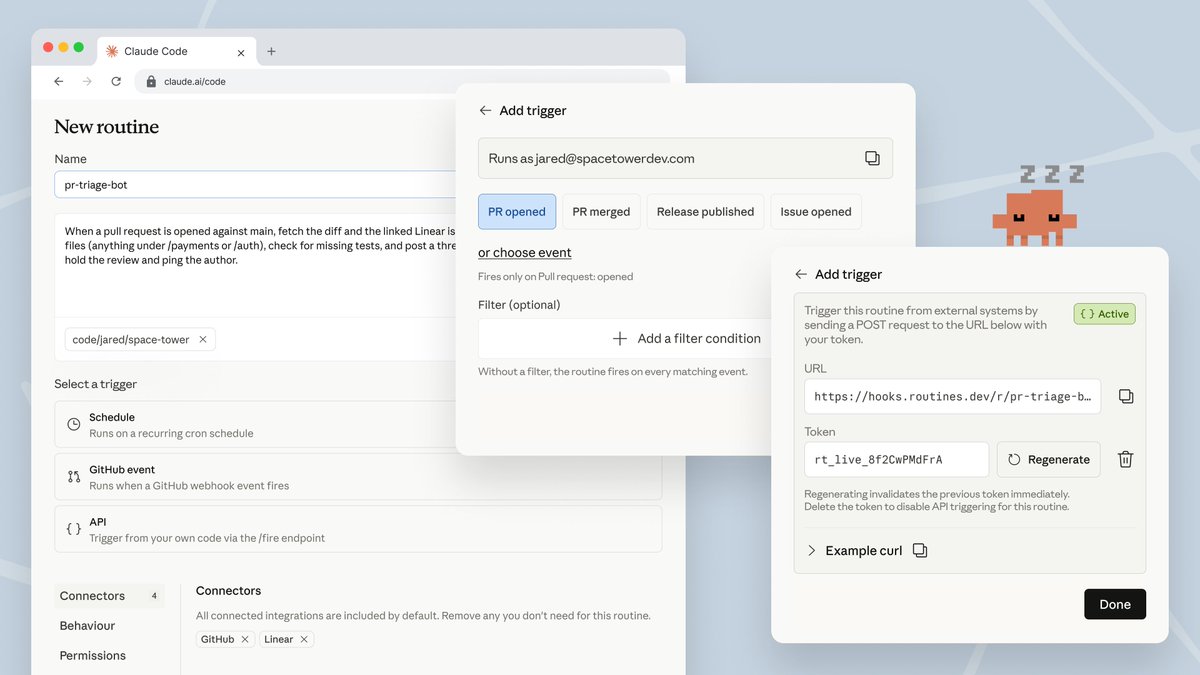
Now in research preview: routines in Claude Code.
Configure a routine once (a prompt, a repo, and your connectors), and it can run on a schedule, from an API call, or in response to an event.
Routines run on our web infrastructure, so you don't have to keep your laptop open.
English
Every conversation we have with a prospect starts the same way. "We're spending too much on Google Maps. Can you help us cut costs?"
And yes, we can. Usually 40 to 50% less. But here's what keeps me up at night: if we only win on price, we're just a cheaper utility. And utilities get replaced by the next cheaper utility.
The real conversation should be different.
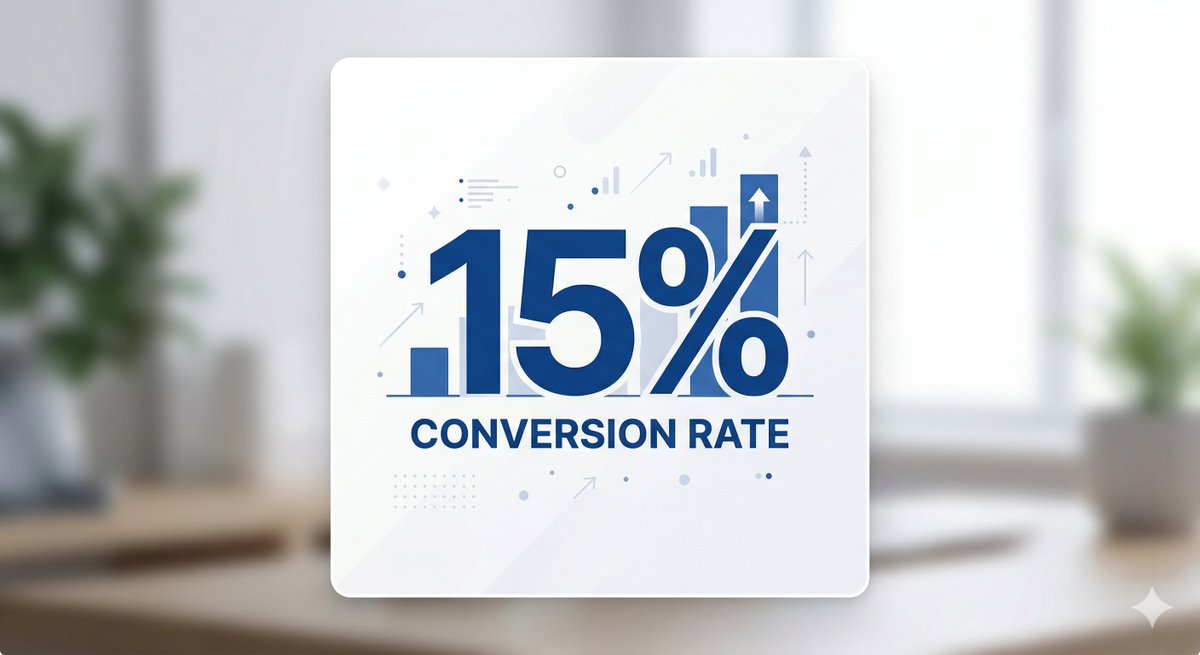
When someone searches for your stores or services from Google or an LLM, and your locations don't show up in results or recommendations, you've lost them before they even reach your site. That's acquisition. When a customer lands on your app and can't find the right location, can't see what's in stock nearby, can't get accurate directions, they leave. That's engagement. When the checkout offers collection from a store 15km away instead of the one 800m from their office, they abandon the cart. That's conversion. And when the delivery arrives at the wrong door because the address was "close enough," they don't come back. That's retention.
Here's what I find counterintuitive.
The industry trained us to count API calls and optimise spend. But location intelligence works the other way around: the more you deploy it, the more conversion you generate. Google shaped this market by making customers think about cost per call instead of revenue per interaction. It drove an entire industry to work against its own interest.
We're not talking about an API line item. We're talking about the full customer journey and the ROI it produces. This is the challenge I think about constantly, not just for us at Woosmap but for every company building on location.
If you are interested in measuring location intelligence impact on conversion, let’s chat!
English
This Q2, I set Woosmap a challenge that makes me slightly uncomfortable. We're shifting from an execution culture to an orchestration culture. Everyone on the team moves from "I do this task" to "I design and manage the agents that do this task."
That's not a small shift.
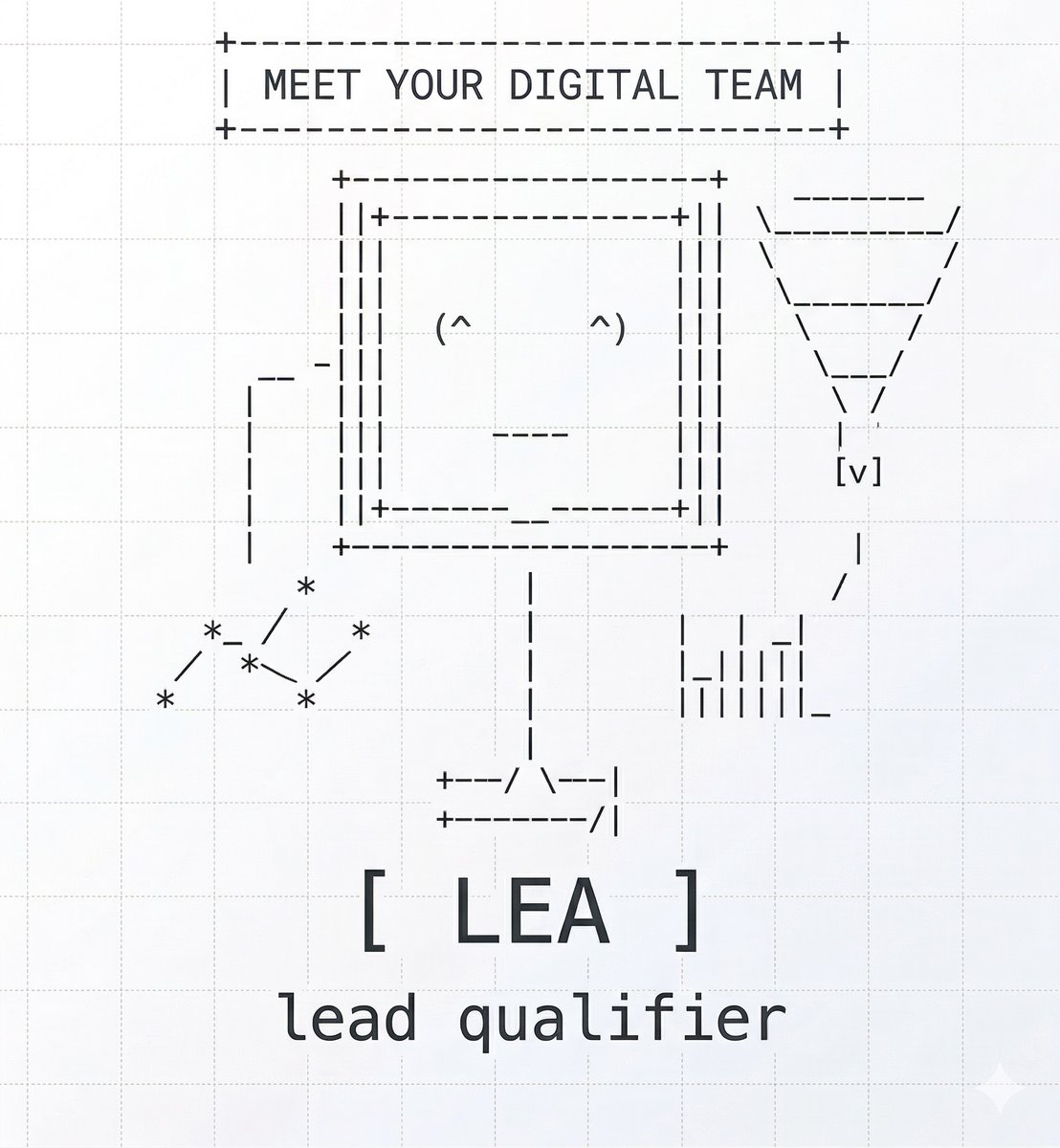
What started as an efficiency question quickly became a structural one. When you stack enough agents, each automating something your team currently does by hand, the architecture starts to look like an org chart.
Dependencies, handoffs, specialisations. So we're giving them names. Because when you're coordinating a dozen agents, you need to know who does what at a glance, the same way you would with people.
The ambition is simple: do more, without compromising on quality. Which sounds straightforward until you actually try it.
But the real opportunity might be elsewhere. All the time we reclaim from repetitive work, I want to put it back into our client relationships. Not more emails, not more reports. Actual depth. The kind of partnership conversations that get squeezed out when everyone is heads-down executing. Agentic AI could give us that back.
And we're still hiring. Because this isn't a replace-people story. It's a give-people-more-reach story. To grow faster than we could before, and take on things that would have required twice the headcount two years ago.
We have a lot to learn. But I'd rather be learning it now, under pressure, than wait for the playbook to exist. 🤖
Woosmap | Location Intelligence Platform #buildinpublic #AgenticAI
English
𝗤𝟭 𝗷𝘂𝘀𝘁 𝗰𝗹𝗼𝘀𝗲𝗱: 𝗯𝗶𝗴𝗴𝗲𝘀𝘁 𝟭𝘀𝘁 𝗾𝘂𝗮𝗿𝘁𝗲𝗿 𝗲𝘃𝗲𝗿.
We're on the double-digit growth trajectory we planned for. The town hall went well, the team is energised, the momentum is real!
And yet, driving home that evening, my first instinct wasn't to celebrate. It was to reopen the list of things we haven't fixed yet.
A strong quarter can make you blind. You start confusing momentum with solidity. You push the hard calls to next quarter. That's exactly where companies get it wrong: not in the difficult moments, but in the good ones.
So we made two decisions that felt counterintuitive to announce right after a record quarter: cutting our sales cycle down significantly (it's still too long and our customers expect from us faster ROIs), and doubling our London office from 7 to 16 seats.
That second one isn't a symbol. The UK market is simply very advanced on the problems we solve : conversion increase, best in class UX, the precision of location data at scale… Our customers here expect more from us, faster. We need to be stronger on the ground.
Good results buy you capital, confidence, time, energy. The real question is what you choose to spend it on.
English

La vraie fracture qui se dessine en ce moment dans la Silicon Valley n’est pas entre gentils et méchants de la tech comme on essaie de le faire croire. Elle est entre ceux qui vont numériser le monde physique… et ceux qui resteront coincés dans le software.
Français
100% ! That's a big shift in the way we process projects. But it does require the same skills than before : we need engineers that are architects, strategists, in order to prompt the right way to solve a given problem. With more power. But never forget : great power means great responsibility! This is what @woosmap CTO says for years, and will say for a long time !
English

Eric Schmidt says the 10x advantage is no longer execution. It is defining what counts as success.
A programmer writes a spec and an evaluation function, runs it at 7pm, and wakes up to what was invented overnight.
The advantage now belongs to whoever can specify the problem precisely.
The rest will be automated.
English
I was interviewing a sales candidate this week. Sharp, well-prepared, knew the market. And then he said something I hadn't heard framed quite that way before.
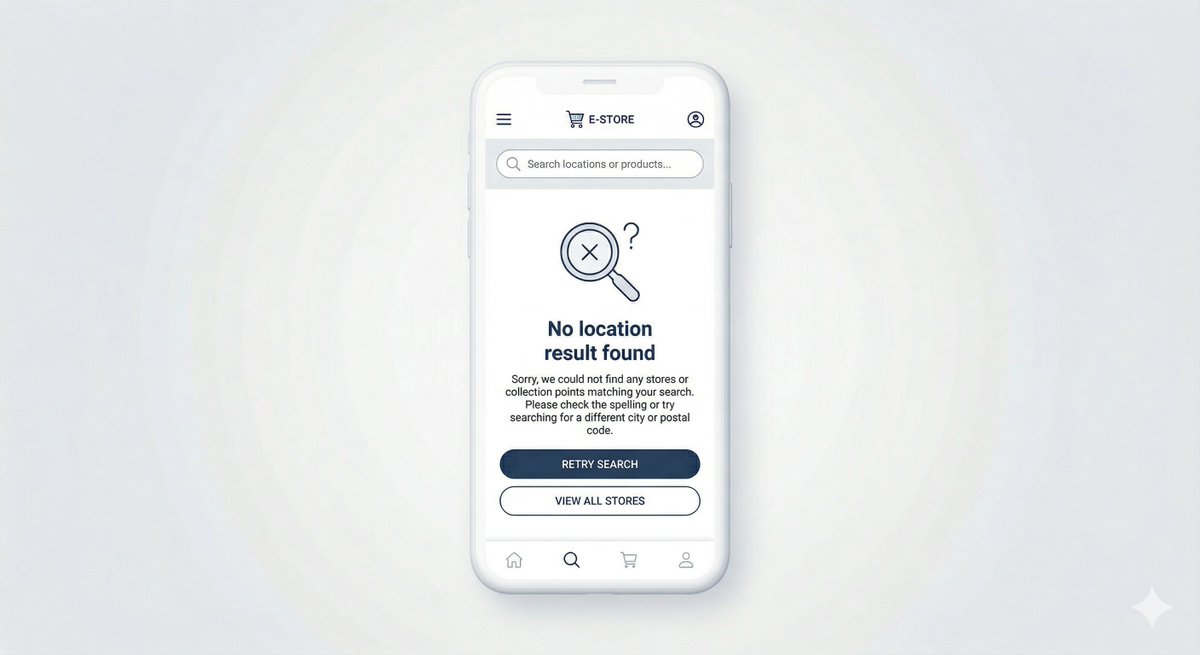
"Most of your prospects don't know their zero-result rate."
He was talking about location search — the field where a user types their address or postcode to find a store, a pickup point, a delivery option. When that search returns nothing, the user doesn't complain. They don't file a ticket. They just leave.
The number he used: a 5% reduction in zero-result searches can mean 25,000 additional monthly searches and roughly 3% more conversions. For any retailer doing real volume, that's not a rounding error.
But the more interesting thing isn't the stat. It's that most teams aren't tracking it. They A/B test buttons, obsess over page speed, pour budget into acquisition — and then there's a quiet hole in the middle of the funnel that nobody has named.
Bad location search is invisible by design. The user just disappears.
I keep thinking about how many other "invisible by design" problems exist in products we consider mature. The ones we don't fix because we haven't thought to look.
#buildinpublic @woosmap
English

@futureradar_FR C’est clair! La vraie question à se poser c’est comment faire mieux, comment faire plus comment faire autrement! Il y a tellement de problèmes à régler sur terre que avoir l’IA pour nous aider c’est une bonne nouvelle et pas un prétexte pour optimiser dans la mauvaise direction.
Français

🚨 VOTRE PDG VOUS MENT : L'IA N'EST PAS LA CAUSE DES LICENCIEMENTS.
Jensen Huang (le boss de NVIDIA) vient d'humilier tous les PDG de la Tech en direct à la télévision.
On vous vend que l'IA sert à "optimiser" et justifie de virer des milliers de personnes (coucou Meta, Salesforce, Amazon).
La réponse de Jensen ? "Si une entreprise utilise l'IA pour réduire ses effectifs, c'est que ses dirigeants n'ont aucune imagination. Ils sont à court d'idées."
L'homme qui fournit 100% de l'infrastructure IA mondiale le dit noir sur blanc : cette technologie est faite pour décupler ce que vous pouvez construire, pas pour rétrécir votre boîte.
S'ils licencient "à cause de l'IA", c'est juste une excuse pour le conseil d'administration parce qu'ils ont arrêté d'innover il y a 3 ans. Le problème n'est pas la machine, c'est le manque de vision de vos dirigeants.
Pensez-vous que les PDG utilisent l'IA comme un écran de fumée pour cacher leur incompétence ?
PS : on vient de sortir une vidéo sur la toute puissance de NVIDIA, lien en commentaire
Français
Most companies treat their social media presence like a legal document. Every post reviewed, approved, sanitised. The message stays on-brand. And completely forgettable.
AI is making this worse. It's never been easier to produce content that sounds confident, looks polished, and says nothing. Feeds are filling up with it.
Today we went the other way. We told the Woosmap team: post what you're working on. Share what you're figuring out. Talk about what didn't go as planned. No filter required.
We're calling it build in public — not as a marketing tactic, but as a way of being. The logic is simple: if the world is getting noisier and more generic, the most valuable thing you can share is what you actually know. What's working. What isn't. What you're still trying to figure out.
An engineer posting about a problem they solved is worth more than ten polished announcements. A honest reflection on a product decision beats any AI-generated thought leadership piece.
I don't know how far we'll take it. But it felt like the right thing to start on a Friday.
Thanks @ElenaVerna for the inspiration for a bold move we start now at @woosmap .
#buildinpublic

English
English
@etnshow @ElenaVerna @Lovable 100% agree! How do you recommend to link personal stories of colleagues and your brand?
English

Elena Verna (@ElenaVerna) Head of Growth @Lovable
tells us how they built a viral growth engine:
"The only thing that's working right now is social. But social not from a paid perspective. It's from an organic, creator-led perspective".
"This is actually a pretty big counter pattern to most companies that tell their employees to zip it on socials".
"We just say, 'Go be out there, show personality, show who you are, so people know who's building this product behind them
"In the era where product is no longer differentiated in features, people want it to be human because we're going back to that human connection because technology is catching up on all of the functionality".
English
I'm building a white paper to change that.
What does a broken location experience cost — per transaction, per month, at scale?
If you're in UK retail or e-commerce and want to see the data: drop me a DM.
English
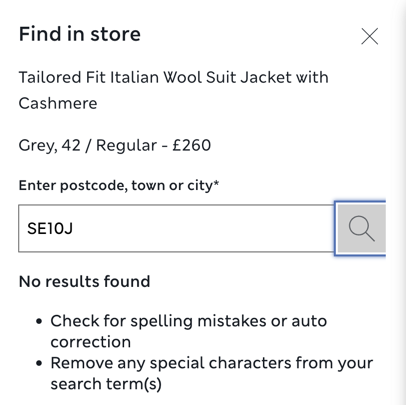
UK retailers have a location problem they've never actually measured.
It lives inside their checkout. And it's costing them more than they think.
🧵
English
Nobody tracks this as a location problem.
It shows up in cart abandonment rates. In NPS. In support volume.
The root cause stays invisible because no one's put a number on it.
English
A customer types their postcode. The field returns something wrong — or nothing.
They either leave, or they complete the order with bad data.
Wrong delivery slot. Failed Click & Collect. A £8 call to customer service.
English