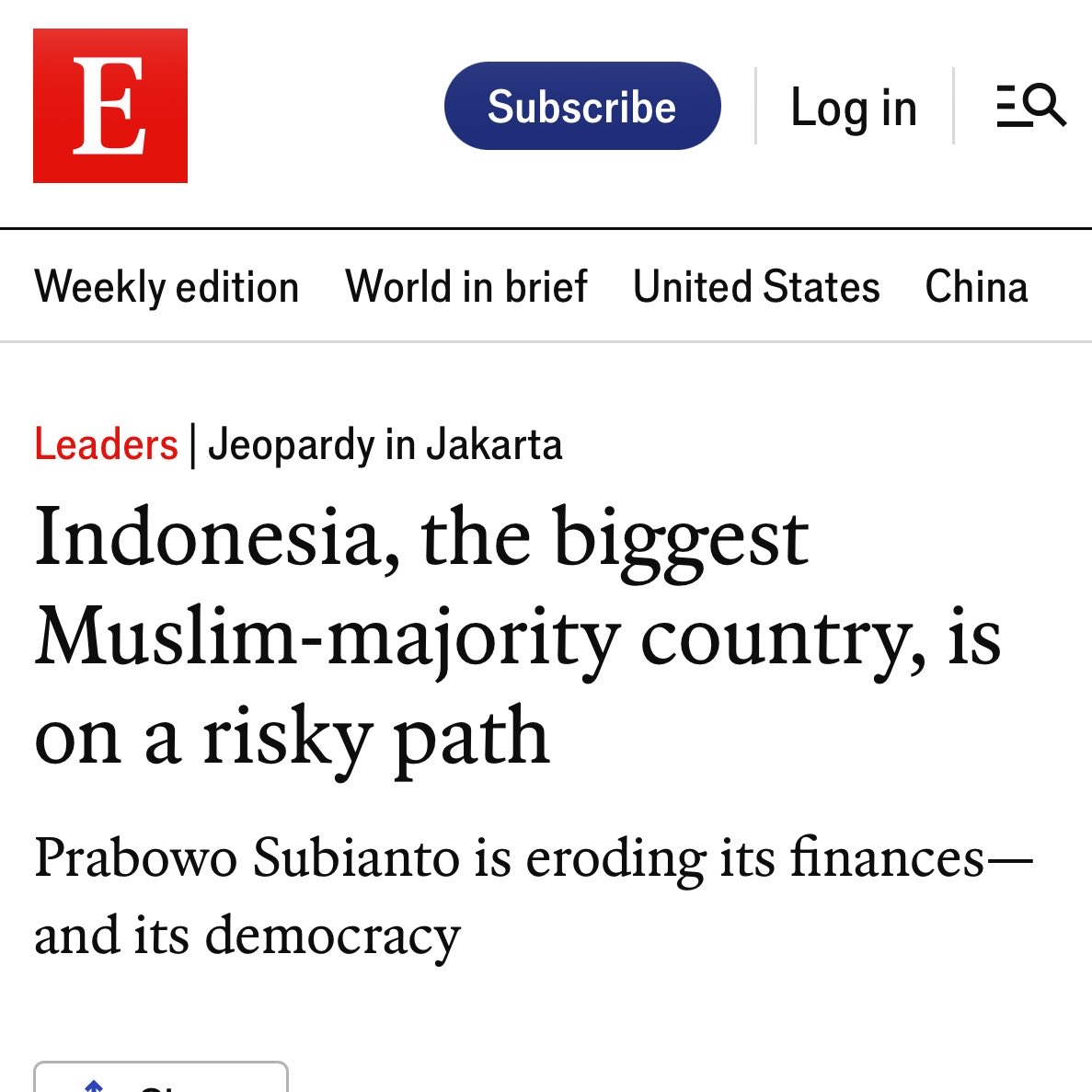
Far too much in Indonesia depends on a thin-skinned former general with a sketchy human-rights record. Prabowo Subianto needs to hear some unpalatable truths econ.st/3RE0Fum Photo: Getty Images
kALEAAA (ivi) 🧸🌷💭
23.7K posts

@k___ale
https://t.co/gS0cTwJCMb 🎀🦢🎨🍥🩰🎟️

Far too much in Indonesia depends on a thin-skinned former general with a sketchy human-rights record. Prabowo Subianto needs to hear some unpalatable truths econ.st/3RE0Fum Photo: Getty Images


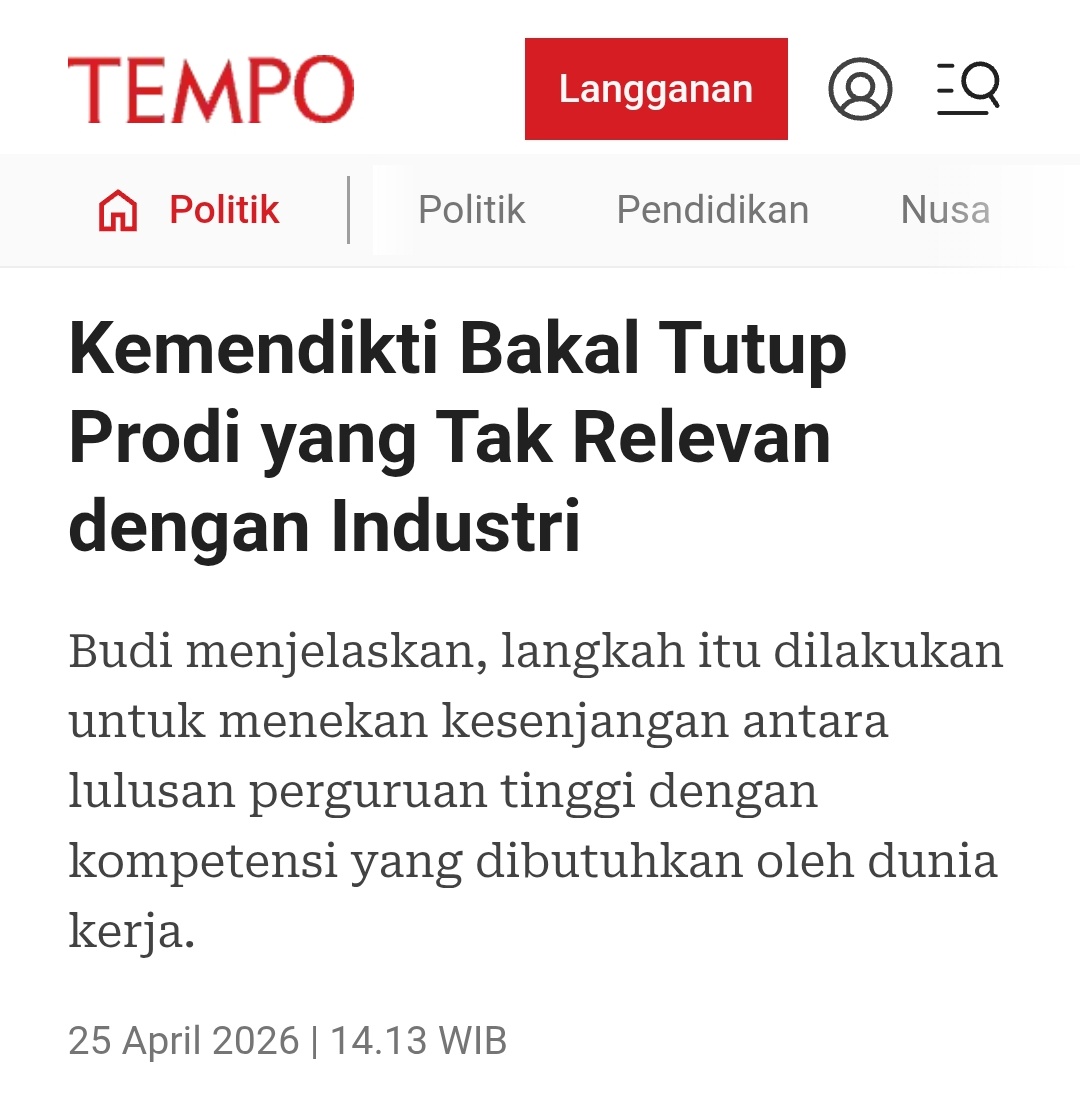
Mendikti Pastikan Tidak Ada Rencana Penutupan Program Studi


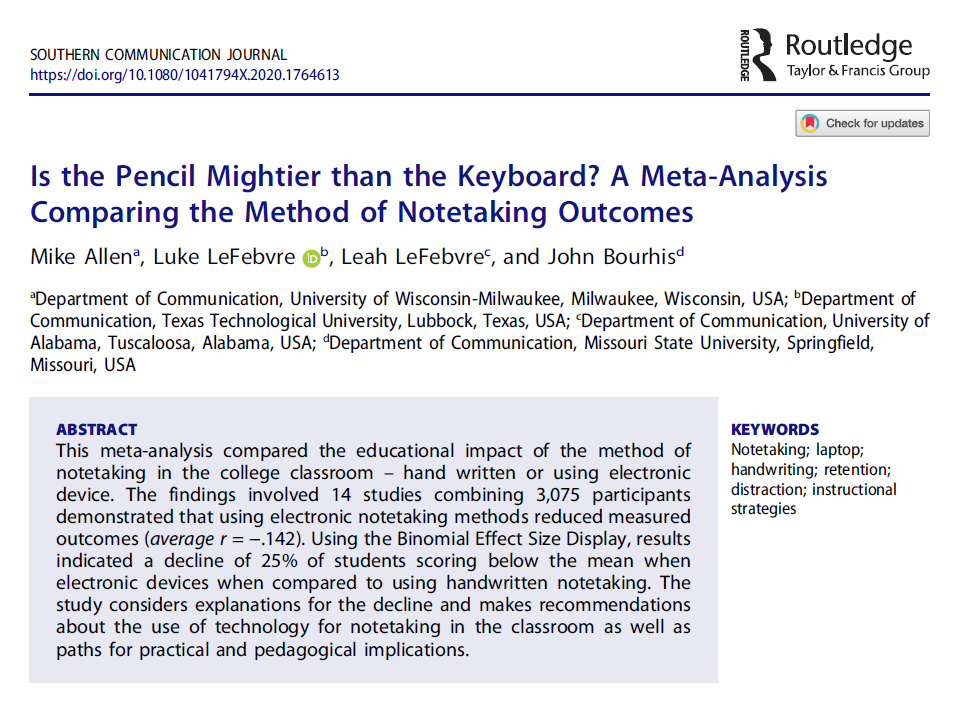
Write by hand. Write by hand. Write by hand. Write by hand. Because your brain learns better that way.


This article should be mandatory reading for every medical student, PhD candidate, researcher—and honestly, for anyone who mistakes expertise for certainty. “The importance of stupidity in scientific research” sounds provocative, almost offensive. But Martin Schwartz is not glorifying incompetence. He is describing the real operating system of discovery. Science is not built on knowing. Science is built on tolerating not knowing. That distinction matters. Most of education rewards correctness. School teaches us to answer. Exams reward speed, certainty, and precision. You feel intelligent when you get things right. Research is the opposite. Real research begins exactly where competence ends—at the frontier where nobody knows the answer, including the people you thought must know. That moment is psychologically brutal. You ask the expert. The expert shrugs. You assume you’re missing something. Then you realize: no—this is the work. You are not failing. You are standing at the actual boundary of knowledge. That feeling—“I must be stupid”—is often not a sign of inadequacy. It is often the first sign that you are finally asking an important question. Medicine struggles with this. We train doctors to avoid uncertainty, to fear being wrong, to perform confidence. But the best clinicians and the best scientists know how to sit inside ambiguity without collapsing into fake certainty. This is why AI in medicine also deserves caution. Systems trained only to reproduce established answers may become extraordinarily good at passing exams while being terrible at discovering what matters next. Guideline intelligence is not the same as scientific intelligence. Discovery requires productive stupidity: the willingness to stay with the uncomfortable, to look ignorant, to ask naïve questions, to be wrong repeatedly without protecting your ego. Most people want the authority of expertise. Very few want the humiliation required to earn it. But progress lives there. Not in certainty. Not in performance. Not in sounding smart. In the quiet discipline of saying: “I don’t know… yet.” And continuing anyway.

aku nyicil materi kedokteran tp merasa keteteran dah.. sanggup ga ya aku

LATSOL TAHUN” LALU drive.google.com/drive/folders/… LATSOL ZENIUS (TKA&TKDU) drive.google.com/drive/folders/… SOAL ASLI Ujian Mandiri+UTUL 2005-2018 drive.google.com/drive/mobile/f… NOTION JADWAL BELAJAR+materi+latsol: …shumkiddo-materi-utul-ugm.notion.site/Materi-UTUL-UG… Wangsit soshum 2025 drive.google.com/drive/folders/…