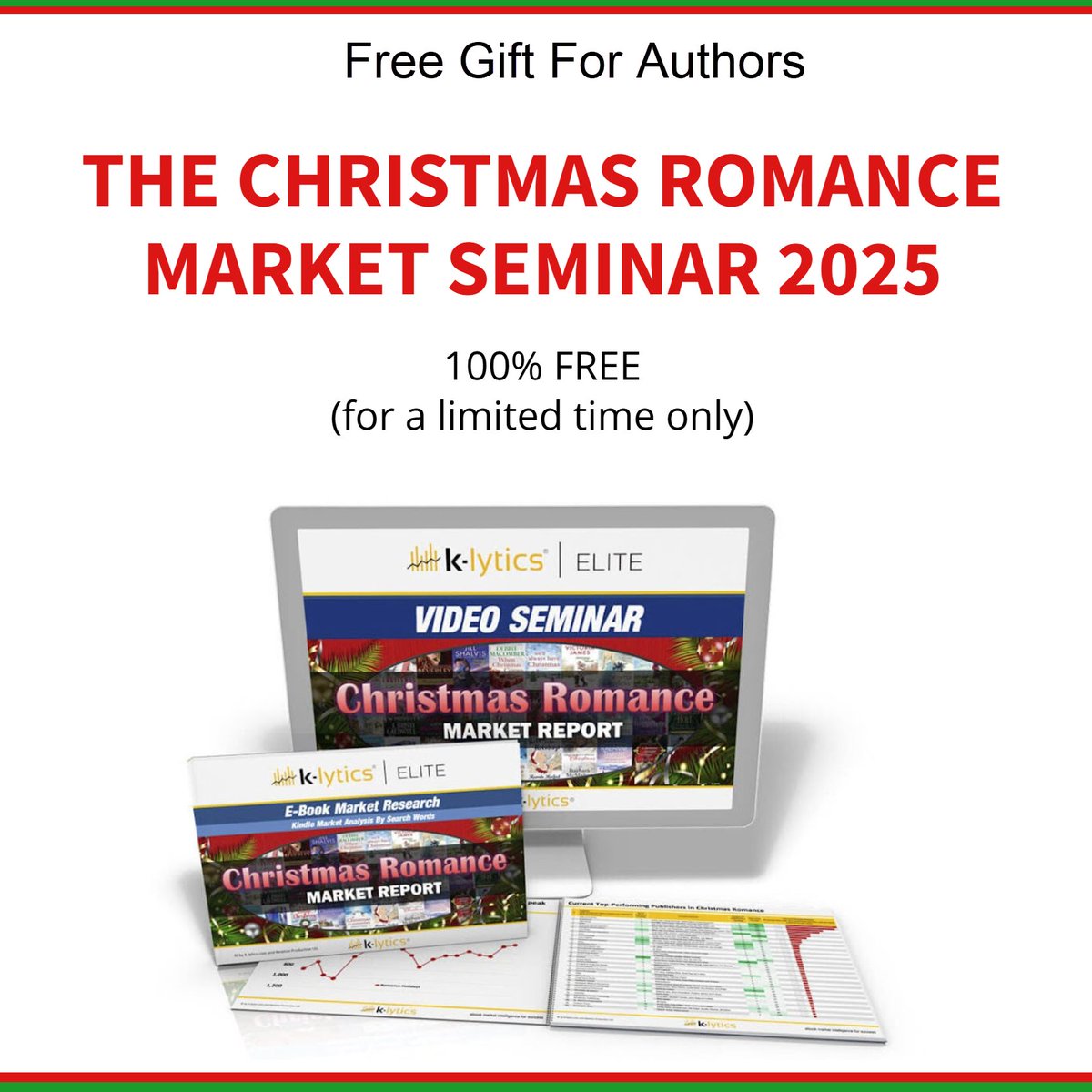

This is now the fifth year we are publishing the Fantasy Romance / Romantasy report.
After each edition, I received messages asking: “What if I missed the boat? Isn’t this just another fad that will end soon?”
It is not.
Major studios continue to invest heavily in TV and film adaptations of bestsellers in the genre:
Most of these projects are still in early development. Releases are unlikely before 2027 or even 2028. That is exactly what makes this powerful. The publicity wave is already queued up and will continue to drive future demand for romantasy books.
Of course, not every project will make it to production. The A Court of Thorns and Roses adaptation at Hulu did not move forward. The rights have reverted to Sarah J. Maas. In my view, she is unlikely to sit on them for long, especially as ACOTAR 6 and 7 have recently crushed the Kindle bestseller charts on pre-orders alone.
At the same time, capital is moving into the space. For example, the investment firm The Chernin Group backed Entangled Publishing, the parent company of Red Tower Books, the publisher of Fourth Wing, at a $400 million valuation.
But money alone is not enough. What these firms and publishers are competing for is high-quality intellectual property with commercial potential. And that sits with you, the writers.
More often than not, it is indie authors with viral reach and market-tested stories who have driven romantasy’s explosive growth.
And step one is always the same: you must strike a chord with readers. To accomplish that, you need to understand what sells.
That's why I'm thrilled to announce the release of our latest genre research:
The K-lytics Fantasy Romance Report 2026 (+ Video)
We packed this report with valuable insights and data-driven analysis to help you take your writing and marketing in this genre to the next level.
You get all the data you need in a concise and easy-to-understand format:
Sales development, competition, the best categories, KU vs. non-KU performance, high-selling cover art, top authors, publishers, optimal price points, power words for titles, keyword ideas, book descriptions, best-performing series, and more.
We also applied our text-mining approach across 10,000 titles to identify high-earning themes, genre clichés, characters, and tropes.
As always, I walk you through the results in a seminar video of more than one hour and give you my take on the numbers.
Research less, write more. Be among the first to get your copy here:
=> FANTASY ROMANCE 2026 - ACCESS
at k-lytics.com/fantasy-romance
Yours sincerely,
Alex
e-book market intelligence for success

English